Starting a jewelry collection can feel confusing at first, since there are so many metals, stones, and styles to consider. Most collections begin with pieces bought one at a time without a plan, which often ends in a drawer full of things that never get worn. A good collection is not about owning a lot of jewelry. It is about owning pieces that fit a person’s life, hold up over time, and mean something to them.
The Reasons People Collect Jewelry
People collect jewelry for three main reasons: personal style, sentimental value, and long-term worth. Some pieces, like fine gold or platinum jewelry, can hold their value for decades because the materials themselves are valuable. Other pieces matter because they were a gift, or because they mark an important moment in someone’s life, like a graduation or an anniversary.
A collection does not need a single purpose. Many collectors mix pieces worn every day with pieces saved for special events. What matters most is that each piece earns its place. Before buying something new, it helps to ask whether the piece would still feel worth having in ten years, or whether it just looks nice today.
Budgeting Before You Start Collecting
Deciding how much to spend should happen before shopping, not after. Jewelry prices jump around a lot depending on metal, gemstone, and craftsmanship, so it is easy to spend more than planned without a limit set in advance.
A simple way to start is picking a small monthly or yearly amount set aside for jewelry, the same way someone might budget for clothes or hobbies. Some collectors save for a few months to buy one well-made piece, instead of buying several cheap pieces right away. Buying fewer, better pieces almost always works out better than buying a lot of low-quality items, because cheap materials can tarnish, break, or irritate skin.
A good rule collectors often follow: buy the best piece affordable in a category, rather than several average pieces at the same total price.
Gold, Silver, and Platinum Basics
Understanding metals helps avoid wasting money on pieces that will not last. Not all jewelry metals behave the same way, and some suit daily wear far better than others.
Gold, silver, and platinum are the three metals most collections are built around. Each has its own strengths, weaknesses, and price range, which is worth knowing before shopping.
| Metal | Durability | Typical Price | Good For |
|---|---|---|---|
| Gold (14k–18k) | Strong, resists tarnish | Mid to high | Everyday and special pieces |
| Sterling Silver | Softer, can tarnish | Low to mid | Casual, everyday pieces |
| Platinum | Very durable, dense | Highest | Long-term, heirloom pieces |
Pure gold, known as 24k, is soft and easily scratched, which is why most jewelry mixes gold with other metals for strength. This mix is measured in karats out of 24 total parts, so 18k gold is 75% pure gold, 14k gold is about 58.3% pure gold, and 10k gold is about 41.7% pure gold, with the rest made up of metals like copper, silver, or zinc, which is also what gives yellow, white, and rose gold their different colors. A higher karat number means more gold and a richer color, but also a softer piece that scratches more easily, which is why 14k and 18k remain the most common choices for rings and necklaces worn often.
Sterling silver is stamped “925” because it is 92.5% pure silver mixed with 7.5% other metal, usually copper, for added strength. It costs less than gold but reacts with air and skin oils over time, causing it to darken unless cleaned regularly. Platinum is denser than gold, meaning a platinum ring feels heavier than a same-size gold ring, and it resists tarnish and wear extremely well, which is why it is often used for pieces meant to last a lifetime, like engagement rings. Platinum was historically the pricier of the two metals, though gold has traded above platinum for most of the past decade, so the price gap between them shifts with the metals market rather than staying fixed.
Gemstone Basics for Beginners
A gemstone’s value depends on more than how pretty it looks. Diamonds and colored gemstones are judged on specific qualities that affect both price and durability.
For diamonds, the four most important qualities are cut, color, clarity, and carat weight, often called the 4Cs. Cut affects how much a diamond sparkles, color measures how colorless (or not) the stone is, clarity looks at natural marks inside the stone, and carat measures its size. For colored gemstones like sapphires, rubies, and emeralds, color and clarity matter most, since a stone’s color intensity often has the biggest effect on its price.
Hardness matters too, since harder stones resist scratches better in daily wear. Jewelers use the Mohs hardness scale to rate this, which runs from 1 to 10. Diamonds sit at the very top with a rating of 10, sapphires and rubies score a 9, and emeralds sit lower at around 7.5 to 8 despite being expensive, which is why emeralds chip more easily than diamonds. Softer stones like opal (around 5.5 to 6.5) and pearl (around 2.5 to 4.5) need much more careful handling, so they suit earrings or pendants better than rings that bump into things throughout the day.
Deciding Between Fine, Demi-Fine, and Fashion Jewelry
These three categories affect how long a piece lasts and how much it should cost. Knowing the difference prevents paying fine-jewelry prices for something that will not survive daily wear, or expecting fashion jewelry to last a lifetime.
- Fine jewelry is made with precious metals like gold, silver, or platinum, and often includes genuine gemstones. It costs more but holds its value and can usually be resized or repaired.
- Demi-fine jewelry uses things like gold-filled or vermeil metals, which have a thicker layer of precious metal over a base metal. Gold-filled pieces are made by heat-bonding a layer of real gold onto a base metal like brass, and by law that gold layer must make up at least 5% of the piece’s total weight, which makes it fairly durable. Gold vermeil is sterling silver coated with a layer of gold that must be at least 2.5 microns thick, much thicker than basic gold plating but still thinner than gold-filled. Both hold up better than cheap gold plating, which can wear off within months of regular use.
- Fashion jewelry uses lower-cost materials like brass or plated metals. It is affordable and great for trying out trends, but it is not built to last for years.
A balanced collection usually includes a mix of all three, with fine pieces reserved for things worn for a long time, and fashion pieces used for trends that might not stick around.
Starter Pieces for a Collection
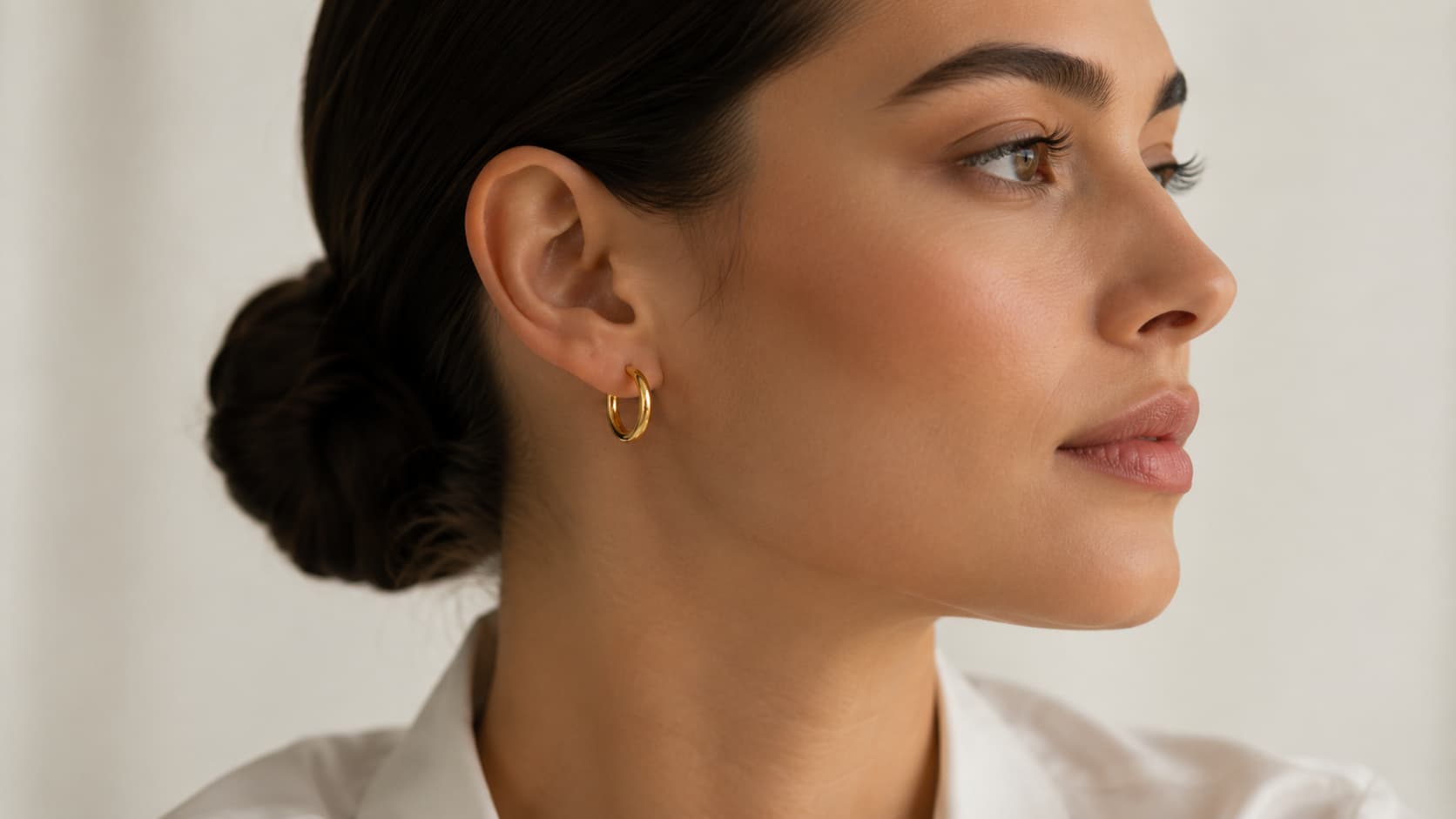
The easiest way to begin is with a small handful of pieces that work with almost everything, rather than one showy item that only fits certain outfits. A simple pair of stud earrings, a plain chain necklace, and one versatile ring cover most everyday situations without any of them fighting for attention.
From there, a bracelet or a second necklace of a different length allows for layering without overcrowding the collection. Choosing that first ring works best by considering what actually fits the wearer’s hand and habits rather than what looks good on someone else, since a ring left in a drawer defeats the purpose of buying it.
Resisting the urge to buy a full matching set right away tends to pay off. Building piece by piece makes it easier to notice what actually gets worn, so the next purchase is based on real habits instead of a guess.
Choosing Jewelry for Everyday Life
The best jewelry collection fits daily routines, not just a wish list. A ring that looks amazing in photos is not very useful if it snags on things at work, or if the wearer works with their hands often.
Daily activities matter before buying. Frequent exercise makes chunky rings and long necklaces impractical. Outdoor work wears down softer metals like sterling silver faster than harder metals like platinum or titanium. Matching jewelry to lifestyle is what makes a piece get worn, instead of sitting in a box.
Mixing metals, like a gold ring with a silver bracelet, is generally fine and has become common in modern styling, so there is no rule forcing a whole collection to match one metal color. Anyone with sensitive skin should pay closer attention to metal choice, since certain alloys are more likely to cause irritation than others, regardless of how well the colors coordinate.
Choosing a Reliable Jewelry Seller
Where a piece is bought matters just as much as what is bought. A trustworthy seller states the metal type, gemstone details, and any treatments the stone has gone through, such as heating or dyeing, which are common and normal but should still be disclosed.
Proper hallmarks are worth checking for — small stamps inside a ring or on a clasp that show metal purity, like “925” for sterling silver or “14k” for gold. For more expensive pieces, a grading report or certificate confirms what is actually being bought, especially for diamonds and colored gemstones.
Secondhand and estate jewelry can be a legitimate way to add fine pieces to a collection at a lower price, as long as the seller can show clear hallmarks and, ideally, some history of the piece. Older pieces sometimes offer a level of craftsmanship harder to find in mass-produced items today, which is part of why many collectors seek them out on purpose.
Protecting Your Jewelry Collection
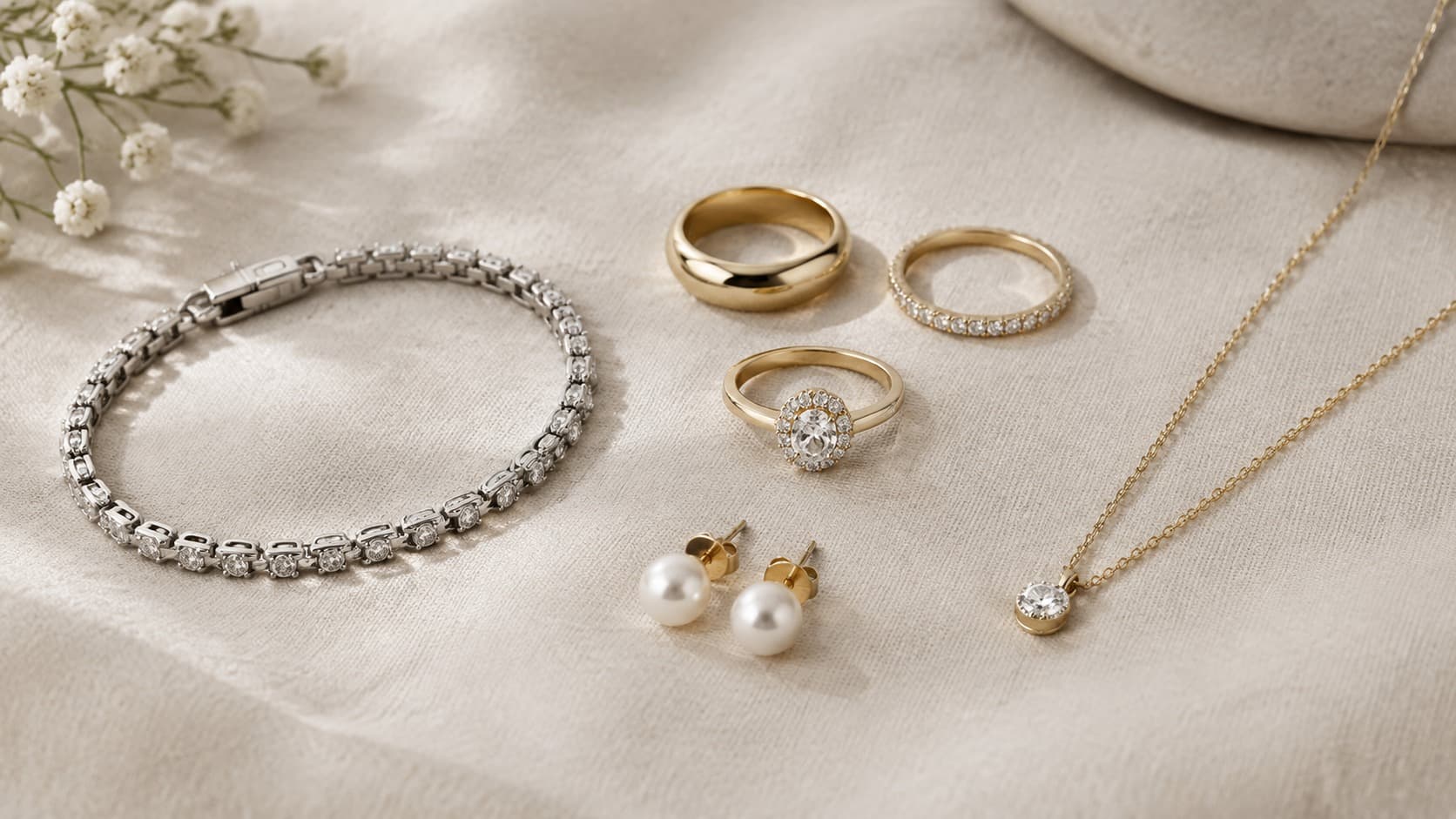
Proper storage prevents scratches, tangling, and tarnish, the most common ways jewelry gets damaged over time. Storing pieces the right way protects the money already spent on a collection.
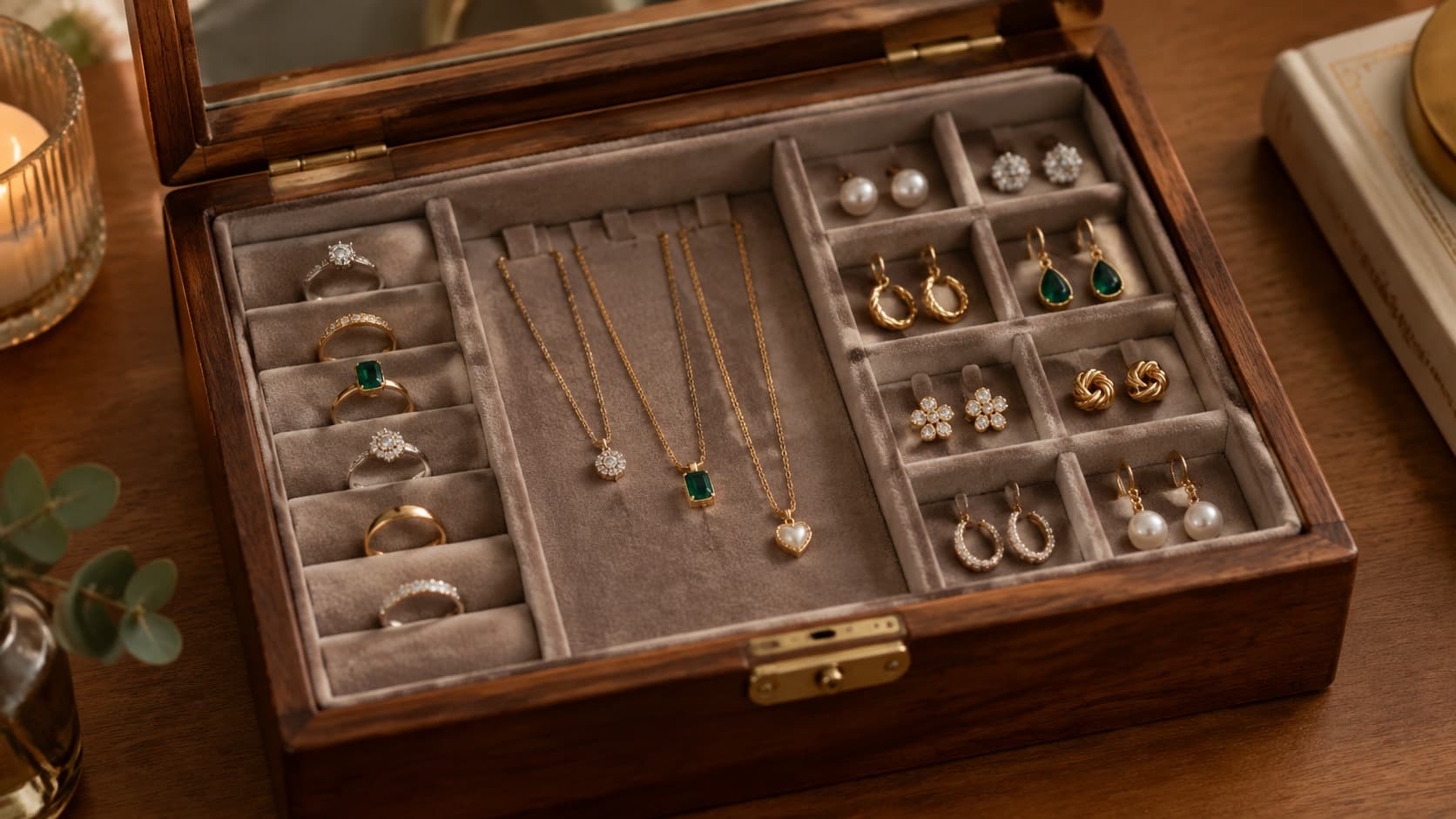
Keeping pieces separated stops metals and gemstones from scratching each other, since even soft materials like pearls can be damaged by harder stones rubbing against them. A jewelry box with individual compartments, or small fabric pouches, works well for this. Keeping silver away from humidity slows tarnishing, since moisture speeds up the process. Removing jewelry before swimming, showering, or applying lotions and perfumes also helps, since chemicals and moisture can dull metals and loosen gemstone settings over time. Building a regular cleaning routine into care habits keeps pieces looking new for much longer.
When to Appraise and Insure Jewelry
Once a collection includes pieces worth a meaningful amount of money, getting them appraised is worth considering. An appraisal is a professional’s written estimate of what a piece is worth, based on its materials, craftsmanship, and condition.
Many homeowners’ or renters’ insurance policies only cover a small amount of jewelry loss by default, so valuable pieces may need a separate insurance rider, an add-on that covers a specific item for its full value. This matters most for items like engagement rings, family heirlooms, or anything that would be expensive or impossible to replace.
Reappraising pieces every few years is worth doing, since gold and gemstone prices change over time, and an old appraisal might undervalue what is actually owned. Keeping appraisal papers, receipts, and clear photos of each piece in one place makes filing an insurance claim much faster if a piece is ever lost or stolen.
Mistakes Beginners Should Avoid
Most collecting mistakes come from moving too fast or skipping research. Awareness of these early on can prevent unnecessary cost and disappointment down the road.
- Buying based on trends alone. Trendy pieces can go out of style quickly, leaving behind jewelry that no longer feels worth wearing.
- Ignoring metal purity. Skipping the hallmark check can mean paying fine-jewelry prices for lower-quality metal.
- Not asking about gemstone treatments. Treatments are common and often fine, but not knowing about them can lead to surprises later.
- Overspending early. Buying too much too fast, before personal taste is fully clear, often leads to regret.
- Skipping proper storage. Tossing pieces together in a drawer causes avoidable scratches and tangling.
Frequently Asked Questions
How much money do I need to start a jewelry collection?
There is no set amount needed to start, since a collection can begin with a single well-chosen piece. What matters more than the starting amount is buying quality pieces within budget, rather than several cheap items just to have more variety.
Should I collect gold, silver, or gemstones first?
Most beginners start with pieces made from durable metals, like gold or sterling silver, since they are easier to wear daily and generally more affordable than gemstone-heavy pieces. Gemstones tend to work better as a later addition, once personal style and budget become clearer.
Is costume jewelry worth collecting?
Costume jewelry can be a fun and affordable way to try new styles, but it is not made to last for decades like fine jewelry. It works best as a smaller part of a collection, used for trends or occasional wear rather than long-term pieces.
How do I know if a piece of jewelry is good quality?
A hallmark stamp showing the metal type, even craftsmanship without rough edges, and clear answers from the seller about any gemstone treatments are the main signs. Well-made pieces usually feel solid and consistent, without loose stones or uneven finishes.
Do I need to insure every piece in my collection?
Not every piece needs separate insurance, especially lower-cost fashion or demi-fine jewelry. Insurance riders are usually worth it for higher-value pieces, like fine jewelry with diamonds or gemstones, since standard home insurance often limits how much it pays out for jewelry loss.
The Bottom Line
Building a jewelry collection works best as a slow, deliberate process rather than a shopping spree. Setting a budget, learning the basics of metals and gemstones, and choosing pieces that fit daily life are what shape a collection that lasts. Buying from sellers who are upfront about materials and treatments, storing pieces properly, and insuring the ones that matter most rounds out the process. A collection built this way does not just look good sitting in a box. It becomes something reached for and worn for years to come.