
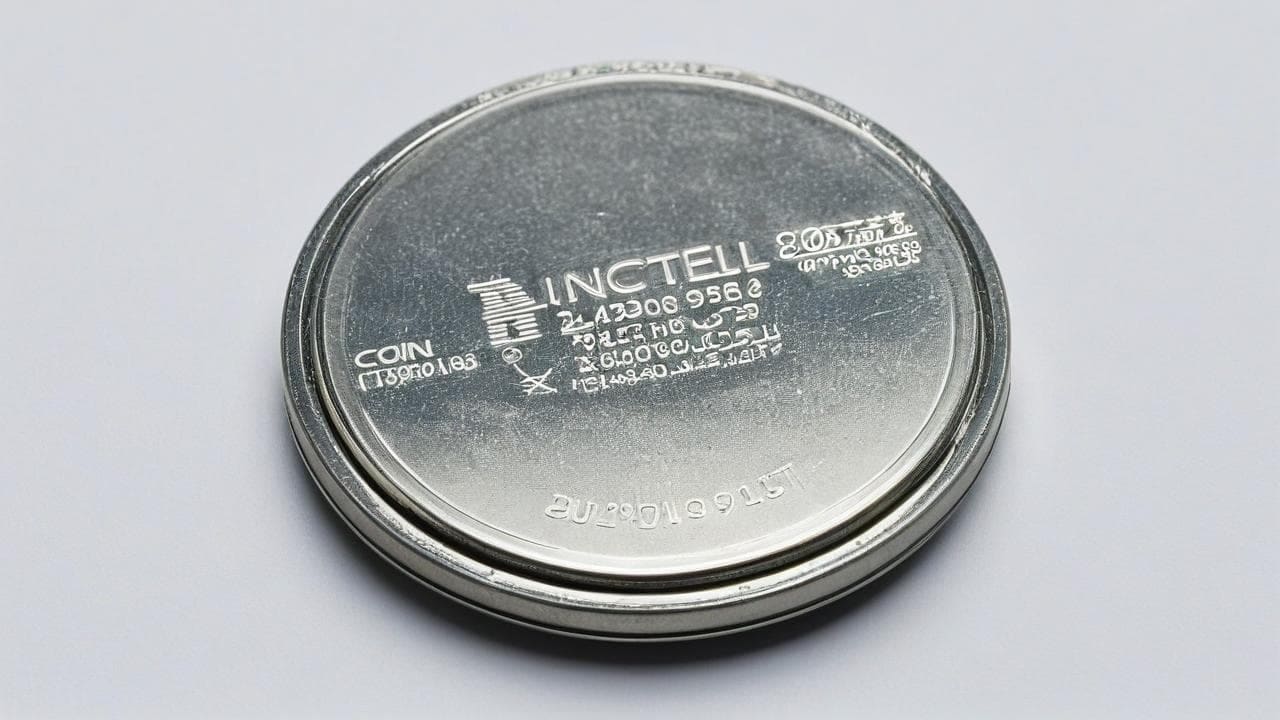
Discovering your watch has stopped working can be frustrating, especially when it’s simply due to a dead battery. Learning to change a watch battery yourself can save you money and time while giving you a sense of accomplishment. Most quartz watches need their batteries replaced every 1-3 years, and with the right tools and careful approach, you can handle this maintenance task at home. From identifying your watch type to successfully completing the replacement, the process is straightforward once you understand the basics and have the proper tools on hand.
Why Change Your Watch Battery at Home?
A dead watch battery is a common issue that nearly every watch owner will face at some point. While taking your timepiece to a professional is always an option, many standard watches have batteries that can be replaced at home with minimal tools and some patience. This DIY approach not only saves you money (professional battery changes typically cost between $10-$70) but also gives you the convenience of fixing your watch immediately rather than making a special trip to a jeweler or waiting for service completion.
- Most quartz watches require battery replacement every 1-3 years, with battery life depending on the watch’s features, quality, and power consumption. Digital watches with multiple functions typically drain batteries faster than simple analog models.
- Replacing your own watch battery can save $10-$70 per watch compared to professional service fees, making it especially economical for those who own multiple timepieces.
- DIY battery replacement typically voids manufacturer warranties, so always check if your watch is still covered before attempting to open it yourself.
- High-end luxury watches, chronographs, watches with complex mechanisms, or those with specialized water resistance ratings above 100m should generally be serviced by professionals to prevent damage and ensure proper sealing.
- For standard everyday watches in the low to mid-price range, DIY battery replacement is a practical skill that causes minimal risk when done carefully with the right tools.
The decision to replace your watch battery yourself should consider your watch’s value, complexity, and your comfort level with handling small components. For most standard watches, the process is straightforward enough that even beginners can successfully complete it with the proper guidance and tools, which we’ll cover in the following sections.
Required Tools for Replacing Watch Batteries
Before attempting to change your watch battery, gathering the right tools is essential for a successful replacement without damaging your timepiece. The specific tools needed will vary slightly depending on your watch type, but having a complete kit ready will make the process smoother and help protect your watch from accidental scratches or damage.
- Watch case opener: This essential tool comes in several forms - a case knife for snap-off backs, a three-point wrench for screw-off backs with notches, or a rubber ball opener for screw backs without notches. For watches with small screws on the back, you’ll need a precision screwdriver set with various sizes.
- Plastic tweezers: Metal tweezers can create electrical shorts in the watch mechanism, so plastic tweezers are strongly recommended for safely handling the battery and small components. They also prevent scratches to delicate parts inside your watch.
- Small screwdriver: A precision flathead screwdriver (1.0-1.5mm) helps with releasing battery retaining clips and is useful for prying open snap cases when a dedicated case knife isn’t available.
- Microfiber cloth: Place this under your work area to prevent small parts from rolling away and to protect the watch face from scratches while working on the back.
- Magnifying glass or loupe: Helpful for seeing tiny markings on the battery and components, especially if you have difficulty seeing small details.
- New battery: You’ll need to identify the correct battery type for your watch (usually marked on the old battery or in the watch manual). Common watch batteries include CR2016, CR2025, SR626SW, and many others with specific sizes and voltages.
- Rubber gloves (optional): These keep oils from your fingers off the battery and watch components, which can cause corrosion over time.
- Anti-static wrist strap (optional): For extra protection against static discharge that could damage electronic components in digital watches.
- Watch case press (optional): Useful for properly resealing watch backs that snap on, ensuring they’re seated evenly and securely.
With these tools gathered and organized in a well-lit, clean workspace, you’ll be prepared to handle most watch battery replacements safely. Remember that investing in quality tools will make the process easier and reduce the risk of damage to your timepiece.
Different Types of Watch Backs
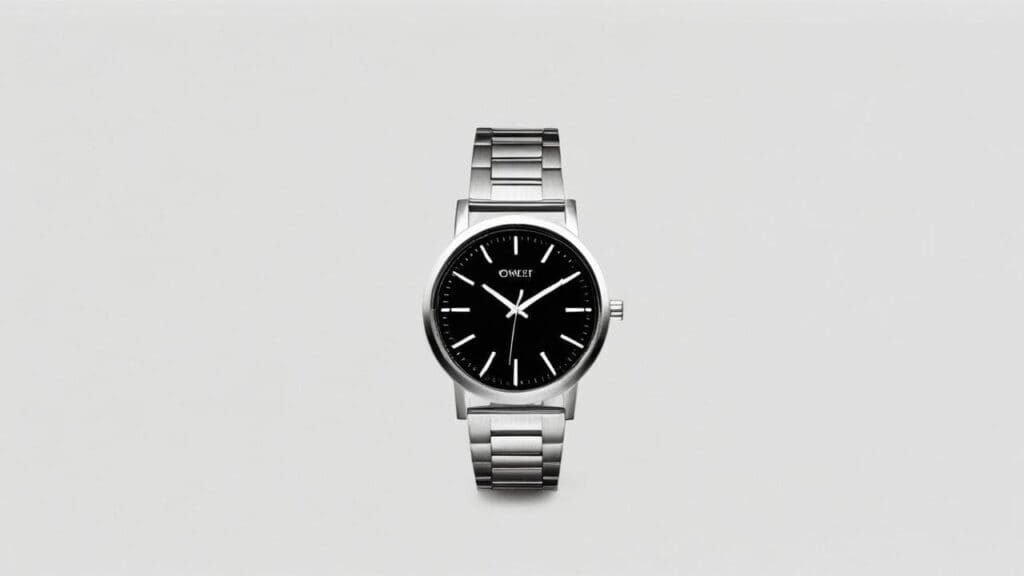
Understanding what type of watch back you’re dealing with is crucial before attempting to open it. Different watch designs require different opening methods and tools. Taking time to correctly identify your watch type will prevent damage and ensure you’re using the appropriate technique for battery replacement.
- Snap-off backs: These watch backs have a small lip or notch where a case knife can be inserted to gently pry the back off. They typically have a smooth edge all around and may appear to be a single piece with the watch case. These are common in many affordable to mid-range watches.
- Screw-off backs: These have notches around the edge (usually 2, 4, or 6) that require a three-point case wrench to grip and rotate counterclockwise. Some designs have a pattern of small indentations around the entire edge and can be opened with a friction ball opener.
- Screw-down backs: These watch backs have small screws (typically 4-6) around the perimeter that must be removed with a precision screwdriver. The screws are often tiny, so work over a clean surface and keep track of them carefully.
- Water-resistant watches: These typically have a rubber gasket or O-ring that creates a seal. When opening water-resistant watches, be extra careful not to damage this gasket. If the gasket appears worn, replacing it is recommended before resealing the watch.
- Pressure-fitted backs: Some watches have backs that are pressed in with specialized equipment. These are more challenging for DIY replacement and may require a watch press tool to properly reseal.
- Special designs: Some watches have unique opening mechanisms or require brand-specific tools. If your watch has unusual markings or no obvious opening method, it’s worth researching the specific model before attempting to open it.
Taking time to properly identify your watch type before beginning will save you frustration and potential damage. If you can’t confidently identify how to open your watch after examination, consulting the manufacturer’s documentation or seeking professional advice is recommended before proceeding.
Step-by-Step Process for Replacing Watch Batteries
The battery replacement process follows a logical sequence that, when done carefully, will have your watch running again in minutes. Following these steps methodically will help ensure success and prevent damage to your timepiece during the replacement process.
- Prepare your workspace: Choose a clean, well-lit area with a soft surface. Place your microfiber cloth down to catch small parts and provide a cushion for your watch. Avoid working over carpets, where tiny screws or components could easily be lost.
- Document the original position: Before removing anything, take a photo or make note of how everything is positioned inside the watch. This reference will be invaluable when reassembling the watch, especially if there are multiple components that must be replaced in a specific order.
- Open the watch back: Using the appropriate tool for your watch type, carefully open the back case. For snap-off backs, insert your case knife at the notch and gently pry upward. For screw-off backs, use your case wrench to turn counterclockwise. For screw-down backs, remove each small screw and keep them in a safe container.
- Locate and examine the battery: The battery is typically held in place by a small clip or retainer. Note its position, including which side faces up (usually marked with + symbol). Also observe any plastic insulator pieces that may be present—these must be put back exactly as they were.
- Remove the old battery: Using plastic tweezers, carefully remove the battery, taking note of how it was positioned. If there’s a retaining clip, gently lift it with your small screwdriver just enough to slide the battery out. Never force components or use excessive pressure.
- Identify the correct replacement: Check the markings on the old battery (e.g., SR626SW, CR2032) and ensure your replacement matches exactly. Battery numbers refer to specific sizes and voltages, which must be precise for proper watch function.
- Install the new battery: Place the new battery in the exact position as the old one, with the same side facing up. If there was a plastic insulator, ensure it’s positioned correctly. If there’s a retaining clip, secure it carefully without bending it out of shape.
- Check for function before closing: Before reassembling completely, check if the watch has started running. If the second hand doesn’t move, the battery may not be positioned correctly or there might be another issue requiring attention.
- Replace the gasket if necessary: If your watch is water-resistant, inspect the rubber gasket for any damage. If it appears dried out, cracked, or deformed, replace it to maintain water resistance. Apply a tiny amount of silicone grease to the gasket if appropriate for your watch type.
- Reseal the watch: Carefully replace the back cover in its original position. For snap-on backs, apply even pressure with your thumbs or a watch press. For screw-down backs, replace all screws and tighten them in a star pattern (like tightening lug nuts on a car) to ensure even pressure. For screw-off backs, turn clockwise until snug but not over-tightened.
Following these steps methodically will give you the best chance of a successful battery replacement. If at any point the process seems too complicated or if you encounter unexpected components, it’s wise to stop and consult a professional rather than risk damage to your timepiece.
How to Test Your Watch After Battery Replacement
After replacing the battery and reassembling your watch, proper testing ensures that everything is functioning correctly. This crucial step confirms your success and helps identify any issues that need addressing before you consider the job complete.
- Verify timekeeping function: Check that the second hand is moving smoothly (for analog watches) or that the digital display is functioning. If the watch has multiple functions like date displays, chronographs, or alarms, test each feature to ensure they’re working properly.
- Listen for unusual sounds: A properly functioning watch should have a consistent, quiet ticking sound. Erratic ticking, grinding, or rattling noises may indicate something is loose or improperly positioned inside the watch.
- Check the crown function: Test the crown by pulling it out to different positions and ensuring it properly adjusts the time and other functions. The crown should move smoothly between positions without sticking or feeling loose.
- Observe for at least 24 hours: Even if the watch appears to be working immediately, monitor it for a full day to ensure it keeps accurate time. Sometimes issues aren’t apparent in the first few minutes after battery replacement.
- Verify water resistance (if applicable): If your watch claims water resistance, avoid immediately testing this by submerging the watch. Instead, consider having the water resistance professionally tested, or at minimum, avoid water exposure for several days after replacing the battery.
- Common troubleshooting: If the watch isn’t working, the most common issues are: battery installed upside down, battery clips not making proper contact, or damage to internal components during the replacement process. Reopen the watch and check these elements first.
- Reset procedure for digital watches: Some digital watches require a reset procedure after battery replacement. This often involves shorting specific contact points with metal tweezers or pressing combinations of buttons. Consult your watch manual for model-specific instructions.
Proper testing ensures that your DIY battery replacement was successful. If your watch fails any of these tests and simple troubleshooting doesn’t resolve the issue, you may need to seek professional assistance to identify and resolve more complex problems.
Keep Your Watch Waterproof After Battery Replacement
Water resistance is a crucial feature in many watches that can be compromised during battery replacement. Understanding how to maintain this protection will extend the life of your timepiece and prevent water damage after your DIY battery change.
- Inspect the gasket thoroughly: The rubber O-ring or gasket is the primary water barrier in most watches. Look for any cracks, deformation, dryness, or debris that could compromise its sealing ability. Even minor damage can allow water penetration.
- Replace worn gaskets: If the gasket shows any signs of wear or age, replace it with an exact match for your watch model. Using the wrong size or type of gasket will not provide proper water protection. Many watch repair kits include assortments of common gasket sizes.
- Apply silicone grease sparingly: A very thin layer of silicone watch grease on the gasket helps maintain its flexibility and improves sealing. Use only grease specifically made for watches, as other lubricants can damage rubber components over time.
- Ensure proper case closure: When resealing the watch, make sure the back is completely and evenly seated. Any gap, however small, can allow water entry. For screw-down backs, ensure all screws are evenly tightened in a star pattern to create uniform pressure.
- Avoid over-tightening: While a tight seal is important, excessive force when closing a screw-back watch can damage threads or warp the case back. Tighten until snug, but don’t force it.
- Professional testing recommended: For watches with water resistance ratings of 100m or higher, professional pressure testing is recommended after any case opening. Home testing methods are not reliable for verifying water resistance.
- Avoid immediate water exposure: Even if you believe you’ve maintained the water resistance, wait at least 24 hours before exposing the watch to water. This allows any silicone grease to set properly and helps identify any immediate issues with the seal.
- Understand water resistance limitations: Remember that water resistance ratings have specific meanings: 30m doesn’t mean you can dive to 30 meters—it’s splash resistant only. 50m is suitable for swimming, 100m for snorkeling, and 200m+ for diving. These ratings assume a perfect seal and proper maintenance.
Proper maintenance of water resistance is essential for preserving your watch’s functionality and preventing expensive water damage. If water resistance is critical for your usage needs, consider having a professional handle battery replacements for high-value or high-water-resistance timepieces.
Watches That Need Professional Battery Service
While many watches are suitable for DIY battery replacement, certain timepieces should always be taken to professionals. Knowing which watches fall into this category will help you avoid potentially costly mistakes and damage to valuable timepieces.
- Luxury watches: High-end watches from brands like Rolex, Omega, Patek Philippe, and similar luxury manufacturers have complex internal mechanisms that require specialized knowledge and tools. DIY attempts often result in damage that’s far more expensive than professional service would have been.
- Watches with high water resistance ratings: Diving watches or any timepiece with water resistance ratings of 200m or higher usually have specialized sealing systems that require professional equipment to properly reassemble and test.
- Watches with complications: Timepieces with multiple functions beyond basic time display—such as chronographs, moon phases, perpetual calendars, or other complications—contain intricate mechanisms that can be easily damaged during battery replacement.
- Watches under warranty: Opening the case of a watch that’s still under manufacturer warranty will typically void that coverage. If your watch is protected by warranty, always have the manufacturer or an authorized service center perform battery replacements.
- Vintage or collectible watches: The value of vintage watches can be significantly diminished by amateur repairs or improper battery replacements. Collectors’ pieces should always be serviced by specialists familiar with the specific brand and model.
- Watches with unusual or proprietary case designs: Some manufacturers use unique case designs or special tools for battery access. Without the proper tools, attempting to open these watches is likely to cause damage.
- Solar or kinetic watches: These specialized watches don’t have traditional batteries but rather capacitors or special rechargeable cells that typically require professional replacement and sometimes recalibration after service.
- Watches with electronic calibration: Some high-precision quartz watches require electronic calibration after battery replacement, which can only be performed with specialized equipment.
When in doubt about whether your watch falls into one of these categories, err on the side of caution and consult a professional. The cost of professional service is almost always lower than repairing damage caused by DIY attempts on watches that require specialized care.
Eco-Friendly Watch Battery Disposal

The proper disposal of watch batteries and environmentally responsible practices during maintenance are important considerations that responsible watch owners should keep in mind. Taking the right approach to battery disposal protects both the environment and public health.
- Watch batteries contain hazardous materials: Most watch batteries contain mercury, silver, lithium, cadmium, or other metals that can be harmful to the environment if not properly disposed of. These materials can leach into soil and water systems when placed in regular trash.
- Never dispose of batteries in regular household waste: In many locations, it’s actually illegal to throw batteries in the regular trash due to their hazardous material content. Always treat used watch batteries as hazardous waste that requires special handling.
- Use designated battery recycling facilities: Many electronics stores, jewelry shops, and community recycling centers have specific collection points for watch and other button cell batteries. These ensure the hazardous materials are properly contained and processed.
- Store used batteries safely until disposal: Keep old batteries in a small container away from children and pets, as button batteries can cause serious internal injuries if swallowed. Cover battery terminals with tape to prevent short circuits during storage.
- Consider rechargeable alternatives: Some modern watches use rechargeable batteries or alternative power sources like solar cells or kinetic energy. These have a lower environmental impact over time than disposable batteries.
- Recycle packaging materials: If your replacement battery came in plastic packaging or cardboard, ensure these materials are also recycled according to local guidelines.
- Be mindful of chemical usage: If you use cleaning solutions or lubricants during the battery replacement process, choose environmentally friendly options when possible and dispose of any soaked materials properly.
- Support eco-friendly brands: When purchasing watches, consider brands that emphasize sustainable practices, use recycled materials, or have battery take-back programs.
Taking these environmental considerations into account makes your DIY battery replacement not just a cost-saving measure but also an environmentally responsible practice. Proper disposal of watch batteries is a small but important step that contributes to overall environmental protection.
Frequently Asked Questions About Changing Watch Batteries
This section addresses common questions and concerns about DIY watch battery replacement to help you navigate potential challenges and make informed decisions about your timepiece maintenance.
How often should I expect to replace my watch battery?
Most quartz watch batteries last between 1-3 years, though some high-quality batteries in low-power watches can last up to 5 years. Watches with additional features like illumination, chronographs, or alarms typically drain batteries faster than simple time-only models.
Can changing the battery myself void my watch warranty?
Yes, most manufacturer warranties explicitly state that opening the watch case will void the warranty. If your watch is still under warranty, check the terms carefully or contact the manufacturer before attempting DIY battery replacement.
What if I can’t find the exact same battery type?
Always use the exact battery type specified for your watch. Using a battery with different voltage or dimensions can damage the watch movement or prevent proper functioning. If you can’t find the exact replacement, consult a professional watchmaker.
My watch worked briefly after battery replacement but stopped again. What happened?
This could indicate poor battery contact, a loose component inside the watch, or a problem with the watch movement itself. Check that the battery is seated properly and that any battery clips are making good contact. If problems persist, professional service may be needed.
Is it normal for watches to need service beyond battery replacement?
Yes, mechanical parts in quartz watches still need occasional maintenance. Many professionals recommend a complete service every 3-5 years, which includes cleaning, lubricating, and checking gaskets and other components for wear.
What’s the difference between expensive and cheap watch batteries?
Higher-quality batteries typically offer longer life, more stable voltage, better leakage protection, and often perform better in extreme temperatures. For valuable watches, investing in a premium battery brand is usually worth the small additional cost.
My digital watch display is faint after battery replacement. Why?
This could indicate a low-quality replacement battery, poor contact between the battery and terminals, or a failing display. Try cleaning the battery contacts with isopropyl alcohol on a cotton swab and ensure the battery is properly seated.
Can I damage my watch by touching the internal components?
Yes. The oils and moisture on your fingers can cause corrosion on delicate electronic components. Always use plastic tweezers to handle internal parts and avoid touching any components except the battery itself.
Understanding these common questions and concerns will help you approach watch battery replacement with greater confidence and awareness of potential issues. When in doubt about any aspect of the process, consulting with a professional watchmaker is the safest course of action.Retry
Conclusion
Changing a watch battery yourself is a practical skill that can save you time and money for most standard timepieces. With the right tools, careful attention to detail, and respect for your watch’s specific requirements, you can successfully perform this common maintenance task at home. Remember that proper identification of your watch type, careful handling of components, and appropriate environmental disposal of old batteries are all essential parts of responsible DIY watch maintenance.
However, knowing when to seek professional help is equally important. For luxury watches, timepieces with high water resistance ratings, or watches with complex mechanisms, the expertise and specialized equipment of a professional watchmaker remains invaluable. Whether you choose the DIY approach or professional service, regular battery replacement will keep your favorite watches functioning reliably for years to come.