
Selecting the perfect jewelry for casual occasions can transform an everyday outfit into something special while maintaining comfort and appropriateness. Unlike formal events with strict dress codes, casual settings offer more freedom for personal expression through accessories, though finding the right balance can sometimes be challenging. Learn everything you need to know about choosing, styling, and wearing jewelry for all types of casual events, from coffee dates to backyard gatherings and everything in between.
What Counts as a Casual Event?
Casual events encompass a wide variety of social gatherings where relaxed attire is appropriate, but the specific level of casualness can vary significantly. Understanding the nature of different casual events helps you select jewelry that enhances your look without appearing out of place for the occasion. The context of the event provides important clues about how to accessorize appropriately.
- Coffee dates and casual lunches welcome everyday jewelry that’s subtle but stylish. These settings call for pieces that won’t interfere with conversation or activities like eating and drinking. Consider how your jewelry might move or make noise when you’re engaged in typical cafe behaviors.
- Backyard gatherings and outdoor parties allow for more playful and colorful jewelry choices, though pieces should remain practical for outdoor settings. Factors like weather, seating arrangements, and planned activities should influence your selections. Avoid delicate pieces that might be damaged by sun exposure or active movement.
- Casual workplace environments still require professional judgment. Even in business casual settings, jewelry should complement rather than dominate your appearance. Consider industry norms and company culture when determining appropriate levels of expression through accessories.
- Indoor social gatherings like game nights or movie watching present fewer practical restrictions but still benefit from thoughtful selection. Consider the comfort of jewelry when seated for extended periods and how pieces might interact with furniture or other people in close quarters.
- Weekend errands and shopping trips demand practical pieces that stay secure during movement and won’t catch on items you’re browsing or handling. Functional doesn’t mean boring, but prioritize security and comfort for these active casual settings.
The key to appropriate casual event jewelry lies in understanding both the setting and activities involved. Consider factors like indoor versus outdoor locations, expected movement and participation levels, and the overall atmosphere of the gathering. This contextual awareness ensures your jewelry enhances rather than hinders your experience or appears disconnected from the occasion.
Essential Jewelry for Everyday and Casual Events
Building a versatile collection of casual jewelry pieces creates a foundation for everyday style that can be adapted to various settings. The most useful casual jewelry items combine practicality with aesthetic appeal, allowing for personal expression without the formality or delicacy of special occasion pieces. These essentials form the core of an accessible jewelry wardrobe.
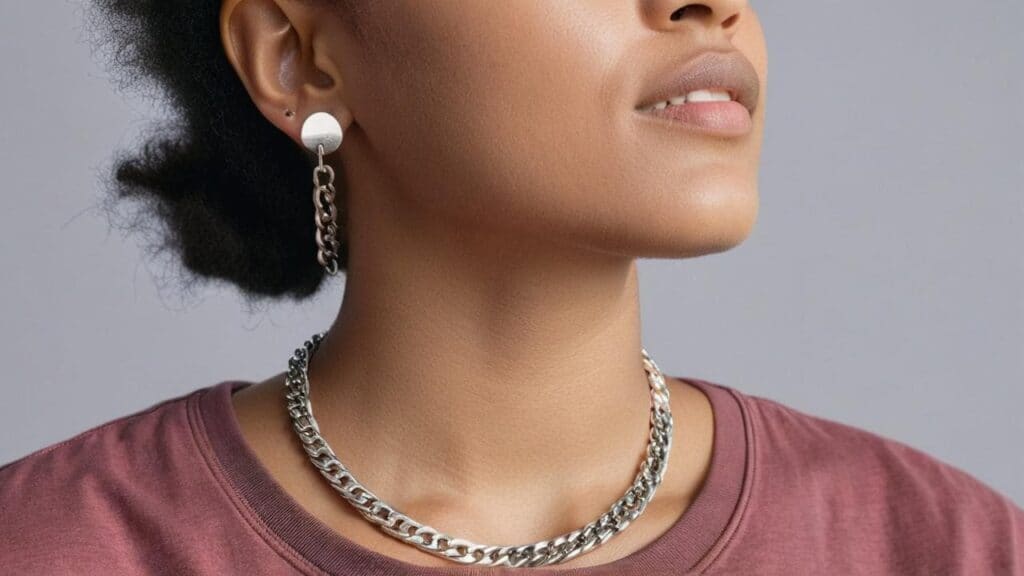
- Stud earrings serve as the backbone of casual jewelry collections, offering subtle enhancement without risk of catching on clothing or hair. Look for varied styles from simple metal studs to small gemstones in bezels that can transition between different casual settings. Their security makes them ideal for active environments.
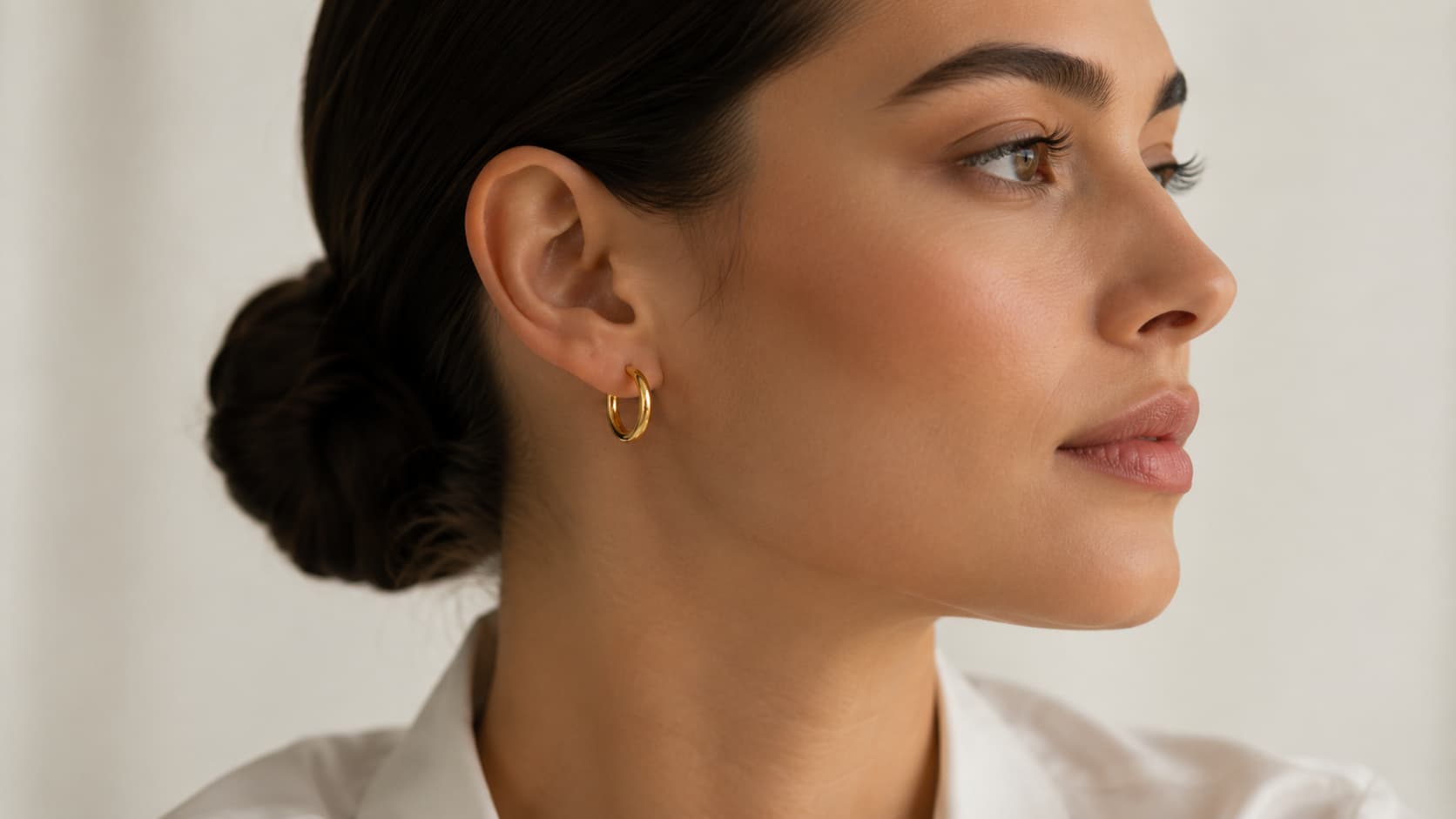
- Small to medium hoop earrings balance visibility with practicality, creating slightly more presence than studs while remaining appropriate for casual settings. Thinner gauge hoops in sizes that don’t extend below the jawline offer maximum versatility across various casual contexts.
- Pendant necklaces on adjustable or medium-length chains work with most casual necklines and add personal significance. Select pendants that reflect your interests or values but aren’t so large they dominate your appearance or become impractical during movement.
- Layering necklaces of varying lengths (16-24 inches) instantly elevate simple casual outfits. When selecting pieces for layering, consider graduated sizes and complementary metals that create depth without becoming tangled or overwhelming.
- Chain and leather bracelets offer flexibility and comfort, moving naturally with the wrist without restricting motion. For casual settings, slightly heavier links or textured leathers provide durability while maintaining appropriate scale for daytime wear.
- Simple band rings and low-profile designs maintain comfort during hand-intensive activities while still adding personality. Look for smooth edges, secure settings if stones are present, and metals that won’t show scratches from everyday contact.
- Watches combine functionality with style expression, offering an anchor piece for casual outfits. For maximum versatility, consider options with interchangeable bands that can shift between different casual settings while maintaining consistent timekeeping function.
These essential pieces prioritize wearability and versatility while still allowing for personal expression. The best casual jewelry balances subtle style enhancement with practical considerations, ensuring pieces can be worn comfortably throughout a variety of everyday activities and environments.
Pairing Jewelry with Casual Clothes
The relationship between your casual attire and jewelry choices significantly impacts your overall appearance. Different clothing styles naturally pair better with certain types of accessories, creating balanced and cohesive casual looks. Understanding these relationships helps you select jewelry that complements rather than competes with your clothing.
- Jeans and t-shirts provide a neutral foundation that works with nearly any casual jewelry. This relaxed canvas allows for more expressive jewelry without appearing overdone. Consider chunky chain necklaces, colorful statement earrings, or stacked bracelets to add personality to these simple basics. The plain background of a solid tee particularly showcases the details in textured or patterned jewelry.
- Casual dresses and skirts often feature more detail in their design, calling for jewelry that complements rather than competes. For floral or patterned dresses, choose jewelry in colors that pick up accents from the fabric without adding competing patterns. Consider the neckline carefully - V-necks work with pendants that mirror their shape, while high necklines pair better with statement earrings instead of necklaces.
- Button-down shirts and blouses create a slightly more polished casual look that pairs well with refined jewelry pieces. Consider how collared shirts frame the face and neck when selecting earrings and necklaces. Simple metal pieces in gold or silver often complement the structured nature of button-downs without becoming too formal.
- Knitwear and casual sweaters require careful jewelry selection to prevent snagging delicate fabrics. Smooth-surfaced pieces without protruding elements work best with knits. Consider how the texture of your sweater might interact with different jewelry materials and finishes - matte pieces often complement chunky knits while shinier items can balance fine-gauge sweaters.
- Athleisure and activewear have become common casual attire, presenting unique jewelry challenges. Select secure pieces that won’t interfere with movement or pose safety concerns during activity. Silicone or rubber bracelets, stud earrings, and close-fitting necklaces offer style without sacrificing functionality.
When matching jewelry to casual outfits, consider the overall silhouette, color scheme, and level of detail in your clothing. Your jewelry should create a balanced look where neither element overwhelms the other. The most successful casual styling creates harmony between your clothing and accessories, with each element enhancing rather than competing with the others.
Best Jewelry Materials for Casual Wear
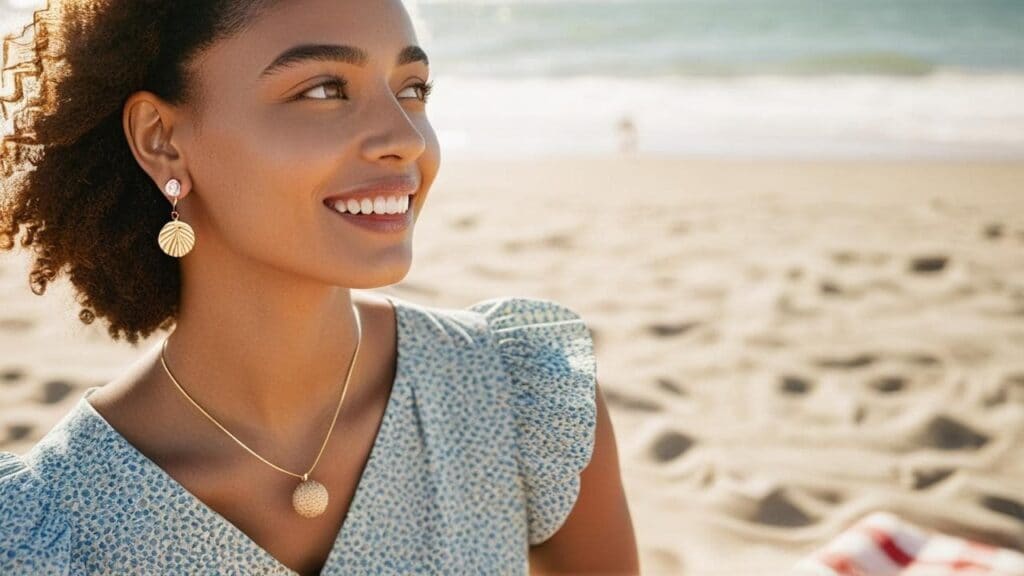
The materials used in jewelry significantly impact how formal or casual a piece appears. Certain metals, gemstones, and alternative materials naturally lend themselves to casual settings through their appearance, durability, and cultural associations. Understanding these material characteristics helps you select pieces that feel appropriate for everyday wear.
- Sterling silver offers versatility across casual settings, providing brightness without the formality of platinum or high-karat gold. Its relatively affordable price point makes it practical for everyday wear where loss or damage risks are higher. Look for pieces with oxidized or textured finishes that disguise minor scratches from daily activities.
- Gold-filled and gold-plated pieces provide warm gold tones at accessible price points appropriate for casual jewelry. While requiring more care than solid gold, these options allow for trendy or seasonal casual pieces without major investment. The lower metal value aligns with the relaxed nature of casual events.
- Brass and bronze create distinctive vintage or artistic looks perfectly suited to creative casual settings. These metals develop natural patinas over time, adding character rather than appearing damaged. Their bohemian associations work particularly well with casual outdoor events and artistic gatherings.
- Leather and cord elements immediately signal casual styling, creating relaxed looks even when combined with precious metals or stones. These organic materials add textural interest and often provide comfortable, lightweight alternatives to all-metal pieces for everyday wear.
- Wood and natural materials like shell or stone create distinctly casual, nature-inspired looks. These elements connect with outdoor casual settings and environmentally-conscious styling. Their lightweight properties make them comfortable for all-day wear in active casual environments.
- Beaded elements, whether glass, ceramic, wood, or semi-precious stones, create playful casual looks with color and texture. The informal arrangement of beads naturally reads as casual even when the individual components might be precious. Their movement and color make them perfect for adding personality to casual outfits.
- Stainless steel offers remarkable durability for active casual settings where jewelry might encounter water, sweat, or impact. Its contemporary appearance works well with modern casual styles, particularly in watches, bracelets, and men’s jewelry for everyday wear.
When selecting materials for casual jewelry, consider both their appearance and practical qualities. The best casual materials maintain their appearance with minimal maintenance, withstand contact with everyday elements, and communicate an appropriate level of relaxation without appearing cheaply made. These material choices help create jewelry that truly functions in casual settings rather than simply looking the part.
How to Adjust Your Casual Jewelry by Season
Seasonal changes influence both practical and aesthetic aspects of casual jewelry choices. Each season presents different environmental factors, clothing styles, and color palettes that naturally pair with certain jewelry approaches. Adapting your casual jewelry by season ensures your accessories remain both appropriate and complementary.
- Summer casual jewelry should prioritize heat tolerance and comfort against bare skin. Lightweight pieces that don’t trap heat or stick to sweaty skin improve comfort during hot weather. Consider thin metal chains instead of thick leather cords, open designs that allow airflow, and pieces that won’t become uncomfortable if they contact sunscreen or sweat. Brighter colors and natural materials like shell, wood, and stone align with summer’s relaxed aesthetic.
- Winter casual settings call for jewelry that won’t catch on multiple layers or become lost among heavier clothing. Statement earrings become particularly valuable when necklaces might disappear under scarves and high necklines. Consider how pieces will appear alongside winter’s typically darker color palette, with metals providing welcome brightness against deep tones and textures.
- Spring casual jewelry often incorporates renewed color and lightheartedness after winter’s heaviness. Floral motifs, pastel gemstones, and lighter metals naturally complement spring’s transitional wardrobe. Consider how jewelry will pair with the lighter fabrics and brighter colors typical of spring casual attire.
- Fall casual accessories often feature warmer metals and deeper colored stones that echo autumn’s rich palette. Textured pieces with oxidized finishes complement the layered, textural nature of fall casual clothing. Consider longer necklaces that work over lightweight sweaters and materials like leather or wood that reinforce fall’s natural elements.
- Transitional seasons benefit from adaptable jewelry that works across temperature fluctuations and variable clothing layers. Adjustable-length necklaces, lightweight scarves with jewelry elements, and pieces that can be worn multiple ways maximize versatility during these changeable periods.
Seasonal jewelry adaptation isn’t about completely replacing your collection four times a year but rather emphasizing different pieces from your overall collection as conditions and fashions change. The most versatile casual jewelry collections include options that span seasons while still acknowledging the practical and aesthetic differences between winter and summer environments.
Jewelry Mistakes to Avoid at Everyday Events
Even with casual jewelry’s inherent flexibility, certain approaches can undermine your overall appearance or create practical problems during casual events. Avoiding these common pitfalls helps ensure your casual jewelry enhances rather than detracts from your experience and appearance.
- Wearing overly formal pieces to casual events creates a disconnected look that appears either pretentious or unintentionally humorous. High-shine diamonds, formal pearls, and precious metals in traditional settings read as inappropriately formal in casual contexts. Instead, look for more relaxed versions like baroque pearls, raw gemstones, or metals with matte finishes that provide similar beauty without the formality.
- Choosing impractical jewelry for active casual settings leads to constant adjustment or potential damage. Long dangling earrings at a windy beach barbecue, delicate chains during physical activities, or rings with high settings during hands-on crafting all create unnecessary challenges. Consider the specific activities involved in your casual event and select jewelry that won’t interfere.
- Wearing too many competing statement pieces creates a cluttered appearance that looks unintentional rather than stylish. When multiple pieces compete for attention, the overall effect becomes chaotic rather than enhancing. Instead, follow the “rule of one” for casual settings — one statement piece complemented by more subtle accessories creates balanced, intentional looks.
- Ignoring comfort for trend appeal quickly becomes problematic during longer casual events. Earrings that are too heavy, bracelets that restrict movement, or necklaces that catch on clothing create constant distractions. Always prioritize comfort for casual settings where you’ll likely wear pieces for extended periods without the formality to justify discomfort.
- Selecting inappropriate scale for your body type or outfit can make even casual jewelry look awkward. Very delicate pieces can disappear on larger frames, while oversized items may overwhelm smaller builds. Consider your proportions and the scale of your outfit when selecting casual jewelry pieces.
- Disregarding material durability for casual environments often leads to damaged jewelry. Soft gemstones in outdoor settings, tarnish-prone metals for everyday wear, or porous materials in high-moisture environments all create avoidable problems. Research materials’ properties before selecting pieces for specific casual contexts.
Avoiding these common mistakes helps create casual jewelry looks that feel intentional, appropriate, and hassle-free. The best casual jewelry enhances your appearance without creating practical problems or sending confusing style messages. When jewelry truly suits the casual nature of an event, it becomes a seamless part of your overall presence rather than a distraction.
How to Layer Jewelry for Casual Settings
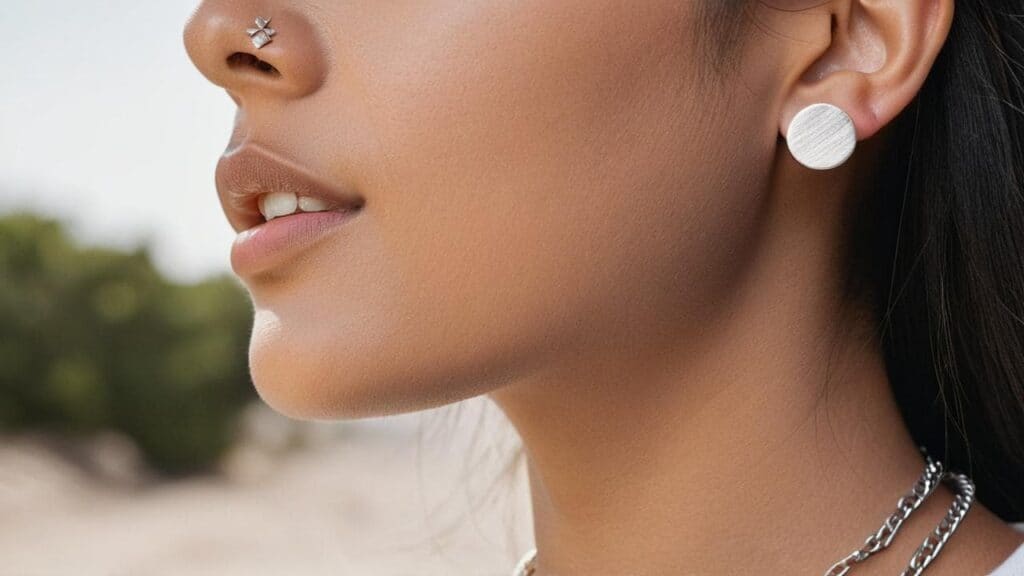
Layering jewelry creates dimension and personalization perfect for casual settings where individual expression is welcome. This approach allows you to combine multiple simple pieces into more complex and interesting arrangements without the formality of single statement items. Mastering layering techniques significantly expands the versatility of your casual jewelry collection.
- Necklace layering works best with graduated lengths that create clear visual separation between pieces. For casual settings, try combinations of 16”, 18”, and 22” chains with varying weights and textures. Ensure chains have similar weight characteristics to prevent tangling, with heavier pendants on shorter chains to maintain balance. The most effortless-looking layered arrangements often include one textural element, one color element, and one simple metal element.
- Bracelet stacking requires consideration of both the visual arrangement and practical movement of pieces on your wrist. Begin with a larger anchor piece like a watch or cuff, then add smaller complementary bracelets that won’t slide over or under it. For casual settings, odd numbers of bracelets (3 or 5) typically create the most balanced appearance. Include textural variation through mixed materials like metal, cord, beads, or leather for casual depth.
- Ring stacking allows for personal expression while maintaining practicality for casual activities. Focus multiple smaller rings on non-dominant fingers to prevent interference with detailed hand movements. Mix metal colors within a similar finish type (all matte or all polished) for cohesive casual arrangements. Consider limiting height variations between rings to prevent snagging or discomfort during active casual settings.
- Mixed metal layering creates distinctly casual, personalized looks that feel less formal than matching sets. The deliberate combination of silver, gold, rose gold, or alternative metals communicates a relaxed approach perfect for casual settings. For beginners, connecting mixed metals through a single piece that incorporates multiple tones creates visual harmony.
- Textural layering combines different material properties to create tactile interest appropriate for casual contexts. Pairing smooth metals with textured leather, rough stones, or woven elements creates depth that appears intentionally casual rather than formally matched. This approach works particularly well in creative casual settings where artistic expression is valued.
Successful jewelry layering for casual events creates dimensional looks that appear thoughtfully assembled rather than randomly accumulated. The layered approach should enhance your overall appearance without becoming distracting or impractical for the activities involved. When done well, layering allows for significant personal expression while maintaining the relaxed nature essential to casual style.
Making Casual Jewelry Your Own
Developing a personal approach to casual jewelry transforms generic accessorizing into authentic self-expression. While trend awareness has value, the most successful casual jewelry styles reflect individual personality, lifestyle needs, and aesthetic preferences. This personalization creates a signature look that feels both natural and distinctive.
- Identify core pieces that resonate with your personal style and lifestyle needs. These signature items should feel intrinsically connected to your identity while remaining practical for your typical casual activities. Consider pieces with personal meaning, distinctive design elements that appeal to you, or forms that particularly complement your features or typical attire.
- Incorporate meaningful symbols, birthstones, or personalized elements that reflect your values, interests, or significant life events. Unlike formal jewelry that often follows conventional symbolism, casual pieces can express more personal and unique meanings specific to your experiences. These connections add depth beyond mere decoration.
- Balance trendy pieces with timeless elements to create casual jewelry looks that feel current without becoming quickly dated. Allocate a small portion of your collection to more experimental or seasonal items while maintaining a core of versatile pieces with lasting appeal. This approach allows trend participation without constant replacement.
- Consider your lifestyle requirements when developing your personal casual jewelry style. Active professions, frequent travel, caretaking responsibilities, or outdoor hobbies all create specific practical needs that should inform your selections. The most successful personal style works with rather than against your daily realities.
- Develop a consistent element that appears throughout your casual jewelry collection, creating a through-line that makes diverse pieces feel connected. This might be a recurring metal finish, similar scale across different jewelry types, a signature color accent, or a distinctive design feature that appears in various forms throughout your collection.
- Allow your casual jewelry style to evolve naturally rather than forcing dramatic changes that feel inauthentic. The most genuine personal styles develop gradually through thoughtful additions and subtractions over time. This organic approach creates collections that truly reflect your evolving identity and preferences.
Your personal casual jewelry style should feel like a natural extension of yourself rather than a costume or imitation of others. When jewelry choices align with your authentic self-expression while meeting practical needs, they enhance rather than distract from your presence at casual events. This alignment creates a confident, cohesive appearance regardless of specific trends or conventions.
Conclusion
Casual jewelry offers a perfect balance between everyday wearability and personal expression, allowing you to enhance your appearance while maintaining comfort and appropriateness. By selecting materials, styles, and pieces that complement the specific nature of casual events, you can create accessory looks that feel intentional without appearing overdressed or impractical.
Remember that successful casual jewelry supports rather than hinders your experience or overshadows your presence. When you thoughtfully select pieces that reflect your personal style while respecting the context of different casual settings, you create a cohesive and authentic appearance that works seamlessly with your lifestyle while still allowing for creative self-expression.