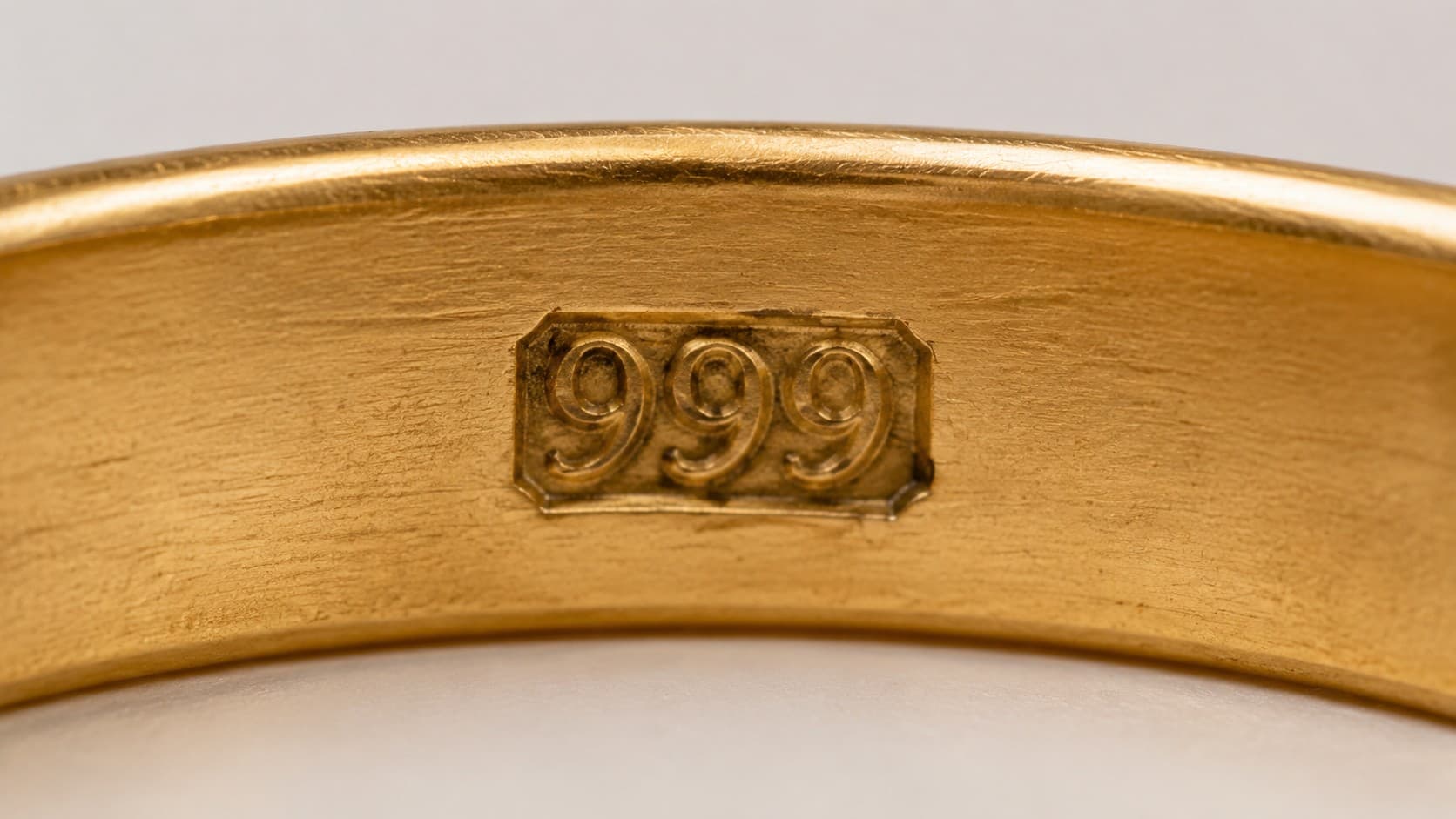
A tiny stamp reading “999” pressed into a gold ring, bar, or pendant looks unremarkable at first glance, but it carries more information than almost any other mark jewelry can bear. It isn’t a brand mark or a decorative flourish. It’s a purity claim, and it determines how the piece looks, how it wears over time, and how much of its weight is actually gold rather than something else mixed in.
What Does 999 Stamp Mean on Gold?
A 999 stamp means the metal is 99.9% pure gold. Jewelers call this measurement “fineness,” a system that expresses purity out of 1,000 parts rather than as a percentage. Out of every 1,000 parts of the metal, 999 are gold, and the remaining single part is trace material left behind from refining.
The system exists because gold almost never comes out of the ground perfectly pure. Refiners melt and treat raw gold to strip out silver, copper, and other elements, but reaching absolute 100% purity is extremely difficult and rarely necessary for commercial use. Once a refiner reaches 99.9% purity, the metal is considered essentially pure and earns the 999 stamp.
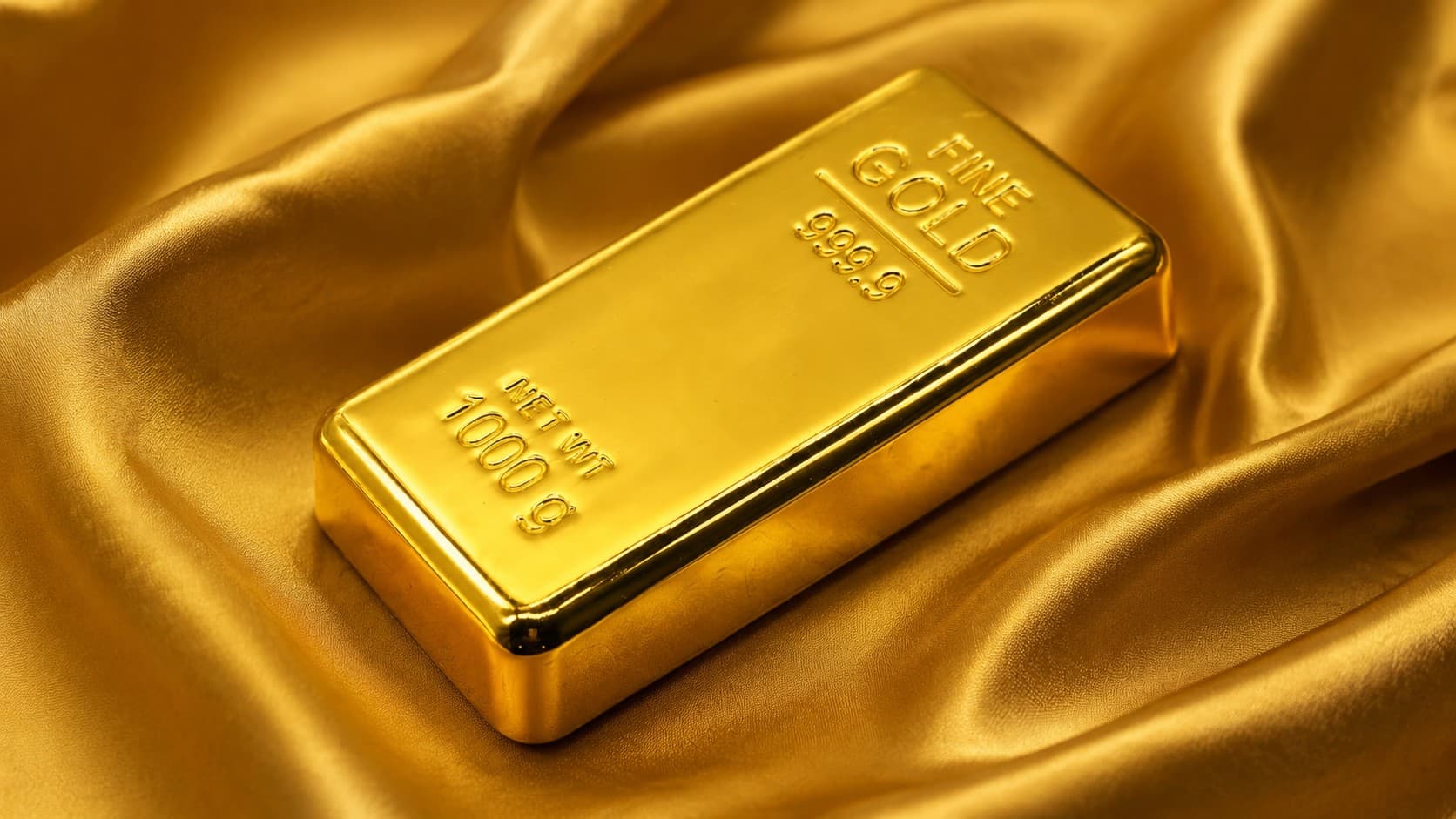
Some coins and bars carry a “999.9” stamp instead. That extra 9 means 99.99% purity, a level sometimes called “four nines” gold. It’s marginally more refined than standard 999, though the difference between the two amounts to less than a tenth of one percent and produces no visible change in appearance.
The color of the metal offers a secondary clue. Genuine 999 gold has a deep, rich yellow tone that reads noticeably warmer than 18K or 14K gold, since there’s no silver, copper, or nickel present to lighten or cool the shade. A piece stamped 999 that looks unusually pale, greenish, or overly bright compared to other pure gold pieces is a signal that the stamp deserves closer scrutiny.
Is 999 Gold the Same as 24K?
999 and 24 karat describe identical purity using two separate numbering systems. Karat is the older system, dividing gold into 24 equal parts; a piece where all 24 parts are gold is 24 karat. Fineness is the newer, more precise system, dividing gold into 1,000 parts instead of 24. The two scales line up almost exactly, since 999 out of 1,000 corresponds to nearly 24 out of 24. That overlap explains why the same piece might carry a “24K” label in one country and a “999” stamp in another, despite the metal itself being identical.
The number 24 has a long history behind it. It traces back to the carob tree, whose seeds were used across the ancient Mediterranean and Middle East as small, remarkably consistent weights for measuring gold and gemstones. The Roman emperor Constantine later minted a gold coin, the solidus, weighed to match 24 of these seeds, and that coin became the reference point for full-purity gold. Over centuries, the word for the seed passed through Greek, Arabic, and Latin and eventually became “carat,” leaving behind the 24-part scale still used to grade gold today.
An “AU999” stamp occasionally appears in place of a plain “999.” AU is simply the chemical symbol for gold, drawn from its Latin name, aurum, and adding it in front of the number changes nothing about the meaning. It’s a more formal way of stating the same purity claim, more commonly seen on bars and official mint products than on everyday jewelry.
Why Is 24k Gold So Soft?
999 gold is soft because almost nothing has been mixed in to strengthen it. Pure gold measures around 2.5 to 3 on the Mohs hardness scale, similar to a fingernail or a copper coin, making it one of the softer metals used in jewelry.
That softness is a direct consequence of the same purity that makes 999 gold valuable. Metals such as copper, silver, and zinc are added to gold alloys specifically because they lock the gold atoms into a tighter, more resilient structure. Without those metals, gold can be shaped into intricate designs but dents under light pressure, including something as minor as a fingernail. A 999 gold bracelet requires far gentler handling than an 18K or 14K piece as a result.
That softness limits 999 gold’s practicality for rings, bracelets, or any item exposed to daily friction. It appears far more often in bars, coins, and jewelry intended for special occasions or ceremonial wear rather than everyday use.
Jewelers in China have engineered a workaround known as “hard gold,” which preserves full 999 purity while changing how the metal is structured rather than what it contains. An electroforming process grows thin layers of pure gold into hollow, reinforced shapes instead of casting the metal solid. The resulting pieces end up several times harder than standard 999 gold and considerably lighter, without diluting the purity stamp. The technique solved a problem that alloying used to be the only available fix for.
Comparing Gold Karats and Stamps
| Stamp | Karat | Gold Content | Typical Use |
|---|---|---|---|
| 999 | 24K | 99.9% | Bars, coins, ceremonial and investment jewelry |
| 916 | 22K | 91.6% | Traditional wedding jewelry, especially in South Asia |
| 750 | 18K | 75% | Everyday fine jewelry, engagement rings |
| 585 | 14K | 58.5% | Durable everyday jewelry, common in the US |
| 417 | 10K | 41.7% | Budget-friendly, the most scratch-resistant of the common karat golds |
As purity goes up, durability goes down. The most valuable gold, in terms of pure content, is also the gold that requires the most careful handling.
Does Higher Purity Mean Higher Value?
Gram for gram, yes. Because 999 gold is nearly 100% gold by weight, it carries more raw gold value than an equal weight of 18K or 14K, both of which are diluted with less valuable metals. Two identical-weight rings, one 999 and one 18K, would not contain equal amounts of gold; the 999 ring would hold roughly a third more.
That gap matters most in bullion, where price tracks weight and purity almost exactly. It matters less in finished jewelry. A well-made 18K or 14K piece from a skilled jeweler often sells at a price shaped by design, craftsmanship, and brand reputation rather than metal content alone, and that added premium rarely returns in full at resale. As a result, 999 pieces tend to sell close to their melt value, while resale prices for lower-karat jewelry depend heavily on how much of the original price ever reflected the gold itself.
Where Is 999 Gold Jewelry Popular?
999 gold jewelry appears most often in cultures where gold functions as a store of value rather than purely as an accessory. In parts of China, India, and Southeast Asia, pure gold pieces are a common wedding or festival gift, since the buyer receives value close to the full market price of the gold itself rather than paying extra for hardness or design complexity. Major Chinese and Hong Kong jewelry chains have built on this demand using the hard gold technique described above, producing intricate 999 pieces that would have been far too fragile to wear in solid form only a couple of decades ago.
Outside those markets, 999 gold appears most frequently in bullion form. Investment bars and coins are almost always struck at 999 or 999.9 fineness, since buyers in that market prioritize maximum gold content over daily wearability. A bar stored in a safe has no need to resist scratches the way a ring does.
How to Verify a 999 Gold Stamp
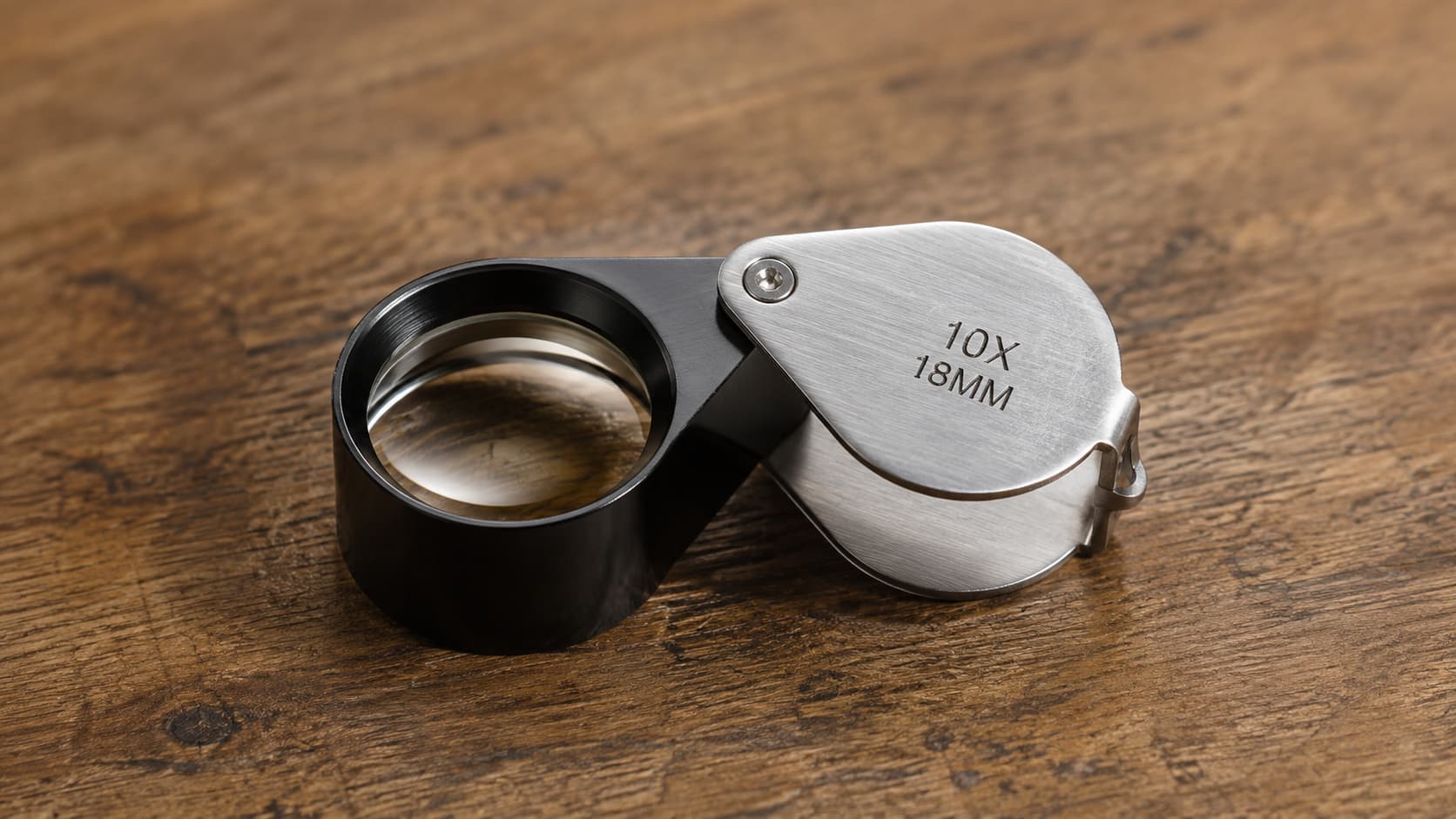
A close look at the stamp itself under good light or a loupe is the first step. A genuine stamp appears crisp, evenly pressed, and consistent in depth, while blurry, shallow, or uneven stamping is a warning sign, though not proof on its own.
Several additional checks help confirm authenticity:
- Weight and density check. Pure gold is notably heavy for its size, and comparing weight against volume against gold’s known density can reveal inconsistencies.
- Professional XRF testing. X-ray fluorescence machines read the actual metal composition without damaging the piece, making this the standard test used by jewelers and refiners.
- Acid testing. A small scratch is tested with acid formulated for specific karats. This method is accurate but leaves a tiny mark, so it’s typically used as a last resort rather than a first step.
- Certification and hallmarks. Bars and coins from recognized refiners come with serial numbers and certificates, and matching those details is one of the fastest ways to confirm authenticity for bullion.
A magnet test alone settles nothing. Gold isn’t magnetic, but neither are several common counterfeits, so a piece that doesn’t stick to a magnet only rules out the crudest fakes. Some counterfeit bars go further, hiding a core of tungsten, a metal with a density nearly identical to gold, beneath a layer of real gold plating. When that plating is thick enough, even XRF testing can be fooled, since it only reads the surface of a piece. For that reason, high-value bars are best verified through a combination of methods, such as ultrasound or a specialized density test, rather than any single check on its own.
Tips for Storing 999 Gold Jewelry
Storing 999 gold pieces separately from other jewelry helps prevent scratching. Because the metal is so soft, even light contact with harder items such as diamonds or stainless steel can leave marks, so a soft pouch or a lined compartment serves the piece better than a shared jewelry box.
Clean, dry hands and removal before activities involving pressure or friction, such as exercise, cleaning, or manual work, extend the life of a piece considerably. Because 24K gold reacts to almost nothing, it won’t tarnish or corrode, which keeps cleaning simple. A soft cloth with mild soap and water is generally sufficient, without the need for harsh chemicals or ultrasonic cleaners that could stress a delicate setting.
Frequently Asked Questions
Is 999 gold better than 916 or 750 gold?
“Better” depends on the purpose. 999 gold contains more actual gold and holds more melt value, while 916 and 750 gold offer greater durability for jewelry worn often, since the added metals strengthen the piece.
Can 999 gold be worn every day?
It can, but daily wear isn’t ideal. The softness of 999 gold means scratches, dents, and shape changes appear faster than they would on lower-karat gold under the same conditions.
Does a 999 stamp guarantee the jewelry is real gold?
No stamp alone provides a guarantee. A stamp reflects the purity a seller claims, and only lab testing, such as XRF analysis, or a trusted hallmark from a certified refiner confirms its accuracy.
What’s the difference between 999 and 9999 gold?
999 gold is 99.9% pure, and 9999 gold is 99.99% pure. Both qualify as 24 karat, and the practical and visual differences between them are effectively unnoticeable outside a laboratory setting.
Why does jewelry rarely use 999 gold compared to 18K or 14K?
Jewelry must withstand daily bumps, friction, and pressure, and pure gold is too soft to hold up well under that kind of use. Alloyed gold such as 18K or 14K trades a small amount of purity for a significant gain in strength and scratch resistance.
The Bottom Line
A 999 stamp makes a straightforward purity claim: 99.9% pure gold, equivalent to 24 karat, with almost nothing else mixed in. That purity explains why 999 gold is prized for bars, coins, and ceremonial jewelry, and why it remains a poor match for rings or bracelets meant for daily wear. Understanding the difference between fineness and karat, and recognizing that a stamp still requires verification rather than blind trust, provides a solid foundation for evaluating any gold piece, whether it’s an investment bar or a family heirloom passed down with its original markings intact.