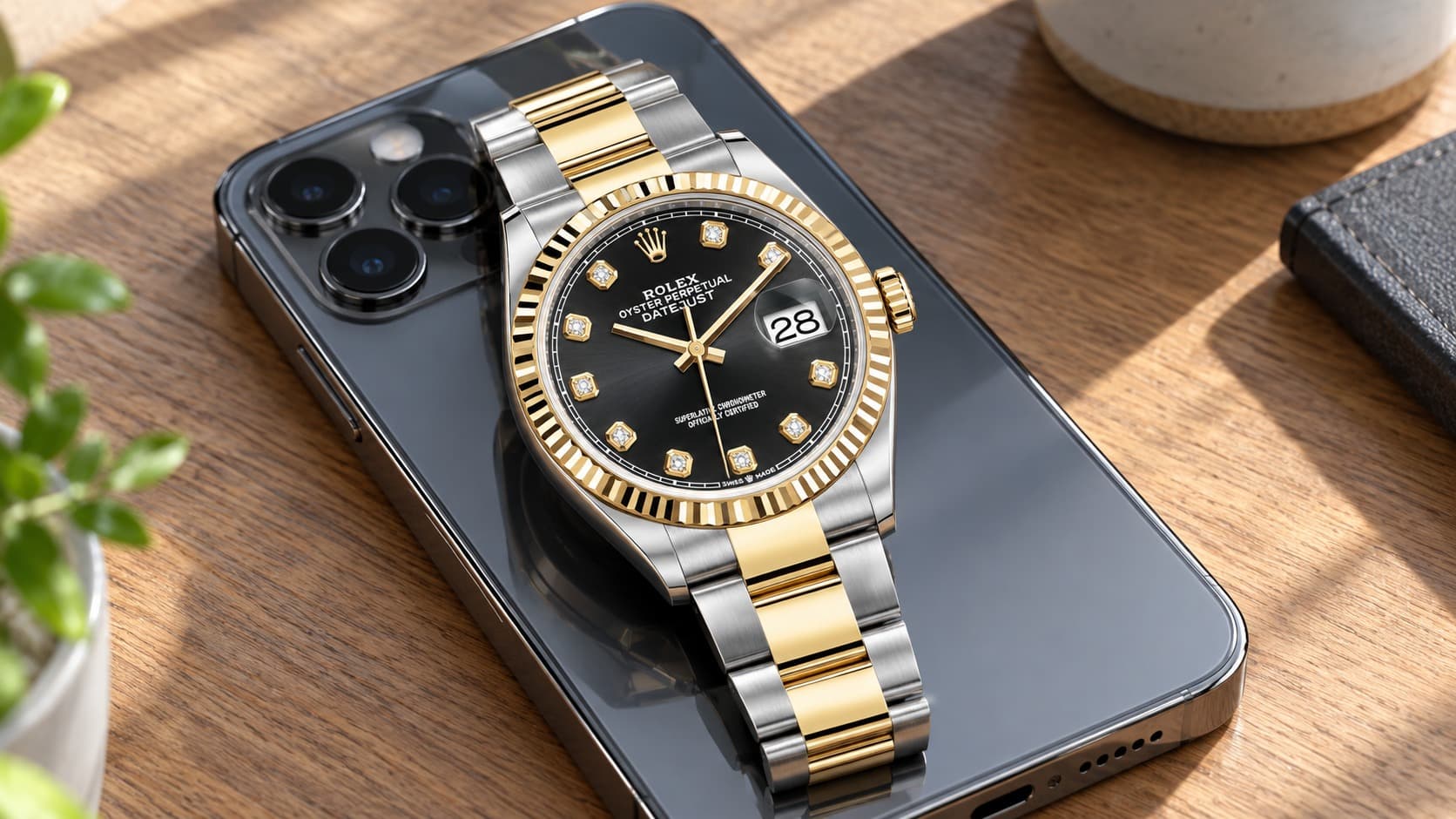
Magnetization affects watch performance in ways many timepiece owners fail to notice. Exposure to magnetic fields can magnetize the internal components of your watch, causing timing irregularities that may eventually require professional correction. For anyone who appreciates watches—whether you cherish a family heirloom or wear a modern timepiece—understanding magnetization is crucial. From recognizing early warning signs to implementing effective protection strategies, mastering the basics of watch magnetization helps preserve your valuable timepiece’s accuracy and longevity.
What Is Watch Magnetization?
Watch magnetization occurs when the metal components inside your timepiece become temporarily magnetic after exposure to magnetic fields. This primarily affects mechanical watches by interfering with the delicate balance system responsible for timekeeping. The balance spring and other steel components can stick together or repel each other when magnetized, causing your watch to run significantly faster than normal. Most people aren’t aware their watch has been magnetized until they notice it gaining several minutes per day.
- A magnetized watch typically runs too fast, sometimes gaining 5-30 minutes per day, as the magnetic coils of the balance spring stick together, effectively shortening the spring and increasing the frequency of oscillations. This is the most common and noticeable symptom that helps differentiate magnetization from other watch problems.
- Mechanical watches (both manual and automatic) are most susceptible because they rely on a delicate balance system with ferrous metal components. The balance spring (hairspring) is particularly vulnerable as it’s typically made from metal alloys containing iron, nickel, or cobalt – all materials that can become magnetic when exposed to external magnetic fields.
- The magnetization process happens at a molecular level, where the previously random arrangement of magnetic domains in the metal becomes aligned in the same direction, creating a magnetic field within the watch parts themselves. This can cause components to attract or repel each other, disrupting the carefully calibrated timing mechanism.
- While quartz watches can also be affected by strong magnetic fields, they’re generally less susceptible since they have fewer ferrous metal components in their movements. However, the motor that drives the hands in quartz watches can still become magnetized under strong enough fields.
- The severity of magnetization depends on the strength of the magnetic field the watch was exposed to and the duration of exposure. Brief contact with weak magnetic fields might cause minor timing issues, while exposure to powerful magnets can cause severe disruption to the watch’s operation.
- Watchmakers use specialized equipment called timing machines and demagnetizers to diagnose and treat magnetization. A timing machine can show distinctive patterns in the watch’s rate that indicate magnetization rather than other mechanical issues.
Watch magnetization is generally considered a minor and easily fixable issue compared to other watch problems. Unlike water damage or physical trauma, magnetization rarely leads to permanent damage to the movement, and addressing it promptly helps maintain your watch’s long-term accuracy and reliability.
Common Causes of Watch Magnetization

In our modern world filled with electronic devices and magnetic fields, your watch can become magnetized through everyday activities and exposure to common household items. Understanding these sources helps you take preventive measures to protect your timepiece. The magnetization process happens when the ferrous parts of your watch are exposed to a magnetic field strong enough to align the metal’s molecular structure.
- Smartphones and tablets contain powerful magnets for speakers, closures, and wireless charging that can magnetize watches when placed nearby or on top of them. Many people unknowingly magnetize their watches by keeping their phone in the same pocket as their watch or by placing their watch on their phone overnight. The newer and more powerful the smartphone, the stronger its magnetic components tend to be.
- Laptop computers generate significant magnetic fields from their speakers, hard drives, and especially from their power supplies and charging cables. The area near the power connection point and around the hinge of a laptop typically produces the strongest magnetic fields. Working with a laptop on your lap while wearing a watch increases the risk of magnetization.
- Household appliances with motors like refrigerators, blenders, mixers, vacuum cleaners, electric shavers, and hair dryers all generate magnetic fields during operation. The larger the motor, the stronger the magnetic field. Standing close to industrial equipment with large motors poses an even greater risk to watches.
- Medical equipment, particularly MRI machines, produces extremely powerful magnetic fields that will instantly magnetize any watch brought anywhere near them. Hospitals typically require all metallic items, including watches, to be removed before entering rooms with MRI equipment because the magnetic fields are strong enough to turn small metal objects into dangerous projectiles.
- Audio equipment, including speakers, headphones, and especially powerful subwoofers, contain large magnets that can affect watches placed nearby. Many people don’t realize that holding a watch near a speaker or wearing headphones while adjusting a watch can lead to magnetization.
- Magnetic clasps and closures found on bags, jewelry, and even some watch bands themselves can cause magnetization if they come in direct contact with the watch movement. Some luxury bags and briefcases have surprisingly strong magnetic closures that can affect watches stored inside them.
- Security scanners at airports, shopping malls, and government buildings use varying levels of magnetic fields. While modern airport security equipment is designed to minimize magnetic interference, older or higher-security systems can potentially magnetize watches passing through them.
- Everyday items with hidden magnets, such as cabinet closures, refrigerator magnets, magnetic name badges, and even some clothing with magnetic buttons can affect watches when in close proximity for extended periods.
The stronger the magnetic field and the longer the exposure, the more likely your watch is to become magnetized. Brief exposures to weak fields generally won’t cause problems, but repeated or prolonged exposure to even moderate magnetic sources can eventually affect your timepiece. Being mindful of these common sources can help you protect your watch from unwanted magnetization.
How to Tell if Your Watch is Magnetized
Identifying a magnetized watch early can prevent frustration and save you from missing appointments due to an inaccurate timepiece. Unlike other watch issues that may develop gradually, magnetization often causes sudden and noticeable changes in your watch’s performance. Here are the key indicators that your watch might be magnetized.
- The most obvious and common sign is a watch that suddenly starts running significantly faster than normal, typically gaining 5-30 minutes per day. This happens because the magnetized balance spring coils stick together, effectively shortening the spring and increasing the frequency of oscillations. If your previously accurate watch suddenly starts gaining time consistently without any physical damage or other changes, magnetization is the most likely culprit.
- In some cases, a magnetized watch may display erratic timekeeping rather than just running fast. The watch might gain time for several hours, then slow down, or show different rates of error depending on the position it’s held in. This inconsistency occurs because the magnetic forces affect the balance differently as the watch moves through various positions.
- The second hand may exhibit unusual behavior in a magnetized watch. You might notice a slight stutter or hesitation in what should be a smooth sweeping motion in mechanical watches. Some severely magnetized watches may even show the second hand temporarily stopping or jumping forward to “catch up,” especially when the watch is held in certain positions.
- Watchmakers can definitively diagnose magnetization using a timing machine, which measures the beat rate and amplitude of the watch. A magnetized watch typically shows a distinctive pattern on these machines, with the timing lines appearing much closer together than they should be, and sometimes showing an unusual angle or slope.
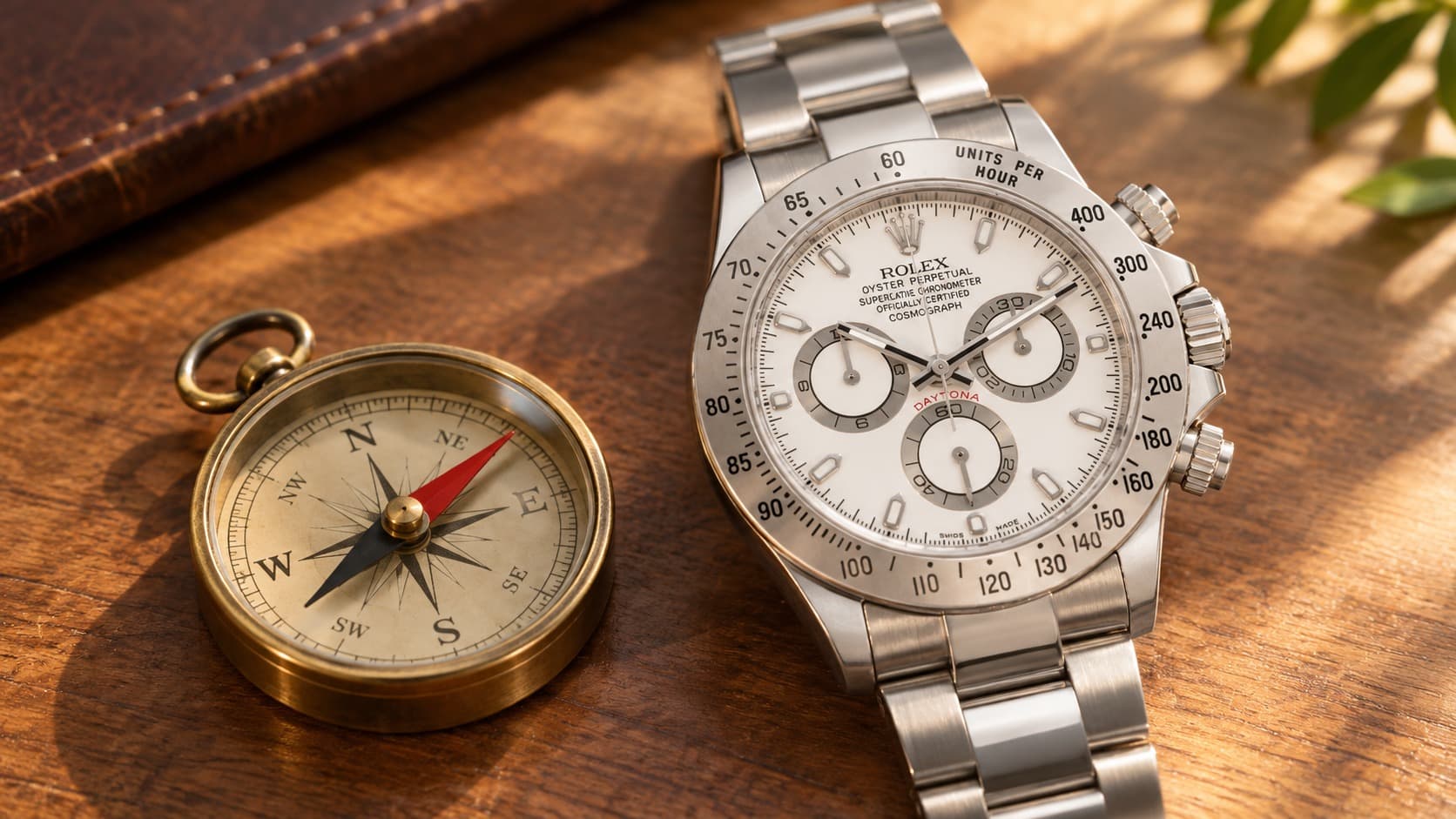
- A simple DIY test involves using a compass placed near your watch. If the compass needle moves or deflects when your watch approaches it, your watch has likely become magnetized and is generating its own magnetic field. This test works because a magnetized watch essentially becomes a weak magnet itself.
- In rare cases with vintage or particularly sensitive watches, you might actually hear a difference in the sound of the movement. A healthy mechanical watch makes a consistent ticking sound, while a magnetized one might produce a faster tick rate or an irregular rhythm.
- Some watch complications may be affected differently. For instance, chronograph functions or calendar mechanisms might not operate properly when the watch is magnetized, as the magnetic fields can interfere with the proper engagement of these complex systems.
If you suspect your watch is magnetized, it’s best to address the issue promptly. Continued use of a magnetized watch won’t typically cause permanent damage, but it does mean you’re not getting the accurate timekeeping you expect from your timepiece. The good news is that demagnetizing a watch is usually a quick, simple, and inexpensive process.
Watch Performance Issues Caused by Magnetization

Understanding how magnetization impacts your watch’s performance helps you appreciate the importance of proper care and timely demagnetization. The effects go beyond simply running fast and can vary depending on the watch’s construction and the severity of magnetization. Here’s what happens inside your magnetized timepiece.
- The primary effect of magnetization is inaccurate timekeeping, typically causing the watch to run faster than normal. This occurs because the magnetized balance spring coils attract each other, effectively shortening the spring’s active length. A shorter balance spring means the balance wheel oscillates at a higher frequency, causing the watch to gain time – sometimes as much as several minutes per hour in severe cases.
- Magnetization disrupts the carefully calibrated isochronism of the watch movement. Isochronism refers to the property of a balance spring that ensures the balance wheel takes the same amount of time for each oscillation regardless of the amplitude. When magnetized, this property is compromised, leading to inconsistent timekeeping that varies with the watch’s position and power reserve.
- The magnetized components can create drag or resistance within the movement as parts that should move freely now experience magnetic attraction or repulsion. This can lead to increased power consumption, potentially reducing the power reserve of automatic and manual-wind watches. You might notice your watch stopping before it should if it’s severely magnetized.
- In watches with iron-based escape wheels or other critical components, magnetization can affect the escapement’s proper functioning. The escapement is responsible for releasing the power from the mainspring in controlled increments, and magnetism can disrupt this delicate system, leading to poor amplitude and inaccurate timekeeping.
- Multiple components becoming magnetized can create conflicting magnetic fields within the watch, causing unpredictable interactions between parts. This is why some magnetized watches show erratic behavior rather than simply running fast consistently. The various magnetic fields can strengthen or cancel each other out depending on the watch’s position.
- Prolonged magnetization, particularly in vintage watches with older alloys, can potentially lead to more permanent issues. While rare, there are cases where magnetic fields have been strong enough to physically deform a balance spring, requiring replacement rather than just demagnetization. Modern watches with niobium-zirconium or silicon balance springs are much less susceptible to this problem.
- Magnetization can also impact a watch’s response to regulation attempts. If a watchmaker tries to regulate (adjust the timing of) a magnetized watch without first demagnetizing it, the results will be inconsistent and unsuccessful. This is why professional watchmakers always check for magnetization before beginning any service work.
The effects of magnetization are usually completely reversible with proper demagnetization. However, allowing a watch to remain magnetized for extended periods isn’t recommended, as you’re not only living with an inaccurate timepiece but potentially putting additional stress on the movement. Fortunately, addressing magnetization is one of the simplest and least expensive watch repairs.
Which Watches Are Most Likely to Get Magnetized?
Not all watches are equally vulnerable to magnetic fields. Understanding which timepieces face the highest risk can help you take appropriate precautions for your specific watch collection. The susceptibility of a watch to magnetization depends on several factors, including its design, materials, and age.
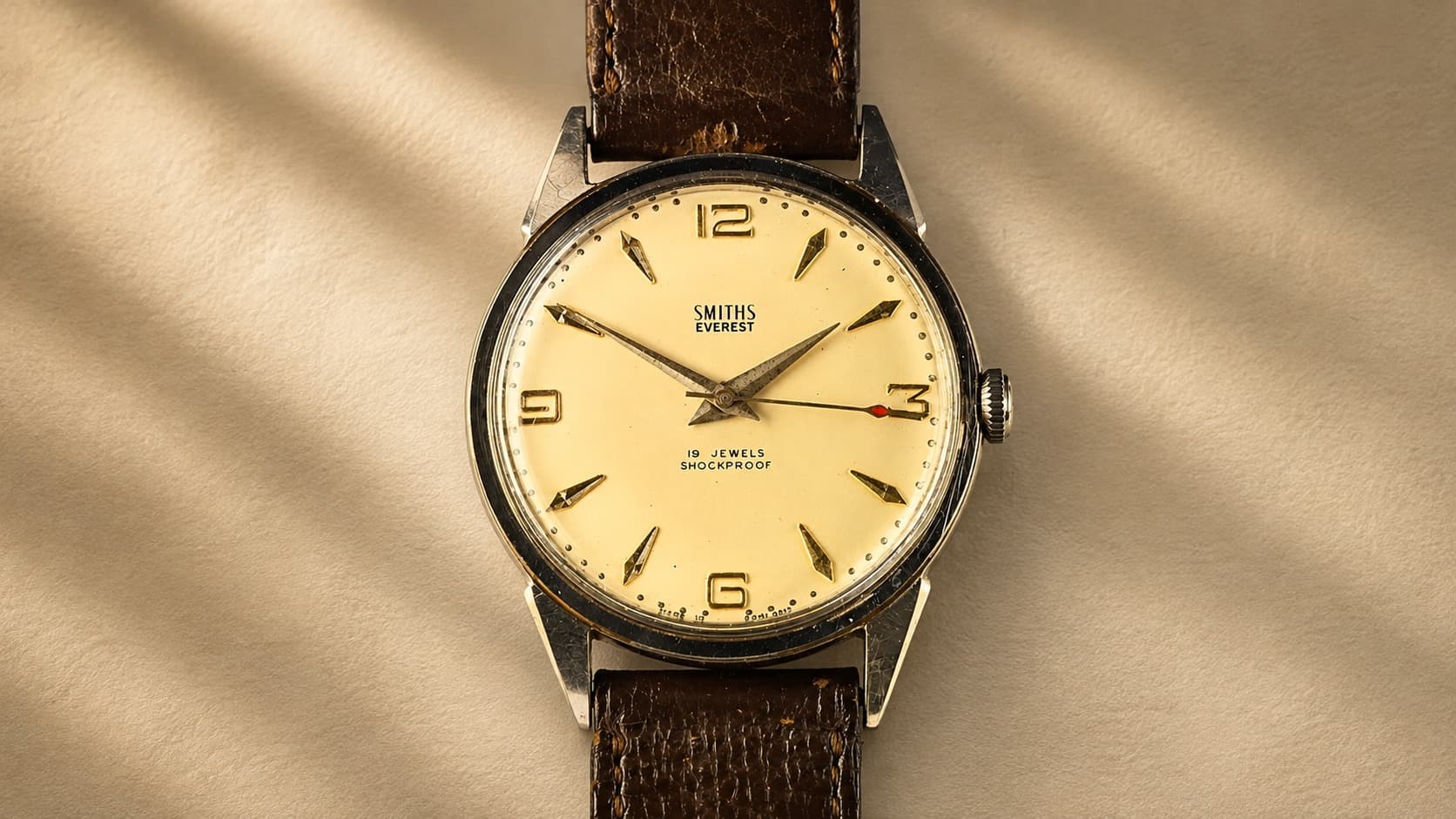
- Vintage mechanical watches manufactured before the 1980s are typically the most susceptible to magnetization. These timepieces were made before anti-magnetic innovations became common, and they often contain ferrous balance springs and other components with high iron content. Some vintage watches can become magnetized from exposure to even relatively weak magnetic fields that wouldn’t affect modern timepieces.
- Mechanical watches with traditional metallic hairsprings (balance springs) are significantly more vulnerable than those with newer materials. Conventional hairsprings are typically made from metal alloys like Nivarox or Elinvar, which contain iron, nickel, and chromium – all materials that can become magnetized. The hairspring is usually the first and most severely affected component during magnetization.
- Entry-level modern mechanical watches that don’t feature explicit anti-magnetic properties remain quite susceptible. While they may include some basic shielding, they lack the comprehensive anti-magnetic technologies found in higher-end timepieces, making them vulnerable to everyday magnetic sources like smartphone cases and laptop chargers.
- Watches with exhibition case backs (display backs) that show the movement through a transparent window typically offer less magnetic shielding than those with solid metal case backs. The glass or sapphire crystal back provides no magnetic protection, leaving the movement more exposed to external magnetic fields.
- Thin-cased watches provide less natural shielding against magnetism than thicker models. The reduced metal between the movement and external magnetic fields means that slimmer dress watches often face higher magnetization risks than bulkier sport or tool watches.
- Watches with iron dials or iron-based movement plates can amplify external magnetic fields rather than blocking them, increasing the risk to the critical timing components. Some older watches used iron for cost savings without considering magnetic vulnerability.
- In contrast, modern high-end mechanical watches often incorporate anti-magnetic features like silicon hairsprings, special alloys, and magnetic shielding, making them much more resistant to everyday magnetic fields. Brands like Rolex, Omega, and Grand Seiko have developed increasingly sophisticated anti-magnetic technologies in recent years.
- Quartz watches are generally less susceptible to magnetization issues than mechanical watches because they have fewer ferrous components in their movements. However, they aren’t completely immune – the small motors that drive the hands can still be affected by very strong magnetic fields.
Understanding your watch’s susceptibility to magnetism should inform how you handle and store it. If you own vintage or entry-level mechanical watches, you’ll want to be particularly cautious about exposure to magnetic sources. Conversely, if you’ve invested in a modern anti-magnetic watch, you can enjoy greater peace of mind in our increasingly magnetic world.
Magnetic Dangers for Watches in Modern Life
Our modern environment is filled with magnetic fields that can potentially affect watches. Being aware of these common sources helps you make informed decisions about when to remove your watch or how to position it to minimize exposure. Here are the most prevalent magnetic hazards your timepiece might encounter in daily life.
- Smartphones and tablets represent one of the most common and potent sources of magnetism that watches encounter daily. These devices contain multiple magnets for speakers, microphones, closures, and wireless charging capabilities. The latest models often incorporate stronger magnets than earlier versions, and the risk increases when watches are placed directly on phones or when both are carried in the same pocket.
- Laptop computers generate significant magnetic fields from several components. The strongest fields typically come from power supply areas, particularly where the charging cable connects to the computer. Working with a laptop on your lap while wearing a watch, or resting your watch-wearing wrist near the laptop’s edge for extended periods can lead to magnetization.
- Refrigerators and other large appliances contain powerful magnets not just in their doors but also in their motors and compressors. Standing very close to the compressor area of a refrigerator while it’s running can expose your watch to magnetic fields, though casual use around refrigerators is typically safe as the strongest fields are contained within the appliance housing.
- Audio equipment, particularly speakers and headphones, utilize magnets to produce sound. Large floor-standing speakers, powerful subwoofers, and even the small speakers in headphones can potentially magnetize watches that come into direct contact with them. Musicians and audio engineers who work around professional sound equipment face elevated risks.
- Electric motors in household items like blenders, mixers, electric razors, hair dryers, vacuum cleaners, power tools, and electric toothbrushes all generate magnetic fields during operation. The larger and more powerful the motor, the stronger the magnetic field it produces. Holding a watch very close to these devices while they’re running increases the risk of magnetization.
- Medical equipment presents some of the strongest magnetic fields you’re likely to encounter. MRI machines generate extremely powerful magnetic fields that will instantly magnetize any watch brought anywhere near them. Always remove your watch before entering rooms containing MRI equipment, as hospitals require for safety reasons.
- Security systems at retail stores, airports, and government buildings use varying types of magnetic technologies. While modern systems are generally designed to minimize interference with personal items, some older or high-security systems can potentially affect watches. When possible, you might want to carry rather than wear your watch when passing through security checkpoints.
- Magnetic closures and clasps on bags, jewelry boxes, and even some watch bands can affect watches stored near them. Many luxury handbags, briefcases, and tablet cases incorporate surprisingly strong magnetic closures that can magnetize watches stored inside or nearby.
- Household items with hidden magnets include cabinet catches, refrigerator magnets, magnetic name badges, some toys, and even certain clothing with magnetic buttons or closures. These seemingly innocent items can affect watches when in direct contact for extended periods.
- Electronic devices with transformers, like chargers for various gadgets, create magnetic fields when in use. Leaving your watch near a charging station overnight might expose it to prolonged magnetic fields, increasing the risk of magnetization.
The risk of magnetization increases with both the strength of the magnetic field and the duration of exposure. Brief encounters with weak fields typically won’t cause problems, but prolonged or repeated exposure can eventually affect your watch. Being mindful of these sources helps you protect your timepiece from unwanted magnetization while navigating our magnetically rich modern environment.
Professional vs Home Watch Demagnetization Methods

Discovering that your watch has become magnetized might seem concerning, but the solution is usually straightforward and inexpensive. There are several approaches to demagnetizing a watch, ranging from professional services to DIY methods. Here’s what you need to know about restoring your magnetized timepiece to proper working order.
- Professional demagnetization by a watchmaker is the safest and most reliable method. Watchmakers use specialized equipment called demagnetizers (degaussers) that create a controlled alternating magnetic field that gradually diminishes to zero, effectively neutralizing the magnetic charge in your watch components. This service typically takes only a few minutes and usually costs between $10-50, making it one of the least expensive professional watch services available.
- Home demagnetizers are available for watch enthusiasts who frequently encounter magnetization issues. These devices work on the same principle as professional equipment but are smaller and less powerful. They typically cost between $20-100 depending on quality and are simple to use – you place the watch on the device, press a button, and slowly lift the watch away as the field dissipates. For collectors with multiple mechanical watches, this investment can save money over repeated trips to a watchmaker.
- Smartphone apps that claim to demagnetize watches should be approached with extreme caution. While some apps can turn your phone into a weak degausser by rapidly alternating the polarity of the phone’s magnetic field, this method is generally ineffective for proper demagnetization and may actually worsen the problem. Additionally, placing your already magnetized watch directly on another magnetic source (your phone) is counterintuitive.
- The traditional watchmaker’s trick of using a TV or CRT monitor to demagnetize watches is now largely obsolete since most modern displays don’t use the same technology. Older cathode ray tube (CRT) televisions and monitors contained degaussing coils that created a diminishing alternating magnetic field when turned on, which could demagnetize a watch held nearby. This method doesn’t work with LCD, LED, or plasma screens.
- When using any demagnetizer, proper technique is crucial. The watch should be slowly removed from the demagnetizing field as the field diminishes. Simply turning off the demagnetizer while the watch remains on it won’t effectively demagnetize the timepiece. The gradual reduction of the alternating field is what allows the magnetic domains in the metal to return to their random orientation.
- After demagnetization, you should immediately check if the procedure was successful. The simplest test is to place a compass near the watch – if the compass needle doesn’t move, the watch is no longer generating a magnetic field. More accurately, you can time the watch over 24 hours to see if it has returned to its normal rate.
- Some extremely powerful magnetic exposures may require multiple demagnetization attempts. If a single treatment doesn’t fully resolve the timing issues, returning to the watchmaker for a second demagnetization is sometimes necessary. This is rare but can occur with vintage watches or after exposure to exceptionally strong magnetic fields.
- Demagnetization does not harm a watch when performed correctly. It’s a non-invasive process that doesn’t require opening the watch or manipulating any components. The alternating magnetic field simply returns the molecular structure of the affected parts to their natural, randomized state.
Demagnetizing a watch is one of the simplest fixes in the world of watch repair. Most cases of magnetization can be completely resolved in minutes without disassembling the watch, and the demagnetization process doesn’t cause wear or damage to the timepiece. If you suspect your watch has become magnetized, addressing the issue promptly will restore its accuracy and performance.
How Watchmakers Protect Against Magnetism
As our world becomes increasingly filled with magnetic fields, watchmakers have developed innovative technologies to protect timepieces from these invisible forces. Understanding anti-magnetic watch technology helps you make informed purchasing decisions and appreciate the engineering behind modern timepieces. Here’s what makes a watch truly resistant to magnetism.
- Modern anti-magnetic watches employ several strategies to resist magnetic fields, with the most effective being the use of non-ferromagnetic materials for critical components. Silicon hairsprings have become increasingly common in high-end watches, replacing traditional metal alloys entirely. Silicon (or silicium) is completely impervious to magnetic fields, offering perfect protection against magnetization while also providing better temperature stability and shock resistance.
- Other non-magnetic materials used in modern watch movements include special alloys like Niobium-Zirconium (Nb-Zr), titanium, beryllium, and certain ceramics. These materials are used for balance wheels, escape wheels, and other components traditionally made from steel or other ferrous metals. By eliminating ferromagnetic materials from critical timing components, watchmakers create movements that remain unaffected even in strong magnetic fields.
- The industry standard for anti-magnetic watches is defined by ISO 764, which requires timepieces to resist a direct magnetic field of 4,800 A/m (amperes per meter). This roughly translates to 60 gauss – strong enough to resist everyday magnetic sources but far below the strength of medical equipment like MRI machines. Watches meeting this standard can display the word “anti-magnetic” on their dials or case backs.
- Some modern watches far exceed the basic ISO standard. Rolex’s Milgauss was one of the first watches specifically designed for scientists and engineers working in environments with strong magnetic fields. As its name suggests, it can resist fields up to 1,000 gauss. Omega has pushed this boundary even further with its Master Chronometer certification, which guarantees resistance to fields of 15,000 gauss – strong enough to withstand an MRI machine at a moderate distance.
- Inner cases made from soft iron create what’s known as a “Faraday cage” around the movement, redirecting magnetic fields around the movement rather than through it. This traditional approach has been used since the 1950s and remains effective today. Watches like the IWC Ingenieur, the Rolex Milgauss, and various Omega models employ soft iron inner cases, sometimes combined with other anti-magnetic technologies.
- Some watch brands have taken anti-magnetic innovation to remarkable levels. Omega’s breakthrough Co-Axial movements use silicon components and special alloys to achieve immunity to fields that would instantly magnetize conventional watches. Their technology has been independently verified to maintain accuracy even under exposure to magnetic fields strong enough to lift metal objects.
- The dial and case back of anti-magnetic watches often incorporate magnetic shielding materials. Traditionally, soft iron was used for dials in anti-magnetic watches, adding another layer of protection. Modern approaches might use alternative alloys or composite materials that offer shielding without the weight penalty of iron.
- Complete anti-magnetic certification often requires testing the entire watch, not just the movement. This matters because watches with exhibition case backs (transparent windows showing the movement) may have movements containing anti-magnetic components but lack the overall shielding provided by a solid case back with magnetic protection.
- The trade-off for superior magnetic resistance sometimes includes greater thickness, weight, or cost. Creating truly anti-magnetic watches often requires additional components like inner shields or more expensive materials like silicon. However, advances in materials science continue to reduce these penalties, making highly resistant watches more accessible.
As technology continues to advance, we’re likely to see even greater innovations in anti-magnetic watch design. The trend toward silicon and ceramic components is likely to continue, eventually making magnetization concerns a thing of the past for quality timepieces. For now, if you work in environments with strong magnetic fields or simply want peace of mind in our increasingly magnetic world, investing in a watch with proper anti-magnetic technology makes sense.
Preventing Watch Magnetization
Preventing magnetization is far easier than dealing with its effects after they occur. By developing good habits and awareness regarding magnetic sources, you can significantly reduce the risk to your watch. Here are practical strategies to keep your timepiece running accurately in our magnet-filled modern environment.
- Maintain a safe distance between your watch and common magnetic sources. As a general rule, keeping your watch at least 6 inches (15 cm) away from strong magnetic sources will prevent most magnetization issues. The strength of magnetic fields diminishes rapidly with distance, so even a small separation can provide significant protection.
- Never place your watch directly on or immediately next to smartphones, tablets, or laptop computers. This is perhaps the most common mistake watch owners make. Develop the habit of placing your watch on a dedicated watch rest, in a watch box, or on a surface away from electronic devices when you’re not wearing it.
- Be particularly cautious with smartwatch chargers and wireless charging pads, which generate strong magnetic fields by design. Keep mechanical watches well away from these charging stations, preferably in a different room or at minimum on a separate surface several feet away.
- Consider using a dedicated watch box with magnetic shielding for storage. Some specialized watch boxes incorporate mu-metal or other shielding materials that block external magnetic fields. These provide excellent protection for your collection when watches aren’t being worn, especially if you store them near electronic equipment.
- Remove your watch before medical procedures, particularly MRIs or procedures involving strong magnets. Medical equipment generates some of the strongest magnetic fields you’re likely to encounter, capable of instantly magnetizing even resistant watches. Medical staff will typically instruct you to remove all metal items anyway, but being proactive protects your timepiece.
- Be mindful of hidden magnets in everyday items. Magnetic closures in bags, jewelry boxes, wallets, and even some clothing can affect watches stored near them. Refrigerator magnets, while seeming innocent, can be surprisingly powerful and should be kept away from watches.
- When passing through security checkpoints at airports or government buildings, consider removing your watch and carrying it rather than wearing it through the scanner. While modern security equipment is typically designed to minimize magnetic interference, older or higher-security systems might pose a risk.
- For vintage or particularly valuable watches, consider investing in a dedicated watch shield for travel. These small pouches incorporate magnetic shielding materials and provide protection when your watch might be exposed to unexpected magnetic sources, such as when packed in luggage near electronic devices.
- Educate yourself about which of your watches are most vulnerable. If you own both modern anti-magnetic watches and older mechanical pieces, you might need to be more cautious with the vintage pieces while enjoying greater freedom with your modern anti-magnetic timepieces.
- Consider the magnetic protection features when purchasing new watches. If you work in environments with strong magnetic fields (laboratories, near medical equipment, around powerful electronics), investing in watches with proper anti-magnetic features is worthwhile. Look for specifications that mention resistance to at least 1,000 gauss for serious protection.
By incorporating these preventive measures into your watch-wearing and storage routines, you can significantly reduce the likelihood of magnetization. While completely avoiding all magnetic fields in modern life is impossible, thoughtful habits and awareness can keep your mechanical watches running accurately despite our increasingly magnetic environment.
When to Take Your Magnetized Watch to an Expert
While magnetization is often a simple issue to address, there are situations where professional assistance becomes necessary. Understanding when to take your watch to an expert ensures proper care of your timepiece and prevents potential complications. Here’s guidance on when to seek professional help for watch magnetization issues.
- If you’ve attempted home demagnetization but your watch continues to run fast or show other signs of magnetization, it’s time to consult a professional. Persistent timing issues after DIY demagnetization attempts might indicate either incomplete demagnetization or another problem entirely that’s mimicking magnetization symptoms.
- When your watch has been exposed to exceptionally strong magnetic fields, such as MRI machines or industrial magnets, professional evaluation is recommended. Extreme magnetic exposure can sometimes cause physical deformation of delicate components like the hairspring, which requires more than simple demagnetization to address.
- If your watch shows erratic behavior beyond just running fast—such as stopping intermittently, having the hands suddenly jump, or making unusual noises—these symptoms might indicate magnetization has caused secondary complications that need professional attention. Strong magnetic fields can sometimes affect the engagement of wheels or other mechanical interactions within the movement.
- Vintage or highly valuable watches should generally be taken to professionals even for seemingly simple magnetization issues. These timepieces often contain delicate or irreplaceable components that benefit from the careful handling of an experienced watchmaker, who can ensure no additional damage occurs during the demagnetization process.
- When magnetization symptoms appear alongside other issues, such as decreased power reserve, positional timing variations, or moisture indicators inside the case, comprehensive professional service is necessary. Magnetization rarely occurs in isolation from other maintenance needs in these scenarios.
- If you don’t have access to proper demagnetization equipment but suspect magnetization, a watchmaker can perform a definitive diagnosis using timing machines and other professional tools. This prevents the potential damage that can come from incorrect DIY attempts with improvised methods or smartphone apps.
- Watches with complicated movements (chronographs, perpetual calendars, minute repeaters, etc.) should generally be handled by professionals when magnetization occurs. These complex mechanisms have many interacting components that might be affected differently by magnetic fields and require expert assessment.
- If magnetization occurs repeatedly despite taking reasonable precautions, professional evaluation can help identify if there’s an environmental factor in your home or workplace causing the issue. A watchmaker might recommend specific storage solutions or handling practices based on your situation.
- Some modern watches with advanced anti-magnetic features might require specialized knowledge to properly demagnetize if they do somehow become affected. The manufacturer might recommend specific service procedures that differ from traditional demagnetization techniques.
The good news is that professional demagnetization is typically one of the least expensive watch services available, usually costing between $10-50 and taking only a few minutes if no complications are present. Many watchmakers even offer this service while you wait. This small investment ensures your timepiece receives proper care and returns to accurate operation without risk of additional damage from improper handling.
Conclusion
Watch magnetization is a common issue in our technology-filled world but remains one of the easiest watch problems to solve. Understanding how everyday electronics like smartphones, laptops, and household appliances can magnetize watch components helps you take simple preventive measures to protect your timepiece. When magnetization does occur, the solution is typically quick and inexpensive – either through professional demagnetization services or home demagnetizers that effectively restore your watch’s accuracy without causing damage to delicate mechanisms.
As watchmaking technology advances, manufacturers continue to develop increasingly effective anti-magnetic innovations. From silicon hairsprings to soft iron Faraday cages and specialized alloys, these technologies offer unprecedented protection against magnetic fields. By recognizing the signs of magnetization, knowing which watches are most vulnerable, and taking appropriate precautions, you can enjoy your mechanical timepieces with confidence even in our increasingly magnetic environment. Remember that a little awareness goes a long way in preserving both the accuracy and longevity of your cherished watches.