Russian Watch Brands: Soviet History, Quality & Value

Discover Russian watch brands like Vostok, Poljot, Raketa & Slava. Learn their history, quality, value & why Soviet timepieces are perfect for collectors.

We include products we think are useful for our readers. If you buy through links on this page, we may earn a small commission.

Read more

Affiliate Disclosure: This post may contain affiliate links, which means we may receive a commission if you click a link and purchase something that we have recommended. While clicking these links won't cost you any extra money, they help us keep this site up and running. We only recommend products or services that we genuinely believe will add value to our readers. Thank you for supporting us!

Transparency: We are a participant in various affiliate programs, including the Amazon Services LLC Associates Program, an affiliate advertising program designed to provide a means for us to earn fees by linking to Amazon.com and affiliated sites. Our editorial content is not influenced by affiliate partnerships, and we strive to provide honest and unbiased reviews and recommendations.

To learn more about our vetting process, please visit our Affiliate Disclosure Statement

Article Content

Soviet military-style watch with black dial and Arabic numerals representing Komandirskie tradition and Russian horological craftsmanship

Russian watchmaking represents one of the most fascinating chapters in horological history, born from necessity and shaped by political ambition under the Soviet Union. Unlike Swiss watchmaking traditions dating back centuries, Russian timepieces emerged in the 1930s when Joseph Stalin ordered the creation of the First State Watch Factory, launching an industry that would produce millions of watches with a unique blend of utilitarian design, robust construction, and affordability. Soviet watchmakers became masters of efficiency, borrowing designs from other countries, improving them, and adding their own innovations to create timepieces for both military personnel and civilians. Today, brands like Vostok, Raketa, Poljot, and Slava continue this legacy, offering collectors access to tangible pieces of 20th-century history that witnessed space exploration, military conflicts, and the rise and fall of one of the world’s most influential political systems.

The History of Russian Watchmaking

Russian watchmaking history spans nearly a century of dramatic political and technological changes, transforming from a state necessity into a globally recognized industry that produced some of the most historically significant timepieces ever created. The story begins in the early 20th century and unfolds through three distinct phases: the ambitious Soviet beginnings, the golden age of mass production, and the challenging transition to modern Russian manufacturing.

  • The Stalin Era Foundation (1930-1940s): Founded in 1930 under orders from Joseph Stalin, the First State Watch Factory was the first large scale Soviet watch and mechanical movement manufacturer. The Soviet government strategically acquired American watch-making infrastructure through its USA-based trading company Amtorg, buying the defunct Ansonia Clock Company of Brooklyn, New York in 1929, and the Dueber-Hampden Watch Company of Canton, Ohio. This marked the beginning of Soviet horology, with the imported American equipment and expertise forming the foundation of what would become the legendary First Moscow Watch Factory.
  • World War II Disruption and Expansion (1941-1945): The German invasion forced dramatic changes in production locations and priorities. The Second Moscow watch factory was shifted to Kazan in 1941 due to German invasion and it was renamed as Vostok (Chistopol) watch factory, while when the German forces were in retreat, the factory would again return to Moscow as the First Moscow Watch Factory. During this period, factories focused primarily on military equipment production, but this wartime experience would later inform the robust, utilitarian design philosophy that became characteristic of Soviet watches.
  • Post-War Golden Age (1945-1970s): The immediate post-war period saw explosive growth in watch production and the establishment of iconic brands. In 1947 the first wristwatches under the brand name “Pobeda” and the first marine chronometers and hack watches or deck watches were produced, followed by production of wristwatches increasing to 1.1 million by 1951. This era also witnessed the space age achievements, with Yuri Gagarin becoming the first man in space on 12 April 1961, wearing a watch made by the First Moscow Watch Company under the name Sturmanskie.
  • International Success and Export Era (1960s-1980s): Soviet watches achieved remarkable global reach during this period. By 1965 Russian watches produced at the Moscow Watch Factory were being exported outside of the Soviet Union with a lot of success, exported to 70 countries around the world including the United Kingdom and the United States. The U.K. was a tremendous market for Russian watches, usually sold under the brand Sekonda, a British company that sourced watches from the USSR, branded them as their own, boxed them up, and then sold them to the local markets.

The foundation of Russian watchmaking was built on pragmatic principles rather than luxury traditions, creating timepieces designed as tools for the people rather than status symbols for the elite. Soviet watches were highly egalitarian in their design and function; these were watches for the people, incorporating unique hair-spring designs, shock protection on the jewels, beautifully polished movements with decorations – details that were only found at the upper end of Swiss watches, whereas they were standard in the Soviet Union. This approach created a unique horological legacy that prioritized reliability, accuracy, and accessibility over exclusivity, establishing Russian watches as legitimate alternatives to Western timepieces and setting the stage for the distinctive character that defines Russian watchmaking to this day.

Russian Watch Features: Quality, Design, and Durability

Russian watches possess a distinctive character that sets them apart from traditional Swiss, Japanese, or American timepieces, combining practical engineering philosophy with unique design elements that emerged from the Soviet Union’s state-controlled approach to manufacturing. These characteristics reflect not just technical innovation, but also the political and social context in which they were created, resulting in timepieces that prioritize function over form while maintaining their own compelling aesthetic identity.

  • Utilitarian Design Philosophy: Soviet watchmakers were masters in the art of efficiency, applying the same utilitarian principles to watchmaking as they did to conducting other affairs, becoming famous for borrowing designs from other countries, improving them, and adding their own innovative touches. This approach prioritized reliability and functionality over luxury aesthetics, creating watches that were almost never ostentatious, lacking in finishing or frivolous complications — they were first and foremost time-telling tools, built to be robust and reliable. The philosophy stemmed from Soviet ideological principles that valued practical utility for the masses rather than exclusive luxury items.
  • Exceptional Durability and Reliability: The USSR designed watches that were robust, reliable, and easily serviced — a principle reflected in models like the Vostok Komandirskie and the Raketa 24-hour watches. Russian watches incorporated movements built to last, with many employing the 2609 HA movement, known for its simplicity and durability. The ruggedness was enhanced by the absence of planned obsolescence in Soviet production philosophies, making Soviet watches built as a long-term investment rather than a disposable commodity. Cases were typically made from sturdy materials like chrome or stainless steel, while acrylic crystals could absorb impact without shattering.
  • Democratic Accessibility and Affordability: Unlike luxury Western watches, Soviet watches were designed for the people, with the underlying philosophy being affordability without compromising quality, where even complex models like chronographs and automatic watches were priced reasonably. Soviet watches were highly egalitarian in their design and function; these were watches for the people. This accessibility came from the state-controlled economy that emphasized large scale production and modest profit margins, making quality timekeeping available to broad segments of the population rather than just the elite.
  • Advanced Technical Features at Standard Level: Soviet watchmakers utilized unique hair-spring designs, shock protection on the jewels, beautifully polished movements with decorations – details that were only found at the upper end of Swiss watches, whereas they were standard in the Soviet Union. By the 1950s, Soviet watchmakers were turning out timepieces that were at least as accurate and durable as their Swiss counterparts, yet also more affordable, making them desirable across the Western world, in spite of the Cold War. This included advanced features like Incabloc shock protection, Breguet hairsprings, and high-quality finishing with Cotes de Geneve patterns on bridges.
  • Innovative Engineering Solutions: Soviet watchmakers developed creative solutions to technical challenges, exemplified by the Vostok Amphibia’s case back design that became more watertight with increasing pressure, unlike traditional designs relying on thick cases for deep-sea pressure resistance. Another example is the Raketa ‘Polar’ watch, engineered for polar explorers with a 24-hour dial to combat the relentless polar daylight confusion, showcasing the practical problem-solving approach of Soviet horologists.
  • Distinctive Aesthetic Identity: The dial designs mirrored the socio-political milieu of the time, often adorned with military, space, and factory motifs, with these design elements telling a story and weaving the wearer into the fabric of Soviet history. The styling of Soviet era Russian watches is amazing, with their unique history reflected in their sometimes nationalist aesthetic and truly unique take on watch design. This created a visual language that was distinctly different from Western counterparts, incorporating Cyrillic text, bold numerals, and commemorative themes celebrating space exploration, military achievements, and Soviet accomplishments.

The special character of Russian watches emerges from this unique combination of practical engineering excellence, ideological commitment to accessibility, and distinctive design philosophy that prioritized substance over style. Soviet watchmaking was state-run and centralized, with watches produced as purpose-built tools for civilians, professional applications, or the military – a fundamental difference from watchmaking in places like Switzerland. This approach created timepieces that were not merely fashion accessories or status symbols, but genuine tools designed to serve their owners reliably for decades. The result is a horological legacy that offers collectors and enthusiasts access to well-engineered, historically significant timepieces at accessible prices, representing a fascinating chapter in 20th-century industrial and political history while delivering genuine practical value that continues to attract watch lovers worldwide.

Best Russian Watch Brands

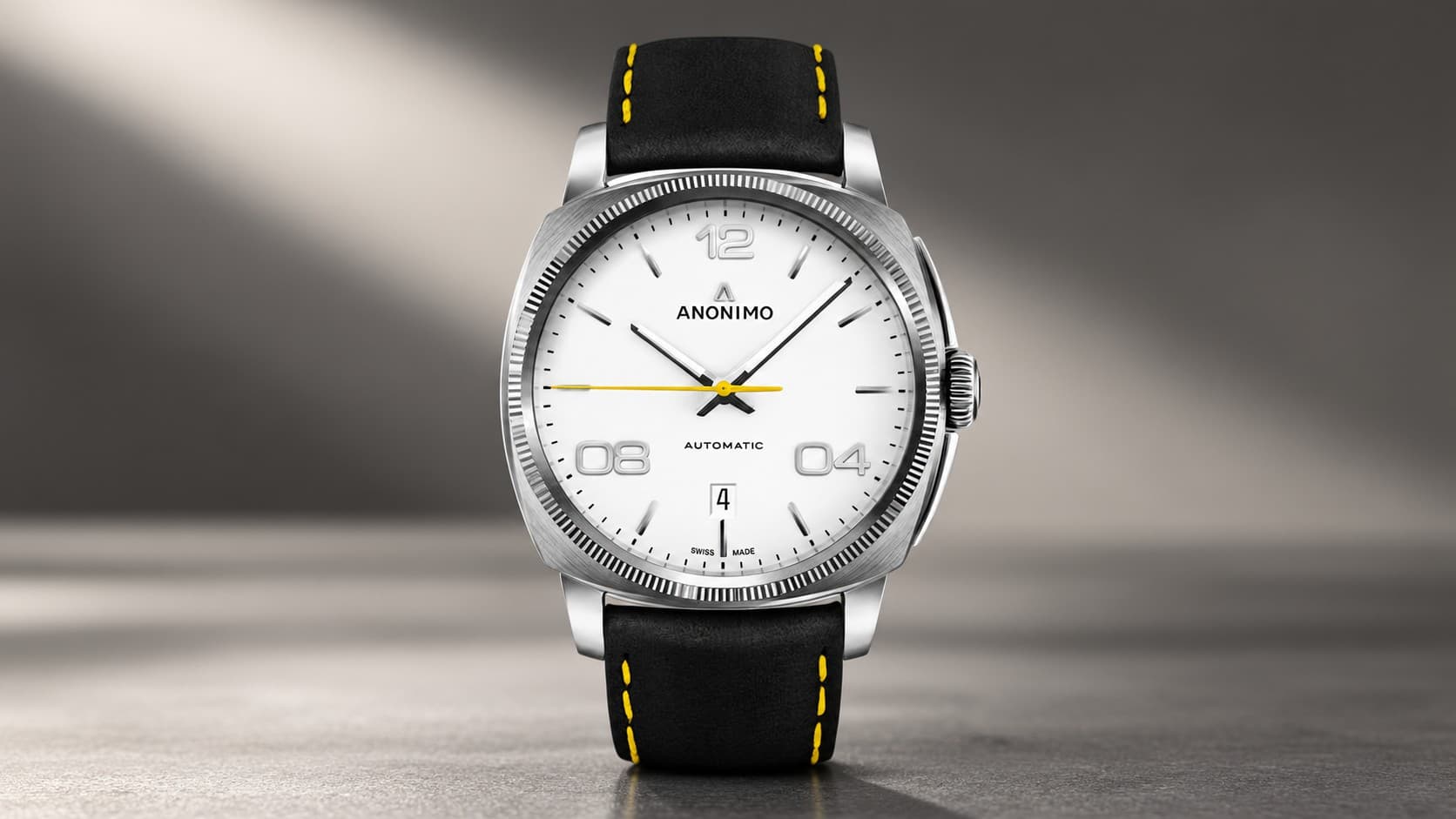
Russian watch showcasing minimalist design philosophy with clean white dial representing affordable Soviet-era watchmaking tradition

The landscape of Russian watchmaking is dominated by four legendary brands that emerged from the Soviet industrial machine, each carrying unique histories, distinctive characteristics, and specialized purposes that defined their roles in both military and civilian contexts. These brands – Vostok, Poljot, Raketa, and Slava – represent the pinnacle of Soviet horological achievement and continue to influence the watch world today with their robust construction, innovative designs, and remarkable affordability.

Vostok

Vostok stands as the most enduring symbol of Soviet military watchmaking excellence, born from wartime necessity and evolved into one of the world’s most respected manufacturers of rugged timepieces. The brand represents the perfect marriage of utilitarian design and innovative engineering, creating watches that prioritize function over form while delivering exceptional value and legendary durability that has earned a devoted cult following worldwide.

  • Vostok Watch Makers, Inc. literally means “East” in Russian and is based in Chistopol, Tatarstan, Russia. The company was established in 1942 when one of the Moscow watch-making plants of the First Moscow Watch Factory was evacuated to Chistopol, a small town located on the Kama River in Tatarstan. During the war years, only defense equipment was produced, but as soon as the war ended, the company started making mechanical wristwatches. The transformation from military supplier to watchmaker established the foundation for what would become one of the Soviet Union’s most important horological institutions.
  • The company’s military heritage became official when it was appointed as the official supplier of watches for the Defense Department of the Soviet Union in 1965, marking the beginning of its prestigious military association. This same year marked the creation of the well-known Komandirskie (“Commander’s”) watch. Military watches were specially marked “By Order of the Ministry of Defense of the USSR” and were sold exclusively through Voentorg stores, which catered only to military personnel with proper identification.
  • By the height of production in 1980, Vostok Watch Makers was producing 4.5 million timepieces per year, demonstrating the massive scale of Soviet watch manufacturing. The brand’s success extended far beyond domestic markets, with watches being exported to 54 countries around the world, making Vostok a truly global presence during the Cold War era. This incredible production volume established Vostok as one of the world’s largest watch manufacturers during its peak years.
  • The crown jewel of Vostok’s production is the legendary Amphibia diving watch, first released in 1968. In 1967, designers Mikhail Novikov and Vera Belov at the Chistopol watch factory had the challenging task of designing and producing a new dive watch reliable to 200 meters and capable of handling the associated changes of pressure and temperature. The result was revolutionary engineering where at greater pressures, the case back is actually pushed into the rubber gasket, making the water-resistant seal tighter and more effective as depth increases. The thick acrylic crystal operates in a similar fashion, flexing at high pressures.
  • Modern Vostok watches continue the tradition of exceptional value and reliability. The movements in these watches, including the 2416B automatic in the Amphibia and the 2414 or 2434 in the Komandirskie, have earned an excellent reputation as robust and reliable engines, though somewhat plain in appearance. Despite their incredibly affordable pricing, often under $100, there are currently over 10 different Amphibia diver watch cases and even more dial variations, accounting for countless options that are all incredibly affordable. The brand offers an extraordinary range of choices that would be impossible to find at such price points from any other manufacturer.

Vostok represents the ultimate expression of Soviet watch philosophy – prioritizing functionality, durability, and accessibility over luxury aesthetics. The brand’s legacy continues today through its commitment to in-house manufacturing and mechanical movements, offering watch enthusiasts an authentic piece of horological history that remains as relevant and capable as when it first emerged from the workshops of Chistopol. Whether diving to 200 meters or serving in military operations, Vostok watches embody the no-nonsense engineering excellence that defined Soviet industrial achievement.

Poljot

Poljot stands as the flagship brand of Soviet watchmaking, representing the pinnacle of Russian horological achievement and the embodiment of the USSR’s ambitious space program aspirations. As the premium marque of the First Moscow Watch Factory, Poljot created some of the most historically significant timepieces ever produced, including the first watches to travel into space and the legendary chronographs that accompanied Soviet cosmonauts on their groundbreaking missions beyond Earth’s atmosphere.

  • Poljot literally means “flight” in Russian and is a brand of Soviet/Russian wristwatches that has been produced since 1964 by the First Moscow Watch Factory. The factory was founded in 1930 under orders from Joseph Stalin as the first large-scale Soviet watch and mechanical movement manufacturer. The factory’s origins trace back to an ambitious acquisition when the Soviet government, via its USA-based trading company Amtorg, bought the defunct Ansonia Clock Company of Brooklyn, New York in 1929, and the Dueber-Hampden Watch Company of Canton, Ohio. This purchase provided the technical foundation and expertise necessary to establish the Soviet Union’s watchmaking capabilities from scratch.
  • The brand’s most celebrated achievement came with the historic space missions of the 1960s. The watch that Yuri Gagarin wore was made by the First Moscow Watch Company under the name Sturmanskie, which translates to “Navigator’s,” establishing the factory’s reputation for producing space-qualified timepieces. Gagarin received his 17-jewel watch with a manual-wind Poljot movement when he graduated from the Soviet air force flight school in 1957, and crucially, the watch performed flawlessly in space and is currently on display at the Moscow Memorial Museum of Cosmonautics. The space heritage continued when cosmonaut Alexei Leonov wore a First Moscow Watch Factory Strela chronograph during his first spacewalk in 1965.
  • The legendary Strela chronograph represents one of the Soviet Union’s greatest horological achievements. The Strela 3017 is a two-register column wheel chronograph first produced in the 1950s. Much like the creation of the factory itself, the Russians purchased the patents and equipment for the Venus 150 from the Swiss. However, the Soviets significantly improved upon the original design, and most notably, Cosmonaut Alexei Leonov wore a 3017 during his first spacewalk. By 1959, the First Moscow Watch Factory had launched production of the Strela chronograph using the new movement, and this model can be called one of the most diverse timepieces produced at the factory.
  • The evolution to the famous 3133 movement marked another milestone in Soviet watchmaking excellence. The 3133 is based on the Swiss Valjoux 7734, which the Russians purchased the rights to produce in the late 1970s. The 3133 made its debut in the Okean, which was first produced for the Soyuz-23 space station at their request for better technical equipment. The Soviet Union acquired the rights to the Swiss Valjoux 7734 mechanism, however, the designers of the First Moscow Watch Factory both adapted the existing caliber to Soviet models and significantly improved it. Experts around the world recognize that the mechanism became more accurate, more reliable, and easier to repair and maintain.
  • Despite reaching peak production levels, the brand faced challenges following the Soviet Union’s collapse. In 1990, production of watches and clocks reached 5 million pieces, and in 1991 the factory was awarded the international “Golden Trophy for Quality.” However, in the 2000s, Poljot filed for bankruptcy, which resulted in the Poljot name ending under the ownership of businessman Sergei Pugachev, with their brand names being splintered off into different watch companies. Today, the First Moscow Watch Factory was bought by former employees, who formed Volmax, under which the brands Sturmanskie, Buran, and Aviator were established.

Poljot’s legacy transcends mere timekeeping, representing the Soviet Union’s technological prowess and unwavering commitment to precision engineering under the most demanding conditions imaginable. From Yuri Gagarin’s historic orbital flight to Alexei Leonov’s first spacewalk, Poljot watches witnessed and participated in humanity’s greatest adventures beyond our planet. The brand’s influence on modern Russian watchmaking continues through its successor companies, ensuring that the innovative spirit and technical excellence that defined Poljot’s golden era remains alive in contemporary timepieces that honor this extraordinary heritage.

Raketa

Raketa represents the most luxurious and technically sophisticated segment of Russian watchmaking, distinguished by its extraordinary heritage as one of the world’s oldest watch factories and its unique position as one of only a handful of manufacturers that produces every component in-house. Founded on the legacy of imperial craftsmanship and transformed by Soviet ambition, Raketa embodies the perfect fusion of traditional artisanship with innovative engineering, creating timepieces that serve specialized professionals while maintaining the highest standards of mechanical excellence.

  • Raketa means “Rocket” in Russian and is a brand of wristwatches that have been manufactured since 1961 by the Petrodvorets Watch Factory in Saint Petersburg. The Petrodvorets Watch Factory is Russia’s oldest factory, founded by Peter the Great in 1721. The factory’s remarkable history spans three centuries, originally established by Peter the Great in 1721 as the Peterhof Lapidary Works to make hardstone carvings. The factory produced luxury objects in semi-precious and precious stones for the palaces of the Tsars. This imperial foundation created a tradition of excellence that would later influence the brand’s approach to watchmaking.
  • The transition from imperial lapidary works to Soviet watchmaking began after World War II. During the Siege of Leningrad, the factory was destroyed by German troops. Since the factory was rebuilt in 1944, Stalin ordered the manufacture of the famous Pobeda watches here. The name Raketa was adopted on April 13, 1961, when cosmonaut Yuri Gagarin made the first manned flight in outer space. To honor this achievement, the Raketa watch was born. This space-age naming reflected the Soviet Union’s pride in its technological achievements and positioned Raketa as a premium brand celebrating Russian innovation.
  • At its peak production, Raketa achieved extraordinary manufacturing scale and sophistication. At the peak of production in the 1970s, the factory produced about 5 million watches per year, while employing 8,000 people who produced 4.5 million watches annually for Soviet citizens and the needs of the Red Army. The factory’s capabilities were remarkable, with the plant having its own schools, university and hospital. The 8,000 staff could fit into its two atomic bunkers, demonstrating the strategic importance placed on this manufacturing facility during the Cold War era.
  • Raketa’s technical excellence stems from its complete in-house manufacturing capabilities, a rarity in the global watch industry. The Petrodvorets Watch Factory Raketa is one of only five watch brands in the world producing their movements in-house from start to finish, including hairsprings and escapements. This independence was strategically important, as it is one of the only watch factories in the world, alongside Rolex and Swatch, that manufactures its own parts, including the hairspring, balance wheel, and escapement. The factory developed this capability because of Stalin’s order that the plant in no way be dependent on the West.
  • The brand’s specialized timepieces served unique professional requirements, particularly for extreme environments. The iconic Raketa 24-hour movement was first engineered by the Raketa Watch Factory in 1970 for Soviet polar explorers. It allowed them to tell the time in regions where it is difficult to distinguish night from day. These specialized watches found applications across various demanding professions, with their use extended to other professionals working in similar conditions, such as submariners, cosmonauts, and Russian pilots. The maritime heritage was particularly strong since the factory, located in Saint Petersburg on the shores of the Baltic Sea, always had a tradition of making watches for Soviet seamen and submariners.
  • Following the Soviet collapse, Raketa experienced decline but achieved remarkable revival through foreign investment and expertise. In the 1990s, Raketa weathered the transition from communism to capitalism as the Soviet Union disintegrated. But when the current managing director, David Henderson-Stewart, first visited the Raketa factory in 2009 with the idea of taking over the business, he found the company on its knees, with a dozen elderly workers operating old machines in poor condition. The modern transformation included employing three highly ranked Swiss watchmakers in 2009 to help the factory adapt its production to modern standards. These watchmakers had previously worked for Rolex, Breguet and Hautlence.

Raketa’s legacy represents the pinnacle of Russian watchmaking achievement, combining centuries of craftsmanship tradition with cutting-edge manufacturing capabilities that remain unmatched by most global competitors. The brand’s commitment to complete in-house production, from hairsprings to finished movements, positions it as a truly independent manufacturer in an industry increasingly dependent on shared suppliers. Today’s Raketa continues to honor its heritage while embracing modern quality standards, creating timepieces that serve as both functional instruments and symbols of Russian engineering excellence.

Slava

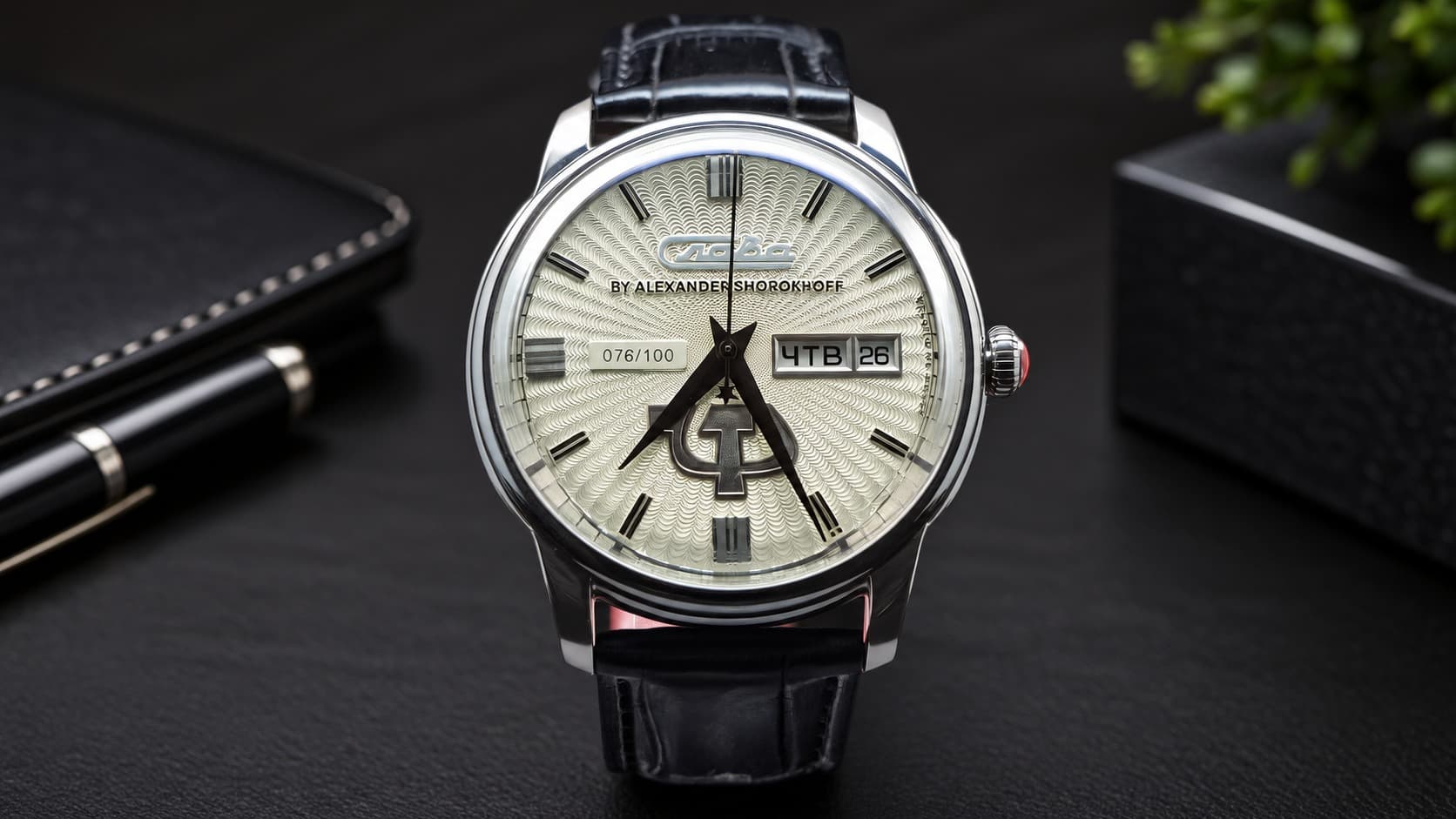
Slava represents the quintessential civilian watch of the Soviet Union, embodying the socialist ideal of quality timepieces accessible to the working masses rather than exclusive military or aerospace applications. As the product of the Second Moscow Watch Factory, Slava distinguished itself by focusing entirely on everyday wearers while pioneering innovative technologies and maintaining consistently conservative, traditional designs that appealed to the broadest possible audience across the USSR and beyond.

  • Slava means “Glory” in Russian and were classic “civil” Russian watches. The Slava factory, known originally as the Second Moscow Watch Factory, was the second non-military watchmaker established in the Soviet Union in 1924. The factory’s origins trace back to the Soviet Union’s strategic acquisition of American watchmaking capabilities. In 1919, the Soviet Union bought and imported two watch factories from the USA to start its own watchmaking industry. The first became Moscow’s first watchmaking factory and produced Poljot watches, while the second, also in Moscow, started production of watches in 1931, which became the Slava brand of watches during the 1950s.
  • The brand’s civilian focus was deliberate and unwavering throughout its history. The watches of this brand have always been intended for civilian consumption, without military or aerospace pretensions, making it unique among Soviet watch manufacturers. Unlike watches produced at other factories in the USSR, Slava watches were always meant for civilian consumption, without military or aerospace pretensions. This positioning allowed Slava to develop a distinct identity as the “people’s watch” that prioritized everyday functionality and affordability over specialized professional applications.
  • Slava demonstrated remarkable technical innovation despite its civilian focus, particularly in electronic watchmaking. In the 1950s and early 1960s, production was limited to ladies’ calibers and rare semi-experimental designs, such as the Slava Transistor, an electronic movement using tuning fork and quartz systems. The factory was innovative from its early years, and in the 1960s, it introduced the “Slava Transistor,” a watch with an electronic movement that won a gold medal at the Leipzig Trade Fair in 1964. This achievement demonstrated that civilian-focused manufacturers could match or exceed the technical capabilities of their military-oriented counterparts.
  • The factory developed unique engineering solutions to meet market demands for men’s watches. To remain competitive and satisfy growing demand for men’s watches, the factory used a unique approach where small movements were placed in larger cases, secured by a spacer. This creative solution was eventually superseded when in-house production of men’s calibers began in 1966. Slava designed its own line of caliber 24xx mechanical movements, with the main feature being two mainspring barrels coupled together with an idler gear, designed to release energy from the mainsprings more evenly as the springs unwound.
  • Slava achieved impressive international success and recognition through extensive export operations. From 1955 to 1979, Slava exported up to 50% of its production to over 72 countries. It collaborated with other Soviet manufacturers like Raketa and Vostok to develop advanced movements. The brand earned multiple international awards, including the gold medal at the Brno International Fair in 1974 and another gold medal at the Leipzig Fair in 1975 for models with a 24mm caliber, establishing its reputation for quality beyond Soviet borders.
  • The post-Soviet transition proved challenging, but the brand has managed to continue production under new ownership. In January 2006, the Slava factory and its site were sold for retail development, and by 2010 the factory had been demolished for new real estate projects. However, today, a company named Slava Trade House is leasing exclusive rights for the production of Slava watches, movements, and parts. The manufacturing facility is located in Uglich, Russia at the factory that used to produce Chaika-branded watches. Modern production maintains the heritage, and since 2016, Slava has been using movements produced by the Chistopol Watch Factory “Vostok” for its new models.

Slava’s legacy embodies the democratic ideals of Soviet socialism, creating timepieces that prioritized accessibility and practical utility over exclusivity or specialized applications. The brand’s commitment to civilian consumers, combined with its technical innovations and conservative aesthetic approach, established it as the quintessential “people’s watch” of the USSR. Despite facing the challenges of post-Soviet transition and factory closure, Slava’s enduring appeal demonstrates the lasting value of its original vision: quality timekeeping for everyone, not just the elite or military professionals.

Are Russian Watches Good Value for Money?

Russian watches occupy a unique position in the global horological landscape, offering compelling alternatives to Swiss and Japanese timepieces through a distinctive combination of engineering heritage, practical reliability, and exceptional value propositions that challenge conventional assumptions about price-to-quality relationships in watchmaking.

  • Reliability and Durability Standards: Russian watches are incredibly robust, reliable, and long lasting, with mechanical Russian timepieces being high quality, long lasting, and precise. The Vostok movements are true workhorses; many fans of Russian watches speak of their “unbreakable” technology. This durability stems from their original military applications, where a number of these watches were made for military purposes, giving them an edge of durability and functionality alike. Unlike Swiss luxury watches that prioritize finishing, Russian watches focus on fundamental mechanical reliability that ensures decades of service.
  • Exceptional Price-to-Quality Ratio: Russian watches is a perfect value-for-money option for any collector or simply a wrist watch enthusiast, with Vostok Amphibia probably being the best diver watch in the world if you want to spend on such a hi-tech gadget just around $100. With most models priced between $60-$100, it might be the most affordable way to own a piece of the Soviet Era’s Zeitgeist. This contrasts sharply with Swiss alternatives where entry-level Swiss watches start around $500 to $1,500, while higher-end brands typically range from $5,000 to $10,000.
  • Technical Sophistication vs. Swiss Alternatives: While Swiss watches excel in finishing and luxury details, Russian watches have grown to, by many accounts, a stature and quality only exceeded by Swiss timepieces. Russian watchmakers developed advanced technical solutions like the Vostok Amphibia’s case back with a threaded locking ring and large rubber gasket that pushed the caseback in further as water pressure built, making it water resistant to 200 meters. Vostok created the only chronometer grade movement the Soviet watch industry ever made, with the Vostok Precision watches being among the finest produced.
  • Manufacturing Philosophy Differences: Swiss watches are often associated with luxury, featuring hand-finished movements, high-quality materials such as sapphire crystal and precious metals, and intricate complications, while finishing on cases and straps of Russian watches doesn’t come close to the level of detail on Swiss watches, however you’re still purchasing a high-quality timepiece regardless of whether it’s a diving watch from Vostok, a Poljot Aviator pilot’s watch, or a classic dress watch from Raketa. The difference lies in priorities: Swiss watches emphasize luxury aesthetics, while Russian watches prioritize functional excellence.
  • Investment and Resale Considerations: Swiss watches often have excellent resale value and are considered collectible items, with limited editions and iconic models tending to hold or increase their value over time. Russian watches have been gradually gaining in popularity over the past few years, with vintage watches from the 1970s and 80s, which were produced in the USSR, being especially coveted. However, vintage watches from Russian manufacturers are getting rarer and more expensive as demand has significantly risen in recent years, suggesting growing recognition of their value.
  • Production Quality and Availability: Raketa watches are usually very cheap and reliable, albeit with very basic finishing, while modern production shows mixed results. After the fall of USSR, Poljot immediately launched new and attractive models, apparently with better materials, but often with unadjusted movements. During Soviet time in USSR, Poljot and Raketa were undisputed leaders, with these two being what people wanted to buy, establishing a quality hierarchy that persists among collectors today.
  • Comparative Value Proposition: Russian watches offer what no other segment provides: genuine mechanical watchmaking heritage at entry-level prices. Russian watches offer an affordable entry into the world of mechanical watches, with well-maintained vintage watches offering excellent value for your money. While Japanese watches are known for their precision and affordability, and Swiss watches are renowned for their craftsmanship and prestige, Russian watches uniquely combine historical significance, mechanical innovation, and accessibility in ways that neither Swiss luxury nor Japanese efficiency can match.

The quality and value comparison reveals that Russian watches occupy their own distinct category in horology, offering collectors and enthusiasts access to genuine mechanical timepieces with rich historical provenance at prices that make them accessible to virtually any budget. While they may lack the refined finishing of Swiss luxury pieces or the cutting-edge technology of Japanese innovations, they deliver something equally valuable: honest, reliable mechanical watchmaking with fascinating backstories and proven durability. Generally speaking, Russian watches are reliable, affordable, and fairly easy to service, making them ideal for those who appreciate horological heritage without the premium pricing typically associated with collectible timepieces. For enthusiasts seeking genuine mechanical watches that combine functionality, history, and exceptional value, Russian timepieces represent an unmatched proposition in today’s market.

Best Places to Find Authentic Russian Watches

Finding authentic Russian watches requires navigating a diverse marketplace that includes authorized dealers, specialty retailers, online platforms, and secondary markets, each offering different advantages in terms of selection, pricing, authenticity guarantees, and customer service for both vintage Soviet-era pieces and modern Russian timepieces.

  • Official Factory Dealers and Authorized Retailers: Meranom Store serves as the official online seller of Vostok Watches from Chistopol, where you can buy Amphibian and Komandirskie directly from factory. Meranom.com and Komandirskie.com are the two main official websites, with both sites offering English language options from drop-down menus. Soviet Market is an authorized dealer of Vostok watchmakers factory, providing another legitimate source for new Russian watches. Vostok-Watches24 operates as an authorized dealer and service partner of the Russian VOSTOK watch manufacture, offering European-based distribution with faster shipping options.
  • Specialized Russian Watch Retailers: The “Slava – Russian watches” retail store network in Moscow and St. Petersburg presents almost all manufacturers of Russian watches, interesting to both Russian buyers and foreign tourists. Smirs.com operates as the official dealer for selling Poljot watches through the Internet, where buying ensures insurance against fakes and copies. Chrono24 offers a large selection of Russian watches as the world’s largest luxury watch marketplace with fair prices and buyer protection, providing access to both vintage and contemporary pieces from verified dealers worldwide.
  • Online Marketplace Considerations: Popular authorized dealer websites offer direct factory access and authentic timepieces, with faster delivery options available from European-based resellers at slightly higher prices to compensate for reduced shipping times. Selection and availability tend to vary between different authorized dealers, while pricing can differ based on their business models and geographic locations, requiring buyers to make decisions based on their priorities for speed versus cost. General marketplaces like eBay and Amazon also offer Russian watches, though these require more careful authentication due to higher risks of counterfeit or modified pieces when purchasing from third-party sellers rather than authorized distributors.
  • Authenticity and Counterfeit Concerns: Russian watchmakers stand by their brands, and counterfeiting is a rare problem with Russian watches, likely because most Russian watches are considered affordable and brand names are lesser known than high-priced foreign rivals. However, fake watches are not always exact replicas but rather different watches that illegally use the brand name, making research essential so consumers can spot differences immediately. Experts recommend using resources like Mark Gordon’s extensive collection of authentic vintage watches catalogued online at USSR Time for reference when evaluating potential purchases.
  • Vintage vs. New Watch Markets: Pre-1991 vintage pieces from the Soviet Union are considered collector’s items, with Poljot watches being especially popular among collectors since the brand has ceased producing new watches, making only pre-owned timepieces available. Twenty years ago, CCCP watches could be found at almost any central European flea market, but today it’s significantly harder to obtain a well-maintained model. Modern Russian watches from newer companies can cost significantly more, with some contemporary pieces costing several thousand euros, while vintage pieces typically range from under €100 to several hundred euros depending on rarity and condition.
  • Geographic and Shipping Considerations: Russian suppliers offer various shipping options, with expedited shipping getting watches delivered in a couple of weeks instead of a couple of months, though standard Russian Post can be problematic with longer delivery times. European dealers like Vostok-Watches24 offer faster delivery by shipping from Germany rather than Russia, though prices are typically higher. For international buyers, authorized dealers provide better customer service and warranty support compared to secondary market purchases.
  • Buying Strategy Recommendations: To avoid rare counterfeit watches, only deal with reputable sellers who have a proven history of dealing in authentic timepieces, and research Russian watches to know what models should look like to spot differences immediately. Experts recommend “buying the seller first” – choosing established, reputable dealers with good track records rather than focusing solely on price. It’s possible to send a snapshot or query to the manufacturer if any question of authenticity exists, as many companies are happy to field these questions in an attempt to curb fakes.

The key to successfully purchasing Russian watches lies in understanding the distinction between authorized dealers offering genuine factory-fresh pieces with warranties, established specialty retailers with expertise in Russian horology, and secondary markets where vintage treasures can be found but require more careful authentication. Russian watches offer excellent value for money, with well-maintained vintage watches providing exceptional value, though buyers should be prepared for varying levels of finishing compared to Swiss watches. Whether seeking a contemporary Vostok Amphibia for under $100 or hunting for a rare vintage Poljot chronograph, the diverse marketplace offers options for every budget and collecting interest, provided buyers approach purchases with appropriate knowledge and work with reputable sources that prioritize authenticity and customer satisfaction.

How to Service and Repair Russian Watches

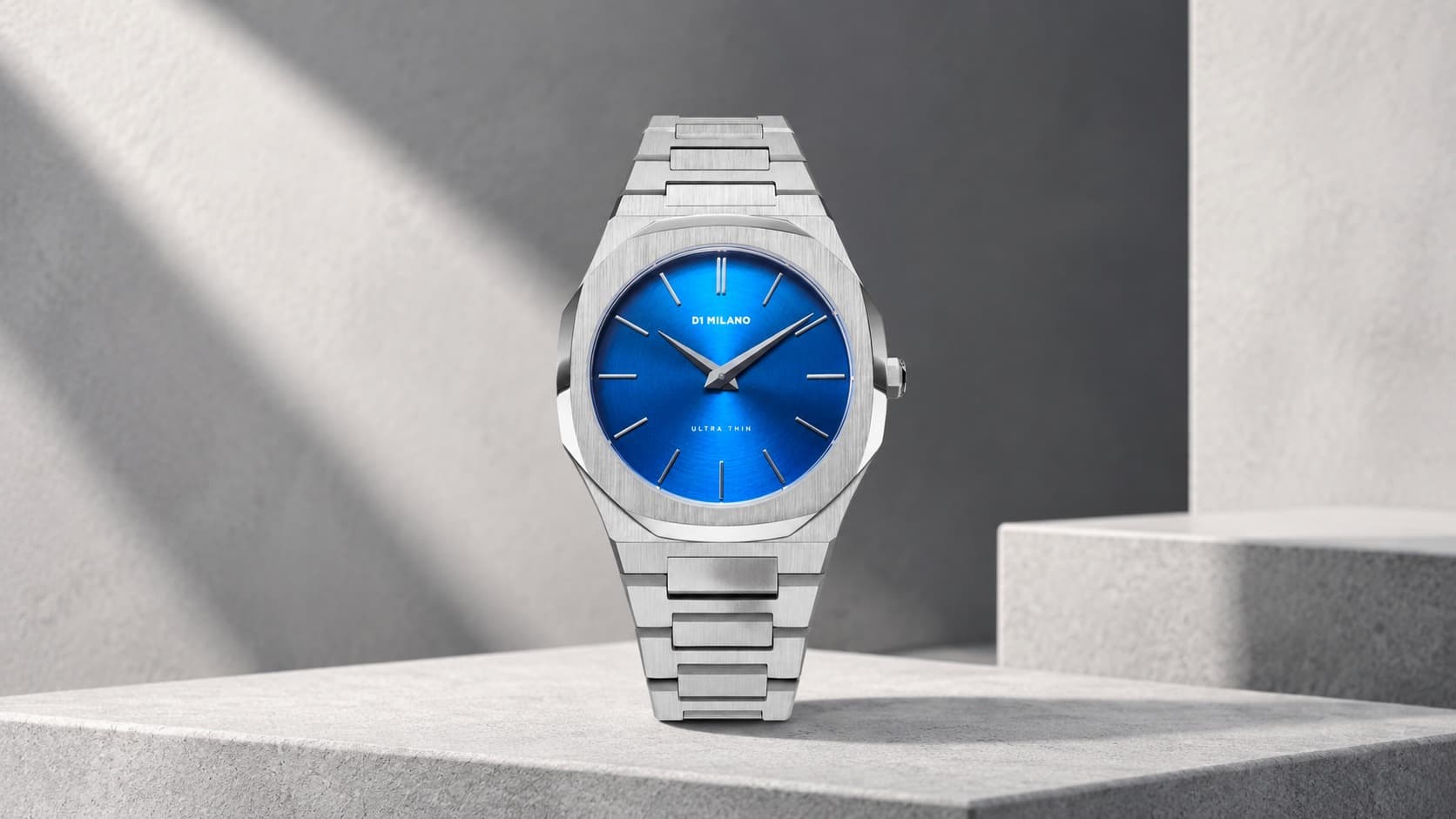
Russian mechanical watch with blue dial and gold case exemplifying Soviet watchmaking durability and utilitarian design philosophy

Russian watches require regular maintenance like all mechanical timepieces, but their robust construction and widespread parts availability make them relatively straightforward to service, though finding qualified technicians and understanding proper care intervals is essential for preserving these historically significant timepieces for decades of reliable operation.

  • Service Intervals and Necessity: Any watch that gets regular use needs to be serviced, with daily wearers requiring servicing intervals of 3 to 5 years, while watches that are part of rotation can have longer intervals. Raketa recommends having watches checked every 3 years to ensure high rates of accuracy while preserving waterproofing and appearance. A good watch shouldn’t need servicing more than once every few years, with many Soviet watches having worked for 10 or 20 years without service, though by this time the oil has dried out and dust or dirt in dried oil will create wear. Russian mechanical watches, like all mechanical watches, are recommended to be serviced about once every five years.
  • Common Maintenance Issues: The watch slowly becomes inaccurate and at some point may completely stop functioning because of dirt in the movement, with manual wind watches sometimes experiencing broken mainsprings as they get older and dirtier. After the fall of USSR, Poljot immediately launched new models with better materials but often with unadjusted movements, leading to many watches with badly working chrono functions. Old dried up oil that interferes with removing pivots is a common issue, requiring careful handling during service. Most problems are not complicated repairs and can be addressed during normal service.
  • Parts Availability and Sourcing: UssrWatch and similar suppliers sell repair parts for USSR watches, offering items like glass, dials, hands, crowns, stems, balance wheels, pushers, movements, and specific parts for models like Poljot 3017. For Russian repair shops, there is a huge amount of spare parts available, so in case of trouble, owners will not part with their watches for long. Given the movement prices for new Vostok movements, a professional service is usually not cost effective if the movement is still available, as replacement movements can be more economical than extensive repairs.
  • Professional Service Options: Poljot-watches24 offers high quality repair service for Russian watches from the USSR and Russia, providing original spare parts as an official service partner for VOSTOK watches. Raketa maintains official service centers, with locations in France and Switzerland, offering warranty coverage for 24 months from purchase date. In Canada, local watchmakers typically charge between $40-$60 CAD for cleaning and oiling mechanical watches, including Russian brands, making professional service quite affordable.
  • Watchmaker Availability and Challenges: Russian mechanical/automatic movements are based on Swiss designs, so any competent watch repairman familiar with Swiss movements can do the work if he has access to parts. However, many watchmakers in the US have an aversion to Russian movements, having never seen one before and not wanting to spend time learning about it or risk making mistakes. Some watchmakers laugh or refuse to work on Russian watches, though this attitude varies significantly by region and individual expertise.
  • Self-Service Considerations: You should be able to put together a basic watchmaking kit for $100-150, with essential items including quality tweezers, screwdrivers in multiple sizes, magnifiers, and oils. For the cost of professional cleaning, you can buy yourself a good set of screwdrivers, tweezers, naptha, pegwood, pith, toothbrush and fine watch oil to clean your own watch. Watch servicing/repair isn’t really very difficult, but you’ll have a few casualties to begin with. Various online resources and courses are available for those interested in learning basic maintenance skills.
  • Cost-Effectiveness of Service: Cost of service often is greater than the price paid for the watch, hence it’s always a dilemma to service or not to service, though the good news is that most of the time nothing really bad happens when service is skipped. At inexpensive prices like $33, some suggest it’s not worth professional service and you should simply replace the watch. However, for more expensive Russian pieces like Strela chronographs or solid gold watches, professional service becomes more justified as a preservation investment.
  • Warranty and Extended Coverage: Modern Raketa watches come with 24-month warranties covering material and manufacturing defects, with the possibility of additional one-year warranty extensions after control check-ups of the movement. Some importers maintain repair facilities staffed by Russian watchmakers, offering warranty service without requiring return to Russia. For vintage pieces, warranty coverage is obviously not available, making proper maintenance even more critical for long-term preservation.

The care and maintenance of Russian watches reflects their utilitarian design philosophy – they were built to be serviced and repaired rather than discarded. The experience gained from working on many brands from Rolex to Vostok and Omega to Poljot shows that Russian watches respond well to proper maintenance, often continuing to function reliably for decades when properly cared for. While finding qualified service technicians can sometimes be challenging depending on location, the combination of robust construction, available parts, and reasonable service costs makes maintaining Russian watches a practical proposition for collectors and enthusiasts. The key is understanding that these timepieces benefit from regular attention rather than neglect, and that their historical significance often justifies the investment in proper professional care or the development of personal maintenance skills for those willing to learn the craft.

Are Russian Watches Good Investments?

Russian watches represent an emerging and undervalued segment of the vintage watch market, offering collectors opportunities for both financial appreciation and historical preservation while requiring careful selection and market understanding to maximize investment returns in this increasingly recognized but still affordable collecting category.

  • Current Market Trends and Growth: The collector market for Soviet watches has grown steadily over the last ten years, with watches that were once seen as mere novelties now fetching higher prices at auctions and in private sales. Demand in the last few years has significantly risen, which has influenced prices, with vintage watches from Russian manufacturers getting rarer and more expensive. Notable models such as the Raketa Copernicus with its artistic solar system dial and first-generation Strela chronographs have appreciated significantly in value. This growth reflects increasing recognition of Soviet watches as legitimate collectibles rather than curiosities.
  • Price Range and Value Proposition: Serviced, original watches in good condition can be easily found for around $75-$150, while some chronographs or collectible models in NOS condition with original box and papers can easily fetch between $500 and $1,000, with a few particularly rare models even exceeding this range. A vintage Poljot chronograph in good condition costs around 250 euros, while comparable Swiss chronographs powered by the Valjoux 7734 cost around 1,000 euros. This price differential demonstrates the value proposition, as Russian watches offer similar technical capabilities at significantly lower entry points.
  • Rarity and Collectibility Factors: True WW2 officers Vostok Komandirskys and true 15 jewel aviator Sturmanskies from the early Sixties are still the choice for Soviet era collectors. In Soviet watch collecting circles, certain rare models are considered the Holy Grail, with only a few hundred examples likely left in the world, commanding prices of $6-10k when they appear. Pre-1991 vintage pieces from the Soviet Union are considered collector’s items, with twenty years ago these CCCP watches being findable at almost any central European flea market, but today it’s significantly harder to obtain a well-maintained model.
  • Historical Significance Premium: Soviet/Russian watches represent an opportunity to procure items manufactured by an important and powerful socio/political system that we in the west knew little about. Owning one of these watches today is akin to possessing a physical fragment of a complex era, with each piece speaking to the ingenuity and resourcefulness of a society that sought to develop technologies completely separate from Western traditions. This historical significance adds layers of meaning that extend beyond mechanical functions, contributing to long-term collectible value.
  • Undervaluation vs. Western Counterparts: There are vast differentials between collectable Russian watches and comparable Swiss and German models, suggesting Russian watches may be undervalued relative to their historical importance and technical capabilities. While collectors are often priced out of early Swiss or German models, many Soviet-era watches remain budget-friendly, though prices are climbing steadily. Consider the Poljot Strela, a chronograph that famously accompanied cosmonaut Alexei Leonov on the first-ever spacewalk in 1965 – while vintage Swiss chronographs with comparable historical connections can cost thousands, a well-preserved Strela can often be found for a fraction of that amount.
  • Investment Risks and Considerations: The words “value” and “collectable” are often mistakenly interchanged – the value of an old watch is negligible, unless and until someone regards it as “collectable,” then we do not pay for the value of the watch, but how much we are prepared to pay to add to our collection. Perform due diligence before buying because cheap imitations, swapped-out parts, and aftermarket modifications are relatively common. The market remains relatively niche, meaning liquidity can be limited compared to mainstream luxury watch brands.
  • Future Market Outlook: With increasing global interest and a limited number of high-quality examples available, Soviet watches represent one of the few remaining segments in vintage horology where there is still room for financial growth. For collectors seeking both emotional and monetary value, this emerging niche is worth serious consideration, as these aren’t just relics of a past era—they’re becoming the vintage classics of tomorrow. The combination of limited supply, growing recognition, and still-reasonable prices suggests potential for continued appreciation.
  • Strategic Investment Approach: Collectors should verify authenticity by researching case numbers, movement markings, and dial characteristics, as fakes and heavily modified pieces do exist, and inspect condition carefully. Focus should be on historically significant models, rare complications like chronographs, early production pieces, and watches with documented provenance or connection to space/military programs. Old Sturmanskie watches are highly sought after by collectors, with chronographs featuring the caliber Poljot 3133 being very popular due to the movement being based on the Swiss caliber Valjoux 7734.

The investment potential of Russian watches lies in their unique position as historically significant, mechanically competent timepieces that remain accessible to collectors at various price points. We all expect good return on investment when collecting Russian watches because they offer a good price/quality alternative to Swiss watches. While not guaranteed, the combination of increasing collector interest, limited supply of quality examples, historical importance, and current undervaluation relative to Western counterparts suggests favorable conditions for long-term appreciation. The key is understanding that investment success requires careful selection, authentication, and patience, as this market rewards those who appreciate both the historical significance and mechanical excellence of Soviet-era timepieces rather than those seeking quick returns. As awareness grows and quality examples become scarcer, Russian watches appear positioned to transition from affordable curiosities to recognized vintage classics worthy of serious collector attention and investment consideration.

Modern Russian Watch Industry

The contemporary Russian watch industry operates as a complex hybrid of surviving Soviet-era manufacturers, innovative independent watchmakers, and market challenges created by geopolitical tensions, while maintaining production capabilities and developing new products that blend traditional craftsmanship with modern market demands in an increasingly isolated but self-reliant ecosystem.

  • Current Manufacturing Status: Vostok Watch Makers continues as a Russian watch brand and manufacturer based in Chistopol, Tatarstan, producing mainly ruggedized mechanical watches, namely the Komandirskie and Amfibia models, and also makes clocks and watch movements for other watch brands. Raketa is one of only five watch brands in the world producing their movements in-house from start to finish, including hairsprings and escapements, enabling the Russian watch industry to be independent from western suppliers. Petrodvorets Watch Factory, best known for the Raketa brand, continues as a lynchpin in the Russian watch industry, with timepieces that stand out for their distinctive design and historical significance.
  • Production Capabilities and Scale: The enormous Chistopol complex employs 4,000 people (from a local population of 60,000) and as a throwback to the old Soviet system contains an education institute for training around 800 students, its own supermarket and medical centre. 85% of Vostok’s total production of 2 million watches a year are for national distribution and 15% are exported, with Germany being its largest external market. The Petrodvorets Watch Factory has produced more than two dozen versions of Raketa movements and created its own watchmaking school, the Petrodvorets Watchmaking School, to ensure transmission of watchmaking expertise to future generations.
  • Market Challenges and Adaptation: The Russian watch market fell to $173M in 2024, down by -2.9% against the previous year, with consumption recording an abrupt decline since peaking at $591M in 2014. Vostok-Watches24 reports ongoing challenges with shipping restrictions, noting “all orders from Latvia and Lithuania are now being sent back to Russia” and problems with Russian customs affecting international deliveries. Russian Post drastically increased postage prices for parcels abroad by almost double on April 15 without prior notice, forcing dealers to increase shipping costs.
  • Innovation and New Developments: The Russian watchmaking industry is going through a creative renaissance and has produced all kinds of unique models in recent years. Konstantin Chaykin Manufacture represents modern Russian innovation with the Joker watch, demonstrating that contemporary Russian watchmaking extends beyond traditional Soviet-era designs. In 2009, the Petrodvorets Watch Factory employed three highly ranked Swiss watchmakers who had previously worked for Rolex, Breguet and Hautlence to help adapt production to modern standards.
  • Self-Reliance and Independence: Raketa’s mechanical movement is very Russian by its engineering design and materials used, with all metal as well as the 24 rubis stones coming from Russia, and even the hair-spring cast from a secret Soviet alloy. Most watch brands globally do not produce their own hairsprings and generally order them from Nivarox, a subsidiary of Swatch Group, but this enables the Russian watch industry to be independent from western suppliers, especially for producing hairsprings needed in the military aviation industry. This independence has become increasingly important given current geopolitical circumstances.
  • Continued Product Development: Despite challenges, classic models mostly designed in the 1960s and 1970s of the Komandirskie and Amphibia lines were still in production as of 2021. Modern Raketa watches feature 24-hour dials and in-house movements, with models available in various designs and configurations undergoing occasional reissues. Vostok-Watches24 continues to offer “a large selection of models where everyone can choose a watch to their liking,” indicating ongoing product diversity and availability.
  • Industry Challenges and Future Outlook: Russia’s defence spending increased by 42% in 2024 to reach 6.3% of GDP, with officials preparing for post-war situations and believing the defence industry should maintain high production even after potential ceasefires. Sanctions have restricted business activities, with limitations on payment options and shipping routes affecting international sales. However, the industry demonstrates resilience through continued production, innovation, and adaptation to challenging circumstances.
  • Collector and Enthusiast Market: Russian watch brands can be a great option for collectors, especially those interested in military, space, or cold war-era timepieces, with Russian watches often coming with fascinating histories and available at various price points. The Petrodvorets factory where Raketa watches are made is considered the oldest Russian factory that’s still in operation, maintaining continuity with historical traditions while adapting to modern market demands.

The modern Russian watch industry represents a fascinating study in adaptation and resilience, maintaining traditional manufacturing capabilities while navigating contemporary challenges. The Raketa Monumental Clock built in 2014 on Moscow’s Lubyanka Square became the world’s largest clock movement, weighing 5 tons and measuring 13 metres high by 8 metres wide, demonstrating the industry’s continued technical capabilities and national pride. While geopolitical tensions have created significant obstacles for international business, the industry’s emphasis on self-reliance and domestic production capabilities positions it to continue serving both domestic and international markets. The combination of historical heritage, technical independence, and ongoing innovation suggests that Russian watchmaking will persist as a distinctive segment of global horology, appealing to collectors and enthusiasts who appreciate the unique blend of Soviet legacy and contemporary craftsmanship that defines modern Russian timepieces.

Russian Watch Q&A: Everything You Need to Know

Common questions about Russian watches cover authenticity concerns, quality expectations, buying recommendations, and practical considerations for collectors and enthusiasts entering this fascinating segment of horology, with answers based on decades of collector experience and market knowledge.

  • Are Russian Watches Good Quality?: Russian watches were built mainly to be cheap and simple, with companies like Vostok producing robust, simple and reliable timepieces, though in many cases don’t expect a level of finish/construction higher than Swiss watches. They are usually very reliable, and if something does not work, it’s very easy to fix it, often for little or zero money, with enthusiasts having never seen a Russian watch impossible to fix. The quality lies in their mechanical reliability and durability rather than luxury finishing, making them excellent value propositions for collectors seeking functional timepieces with historical significance.
  • Where Should I Buy Russian Watches?: eBay and Etsy are really the best place for older ones, while Meranom is recommended for modern Vostoks, though buyers should be careful as there are lots of Franken ones and should ask on forums if unsure. To avoid the rare counterfeit watch, only deal with reputable sellers who have a proven history of dealing in authentic timepieces, and it’s possible to send a snapshot or query to the manufacturer if any question of authenticity exists. Established dealers like Meranom, Komandirskie.com, and reputable eBay sellers with good feedback are generally safer choices than unknown vendors.
  • How Can I Spot Fake Russian Watches?: Fake watches are not always exact replicas but rather different watches that illegally use the brand name, so consumers who research Russian watches and know what the model should look like can spot differences immediately. Many Ukrainian sellers offer only the barest of item descriptions and some are creative in their descriptions, so don’t trust the words – the title and description will only indicate that this item might be worth a look; it is no guarantee of authenticity. Most Ukrainians are excellent photographers who love to take good, clear pictures, so if they’re selling dodgy goods, they will usually give themselves away with some small clue.
  • What About Frankenwatches?: There are many, many frankenwatches out there, some merely as a result of long hard use and replacement with non-original parts over time. The difference between legitimate repair history and problematic modification often comes down to intent and disclosure. A watch repaired with period-correct parts during its service life differs from one assembled from mismatched components to deceive buyers. When in doubt, posting photos on collector forums can help identify potential issues before purchase.
  • Why Are Russian Watches So Affordable?: Russian watches use brass components because it’s cheaper to make stuff in brass than in stainless steel, with cost being the primary reason for material choices. Russian watches were built mainly to be cheap and simple, reflecting the Soviet philosophy of providing functional timepieces to the masses rather than luxury items for the elite. This utilitarian approach, combined with efficient mass production and lower labor costs, enables competitive pricing that continues today.
  • What Should I Know About Buying from Russia?: Key questions include: What do you know about the seller’s reputation? Are you satisfied that the seller will deliver a real watch that is as described? Will the seller stand behind the watch in the event of a problem? What do you know about the watch models the seller is offering? Are you paying with a credit card that will give you some protection in the event of a recalcitrant seller? Current geopolitical situations have also created shipping and payment challenges that buyers should consider.
  • Which Russian Watch Brand Should I Start With?: For those in current production, Vostok would be the most popular due to the comparatively low cost, though this opens a huge vista when considering vintage options. Most collectors start with Vostok, then start reading forums and get hooked on others, with current preferences varying by mood – some collectors are getting into Slava ones. Vostok Amphibia or Komandirskie models offer excellent entry points due to their availability, affordability, and robust construction.
  • What About Service and Parts Availability?: Russian watches benefit from widespread parts availability and serviceability. There are common things between so many different Russian watches – sometimes they may have some problems, but they are usually very reliable, and if something does not work, it’s very easy to fix it, often for little or zero money. Many movements share common components, and the utilitarian design philosophy means repairs are typically straightforward for competent watchmakers familiar with mechanical movements.
  • Are There Quality Control Issues?: Sometimes Russian watches may have some problems, but keep in mind that even brand-new Hamilton chronographs with Valjoux 7750 movements have been returned because they were unadjusted. Quality control can vary, particularly with newer production, but the fundamental reliability of Russian movements and the ease of adjustment or repair typically compensate for any initial issues. The key is understanding that these are tool watches prioritizing function over perfect finishing.
  • What Makes Russian Watches Addictive to Collectors?: The collector discovered Russian watches one year ago and bought more than 30 of them in just one year, finding them so cheap that they’re tempted to buy many. The combination of historical significance, mechanical interest, distinctive designs, and exceptional affordability creates a compelling collecting proposition. This addiction is perfectly normal on forums, where “resistance is futile” when it comes to collecting Russian watches.

The world of Russian watches offers a unique collecting experience that combines historical significance, mechanical reliability, and exceptional value in ways that few other horological segments can match. While quality expectations should be calibrated appropriately and authentication requires some knowledge, the reward is access to fascinating timepieces that represent important chapters in 20th-century history. Russian watches do not dominate the market, but they enjoy high popularity with people who like the military style, offering collectors an opportunity to own genuinely interesting mechanical watches without the premium pricing associated with Swiss or German alternatives. Success in this collecting area comes from research, patience, and working with reputable sources, but the effort is rewarded with access to some of the most historically significant and mechanically interesting affordable watches available today.

Conclusion

Russian watches represent a remarkable convergence of history, engineering excellence, and accessibility that few other segments of horology can match. From their humble beginnings in Stalin’s Soviet Union to their current status as sought-after collectibles, these timepieces embody the practical ingenuity and resilient spirit of an entire era. Whether you’re drawn to the robust reliability of a Vostok Amphibia, the space-age heritage of a Poljot Strela, or the artistic boldness of a Raketa Big Zero, Russian watches offer genuine mechanical sophistication at prices that remain refreshingly democratic. Their utilitarian design philosophy, which prioritized function over form and accessibility over exclusivity, created timepieces that continue to serve their owners faithfully decades after production.

For collectors, enthusiasts, and anyone interested in horological history, Russian watches provide an unparalleled opportunity to own tangible pieces of the 20th century’s most dramatic political and technological transformations. As vintage examples become increasingly scarce and modern production adapts to contemporary challenges, the window for discovering exceptional value in this market continues to narrow. Yet the fundamental appeal remains unchanged: these are honest, reliable mechanical watches with fascinating stories, exceptional durability, and prices that make them accessible to virtually any budget. In a world where luxury watches often cost more than cars, Russian timepieces remind us that genuine horological excellence doesn’t require premium pricing – sometimes the most compelling watches are those built not for the elite, but for the people.

Nobbier logo

Subscribe To Our Weekly Newsletter

Get notified about new articles