Hemp jewelry combines ancient crafting techniques with sustainable materials to create unique, eco-friendly accessories. These wearable pieces not only showcase artistic expression but also represent a commitment to environmental consciousness. As we explore the world of hemp jewelry, from its historical roots to modern applications, you’ll discover why these natural accessories have maintained their appeal across generations and cultures.
What is Hemp Jewelry?
Hemp jewelry refers to accessories crafted from fibers of the Cannabis sativa plant, specifically from the stalk rather than the psychoactive parts of the plant. These natural fibers are twisted into cords of varying thickness and then knotted, braided, or woven into intricate designs to create durable, biodegradable wearable art that appeals to environmentally conscious consumers.
- Hemp fibers come from the stalk of the Cannabis sativa plant, which contains less than 0.3% THC (the psychoactive compound in marijuana), making it completely legal and non-psychoactive. The plant is specifically grown for industrial purposes rather than medicinal or recreational use.
- The outer layer of the hemp stalk (bast) provides long, strong fibers ideal for jewelry making. These fibers can reach lengths of 6-15 feet, allowing for continuous strands that enhance durability in finished pieces.
- Raw hemp fibers range in color from beige to light brown naturally, though they can be dyed with natural or synthetic colorants to create vibrant jewelry pieces. Natural dyes from plants like indigo, madder root, and walnuts are often preferred by artisans committed to fully sustainable practices.
- Hemp cords for jewelry typically undergo a process called retting (decomposing the pectin binding the fibers) followed by scutching (separating fibers from the woody core), hackling (combing fibers), and finally spinning into twine or rope of various thicknesses.
- Compared to cotton, hemp fibers are approximately 8 times stronger and more resistant to mold, mildew, and UV damage. Hemp can withstand temperatures from -30°F to 250°F without degradation, making hemp jewelry extraordinarily durable in various climates.
- Hemp jewelry incorporates various techniques including macramé, square knotting, spiral knotting, half-hitch knotting, and hemp weaving. These methods create textural patterns that give each piece unique characteristics.
- Basic hemp jewelry can be made with just hemp cord and scissors, while more elaborate pieces might incorporate beads, shells, crystals, wooden elements, recycled materials, or even precious metals for contrast and embellishment.
Hemp jewelry stands apart from conventional accessories due to its minimal environmental impact, biodegradability, and increasing tensile strength when wet (unlike many other natural fibers that weaken). The material absorbs and releases moisture without compromising structural integrity, making it comfortable in varying humidity levels. These qualities, combined with hemp’s hypoallergenic nature, make hemp jewelry not just a fashion choice but a practical and ethical one for those seeking alternatives to mass-produced accessories that often contain synthetic materials or potentially harmful metals.
History of Hemp Jewelry
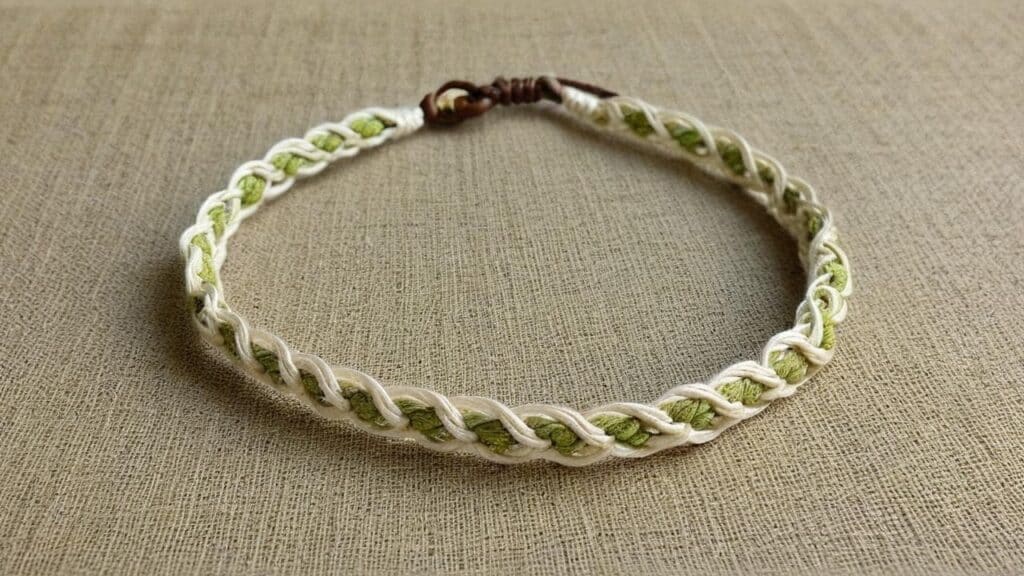
The history of hemp jewelry intertwines with humanity’s earliest use of plant fibers, stretching back thousands of years across multiple civilizations. From practical origins in rope-making to decorative applications, hemp’s journey as a jewelry material reflects changing cultural attitudes, technological developments, and environmental awareness throughout human history.
- Archaeological evidence dates hemp fiber use back to approximately 8000 BCE in ancient China and Taiwan, where hemp impressions were found on pottery from Neolithic villages. These early civilizations recognized hemp’s superior strength and developed technologies to process the fibers for various applications.
- By 2800 BCE, hemp cultivation had spread throughout Asia, with Chinese texts documenting its use for making rope, textiles, and early forms of paper. The techniques used to twist hemp fibers into cordage formed the foundation for later decorative knotting methods.
- Ancient Egyptian tombs dating to around 1500 BCE contain hemp textiles, suggesting widespread use of the fiber. Some archaeological evidence indicates hemp cord was used in ceremonial jewelry and adornments for the elite classes.
- Maritime cultures historically used hemp rope extensively for ships due to its salt water resistance. Sailors during long voyages developed intricate decorative knotting techniques (including what would later be called macramé) using excess hemp rope, creating the earliest forms of hemp jewelry as we know it today.
- In medieval Europe, hemp cord was commonly used for rosary beads and other religious items, sometimes incorporating decorative knotting techniques that would influence later jewelry designs.
- The modern revival of hemp jewelry began during the 1960s and 1970s counterculture movement, when it became associated with environmental awareness, natural living, and alternative lifestyles. Artisans adopted and adapted ancient knotting techniques to create distinctive wearable art.
- Hemp jewelry fell into a legal gray area during the late 20th century when cannabis prohibition complicated hemp cultivation and importation in many countries. Artisans often had to source hemp cord from limited suppliers or international sources where cultivation remained legal.
- The 2018 Farm Bill in the United States legalized hemp cultivation (defined as Cannabis sativa containing less than 0.3% THC), leading to a resurgence in hemp products including jewelry. This legislation has allowed for greater availability of domestically produced hemp cords and innovations in processing techniques.
The journey of hemp jewelry from ancient practical applications to modern sustainable fashion statement demonstrates the material’s versatility and enduring appeal. Today’s hemp jewelry artisans draw on this rich historical tradition while incorporating contemporary design elements, creating pieces that honor the past while embracing modern environmental ethics. As sustainable fashion continues to gain importance, hemp jewelry represents one of the oldest and most authentic forms of eco-conscious adornment.
Benefits of Hemp Jewelry
Hemp jewelry offers numerous advantages over conventional accessories, combining practical benefits with environmental and ethical considerations. The natural properties of hemp fibers create jewelry that is not only aesthetically pleasing but also aligned with growing consumer demands for sustainable, body-safe materials that minimize environmental impact.
- Hemp is one of the most sustainable fibers on the planet, growing rapidly (reaching maturity in 3-4 months) while requiring minimal water, no pesticides, and enriching rather than depleting the soil through phytoremediation (removing toxins from the earth).
- Hemp jewelry is completely biodegradable, taking approximately 6-12 months to decompose naturally at the end of its life cycle. This compares favorably to nylon or polyester cords that can persist in landfills for 30-40 years.
- The antimicrobial properties of hemp fibers prevent the growth of bacteria and fungus, making hemp jewelry naturally odor-resistant even when worn during activities that cause perspiration. This quality is especially beneficial for items worn against the skin like bracelets and chokers.
- Hemp jewelry is hypoallergenic and suitable for sensitive skin, as it contains no nickel, lead, or other common allergens found in metal jewelry. The fibers become softer with wear without causing skin irritation.
- Unlike metal jewelry that can feel uncomfortably cold in winter or hot in summer, hemp maintains a comfortable temperature against the skin regardless of weather conditions, making it suitable for year-round wear.
- Hemp jewelry is lightweight compared to metal alternatives, reducing strain on pressure points like the neck (for necklaces) or wrists (for bracelets) during extended wear.
- The porous nature of hemp fibers allows for the addition of essential oils or natural scents to create subtle aromatic jewelry – a unique benefit not possible with metal or plastic accessories.
- Hemp jewelry can be cleaned simply with mild soap and water, with no need for special jewelry cleaners that may contain harsh chemicals. It can even be gently machine washed (in a garment bag) for thorough cleaning.
- For environmentally conscious consumers, hemp jewelry represents a low-carbon-footprint alternative to conventional jewelry, as hemp cultivation sequesters carbon dioxide from the atmosphere and requires minimal processing energy compared to mining and refining metals.
The benefits of hemp jewelry extend beyond personal advantages to broader environmental impacts, making it an increasingly popular choice for consumers seeking to align their accessories with their values. As awareness grows about the environmental costs of conventional jewelry production, hemp offers a time-tested alternative that combines aesthetic appeal with genuine sustainability. These natural pieces not only adorn the wearer but also serve as tangible reminders of our connection to the natural world and potential for more harmonious consumer choices.
Common Types of Hemp Jewelry
Hemp jewelry encompasses a diverse range of styles, techniques, and designs that have evolved from basic friendship bracelets to sophisticated artisanal creations. The versatility of hemp fibers allows for both simple everyday pieces and elaborate statement accessories, with distinctive styles emerging across different cultures and time periods.
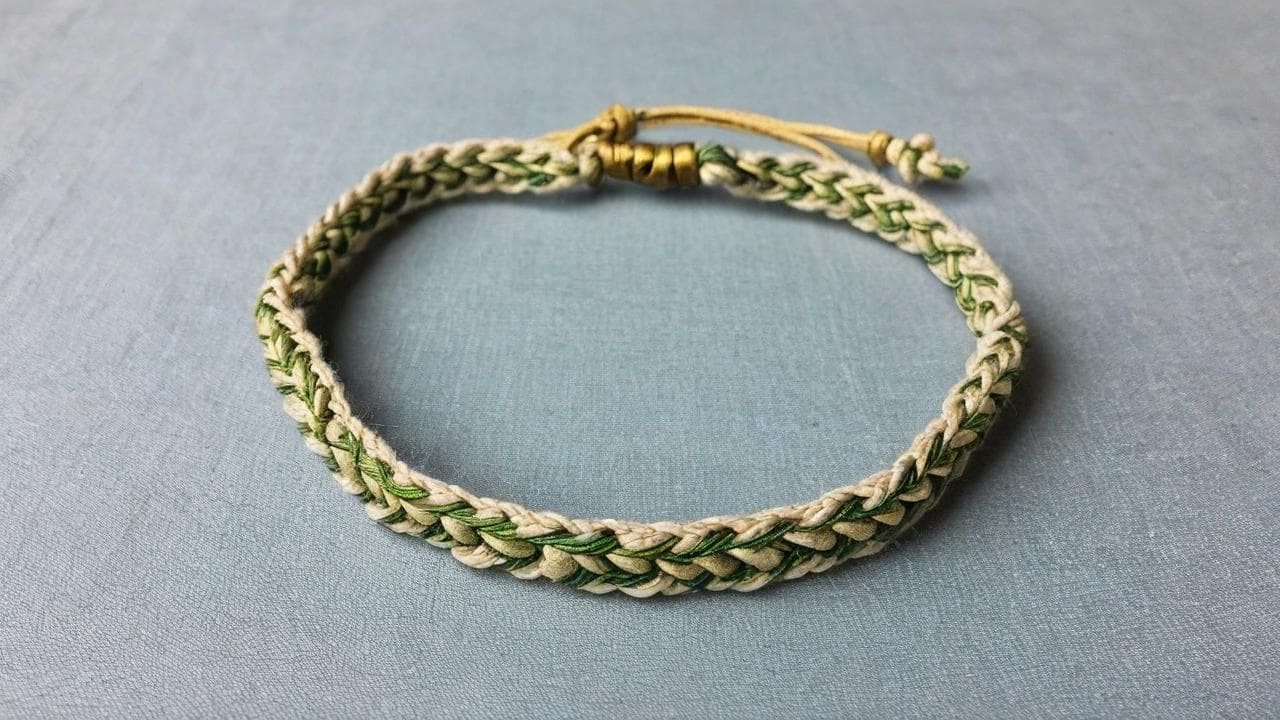
- Hemp bracelets remain the most popular and accessible form of hemp jewelry, ranging from simple spiral-knotted designs to complex patterns incorporating beads, shells, or charms. Adjustable closures using sliding knots make these pieces adaptable to different wrist sizes.
- Anklets made from hemp offer a beach-ready alternative to metal versions, with designs often incorporating oceanic elements like shells, sea glass, or wave-inspired knotting patterns. The lightweight nature of hemp makes these comfortable for all-day wear.
- Hemp necklaces span from choker-style pieces that sit close to the neck to longer pendant-supporting designs. Macramé techniques create intricate centerpieces or decorative elements along the length of the necklace, often framing crystals, wooden pendants, or polished stones.
- Hemp rings utilize tight, precision knotting techniques to create bands that maintain their shape. Some artisans incorporate wire frameworks within hemp wrapping to create more structured pieces with stone settings similar to conventional rings.
- Festival-style hemp jewelry often features vibrant colors from natural or eco-friendly dyes, incorporating multiple strands and bohemian design elements like feathers, recycled glass, and carved wooden beads. These pieces frequently emphasize visual impact and cultural symbolism.
- Minimalist hemp jewelry trends toward subtle, monochromatic designs with clean lines and geometric patterns, appealing to contemporary aesthetic sensibilities while maintaining the material’s natural character and sustainable benefits.
- Hemp ear jewelry includes wrapped hoops, dangling macramé designs, and simple studs with hemp-wrapped elements. These lightweight alternatives to metal earrings are especially popular among those with metal sensitivities.
- Ceremonial and spiritual-themed hemp jewelry often incorporates symbols from various traditions including mandalas, Om symbols, sacred geometry patterns, or healing crystals woven into elaborate knotwork designs.
- Men’s hemp jewelry typically features darker natural hemp colors or earth tones with simpler, more geometric knotting patterns and occasionally metal elements like brass or copper hardware for contrast.
- Contemporary hemp artisans sometimes combine hemp with other natural materials like coconut shell, bamboo, cork, or tagua nut to create eco-friendly jewelry collections with diverse textures and visual elements.
The diversity of hemp jewelry styles reflects both the material’s versatility and its appeal across different demographics and fashion sensibilities. From casual beach-inspired pieces to sophisticated artisanal creations, hemp jewelry continues to evolve while maintaining its core attributes of sustainability and natural aesthetics. As techniques are refined and combined with new innovations, hemp jewelry remains a dynamic art form that bridges traditional craftsmanship with contemporary design sensibilities.
DIY Hemp Jewelry: Beginner’s Guide
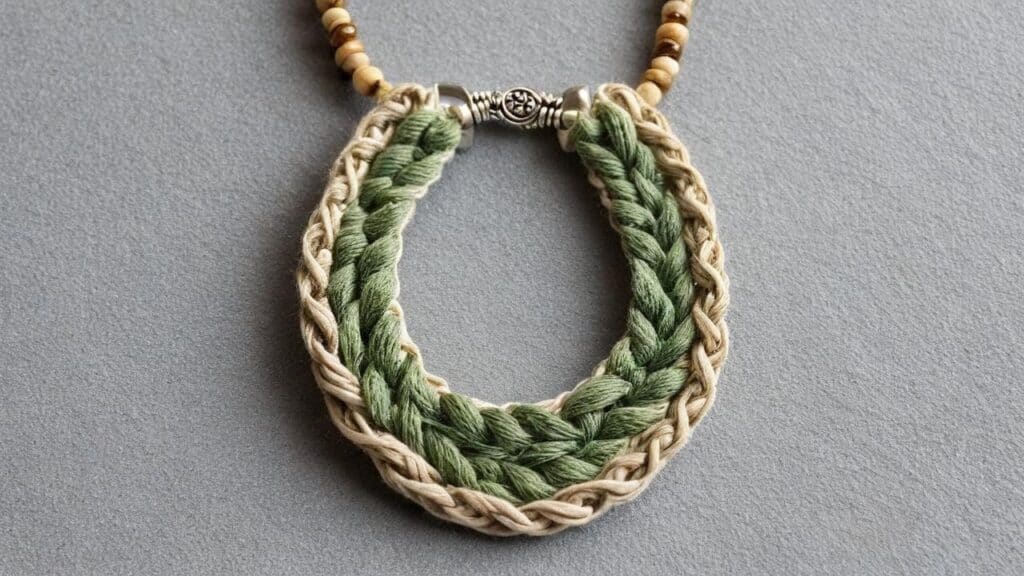
Creating hemp jewelry offers a rewarding introduction to fiber arts with minimal required investment in tools or materials. The process combines ancient knotting techniques with creative expression, allowing makers to craft personalized accessories while connecting with traditional handcraft methods that have been practiced across cultures for centuries.
- Quality hemp cord is essential for successful jewelry making. Look for cords labeled specifically for jewelry creation, which have been properly processed to remove splinters and ensure consistent thickness. Beginners should start with 1mm thickness, which balances durability with ease of knotting.
- Basic tools for hemp jewelry include sharp scissors (fabric scissors work well), a measuring tape, a clip or safety pin for securing work, and a flat work surface. Optional tools include a clipboard for tension, beeswax for strengthening cord, and small pliers for adding clasps or jump rings.
- The square knot (also called reef knot) forms the foundation of most hemp jewelry techniques. Created by alternating right-over-left and left-over-right movements with two working cords over two central cords, this knot creates a flat, stable pattern suitable for bracelets and necklaces.
- The spiral knot (also called half-knot spiral) results from repeatedly making the same directional movement (either consistently right-over-left or left-over-right) rather than alternating. This creates a spiral pattern that twists around the core strands, adding three-dimensional texture.
- Planning your design before cutting cord prevents waste and frustration. For a basic bracelet, measure your wrist and add 6-10 inches for knotting space and closure. Cut two working cords approximately 5 times the final length of your piece, and core cords about 1.5 times the final length.
- Creating an adjustable closure involves making a loop at one end of your finished piece, then creating a button knot at the opposite end. This button knot slides through the loop, allowing the bracelet to be secured at various sizes without clasps or hooks.
- Incorporating beads requires planning ahead and stringing them onto core strands before beginning your knotting pattern. Position the bead where desired, then continue knotting on either side to secure it in place within your design.
- Finishing techniques include various decorative knots like the lanyard knot or crown knot to create a polished end. After tying final knots, trim excess cord carefully and seal the ends by slightly melting with a lighter (keeping flame at a safe distance) or applying a small amount of clear nail polish.
- Common beginner mistakes include knotting too tightly (which creates rigid, uncomfortable pieces) or too loosely (which results in sloppy, unstable designs). Maintain consistent tension throughout your work by checking periodically as you progress.
- As skills develop, advanced techniques like diamond patterns, interchanging knot styles, incorporating multiple cord colors, and creating three-dimensional elements can be explored to expand your creative possibilities.
Learning to make hemp jewelry connects practitioners with both historical traditions and contemporary sustainable crafting movements. The relatively forgiving nature of hemp allows beginners to develop skills gradually while producing wearable pieces from early attempts. Beyond the practical aspects, many find the rhythmic process of knotting meditative and creatively fulfilling. With practice, basic techniques can evolve into complex personal expressions that showcase both the natural beauty of the material and the unique vision of the maker.
How to Clean and Maintain Hemp Jewelry
Proper care and maintenance of hemp jewelry extends its lifespan and preserves its appearance, allowing these natural accessories to age beautifully while maintaining their structural integrity. Unlike precious metals or gemstones, hemp requires specific but straightforward care practices that honor the organic nature of the material.
- Hemp jewelry can be gently washed when needed using lukewarm water and mild soap (castile or other natural soaps work well). Avoid harsh detergents, bleach, or fabric softeners which can damage fibers or leave residues.
- After washing, press (don’t wring) hemp jewelry between clean towels to remove excess moisture, then reshape while damp and allow to air dry completely away from direct heat and sunlight, which can cause uneven shrinkage or fading.
- Hemp naturally darkens over time through exposure to oils on the skin, sunlight, and environmental factors. This patina is considered desirable by many wearers, adding character much like leather or wood. If preserving the original lighter color is preferred, limit exposure to sunlight and wash more frequently.
- Swimming pools and hot tubs should be avoided when wearing hemp jewelry, as chlorine and other pool chemicals can weaken the fibers and cause premature breakdown. Saltwater exposure is less damaging but still necessitates thorough rinsing afterward.
- For hemp jewelry with incorporated elements like beads, crystals, or shells, use a soft toothbrush to gently clean around these components where dirt might accumulate in crevices. Take extra care with porous elements like wooden beads that could be damaged by soaking.
- Storage considerations include keeping hemp jewelry in a cool, dry place away from direct sunlight when not being worn. Hanging necklaces prevents tangling, while bracelets and smaller pieces can be stored in a cloth bag or small box to prevent dust accumulation.
- Hemp jewelry should never be stored in airtight plastic containers or bags, as any residual moisture can become trapped and potentially lead to mildew. Natural fiber pouches or wooden boxes allow the material to “breathe” properly.
- If hemp jewelry becomes misshapen from storage or wear, it can be gently dampened and reformed to its original shape, then allowed to dry while maintaining the desired form (sometimes with the help of a curved surface like a small jar for bracelets).
- For hemp jewelry that includes metal components, address any tarnish separately using appropriate metal cleaners on just those elements, taking care to keep cleaning solutions away from the hemp fibers which could be damaged by harsh chemicals.
- Applying a small amount of beeswax to hemp jewelry can help protect it from moisture and dirt while adding a subtle sheen. This natural treatment enhances durability without compromising the eco-friendly nature of the piece.
With proper care, quality hemp jewelry can last for many years, developing character while remaining structurally sound. The resilience of hemp fibers allows these pieces to withstand regular wear that might damage more delicate materials. Unlike mass-produced accessories that deteriorate rapidly, well-crafted hemp jewelry often becomes more personally meaningful over time as it subtly records the journey of the wearer. This evolving quality aligns with sustainable fashion philosophy, where items are valued for their longevity and personal connection rather than as disposable trend pieces.
Hemp Jewelry vs. Other Natural Materials
When comparing hemp to other natural fibers used in jewelry making, distinct characteristics emerge that influence durability, appearance, environmental impact, and wearing experience. Understanding these differences helps consumers make informed choices aligned with their values and practical needs.
- Hemp offers superior tensile strength compared to cotton, being approximately 8 times stronger while demonstrating greater resistance to abrasion, mold, and mildew. This makes hemp jewelry more durable and longer-lasting than cotton alternatives, particularly for pieces worn daily.
- Unlike leather jewelry which requires animal products, hemp provides a completely plant-based alternative with similar durability and aesthetic aging properties. Hemp develops a natural patina without the ethical concerns associated with animal-derived materials.
- Jute, another plant fiber used in jewelry making, is coarser and more brittle than hemp, resulting in rougher textures against the skin and lower longevity. Hemp maintains better structural integrity through repeated wear and exposure to elements while providing a smoother feel.
- Compared to coconut fiber (coir) jewelry, hemp offers finer, more flexible strands that allow for more intricate knotting patterns and delicate designs. Coconut fiber works well for statement pieces but lacks the versatility of hemp across different jewelry styles.
- Hemp requires significantly less water during cultivation than cotton—approximately 50% less per season—making it a more environmentally responsible choice in regions facing water scarcity issues. This reduced water footprint translates directly to the environmental impact of the finished jewelry.
- Flax (used to produce linen cord) shares many positive attributes with hemp but grows more slowly and yields less fiber per acre, making hemp the more resource-efficient choice for similar aesthetic results in finished jewelry pieces.
- Hemp’s ability to grow in diverse soil conditions without pesticides contrasts with conventional cotton, which typically requires intensive chemical treatments. This difference means hemp jewelry is less likely to contain residual toxins that might cause skin irritation with prolonged wear.
- The natural colors of hemp range from beige to light brown, providing a neutral palette that complements other design elements. While hemp can be dyed, it requires more intensive processes than cotton to achieve vibrant colors due to its natural resistance to moisture.
- Hemp fibers become stronger when wet, unlike bamboo fibers which may weaken with repeated moisture exposure. This quality makes hemp jewelry particularly suitable for active lifestyles or humid environments where other plant fibers might deteriorate more quickly.
- From a biodegradability perspective, hemp breaks down more completely and rapidly than sisal or manila fibers, leaving fewer microfibers behind. This complete return to the earth represents the ideal end-of-life scenario for truly sustainable accessories.
The comparison between hemp and other natural materials illustrates why hemp has maintained its relevance throughout human history. Its unique combination of strength, workability, comfort, and environmental benefits makes it particularly well-suited for jewelry applications. While each natural material has specific advantages for particular uses, hemp’s versatility and resilience across different jewelry types and wearing conditions explain its enduring popularity. For consumers seeking to balance aesthetic preferences with environmental and ethical considerations, understanding these material differences provides valuable context for making thoughtful purchasing decisions.
Hemp Jewelry in Different Cultures and Traditions
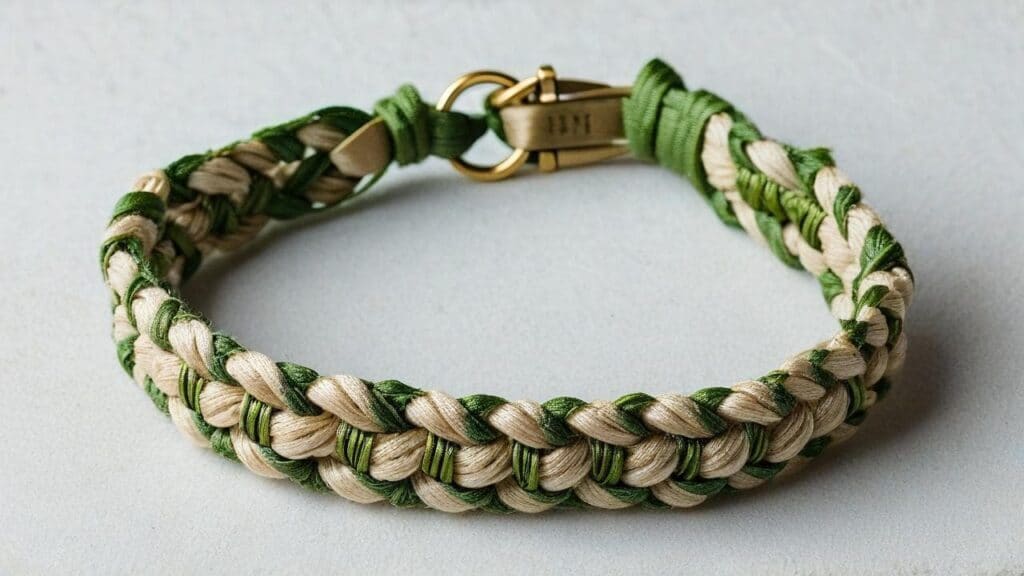
Hemp jewelry carries rich cultural associations and symbolic meanings that have evolved throughout history across different societies. Beyond its practical attributes, hemp as a material and the forms it takes in jewelry often communicate deeper philosophical values, social affiliations, and personal beliefs.
- In ancient China, hemp was considered one of the “five sacred plants” and held significant spiritual importance. Hemp cords were used in ceremonial contexts, with knotted hemp sometimes serving as tallies or record-keeping devices that carried administrative authority.
- Native American traditions in some tribes incorporated hemp and hemp-like plant fibers into ceremonial adornments, with specific knotting patterns sometimes representing tribal affiliations or achievements. These traditions influenced later hemp jewelry aesthetics in Western counter-cultural movements.
- The “friendship bracelet” concept, now commonly crafted from hemp, originated from Central and South American cultures where woven and knotted bracelets symbolized bonds between people. The tradition held that the bracelet should be worn until it naturally wore away, at which point the friendship wish would come true.
- During the 1960s and 1970s counterculture movements, hemp jewelry became a visible symbol of environmental awareness, rejection of consumer materialism, and connection to natural lifestyles. The handcrafted nature of these pieces represented resistance to mass production and corporate culture.
- For many contemporary wearers, hemp jewelry symbolizes a commitment to sustainable living practices beyond fashion choices. The deliberate selection of biodegradable accessories reflects broader values around reducing environmental impact.
- In some spiritual communities, the process of creating hemp jewelry through meditative knotting practices is considered a form of mindfulness, with each knot representing intentionality and present-moment awareness. Finished pieces serve as reminders of this contemplative state.
- Within festival culture and certain music communities, hemp jewelry styles often signify cultural affiliations and shared values around community, self-expression, and environmental consciousness. Specific symbols incorporated into the designs may represent particular philosophical or spiritual orientations.
- The natural, earthy appearance of hemp jewelry has made it a staple within bohemian fashion movements, where it represents authenticity, artistic expression, and connection to global handcraft traditions rather than trend-driven consumption.
- For some activists, visibly wearing hemp products including jewelry remains a political statement supporting cannabis reform legislation and industrial hemp cultivation, connecting personal adornment choices with advocacy for policy change.
- In contemporary ethical fashion movements, hemp jewelry represents one of the oldest examples of truly sustainable accessories, serving as a tangible connection to pre-industrial craft traditions that worked in harmony with natural systems rather than depleting resources.
The cultural significance of hemp jewelry continues to evolve as new generations discover and reinterpret these ancient techniques. What began as utilitarian use of available natural fibers has developed into a rich tradition that carries complex social signals and personal meanings. For many wearers, hemp jewelry represents not just an aesthetic choice but a tangible expression of values and identity. This symbolic dimension adds depth to these accessories beyond their visual appeal, connecting wearers to historical traditions while making contemporary statements about environmental ethics and personal values.
FAQ About Hemp Jewelry
Hemp jewelry generates numerous questions from potential buyers and wearers, reflecting both practical concerns and wider confusions about hemp as a material. Addressing these common inquiries provides clarity and helps consumers make informed decisions about purchasing and wearing hemp accessories.
Is hemp jewelry legal?
Yes, hemp jewelry is completely legal worldwide. Industrial hemp used for fiber contains negligible amounts of THC (less than 0.3%), making it non-psychoactive and legally distinct from marijuana. Hemp fiber products including jewelry have remained legal even during periods of cannabis prohibition.
Will hemp jewelry hold up during daily wear?
Quality hemp jewelry is remarkably durable and suitable for daily wear. The natural oils from skin contact actually condition the fibers over time, making them more supple while maintaining strength. With proper care, hemp bracelets and necklaces can last for years.
Does hemp jewelry have an odor?
New hemp cord may have a subtle, natural plant scent initially, but this dissipates quickly with wear. Unlike synthetic fibers that can trap body odors, hemp’s natural antimicrobial properties prevent unpleasant smells from developing even with regular wear.
Can hemp jewelry get wet?
Hemp jewelry can tolerate occasional exposure to water and actually becomes stronger when wet. However, repeated soaking and drying cycles may cause some shrinkage or tightening of the knotwork. Swimming in chlorinated pools while wearing hemp jewelry is not recommended as the chemicals can break down the fibers prematurely.
How do I know if my hemp jewelry is high quality?
Quality hemp jewelry features even, consistent cord thickness, tight, uniform knots, and secure attachments for any additional elements like beads or charms. The ends should be properly finished to prevent unraveling, and the overall piece should feel substantial but not stiff.
Can I have allergic reactions to hemp jewelry?
Hemp allergies are extremely rare, making hemp jewelry suitable for almost everyone, including those with sensitive skin. Most reactions attributed to hemp jewelry actually stem from dyes, metal components, or other added materials rather than the hemp itself.
How should I clean my hemp jewelry?
Gentle hand washing with mild soap and lukewarm water is sufficient for cleaning hemp jewelry. Allow it to air dry completely after pressing (not wringing) between towels to remove excess moisture. Avoid harsh detergents, bleach, and hot water which can damage the fibers.
Does hemp jewelry shrink?
Hemp can shrink slightly if thoroughly soaked and dried, particularly at high temperatures. This property can actually be used intentionally to tighten slightly loose jewelry. For consistent sizing, avoid full immersion in water or exposure to high heat.
Can hemp jewelry be recycled or composted?
Pure hemp jewelry without synthetic dyes or non-biodegradable components (like plastic beads) can be composted at the end of its useful life. The hemp fibers will naturally decompose within 6-12 months in compost conditions, returning nutrients to the soil.
How does hemp jewelry compare to conventional jewelry in terms of environmental impact?
Hemp jewelry has a significantly lower environmental footprint than conventional metal jewelry. Hemp cultivation requires minimal water, no pesticides, enriches soil, and the processing requires far less energy than mining and refining metals. Additionally, hemp actively sequesters carbon during growth, potentially making it carbon-negative.
Addressing these common questions not only provides practical information for consumers but also helps dispel lingering misconceptions about hemp products. As industrial hemp cultivation expands globally following regulatory changes, increased awareness about the material’s properties and benefits is helping to normalize these sustainable accessories in mainstream fashion. The growing interest in hemp jewelry reflects broader consumer trends toward environmentally responsible purchasing decisions and appreciation for natural materials with minimal processing.
Conclusion
Hemp jewelry stands as a testament to humanity’s enduring relationship with natural fibers, bridging ancient crafting traditions with contemporary environmental ethics. From its origins in practical rope-making to its modern incarnation as a fashion statement, hemp jewelry offers a rare combination of sustainability, durability, and aesthetic appeal. The qualities that made hemp valuable to our ancestors—strength, versatility, and harmony with natural systems—continue to make it relevant in today’s world.
As we face increasing environmental challenges, the simple act of choosing hemp jewelry represents a small but meaningful step toward more conscious consumption. These handcrafted pieces not only adorn the body but also connect wearers to a global heritage of working with natural materials. Whether appreciated for its earthy aesthetics, cultural significance, or ecological benefits, hemp jewelry reminds us that beauty need not come at the expense of our planet.