Leather jewelry represents one of the most versatile and enduring forms of personal adornment in human history. From ancient civilizations to modern fashion runways, this natural material has maintained its appeal through centuries of changing tastes. Unlike metal or gemstone pieces, leather brings a unique warmth, flexibility, and organic character to jewelry design. Whether you’re looking for something rustic and bohemian or sleek and contemporary, leather jewelry offers options for every style preference while connecting wearers to one of humanity’s oldest craft traditions.
What is Leather Jewelry?
Leather jewelry encompasses any adornment created primarily from animal hide that has been tanned and treated to prevent decay while preserving flexibility. This versatile material offers designers a canvas that can be molded, carved, dyed, stamped, and combined with other elements to create pieces that range from ruggedly natural to precisely engineered.
- Full-grain leather is the highest quality option, featuring the complete top layer of hide with all natural markings intact. It develops a rich patina over time, becoming more beautiful with age and wear while offering maximum durability for long-lasting jewelry pieces.
- Top-grain leather has been sanded to remove imperfections, making it thinner and more pliable while maintaining good durability. This type balances quality with workability, making it popular for detailed leather jewelry requiring flexibility.
- Genuine leather comes from the lower layers of hide and, despite its name, represents a lower quality than full or top-grain. It’s often used in more affordable leather jewelry pieces but won’t develop the same rich patina or longevity as higher grades.
- Exotic leathers from sources like ostrich, crocodile, or stingray offer distinctive textures and visual appeal. These specialty leathers create unique statement pieces but come with higher price points and require careful consideration regarding ethical sourcing.
- Vegan leather alternatives have evolved significantly, with options made from cork, pineapple leaf fibers (Piñatex), apple peels, and other plant-based sources providing animal-free choices with increasingly comparable aesthetics and functionality.
The appeal of leather in jewelry stems from its natural origins, tactile comfort, and the way it evolves with the wearer. Unlike metal jewelry that remains essentially unchanged, leather develops character through use, absorbing oils from the skin and developing a patina that makes each piece uniquely personal over time. These qualities have ensured leather’s continued relevance in jewelry design from prehistoric times through today’s contemporary fashion landscape.
How Leather Became a Popular Jewelry Material
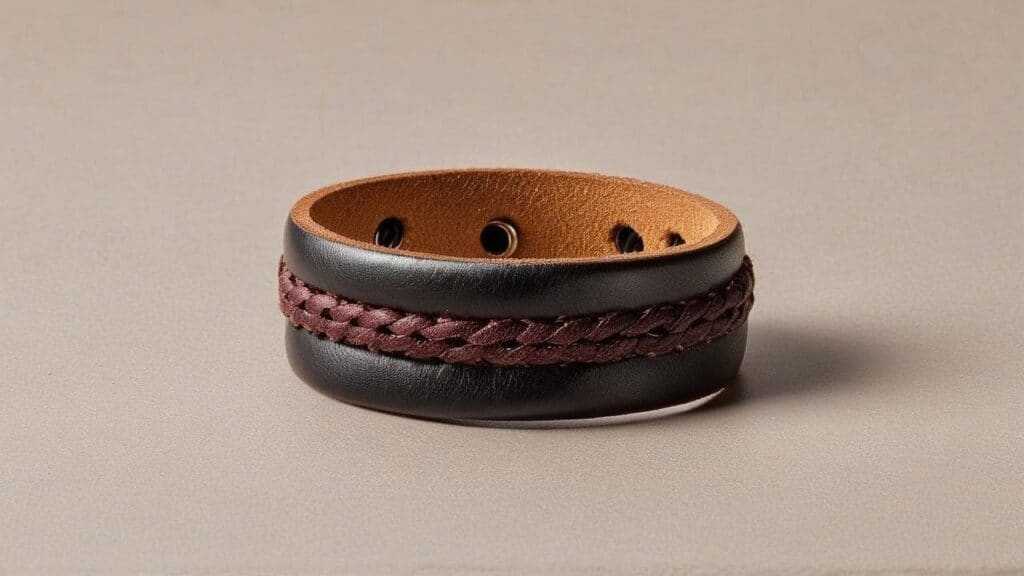
Leather’s journey as a decorative material spans human civilization, with evidence of leather adornments dating back to prehistoric times. Ancient peoples recognized the material’s durability and workability, transforming a practical resource into symbols of status, spiritual protection, and beauty.
- Prehistoric origins show leather being used for adornment as early as 5000 BCE, with archaeological findings revealing decorated leather amulets, ceremonial belts, and symbolic wearable pieces. Early humans recognized that the same material protecting them from elements could also convey identity and status.
- Ancient Egyptian culture elevated leather craftsmanship around 3000 BCE, with royalty wearing intricately tooled leather collars, bracelets, and ceremonial pieces. Hieroglyphics depict specialized leather workers creating jewelry for pharaohs and nobility, often incorporating gold accents and precious stones.
- Native American traditions developed sophisticated leather jewelry techniques, with Plains and Southwest tribes creating symbolic pieces featuring intricate beadwork, quillwork, and painting on leather. These pieces often told stories or represented spiritual protection for the wearer.
- Medieval European craftsmen formed guilds dedicated to leatherworking, with surviving pieces showing remarkable artistry in leather jewelry including embossed pendants, tooled leather circlets, and ornamental belts signifying status and wealth.
- Victorian era innovation saw leather incorporated into mourning jewelry and sentimental keepsakes, often featuring braided hair of loved ones woven with leather components into bracelets, watch fobs, and memorial jewelry.
- 20th century modernism brought leather into contemporary jewelry design, with Art Deco, Mid-Century Modern, and later Bohemian movements all embracing leather as a material that could be both accessible and artistic.
- Contemporary renaissance has positioned leather as a staple in both high fashion and artisanal jewelry, with designers appreciating its sustainability compared to plastics and its natural aesthetic in an increasingly synthetic world.
From practical beginnings to artistic expression, leather jewelry has maintained cultural significance across continents and eras. Its evolution reflects human history itself—from tribal identities and religious symbolism to fashion statements and sustainable design choices. Today’s leather jewelry continues this long tradition, blending ancient techniques with modern aesthetics to create pieces that honor the material’s rich heritage while meeting contemporary style sensibilities.
Popular Types of Leather Jewelry
Leather’s flexibility and versatility have allowed artisans to create a remarkable variety of jewelry forms. Each type of leather jewelry offers distinct advantages, artistic possibilities, and wearing experiences, making this material one of the most adaptable in the jewelry world.
- Leather bracelets and cuffs represent the most popular form, ranging from simple braided designs to wide statement cuffs with metal embellishments. These pieces often feature adjustable closures using snaps, buckles, or ties, making them adaptable to different wrist sizes and suitable for both men’s and women’s styles.
- Leather necklaces encompass everything from simple leather cords for pendants to elaborate collar-style pieces. Leather’s lightweight nature makes it comfortable for longer necklaces that would be heavy in metal, while its organic appearance creates a natural contrast when paired with metal or gemstone pendants.
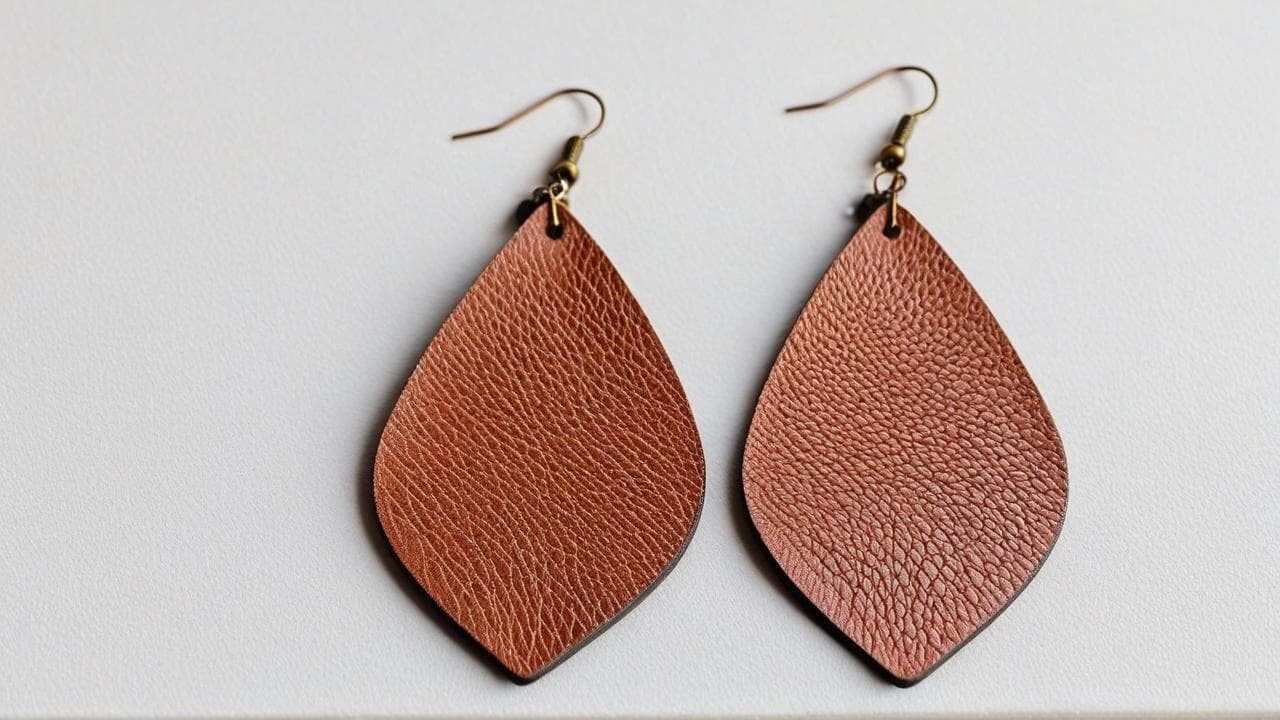
- Leather earrings have gained popularity for their lightweight comfort, especially in larger statement styles that would be uncomfortable in metal. Modern techniques allow for laser-cut precision patterns and layers of leather creating dimensional effects impossible with most other jewelry materials.
- Leather rings offer a distinctive alternative to metal bands, often incorporating wood or metal elements for structure while showcasing leather’s unique textures. These can range from simple wrapped designs to complex architectural pieces incorporating multiple materials.
- Watch bands made from quality leather improve with age, developing a patina that personalizes timepieces. From rugged thick-cut bands for field watches to delicate options for dress watches, leather straps offer comfort, breathability, and customization options through various dyeing techniques.
- Leather pendants serve as focal points for necklaces, often incorporating tooling, painting, or pyrography (wood burning) techniques to create detailed imagery and textures that would be difficult to achieve in other materials.
- Body jewelry including leather plugs, tunnels and cuffs for stretched piercings provides lightweight alternatives to metal options while allowing for complex geometric designs and organic aesthetics.
With its adaptability to both delicate and bold designs, leather jewelry offers something for everyone. The material’s ability to be combined with metals, woods, fabrics, and gemstones makes it uniquely versatile in the jewelry world. Additionally, its relatively accessible cost compared to precious metals and gemstones makes leather jewelry an approachable entry point for collectors interested in handcrafted, artistic pieces that still offer distinctive character and personal expression.
Leather Jewelry Materials: Quality Indicators and Red Flags
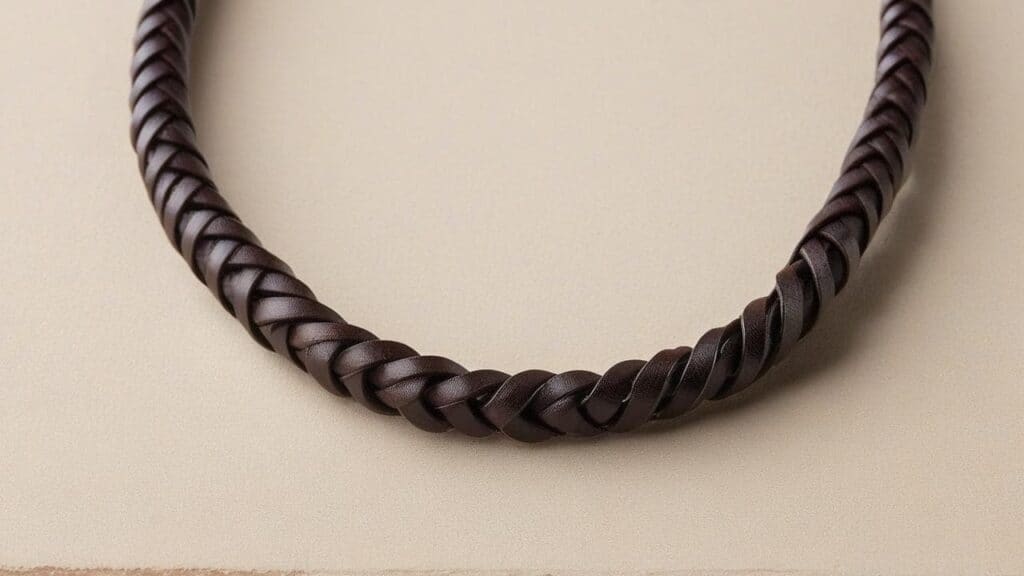
Understanding what goes into quality leather jewelry helps consumers make informed choices and appreciate the craftsmanship behind these pieces. The material source, tanning method, thickness, and finishing techniques all contribute to a piece’s durability, comfort, and aesthetic appeal.
- Source animal matters significantly in leather characteristics. Cowhide, the most common, offers good durability and uniform texture. Goatskin provides softness with natural grain patterns. Deerskin and elkskin deliver exceptional softness with natural strength. Bison leather brings distinctive texture and exceptional durability. Exotic leathers like ostrich, alligator, and stingray feature unique textures but require ethical sourcing consideration.
- Tanning methods affect leather’s properties and environmental impact. Vegetable tanning uses plant materials (typically tree bark) to create firm leather that develops rich patina but can be water-sensitive. Chrome tanning employs chromium salts for water-resistant, flexible leather in vibrant colors but has greater environmental concerns. Combination tanning blends both approaches for balanced properties.
- Leather thickness, measured in ounces (1/64 of an inch), determines appropriate applications. Lightweight jewelry (1-3 oz) works for delicate earrings and detailing. Medium weight (4-6 oz) suits most bracelets and pendants. Heavy weight (7-9 oz) creates substantial cuffs and structural pieces.
- Finishing techniques add character and protection. Antiquing creates an aged appearance through selective staining. Embossing presses patterns into leather’s surface. Hand-tooling carves designs using specialized tools. Painting applies colorants that sit on the surface rather than penetrating. Edge treatments (burnishing, painting, or binding) prevent fraying and enhance professional appearance.
- Companion materials often define leather jewelry’s character. Sterling silver and copper complement leather’s natural qualities. Brass and bronze offer warmth that enhances leather’s organic nature. Gemstones and beads provide color contrast. Natural materials like wood, bone, and shell create cohesive organic designs.
- Construction methods impact durability and aesthetics. Hand-stitching with waxed thread provides strength and decorative element. Rivets create secure, industrial-looking connections. Adhesives allow seamless joining where stitching would be impractical. Metal findings (clasps, jump rings, ear wires) should match quality of the leather used.
The quality of leather jewelry ultimately comes down to material selection, craftsmanship, and attention to detail. High-quality pieces use appropriate weights of leather for their purpose, feature clean edge finishing, employ secure construction methods, and consider how the material will age and interact with the wearer. The best leather jewelry balances durability with comfort and showcases the natural beauty of this organic material through thoughtful design that respects its unique properties.
How to Care for Leather Jewelry
Proper care extends the life of leather jewelry while enhancing its beauty over time. Unlike metal jewelry that remains relatively unchanged, leather evolves with wear—developing deeper colors, softer textures, and a distinctive patina that makes each piece uniquely yours.
- Regular cleaning is essential but gentle. Wipe leather jewelry with a slightly damp soft cloth to remove surface dirt and oils. For more thorough cleaning, use a minimal amount of mild soap (like saddle soap or unscented glycerin soap) on a damp cloth, followed by complete wiping with a clean damp cloth to remove soap residue. Never submerge leather in water or use harsh chemicals, alcohol-based products, or baby wipes.
- Conditioning prevents drying and cracking, especially in low-humidity environments. Apply a small amount of leather conditioner (lanolin-based products work well) every 3-6 months or when leather feels stiff or dry. Less is more—apply sparingly with a soft cloth, allow to absorb for 10-15 minutes, then buff away excess with a clean cloth. Avoid conditioners containing silicone or petroleum products which can damage leather over time.
- Storage techniques significantly impact longevity. Store leather jewelry flat or hanging in a cool, dry place away from direct sunlight, which can fade colors and dry out the material. Never store in plastic bags, which trap moisture and can cause mildew. Instead, use cloth pouches, jewelry boxes with fabric lining, or acid-free tissue paper for wrapping. For necklaces and bracelets, maintain natural curves rather than folding sharply.
- Moisture management is crucial as leather is hygroscopic (absorbs and releases moisture). Remove leather jewelry before swimming, showering, or heavy sweating activities. If leather jewelry gets wet, let it dry naturally at room temperature away from heat sources like radiators, hair dryers, or sunlight, which can cause warping and cracking.
- Stain removal requires prompt attention. For oil-based stains, blot (don’t rub) with a clean cloth, then apply a small amount of cornstarch or talcum powder to absorb the oil, letting it sit overnight before gently brushing away. For water-based stains, blot with a clean cloth and allow to dry naturally. For persistent stains, consult a leather professional rather than experimenting with household cleaners.
- Color maintenance preserves leather’s appearance. Apply matching leather dye or colored polish if color fades significantly. Test any coloring product on an inconspicuous area first, and apply thinly with a small brush or cloth. For finished leather with a protective coating, specific leather color restorers may be more appropriate than dyes.
The beauty of leather jewelry lies partly in how it ages and adapts to the wearer. While proper care is important, remember that some changes—like darkening at edges and contact points, subtle surface variations, and development of suppleness—are desirable aspects of leather’s natural aging process. These changes create character and a personalized appearance that many leather enthusiasts consider an enhancement rather than deterioration.
Styling Tips for Wearing Leather Jewelry
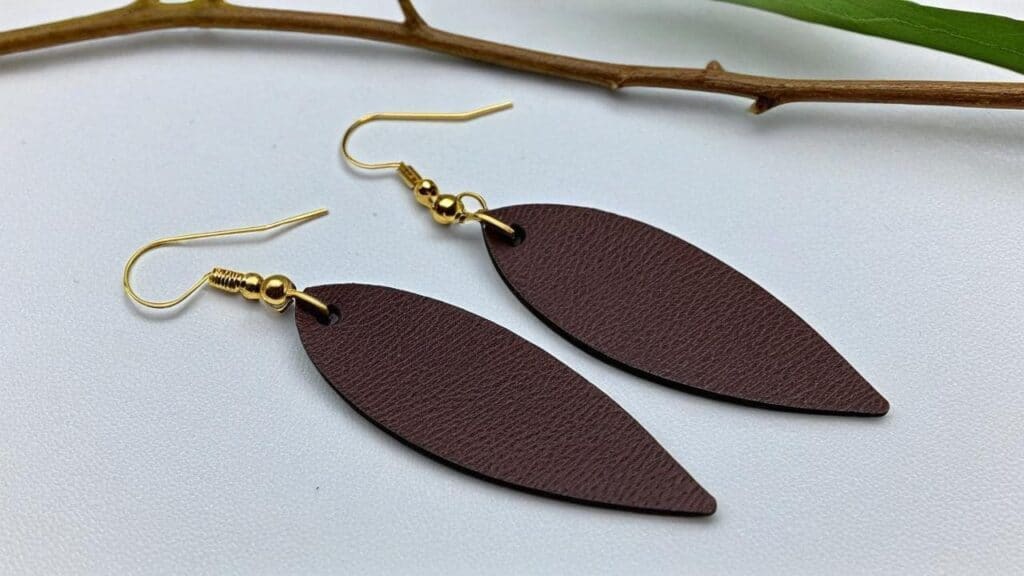
Leather jewelry offers versatility that few other materials can match, transitioning effortlessly between casual and sophisticated settings. Its organic nature brings warmth and textural interest to any outfit, while its wide range of treatments and combinations allows for personal expression across different styles.
- Casual everyday styling works beautifully with leather pieces. Braided leather bracelets stack effortlessly with watches or metal bangles for a relaxed, layered look. Simple leather cord necklaces with meaningful pendants become signature pieces that complement rather than compete with your daily wardrobe. Leather earrings in neutral tones offer lightweight comfort with distinctive texture for regular wear.
- Professional environments welcome leather jewelry when chosen thoughtfully. Opt for refined leather pieces in darker colors with minimal hardware for office settings. A slender leather wrap bracelet or a structured leather cuff with subtle metal accents adds personality while maintaining professionalism. Smaller leather earrings in geometric shapes offer an unexpected material contrast that remains appropriate for workplace settings.
- Formal occasions can incorporate leather jewelry when it features more refined finishes. Look for leather pieces with precious metal components, elegant closures, or incorporated gemstones. Black or metallic-finished leather creates sophisticated evening options. Consider the contrast of a finely crafted leather choker or cuff against formal fabrics for a contemporary statement that avoids the expected crystal and metal formal jewelry.
- Seasonal adaptation showcases leather’s versatility. Summer styling favors lighter colors, perforated designs, and combinations with natural materials like hemp or shell. Fall and winter welcome richer, darker leather tones, often paired with warm metals like copper and brass. Leather’s insulating properties make heavier cuffs and chokers comfortable in cooler weather when metal jewelry might feel cold against the skin.
- Material mixing creates distinctive looks. Leather paired with sterling silver creates classic contrasts that work in bohemian, western, or contemporary styles. Leather with copper or brass brings warmth and rustic elegance. Incorporating textiles, wood, or ceramics with leather builds complex organic aesthetics. Gemstones set into leather provide unexpected color pops while maintaining leather’s comfortable wearability.
- Style-specific leather jewelry adapts to personal aesthetics. Bohemian styles favor natural leather with turquoise, feathers, and earthy elements. Minimalist approaches showcase clean lines in monochromatic leather designs. Rock/punk styles incorporate studs, hardware, and darker finishes. Vintage inspirations might feature tooled leather with antique metal components. Contemporary designs often implement unexpected forms and technical innovations like laser cutting.
Leather jewelry provides the rare opportunity to make a distinctive statement while maintaining comfort and wearability. Its natural origins connect with other organic elements in your wardrobe, while its adaptability through different treatments means leather pieces exist for every personal style. The key to styling leather jewelry effectively lies in appreciating its unique properties—embracing its texture, warmth, and character as counterpoints to both casual and refined elements in your wardrobe.
DIY Leather Jewelry: Getting Started for Beginners
Creating your own leather jewelry allows for personal expression while connecting with an ancient craft tradition. The accessibility of basic leatherworking makes it an excellent entry point for jewelry making, requiring minimal specialized tools to achieve satisfying results.
- Essential tools for beginners include a sharp utility knife or rotary cutter for clean edges, a metal ruler for straight cuts, leather punches for creating holes, and a rubber or rawhide mallet that won’t damage tools. Add basic jewelry findings (jump rings, clasps, ear wires) and you’re ready to create. More specialized tools like edge bevelers, stitching chisels, and stamping tools can be added as your skills develop.
- Material selection starts with leather scraps, which can often be purchased inexpensively from leather shops, craft stores, or online suppliers. For beginners, vegetable-tanned leather in 2-3 oz weight offers good workability without being too rigid or too flimsy. Pre-dyed leather eliminates the need to learn dyeing techniques immediately, though natural leather provides the broadest canvas for creative experimentation.
- Simple projects for beginners include wrapped leather bracelets (leather cord wrapped around itself with bead accents), leather earrings (simple shapes cut from thin leather), and pendant necklaces (featuring leather focal pieces on cords or chains). These projects require minimal cutting and assembly while teaching fundamental skills like measuring, securing ends, and basic design principles.
- Basic techniques worth mastering include clean cutting (using sharp tools against sturdy surfaces), reliable hole punching (supporting leather on wooden surfaces while punching), secure knot tying (particularly adjustable closures), and edge finishing (burnishing edges with a cloth or dedicated tool). These fundamental skills form the foundation for more advanced leatherwork.
- Surface decoration options expand creative possibilities. Stamping with metal stamps and a mallet creates impressions in dampened vegetable-tanned leather. Painting with leather-specific acrylic paints adds color without stiffness. Pyrography (wood burning) tools can create detailed designs. Even simple mark-making with a stylus creates subtle textures when leather is slightly dampened first.
- Common DIY challenges include achieving professional-looking edges (solved by careful cutting and edge burnishing), securing leather without bulky knots (addressed with flat knot techniques or metal findings), and maintaining consistent tension when braiding or weaving (helped by securing work to a fixed surface during creation).
The beauty of DIY leather jewelry lies in its accessibility and the distinctive character of handmade pieces. Even simple designs carry the imprint of their maker, developing further personality as they age. Starting with basic projects builds confidence while teaching the fundamental properties of leather as a material. As skills develop, the same basic toolkit can create increasingly sophisticated designs, making leather jewelry an excellent craft with room for growth from beginner to advanced artisan.
Eco-Friendly and Ethical Leather Jewelry Options
As consumers become increasingly conscious of their purchasing impacts, understanding the ethical dimensions of leather jewelry becomes important. The production of leather involves animal welfare, environmental consequences, and human labor considerations that ethically-minded jewelry lovers should evaluate.
- Traditional leather sourcing primarily comes from the meat industry, utilizing hides that would otherwise become waste products. However, some exotic leathers may come from animals raised specifically for their skins, raising additional ethical questions. Responsible brands source from suppliers who maintain animal welfare standards and comply with CITES (Convention on International Trade in Endangered Species) regulations for exotic leathers.
- Environmental impacts differ dramatically depending on tanning methods. Chrome tanning (used in approximately 80% of global leather production) creates significant water pollution through chromium salts and other chemicals if not properly managed. Vegetable tanning uses plant materials instead of heavy metals, creating a more environmentally friendly but more expensive and time-consuming product that develops distinctive patina with age.
- Sustainable options include recycled leather made from scraps and manufacturing waste, reducing the need for new material while creating unique visual textures. Leather from agricultural waste streams (like salmon skin from food fisheries) represents innovative approaches to sustainability. Some brands now emphasize “closed-loop” production systems that minimize water use and treat effluent before release.
- Vegan alternatives have evolved considerably beyond plastic-based “pleather.” Modern plant-based leather alternatives include materials derived from pineapple leaves (Piñatex), apple peels (Apple Leather), mushroom mycelium (MuSkin), and cork. These provide ethical options with lower environmental footprints, though they behave and age differently than animal leather.
- Artisan craftsmanship supports traditional skills and fair labor practices. Small-batch leather jewelry often comes from individual artisans or small workshops maintaining craft traditions. Supporting these makers helps preserve cultural heritage and ensures fair compensation, though prices may be higher than mass-produced alternatives.
- Transparency in production varies widely among brands. Ethical companies openly share information about material sourcing, production methods, and labor practices. Look for specific details rather than vague claims—knowing exactly where leather comes from and how it’s processed indicates a brand’s commitment to ethical production.
Navigating these considerations means balancing personal values with practical realities. For some, ethically sourced traditional leather represents responsible use of agricultural byproducts. Others prefer vegan alternatives that align with animal welfare concerns. The most important factor is making informed choices based on transparent information about how products are made. By supporting brands and artisans committed to ethical practices, consumers can enjoy leather jewelry’s distinctive qualities while encouraging sustainability in the industry.
What to Consider Before Buying Leather Jewelry
Making informed purchasing decisions ensures you’ll find leather jewelry that meets your expectations for quality, style, and ethical standards. Knowing what to look for helps distinguish exceptional pieces from those that may disappoint in appearance or durability.
- Quality indicators in leather jewelry include even coloring (unless deliberately antiqued), smooth edges that have been properly finished, secure hardware connections, and appropriate weight for the style. Examine stitching for evenness and proper tension. Leather should feel supple but not flimsy, with a natural leather scent rather than strong chemical odors that might indicate poor tanning or excessive finishing treatments.
- Price considerations reflect several factors. Entry-level leather jewelry typically ranges from $15-50, often featuring simpler designs and standard leathers. Mid-range pieces ($50-150) generally offer better materials, more complex designs, and higher craftsmanship. High-end leather jewelry ($150+) features exceptional materials (including precious metals and gemstones), artistic design elements, and master craftsmanship. Exotic leathers, complex techniques like intricate tooling, and incorporated precious materials all increase price.
- Reputable vendors provide detailed information about materials and care. Look for sellers who specifically identify the type of leather used (not just “genuine leather”), explain their construction methods, and offer care instructions. Online reviews can provide insight into how pieces wear over time. Established artisans and specialty jewelry retailers typically offer better quality than mass-market fashion accessories shops.
- Customization possibilities expand your options. Many leather artisans offer made-to-order pieces with choices of leather color, hardware finishes, size adjustments, and even custom tooling or designs. These personalized options create meaningful pieces specifically suited to your preferences, though they typically require longer lead times and may involve non-returnable items.
- Complementary collections consider how new leather pieces will work with your existing jewelry. Leather offers excellent versatility for mixing with other materials, but consider hardware colors (silver vs. gold tones) and leather colors that harmonize with your wardrobe and other accessories. A thoughtfully selected leather piece can serve as a bridge between different metals or styles in your collection.
- Authentication of branded pieces becomes important for higher-end designer leather jewelry. Look for proper maker’s marks, consistent quality of findings, appropriate packaging, and authentication cards where applicable. Reputable resellers of pre-owned designer leather jewelry should offer guarantees of authenticity and clear photographs of all markings.
When investing in leather jewelry, remember that proper care will significantly extend its life. A well-made leather piece can last decades with appropriate maintenance, developing character and patina over time. Consider this longevity when evaluating price—quality leather jewelry often provides better value over time than trendy, lower-quality alternatives that require frequent replacement. The perfect leather jewelry purchase balances quality craftsmanship, personal style preferences, ethical considerations, and budget to create a meaningful addition to your collection.
Frequently Asked Questions About Leather Jewelry
The unique properties of leather as a jewelry material lead to common questions about selection, wear, and care. Having clear answers helps you make informed decisions and maintain your leather pieces properly.
Can I wear leather jewelry in water?
No, water exposure should be avoided. Water can stain, deform, and crack leather, particularly if it dries too quickly afterward. Remove leather jewelry before swimming, showering, or activities causing heavy perspiration. If leather jewelry gets wet accidentally, blot (don’t rub) with a clean cloth and allow to dry slowly at room temperature away from direct heat sources.
Is leather jewelry hypoallergenic?
Leather itself rarely causes allergic reactions, making it suitable for many people with metal sensitivities. However, the tanning processes and dyes used can sometimes trigger reactions in sensitive individuals. Vegetable-tanned leather generally causes fewer allergic responses than chrome-tanned leather. If you have known sensitivities, look for naturally dyed, vegetable-tanned leather and test with brief wear before purchasing expensive pieces.
How long does leather jewelry last?
With proper care, quality leather jewelry can last decades. Factors affecting longevity include leather quality, construction methods, wearing conditions, and maintenance. Well-made leather jewelry often becomes more attractive with age as it develops patina, though it will eventually show wear in high-stress areas. Regular conditioning and appropriate storage significantly extend useful life.
Can discolored leather jewelry be restored?
Often yes, though complete restoration depends on the type of discoloration. Oils and dirt can be cleaned with leather soap. Faded colors can be refreshed with leather dyes or pigments. Water stains sometimes diminish with proper leather cleaning and conditioning. For valuable pieces, professional leather restoration services offer specialized treatments beyond DIY capabilities.
What’s the difference between fashion and fine leather jewelry?
Fashion leather jewelry typically uses thinner, less expensive leathers with simpler construction and minimal embellishment, designed for temporary trends. Fine leather jewelry features higher quality materials (often incorporating precious metals or stones), more sophisticated craftsmanship, better findings and closures, and designs intended for longevity. Fine leather jewelry receives more attention to details like edge finishing and structural integrity.
How do I know if leather jewelry is ethically produced?
Look for transparency in sourcing and production. Ethical brands willingly share information about leather origins (including animal source and country), tanning methods, and labor conditions. Some display certifications like Leather Working Group ratings for environmental standards or fair trade certifications for labor practices. Small-batch artisans often provide the most direct information about their materials and methods.
Understanding these common considerations helps you select pieces that meet your needs and maintain them properly. When purchasing leather jewelry, don’t hesitate to ask questions about specific care requirements, as different types of leather and treatments may have unique maintenance needs. Quality makers take pride in their materials and willingly share information to ensure your satisfaction with their craft.
Conclusion
Leather jewelry stands apart in the world of adornment by combining ancient tradition with contemporary style. Its organic nature contrasts beautifully with the hardness of metals and gemstones, bringing warmth and a personal connection to the wearer. As one of humanity’s oldest crafting materials, leather carries rich cultural heritage while continuously adapting to modern aesthetics and ethical considerations.
The enduring appeal of leather in jewelry comes from its unique combination of properties—lightweight comfort, natural variation, adaptability to numerous techniques, and the distinctive way it ages with the wearer. These qualities ensure leather jewelry remains relevant across fashion movements and personal style preferences. Whether your taste runs to minimalist designs, bohemian complexity, or architectural precision, leather offers versatile options that express individuality while maintaining wearable comfort.
As jewelry lovers increasingly seek meaningful connections to their adornments, leather’s direct link to nature and traditional craftsmanship provides authenticity in a world of mass production. Its accessibility to makers at various skill levels also fosters creativity and personal expression, whether through purchasing artisan-made pieces or exploring leatherworking as a personal craft. With proper selection and care, leather jewelry becomes not just a temporary accessory but a evolving companion that grows more personal and characterful with each wearing—truly making it nature’s wearable art.