The pear shape cut, one of the most distinctive and elegant diamond cuts, has graced fine jewelry for centuries. This unique shape combines the sparkle of a round brilliant with the elongated grace of a marquise cut, creating a versatile and timeless design that continues to captivate jewelry enthusiasts worldwide. Understanding this cut’s characteristics, value, and proper care helps ensure you make an informed decision when selecting or maintaining pear-shaped jewelry.
What is a Pear Shape Cut?
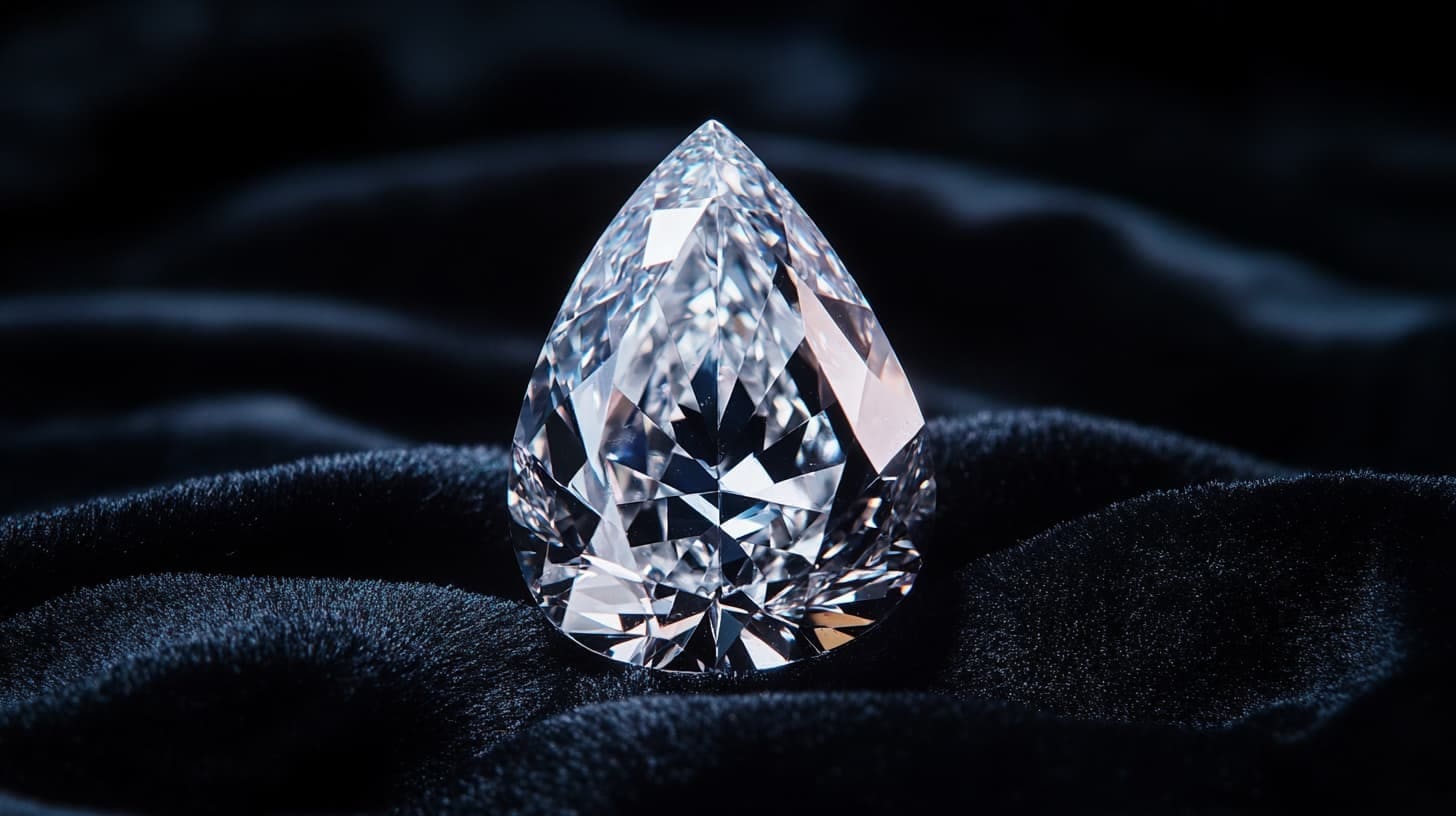
The pear shape cut represents a technical achievement in gemstone cutting, combining precise proportions with artistic elegance to create its signature teardrop silhouette. This sophisticated cut typically features 58 facets arranged to maximize both brilliance and fire, making it particularly popular for both diamonds and colored gemstones.
- The ideal length-to-width ratio falls between 1.5:1 and 1.75:1, though some prefer slightly longer or shorter cuts based on personal taste. This ratio significantly impacts the stone’s overall appearance and how it sits in different settings.
- Perfect symmetry is crucial in pear shapes - the point must align precisely with the center of the rounded end, while both sides should mirror each other exactly. Any asymmetry can significantly impact the stone’s value and beauty.
- The most desirable pear shapes feature a smooth, graceful curve from the rounded end through the shoulders and down to the point, without bulging shoulders or straightened edges that can distract from the classic teardrop shape.
- A well-cut pear should exhibit minimal to no bow-tie effect - the dark area that can appear across the center of the stone. While some degree of bow-tie is natural, excessive darkness indicates poor cutting that affects the stone’s brilliance.
- The point should be sharp but not overly long or short, as either extreme can create structural vulnerabilities or aesthetic imbalances. The optimal point length maintains proportion while ensuring durability.
The enduring appeal of the pear shape lies in its unique ability to combine classical elegance with modern versatility. Whether set in a ring, pendant, or earrings, this cut offers exceptional brilliance while creating an elongating effect that many find desirable. Its asymmetrical nature makes it both distinctive and adaptable to various jewelry styles.
Pros and Cons of Pear Shape Stones
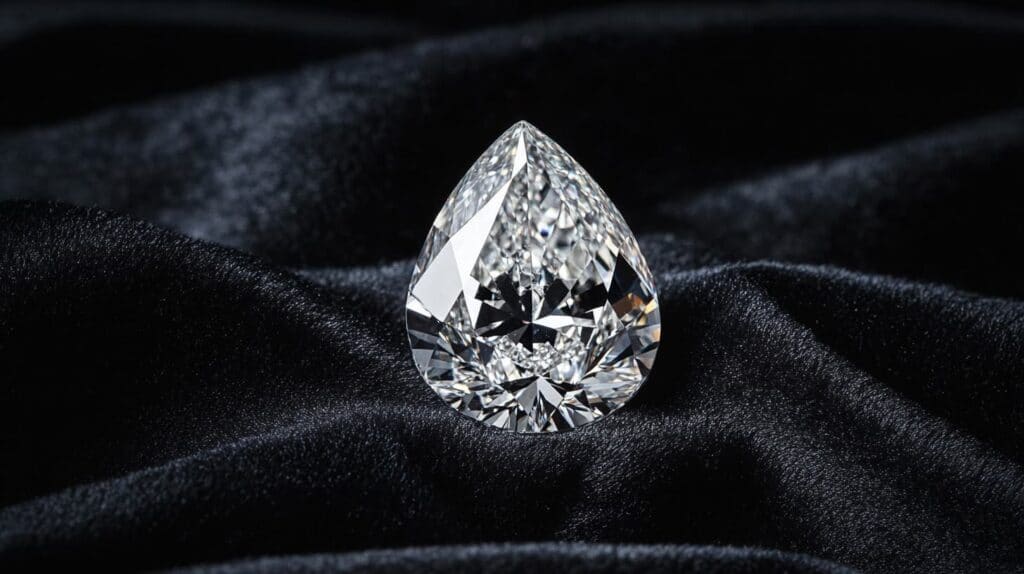
The pear shape cut offers a unique combination of benefits and challenges that make it particularly interesting in the world of gemstones. Understanding these characteristics helps buyers make informed decisions about whether this distinctive cut aligns with their preferences and lifestyle needs.
Advantages
The advantages of pear shaped stones extend far beyond their unique aesthetic appeal. These cuts represent a remarkable combination of traditional brilliance and modern versatility, offering practical benefits that have contributed to their growing popularity in contemporary jewelry design.
- Pear shapes appear visually larger than other cuts of the same carat weight due to their spread-out surface area and elongated shape, providing excellent value for size-conscious buyers.
- The distinctive cut creates unparalleled versatility in jewelry design, working equally well in rings, pendants, and earrings while offering multiple wearing orientations.
- The brilliant faceting pattern in pear shapes creates exceptional sparkle and fire, particularly in well-lit environments, often surpassing other fancy cuts in terms of brilliance.
- The asymmetrical design naturally creates an elongating effect on fingers when worn as a ring, making it particularly flattering for many hand shapes and sizes.
- Pear shapes typically cost 10-30% less than round brilliants of similar quality, offering better value while maintaining exceptional beauty.
These advantages make pear shaped stones an exceptional choice for those seeking distinctive jewelry that combines classical elegance with modern versatility. Their unique characteristics offer both practical benefits and aesthetic appeal, making them increasingly popular among contemporary jewelry enthusiasts.
Disadvantages
While pear shaped stones offer numerous benefits, they also present specific challenges that require careful consideration. Understanding these potential drawbacks helps buyers make informed decisions and ensure proper care for their jewelry.
- The pointed tip requires special protection in settings due to its vulnerability to chipping and damage, often necessitating additional prongs or protective bezels.
- Color concentration at the point can make color variations more noticeable, requiring higher color grades to achieve a desirable appearance, particularly in larger stones.
- The bow-tie effect, a dark area across the center of the stone, can be more prominent in pear shapes and requires careful evaluation during selection.
- Finding matching pairs for earrings can be challenging due to the complex symmetry requirements, often resulting in higher costs for matched sets.
- The asymmetrical shape can make proper setting alignment crucial, requiring more frequent checks to ensure the stone maintains its intended position.
Despite these challenges, most can be effectively managed through proper selection, setting, and maintenance. With appropriate care and attention during the buying process, these potential drawbacks need not detract from the unique beauty and appeal of pear shaped stones in fine jewelry.
Selecting the Perfect Pear Cut Stone
Selecting an ideal pear shaped stone requires careful attention to several key characteristics that determine both its beauty and durability. While personal preference plays a significant role, understanding the technical aspects helps ensure you choose a stone that will maintain its appeal and value over time.
- Length-to-width ratio dramatically affects the stone’s appearance, with ratios between 1.5:1 to 1.75:1 considered ideal. A ratio of 1.55:1 to 1.65:1 often provides the most pleasing visual balance, though some prefer slightly longer or shorter stones based on their intended use and personal taste.
- Symmetry evaluation should focus on three key areas: the point must align perfectly with the rounded end’s center, the curved sides must mirror each other exactly, and the shoulders should have identical curves. Even minor asymmetry can create an unbalanced appearance that detracts from the stone’s beauty.
- The bow-tie effect appears as a dark area across the stone’s center, and while some degree is natural, excessive darkness indicates poor cutting. When examining a stone, view it under different lighting conditions and angles to assess the bow-tie’s impact on overall brilliance.
- Polish grade becomes particularly important in pear shapes due to their large table facet and complex cutting pattern. Look for stones graded ‘Very Good’ or ‘Excellent’ for polish, as any surface irregularities will be more visible than in other cuts.
- Girdle thickness should be medium to slightly thick, particularly around the point area. Too thin a girdle increases the risk of damage, while an overly thick one adds unnecessary weight and can create durability issues in the setting.
- Color distribution should be even throughout the stone, though slightly deeper color at the point is natural. For diamonds, consider how color concentrates at the point when choosing a color grade - going one grade higher than you might for a round cut often proves worthwhile.
- Consider the stone’s intended setting when choosing proportions. Stones destined for pendants can be longer and more dramatic, while those for rings often benefit from slightly shorter ratios that provide better stability and wear.
Choosing the perfect pear shape involves balancing these technical aspects with your personal preferences and practical considerations. Taking time to examine multiple stones under various lighting conditions and comparing them side by side helps ensure you select a stone that will provide lasting satisfaction.
Price and Value of Pear Shapes
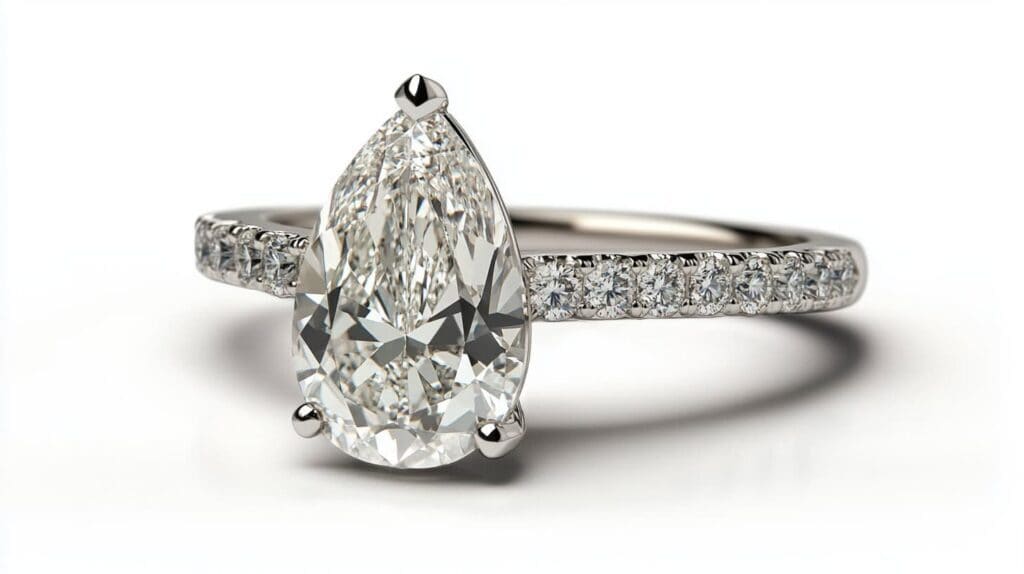
Understanding the value factors and buying considerations for pear shaped stones helps ensure a wise investment in this unique cut. The pricing of pear shapes involves several key elements that can significantly impact both the stone’s beauty and its market value, making informed purchasing decisions crucial.
- Pear shaped stones typically cost 10-30% less than round brilliants of comparable quality, offering excellent value for buyers. This price advantage stems from less rough diamond waste during cutting and lower market demand compared to round cuts.
- The ideal depth percentage should fall between 53-65% for optimal brilliance. Stones outside this range may be priced lower but often lack the sparkle and fire that make pear shapes desirable, ultimately providing less value despite the lower cost.
- Cut quality significantly impacts value, with symmetry being paramount. The point should align perfectly with the rounded end, while the shoulders and wings must be identical on both sides. Even slight asymmetry can reduce a stone’s value by 15-30%.
- Lab certification from respected institutions like GIA or AGS is crucial for diamonds over 0.5 carats. These certificates verify the stone’s characteristics and help ensure fair market pricing, though they typically add 5-10% to the total cost.
- Color grading becomes more critical in pear shapes as they tend to show color more readily than other cuts, particularly in the point. For white diamonds, consider H color or better for optimal value and appearance.
- Size considerations affect value differently in pear shapes - stones between 1-2 carats often offer the best value proposition, balancing visual impact with price. Larger stones command significant premiums due to their rarity.
- Setting costs can be higher for pear shapes due to the need for specialized settings that protect the point. Custom settings typically add 20-40% to the total cost compared to standard settings for round stones.
The value of a pear shaped stone ultimately depends on finding the right balance between these various factors. While the initial cost might be lower than other premium cuts, the importance of proper cutting, setting, and protection means buyers should focus on quality over size to ensure long-term satisfaction and value retention.
Best Ways to Style Pear Cuts
The pear shape’s unique asymmetrical design offers exceptional versatility in jewelry styling, making it one of the most adaptable cuts for various jewelry pieces. Understanding how to wear and style pear shaped stones helps maximize their visual impact while ensuring both comfort and security in different settings.
- Traditional ring orientation places the point toward the fingertips, creating an elongating effect that makes fingers appear longer and more slender. However, modern styling has embraced wearing the point toward the hand, offering a unique and contemporary look that’s equally valid.
- Ring settings should prioritize both protection and aesthetics. V-prongs at the point offer essential protection while maintaining visibility, while bezel settings provide maximum security at the cost of some visibility. A well-designed setting should incorporate at least 5-6 prongs total.
- Pendant designs typically position the point downward, following the natural teardrop shape. The setting should include a bail design that prevents the pendant from flipping, ensuring consistent orientation during wear.
- Earring pairs require precise matching in size, shape, and color. When worn as drop earrings, points typically face downward, though studs can be oriented in various directions for different effects. Consider face shape when choosing earring orientation.
- Necklace designs can incorporate multiple pear shapes in graduating sizes or combine them with other cuts. The asymmetrical nature of pear shapes makes them particularly effective in creating dynamic, flowing designs.
- Metal color choice significantly impacts the stone’s appearance. White metals like platinum or white gold emphasize the stone’s brilliance, while yellow or rose gold can add warmth and vintage appeal. Consider both skin tone and stone color when selecting metal.
- Size proportions matter significantly in relation to the wearer. Rings should balance the hand size - larger stones (over 1.5 carats) can overwhelm smaller hands, while stones under 0.75 carats might appear too delicate on larger hands.
The versatility of pear shaped stones in jewelry design offers endless possibilities for personal expression. Whether chosen for traditional elegance or contemporary style, the key lies in selecting settings and styling that complement both the stone’s unique characteristics and the wearer’s personal style.
How to Care for Pear Shape Stones
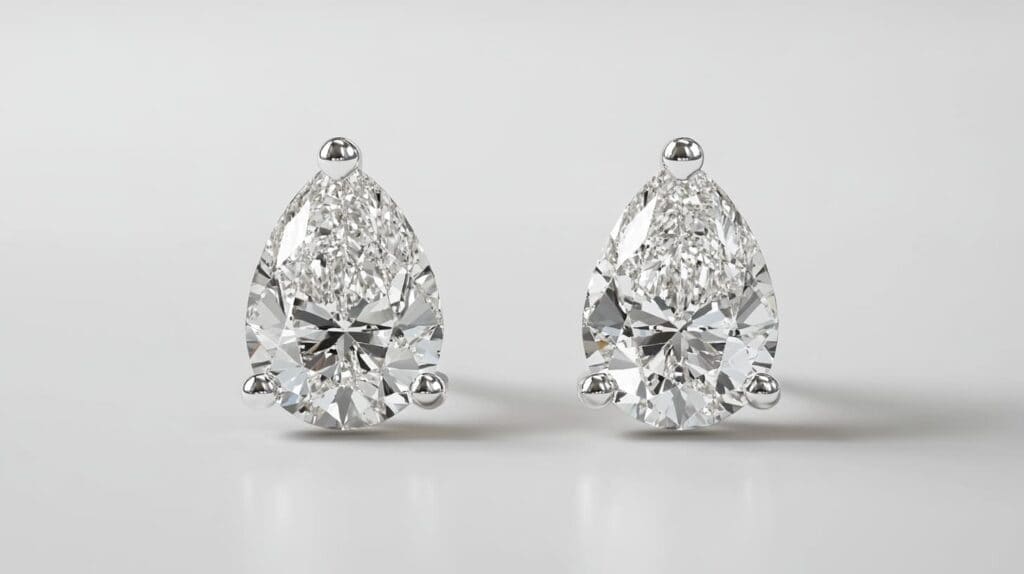
Proper care and maintenance of pear shaped jewelry ensures its lasting beauty and protects your investment. The unique shape of pear cut stones, particularly their pointed tip, requires specific attention to prevent damage and maintain their brilliant appearance over time.
- Professional inspection is recommended every 6-12 months, focusing particularly on prong security around the point area. The asymmetrical shape can cause uneven wear on settings, making regular checks crucial for preventing stone loss.
- Cleaning should be performed regularly using a solution of mild dish soap and warm water, avoiding harsh chemicals or ultrasonic cleaners unless approved by a professional. Pay special attention to cleaning under the point where dirt accumulates more readily.
- Storage requires individual compartments or soft pouches to prevent scratching. Store pear shaped rings separately from other jewelry, and never stack them with other pieces as the point can both damage other items and be damaged itself.
- Impact protection is crucial due to the vulnerable point. Remove pear shaped rings during activities that risk impact or snagging, such as sports, heavy cleaning, or gardening. The point is particularly susceptible to chip damage.
- Setting maintenance varies by design - bezel settings require checking for metal wear, while prong settings need regular tightening checks. V-prongs protecting the point deserve particular attention as they bear more stress than other prongs.
- Temperature changes can affect setting security due to metal expansion and contraction. Avoid exposing pear shaped jewelry to extreme temperature changes, and have settings checked if the piece has been exposed to significant temperature variations.
- Insurance documentation should be updated regularly with current photographs and appraisals. The unique characteristics of each pear shaped stone make proper documentation particularly important for insurance purposes.
Maintaining pear shaped jewelry requires a balanced approach between regular wear and proper protection. While these pieces are designed to be worn and enjoyed, understanding and following proper care procedures ensures they remain beautiful and secure for generations to come.
Conclusion
The pear shape cut stands as a testament to the perfect balance between classic elegance and modern versatility in jewelry design. Its unique combination of brilliant sparkle, distinctive silhouette, and flattering proportions makes it an excellent choice for those seeking something beyond traditional cuts. The lower price point compared to round brilliants, combined with its larger face-up appearance, offers exceptional value for buyers who understand how to evaluate and choose these distinctive stones.
While pear shaped stones require special attention in terms of selection, setting, and care, their unique beauty and versatility make them well worth the extra consideration. Whether worn in a ring, pendant, or earrings, a well-chosen pear shape can become a cherished piece that maintains its appeal through generations. By understanding the key aspects of selection, styling, and maintenance covered in this guide, you can make an informed decision about incorporating this elegant cut into your jewelry collection.