Water resistance stands as one of the most essential yet commonly misinterpreted features of today’s watches. The cryptic numbers etched on your watch case—30m, 100m, or 200m—rarely translate to what most people assume. For casual wearers who might encounter occasional rain showers or dedicated swimmers searching for their ideal timepiece, properly comprehending water resistance ratings prevents expensive damage and frustration. Decoding these measurements helps you make smarter choices about when and where to wear your watch around water, ensuring your prized possession remains protected for years to come.
What Do Water Resistance Ratings Actually Mean?
Water resistance ratings indicate the amount of water pressure a watch can theoretically withstand in controlled laboratory conditions, not the actual depth you can take it underwater. Many consumers mistakenly believe these numbers represent absolute diving depths, but the reality is more complex and involves understanding static versus dynamic pressure. Watch manufacturers test their timepieces in perfectly still water under gradually increasing pressure – conditions that rarely if ever exist in real-world water exposure scenarios.
- Water resistance is measured in atmospheres ATM, bars, or meters m with 1 ATM = 1 bar = 10 meters of static pressure. These are simply different ways to express the same amount of pressure, so a 5 ATM watch is the same as a 5 bar or 50m water resistant watch.
- Laboratory testing involves placing watches in still water with gradually increasing pressure—very different from real-world conditions where swimming, diving into water, or even the spray from water skiing creates additional dynamic pressure that can exceed the watch’s rating.
- The movement of your arm while swimming can increase water pressure against a watch by 3-5 times compared to remaining motionless at the same depth. This explains why manufacturers recommend activities well below the theoretical depth limit of each rating.
- Water resistance ratings are determined when the watch is new, with properly functioning seals, correctly closed crown, and without pressing any buttons underwater. Over time, seals age and can compromise protection even without visible damage to the watch.
The disconnect between ratings and real-world use is why manufacturers typically recommend activities well below the theoretical limits of each rating. Understanding that water resistance isn’t just about depth but about pressure helps explain why a 30m-rated watch isn’t suitable for swimming despite what the number might suggest. This knowledge gap between what consumers expect and what ratings actually represent is why so many watches suffer premature water damage, even when owners believe they’re following the guidelines indicated by those misleading numbers on the caseback.
Common Watch Water Resistance Ratings
Each water resistance rating corresponds to specific levels of water exposure that are safe for your watch. Understanding what activities are appropriate for each rating helps prevent water damage and extends the life of your timepiece. The industry has established generally accepted guidelines for each level of water resistance, though there can be slight variations between manufacturers based on their specific construction techniques and testing methods. While these ratings may seem overly cautious, they account for real-world conditions that laboratory testing cannot fully simulate.
- 30m/3 ATM/3 Bar: Protects against accidental splashes, brief rain exposure, and washing hands. Despite the “30 meters” designation, these watches should never be submerged in water or worn while showering. The rating is minimal protection for daily life but insufficient for any water activities.
- 50m/5 ATM/5 Bar: Suitable for brief swimming in shallow water, getting caught in heavy rain, and showering though hot showers should be avoided as heat can affect gaskets. Not appropriate for diving, snorkeling, or high-impact water sports. Many casual sports watches carry this rating as a minimum standard.
- 100m/10 ATM/10 Bar: The first truly “swimming-friendly” rating. These watches can handle recreational swimming, snorkeling in shallow depths, and most surface water sports. However, they’re not suitable for high-velocity activities like water skiing or scuba diving. Most quality sports watches come with at least this level of protection.
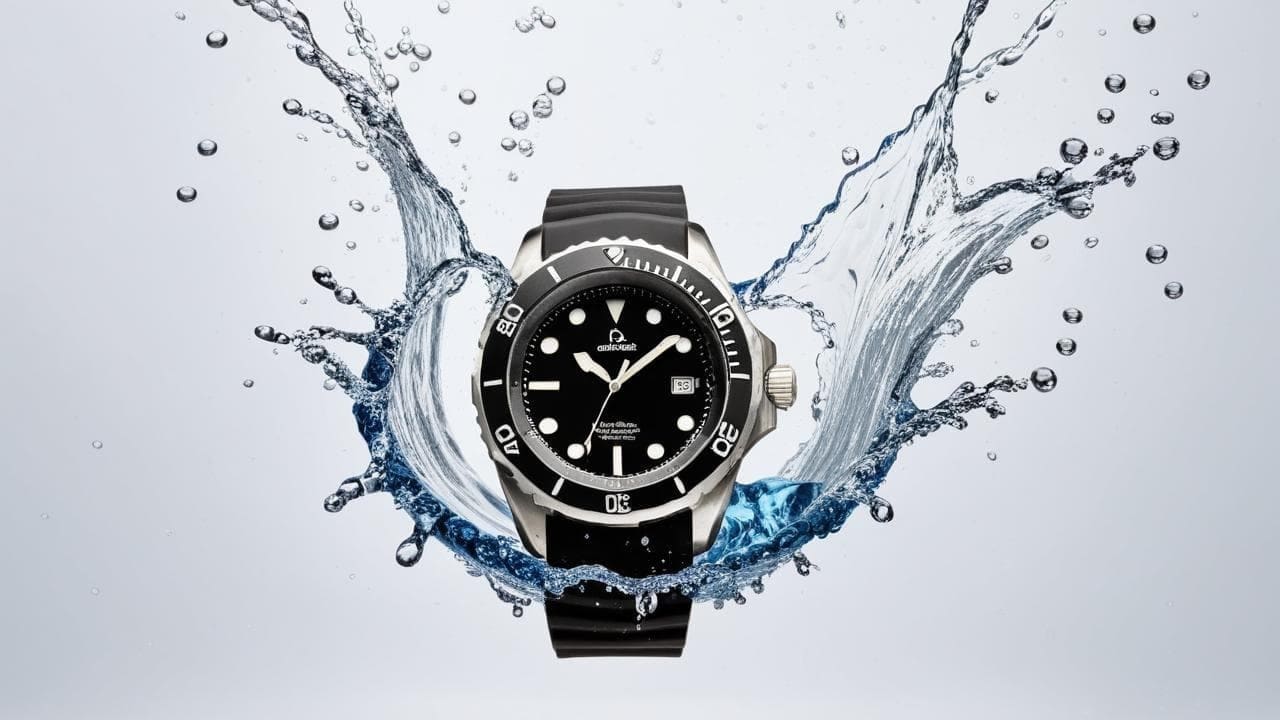
- 200m/20 ATM/20 Bar: Appropriate for recreational scuba diving not professional deep diving, all surface water sports including high-impact activities, and regular exposure to water. This is the minimum standard for watches marketing themselves as true “diver’s watches” and often includes additional features like screw-down crowns.
- 300m+/30+ ATM/30+ Bar: Designed for professional diving, saturation diving when equipped with a helium escape valve, and extreme water conditions. These high-performance timepieces often incorporate specialized materials and construction techniques to maintain integrity at extreme depths.
These ratings provide a general guideline, but always follow the manufacturer’s specific recommendations for your watch model, as construction details can affect real-world performance. Water resistance is a complex feature influenced by numerous factors beyond simple pressure testing, including case construction, gasket quality, and assembly precision. Even watches with identical ratings can perform differently under real-world conditions due to these manufacturing variables, which is why understanding the general capabilities and limitations of each rating level helps you make appropriate decisions about when and where to wear your watch around water.
Special Water Resistance Certifications
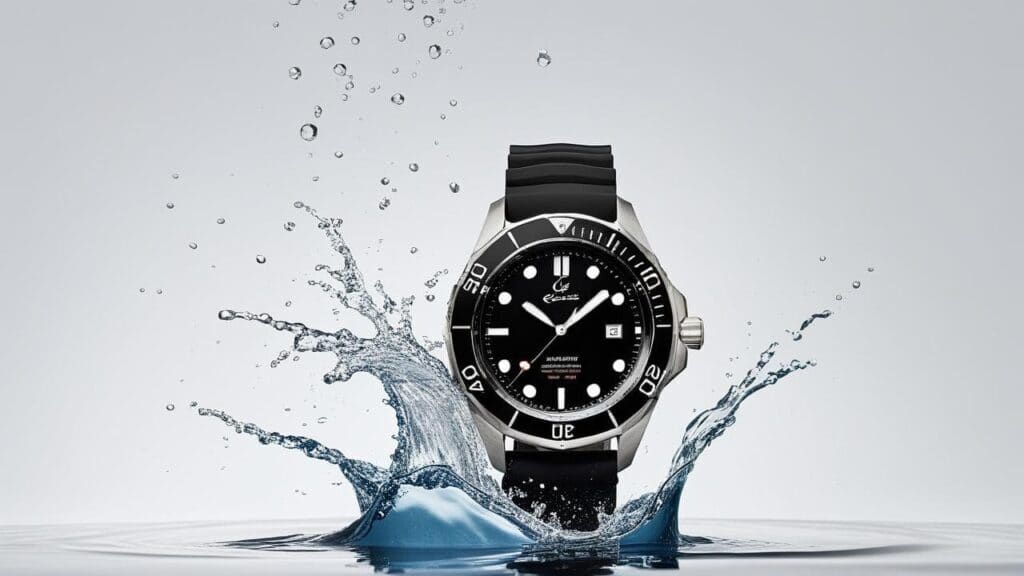
Beyond basic water resistance ratings, certain watches meet specialized industry standards that ensure enhanced reliability and performance in water. These standards incorporate additional testing beyond simple pressure resistance and provide significantly more rigorous quality assurance for watches intended for serious water use. While standard water resistance ratings focus primarily on pressure testing, these specialized standards evaluate multiple factors including visibility, durability, and reliability under various conditions that simulate real-world usage scenarios.
- ISO 6425 is the international standard specifically for diving watches. Watches meeting this rigorous standard undergo additional tests for reliability, visibility underwater, shock resistance, magnetic resistance, and band durability. True ISO 6425 certified dive watches will be marked “DIVER’S WATCH” directly on the watch.
- True diving watches certified to ISO 6425 must maintain water resistance at 125% of their rated depth, have luminous markers visible at 25cm in darkness, include a unidirectional rotating bezel, and demonstrate resistance to thermal shock moving between temperature extremes.
- “Diver’s 200m” designation indicates a watch meets the ISO 6425 standard, while a regular “200m water resistant” watch might not include the same safeguards or undergo the same rigorous testing despite having the same depth rating.
- Some luxury brands develop their own testing protocols that exceed ISO standards. For example, Rolex tests their Submariner watches to depths 25% greater than their stated water resistance, and Omega uses specially developed equipment to test their Seamaster line at actual depth.
These specialized standards ensure that watches intended for serious water use have undergone appropriate testing and include features necessary for reliability in demanding conditions. For professional divers or serious water enthusiasts, watches meeting these standards provide an extra level of confidence beyond basic water resistance ratings. Understanding these standards helps consumers differentiate between watches that merely claim water resistance and those that have been rigorously tested and certified for specific underwater activities. This distinction becomes particularly important for those who regularly engage in diving or other serious water sports where timepiece reliability could potentially impact safety.
Factors That Reduce Your Watch’s Water Resistance
Water resistance isn’t a permanent feature of a watch—several factors can reduce or compromise it over time, even in high-quality timepieces. Understanding these factors helps you maintain your watch’s water protection. Many watch owners are surprised to learn that even without visible damage or exposure to water, their timepiece’s ability to resist moisture can gradually diminish simply through normal wear and environmental conditions. This natural degradation process affects all watches regardless of price point or quality, though better-constructed watches may maintain their resistance longer with proper care.
- Age gradually deteriorates rubber gaskets and seals, reducing water resistance even in unworn watches. Most manufacturers recommend testing water resistance every 1-2 years, as gaskets naturally dry out and lose elasticity over time.
- Temperature changes particularly hot water and steam can cause gaskets to expand and contract, potentially creating microscopic entry points for water. Avoid wearing even water-resistant watches in saunas, hot tubs, or hot showers.
- Impact and shocks can damage seals or slightly misalign components, compromising water resistance without visible external damage. Dropping your watch or subjecting it to strong vibrations may affect its water resistance.
- Buttons and crowns represent potential entry points for water, especially if pressed while the watch is submerged. Many water-resistant watches have screw-down crowns that must be properly secured before water exposure.
- Salt, chlorine, and chemicals can accelerate the deterioration of seals and gaskets. Always rinse your watch with fresh water after exposure to pool water, seawater, or chemicals like soaps and lotions.
- Case design plays a crucial role in water resistance, with factors like the number of case openings, crystal installation method, and back sealing system all influencing performance. Watches with fewer openings generally maintain better water resistance.
- Servicing by untrained technicians who fail to properly replace gaskets or test water resistance afterward can compromise a watch’s water protection. Always have water-resistant watches serviced by authorized professionals.
Even the most expensive diving watches require regular maintenance to ensure their water resistance remains effective. The degradation of water resistance over time is normal and expected, which is why regular testing and servicing are essential for watches routinely exposed to water. Many water damage cases occur not because the watch was exposed to conditions beyond its rating, but because its water resistance had silently deteriorated over time without the owner’s knowledge. This highlights the importance of periodic testing and maintenance even for watches that appear to be functioning perfectly, especially before activities that will expose the timepiece to significant moisture.
How to Maintain Your Watch’s Water Resistance
Proper maintenance can help preserve your watch’s water resistance and prevent unexpected water damage. Following these practices can significantly extend the effective water protection of your timepiece. Even watches with impressive water resistance ratings require ongoing care to maintain their protective capabilities. Most manufacturers build water resistance with some margin of safety, but this margin gradually narrows as seals age and components wear through normal use. Implementing a consistent maintenance routine protects not just against catastrophic water exposure but also against the subtle moisture intrusion that can cause progressive damage over time.
- Have water resistance professionally tested annually if you regularly expose your watch to water, or every two years for watches occasionally exposed to moisture. This testing uses specialized equipment to check seal integrity without disassembly.
- Ensure the crown is fully pushed in or screwed down before any water exposure. Many water resistance failures occur simply because the crown was left partially extended, creating an easy entry point for moisture.
- Rinse your watch with fresh water after swimming in salt water or chlorinated pools to prevent residue buildup that can deteriorate gaskets. Use only water—no soap or solvents—and dry with a soft cloth.
- Avoid extreme temperature changes which can stress gaskets and seals. Don’t wear your watch in saunas, hot tubs, or hot showers even if it has high water resistance ratings.
- Replace gaskets during regular service intervals, typically every 3-5 years depending on usage. Even unworn watches should have gaskets replaced periodically as they naturally age and lose elasticity.
- Have your watch serviced by authorized repair centers familiar with your specific brand and model. Improper service is a common cause of water resistance failure, as precise reassembly and testing are required.
- Avoid pressing buttons or adjusting the crown underwater unless the manufacturer explicitly states this is permitted for your specific model. Most water-resistant watches are not designed for underwater adjustment.
- Look for warning signs of compromised water resistance like condensation under the crystal, moisture spots on the dial, or sudden time-keeping issues. If you notice any of these, have your watch inspected immediately.
Regular maintenance may seem inconvenient, but it’s far less costly and troublesome than repairing water damage to a watch movement. Water damage often results in extensive oxidation and corrosion that can permanently damage your timepiece. Most water-damaged watches require complete movement overhauls or replacements, which typically cost several times more than preventative maintenance would have. Additionally, water damage can degrade dial finishes, luminous material, and other cosmetic elements that might be irreplaceable in vintage or discontinued models. Investing in consistent care preserves both the functional integrity and the aesthetic value of your watch collection.
Common Myths About Watch Water Resistance
Misconceptions about water resistance lead many watch owners to unintentionally damage their timepieces. Understanding the truth behind these myths can help protect your watch from water damage. Watch water resistance is surrounded by persistent myths that often lead to expensive repairs or total loss of treasured timepieces. These misconceptions are particularly problematic because water damage typically isn’t covered under standard watch warranties, leaving owners responsible for costly repairs. Addressing these myths directly can help watch enthusiasts make informed decisions about when and how to expose their timepieces to water.
- Many believe a 30m water-resistant watch can be worn while swimming at depths up to 30 meters. In reality, 30m-rated watches should only be exposed to minor splashes and cannot withstand immersion or swimming.
- A common misconception is that water resistance never changes if the watch isn’t damaged. Water resistance actually deteriorates over time due to natural aging of gaskets and seals, even if the watch appears perfectly fine externally.
- Some assume all 200m-rated watches provide equal water protection. Construction quality, additional features like screw-down crowns, and certification standards make significant differences even among watches with identical ratings.
- Many focus solely on depth when considering water resistance. Dynamic pressure from movement, diving into water, or high-velocity activities often exceeds static pressure at equivalent depths, making these activities riskier than the rating suggests.
- The term “waterproof” leads consumers to believe certain watches provide absolute protection against water. This term is misleading and no longer permitted by regulations in most countries; all watches have limits to their water resistance.
- Some think leather straps are fine for swimming if the watch case has adequate water resistance. Leather deteriorates rapidly when exposed to water, even if the watch itself is water-resistant. Always use rubber, silicone, or metal bracelets for water activities.
- There’s a widespread belief that digital watches generally have better water resistance than mechanical watches. Water resistance depends on construction quality and design, not whether the movement is digital or mechanical.
These misconceptions often lead to water damage that could be easily prevented with proper understanding. When in doubt, always err on the side of caution and assume your watch has less water resistance than the rating suggests. The confusion around water resistance ratings stems partly from the counterintuitive way they’re expressed and partly from outdated terminology that persists in watch marketing. By approaching water resistance conservatively and understanding these ratings as pressure indicators rather than depth measurements, you’ll be far more likely to avoid the unpleasant surprise of discovering moisture inside your watch case. Remember that no watch, regardless of its rating, is permanently water-resistant without proper care and regular maintenance.
Conclusion
Water resistance ratings are valuable indicators of a watch’s capability to withstand moisture exposure, but they require proper interpretation beyond their numerical value. The difference between 30m splash resistance and 200m diving capability isn’t just about depth—it’s about comprehensive construction, specialized testing, and intended usage scenarios. By understanding what these ratings truly mean and maintaining your watch accordingly, you can avoid costly repairs and extend the lifespan of your timepiece.
Remember that water resistance is not permanent and requires regular professional testing and maintenance to remain effective. Even the finest diving watches need proper care, including annual testing, proper crown operation, and periodic gasket replacement. With this knowledge, you can confidently enjoy your watch in appropriate settings, protecting your investment while still making the most of your timepiece’s capabilities.