The reliability of a watch depends largely on its ability to keep accurate time. When your treasured timepiece starts running too fast or too slow, it can be more than just a minor inconvenience—it can disrupt your schedule and reduce the joy of owning a quality watch. Whether you’ve invested in a high-end mechanical masterpiece or rely on an everyday quartz watch, understanding why timing issues occur and how to address them will help you maintain your watch’s accuracy and extend its lifespan. Like any precision instrument, watches respond to their environment and usage patterns in ways that affect their performance over time.
How to Tell if Your Watch is Running Fast or Slow
Your watch’s accuracy can be measured against standard timekeeping benchmarks. Generally, mechanical watches are considered accurate within -4 to +6 seconds per day, while quartz watches should maintain accuracy within ±15 seconds per month. Identifying whether your watch has a timing problem requires systematic observation and comparison with reliable time sources. Understanding what constitutes “normal” deviation for your specific type of watch is the first step in determining whether you have an issue that needs addressing.
- Compare with reliable time sources: Set your watch against time.gov, the atomic clock on your smartphone, or another highly accurate time reference. Check again after 24 hours (for mechanical watches) or one week (for quartz watches) to measure the deviation. For the most precise results, make your comparisons at the same time each day under similar conditions.
- Track timing patterns consistently: Record whether your watch consistently runs fast, slow, or varies in its accuracy over several weeks. A watch that gains exactly 5 seconds every day can often be regulated, while unpredictable variations might indicate more complex issues like positional errors or mechanical problems.
- Test mechanical watches in different positions: Timing can vary significantly depending on how the watch is oriented due to gravity’s effect on the movement. Test your watch dial-up, dial-down, crown-up, crown-down, and on both sides to determine if position affects accuracy. Professional watchmakers use these measurements to diagnose specific issues within the movement.
- Use specialized timing apps: Applications like “WatchCheck,” “Toolwatch,” or “Watch Accuracy Meter” can help you track performance over time by recording multiple measurements and calculating average daily rates. These tools can reveal patterns that might not be obvious from casual observation.
- Consider temperature effects: Both mechanical and quartz watches can run differently in varying temperatures. Quartz watches typically slow down in high temperatures and speed up in cold environments. If you notice seasonal variations in your watch’s accuracy, temperature might be the culprit.
Establishing a baseline of your watch’s performance through systematic observation provides valuable diagnostic information beyond simple frustration with inaccuracy. What matters most is consistency rather than perfect accuracy, as consistent deviations can be corrected through regulation. By documenting your watch’s behavior over time, you’ll be better equipped to communicate issues to a watchmaker if professional intervention becomes necessary, and you’ll have a clearer understanding of what constitutes normal performance for your specific timepiece.
Common Causes for Mechanical Watches Running Fast or Slow
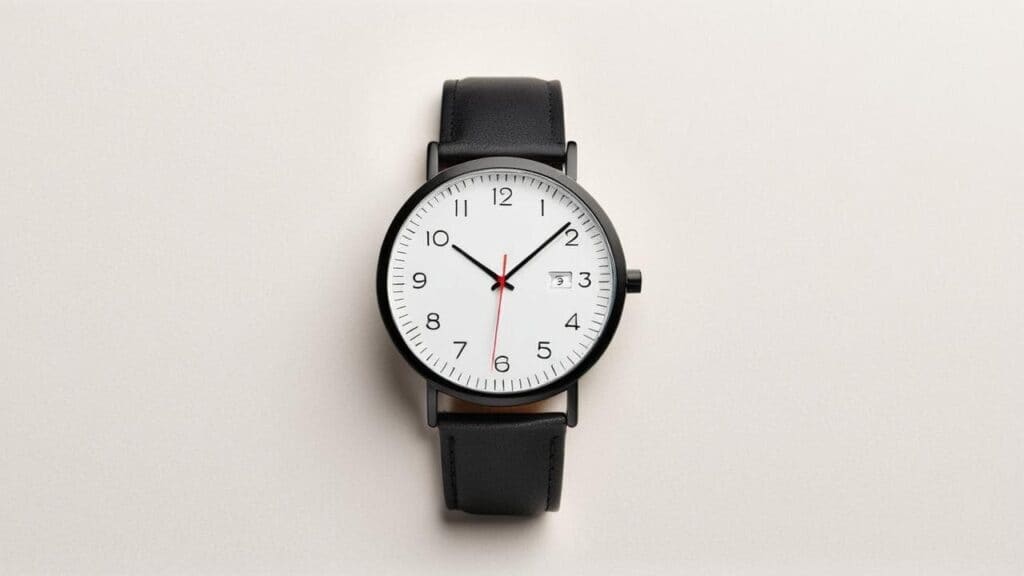
Mechanical watches represent extraordinary engineering but are susceptible to various factors that can affect their timekeeping. These precision instruments can be influenced by everything from environmental conditions to physical impacts, with each factor potentially causing the watch to run too fast or too slow. The delicate balance of springs, gears, and escapements that powers mechanical watches makes them particularly responsive to their surroundings in ways that directly impact accuracy.
- Magnetization: When components in a mechanical watch (particularly the balance spring) become magnetized from exposure to magnetic fields from electronics, speakers, or magnetic clasps, the coils of the spring can stick together, shortening the effective length. This causes the balance wheel to oscillate faster, making the watch run significantly faster—sometimes gaining several minutes per day. Unlike many other timing issues, magnetization typically happens suddenly rather than gradually.
- Age and lubrication deterioration: The lubricants in a watch movement gradually break down over time (typically 3-5 years), increasing friction between components. This usually causes the watch to run slower as parts meet higher resistance. Old or dried lubricants can also affect the amplitude of the balance wheel, further degrading accuracy.
- Positional variance: Due to the effects of gravity, mechanical watches may run at different rates depending on the position they’re in. A watch that keeps perfect time when worn might gain or lose time when left overnight in a different position. High-quality watches are adjusted to minimize these differences, but no mechanical watch is entirely immune to positional variation.
- Regulation issues: The regulator in a mechanical watch controls the effective length of the balance spring, determining how fast or slow the watch runs. If the regulator has shifted (perhaps due to impact), the timing will be affected. This is among the easiest timing issues to fix through proper regulation by a watchmaker.
- Balance wheel issues: The balance wheel is the heart of a mechanical watch’s timekeeping. If it becomes unbalanced due to impact or if its pivots are damaged, timing will be affected. Problems with the balance or its staff typically require professional service.
- Mainspring power delivery: As the mainspring unwinds, it delivers slightly different amounts of power to the escapement. This can cause timing variations between fully wound and nearly unwound states. Better quality watches have mechanisms to compensate for this, but less expensive movements may show noticeable timing changes throughout the power reserve.
- External shocks and impacts: Drops or sharp impacts can misalign components or even bend pivots in the movement. These physical traumas often cause sudden and significant timing issues that generally require professional repair.
The interplay between these factors makes diagnosing mechanical watch timing issues both an art and a science. What appears as a simple timing deviation might reflect a complex interaction of multiple elements within the movement. While some issues like magnetization have straightforward solutions, many timing problems in mechanical watches will benefit from professional diagnosis and service. Understanding these common causes helps you identify potential issues early, before they develop into more serious problems requiring extensive repairs.
Common Causes for Quartz Watches Running Fast or Slow
Quartz watches are celebrated for their reliability and accuracy, typically keeping time to within seconds per month rather than per day. However, even these electronic timepieces can encounter timing issues. Understanding the common causes can help you address problems quickly and decide when professional service is needed. Despite their electronic nature, quartz watches still combine technology with precision mechanical components that can be affected by various factors.
- Battery depletion: The most common cause of a quartz watch running slow is a weakening battery. As battery power decreases, the electronic circuit may not receive sufficient energy to maintain proper timing. Many quartz watches will show warning signs like the second hand jumping in 2-second intervals before timing becomes noticeably affected. A simple battery replacement will often restore accurate timekeeping.
- Temperature sensitivity: Quartz crystals are affected by temperature changes, typically running slower in high temperatures and faster in cold environments. While most modern quartz watches include temperature compensation circuits, extreme conditions can still affect accuracy. A watch consistently exposed to temperatures outside the 20-30°C (68-86°F) range may show timing variations of several seconds per month.
- Crystal aging: The quartz crystal at the heart of the watch gradually ages over many years, slightly changing its vibration frequency. This natural aging process typically causes the watch to run slower over time. High-quality quartz watches may be adjusted to compensate for this during service, but it’s an inevitable aspect of quartz technology.
- Moisture damage: Water infiltration can cause corrosion on circuit boards and components, affecting the electrical properties of the movement. Even watches with good water resistance can develop moisture issues if gaskets aren’t replaced during battery changes or if buttons/crowns are operated underwater. This damage usually causes erratic timing rather than consistent gains or losses.
- Circuit problems: Electronic components can fail or develop issues over time. Problems with the integrated circuit, capacitors, or other electronic parts can cause the watch to run at incorrect speeds or stop intermittently. These issues typically require replacement of components or the entire movement.
- Mechanical issues affecting the stepping motor: While quartz watches use electronic regulation, they still have mechanical components that move the hands. If these parts encounter increased friction or become misaligned, they can cause the watch to appear to run slow even when the quartz timing is accurate. This is why the second hand might sometimes seem to “stick” momentarily on some quartz watches.
- External magnetic fields: While quartz watches are much less susceptible to magnetism than mechanical watches, very strong magnetic fields can sometimes affect the electronic components. This is rare but possible in industrial environments or near powerful magnets.
While quartz watches generally require less maintenance than their mechanical counterparts, they aren’t maintenance-free. Understanding these common issues can help you identify when a simple solution like a battery change will suffice versus when more complex problems require professional attention. Most quartz timing problems are relatively straightforward to diagnose and fix, making them less intimidating than mechanical watch issues for the average owner.
DIY Solutions for Watches Running Fast or Slow
Before seeking professional service for your watch, several safe and effective home remedies might address timing issues. These approaches can save you time and money for common problems, though they should be attempted with care to avoid damaging your timepiece. Many watch owners are surprised to discover how many timing issues can be resolved with simple interventions that don’t require special tools or extensive knowledge.
- Replace the battery in quartz watches: This simple and inexpensive fix resolves most timing issues in quartz watches. Use the correct battery size and type, and consider having this done professionally for watches with water resistance, as proper case sealing is crucial. After replacement, monitor timing for 1-2 weeks to confirm the issue is resolved.
- Demagnetize a mechanical watch: If your mechanical watch suddenly starts running several minutes fast per day, it’s likely magnetized. Demagnetizers (degaussers) are available online for $15-30 and can instantly fix the problem. Simply place your watch on the demagnetizer, press the button for a few seconds, and check the timing improvement. Alternatively, some watch repair shops will demagnetize watches for free or a small fee.
- Adjust the position for storage: If your mechanical watch runs at different rates in different positions, you can use this to your advantage. If your watch runs fast when worn, store it overnight in a position that causes it to run slower (often crown up or down) to average out the daily rate. Through experimentation, you can find the optimal resting position for your specific watch.
- Fully wind manual watches regularly: Mechanical watches typically keep better time when fully wound. For manual-wind watches, establish a routine of winding at the same time daily. For automatic watches that aren’t worn daily, consider a watch winder to maintain constant power, which often improves timing consistency.
- Regulate the watch yourself (advanced): If you have a case opener, steady hands, and good eyesight, simple regulation adjustments can be made to mechanical watches with accessible regulators. Moving the regulator slightly toward “F” (fast) or “S” (slow) can adjust the timing rate. However, this should only be attempted if you’re comfortable with delicate operations and on watches where you’re willing to risk damage.
- Reset the quartz circuit: Some quartz watches can benefit from a circuit reset, achieved by removing the battery for about 30 seconds before reinstalling it. This can sometimes resolve minor electronic timing issues, similar to restarting a computer.
- Avoid extreme environments: Keep watches away from strong magnetic fields, extreme temperatures, and high humidity. Simply changing storage location can prevent timing issues from developing or worsening, particularly for mechanical watches.
These DIY approaches offer practical solutions for common timing issues without the wait or expense of professional service. However, it’s important to recognize their limitations and proceed with appropriate caution. If basic remedies don’t resolve the issue, or if you’re dealing with a valuable timepiece where errors could be costly, professional service remains the safest option. Balancing self-help with appropriate professional care ensures your watch receives the attention it needs while remaining practical about minor issues you can address yourself.
Signs Your Watch Needs Professional Timing Repair
While some timing issues can be addressed at home, others require the expertise, tools, and controlled environment of a professional watchmaker. Recognizing when to seek professional help can prevent further damage and ensure your timepiece receives appropriate care. The complexity of modern watches, particularly high-end mechanical pieces, means that expert intervention is sometimes the only appropriate solution to maintain both value and performance.
- Significant or sudden accuracy changes: If your watch abruptly gains or loses more than a minute per day (mechanical) or more than 30 seconds per month (quartz) and basic solutions haven’t helped, professional diagnosis is needed. Sudden changes often indicate mechanical failures requiring expert attention.
- Water or moisture intrusion: Condensation inside the crystal, water droplets, or signs of corrosion demand immediate professional service. Water damage progressively worsens and can destroy movements if not addressed promptly. A watchmaker will disassemble, thoroughly dry, clean, and lubricate all affected components.
- Erratic timekeeping: If accuracy varies unpredictably from day to day or the watch stops intermittently, internal issues likely require professional diagnosis. These symptoms often indicate problems with the escapement, balance, or electronic components that can’t be fixed through simple adjustments.
- Overdue service intervals: Mechanical watches typically need servicing every 3-7 years even when running well. If your watch hasn’t been serviced within the manufacturer’s recommended interval (usually found in the manual), timing issues may indicate overdue maintenance. Regular service prevents wear from becoming damage.
- Unusual noises or sensations: Rattling sounds, grinding sensations when winding, or unusual resistance when setting the time indicate internal problems requiring professional attention. These symptoms suggest loose, broken, or misaligned components that could cause further damage if not addressed.
- After significant impacts: If your watch has been dropped or struck forcefully, professional inspection is advisable even if it appears to be running normally. Internal damage might not immediately affect performance but could worsen over time or cause accelerated wear.
- Complex watches with complications: Timepieces with additional functions like chronographs, calendars, or moon phases should generally be serviced by professionals when experiencing timing issues, as these complications introduce many more potential points of failure.
Professional watchmakers bring not only technical expertise but specialized equipment essential for proper diagnosis and repair. Timing machines, cleaning systems, and precision tools allow them to address issues impossible to fix with household methods. When selecting a service provider, consider their experience with your specific type of watch, check reviews or recommendations, and don’t hesitate to ask about their qualifications, especially for valuable timepieces. While professional service represents an investment, it often proves more economical in the long term by preventing progressive damage and extending your watch’s functional lifespan.
How to Keep Your Watch Running Accurately
Preventing timing issues is more effective and economical than correcting them. Implementing proper care habits can significantly extend your watch’s accuracy and overall lifespan, reducing the frequency of both minor adjustments and major services. By understanding the factors that affect watch performance and addressing them proactively, you can enjoy more reliable timekeeping and fewer unexpected issues with your cherished timepieces.
- Follow manufacturer service intervals: Adhere to recommended service schedules—typically every 3-5 years for mechanical watches and 5-10 years for quartz watches (beyond battery changes). Regular maintenance prevents accumulated wear from affecting timekeeping and extends your watch’s lifespan.
- Avoid magnetic fields: Keep mechanical watches away from speakers, magnetic clasps, tablet covers, and medical equipment that generate magnetic fields. Even refrigerator magnets can magnetize watch components. If your profession exposes you to magnetic equipment, consider antimagnetic watches with silicon components or magnetic shielding.
- Protect from temperature extremes: Avoid leaving watches in hot cars, saunas, freezing environments, or direct sunlight for extended periods. Temperature fluctuations can affect lubricant viscosity in mechanical watches and alter the vibration frequency of quartz crystals. Most watches perform best at temperatures between 20-30°C (68-86°F).
- Wind mechanical watches properly: Keep automatic watches sufficiently wound through regular wear or a watch winder. For manual watches, wind them fully at approximately the same time each day, and stop winding when you feel resistance—never force the crown. Consistent power maintains better timing in mechanical movements.
- Handle with care: Though modern watches are built to withstand normal activities, avoid impacts and drops whenever possible. Even shocks that don’t cause immediate damage can gradually affect a watch’s accuracy by shifting internal components. Remove watches before activities with high impact risks or vigorous arm movements.
- Ensure proper water resistance maintenance: Have gaskets and seals checked and replaced during regular service and after battery changes. Water resistance diminishes over time as seals age, and even minor moisture intrusion can affect timing before visible damage appears. Never operate the crown or pushers underwater unless specifically rated for such use.
- Store properly when not worn: Keep watches away from humidity and dust. For long-term storage of mechanical watches, consider having them serviced before storage and again before returning to regular use. Store in a watch box, watch winder, or watch roll rather than loose in drawers where impacts may occur.
- Be mindful of strong vibrations: Activities like motorcycling, operating power tools, or playing golf can introduce vibrations that affect watch accuracy. If you regularly engage in high-vibration activities, consider wearing a different watch or removing your watch during these times.
Preventative maintenance represents the best investment in your watch’s performance and longevity. By integrating these care practices into your regular routine, you not only preserve your watch’s timekeeping accuracy but also maintain its overall condition and value. Quality timepieces respond well to considerate treatment, often rewarding owners with decades of reliable service when properly maintained and protected from avoidable stresses.
FAQs About Watch Timing Issues
Common questions about watch accuracy reveal much about how timepieces work and what owners can reasonably expect from different types of watches. These answers provide practical insights for both novice and experienced watch enthusiasts. Understanding the normal parameters of watch performance helps set realistic expectations and distinguishes between acceptable variations and genuine problems requiring attention.
Is it normal for mechanical watches to run fast or slow?
Yes, all mechanical watches have some variation in timekeeping. Industry standards consider mechanical watches accurate when they run within -4 to +6 seconds per day, though many quality watches perform better. Perfect accuracy every day isn’t expected from mechanical timepieces—consistency of rate is more important and attainable.
Why does my quartz watch lose a few seconds each month despite being electronic?
Quartz watches are far more accurate than mechanical watches but aren’t perfect. Standard quartz movements typically maintain accuracy within ±15 seconds per month. Temperature variations, crystal aging, and circuit tolerances all contribute to these minor deviations. For greater accuracy, consider watches with thermocompensated movements or radio-controlled/GPS synchronization.
Does the position I leave my watch in overnight matter?
For mechanical watches, yes—significantly. Due to gravity’s effects on the balance wheel, watches typically run at different rates when positioned dial-up, crown-up, crown-down, etc. High-grade watches are adjusted to minimize these differences, but all mechanical watches show some positional variation. Finding the optimal overnight position for your specific watch can improve overall timing average.
How long does a mechanical watch need to “break in” before achieving stable accuracy?
New mechanical watches typically take 2-4 weeks of regular wear to settle into their normal timing pattern. During this period, internal components adjust and lubricants distribute evenly throughout the movement. Some variance is expected during this break-in period and isn’t cause for concern.
Can changing my daily routine affect my watch’s accuracy?
Yes. Mechanical watches respond to activity levels, temperature, and position. If you suddenly switch from an active job to a desk job (or vice versa), your wearing pattern changes, potentially affecting timing. Similarly, seasonal changes in activity and temperature can influence performance. Automatic watches particularly benefit from consistent wearing habits.
Is it worth repairing a quartz watch with timing issues, or should I just replace it?
For basic quartz watches under $100, replacement is often more economical than repair beyond simple battery changes. For mid-range quartz watches ($100-500), movement replacement (typically $50-150) may be worthwhile. For high-end quartz watches, particularly those from luxury brands or with special features, professional repair is usually justifiable given their overall value and quality.
Does winding a mechanical watch more frequently improve its accuracy?
Generally, yes. Mechanical watches typically keep better time in the upper ranges of their power reserve. For manual watches, daily winding to full power provides more consistent energy to the escapement. For automatic watches worn daily, timing is usually most consistent when the mainspring remains above 50% wound.
These frequently asked questions address common concerns while providing context for understanding watch behavior beyond simple “working” versus “not working” assessments. Appreciating the natural limitations and characteristics of different watch types helps develop reasonable expectations and greater satisfaction with your timepieces. For specific issues not addressed here, consulting with a qualified watchmaker remains the best approach to resolving persistent timing problems.
Conclusion
The pursuit of perfect timekeeping has driven watchmaking innovation for centuries, and while today’s watches are more accurate than ever, they remain sensitive precision instruments. With proper understanding, care, and occasional professional attention, your watch can provide both reliable timekeeping and lasting enjoyment. By recognizing the signs of timing issues early and addressing them appropriately, you can prevent minor problems from developing into major repairs.
Whether your watch is a daily tool or a cherished heirloom, the time invested in its care returns dividends in performance, reliability, and the simple pleasure of owning something made with precision and purpose. Remember that even the finest watches require maintenance, and understanding your timepiece’s normal behavior helps you appreciate its craftsmanship while ensuring it continues to serve you well for many years to come.