What Is a Luxury Watch: Craft, Quality & Heritage

Discover what makes a watch truly "luxury" beyond just price. Explore craftsmanship, heritage, investment potential, and how to choose your perfect timepiece.

We include products we think are useful for our readers. If you buy through links on this page, we may earn a small commission.

Read more

Affiliate Disclosure: This post may contain affiliate links, which means we may receive a commission if you click a link and purchase something that we have recommended. While clicking these links won't cost you any extra money, they help us keep this site up and running. We only recommend products or services that we genuinely believe will add value to our readers. Thank you for supporting us!

Transparency: We are a participant in various affiliate programs, including the Amazon Services LLC Associates Program, an affiliate advertising program designed to provide a means for us to earn fees by linking to Amazon.com and affiliated sites. Our editorial content is not influenced by affiliate partnerships, and we strive to provide honest and unbiased reviews and recommendations.

To learn more about our vetting process, please visit our Affiliate Disclosure Statement

Article Content

Luxury chronograph watch in gold case with diamond-set bezel, white dial, three subdials, and brown leather strap

The world of luxury watches combines artistry, engineering precision, and timeless heritage in a way few other products can match. These exquisite creations go far beyond basic timekeeping, embodying centuries of watchmaking tradition and innovative craftsmanship that tells stories of human ingenuity. Luxury timepieces serve as both functional accessories and meaningful investments that often pass down through generations, connecting families across time. The appeal reaches beyond mere functionality – these mechanical marvels represent status, personal style, and appreciation for exceptional quality. From the meticulous hand-finishing of tiny components to the prestigious heritage of storied manufacturers, luxury watches occupy a special place in our culture despite the prevalence of digital alternatives. Understanding what makes certain timepieces truly “luxury” opens a window into a fascinating world where traditional craftsmanship meets cutting-edge innovation.

What Defines a Luxury Watch?

A luxury watch transcends ordinary timekeeping through exceptional quality, craftsmanship, and prestige. Unlike mass-produced watches designed primarily for utility, luxury timepieces represent the pinnacle of horological art, often requiring hundreds of hours of skilled handwork to create. These watches aren’t simply tools that tell time—they’re intricate mechanical marvels, fashion statements, and status symbols rolled into one. The distinction goes far beyond price alone, encompassing factors like manufacturing techniques, movement quality, material selection, design excellence, brand heritage, and exclusivity.

  • Exceptional Craftsmanship: Luxury watches undergo meticulous assembly by master watchmakers who have trained for years, if not decades, to perfect their craft. Every component, from the smallest gear to the watch hands, receives careful attention to ensure flawless operation and aesthetic beauty. This hand-finishing and detailed work is often visible through transparent case backs, showcasing polished bridges, decorative engraving, and precision engineering.
  • Premium Materials: High-end timepieces utilize superior materials throughout their construction. Cases often feature precious metals like 18k gold, platinum, or high-grade stainless steel. Watch faces might incorporate mother-of-pearl, enamel, or meticulously finished dials. Sapphire crystal—nearly scratch-proof and exceptionally clear—protects the dial, while bands may use exotic leathers, handcrafted metal bracelets, or other premium materials.
  • Superior Movements: The “heart” of a luxury watch, its movement (or caliber), represents the pinnacle of mechanical engineering. Many prestigious watches feature in-house movements developed and manufactured entirely by the brand rather than using generic movements. These can include complex “complications” like perpetual calendars, moon phases, chronographs, or tourbillons that demonstrate technical mastery.
  • Brand Heritage and Prestige: Most luxury watch brands have rich histories spanning decades or even centuries. Brands like Patek Philippe (founded 1839), Rolex (1905), and Audemars Piguet (1875) carry storied legacies that contribute significantly to their timepieces’ value and appeal. This heritage encompasses not just longevity but also innovations, achievements, and cultural significance.
  • Limited Production: Unlike mass-market watches produced in the millions, luxury timepieces are often created in limited quantities. This exclusivity stems from both the time-intensive production methods and deliberate strategies to maintain prestige. Some models may be limited editions or have waiting lists spanning years, further enhancing their desirability.
  • Precision and Accuracy: While today’s inexpensive quartz watches can be extraordinarily accurate, luxury mechanical watches achieve remarkable precision through purely mechanical means. Many are certified chronometers, having passed rigorous testing by independent organizations like COSC (Contrôle Officiel Suisse des Chronomètres) to verify their accuracy under various conditions.
  • Longevity and Serviceable Design: Quality luxury watches are built to last generations with proper care. Unlike disposable consumer products, they’re designed to be serviced and maintained over decades. This sustainable approach means components can be repaired or replaced by skilled watchmakers, allowing the timepiece to continue functioning indefinitely.
  • Investment Potential: Many luxury watches maintain or increase their value over time, particularly models from prestigious brands with limited production. Some rare and collectible watches have appreciated dramatically, outperforming many traditional investments. While not guaranteed, this potential for value retention distinguishes luxury timepieces from ordinary consumable products.

The true essence of luxury watches lies in their ability to transcend mere functionality to become objects of passion, artistry, and personal expression. They represent a connection to horological traditions dating back centuries while continuing to innovate and evolve. For many owners, a fine watch becomes more than a possession—it becomes part of their identity, a daily companion marking life’s moments, and potentially an heirloom to be treasured for generations. This combination of practical utility, artistic excellence, and emotional resonance explains why luxury watches continue to captivate enthusiasts in our increasingly digital world.

History of Luxury Watches

The evolution of luxury watches represents a fascinating journey from practical instruments to revered symbols of craftsmanship and status. Timepieces have transformed dramatically since their inception, reflecting technological innovations, cultural shifts, and changing consumer preferences. What began as crude timekeeping tools for the elite has developed into an industry celebrating precision engineering, artistic expression, and heritage. This rich history has shaped today’s luxury watch market, with many contemporary designs drawing inspiration from historical milestones.

  • Early Beginnings (16th Century): The first portable timepieces emerged in the early 1500s, primarily in the German cities of Nuremberg and Augsburg. These early “clock-watches” were ornamental pendant timepieces worn around the neck, made possible by the invention of the mainspring. Nuremberg clockmaker Peter Henlein is often credited with creating these first wearable timepieces, though they were wildly inaccurate by modern standards, sometimes off by several hours per day.
  • From Decorative to Functional (17th Century): A significant advancement came in 1675 when Dutch scientist Christiaan Huygens invented the spiral balance spring, dramatically improving accuracy. This innovation allowed for the miniaturization of watches and the development of slimmer pocket watches. During this period, watchmaking centers emerged in Switzerland, England, and France, each developing distinctive styles and techniques.
  • The Rise of Pocket Watches (18th-19th Centuries): Pocket watches became essential accessories for gentlemen of means during the 18th and 19th centuries. The Industrial Revolution brought advancements in manufacturing precision, with watchmakers developing marine chronometers accurate enough for naval navigation. This era saw the founding of many prestigious watch houses that remain influential today, including Blancpain (1735), Jaquet Droz (1738), and Patek Philippe (1839).
  • Transition to Wristwatches (Early 20th Century): While early wristwatches existed primarily as women’s jewelry in the 19th century, World War I catalyzed their adoption by men. Military officers found pocket watches impractical in battle and began wearing watches on their wrists for easy access. In 1904, Louis Cartier created one of the first purpose-designed men’s wristwatches for aviator Alberto Santos-Dumont, who needed to check time while keeping both hands on flight controls.
  • The Golden Age (1920s-1960s): Following WWI, wristwatches surged in popularity. Iconic models like the Jaeger-LeCoultre Reverso (1931), designed for polo players, and the Rolex Oyster (1926), the first waterproof wristwatch, changed the industry. The mid-20th century saw the introduction of innovations like automatic movements, with Rolex’s perpetual rotor system (1931) eliminating the need for manual winding. This period also established many classically elegant designs still produced today.
  • The Quartz Crisis (1970s-1980s): The introduction of quartz movement technology in the late 1960s, led by Seiko‘s Astron in 1969, threatened traditional mechanical watchmaking. These battery-powered movements offered superior accuracy at much lower costs, causing a severe industry disruption. Many Swiss watchmakers couldn’t compete with mass-produced quartz watches, leading to numerous closures and consolidations in what became known as the “Quartz Crisis.”
  • Renaissance of Mechanical Watches (1980s-Present): Rather than competing directly with quartz technology, luxury mechanical watchmakers repositioned themselves as creators of artisanal luxury products representing heritage, craftsmanship, and exclusivity. The late Nicolas Hayek’s creation of the Swatch Group helped revitalize the Swiss watch industry by producing fashionable, affordable quartz watches while preserving luxury mechanical watchmaking traditions.
  • Modern Luxury Watch Market (21st Century): Today’s luxury watch industry blends tradition with innovation. While honoring historical designs and techniques, brands incorporate modern materials like ceramic, carbon fiber, and silicon components. The market has expanded globally, with strong growth in Asian markets complementing traditional European and American customer bases. Limited editions, collaborations, and auction records for rare vintage pieces have further elevated the prestige of fine watchmaking.

The history of luxury timepieces reflects humanity’s enduring fascination with measuring time and our desire to transform functional objects into expressions of art and status. From rudimentary mechanical devices to today’s precision instruments, watches have continuously evolved while maintaining connections to their rich heritage. This blending of innovation with tradition distinguishes luxury watchmaking from other industries and explains why these timepieces continue to captivate collectors and enthusiasts despite the practical redundancy of wristwatches in a smartphone era. Today’s luxury watches aren’t just about telling time—they’re about celebrating human ingenuity and craftsmanship across centuries.

What to Look for in a Luxury Watch

Elegant luxury chronograph watch with gold case, white dial, and black leather strap showcasing classic dress watch styling

The designation “luxury watch” encompasses more than just an elevated price point—it represents a commitment to exceptional quality, design excellence, and horological significance. These timepieces distinguish themselves through numerous factors that collectively create value far beyond basic timekeeping functionality. Understanding these defining characteristics helps explain why certain watches command premium prices and maintain their desirability across generations, while also providing guidance for potential buyers looking to make informed investments in the world of fine watchmaking.

  • Mechanical Movements: Most luxury watches feature mechanical movements rather than battery-powered quartz movements. These intricate assemblies of gears, springs, and wheels represent centuries of horological development and can contain hundreds of precisely crafted components. Automatic (self-winding) movements harness energy from the wearer’s wrist movements, while manual movements require regular winding. The complexity of creating reliable mechanical movements requiring minimal maintenancequot; contributes significantly to a luxury watch’s value.
  • In-House Calibers: The most prestigious watch manufacturers develop and produce their own movements (called “in-house calibers”) rather than purchasing them from external suppliers. Creating in-house movements requires substantial investment in research, development, and manufacturing capabilities. Brands like Rolex, Patek Philippe, and Jaeger-LeCoultre are renowned for their exceptional in-house movements, which often feature proprietary innovations and superior finishing.
  • Hand Finishing and Decoration: Luxury watches receive meticulous hand finishing that elevates them beyond mere machines. Techniques such as Côtes de Genève (Geneva stripes), perlage (circular graining), anglage (beveling), and black polishing require skilled artisans and many hours of work. These decorative elements aren’t merely aesthetic—they often serve functional purposes like reducing friction or enhancing durability while demonstrating the watchmaker’s mastery.
  • Material Quality: Premium materials distinguish luxury watches from mass-market alternatives. Cases might feature 18k gold, platinum, titanium, or specially treated stainless steel. Sapphire crystal, nearly as hard as diamond, protects the dial and sometimes the case back. Watch bands may use fine leathers like alligator or ostrich, precisely engineered metal bracelets, or innovative materials like ceramic or carbon composites. Even internal components use superior grades of metal to ensure longevity.
  • Complications: Watchmaking “complications” are functions beyond basic hours and minutes. Common complications include chronographs (stopwatch functions), date displays, power reserve indicators, and GMT functions (showing multiple time zones). More complex offerings might feature perpetual calendars (accurately tracking dates, including leap years, without adjustment), minute repeaters (chiming the time on demand), or tourbillons (rotating escapements that counter the effects of gravity).
  • Limited Production: Luxury watches are produced in relatively small quantities due to both their labor-intensive creation process and deliberate production limitations to maintain exclusivity. While a mass-market brand might produce millions of watches annually, premium manufacturers often create just thousands or even hundreds of each model. Some especially prestigious pieces are limited to double-digit production runs, creating inherent rarity that supports value retention.
  • Heritage and Provenance: Established history matters tremendously in luxury watchmaking. Brands with centuries of continuous operation carry prestige that newer manufacturers cannot replicate. Specific models with significant histories—like the Omega Speedmaster (“Moonwatch”) worn during Apollo missions or the Rolex Submariner‘s association with deep-sea exploration—command particular respect and often higher prices due to their cultural significance and proven reliability.
  • Attention to Detail: The microscopic details differentiate true luxury timepieces. Perfect alignment of dial elements, seamless integration of case components, balanced proportions, and consistent finishing throughout reflect extraordinary attention to every aspect of the watch. These details might not be immediately obvious but contribute to the overall impression of quality and the pleasure of ownership over time.
  • Testing and Certification: Many luxury watches undergo rigorous testing beyond industry standards. COSC (Contrôle Officiel Suisse des Chronomètres) certification verifies a movement’s accuracy under various conditions. Some manufacturers like Rolex and Patek Philippe apply even stricter in-house testing standards, ensuring their timepieces perform exceptionally in real-world conditions including temperature variations, positional changes, and magnetic exposure.

These distinguishing characteristics collectively explain why luxury watches command premium prices and often retain or increase their value over time. They represent the confluence of artistry, engineering precision, and historical significance that cannot be mass-produced. For enthusiasts, these factors transform watches from mere timekeeping tools into treasured possessions that can be enjoyed daily while potentially appreciating in value. The best luxury watches strike a balance between technical innovation and respect for traditional craftsmanship, creating timepieces that remain relevant and desirable despite changing fashion trends and technological developments.

Top 10 Luxury Watch Brands You Should Know

The luxury watch industry features numerous prestigious manufacturers, each with distinctive characteristics and contributions to horological excellence. These elite brands have established their reputations through decades or centuries of innovation, craftsmanship, and consistent quality. While personal preferences and collecting focuses vary widely, certain watchmakers have indisputably shaped the industry and continue to represent the pinnacle of timepiece creation. Understanding the positioning and specialties of these brands provides valuable context for anyone exploring or entering the world of luxury watches.

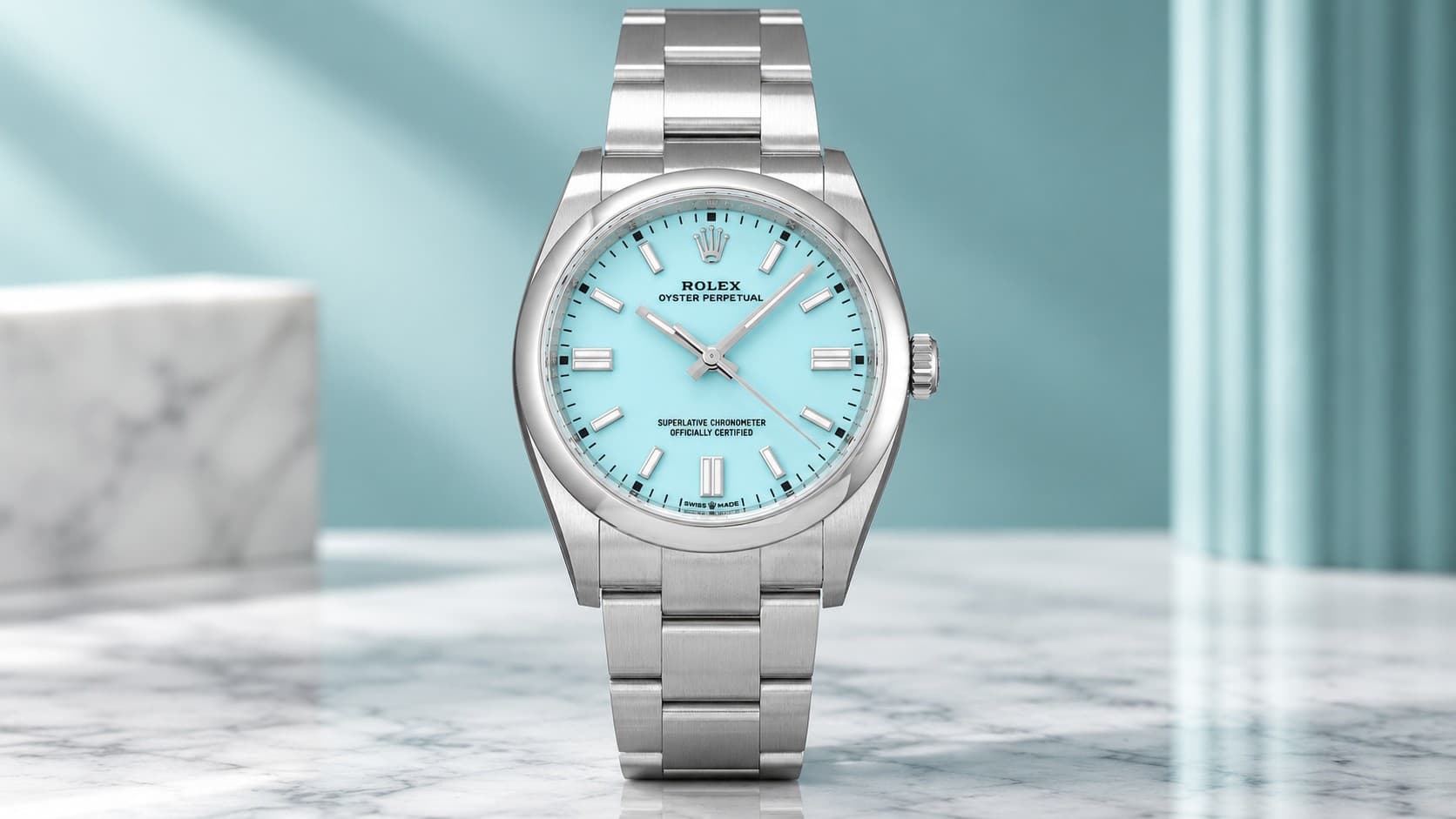
  • Rolex: Founded in 1905, Rolex has become perhaps the world’s most recognized luxury watch brand, known for reliability, prestige, and value retention. The company revolutionized watchmaking with innovations like the first waterproof watch case (Oyster, 1926) and the perpetual self-winding movement (1931). Rolex produces approximately 800,000 watches annually, focusing on evolutionary refinement rather than radical redesigns. Signature models include the Submariner dive watch, the Datejust, and the Daytona chronograph, which regularly command premiums on the secondary market due to limited supply and high demand.
  • Patek Philippe: Established in 1839, Patek Philippe represents the apex of traditional Swiss haute horlogerie. Family-owned for four generations, the brand is renowned for creating some of the world’s most complicated mechanical watches and uncompromising quality standards. Patek’s philosophy—”You never actually own a Patek Philippe, you merely look after it for the next generation”—reflects their timepieces’ enduring value and collectability. Their annual production remains intentionally limited at around 60,000 pieces, with models like the Nautilus sports watch and Calatrava dress watch being particularly coveted.
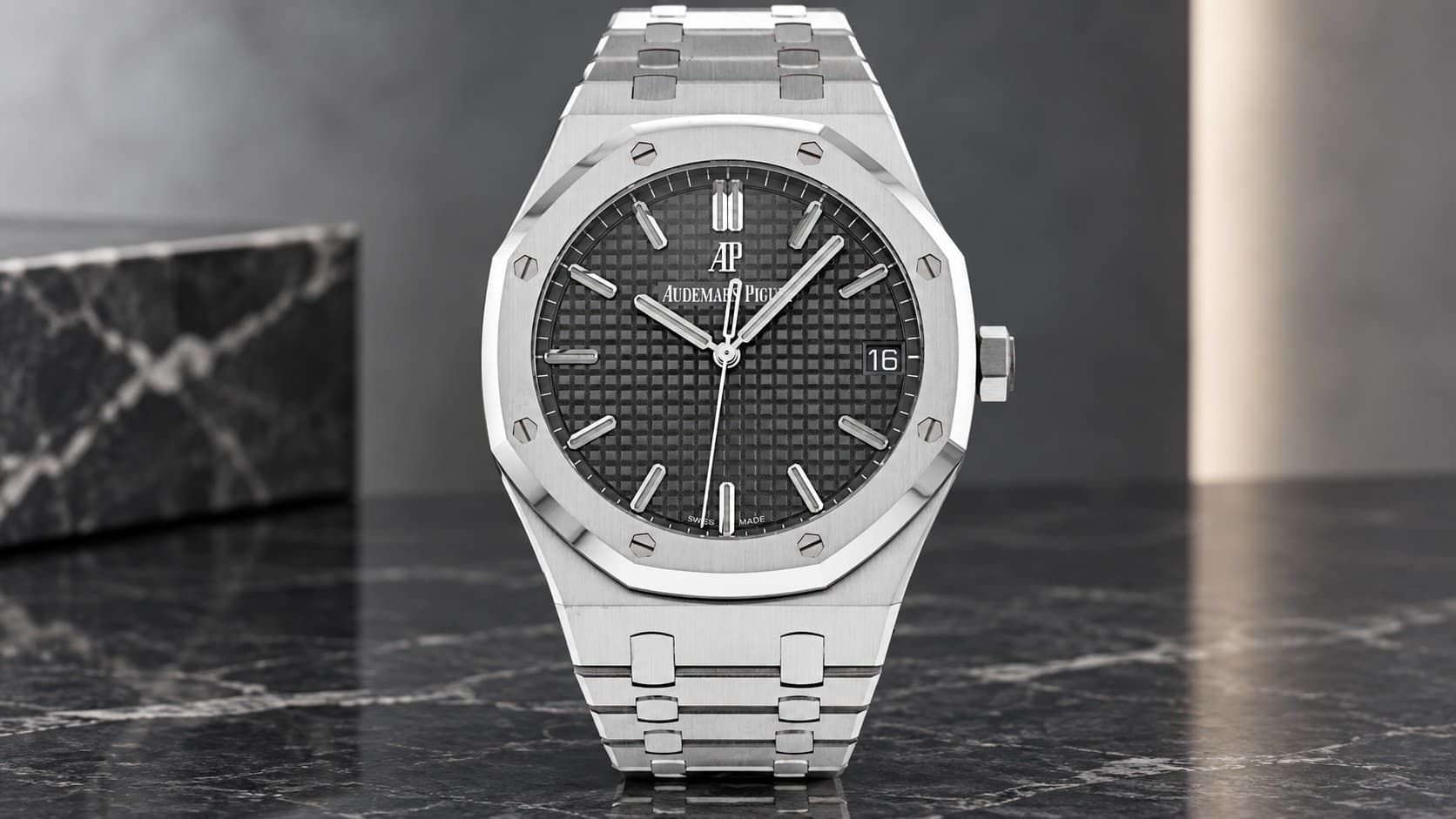
  • Audemars Piguet: Founded in 1875 in Switzerland’s Vallée de Joux, Audemars Piguet remains one of the few high-end watch manufacturers still owned by its founding families. The brand revolutionized the industry in 1972 with the Royal Oak, the first luxury sports watch made of stainless steel designed by Gerald Genta. Known for exceptional finishing, innovative complications, and distinctive design, AP produces approximately 40,000 watches annually. Their pieces combine traditional craftsmanship with contemporary aesthetics, appealing to collectors seeking both heritage and modern relevance.
  • Omega: With origins dating to 1848, Omega has achieved iconic status through technical innovation and cultural significance. The brand gained universal recognition as the first watch on the moon during NASA’s Apollo 11 mission in 1969. Omega pioneered the co-axial escapement, a significant advancement in mechanical watchmaking that reduces friction and improves long-term accuracy. With wider production than some ultra-luxury brands, Omega offers exceptional quality at relatively more accessible price points, with collections like the Speedmaster, Seamaster, and Constellation resonating with enthusiasts worldwide.
  • Vacheron Constantin: Established in 1755, Vacheron Constantin is the world’s oldest continuously operating watchmaker. The brand exemplifies traditional Geneva watchmaking at its finest, with an emphasis on elegant complications, artistic crafts like enameling and engraving, and exceptional movement finishing. Vacheron created some of history’s most complicated watches, including the Reference 57260 pocket watch with 57 complications. Their Patrimony and Overseas collections represent opposite ends of the design spectrum, from classical elegance to modern sportiness, all executed with characteristic refinement.
  • Jaeger-LeCoultre: Often called “the watchmaker’s watchmaker,” Jaeger-LeCoultre has created over 1,200 calibers and holds hundreds of patents since its 1833 founding. The manufacture has supplied movements to many other prestigious brands while creating distinctive models like the reversible Reverso (1931) and ultra-thin Master collection. JLC is renowned for vertical integration—controlling every aspect of watchmaking from raw materials to finished timepieces—and exceptional technical creativity, demonstrated in complications like the Gyrotourbillon and Hybris Mechanica series.
  • A. Lange & Söhne: Representing German rather than Swiss watchmaking traditions, A. Lange & Söhne was established in 1845, shut down during East German communist rule, then gloriously revived in 1990 after German reunification. The brand’s distinctive aesthetic features German silver plates, hand-engraved balance cocks, and asymmetrical dial layouts. Lange watches are known for exceptional movement architecture visible through sapphire casebacks, with the Lange 1, Datograph, and Zeitwerk collections demonstrating the brand’s independent approach to haute horlogerie.
  • Cartier: While primarily known as a jeweler, Cartier has made significant contributions to watchmaking since creating one of the first purpose-designed men’s wristwatches (the Santos) in 1904. The brand combines French design sensibility with Swiss technical expertise, producing instantly recognizable models like the rectangular Tank and elegant Ballon Bleu. Cartier has increasingly gained respect among serious collectors by developing sophisticated in-house movements while maintaining their distinctive aesthetic identity at the intersection of jewelry and horology.
  • IWC Schaffhausen: Founded by an American watchmaker in Switzerland in 1868, International Watch Company blends Swiss precision with German-influenced engineering. The brand specializes in technically robust timepieces, particularly pilot’s watches and diver’s models designed for professional use. IWC’s Portugieser, Pilot’s Watch, and Aquatimer collections feature clean, legible designs and innovative technical solutions. Their larger case sizes and focus on functionality have earned them a reputation for creating “watches that can do something” beyond merely telling time.
  • Grand Seiko: Though established in 1960, Grand Seiko has recently gained international recognition as a true luxury brand distinct from its parent company’s mass-market offerings. Representing Japanese perfectionism, Grand Seiko watches feature exceptional movement innovation (including Spring Drive technology combining mechanical and electronic elements), unparalleled dial finishing, and distinctive design philosophy inspired by Japanese aesthetics. Their timepieces offer tremendous value with quality that rivals or exceeds many Swiss brands at comparable price points.

These prestigious manufacturers represent different approaches to luxury watchmaking, from heritage-focused traditionalism to technical innovation. Each brand has cultivated a distinctive identity while maintaining the exceptional standards that define true luxury timepieces. For collectors and enthusiasts, understanding these brand positions provides essential context when evaluating potential acquisitions. While this overview includes many important names, the luxury watch world encompasses numerous other worthy brands with compelling offerings, from established houses like Breguet and Blancpain to independent artisans like F.P. Journe and Philippe Dufour, each contributing to the rich tapestry of fine watchmaking.

The Investment Potential of Luxury Watches

The financial dimension of luxury watch ownership has gained increasing attention as certain timepieces have demonstrated remarkable appreciation in value. While not all luxury watches should be purchased solely as investments, understanding the potential financial aspects adds an important dimension to collecting. Unlike many luxury goods that depreciate immediately after purchase, quality timepieces can maintain or increase their worth under the right conditions. This investment potential stems from a unique combination of factors including craftsmanship, brand prestige, limited supply, and growing global demand for exceptional watches.

  • Value Retention vs. Mass-Market Watches: Unlike standard consumer watches that typically lose significant value immediately after purchase, quality luxury timepieces often retain much of their retail value or even appreciate over time. This stability stems from their intrinsic quality, the prestige of established brands, and controlled production volumes that maintain exclusivity. While not all luxury watches will increase in value, they generally depreciate far less than mass-produced alternatives, making them more financially sound acquisitions for those who can afford the initial investment.
  • Brand Recognition and Prestige: Certain brands consistently outperform others in value retention and appreciation. Rolex, Patek Philippe, and Audemars Piguet lead in investment potential, with specific models like the Rolex Daytona, Patek Philippe Nautilus, and Audemars Piguet Royal Oak showing particularly strong performance. These brands maintain strict control over production, distribution, and pricing, creating consistent demand that supports secondary market values. Their established reputations also provide confidence to buyers regarding authenticity and quality, crucial factors in maintaining value.
  • Limited Production and Scarcity: Watches produced in limited quantities naturally become more valuable as demand exceeds supply. Officially limited edition models often appreciate quickly, but even standard production models from prestigious brands can become increasingly scarce over time. Rolex, for instance, produces approximately 800,000 watches annually across all collections—a fraction of the global demand for their timepieces. This controlled scarcity, combined with growing worldwide interest in luxury watches, creates favorable conditions for value appreciation.
  • Discontinued Models and Vintage Appeal: When manufacturers discontinue popular models, remaining examples often see significant price increases. Recent examples include the Patek Philippe Nautilus 5711 and Rolex Submariner 116610, both of which appreciated substantially following replacement with new references. Vintage watches with historical significance, original documentation, and excellent condition have shown remarkable long-term appreciation, with rare examples fetching millions at auction. This vintage market has matured significantly, with knowledgeable collectors seeking pieces with documented provenance and authenticity.
  • Condition and Originality: The investment potential of any watch depends heavily on its condition and originality. Timepieces with original parts, minimal polishing, complete documentation (box and papers), and regular professional servicing command the highest prices. Modifications, replacement parts, or excessive wear can dramatically reduce value. For vintage pieces, collectors generally prefer watches with original, unrestored dials showing natural patina rather than refinished components, highlighting the importance of sympathetic maintenance rather than extensive restoration.
  • Market Volatility and Trends: Like any investment market, luxury watches experience fluctuations influenced by economic conditions, changing tastes, and collecting trends. The period from 2020-2022 saw unprecedented appreciation for certain models, followed by market corrections in late 2022 and 2023. These fluctuations demonstrate that timing can significantly impact returns. Long-term appreciation tends to be steadier than short-term speculation, with the most prestigious brands showing resilience during market downturns compared to newer or less established manufacturers.
  • Portfolio Diversification Benefits: For some investors, luxury watches offer portfolio diversification beyond traditional assets like stocks, bonds, and real estate. Watches represent tangible assets that can be enjoyed while potentially appreciating—something not possible with most financial investments. During periods of high inflation or currency volatility, physical assets like precious metal watches can provide a hedge against purchasing power erosion. However, watches lack the liquidity of financial assets and typically involve higher transaction costs when buying or selling.
  • Auction Performance and Record Sales: Major auction houses like Phillips, Christie’s, and Sotheby’s have seen record-breaking sales for exceptional timepieces, reinforcing the investment narrative. Notable examples include the Patek Philippe Grandmaster Chime Ref. 6300A-010 selling for $31 million in 2019 and Paul Newman’s personal Rolex Daytona reaching $17.8 million in 2017. While these represent extreme outliers, they demonstrate the potential for extraordinary appreciation under ideal circumstances—rare models with important provenance in exceptional condition.
  • Authentication and Provenance Challenges: The growing investment appeal of luxury watches has unfortunately led to an increase in counterfeits and fraudulent sellers. Ensuring authenticity through trusted dealers, thorough documentation, and expert verification has become essential for protecting watch investments. This challenge has also spurred technological innovations in authenticity verification, including blockchain-based ownership records and enhanced manufacturer documentation to combat sophisticated replica production.

While the investment potential of luxury watches is real, it should be approached with knowledge and realistic expectations. Not all luxury watches will appreciate, and market conditions can change rapidly. The most successful watch investors typically combine genuine passion for horology with patient, research-based acquisition strategies. They understand that the primary value of fine timepieces comes from the craftsmanship, heritage, and enjoyment they provide—with potential financial appreciation representing a welcome bonus rather than the sole purpose of collecting. For most enthusiasts, building a collection based on personal preference while being mindful of quality, condition, and provenance offers the most satisfying balance between passion and prudent acquisition.

Buying Your First Luxury Watch

Purchasing your first luxury watch represents a significant milestone—both as a personal indulgence and potentially as the beginning of a collecting journey. This decision merits thoughtful consideration beyond impulse buying, as it involves substantial investment in an item you’ll likely wear regularly for years or even decades. The right choice balances personal taste with practical considerations, brand heritage, and long-term value. While preferences vary widely, certain guidelines can help navigate the overwhelming variety of options and ensure your first fine timepiece brings lasting satisfaction.

  • Establish a Realistic Budget: Before exploring specific models, determine how much you’re comfortable spending on your first luxury watch. Entry-level luxury typically begins around $2,000-$5,000 with brands like Longines, Tudor, or Oris, while established prestige brands like Rolex, Omega, and Cartier generally start from $5,000-$10,000. Be honest about your financial situation and avoid overextending yourself. Remember to factor in potential additional costs like insurance and periodic servicing, which can add 5-10% of the purchase price over time.
  • Consider Your Lifestyle and Wearing Habits: Choose a watch that aligns with your daily activities and wardrobe. If you work in formal business environments, a classic dress watch on a leather strap might serve you best. For active lifestyles or frequent water exposure, a sports model with greater water resistance would be more practical. Consider case diameter relative to your wrist size—generally 36-41mm works for most men, while 28-36mm suits most women, though preferences vary widely. The most versatile first luxury watch tends to be one you can wear in both casual and more formal settings.
  • Research Brand Heritage and Reputation: Established brands with long histories generally offer more reliable value retention and after-sales support. Research the heritage and specialties of different manufacturers to understand what makes them distinctive. Some brands focus on innovative technology, others on traditional craftsmanship or distinctive design. Understanding these brand identities helps identify which aligns best with your personal values and preferences. The prestige associated with various brands also varies by region and social context, which may be relevant depending on your circumstances.
  • Movement Considerations: Decide whether you prefer mechanical or quartz movements. Mechanical watches (either manual-winding or automatic) represent traditional watchmaking craftsmanship and typically hold value better, but require more maintenance and won’t match the absolute accuracy of quartz. Quartz watches offer superior precision, lower maintenance, and often lower prices, but generally lack the collecting appeal of mechanical timepieces. For a first luxury purchase, many enthusiasts recommend automatic mechanical movements as they provide traditional craftsmanship with everyday convenience.
  • Try Before Buying: Whenever possible, visit authorized dealers to try on watches you’re considering. Photos and specifications cannot substitute for experiencing how a watch feels on your wrist. Pay attention to comfort, weight, how it fits under shirt cuffs, and readability of the dial. A watch that looks perfect online may feel uncomfortable or appear too large or small when worn. Many enthusiasts find that certain brands consistently fit their wrist shape better than others, regardless of case size specifications.
  • Consider Versatility and Timelessness: For a first luxury watch, many experts recommend choosing something with classic styling rather than following current trends. Fashion-forward designs can quickly appear dated, while classic models remain relevant decade after decade. Neutral colors and versatile case sizes generally make better first purchases than unusual colors or extreme dimensions. Iconic models like the Rolex Datejust, Omega Speedmaster, or Cartier Tank have remained stylish for generations and show no signs of losing their appeal.
  • New vs. Pre-Owned Considerations: The pre-owned market offers significant value opportunities, particularly for discontinued models or brands that experience substantial retail markups. However, first-time buyers should approach the secondary market cautiously, purchasing only from reputable dealers who provide authentication and some form of warranty. New watches from authorized dealers include full manufacturer warranties and the experience of being the first owner, which many collectors value despite the premium price.
  • Servicing Requirements and Availability: Research the maintenance needs and service intervals for watches you’re considering. Mechanical watches typically require servicing every 5-10 years, which can cost $500-$1,500 depending on the brand and complexity. Some manufacturers have limited service centers, potentially creating inconvenience and longer wait times. Brands with more extensive service networks generally provide better long-term ownership experiences, particularly for those who travel frequently or live outside major metropolitan areas.
  • Consider Long-Term Ownership Costs: Beyond the purchase price, luxury watches involve ongoing expenses that vary significantly between brands and models. Complex watches with numerous complications cost more to service than simple time-only models. Some brands charge substantially more for maintenance than others, even for similar types of watches. Watches with proprietary or unusual components may become increasingly difficult and expensive to service as they age. These factors should influence your decision, particularly if you plan to keep the watch for many years.

Selecting your first luxury watch shouldn’t be rushed—take time to research thoroughly, try different options, and reflect on which piece resonates most deeply with your personal style and values. Many enthusiasts recommend following a “one-year rule”: monitor the models you’re interested in for a year before purchasing to ensure your attraction isn’t merely temporary infatuation. Remember that the perfect first luxury watch is ultimately the one that brings you joy each time you glance at your wrist, regardless of trends or others’ opinions. While considering potential value retention is sensible, prioritize choosing a watch you’ll genuinely appreciate wearing regularly rather than one purchased solely as an investment. With thoughtful consideration, your first luxury timepiece can become both a daily companion and the foundation of a rewarding collecting journey.

How to Care for and Maintain Luxury Watches

Luxury sports chronograph watch featuring black dial, stainless steel case with gold accents, and black leather strap

A fine timepiece represents not just a significant financial investment but also a mechanical marvel designed to operate reliably for generations when properly maintained. Unlike disposable consumer goods, luxury watches are created with longevity in mind, containing components engineered to function for decades. However, this potential durability depends entirely on appropriate care throughout the ownership experience. Understanding proper maintenance practices ensures your luxury watch remains both beautiful and accurate while potentially appreciating in value over time. Regular care preserves both the aesthetic appeal and mechanical integrity of these precision instruments.

  • Regular Professional Servicing: Mechanical luxury watches require periodic maintenance by qualified watchmakers, typically every 5-7 years (though specific intervals vary by manufacturer). During servicing, the movement is completely disassembled, cleaned, lubricated, and reassembled, with worn parts replaced as needed. This prevents excessive wear and maintains optimal performance. While costly ($500-$1,500 depending on complexity), professional servicing is essential for long-term reliability and value preservation. Always use manufacturer-authorized service centers or reputable independent watchmakers with experience servicing your specific brand.
  • Water Resistance Maintenance: Water resistance ratings are not permanent characteristics but require periodic testing and gasket replacement to maintain. Even watches with significant water resistance ratings (100m or greater) should have their seals tested annually if regularly exposed to water. Never operate the crown or pushers underwater unless specifically designed for this purpose (as with certain dive watches). Have water resistance verified after any case opening, including battery changes for quartz watches. Remember that temperature extremes, such as hot showers or saunas, can compromise water resistance even without submerging the watch.
  • Daily Winding and Setting Practices: For manual-wind watches, establish a consistent daily winding routine, ideally at the same time each day. Wind gently until resistance is felt—never force the crown. For automatic watches worn daily, no regular winding is necessary, but those worn irregularly benefit from occasional manual winding or storage on a watch winder. When setting the time, always advance forward rather than backward, especially when adjusting the date. For watches with complications, consult the manual regarding safe setting procedures, as adjusting certain functions during specific time periods can damage the movement.
  • Proper Cleaning Techniques: Clean your watch regularly to prevent dirt accumulation that can damage both aesthetics and functionality. For water-resistant models, use a soft brush with mild soap and warm water to clean the case and bracelet, followed by thorough rinsing and gentle drying. For watches with limited water resistance, use a slightly damp microfiber cloth, avoiding direct water contact. Clean leather straps with products specifically designed for fine leather, and allow them to air dry naturally. Never use chemicals, ultrasonic cleaners, or abrasive materials unless specifically recommended by the manufacturer.
  • Storage Considerations: When not being worn, store luxury watches in a controlled environment away from extremes of temperature, humidity, and direct sunlight. Use a dedicated watch box with individual compartments to prevent watches from contacting each other, which can cause scratches. For extended storage, consider a quality watch safe that protects against theft while controlling humidity. Store watches with leather straps flat rather than clasped to prevent deformation of the leather. For collections including multiple automatic watches, a quality watch winder keeps them running without manual intervention while preventing lubricant stagnation.
  • Magnetism and Shock Protection: Modern life exposes watches to numerous magnetic fields from electronic devices, which can seriously affect accuracy. Keep luxury watches away from speakers, magnetic clasps, refrigerators, and other magnetic sources. Some high-end watches incorporate antimagnetic features, but even these have limitations. Similarly, while many luxury watches include shock protection systems, avoid exposing your timepiece to extreme impacts or vibrations from activities like golf, tennis, or operating power tools, which can damage delicate components despite protective systems.
  • Strap and Bracelet Maintenance: Metal bracelets benefit from occasional cleaning to remove accumulated dirt, sweat, and oils that can cause premature wear or skin irritation. For water-resistant watches, clean bracelets with mild soap and water, using a soft brush for hard-to-reach areas between links. Dry thoroughly and consider applying a light coating of watch-specific silicone spray to maintain smooth operation of clasps and articulating links. Leather straps require different care—keep them dry, avoid prolonged exposure to sweat, and apply appropriate leather conditioners periodically. Consider owning multiple straps for watches worn in varied conditions, switching to rubber or NATO straps for activities involving water or heavy perspiration.
  • Traveling with Luxury Watches: When traveling with valuable timepieces, use protective cases designed specifically for watches. Single-watch travel cases provide excellent protection for daily wear pieces, while multi-watch cases accommodate collection rotation during extended trips. Consider the security implications of traveling with visibly valuable watches in unfamiliar locations. For international travel, keep purchase documentation accessible to demonstrate ownership when crossing borders. Adjust mechanical watches to new time zones by advancing the time forward, never backward, to prevent mechanism damage. Some travelers prefer to wear less valuable timepieces in unfamiliar environments to reduce theft risk.
  • Insurance and Documentation: Protect your investment through proper insurance coverage specifically designed for luxury watches. Standard homeowner’s policies often have limitations for high-value items, requiring separate riders or specialized jewelry insurance. Maintain comprehensive documentation including original purchase receipts, warranty cards, appraisals, service records, and clear photographs showing the watch from multiple angles, including any distinctive serial numbers or identifying features. Store this documentation securely, ideally in both physical and digital formats with appropriate backups.
  • Understanding Movement Specifics: Different watch movements have specific maintenance requirements. For instance, chronograph functions should be exercised periodically but not left running continuously. Perpetual calendars require special attention during setting and should never be adjusted during certain time windows (typically between 8 PM and 3 AM) when the date change mechanisms are engaged. Complicated watches often have specific operational protocols outlined in their manuals—these should be studied and followed precisely to prevent unintentional damage to sophisticated mechanisms that can be extremely costly to repair.

Proper care of a luxury watch transforms ownership from a temporary pleasure into a multi-generational legacy. Beyond preserving monetary value, regular maintenance ensures you experience the full pleasure of owning exceptional timepieces that function as intended by their creators. The relationship between owner and watch involves a certain stewardship—these mechanical marvels represent centuries of evolving craftsmanship designed to mark time far beyond a single lifetime when given appropriate attention. Many collectors discover that the ritual aspects of watch care—the winding, cleaning, and mindful wearing—become satisfying aspects of ownership that deepen appreciation for horological craftsmanship. A well-maintained luxury watch doesn’t merely survive through decades; it continues to provide accurate timekeeping, aesthetic pleasure, and the special connection to both personal and watchmaking history that makes these objects so much more meaningful than mass-produced alternatives.

How Luxury Watches Are Evolving for the Modern Era

The luxury watch industry stands at a fascinating crossroads, balancing centuries-old traditions with rapidly evolving technology and changing consumer preferences. While mechanical watchmaking has survived previous existential threats—most notably the quartz crisis of the 1970s—today’s challenges and opportunities are uniquely complex. Digital disruption, sustainability concerns, shifting demographics, and global economic uncertainties all influence the trajectory of fine watchmaking. Yet despite predictions of obsolescence in an increasingly connected world, luxury mechanical watches continue to thrive, suggesting an enduring appeal that transcends mere timekeeping functionality.

  • Smart Technology Integration: Traditional watchmakers are exploring various approaches to incorporate smart features without abandoning mechanical craftsmanship. Some brands have developed hybrid watches combining mechanical movements with discreet electronic components that provide activity tracking or notification capabilities. Others offer interchangeable mechanical and smart modules within the same watch case, allowing wearers to switch between traditional and connected functionality. However, most prestigious manufacturers maintain focus on purely mechanical excellence, positioning their creations as deliberate alternatives to disposable technology rather than attempting to compete directly with smartwatches.
  • Materials Innovation: Luxury watchmaking increasingly incorporates advanced materials science beyond traditional precious metals. Carbon composites, ceramic, titanium alloys, and proprietary metals like Rolex’s Oystersteel or Omega’s Sedna gold offer improved performance characteristics including enhanced hardness, scratch resistance, and corrosion protection. Silicon components within movements provide antimagnetic properties and reduced friction without requiring lubrication. These technical advancements improve both durability and performance while allowing designers to explore new aesthetic directions through previously unavailable colors, textures, and physical properties.
  • Sustainability and Ethical Sourcing: Environmental and ethical considerations are reshaping luxury watch production. Manufacturers increasingly emphasize responsible sourcing of precious metals and gemstones, with some pioneering the use of recycled materials in cases and bracelets. Watchmakers like Panerai have introduced models made substantially from recycled components, while others focus on reducing environmental impact through manufacturing processes and packaging. Consumers—particularly younger generations—increasingly expect transparency regarding environmental footprint and ethical practices, pushing established brands to reconsider longstanding production methods and supply chains.
  • Direct-to-Consumer Models: The traditional distribution model of authorized dealers and boutiques faces disruption from direct-to-consumer approaches. Several emerging luxury watch brands bypass traditional retail entirely, selling exclusively online and passing portions of the resulting cost savings to consumers. Established manufacturers have responded by strengthening their own e-commerce capabilities while restructuring dealer networks to enhance the experiential aspects of in-person shopping. This evolution creates both challenges and opportunities for the industry, potentially broadening access to luxury timepieces while raising questions about authentication, service support, and the tactile experience of selecting fine watches.
  • Changing Demographics and Global Markets: The typical luxury watch consumer is evolving, with growing importance of younger collectors and female enthusiasts in previously male-dominated segments. Manufacturers are adapting by creating more diverse sizing options, design aesthetics, and marketing approaches. Geographically, while traditional markets in Europe and North America remain significant, Asia-Pacific regions—particularly China, Japan, and Southeast Asia—represent crucial growth opportunities. Cultural differences in these markets influence everything from case sizes and design preferences to distribution strategies and brand positioning.
  • Resurgence of Independent Watchmakers: Independent watchmakers and microbrands have gained prominence alongside established houses, offering distinctive alternatives to mainstream luxury. Master watchmakers like F.P. Journe, Philippe Dufour, and Roger Smith create timepieces in extremely limited quantities, often with years-long waiting lists despite extraordinary prices. Meanwhile, more accessible independent brands leverage social media and online communities to build passionate followings. This diversification enriches the horological landscape while challenging larger manufacturers to demonstrate their unique value propositions in an increasingly crowded marketplace.
  • Pre-Owned Market Maturation: The secondary market for luxury watches has evolved from informal exchanges to a sophisticated ecosystem with dedicated platforms, authentication services, and price transparency. Established retailers increasingly embrace certified pre-owned offerings alongside new watches, recognizing both customer demand and strategic advantages in controlling their brands’ secondary market presence. This maturation provides greater security for buyers while influencing the primary market through real-time price discovery that affects both retail strategies and consumer purchasing decisions. Brands increasingly develop approaches to participate in value captured through secondary sales of their timepieces.
  • Experiential Luxury and Digital Engagement: Watch manufacturers increasingly recognize that modern luxury encompasses experiences beyond physical products. Many brands now offer museum tours, watchmaking classes, collector events, and digital content that deepen customer engagement with their heritage and craftsmanship. Social media communities and forums have democratized information sharing while creating new forms of status demonstration beyond physical watch ownership. Virtual experiences, including augmented reality try-on features and detailed digital model exploration, supplement traditional retail while reaching enthusiasts worldwide regardless of proximity to boutiques.

The future of luxury watches likely involves continued evolution rather than revolution—balancing respectful preservation of horological traditions with thoughtful adaptation to contemporary contexts. The most successful brands will maintain their core identities while selectively embracing innovations that enhance rather than compromise their distinctive character. Despite technological alternatives for timekeeping, luxury watches have secured their position as meaningful objects representing human ingenuity, craftsmanship, and continuity in an increasingly ephemeral digital world. As personal statements, investments, and connections to centuries of design and technical evolution, mechanical timepieces seem poised to maintain their relevance for generations to come, even as their specific forms and functions continue to evolve alongside the societies that create and cherish them.

Conclusion

Luxury watches occupy a unique position at the intersection of functional tools, artistic expressions, and investment assets. They represent one of the few consumer products that can transcend their utilitarian purpose to become both personal statements and potential family heirlooms. While digital devices may have supplanted mechanical watches for pure timekeeping accuracy, the enduring appeal of fine timepieces speaks to deeper human desires—for craftsmanship in an age of mass production, for permanence in a disposable culture, and for tangible connections to traditions spanning centuries. Understanding what defines true luxury in watchmaking provides not just knowledge for potential purchases but appreciation for an exceptional form of human creativity and precision.

The extraordinary longevity of many luxury watch designs—with models like the Rolex Submariner, Omega Speedmaster, or Cartier Tank remaining essentially unchanged for decades—demonstrates their transcendence beyond fashion into something approaching timelessness. This continuity stands in stark contrast to many contemporary consumption patterns, offering an alternative perspective on value that emphasizes quality over novelty and heritage over trends. When properly maintained, these mechanical masterpieces continue functioning generation after generation, marking time while simultaneously defying it through their enduring relevance.

Whether your interest in luxury watches stems from appreciation for mechanical ingenuity, desire for distinctive personal style, or consideration of diversified investment strategies, the world of fine timepieces rewards thoughtful exploration. By understanding the defining characteristics of luxury watches, respecting their historical context, recognizing what distinguishes truly exceptional manufacturers, and committing to proper care, you transform ownership from simple consumption into meaningful stewardship. In doing so, you participate in a tradition spanning centuries—not merely wearing a status symbol, but carrying forward human creativity and craftsmanship elegantly expressed through the art of measuring time.

Nobbier logo

Subscribe To Our Weekly Newsletter

Get notified about new articles