China makes more watches than any other country on Earth, but most people only know a handful of names from Switzerland or Japan. That gap exists partly because Chinese watchmaking spent decades supplying parts and finished pieces to other brands quietly, instead of putting its own name on the dial. Today that has changed. Brands built in Tianjin, Shenzhen, and Shanghai now design their own movements, win international design awards, and sell watches that stand up against pieces costing three or four times as much. Understanding where these brands came from, and which ones actually make their own mechanics, helps explain why Chinese watches have earned a real place in the conversation.
What Are the Best Known Chinese Watch Brands?
The most recognized Chinese watch brands are Seagull, CIGA Design, FIYTA, Shanghai Watch, and Beijing Watch. Each one represents a different chapter of China’s watch story, from state-founded factories built in the 1950s to design-first startups that launched in the last ten years.
Seagull is the oldest and largest name, and it still builds the mechanical movements that power watches from many smaller Chinese labels. FIYTA grew out of the aviation industry and became the first Chinese watch company to list on a stock exchange. CIGA Design is the newest of the group, and it broke through by focusing on bold, sculptural designs rather than heritage. Shanghai Watch and Beijing Watch are older state factories, both founded in 1958, that still produce their own calibers today, including some with tourbillons and other advanced complications. Shanghai Watch has a famous backstory too: its early A581 model was the watch worn by Chinese premier Zhou Enlai for decades, which made owning a Shanghai watch a quiet status symbol among Communist Party officials.
Between them, these five companies cover almost every price point and style, from a $60 quartz watch to a hand-finished tourbillon costing several thousand dollars.
| Brand | Founded | Known For | Typical Price Range |
|---|---|---|---|
| Seagull | 1955, Tianjin | In-house mechanical movements, the Seagull 1963 chronograph | $60–$1,000+ |
| Shanghai Watch | 1958, Shanghai | Historic state factory, in-house tourbillons | $200–$2,000+ |
| Beijing Watch | 1958, Beijing | High-complexity in-house calibers, now under FIYTA | $300–$2,500+ |
| FIYTA | 1987, Shenzhen | Aviation-inspired design, first Chinese watch company to go public | $150–$1,500 |
| CIGA Design | 2016, Shenzhen | Award-winning industrial design, modified Seagull or Miyota movements | $200–$1,500 |
How Chinese Watchmaking Got Its Start
Chinese watchmaking began in 1955, when the government ordered a small team of craftsmen to build the country’s first wristwatch. Before that, China could repair watches but had never manufactured one from scratch.
Four specialists worked in a small Tianjin workshop with basic tools to produce that first watch, called the Wuxing, or “Five Star.” It took until March of that year to finish. The project mattered because it proved China did not need to import every watch from Switzerland or elsewhere. That workshop eventually grew into what is now called Tianjin Seagull Watch Group, and the brand name on the dial changed several times before “Seagull” stuck for good in 1974.
| Years | Brand Name Used |
|---|---|
| 1955–1958 | WuXing (Five Star) |
| 1958–1966 | WuYi |
| 1966–1974 | Dong Feng (East Wind) |
| 1974–present | Seagull |
By the end of the 1950s, seven more state watch factories had opened across the country, in cities including Shanghai, Beijing, Guangzhou, and Nanjing. A few years after that first wristwatch, the Tianjin factory built China’s first aviation chronograph for Air Force pilots under a secret program called Project 304. About 1,400 units were delivered to active pilots, and that same design is sold today as the Seagull 1963.
Is Seagull a Reliable Watch Brand?
Seagull is a genuinely good watch brand, especially for the price. It builds its own mechanical movements in-house, which very few companies at any price point can claim to do.
The company now produces around a quarter of all mechanical watch movements made in the world, supplying not just its own watches but also parts used by other brands. Its signature model, the Seagull 1963, uses a movement based on an old Swiss chronograph design and sells for a few hundred dollars, offering an automatic chronograph and a sapphire crystal at a price that would be hard to match from a Swiss competitor. Seagull also builds far more advanced pieces, including tourbillons and minute repeaters, showing that the low prices come from manufacturing scale rather than a lack of skill.
Is FIYTA Worth Buying?
FIYTA is a reliable and historically significant brand, best known as China’s watch supplier for its manned space program. It became the first Chinese watch company to list on a stock exchange, going public in Shenzhen in 1993.
Founded in 1987 as a small Shenzhen company, FIYTA now sits under the Aviation Industry Corporation of China (AVIC), a state-owned aerospace group that also builds fighter jets and commercial aircraft. That connection is not just branding: FIYTA has supplied watches for China’s crewed space missions since 2003, starting with the Shenzhou V flight, and its Spacemaster watch was worn by Zhai Zhigang during China’s first spacewalk in 2008. Because of that heritage, FIYTA markets itself as one of the world’s three major aerospace watch brands. In 2016, FIYTA also took ownership of Beijing Watch, bringing another historic in-house movement maker under its umbrella.
What Makes CIGA Design Different From Other Chinese Brands?
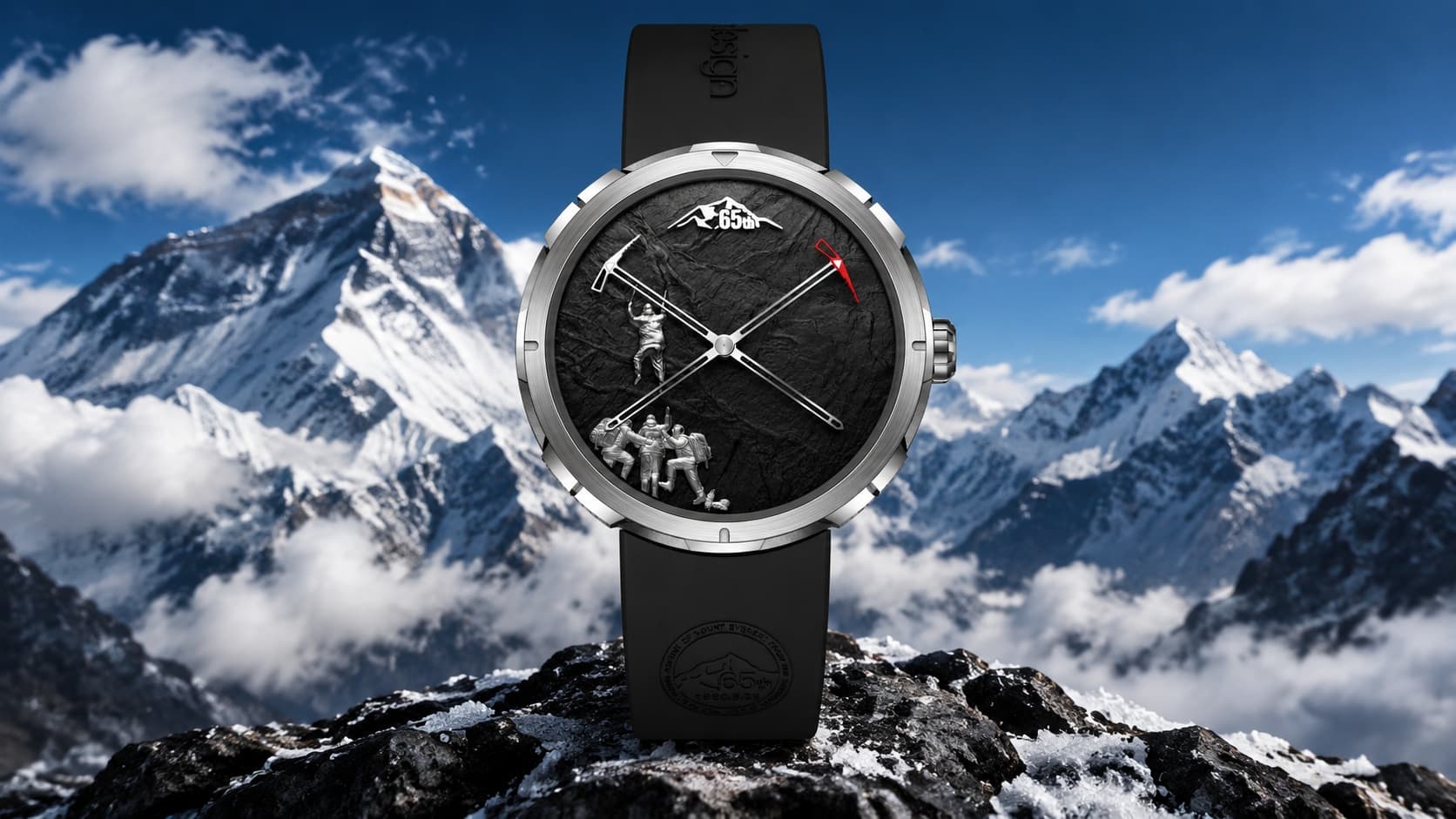
CIGA Design stands out because it treats watch design like industrial art, not tradition. Instead of copying classic European styles, it builds watches around bold shapes, exposed mechanics, and unusual materials.
The brand was founded in 2016 by Zhang Jianming, a designer with a background in urban design rather than classic horology. That outsider perspective shows in watches like the Series U Blue Planet, a piece with a rotating dome dial meant to represent Earth. In 2021, that watch won the Challenge Award at the Grand Prix d’Horlogerie de Genève, an award often compared to the Oscars of watchmaking, making CIGA Design the first Chinese brand ever to win there. Most CIGA Design watches use Seagull movements modified for the brand’s own case designs, though some models run Japanese Miyota movements instead.
Do Chinese Watch Brands Make Their Own Movements?
Yes, several major Chinese watch brands design and build their own mechanical movements rather than buying them from outside suppliers. This sets them apart from many fashion watch brands anywhere in the world that simply install a generic movement bought from a supplier.
Seagull is the clearest example, since its factory produces both movements and finished watches, and sells components to other companies as well. Shanghai Watch and Beijing Watch also manufacture their own calibers, including some with complications like tourbillons. That said, not every Chinese brand builds its own movements. Many smaller or newer companies, including some CIGA Design models, use movements bought from Seagull or from Japanese supplier Miyota and then build their own case, dial, and design around it. Buying a movement from a supplier is a completely normal practice in the watch industry and does not automatically mean lower quality.
Which Chinese Microbrands Are Worth Knowing?
The best-known Chinese microbrand watches come from San Martin and Pagani Design, two companies that skip building their own movements entirely and instead focus on case finishing, dial design, and value. This is a different segment of the industry than Seagull or CIGA Design, built around affordable homage watches rather than in-house engineering.
San Martin was founded in 2016 by Liao JiaMing, a watch enthusiast who spent his early months learning casework and dial production directly on factory floors before releasing the brand’s first bronze dive watch. The company moved to Dongguan a year later, a city dense with watch manufacturing, and built its reputation on sharp case chamfering and finishing that punches above its price point. Most San Martin models run on the Seiko NH35 automatic movement rather than a Chinese-made caliber, which keeps costs down while still delivering a reliable mechanical watch.
Pagani Design followed a similar path after its founding in Guangzhou in 2012. The brand produces homage designs inspired by well-known Swiss and Japanese luxury watches, paired with sapphire crystal, ceramic bezels, and Seiko NH35 or NH34 movements, and sells largely through Amazon and AliExpress at prices between $50 and $150. A few other names worth recognizing in this same space include Steeldive and Addiesdive, both known for dive watches tested to real depth ratings, and Baltany, which focuses on vintage military and field watch styles. None of these companies manufacture movements themselves, but their popularity shows that a large part of today’s Chinese watch market runs on smart sourcing and design rather than in-house manufacturing.
What Should You Know About Independent Chinese Watchmakers?
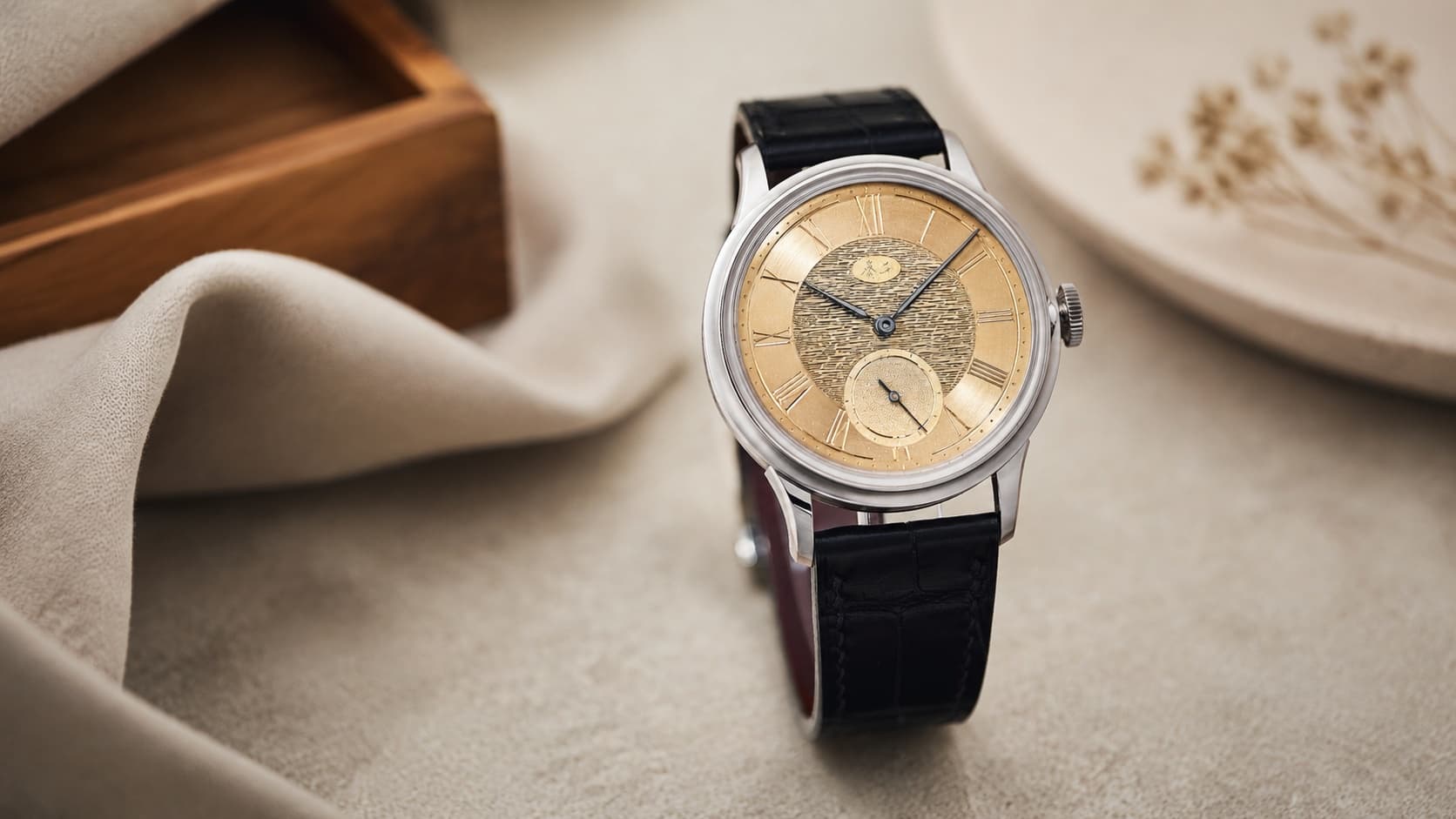
Independent Chinese watchmakers build watches almost entirely by hand, often as one-person or small-team operations, and they represent the highest level of skill in the country’s watch industry. These are not factory brands but individual craftspeople.
Names like Qin Gan, Kiu Tai Yu, and Tan Zehua are recognized internationally, with some belonging to the Academie Horlogere des Createurs Independants, a group that recognizes the world’s top independent watchmakers.
- Qin Gan – Based in Chongqing, known for highly refined, hand-finished dress watches such as the Pastorale, and for his earlier career restoring antique clocks.
- Kiu Tai Yu – The first Chinese watchmaker admitted to the AHCI, and the first Asian watchmaker to build a tourbillon, including his celebrated “mystery tourbillon” built without a visible cage or bridge.
- Tan Zehua – Builds his own escapements from scratch, a step that even some established Swiss brands skip in favor of buying parts.
Their pieces are made in tiny numbers and can cost as much as luxury Swiss watches, because the price reflects hours of hand-finishing rather than factory output. These watchmakers matter because they prove Chinese horology extends beyond affordable factory watches into genuine high-end craftsmanship.
Are Chinese Watches Reliable and Well Made?
Chinese watches range from low-cost quartz pieces to genuinely well-built mechanical watches, so quality depends entirely on the specific brand and model rather than the country of origin alone. Beyond the names covered above, brands like Rossini, founded in 1984 and long a fixture at international watch fairs, and Tian Wang, a Shenzhen manufacturer running since 1988, show how deep the country’s factory watchmaking bench actually runs.
A common myth is that anything made in China must be poorly built, but that idea does not hold up against brands like Seagull, which has been refining mechanical movements since the 1950s and now supplies parts used across the global watch industry. At the same time, plenty of cheap Chinese-made watches sold under obscure names do use lower-grade materials and basic movements, the same way cheap watches from any country can cut corners. The safest approach is judging a specific brand’s reputation, materials, and movement rather than assuming quality based on where the watch was assembled.
A handful of specific details separate a well-built Chinese watch from a poorly built one, regardless of the brand’s overall reputation.
- Movement origin – An in-house caliber from Seagull, Shanghai, or Beijing carries a different pedigree than a modified supplier movement, though neither option is automatically worse.
- Crystal material – Sapphire resists scratches far better than mineral or acrylic glass, and budget listings should state which one is used.
- Warranty and service support – Established brands with a real service network are a safer bet than unfamiliar names with no way to get repairs done later.
- Water resistance rating – An actual meter or ATM rating carries more weight than vague marketing language like “splash resistant.”
Frequently Asked Questions
What is the oldest Chinese watch brand?
Seagull is the oldest Chinese watch brand, tracing back to 1955 when a government-ordered team built China’s first wristwatch in Tianjin. The brand went through a few different names before settling on Seagull in 1974.
Which Chinese watch brand is best for beginners?
Seagull is a strong starting point because its watches are affordable, widely available, and use movements the company builds itself. The Seagull 1963 chronograph is a common recommendation for someone buying their first Chinese mechanical watch.
Do Chinese watch brands use real sapphire crystal?
Many do, including Seagull’s popular models, though budget watches at very low prices sometimes use mineral or acrylic crystal instead. Checking the specific product listing is the only reliable way to confirm which material a given watch uses.
Why are Chinese watches so much cheaper than Swiss watches?
Chinese watches are often cheaper because of lower labor and production costs, plus less spending on marketing and brand heritage compared to established Swiss houses. This does not automatically mean lower mechanical quality, since some Chinese brands manufacture their own movements just like their more expensive Swiss counterparts.
Is CIGA Design considered a luxury brand?
CIGA Design sits closer to accessible design-focused watches than traditional luxury, with most pieces priced in the hundreds to low thousands of dollars. Its international design awards have raised its profile, but it competes more with entry-level luxury brands than with names like Patek Philippe or Rolex.
Conclusion
Chinese watchmaking has grown from a single handmade wristwatch in 1955 into an industry that builds everything from budget quartz pieces to award-winning mechanical designs and hand-finished independent watches. Seagull remains the foundation of the industry, both through its own watches and the movements it supplies to other brands, while newer companies like CIGA Design show that Chinese design can compete on the world stage rather than just on price. The real takeaway is that judging any Chinese watch brand fairly means looking at its specific history, movement, and materials, not the outdated assumption that a country of origin decides quality on its own.