Nose rings have adorned human faces for thousands of years, representing cultural traditions, spiritual beliefs, and personal style choices. Today, nose rings remain one of the most popular forms of facial piercings worldwide, with countless designs and styles available to suit any aesthetic preference. Whether you’re considering getting your first nose piercing or looking to expand your jewelry collection, understanding the basics of nose rings will help you make informed choices about this distinctive form of self-expression.
What Is a Nose Ring?
A nose ring is any jewelry designed specifically to be worn in a pierced nose. Despite the “ring” in the name, nose rings come in many shapes beyond circular hoops, including studs, screws, bones, and more elaborate designs. The defining feature is that they require a pierced hole through nasal tissue to be worn properly and securely. These pieces are crafted specifically to fit the unique anatomy of the nose, balancing aesthetic appeal with comfort and safety.
- Nose rings differ from clip-on nose jewelry, which temporarily attaches to the nose without requiring a permanent piercing. True nose rings pass through a hole in the nasal tissue and include mechanisms to keep them securely in place.
- The most common nose ring placements are in the nostril and the septum, though other positions include the bridge, high nostril, and tip placements.
- Modern nose rings are typically made from biocompatible metals like surgical stainless steel, titanium, gold, or niobium to minimize the risk of allergic reactions and infections in the sensitive nasal tissue.
- Nose rings serve both decorative and sometimes cultural or spiritual purposes, with different styles and placements holding specific significance in various traditions around the world.
- The gauge or thickness of nose rings typically ranges from 18-22 gauge, with 20 gauge being the most common for nostril piercings and 16 gauge being standard for septum piercings.
Although nose rings have been worn for millennia across many cultures, their designs have evolved significantly with modern materials and manufacturing techniques. Today’s nose rings balance aesthetic appeal with comfort and safety, using biocompatible materials and ergonomic shapes that work harmoniously with the body’s natural anatomy. This evolution has made nose jewelry more accessible, comfortable, and versatile than ever before, contributing to its enduring popularity across generations and cultural backgrounds.
Different Types of Nose Rings
The world of nose rings includes numerous styles, each designed for specific placements, aesthetics, and practical needs. Understanding the different types helps you select the right jewelry for your particular piercing and lifestyle preferences. From subtle everyday pieces to bold statement jewelry, the variety available ensures options for every personal style and occasion.
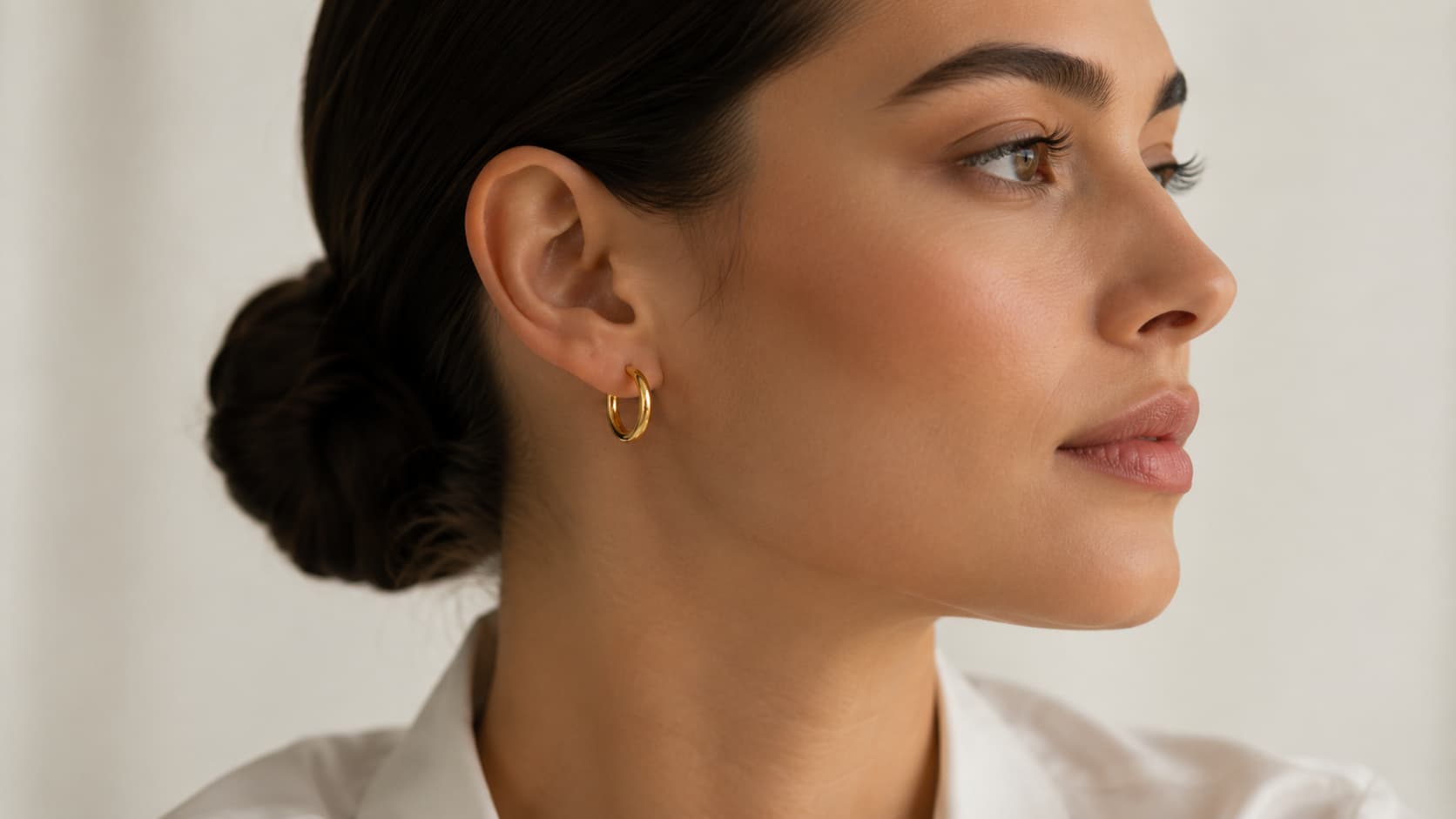
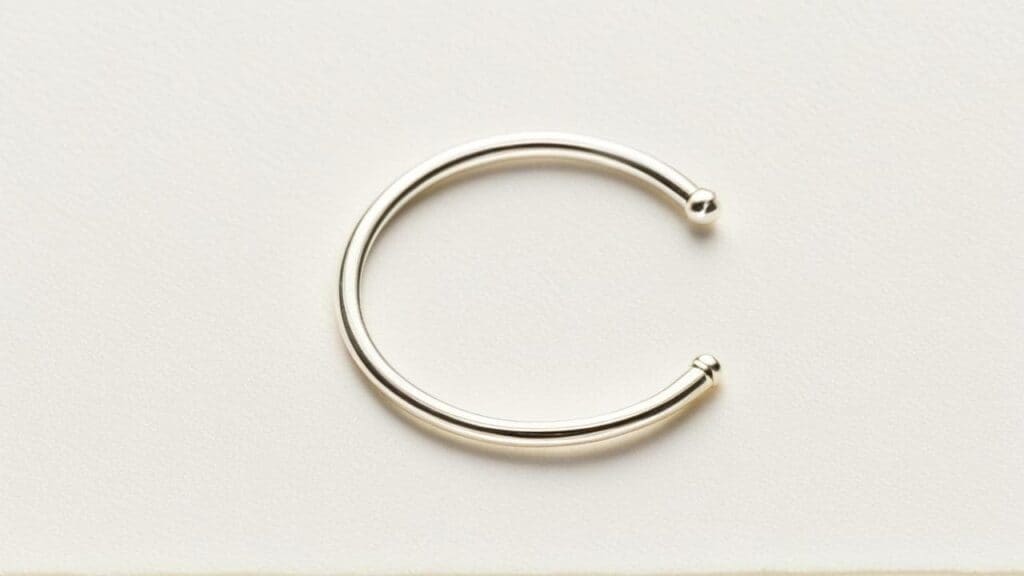
- Hoops/Circular Barbells: Traditional rings that form a complete or partial circle through the piercing. Sizes typically range from 6-12mm in diameter with various thicknesses. Variations include seamless rings, segment rings with a removable piece for insertion, and captive bead rings with a decorative bead held between the ring’s open ends.
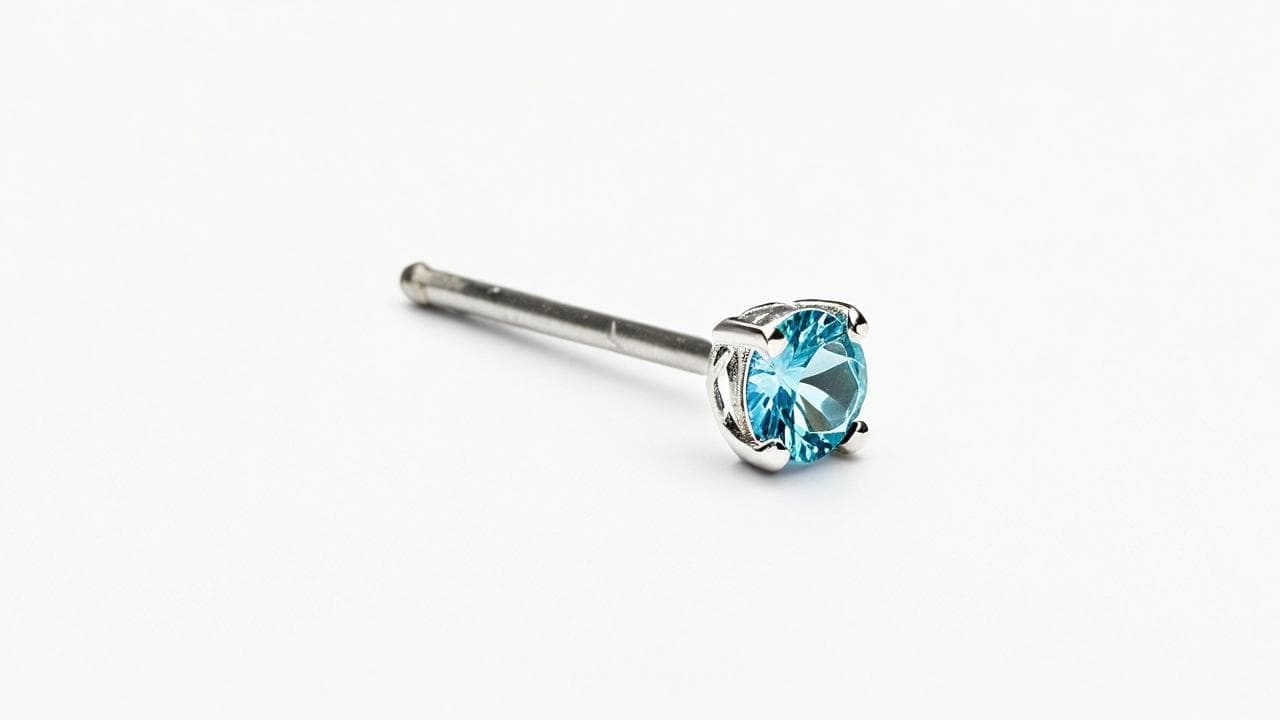
- Nostril Studs: Featuring a straight post with a decorative end visible outside the nose and a flat backing or slight bend on the inside to prevent the jewelry from falling out. These are ideal for fresh piercings and professional settings where subtle jewelry is preferred.
- Screws/Corkscrews: These have a spiral shape resembling a corkscrew that follows the inner contour of the nostril. The twisted design helps secure the jewelry in place, making these less likely to fall out during daily activities compared to straight studs.
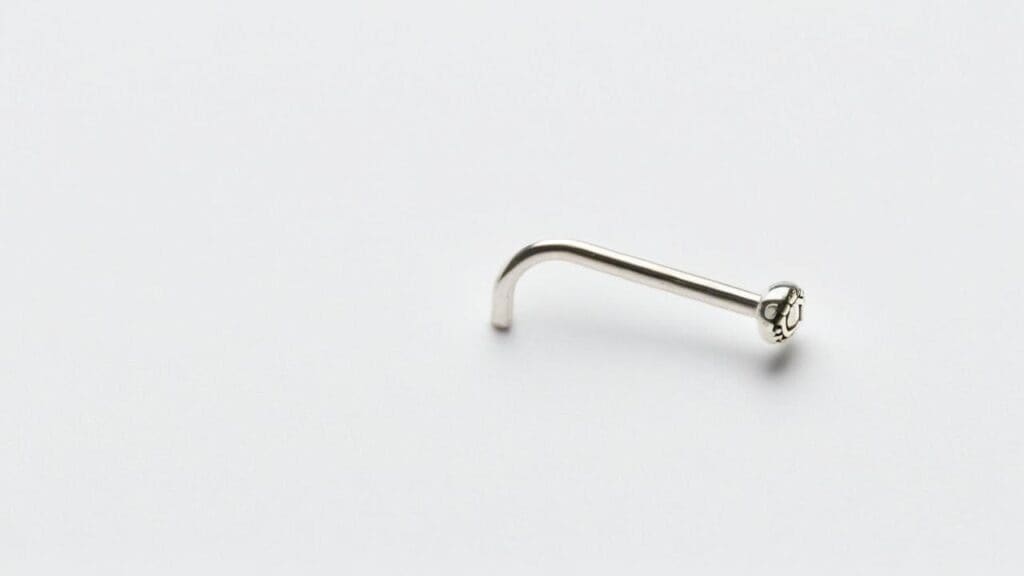
- L-Shaped Pins: Named for their 90-degree bend resembling an “L.” The decorative end sits outside the nose, while the bent portion secures inside the nostril. These are easier to insert than screws but may be more prone to falling out if bumped.
- Bone Style: Straight posts with a decorative end and a slightly larger ball or nodule at the other end. This larger end must be pushed through the piercing for insertion and removal, which helps keep the jewelry secure during wear.
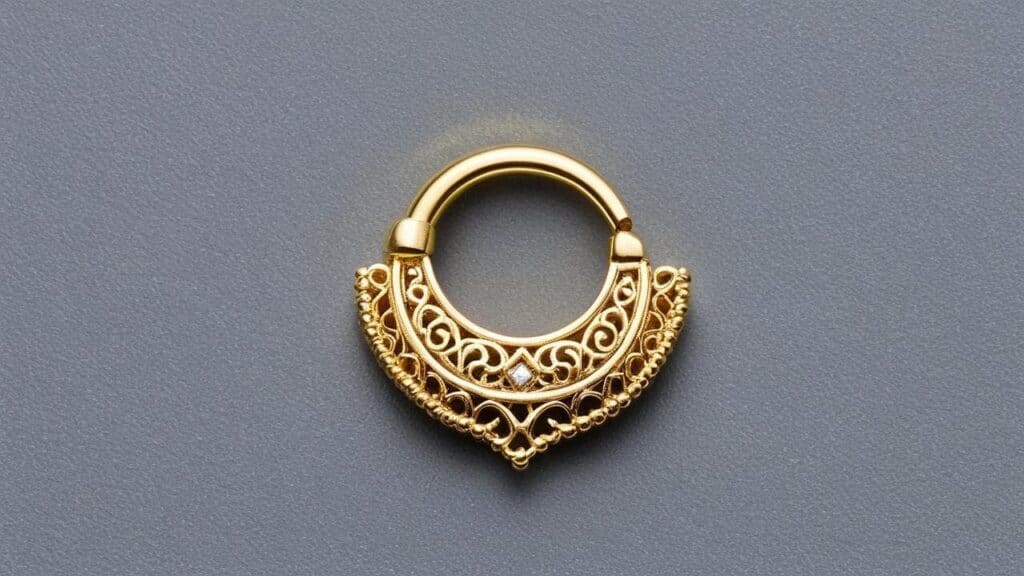
- Septum Rings: Specifically designed for septum piercings, these include circular barbells, segment rings, and clickers with hinged segments for easy insertion. Some designs feature decorative beads or gems that sit at the base of the nose.
- Nostril Chains: Connecting two nostril piercings with a delicate chain, or linking a nostril piercing to an earring. These ornate pieces make bold fashion statements and often draw inspiration from traditional South Asian jewelry.
Beyond these common types, jewelers continue to innovate with custom designs, including nose rings that incorporate multiple gemstones, filigree work, or cultural symbols. Each style offers different benefits in terms of comfort, security, and aesthetic appeal, making it important to consider your lifestyle and preferences when choosing. The right type of nose ring can complement your facial features while providing the security and comfort needed for everyday wear, allowing you to express your personal style with confidence.
Best Materials for Nose Rings
The material of your nose ring significantly impacts both comfort and safety. Since nose tissue is sensitive and prone to irritation, choosing appropriate materials is crucial for a positive piercing experience. The ideal material balances durability, biocompatibility, and aesthetic appeal, ensuring your nose jewelry becomes a comfortable part of your daily life rather than a source of irritation or concern.
- Surgical Stainless Steel: The most common and affordable material for nose rings. It’s highly durable, resistant to corrosion, and hypoallergenic for most people. Look for implant-grade 316L or 316LVM steel for the highest quality and safety.
- Sterling Silver: Popular for its classic appearance, but not ideal for fresh piercings or everyday wear as it can tarnish and potentially cause discoloration of the skin around the piercing. Silver nose rings are best for fully healed piercings and occasional wear.
- Gold: Available in various karats and colors, gold is excellent for nose rings when at least 14K purity. Lower karat gold contains more alloy metals that may cause reactions. White, yellow, and rose gold options offer versatility for different skin tones and preferences.
- Titanium: Extremely lightweight and biocompatible, making it ideal for people with metal sensitivities. Implant-grade titanium is virtually nonreactive and comes in various colors through anodization processes without using potentially irritating dyes.
- Niobium: Similar to titanium in being hypoallergenic and lightweight, niobium can also be anodized to create vibrant colors without coatings or dyes, making it excellent for sensitive skin.
- Bioplastic/BioFlex: Flexible, body-safe plastic materials that are excellent for healing piercings or for temporary use during sports, medical procedures, or when metal jewelry isn’t permitted.
- Glass: High-quality borosilicate glass is surprisingly durable and completely inert, making it an excellent option for those with extreme metal sensitivities. It comes in various colors and designs but is less common for everyday wear.
The material you choose should reflect both your aesthetic preferences and your body’s specific needs. For new piercings, implant-grade titanium or surgical stainless steel are typically recommended by professional piercers due to their biocompatibility and low risk of complications during the healing process. As your piercing heals, you might experiment with different materials to find what works best for your unique body chemistry and style preferences, gradually building a collection that serves different occasions and needs.
Selecting the Best Nose Ring
Selecting the perfect nose ring involves considering multiple factors that affect both appearance and comfort. This thoughtful approach ensures you’ll find jewelry that suits your style while maintaining the health of your piercing. Taking time to understand your options pays dividends in both the look and longevity of your nose jewelry, helping you avoid common pitfalls that lead to discomfort or complications.
- Correct Size: Nose rings typically range from 18-22 gauge in thickness, with 20 gauge being standard for nostrils. Diameter for hoops usually ranges from 6-12mm depending on placement and preference. Wearing improperly sized jewelry can cause discomfort or damage to the piercing channel.
- Placement Compatibility: Different nose ring styles work better for specific piercing locations. Studs and L-shaped pins work well for nostril piercings, while circular barbells are typically used for septum piercings. Bridge piercings usually require straight barbells.
- Material Sensitivity: Consider any known metal allergies before purchasing. If you’re unsure, titanium is generally the safest choice as it rarely causes reactions. Avoid costume jewelry metals like nickel for long-term wear.
- Lifestyle Considerations: Active lifestyles might require more secure jewelry like screws or bones that won’t easily dislodge. Professional environments might call for more subtle options like clear retainers or small, minimalist studs.
- Healing Status: New piercings require high-quality, appropriate materials like implant-grade titanium or surgical steel. Avoid silver, gold under 14K, or decorative coatings until the piercing is fully healed.
- Gem Security: If choosing jeweled pieces, ensure stones are securely set to prevent loss or inhalation if they come loose. Prong settings may catch on clothing, while bezel settings offer a smoother profile.
- Budget and Quality Balance: While it’s tempting to save money on body jewelry, investing in higher-quality pieces usually means better craftsmanship, smoother finishes, and safer materials—all of which contribute to healthier piercings.
Finding the right nose ring often involves some trial and error as you discover your preferences for comfort and style. Many experienced piercing enthusiasts keep a collection of different styles to switch between based on occasion, outfit, or comfort needs. When in doubt, consult with a professional piercer who can recommend options based on your specific anatomy and piercing placement. Their expertise can help you navigate the sometimes overwhelming variety of options to find pieces that truly complement your features and lifestyle.
Nose Piercing Placement Options
Nose piercings offer various placement possibilities, each creating a distinct look and requiring specific jewelry types. Understanding these options helps you choose a placement that best suits your facial features and personal style. Each location has its own character and considerations, from healing time to appropriate jewelry styles and visibility in different social settings.
- Nostril: The most common nose piercing, located on the fleshy outer wall of the nostril. It can be placed higher or lower depending on preference, though the crease where the nostril meets the face is the traditional position. This versatile placement works with virtually all nose ring styles.
- Septum: Pierces through the thin membrane between the nostrils, not the cartilage wall itself. When properly placed in this “sweet spot,” septum piercings can be relatively painless and heal quickly. Circular barbells, segment rings, and specialty septum clickers are commonly used jewelry options.
- Bridge: A surface piercing that passes horizontally through the skin at the bridge of the nose, between the eyes. This dramatic placement uses straight barbells and is not suitable for everyone’s anatomy. It tends to have a higher rejection rate than other nose piercings.
- High Nostril: Placed higher on the nostril than standard placements, often closer to where the nose meets the face. These piercings create a distinctive look but can be more painful due to the thicker cartilage in this area. They typically require custom-bent jewelry or specific nostril screws.
- Nasallang: An advanced piercing that passes through both nostrils and the septum in one straight line, appearing as two separate nostril piercings but actually being a single piercing. This challenging placement requires extremely precise technique and straight barbells.
- Vertical Tip/Rhino: Passes vertically through the tip of the nose, with both ends of the jewelry visible. This unusual placement uses curved barbells and creates a distinctive profile. Due to its placement in cartilage, it can have a longer healing time.
- Multiple Placements: Combinations of the above, such as double nostril piercings, paired nostril piercings (one on each side), or nostril and septum combinations. These allow for creative jewelry pairings and unique looks.
Each placement has different healing times, pain levels, and anatomical requirements. Consulting with an experienced piercer is essential before choosing, as they can evaluate your specific anatomy to determine if your desired placement is suitable. Remember that some placements, particularly those through cartilage, generally take longer to heal and may be more prone to complications. Your facial structure, personal style, and lifestyle should all factor into this decision, as the right placement enhances your features while accommodating your daily activities and professional requirements.
How to Care for Your Nose Ring and Piercing
Proper care is essential for both the longevity of your nose jewelry and the health of your piercing. With regular maintenance and appropriate cleaning, you can enjoy your nose rings for years without complications. Establishing good care habits from the beginning prevents many common issues and ensures your piercing remains comfortable and attractive throughout its lifetime.
- Daily Cleaning: For healing piercings, clean twice daily with sterile saline solution (0.9% sodium chloride). For healed piercings, gentle cleaning during regular face washing is usually sufficient. Avoid harsh soaps, alcohol, or hydrogen peroxide which can irritate the piercing.
- Handling with Clean Hands: Always wash hands thoroughly before touching your piercing or changing jewelry to prevent introducing bacteria. This simple step significantly reduces infection risk.
- Jewelry Cleaning: Clean nose rings regularly by soaking in warm, mild soapy water and gently scrubbing with a soft brush. Rinse thoroughly to remove all soap residue. For precious metals like gold and silver, use appropriate jewelry cleaners following manufacturer instructions.
- Avoiding Contamination: Keep cosmetics, facial creams, and makeup away from the piercing site. These products can contain irritants or bacteria that may cause complications or discomfort.
- Preventing Physical Damage: Be cautious when using facial tissues, towels, or changing clothes to avoid catching or pulling on your nose ring. During sleep, try to avoid pressure on the piercing, especially for newer piercings.
- Addressing Problems Promptly: If you notice redness, unusual discharge, persistent pain, or other signs of potential infection, don’t ignore them. Consult a professional piercer or healthcare provider for advice—don’t remove the jewelry from an infected piercing unless advised by a professional.
- Regular Jewelry Inspection: Periodically check your nose rings for damage such as rough edges, loose stones, or thinning areas that could cause irritation or lead to jewelry failure. Replace damaged pieces promptly.
Proper care practices vary somewhat between new and established piercings. While new piercings require strict adherence to cleaning protocols and quality jewelry, healed piercings are more forgiving but still benefit from regular maintenance. When in doubt about a specific issue, consulting with a professional piercer often provides the most relevant advice for your situation. With consistent care, your nose piercing can remain healthy and attractive for decades, allowing you to enjoy this form of personal expression without complications.
Common Nose Ring Problems and How to Fix Them
Many people have questions and concerns about nose rings, from the initial piercing experience to long-term wear. Addressing these common issues can help you navigate potential challenges confidently. Being prepared with knowledge about what to expect and how to respond to various situations ensures a more positive experience with your nose piercing journey.
- Pain Management: Most nostril piercings cause momentary sharp pain followed by throbbing that subsides within hours. Septum piercings, when done correctly through the sweet spot, can be less painful than expected. Taking an over-the-counter pain reliever before the appointment (avoiding aspirin which can increase bleeding) can help manage initial discomfort.
- Healing Timeline: Nostril piercings typically take 4-6 months to fully heal, while septum piercings often heal more quickly in 2-3 months. Bridge piercings and cartilage piercings like high nostrils may take 6-12 months for complete healing. During this time, avoid changing jewelry unless necessary and performed by a professional.
- Bumps and Irritation: Nostril piercings sometimes develop small bumps called granulomas or hypertrophic scarring. These usually result from irritation rather than infection. Treatment involves proper cleaning, avoiding irritants, and sometimes warm saline compresses. Avoid using tea tree oil or other harsh remedies without professional advice.
- Jewelry Migration: Some nose piercings, particularly bridge piercings, may migrate or reject over time. Signs include the jewelry appearing to sit more shallowly than before or redness/thinning skin around the piercing. If you notice these signs, consult your piercer promptly—removing the jewelry early may prevent permanent scarring.
- Seasonal Allergies Impact: People with seasonal allergies may experience increased irritation during allergy seasons due to more frequent nose-blowing and increased mucus production. Temporarily switching to more secure jewelry styles during these periods can help prevent discomfort or accidental jewelry loss.
- Workplace Considerations: For professional environments with restrictions on visible piercings, clear glass or bioplastic retainers can keep the piercing open while being nearly invisible. Some septum jewelry can be flipped up inside the nose to hide it when needed.
- Swimming and Hot Tubs: These environments harbor bacteria that can complicate healing. For new piercings, avoid swimming for at least 3-4 weeks. If you must swim, use a waterproof bandage over the piercing and clean it immediately afterward.
With proper care and attention, most nose piercing concerns can be addressed effectively. Remember that prevention is easier than treatment—following proper aftercare protocols from the beginning significantly reduces the likelihood of complications. For persistent problems, always consult with a professional piercer or healthcare provider rather than attempting to resolve serious issues on your own. Most challenges are temporary and manageable with the right approach, allowing you to enjoy your nose jewelry for years to come.
Cultural Significance of Nose Rings Around the World
Nose rings have profound cultural and historical importance across numerous societies, often carrying deep symbolism beyond mere decoration. Understanding this rich heritage adds appreciation for this enduring form of adornment. The story of nose rings connects us to ancient traditions and illuminates how body adornment has served social, spiritual, and aesthetic purposes throughout human history.
- Ancient Origins: Archaeological evidence shows nose piercings date back at least 4,500 years. Ancient Mesopotamian and Egyptian artifacts depict individuals wearing nose jewelry, demonstrating the practice’s remarkable longevity in human culture.
- Indian Traditions: In India, particularly in Hindu communities, the nose ring (nath) has been significant for centuries. It traditionally symbolizes marriage status for women and is associated with the reproductive system in Ayurvedic medicine. Left nostril piercings specifically connect to feminine energy according to these traditions.
- Middle Eastern Heritage: Throughout the Middle East and North Africa, nose rings have signified wealth and served as part of a woman’s financial security, with gold pieces functioning as portable wealth that belonged exclusively to the woman even after marriage.
- African Cultural Significance: Various African cultures incorporate nose rings into important ceremonies. The Berber and Beja peoples, among others, use specific nose ring styles to indicate social status, tribal affiliation, and marital status.
- Modern Cultural Revival: Many indigenous peoples around the world are reclaiming traditional piercing practices, including nose rings, as part of cultural revitalization movements after periods of colonial suppression of these customs.
- Western Adoption: In Western countries, nose piercings gained popularity through the punk movement of the 1970s as symbols of rebellion against conservative values. By the 1990s, they had entered mainstream fashion, disconnected from their original cultural contexts.
- Contemporary Cross-Cultural Appreciation: Today’s global society has seen increasing awareness about cultural appreciation versus appropriation, with many wearers researching and acknowledging the rich cultural heritage behind different nose ring styles.
The history of nose rings illustrates how body modification practices transcend time and geography as fundamental forms of human expression. While fashion trends come and go, the nose ring’s persistence across millennia and continents demonstrates its deep significance to human culture. Modern wearers participate in this continuing tradition, whether consciously connecting to specific cultural heritage or simply appreciating the aesthetic appeal that has captivated humans throughout history. This blend of ancient tradition and contemporary style makes nose rings uniquely meaningful among body adornments.
Nose Piercing FAQs: What You Need to Know
Many prospective and current nose ring wearers share common questions about these distinctive accessories. Clear answers to these frequent concerns can help you make informed decisions about nose piercings and jewelry. These practical insights address the real-world considerations that affect your experience with nose rings, from the initial piercing to everyday wear.
How painful is getting a nose piercing?
Most people describe the pain as a sharp pinch that quickly subsides. On a scale of 1-10, nostril piercings typically rate 4-6 while septum piercings properly done through the sweet spot often rate 3-5. Individual pain tolerance varies significantly, however.
Can I change my nose ring during the healing period?
It’s best to avoid changing jewelry until healing is complete (4-6 months for nostrils). Premature changes can cause trauma, irritation, and extended healing times. If a change is absolutely necessary, have a professional piercer do it.
How do I know if my nose piercing is infected?
Infection signs include intense redness, significant swelling, hot sensation, yellow/green discharge, persistent pain, or red streaks extending from the piercing. Normal healing involves mild swelling, clear/white discharge, and occasional crusties.
Will my nose piercing close if I remove the jewelry?
New piercings can begin closing within hours. Even after years, nostril piercings often shrink or close completely within days or weeks without jewelry. Septum piercings tend to stay open longer, with some remaining viable for months without jewelry.
How do I hide my nose piercing for work or special occasions?
Clear glass or bioplastic retainers offer nearly invisible options. For septum piercings, circular barbells can be flipped up inside the nose. Some nostril screws and L-bars can be positioned to minimize visibility.
Is it normal for my nose ring to move or feel loose?
Some movement is normal, particularly with healing piercings as swelling decreases. However, jewelry should never feel at risk of falling out. If it does, consult your piercer about getting a more appropriate size or style.
Can I wear makeup around my nose piercing?
For healing piercings, avoid all makeup on and around the piercing site. Once fully healed, carefully applying makeup is acceptable, but avoid getting products directly on the jewelry or in the piercing channel.
How do I stop a nose ring from causing a bump inside my nose?
Internal bumps often result from jewelry that’s too small or improperly shaped for your anatomy. Having a professional piercer fit you with appropriate jewelry typically resolves this issue. For persistent bumps, saline soaks and professional assessment are recommended.
These common questions reflect the practical concerns most people have when considering or maintaining nose piercings. While these general answers provide guidance, remember that individual experiences vary, and consulting with a professional piercer is always the best approach for situation-specific advice. Being informed about these aspects of nose rings helps you navigate your piercing journey with greater confidence and fewer surprises.
Conclusion
Nose rings represent one of humanity’s oldest forms of personal adornment, combining artistic expression with cultural significance across thousands of years and countless civilizations. From ancient religious customs to modern fashion statements, these small yet impactful pieces of jewelry continue to hold special meaning for millions of wearers worldwide. Today, the tradition evolves while maintaining its fundamental appeal as a distinctive form of self-expression that connects us to a rich global heritage of body decoration.
From the wide variety of styles available to the numerous placement options, nose rings offer something for virtually everyone interested in this form of body modification. Whether you prefer the subtle elegance of a tiny nostril stud or the bold statement of an ornate septum piece, understanding the practical aspects of materials, care, and selection ensures a positive experience with your chosen jewelry. The right nose ring can enhance your facial features, reflect your personal style, and sometimes even connect you to cultural traditions that span generations.
As with any form of body modification, education remains key to making choices that work well for your lifestyle, anatomy, and personal preferences. By approaching nose rings with respect for both their practical requirements and their rich cultural heritage, you can enjoy these beautiful adornments with confidence and appreciation for their unique place in human history. Whether your interest is casual fashion or deeply personal expression, nose rings offer a fascinating blend of tradition and innovation that continues to captivate and inspire.