The world of collectible jewelry can be confusing for newcomers and experienced collectors alike, particularly when it comes to terminology. “Vintage” and “antique” are terms often used interchangeably, yet they represent distinct categories with specific criteria, time periods, and value considerations. Understanding these differences helps collectors make informed decisions, appreciate the historical context of pieces, and properly evaluate jewelry for purchasing or selling. The following information explains what separates vintage from antique jewelry across several important dimensions.
What Is Antique Jewelry?
Antique jewelry refers specifically to pieces that are at least 100 years old, a standard definition widely accepted by jewelers, auction houses, appraisers, and museums worldwide. This means that in 2025, jewelry must have been created before 1925 to qualify as truly antique. These pieces represent specific historical eras and typically feature craftsmanship techniques that differ significantly from modern production methods.
- The 100-year threshold is consistently applied across the industry and represents a meaningful historical boundary when manufacturing methods, available materials, and design philosophies were substantially different from contemporary approaches.
- Antique jewelry was primarily crafted by hand using techniques passed down through generations of artisans, often reflecting regional traditions and period-specific stylistic elements that help experts date pieces accurately.
- Materials commonly found in authentic antique jewelry include high-karat gold (18K-24K), silver, natural pearls (before cultured pearls became widespread in the 1920s), and gemstones cut by hand rather than precision machinery.
- Hallmarks and maker’s marks on antique jewelry can provide valuable information about origin, metal content, and date of manufacture, though these markings vary significantly by country and time period.
- Genuine antique pieces typically show evidence of wear consistent with their age, including patina on metals, slight asymmetry from hand fabrication, and wear facets on gemstones that indicate decades of use.
- Major antique jewelry periods include Georgian (1714-1837), Victorian (1837-1901), Art Nouveau (1890-1910), and Edwardian/Belle Époque (1901-1915), each with distinctive design characteristics that reflect the cultural and social values of their eras.
The historical significance of antique jewelry extends beyond aesthetic appeal, representing tangible connections to past eras and production methods that have largely disappeared. These pieces are valued not only for their intrinsic material worth but also as historical artifacts that document changing tastes, technological capabilities, and cultural values across generations of jewelry creation and consumption.
What Is Vintage Jewelry?
Vintage jewelry occupies the middle ground between contemporary and antique pieces, generally referring to items that are at least 20-30 years old but have not yet reached the 100-year antique threshold. This currently includes jewelry created roughly between 1930 and 2000, encompassing several distinctive design movements and manufacturing transitions.
- The generally accepted timeframe for vintage jewelry is between 20-30 years and 100 years old, though some collectors use stricter definitions requiring items to be at least 50 years old to qualify as truly vintage.
- Vintage jewelry often represents the first major era of signed pieces, with designer attribution becoming increasingly important for valuation—brands like Tiffany & Co., Cartier, Bvlgari, and individual designers like David Webb created distinctive styles that command premium prices.
- Key vintage jewelry periods include late Art Deco (1920s-1930s), Retro/Cocktail (1940s), Mid-Century Modern (1950s-1960s), and the bold experimental designs of the 1970s-1980s, each reflecting the cultural and technological context of their times.
- Manufacturing techniques for vintage jewelry often combine handcrafting with early mechanical production methods, representing an important transition period in jewelry-making technology.
- Materials commonly found in vintage pieces include white gold (popularized in the 1920s), platinum, yellow gold in varying karat weights, early synthetic gemstones, and experimental materials that weren’t used in antique jewelry.
- Many vintage pieces from the mid-20th century were created during periods of material restrictions (particularly during WWII), leading to creative alternatives like using palladium instead of platinum or incorporating unusual materials like plastic, wood, and non-precious metals.
- Costume jewelry achieved new levels of artistic recognition during the vintage era, with designers like Coco Chanel, Elsa Schiaparelli, and Miriam Haskell creating non-precious pieces that are now highly collectible based on design merit rather than intrinsic material value.
Vintage jewelry appeals to many collectors because it combines historical interest with greater durability and wearability compared to antique pieces. These items have completed at least one fashion cycle, demonstrating enduring appeal while still being robust enough for regular wear. Vintage jewelry also often represents important design movements that influenced contemporary jewelry, creating a tangible connection to the evolution of style through the 20th century.
Differences Between Vintage and Antique Jewelry
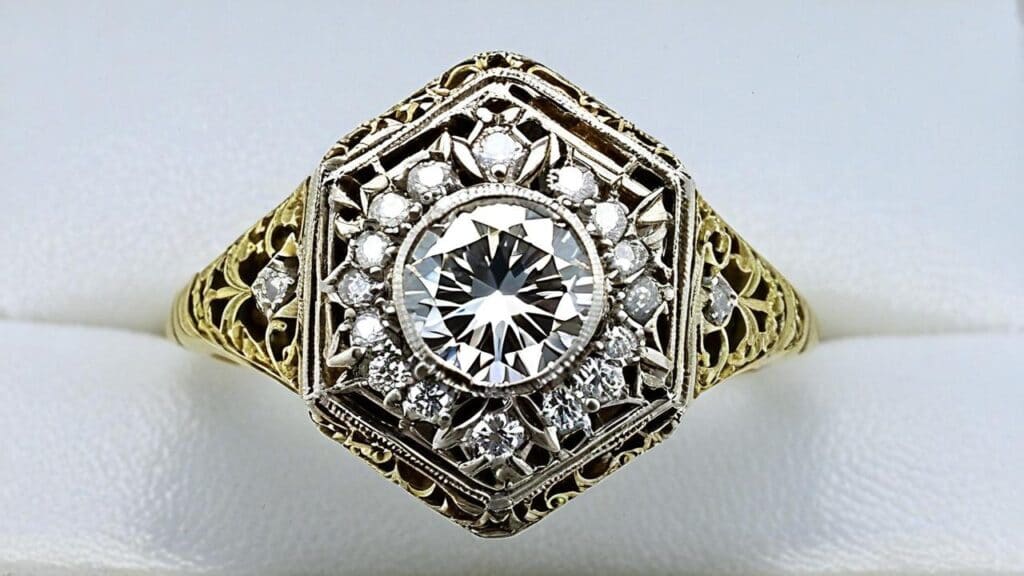
The materials and manufacturing techniques used in jewelry production have evolved dramatically over time, creating distinctive characteristics that help differentiate antique from vintage pieces. Understanding these differences is crucial for proper identification, authentication, and appreciation of older jewelry.
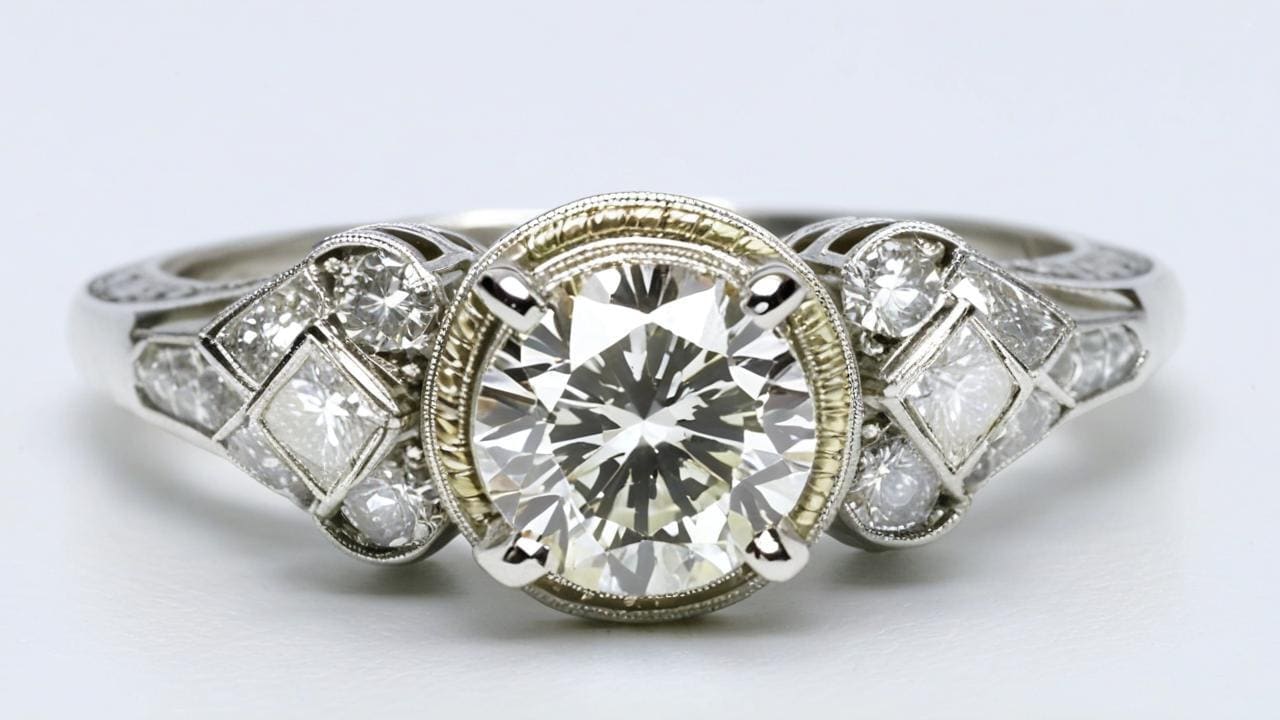
- Antique jewelry typically features stones cut by hand, resulting in less precise faceting and unique characteristics that differ from the standardized cuts common in later periods—old mine cuts, rose cuts, and European cuts are distinctive of antique diamond jewelry.
- Gold content in antique pieces often differs from modern standards—many antique European pieces contain higher gold content (18K-22K) than later American pieces, which frequently used 10K-14K gold after standardization in the early 20th century.
- Vintage jewelry from the Art Deco period onward increasingly incorporated white metals like platinum and white gold, which were rarely used in jewelry before the early 20th century.
- Gemstone treatments evolved significantly between antique and vintage periods—antique pieces typically feature stones with minimal treatments beyond basic polishing, while vintage pieces may incorporate early heat treatments, irradiation, and other enhancement techniques.
- Clasps and findings (jewelry components) changed dramatically over time and can be reliable indicators of age—antique pieces often feature C-clasps, simple hook closures, or tube hinges, while vintage pieces may have more secure and complex mechanisms.
- Manufacturing evidence differs substantially—antique jewelry typically shows hand-assembly marks, soldering seams, and tool marks from individual fabrication, while many vintage pieces exhibit early mass-production characteristics like machine-made chain links or stamped components.
- Pearl usage changed fundamentally between antique and vintage periods—natural pearls were primarily used in antique jewelry until cultured pearls became commercially available in the 1920s, marking a significant transition point between eras.
The evolution of jewelry-making technology provides one of the clearest distinctions between antique and vintage pieces. Antique jewelry predominantly displays the hallmarks of individual craftsmanship with minimal mechanical assistance, while vintage jewelry often shows the increasing influence of standardization and machine production, even in high-end pieces. These material and production differences create distinct visual and structural characteristics that knowledgeable collectors can identify to help accurately date and categorize older jewelry.
What Determines Vintage and Antique Jewelry Value?
The valuation processes for vintage and antique jewelry follow somewhat different principles, reflecting their distinct historical positions, rarity factors, and market dynamics. Understanding these different value considerations helps collectors make informed decisions when purchasing, selling, or insuring older jewelry.
- Antique jewelry is typically valued based on historical significance, rarity, condition relative to age, provenance, and surviving craftsmanship techniques that are no longer practiced—with material value sometimes being secondary to these historical factors.
- Vintage jewelry valuation often places greater emphasis on designer attribution and brand recognition, with signed pieces from well-known creators commanding substantial premiums over similar unsigned pieces.
- The condition requirements differ significantly—antique jewelry is expected to show appropriate signs of age and wear, while vintage pieces often face stricter condition expectations with excessive wear or repairs potentially decreasing value substantially.
- Market demand varies by era and style rather than simply by age—certain design periods like Art Deco (spanning both late antique and early vintage periods) consistently command higher prices than other eras regardless of whether pieces qualify as antique or vintage.
- Antique jewelry often contains larger or higher-quality gemstones than were typically used in later mass-produced vintage pieces, potentially increasing value beyond what similar modern pieces would command.
- Reproduction concerns affect both categories differently—antique styles have been widely reproduced for over a century, making authentication particularly challenging, while certain vintage designs have become highly collectible recently, spurring a new wave of reproductions.
- Documentation and provenance generally carry more weight for antique pieces, particularly those with potential historical significance or association with notable figures or events.
Understanding these valuation differences helps collectors recognize that age alone doesn’t determine jewelry value—a exceptional vintage piece from a renowned designer often commands a higher price than an ordinary antique piece without distinctive characteristics. The most valuable items in both categories typically combine quality craftsmanship, good condition, aesthetic appeal, and historical or design significance that transcends basic material considerations.
Proper Maintenance for Older Jewelry
Proper care for older jewelry requires understanding the unique vulnerabilities of pieces from different eras. Antique and vintage jewelry often require distinct maintenance approaches due to differences in materials, construction techniques, and accumulated wear over time.
- Antique jewelry typically requires more cautious cleaning approaches—harsh chemicals and ultrasonic cleaners that might be safe for newer pieces can damage delicate antique settings or gemstones with existing microfractures.
- Stone security differs substantially—antique pieces often feature stones set in hand-fabricated bezels or prongs that may have weakened over decades or centuries of wear, requiring more frequent inspection than vintage pieces with more robust settings.
- Vintage costume jewelry presents unique preservation challenges—materials like early plastics, pot metal, and plated surfaces require specialized care to prevent deterioration, with some materials being inherently unstable regardless of maintenance efforts.
- Restoration philosophy varies between categories—conservation (preserving as much original material as possible) is generally preferred for antique pieces with historical significance, while restoration (returning to original appearance) might be more appropriate for vintage pieces.
- Environmental sensitivity increases with age—antique jewelry, particularly pieces with organic components like coral, ivory, or natural pearls, often requires stricter humidity and temperature control than more recent vintage items.
- Wear recommendations differ significantly—many experts advise that genuinely rare antique pieces should be worn sparingly if at all, while most vintage jewelry was designed with modern lifestyles in mind and can withstand more regular wear.
- Storage needs vary based on materials and age—antique pieces with foil-backed gemstones, vulnerable pearl drilling, or delicate filigree require specialized storage solutions that isolate pieces and prevent mechanical stress.
Proper maintenance of older jewelry requires balancing preservation with enjoyment. For both categories, owners should maintain detailed records of any repairs or alterations, use jewelry boxes designed to prevent pieces from contacting each other, and establish relationships with specialists who understand the unique requirements of older pieces. Regular gentle cleaning and professional inspection can help ensure these historical treasures remain beautiful and structurally sound for future generations.
Common Misconceptions About Vintage and Antique Jewelry
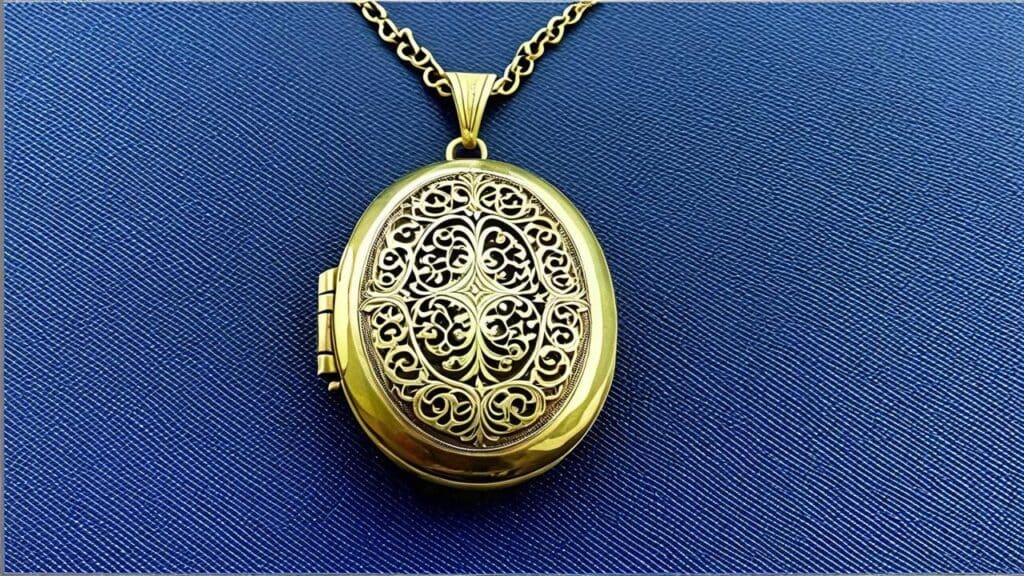
The terminology and characteristics of older jewelry are frequently misunderstood, leading to confusion among collectors and sometimes misrepresentation in the marketplace. Clarifying these misconceptions helps consumers make more informed decisions when navigating the vintage and antique jewelry world.
- “Old” does not automatically mean “valuable”—age alone doesn’t determine worth, as poorly made or heavily damaged pieces have limited value regardless of age, while exceptional craftsmanship and design can make even relatively recent vintage pieces highly desirable.
- The term “antique-style” or “vintage-inspired” does not indicate age—these marketing terms describe aesthetic characteristics rather than actual age and are commonly used for new items created in historical styles.
- All old jewelry is not hand-crafted—machine production techniques began appearing in jewelry making as early as the mid-19th century, with substantial mechanization occurring by the early 20th century, meaning many older pieces incorporate both hand and machine elements.
- The presence of a hallmark doesn’t guarantee authenticity—hallmarks can be forged or added later, and legitimate antique or vintage pieces sometimes lack hallmarks due to regional variations in marking requirements or wear over time.
- Not all antique jewelry is prohibitively fragile—while care is required, many antique pieces have survived a century or more precisely because they were well-constructed using durable materials and techniques.
- “Estate jewelry” is not synonymous with either vintage or antique—this term simply indicates pre-owned jewelry regardless of age, potentially including contemporary pieces from recent estates.
- Age classifications are not subjective marketing terms—particularly in the case of “antique,” the 100-year threshold represents a widely accepted standard with legal implications in many jurisdictions regarding accurate description of merchandise.
Understanding these distinctions helps collectors avoid common pitfalls when building their collections. The most knowledgeable buyers focus on authenticity indicators specific to particular time periods, seeking out pieces that represent excellent examples of their era rather than simply prioritizing age. Learning to identify the characteristic materials, construction techniques, and design elements of different periods provides a stronger foundation for collecting than relying on potentially misleading terminology or assumptions about value based solely on age.
Conclusion
The distinction between vintage and antique jewelry represents more than simple terminology—it reflects fundamental differences in historical context, craftsmanship approaches, material availability, and cultural influences. While antique jewelry (100+ years old) connects us directly to distant eras with distinctly different production methods and aesthetic priorities, vintage jewelry (20-100 years old) bridges traditional craftsmanship with modern innovation, often representing important transitional periods in design and manufacturing.
Understanding these differences enhances appreciation of older jewelry’s unique characteristics while providing practical guidance for collectors. Whether you’re drawn to the handcrafted elegance of genuine antiques or the bold design statements of vintage pieces, recognizing the specific qualities of each category helps build a knowledgeable collection that preserves these tangible connections to our aesthetic heritage for future generations.