Estate jewelry represents a fascinating category of pre-owned pieces that carries historical significance, unique craftsmanship, and often exceptional value. Unlike mass-produced modern jewelry, estate pieces tell stories of bygone eras through their design elements, materials, and construction techniques. Whether you’re a collector, investor, or simply someone who appreciates the character and sustainability of pre-owned jewelry, understanding estate jewelry can help you make informed decisions and develop a deeper appreciation for these special treasures.
What is Estate Jewelry?
Estate jewelry refers to any previously owned jewelry piece, regardless of its age or period. While many people confuse estate jewelry with antique or vintage categories, the defining characteristic is simply that it was owned by someone else before entering the current market. These pieces often come from actual estates (hence the name), auctions, inheritances, or through specialized dealers who focus on pre-owned fine jewelry. The value and appeal of estate jewelry typically stems from its unique character, historical significance, and often superior craftsmanship compared to mass-produced modern pieces.
- Estate jewelry technically only means the piece was previously owned, with no specific age requirement - unlike antique jewelry (100+ years old) or vintage jewelry (20-100 years old). This distinction is important because many sellers incorrectly label all older jewelry as “antique” when it may actually be estate or vintage.
- These pieces commonly originate from estate sales, inheritances, auctions, family heirlooms, jewelry buyback programs, pawn shops, or specialized jewelry dealers who acquire and authenticate pre-owned pieces. Each source can affect the provenance documentation and pricing of the item.
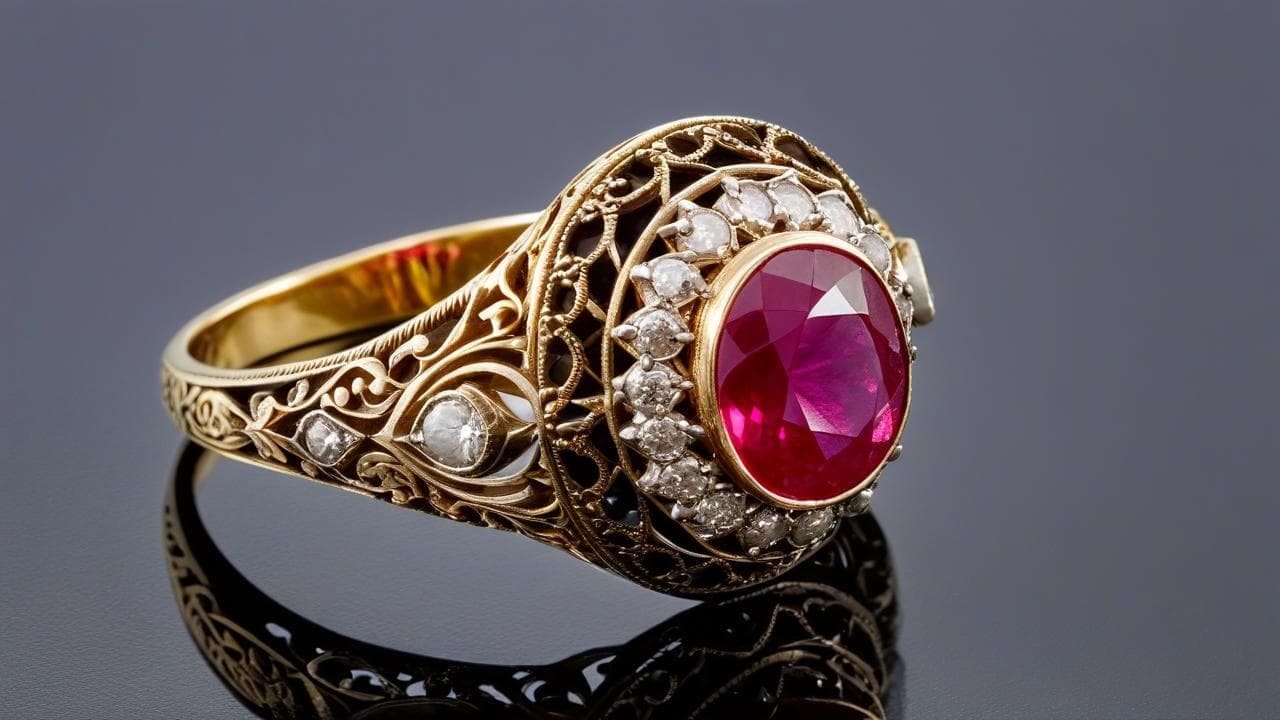
- Quality estate jewelry often features hand-craftsmanship techniques rarely seen in modern production, including hand-engraving, milgrain detailing (tiny beaded edges), filigree work (intricate wire designs), die-struck patterns, and hand-fabricated settings that required significant time and skill to create.
- Popular periods for estate jewelry include Georgian (1714-1837), Victorian (1837-1901), Art Nouveau (1890-1910), Edwardian (1901-1915), Art Deco (1920s-1930s), Retro (1940s-1950s), and Mid-Century Modern (1950s-1960s). Each period has distinctive design elements reflecting the culture, technology, and artistic movements of its time.
- Estate jewelry can range from affordable costume pieces to museum-quality treasures worth hundreds of thousands of dollars, depending on factors like provenance, designer, materials, condition, and historical significance. Signed pieces from houses like Cartier, Tiffany & Co., Van Cleef & Arpels, or Bulgari often command significant premiums.
- Many estate pieces feature unique gemstone cuts no longer commonly used, such as old mine cuts, rose cuts, and European cuts, giving them distinctive sparkle and character. These older cutting styles were designed to maximize beauty in candlelight rather than modern electric lighting, creating a different visual effect.
The appeal of estate jewelry extends beyond its aesthetic and historical value. For environmentally conscious consumers, choosing estate pieces represents a sustainable alternative to newly mined materials and modern manufacturing processes. For collectors and investors, certain estate pieces can appreciate significantly in value over time, particularly those from recognized design houses or historical periods. Whether you’re drawn to the romance of owning a piece with history, the unique craftsmanship, or the investment potential, estate jewelry offers something special that simply can’t be replicated in newly manufactured pieces.
History of Estate Jewelry
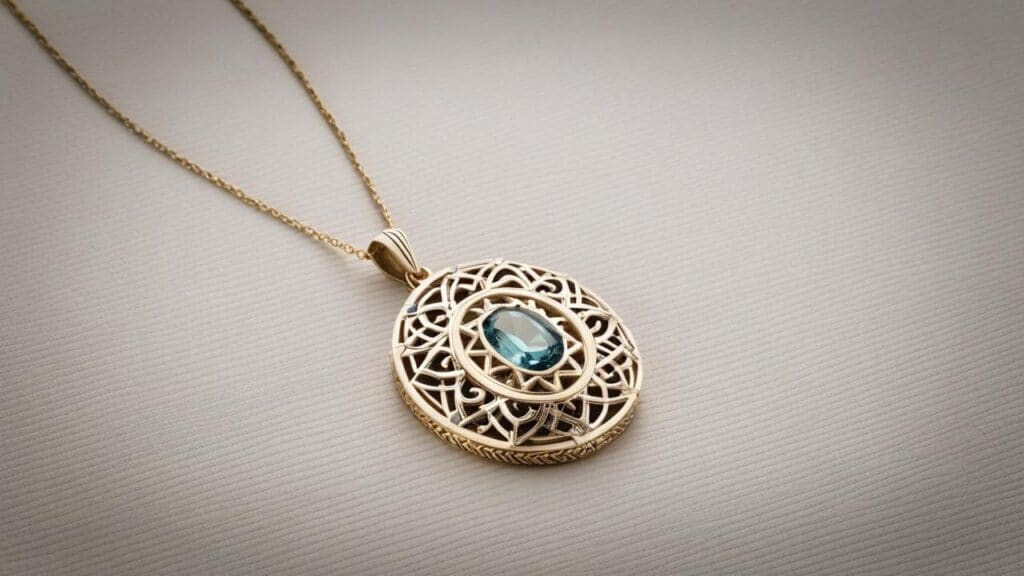
The trading and collecting of previously owned jewelry has existed throughout human history, with precious metals and gemstones being recycled and repurposed for centuries. However, the formal market for estate jewelry as we understand it today began to develop in the 19th century, coinciding with the industrial revolution and the rise of a wealthy middle class. As jewelry production increased and styles evolved more rapidly, there emerged a growing appreciation for jewelry from previous eras with their distinctive aesthetics and craftsmanship.
- Throughout ancient civilizations including Egypt, Rome, and Greece, jewelry was commonly passed down through generations or repurposed, creating early forms of estate jewelry exchange. Archaeological discoveries have revealed ancient pieces that changed ownership multiple times, with modifications made to suit changing tastes and needs.
- The Renaissance period (14th-17th centuries) saw nobility frequently commissioning new jewelry made from melted-down older pieces, though some exceptional items were preserved intact. This period established the practice of jewelry as both wearable art and portable wealth, concepts central to modern estate jewelry markets.
- The Industrial Revolution (late 18th-19th centuries) transformed jewelry production, creating distinct differences between hand-crafted earlier pieces and newer manufactured items. This technological shift helped establish older handmade jewelry as more desirable among certain collectors, creating the foundation for today’s estate jewelry appreciation.
- Victorian-era (1837-1901) mourning jewelry became a significant category of collectible estate pieces, featuring jet, onyx, pearls, and often containing locks of hair or miniature portraits. Queen Victoria’s lengthy period of mourning for Prince Albert popularized these commemorative pieces, which remain highly collectible today.
- The early 20th century saw the first specialized estate jewelry dealers emerge, particularly in London, Paris, and New York, catering to wealthy collectors interested in historical pieces. Firms like Wartski in London and Fred Leighton in New York established reputations for sourcing exceptional estate pieces for discerning clients.
- The post-World War II era witnessed greater democratization of estate jewelry as changing fashions and economic circumstances brought more fine jewelry into the secondary market, allowing middle-class consumers access to previously elite adornments.
- The 1970s-1980s marked a turning point when major auction houses like Sotheby’s and Christie’s began holding specialized jewelry auctions, establishing formal provenance and authenticity standards that elevated estate jewelry collecting to a legitimate investment category.
- The internet revolution of the late 1990s and early 2000s transformed the estate jewelry market, making these pieces more accessible globally and creating more transparent pricing. Online platforms like 1stDibs, Ruby Lane, and even eBay democratized access to estate jewelry beyond traditional brick-and-mortar dealers.
Today’s estate jewelry market represents a sophisticated segment of the jewelry trade, with specialized dealers, auction houses, and even major jewelry brands participating. The appreciation for estate jewelry continues to grow as consumers increasingly value sustainability, craftsmanship, and the unique character that comes with pieces that have their own histories. From museum-quality antiques to more accessible vintage pieces, estate jewelry continues to captivate collectors and everyday jewelry lovers alike, preserving the artistic and cultural heritage of different periods while providing beautiful pieces for contemporary wear.
Types of Estate Jewelry
Estate jewelry encompasses a vast array of styles, materials, and time periods, reflecting the diverse jewelry traditions throughout history. From elaborate Victorian sentimental pieces to sleek Art Deco geometrical designs, the variety available in estate jewelry offers something to suit every taste and occasion. Understanding the different categories and typical characteristics of various periods can help you identify pieces that resonate with your personal style while appreciating their historical context.
- Georgian jewelry (1714-1837) is exceptionally rare in today’s market and features hand-crafted pieces with nature-inspired motifs, often containing foil-backed gemstones, high-karat gold, silver, and early diamond cuts. These pieces were entirely handmade, typically in closed-back settings that encased the gems completely, and often incorporated techniques like repoussé (hammered relief designs) and cannetille (delicate wirework resembling tiny beads).
- Victorian jewelry (1837-1901) falls into three distinct periods—early (romantic), mid (grand), and late (aesthetic)—and frequently incorporates sentimental symbols, mourning themes, and materials like tortoiseshell, ivory, seed pearls, and colored gemstones. Early Victorian pieces often feature serpents (symbolizing eternal love), hearts, and knots, while the Grand Period introduced heavier, more ornate designs, and the Aesthetic Period embraced Japanese-inspired motifs and delicate workmanship.
- Art Nouveau jewelry (1890-1910) emphasizes flowing, organic forms inspired by nature, featuring materials like plique-à-jour enamel (resembling stained glass), horn, glass, and semi-precious stones in asymmetrical designs. Notable Art Nouveau jewelers like René Lalique and Georges Fouquet created pieces that functioned as wearable art, often depicting sensuous female forms, insects, and floral motifs with an emphasis on the line rather than the intrinsic value of materials.
- Edwardian jewelry (1901-1915) is characterized by delicate platinum work, intricate filigree, and a light, lacy appearance often described as “garland style.” These pieces typically feature white stones—diamonds, pearls, and rock crystal—in elegant, refined designs that reflected the opulence of high society before World War I. The invention of the oxyacetylene torch enabled jewelers to work with platinum, creating incredibly detailed and structurally delicate pieces.
- Art Deco jewelry (1920s-1930s) showcases bold geometric patterns, contrasting colors, and streamlined forms influenced by Cubism, Futurism, and the discovery of King Tutankhamun’s tomb. These pieces often combine diamonds with calibré-cut colored gemstones (precisely cut to fit together like puzzle pieces), onyx, coral, and jade in architectural designs that reflected the era’s modernism and industrial progress.
- Retro jewelry (1940s-1950s) responded to World War II restrictions with bold, three-dimensional designs utilizing gold in rose and yellow tones, synthetic rubies, and larger gemstones in asymmetrical settings. These pieces tend to be substantial and sculptural, featuring motifs like ribbons, bows, and scrolls in highly polished gold, often with patriotic themes or Hollywood-inspired glamour.
- Mid-Century Modern jewelry (1950s-1960s) embraces abstract forms, textured metals, and a more artistic approach, with designers like Georg Jensen, Andrew Grima, and David Webb creating distinctive pieces that challenged traditional jewelry concepts. These designs often featured unusual gemstone combinations, textured gold surfaces, and space-age or atomic-inspired motifs.
- Contemporary estate jewelry (1970s-present) includes designer-signed pieces from houses like Cartier, Bulgari, Tiffany & Co., and Van Cleef & Arpels, which maintain significant value in the secondary market. These more recent pieces qualify as estate jewelry if previously owned, though they may not have the historical significance of older examples.
The diversity within estate jewelry is part of its enduring appeal. Whether you’re drawn to the sentimentality of Victorian mourning pieces, the artistic innovation of Art Nouveau, the geometric precision of Art Deco, or the bold statements of Retro design, estate jewelry offers an authentic connection to the past through wearable treasures. Each period reflects not just aesthetic preferences but broader cultural movements, technological innovations, and historical events, making these pieces fascinating artifacts beyond their beautiful appearance.
How to Identify Authentic Estate Jewelry
Identifying authentic estate jewelry requires knowledge of historical styles, manufacturing techniques, and material characteristics specific to different periods. Whether you’re a collector or simply want to understand a piece you’ve inherited, learning to recognize key features can help you determine a piece’s age, origin, and potential value. While professional appraisal is always recommended for valuable pieces, developing your eye for period-specific details is an invaluable skill for anyone interested in estate jewelry.
- Examine hallmarks, stamps, and maker’s marks carefully, as these can provide crucial information about a piece’s age, metal content, country of origin, and manufacturer. British pieces typically have systematic hallmarks indicating city, date, and maker; American pieces made after 1906 should have metal content marks (14K, 925, etc.); and European pieces often have distinct assay marks specific to their country.
- Study the construction methods, as different eras used distinctive techniques. Look for hand-engraving versus machine engraving, hand-cut versus machine-cut stones, and construction elements like cut-down settings (Georgian/early Victorian), tube settings (Edwardian), or invisible settings (Art Deco and later).
- Evaluate the materials used, as certain gemstones and metals were popular in specific periods. For example, mine-cut diamonds in silver-topped gold settings suggest Victorian origin; platinum combined with diamonds indicates Edwardian or Art Deco; and bold yellow gold with synthetic rubies suggests Retro (1940s) pieces.
- Examine gemstone cutting styles, as these evolved over time. Old mine cuts (squarish cushions with high crowns) were popular before 1900; Old European cuts (more circular with 58 facets) were common from 1890-1930; and modern brilliant cuts became standard after the 1930s. Similarly, rose cuts (flat bottomed with triangular facets) were common in Georgian and Victorian pieces.
- Analyze the fastening mechanisms on brooches, clasps, and earrings, as these changed with technology. C-catches on pins date to pre-1900; safety catches emerged around 1900; screw-back earrings were popular from the 1900s-1950s; and clip mechanisms were introduced in the 1930s.
- Look for signs of hand fabrication in older pieces, including uneven surfaces, tool marks, irregular patterns, and variations in metalwork that reveal human craftsmanship rather than machine precision. Georgian and early Victorian pieces will show more evidence of handwork than later pieces.
- Research design motifs characteristic of different periods, such as snakes and hearts (early Victorian), crescents and stars (late Victorian), natural forms and whiplash curves (Art Nouveau), geometric patterns (Art Deco), or patriotic themes (Retro wartime jewelry).
- Consider patina and wear appropriate to age – genuine old pieces typically show evidence of gentle wear consistent with their age. While excessive damage reduces value, an appropriate patina can authenticate a piece. Beware of pieces that look artificially aged or unnaturally pristine given their purported age.
Properly identifying estate jewelry requires patience and education. Building a reference library, visiting museum collections, attending antique shows, and consulting with reputable dealers can all help develop the knowledge needed to recognize authentic period pieces. Remember that reproductions and revivals have existed throughout history – for example, Victorian jewelers made Georgian-style pieces, and Art Deco revivals were popular in the 1980s. When significant value is at stake, always seek professional authentication from certified appraisers or specialized dealers with expertise in historical jewelry.
Understanding Estate Jewelry Value and Investment Potential
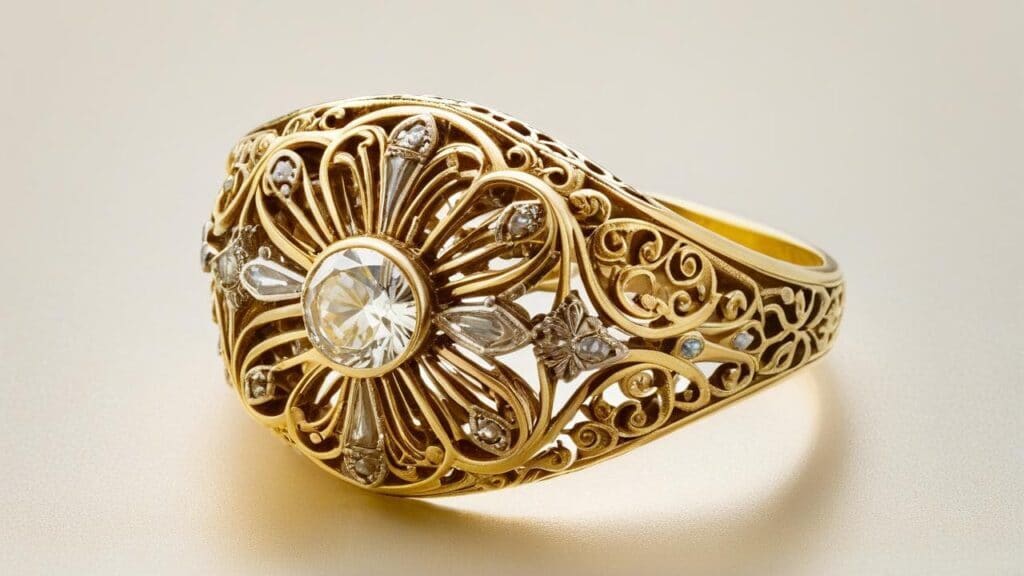
The value of estate jewelry is determined by a complex interplay of factors beyond simple material worth. Unlike new jewelry, where retail markup and material costs dominate pricing, estate pieces are valued based on historical significance, craftsmanship, rarity, condition, and provenance. Understanding these factors can help you make informed decisions whether you’re buying, selling, or simply curious about the value of inherited pieces.
- Designer and maker significance dramatically impacts value, with signed pieces by renowned houses like Cartier, Tiffany & Co., Van Cleef & Arpels, Bulgari, and David Webb commanding substantial premiums over similar unsigned pieces. Even less famous but historically significant artisan jewelers like Wiese, Castellani, or Giuliano can make pieces exceptionally valuable to knowledgeable collectors.
- Provenance and documented history can multiply a piece’s value, particularly when connected to famous individuals, historical events, or distinguished collections. Jewelry with certificates of authenticity, original boxes, receipts, or photographic evidence of noteworthy owners can be worth significantly more than identical pieces without documentation.
- Condition significantly affects valuation, with mint or near-mint pieces commanding premium prices. While some wear is expected in antique jewelry, damage, missing stones, repairs, alterations, or replaced elements can reduce value substantially. Professional restoration can sometimes enhance value if done by experts specializing in period-appropriate techniques.
- Rarity and uniqueness contribute to higher valuations, particularly for pieces featuring unusual designs, rare materials, or representing styles with limited surviving examples. Georgian jewelry, Art Nouveau masterpieces, and exceptional examples from any period generally appreciate faster than more common designs.
- Material value provides the baseline for most estate jewelry pricing, with precious metal content, gemstone quality, and carat weight establishing minimum values. However, for historically significant pieces, the intrinsic material value may represent only a small fraction of the total market value.
- Historical importance and cultural significance can make even relatively simple pieces valuable. Jewelry that exemplifies a pivotal design movement, represents technological innovation, or reflects important historical events often commands collector interest beyond its decorative appeal.
- Market trends and collector interest fluctuate over time, with certain periods becoming more fashionable and thus more valuable. For example, Art Deco pieces have consistently appreciated over decades, while Victorian jewelry has seen periods of both strong demand and relative disinterest.
- Size and wearability affect value in the current market, with more wearable pieces generally commanding higher prices than extremely delicate, impractical, or dated designs. However, museum-quality pieces may transcend wearability concerns for serious collectors.
Estate jewelry can be both a passion purchase and a wise investment, though not all pieces appreciate equally. The most investment-worthy examples typically combine exceptional craftsmanship, important provenance, excellent condition, and enduring aesthetic appeal. For the average collector, focusing on signed pieces, classic designs, and excellent craftsmanship typically offers the best combination of enjoyment and potential appreciation. Remember that fashion cycles affect even antique jewelry – what’s less desirable today may become tomorrow’s sought-after style, making informed collecting both an art and a long-term strategy.
How to Clean and Care for Estate Jewelry
Proper care of estate jewelry requires understanding both general jewelry maintenance principles and the specific needs of historical pieces. Older jewelry often uses different construction techniques, materials, and gemstone settings than modern pieces, necessitating special consideration to preserve both condition and value. With appropriate care, estate jewelry can continue to be enjoyed for generations while maintaining its historical integrity and market worth.
- Clean estate jewelry gently and appropriately for its specific materials and construction. Avoid ultrasonic cleaners for most antique pieces, particularly those with foil-backed stones, glued components, or delicate settings. Instead, use mild soap, warm water, and a soft toothbrush for most metal pieces, carefully drying afterward with a soft, lint-free cloth.
- Store each piece separately to prevent scratching and tangling, ideally in acid-free tissue or anti-tarnish stripts inside individual boxes or pouches. For long-term storage, maintain moderate humidity levels and avoid extreme temperature fluctuations that can damage certain gemstones or cause metal expansion and contraction.
- Consider the specific vulnerabilities of different periods and styles. Georgian and early Victorian jewelry often has closed-back settings that must never be submerged in water; Edwardian platinum filigree can be structurally delicate despite platinum’s durability; and Art Nouveau enamel work can chip easily if not handled with care.
- Protect estate pieces from chemicals including perfume, hairspray, cleaning products, chlorine, and even natural body oils which can damage porous gemstones, pearls, and certain metals. Always put jewelry on after applying cosmetics and remove before swimming, cleaning, or applying lotions.
- Have settings checked regularly by a jeweler experienced with antique pieces, as older prongs and settings can wear down over time. This is particularly important for rings and frequently worn items, where stone loss is a risk if settings become loose or damaged.
- Consider professional conservation rather than modern repair for historically significant pieces. Traditional repair methods may decrease the value of important pieces, while proper conservation preserves historical integrity. Seek specialists who understand period-appropriate techniques and materials.
- Handle estate jewelry with clean, dry hands, and always lift pieces by their sturdiest elements – never by delicate chains, filigree work, or gemstone settings. When not being worn, minimize handling to reduce exposure to oils and potential physical damage.
- Maintain appropriate insurance with accurate, up-to-date appraisals for valuable estate pieces. These should be conducted by appraisers with specific expertise in period jewelry, as general jewelry appraisers may not fully understand the historical value components of antique pieces.
With proper care, estate jewelry can remain beautiful and wearable for centuries. The patina that develops on metals like gold and silver over time is often considered desirable in antique pieces and shouldn’t be aggressively polished away. Remember that each piece of estate jewelry has already survived decades or even centuries – your role as its current custodian is to preserve its condition while enjoying its beauty and historical significance for the next generation.
Best Places to Buy Estate Jewelry
Finding quality estate jewelry requires knowing where to look and how to evaluate potential sources. The market ranges from high-end auction houses selling museum-quality pieces to local estate sales offering unexpected treasures. Whether you’re a serious collector or simply appreciate the unique character of pre-owned jewelry, understanding the various marketplace options can help you find authentic pieces that match your interests and budget.
- Specialized estate jewelry dealers offer curated selections with professional authentication and often provide education about their pieces’ history and significance. These businesses typically have higher prices than less formal sources but offer expertise, guarantees of authenticity, and carefully restored pieces ready to wear.
- Auction houses like Sotheby’s, Christie’s, Bonhams, and Doyle handle important estate collections and high-value individual pieces, providing detailed catalogs with provenance information and condition reports. While these sources focus on higher-end pieces, regional auction houses frequently offer more accessible price points with quality estate jewelry.
- Antique shows and specialized jewelry fairs bring together multiple dealers in one location, allowing comparison shopping and education through direct conversation with knowledgeable sellers. Events like the Miami Antique Show, Original Miami Beach Antique Show, and various international fairs showcase significant collections of estate jewelry.
- Estate sales, particularly from older homes in established neighborhoods, can yield remarkable jewelry finds at reasonable prices, especially when the organizers aren’t jewelry specialists. These require patience and frequent attendance, as the best pieces sell quickly, but can provide exceptional value.
- Online marketplaces ranging from curated platforms like 1stDibs and Ruby Lane to broader sites like eBay offer extensive selections, though authenticity verification becomes more challenging. Look for sellers with detailed descriptions, multiple clear images, return policies, and strong feedback histories when buying online.
- Consignment shops and high-end pawn shops in affluent areas often receive quality estate jewelry and typically price below retail jewelers. These sources require more knowledge on the buyer’s part to evaluate authenticity but can offer good value for informed shoppers.
- Jewelry stores that specialize in estate pieces or have estate departments combine the convenience of traditional retail with the unique character of pre-owned jewelry. Many offer cleaning, sizing, and minor restoration services included in the purchase price.
- Personal networks can lead to private sales of family jewelry collections, often at favorable prices since they avoid retail markups. Let friends, family, and colleagues know of your interest in estate jewelry, as word-of-mouth connections frequently lead to opportunities not available on the open market.
When purchasing estate jewelry, always consider the reputation of the seller, the return policy, authentication documentation, and whether any restoration has been performed. Serious collectors typically develop relationships with trusted dealers who understand their interests and can alert them to special pieces that become available. For more casual buyers, taking time to educate yourself about the characteristics of different periods and developing a discerning eye will help you recognize quality and value regardless of where you shop.
Comparing Estate and Modern Jewelry
Estate jewelry and modern jewelry differ in significant ways beyond simply age, with variations in manufacturing techniques, design philosophies, materials, and value propositions. Understanding these differences helps buyers appreciate what makes each category special and determine which better suits their personal style, values, and purchasing priorities. While both have their merits, the unique characteristics of estate pieces offer specific advantages that continue to attract discerning collectors and everyday jewelry lovers alike.
- Craftsmanship typically differs dramatically, with many estate pieces featuring hand-fabrication techniques rarely seen in today’s production. Older pieces often showcase hand-engraving, die-striking, filigree, granulation, and other labor-intensive methods that modern manufacturing economics don’t support for most commercial jewelry.
- Material usage varies significantly between eras. Estate pieces often contain higher purity metals (like 18K or 22K gold rather than 14K), use thicker precious metal components, and frequently feature natural materials now restricted or unavailable such as ivory, tortoiseshell, or certain corals. Conversely, modern jewelry benefits from advanced alloys, laboratory-grown gemstones, and innovative materials unavailable to previous generations.
- Gemstone cutting differs noticeably between periods, with antique pieces featuring older cutting styles (rose cuts, old mine cuts, European cuts) that create different light patterns than modern brilliant cuts. These older cuts were designed for candlelight and gas lighting rather than modern electric light, creating distinctive sparkle and character.
- Sustainability considerations increasingly favor estate jewelry, as choosing pre-owned pieces eliminates the environmental impact of new mining and manufacturing. This aspect has made estate jewelry particularly appealing to environmentally conscious consumers concerned about the ecological footprint of newly produced items.
- Value retention often favors quality estate pieces, which typically experience less immediate depreciation than new jewelry purchased at retail markup. While not all estate jewelry appreciates, well-chosen pieces from recognized designers or significant periods have historically maintained or increased their value better than mass-produced modern jewelry.
- Design uniqueness gives estate jewelry an advantage for those seeking distinctive pieces, as older jewelry reflects design movements and aesthetic sensibilities that differ from contemporary styles. Estate pieces often showcase workmanship and design elements no longer economically feasible to produce, giving them a unique character difficult to replicate.
- Durability comparisons yield mixed results - while older pieces have proven their staying power by surviving decades or centuries of wear, they may have structural vulnerabilities from age and previous wear. Modern jewelry benefits from contemporary metallurgy and setting techniques but may suffer from production economies that reduce metal weight and structural integrity.
- Historical significance adds an intangible but meaningful dimension to estate jewelry that new pieces simply cannot offer. Estate jewelry connects the wearer to historical design movements, cultural moments, and previous generations in ways that transcend simple adornment, adding layers of meaning and connection.
Both estate and modern jewelry have their place in a well-rounded collection. Many enthusiasts combine vintage pieces with contemporary designs, appreciating the strength of each category. For those drawn to craftsmanship, sustainability, unique design, and historical connection, estate jewelry offers compelling advantages. Meanwhile, modern jewelry provides current fashion trends, innovative materials, and often more accessible price points. The best choice ultimately depends on individual preferences, values, and the specific qualities sought in each jewelry acquisition.
Estate Jewelry: Who Should Buy It and Why
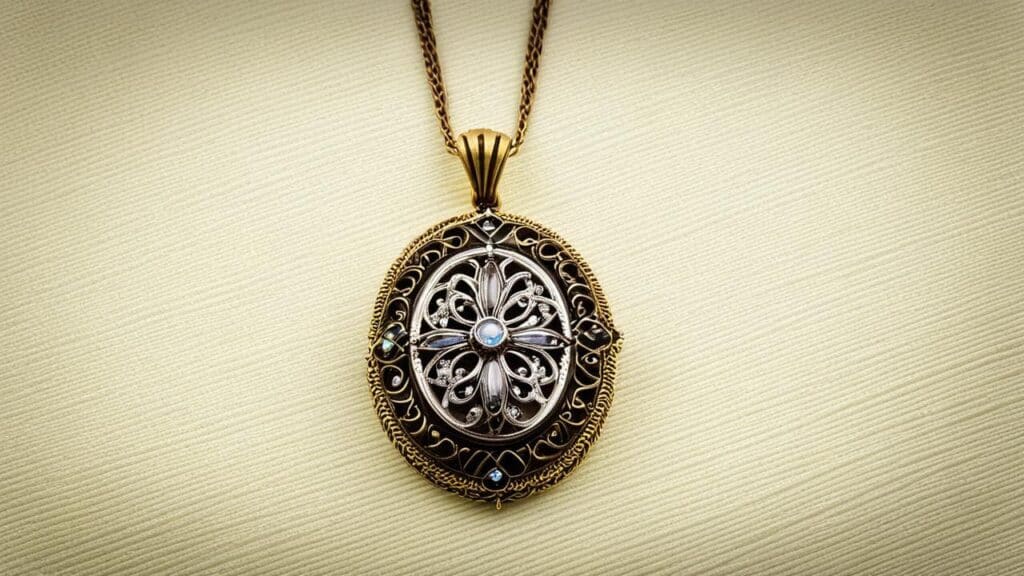
Deciding whether estate jewelry aligns with your personal style, lifestyle, and collecting philosophy requires considering multiple factors beyond mere aesthetics. Estate pieces offer unique advantages but also present certain considerations not applicable to new jewelry. Understanding both the benefits and potential challenges helps determine if these historical treasures are a good match for your specific circumstances and preferences.
- Consider your personal style authenticity – estate jewelry works particularly well for those drawn to distinctive pieces with character and history rather than current trends. If you appreciate craftsmanship details, unique design elements, and jewelry that tells a story, estate pieces likely align with your aesthetic sensibilities.
- Evaluate your comfort with imperfections, as most estate jewelry shows some evidence of its age and previous life. While quality dealers restore functional issues, completely erasing all signs of age would diminish historical integrity. Those who appreciate patina and gentle wear as part of a piece’s character will find estate jewelry more satisfying than perfection-seekers.
- Assess your interest in sustainability and ethical consumption, as choosing estate jewelry eliminates the environmental and social impacts associated with new mining and production. For environmentally conscious consumers, estate pieces offer a way to enjoy fine jewelry with minimal ecological footprint.
- Consider your budget priorities, as estate jewelry often provides superior craftsmanship and materials at lower costs than comparable new pieces, especially considering the significant retail markups on new jewelry. However, important signed pieces or rare examples can command premium prices beyond similar modern designs.
- Evaluate your willingness to research and learn, as appreciating estate jewelry fully involves understanding historical contexts, design movements, and craftsmanship techniques. Those who enjoy the educational aspect of collecting find this adds significant value to their jewelry experience.
- Consider your lifestyle and jewelry requirements – some estate pieces may have practical limitations for everyday modern wear. Delicate filigree work, vulnerable gemstone settings, or period-specific designs might be better suited for occasional rather than daily wear for active lifestyles.
- Assess your investment perspective, as quality estate jewelry often holds value better than new retail purchases. If you view jewelry partly as an investment or value store, carefully selected estate pieces typically offer better long-term value than mass-produced contemporary jewelry.
- Consider whether you value uniqueness and exclusivity, as estate pieces are inherently limited in availability. Unlike modern jewelry that might be produced in thousands of identical examples, most estate pieces you encounter will be one-of-a-kind or from very limited production runs.
Estate jewelry can be deeply rewarding for those who appreciate its unique characteristics and historical significance. The joy of owning pieces with their own histories, showcasing craftsmanship techniques rarely seen in modern production, and expressing individual style through unique treasures makes estate jewelry particularly satisfying for many collectors. While it may require more research and care than contemporary pieces, the distinctive character and connection to the past offered by quality estate jewelry creates a wearing and collecting experience that new jewelry simply cannot replicate.
Conclusion
Estate jewelry represents more than just pre-owned adornments; it embodies craftsmanship, history, and artistry from bygone eras that cannot be replicated in modern production. From delicate Georgian pieces to bold Retro designs, each item carries stories of its time while offering quality materials and techniques often superior to contemporary alternatives. For collectors, investors, and those who appreciate uniqueness and sustainability, estate jewelry provides exceptional value and distinctive character.
Whether you’re seeking investment-quality signed pieces, sustainable alternatives to newly mined materials, or simply unique adornments that express individual style, estate jewelry offers something truly special. With proper knowledge about authentication, care, and valuation, these historical treasures can be enjoyed for generations while potentially appreciating in value. The enduring appeal of estate jewelry lies in its ability to connect us with the past while beautifying our present – a rare combination that continues to captivate jewelry lovers worldwide.