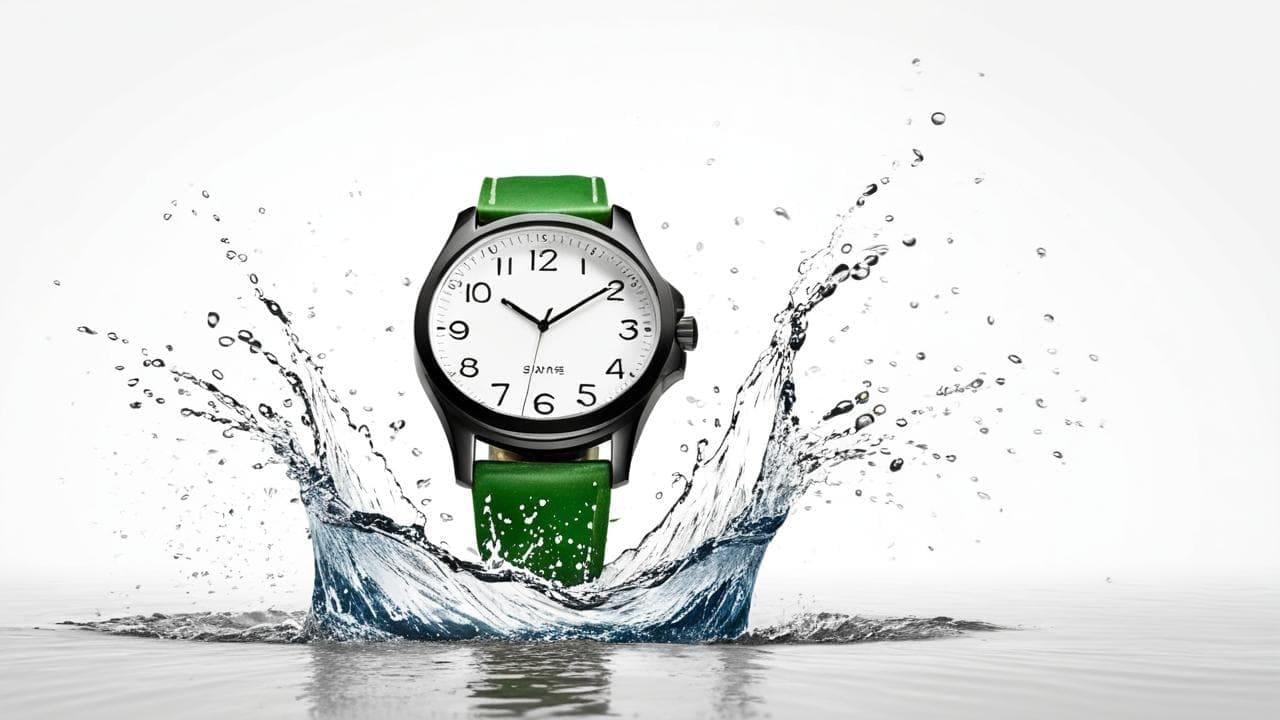
Water damage is one of the most common and potentially devastating problems watch owners face. Whether caught in unexpected rain, forgetting to remove your watch before swimming, or experiencing a seal failure, quick response can save your timepiece from expensive repairs. Even watches marketed as water-resistant can develop problems as seals age or after impacts that compromise their integrity. With water damage, time is critical - problems begin immediately and worsen rapidly with each passing hour. Knowing how to identify water damage signs and take immediate action will help you protect your valuable timepiece.
How to Tell if Water Has Entered Your Watch
Water infiltration in your watch isn’t always immediately obvious, but recognizing the signs early can save your timepiece from permanent damage. Many watch owners mistakenly believe minor water exposure won’t harm their timepieces, especially those with water resistance ratings, but even small amounts of moisture can cause significant internal damage if not addressed promptly. Understanding the warning signs of water infiltration allows you to take action before corrosion and rust permanently damage the delicate components inside your watch.
- Fogging or condensation under the crystal is the most telltale sign water has leaked into the mechanism. The crystal will fog up, and while this fog may temporarily disappear, this is misleading—the moisture remains inside and is already causing damage. Unlike external moisture that wipes away easily, internal condensation is trapped behind the crystal and cannot be removed from the outside.
- Discoloration, corrosion, or rusting on the hands and dial indicates water has not only entered but has begun damaging the internal components. This oxidation process can begin within days with fresh water and even faster with salt water, which is particularly corrosive to watch mechanisms.
- Timekeeping problems are a critical sign of water damage. Mechanical watches may suddenly run slow, fast, stop intermittently, or cease functioning entirely. The delicate balance wheel and escapement mechanisms are especially vulnerable to moisture and can show erratic performance within hours of exposure.
- Digital or smart watches display different symptoms including flickering screens, unresponsive buttons, distorted displays, or partial LCD segments disappearing. Even small amounts of moisture can cause short circuits that drain batteries rapidly or create dark spots on displays that grow larger over time.
- Unusual sounds when tilting the watch, such as clicking or sloshing noises, indicate free-moving liquid inside the case—a serious problem requiring immediate professional attention. This means water hasn’t just condensed but is actually flowing inside your timepiece.
- A persistent moisture smell combined with any of the above symptoms confirms water infiltration that has likely begun affecting internal components. Even minor incidents can compromise your watch’s waterproofing and lead to costly repairs if not addressed promptly.
Water damage begins causing harm immediately and grows increasingly destructive with each passing hour. Fresh water damages components within a week, while salt water can completely corrode a movement in just days, making quick action essential to saving your timepiece. The damage progression accelerates as water begins to oxidize metal parts, with salt water being particularly aggressive toward the tiny springs, gears, and electronic components that make your watch function. Many watch owners don’t realize that what appears as minor fogging can quickly develop into extensive internal damage that might cost more to repair than the watch’s value.
Emergency Steps When Water Gets in Your Watch
When you discover water has entered your watch, every minute counts. Taking the right actions immediately can prevent permanent damage to your timepiece’s delicate internal components. The goal is to minimize exposure time and begin drying the watch as quickly as possible, without making the situation worse through improper handling. Following these steps could mean the difference between a simple cleaning and a complete movement replacement.
- Stop wearing the watch immediately. Moving the watch while water is inside can spread moisture to more components and cause additional damage. Remove it carefully from your wrist without shaking or jarring it, which could send water deeper into the movement.
- Gently dry the exterior surface of the watch with a soft, absorbent cloth or thick tissues. Pat rather than rub the watch dry to avoid pushing water further into the case through the seals. Pay special attention to areas around the crown, buttons, and case back.
- Position the watch to help water drain naturally. For watches with crowns at 3 o’clock, place them crown-down on an absorbent cloth. This positioning can help gravity pull moisture away from the most vulnerable parts of the movement. For digital watches, try placing them screen-down on a soft cloth.
- Do not shake, drop, or bump your watch. With water inside, your watch is already damaged, and shaking to remove excess water can make the damage worse by forcing moisture into previously dry areas.
- Never use heat sources like hair dryers, ovens, microwaves, or place the watch in direct sunlight to dry it. Extreme heat can damage sensitive components and may cause the water inside to expand, creating additional pressure on seals and gaskets.
- Do not press any buttons, turn the crown, or tamper with any parts of a water-damaged watch. Doing so can result in short circuits or other electrical damage, leading to further complications and reducing the chances of a successful repair.
- For watches with screw-down crowns, leave them in their current position—attempting to screw them in or out could push more water into the movement or damage the threading if water has already reached the crown tube.
Acting quickly but carefully is essential when dealing with water-damaged watches. Your immediate response should focus on preventing additional water entry while gently removing exterior moisture. Resist the urge to check if the watch is still working, as operating a wet mechanism can cause short circuits or mechanical damage. Remember that many water-resistant watches have pressure-equalizing vents that allow air but not water to escape—these same vents can allow the watch to dry naturally if given sufficient time in the right environment.
How to Dry a Wet Watch at Home: DIY Methods
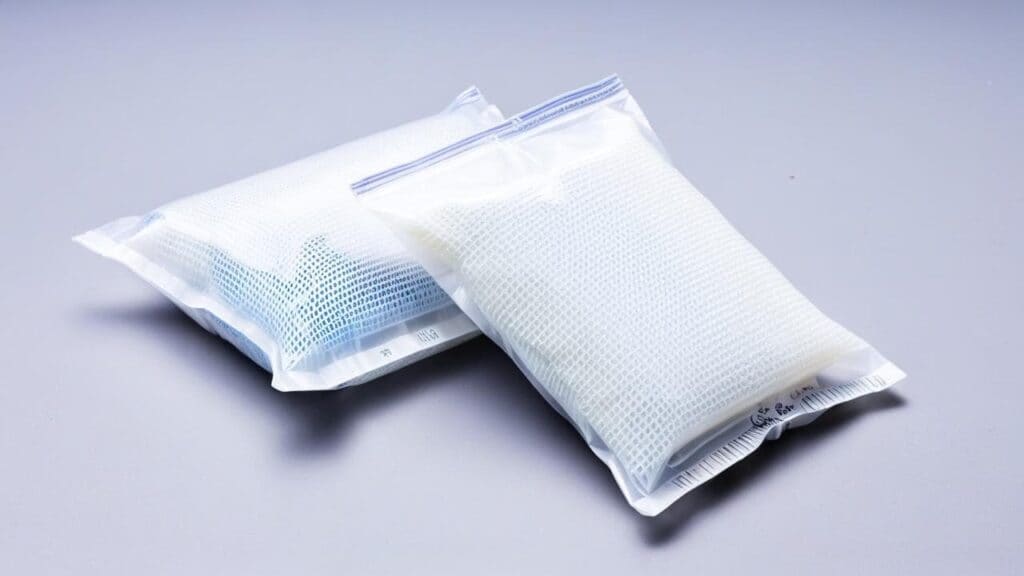
While professional service is always the best option for a water-damaged watch, there are several methods you can use to remove moisture when immediate professional help isn’t available. These techniques can help reduce damage until you can get the watch to a repair specialist. Keep in mind that these are temporary measures and not a substitute for proper servicing by a qualified watchmaker.
- The silica gel method is preferable for drawing moisture out of a watch. Place your watch and silica gel packets (the kind found in shoe boxes and electronics packaging) in an airtight container and seal it tightly. Leave your watch in this container for 2-3 days, allowing the silica gel to absorb moisture from inside the watch.
- The rice method works similarly but is less effective than silica gel. Place the watch in a container filled with uncooked rice, which will absorb moisture over time. This method is less ideal as rice dust may enter the watch, but it’s better than nothing in an emergency. Leave the watch buried in rice for 2-3 days.
- Watch-specific desiccants can be purchased from watchmaking supply stores. These are specially designed to absorb moisture without releasing dust or particles that might enter the watch case. Follow the package instructions for proper use.
- If attempting to dry at home, you can use a hair dryer on a medium setting to dry your watch evenly on the case, back, and sides, but ensure it never gets too hot. Applying excessive heat to the watch can damage seals, crystals, and movement components.
- For quartz watches with batteries, carefully remove the battery if you’re able to safely open the case back. This prevents short circuits while the watch dries. Only attempt this if you’re familiar with opening watch case backs and can do so without introducing more moisture.
- Place the watch in a warm (not hot) room with low humidity. Natural air circulation can help gradually draw moisture out of the watch over several days. Position the watch so that any moisture can drain toward the crown or other opening.
- Never place the watch in a vacuum, as this can damage the seals and crystal due to pressure differences.
These DIY methods have limitations and success rates vary widely depending on how much water entered the watch, how long it was exposed, and the type of water (chlorinated, salt, or fresh). While these techniques may help remove some moisture, they often cannot reach water trapped in the movement’s mechanisms or under the dial. Remember that even after the watch appears dry, microscopic moisture may remain inside, continuing to cause damage. These methods should be considered temporary measures to reduce damage until professional service is possible—not final solutions.
Signs Your Watch Needs Professional Water Damage Repair
While DIY methods can help as first aid for a water-damaged watch, there are clear scenarios where professional intervention becomes necessary. Recognizing when to seek expert help can save your timepiece from irreparable damage and potentially save you money in the long run. Professional watchmakers have specialized tools and techniques that can properly address water damage that home methods simply cannot match.
- Seek professional help immediately if your watch was submerged in salt water, chlorinated pool water, or dirty water. These liquids contain chemicals and minerals that are particularly corrosive and can cause rapid deterioration of the movement components.
- If you notice persistent condensation under the crystal, or if your watch has been submerged in water beyond its rated capacity, it’s time to consult a watchmaker. Proper care of your watch is not just about maintaining its appearance; it greatly impacts its longevity.
- For mechanical watches, professional intervention is crucial as water damage can be incredibly corrosive. With fresh water, rust can begin forming within a week; with salt water, total corrosion of the movement can occur in just days. If you wait and the watch rusts inside, this will destroy the watch.
- Vintage, luxury, or highly valuable watches should always be taken to professionals immediately after water exposure, regardless of how minor the incident seems. The potential value loss from improper DIY repair attempts far exceeds professional service costs.
- It is still recommended to have the watch repaired by a professional watch repair shop. They will be able to seal the front and back properly to assure no future leaks. Have them run a pressure test to ensure that there are no potential leak areas.
- For watches with complicated functions like chronographs, moon phases, or perpetual calendars, professional service is essential. These mechanisms are extremely complex and sensitive to moisture damage.
- The professional repair process includes inspecting the movement, cleaning it with specialized solvents to remove water and debris, proper lubrication, replacement of damaged seals, and thorough testing to ensure proper function and water resistance restoration.
- If your watch stops working entirely or shows electronic malfunctions after water exposure, professional help is necessary. Attempting to operate or repair electronic components yourself can cause further damage.
Professional watchmakers have the expertise, specialized tools, and clean environments needed to properly address water damage. A watchmaker will separate the movement from the case immediately, disassemble everything, and dry all the pieces individually. A watch can have hundreds of components that all need to be dried out thoroughly and then cleaned with special solutions to remove old oils and dust. While professional service may seem expensive, it’s often the only way to truly save a water-damaged watch. Delaying professional treatment only allows corrosion to progress, potentially turning a repairable issue into catastrophic damage that renders the watch a total loss.
Never Get Water in Your Watch Again: Prevention Tips
The best way to deal with water damage is to prevent it from happening in the first place. Understanding your watch’s water resistance limitations and properly maintaining its water-resistant features can save you from the stress and expense of water damage repairs. These preventative measures are simple to implement but crucial for the long-term health of your timepiece.
- Understand water resistance ratings accurately. When a watch is labeled as waterproof, it means it has been specially designed to be water-resistant to a specific depth, such as 30 meters/100 feet or 50 meters/165 feet. However, this can vary depending on the make and model of the watch.
- A watch marked “30m water resistant” is splash-resistant only—not suitable for swimming or showering. 50m watches can handle light swimming in shallow water. 100m watches are suitable for recreational swimming and snorkeling. Only watches rated 200m or more are truly suitable for diving activities.
- For water activities, ensure the crown is pushed in before going into water, and never turn the crown underwater. For screw-down crowns, verify they’re fully secured before any water exposure.
- Have your watch serviced regularly by a professional watchmaker to ensure that all the seals in your timepiece are in good condition. During service, a watchmaker will detect any signs of water damage early and prevent further deterioration.
- Have your watch checked for water resistance every 1-2 years by a professional watchmaker, not a jeweler, as it needs to be tested with proper water pressure testing equipment to verify seal integrity.
- Replace gaskets and seals during regular service intervals, typically every 3-5 years, even if they appear fine. Rubber and silicone gaskets naturally degrade over time, compromising water resistance even in unworn watches.
- Consider lubricating gaskets with silicone grease to maintain their function. A tiny drop will do. Avoid using petroleum-based lubricants like WD-40, as they’ll ruin and melt the gaskets.
- Remove your watch before showering, swimming, or participating in water sports unless it’s specifically designed for these activities and you’ve recently verified its water resistance.
- Avoid extreme temperature changes while wearing your watch, such as going from a hot sauna directly into a cold pool, as this can cause seals to temporarily contract and allow water entry.
- After exposure to salt water, always rinse your watch thoroughly with fresh water and dry it completely, even if it’s designed for such exposure. Salt residue can degrade gaskets over time.
Maintaining your watch’s water resistance is an ongoing process, not a permanent feature. Even high-end diving watches require regular maintenance to ensure their seals remain effective. By understanding your watch’s limitations and following these preventative measures, you can significantly reduce the risk of water damage and extend the life of your timepiece. Remember that a watch’s water resistance rating indicates what it can withstand when new and properly maintained—not a lifetime guarantee against water infiltration.
Long-term Consequences of Water in Your Watch
Understanding the potential long-term consequences of water exposure can help emphasize the importance of prompt action and proper preventative measures. Water damage doesn’t always show its full effects immediately, and seemingly minor exposure can lead to serious problems months or even years later if not properly addressed.
- Water damage can cause the gears to rust or corrode. If the water is not cleaned up quickly, this can lead to permanent damage and even a total breakdown of the watch movement. Water can also cause the seals on a watch to break down, leading to moisture infiltration and eventual corrosion.
- Even after successful drying, microscopic mineral deposits left behind by evaporated water can cause abrasive wear on moving parts, gradually degrading the watch’s accuracy and reliability over months or years.
- Lubricants essential for smooth movement operation become diluted or washed away by water exposure, causing increased friction and accelerated wear even after the watch appears to be functioning normally again.
- Water damage often voids manufacturer warranties, leaving you responsible for potentially costly repairs or even full movement replacements if problems develop later.
- Collector value and resale potential can be significantly impacted by water damage history, even if repairs were professional and complete. Documentation of water damage in service records may substantially reduce a watch’s market value.
- Proper maintenance is imperative, especially on delicate mechanisms like timepieces. Even before your watch fills with moisture or stops working, regular maintenance is essential. The inside of a watch is filled with tiny gears and sensitive parts that must be installed perfectly to work properly.
- Digital and smart watches may experience progressive circuit board corrosion that can cause intermittent problems long after the initial water exposure, including screen failures, battery drain issues, or sensor malfunctions.
- Some insurance policies cover watch damage, including water exposure. Check your homeowner’s or renter’s insurance to see if your watches are covered, or consider specialized jewelry insurance for valuable timepieces.
The effects of water damage on watches are often cumulative and progressive, making professional inspection crucial even if the watch appears to be functioning normally after exposure. What seems like a minor issue today can develop into a major problem later as corrosion slowly spreads through the movement. The cost of preventative maintenance and prompt professional attention after water exposure is almost always less than the cost of repairing extensive damage—not to mention the potential sentimental value of watches that might be irreplaceable regardless of financial considerations.
Conclusion
Water damage is among the most common and serious threats to watch longevity, but with prompt action and proper knowledge, most timepieces can be saved from permanent harm. The visible signs—fogging, condensation, or erratic timekeeping—are just the beginning, as water immediately attacks delicate components inside, with damage accelerating rapidly over hours and days. DIY methods using silica gel or rice can help as first aid, but they’re no substitute for proper servicing by a qualified watchmaker.
Prevention remains your best defense against water damage. Understanding your watch’s actual water resistance limitations, maintaining seals through regular service, and exercising caution during water activities will protect your timepiece for years to come. By responding appropriately at the first sign of moisture intrusion, you’re safeguarding not just a timekeeping device but often an investment and sentimental object meant to last for generations. When it comes to water and watches, caution today prevents heartbreak tomorrow.