Bamboo jewelry has become increasingly popular in sustainable fashion, merging eco-friendly materials with artistic design to create distinctive accessories that are both attractive and environmentally conscious. Modern consumers are actively seeking sustainable alternatives in their fashion choices, and bamboo has emerged as a versatile material offering an ideal balance of aesthetics, durability, and ethical production. Bamboo jewelry encompasses everything from historical significance to practical care considerations, representing a thoughtful approach to personal adornment that aligns with contemporary environmental values.
Understanding Bamboo Jewelry
Bamboo jewelry encompasses a diverse range of accessories crafted primarily from bamboo, one of nature’s most sustainable and versatile materials. These pieces range from minimalist designs that showcase bamboo’s natural golden hue and grain patterns to elaborate creations that feature intricate carvings, inlays, or combinations with other materials like metals, stones, or fibers. The appeal of bamboo jewelry lies not only in its aesthetic versatility but also in its lightweight comfort, hypoallergenic properties, and environmental benefits that align with modern consumers’ values.
- Bamboo is technically a grass, not a wood, and is one of the fastest-growing plants on Earth with some species growing up to 35 inches per day, making it an exceptionally renewable resource for jewelry production without the environmental impact of traditional mining or forestry.
- The natural composition of bamboo creates jewelry that is remarkably lightweight while maintaining structural integrity, making it particularly suitable for statement earrings, elaborate necklaces, and cuff bracelets that might otherwise be too heavy in conventional materials.
- Bamboo jewelry is naturally hypoallergenic, containing none of the nickel or other metal allergens commonly found in conventional jewelry, making it an excellent choice for those with sensitive skin who still want to enjoy fashionable accessories.
- The material’s versatility allows artisans to create pieces ranging from rustic, organic designs that showcase bamboo’s natural texture to highly polished, sophisticated pieces that rival fine jewelry in their elegance and precision.
- Modern processing techniques have expanded bamboo’s design potential, including methods for creating flexible bamboo textiles and veneers that can be incorporated into contemporary jewelry designs alongside the traditional use of solid bamboo segments.
Bamboo jewelry represents not just a fashion choice but a philosophical one, embracing principles of sustainability and ethical consumption. As the jewelry industry faces increasing scrutiny over environmental and human rights concerns in traditional mining and manufacturing, bamboo offers an alternative that aligns with the values of conscious consumers without compromising on style or quality. This convergence of ethics and aesthetics explains why bamboo jewelry continues to gain popularity among diverse consumer groups, from dedicated environmentalists to fashion-forward individuals seeking unique statement pieces.
Origins of Bamboo in Jewelry Making
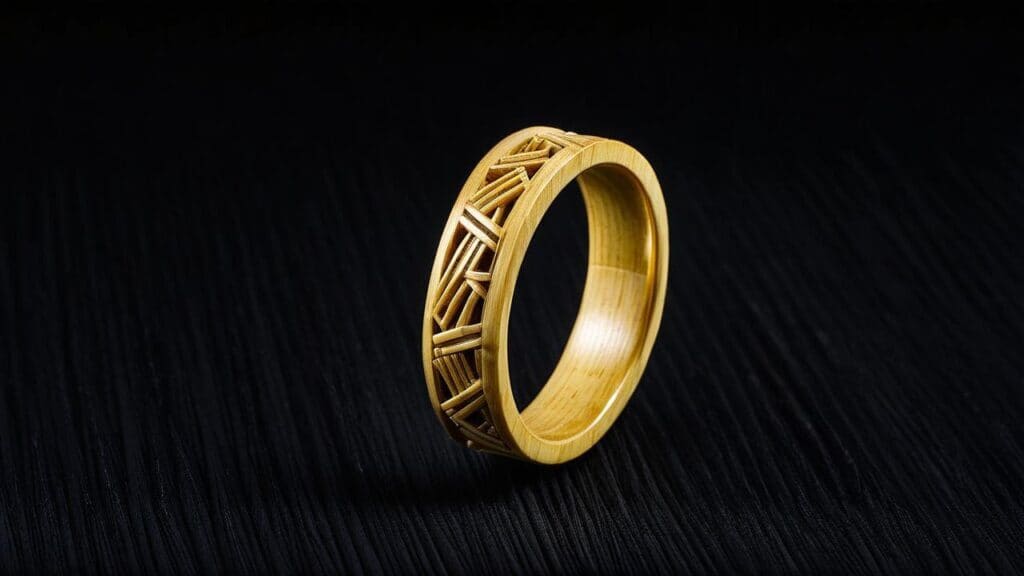
The use of bamboo in personal adornment dates back thousands of years across multiple continents, with archaeological evidence suggesting bamboo jewelry has been part of human culture since at least 5000 BCE. From ancient Chinese nobility to indigenous communities throughout Asia and the Pacific Islands, bamboo has been transformed into meaningful ornaments that reflect cultural values, spiritual beliefs, and artistic traditions. This rich historical context provides the foundation for the contemporary bamboo jewelry movement, which draws inspiration from these diverse cultural practices while incorporating modern design sensibilities.
- Ancient Chinese culture revered bamboo for its resilience and practical uses, with archaeological findings showing bamboo ornaments dating back to the Neolithic period (10,000-2,000 BCE), including finger rings, hair pins, and ceremonial accessories that signified status and cultural identity.
- Throughout Southeast Asia, particularly in countries like Thailand, Vietnam, and the Philippines, indigenous communities developed sophisticated techniques for bamboo jewelry making, including methods for splitting, carving, and heat-treating bamboo to create intricate designs that have been passed down through generations.
- Japanese artisans during the Edo period (1603-1868) perfected the art of bamboo crafting, developing methods to create extremely thin bamboo strips that could be woven into delicate jewelry pieces, including hairpins (kanzashi) and other personal adornments that showcased extraordinary technical skill.
- African cultures, particularly in regions where bamboo grows naturally like Ethiopia and parts of West Africa, incorporated bamboo into traditional jewelry that often held spiritual significance, with certain designs believed to offer protection or connection to ancestral spirits.
- The Western world’s interest in bamboo jewelry emerged significantly during the mid-20th century alongside broader cultural exchanges with Asia, with the environmental and counterculture movements of the 1960s and 1970s embracing natural materials as an alternative to mass-produced accessories.
- Contemporary bamboo jewelry experienced a renaissance in the early 2000s as part of the broader sustainable fashion movement, with designers combining traditional crafting techniques with modern aesthetics to create pieces that appeal to environmentally conscious consumers.
- The globalization of bamboo jewelry has led to fascinating cross-cultural influences, with Western designers adopting Asian techniques while Asian artisans incorporate Western design elements, creating a rich global dialogue expressed through this sustainable medium.
The historical journey of bamboo jewelry reflects broader cultural exchanges and evolving attitudes toward both personal adornment and environmental responsibility. What began as locally significant cultural practices has evolved into a global phenomenon that honors traditional craftsmanship while addressing contemporary concerns about sustainability and ethical production. This historical depth adds meaning to modern bamboo jewelry, connecting wearers to ancient traditions while participating in the ongoing evolution of sustainable fashion.
Top Benefits of Wearing Bamboo Jewelry
Bamboo jewelry offers numerous advantages that make it an increasingly popular choice among conscious consumers. Beyond its aesthetic appeal, bamboo provides practical benefits that enhance the wearing experience while addressing environmental concerns associated with conventional jewelry production. These combined advantages explain why bamboo has transcended being merely a trend to become a significant category in sustainable jewelry.
- Bamboo’s exceptional sustainability credentials stem from its rapid growth cycle, with most jewelry-grade species reaching maturity in 3-5 years compared to decades or centuries for hardwoods, requiring minimal water, no pesticides, and naturally regenerating from its own root system without needing replanting.
- The material’s natural lightweight properties make bamboo jewelry exceptionally comfortable for all-day wear, allowing for larger, more dramatic designs that would be impractically heavy in metal or stone, particularly important for earrings that might otherwise cause earlobe stress.
- Bamboo jewelry’s hypoallergenic nature provides a solution for the estimated 17% of women who experience allergic reactions to common metals in conventional jewelry, offering a fashionable alternative without the risk of skin irritation, redness, or more severe allergic responses.
- The thermal properties of bamboo make it comfortable against the skin in varying temperatures, unlike metal jewelry that can become uncomfortably cold in winter or hot in summer, creating a consistently pleasant wearing experience year-round.
- Economically, bamboo jewelry often supports sustainable livelihoods in communities where bamboo naturally grows, creating economic opportunities without the environmental and human rights concerns often associated with mining industries that supply materials for conventional jewelry.
- The biodegradable nature of untreated bamboo means that, unlike plastic or metal jewelry that may persist in landfills for centuries, bamboo pieces will eventually return to the earth at the end of their useful life, though many treatments and finishes can affect this timeline.
- Bamboo’s natural variations in grain, color, and texture ensure that each piece of jewelry is uniquely distinctive, even when made from the same design template, providing wearers with truly one-of-a-kind accessories that cannot be exactly replicated.
The multifaceted benefits of bamboo jewelry explain its growing appeal across diverse consumer segments, from environmentally conscious shoppers to those with sensitive skin to fashion enthusiasts seeking distinctive designs. Unlike many environmentally friendly alternatives that require compromises in aesthetics or functionality, bamboo jewelry offers advantages beyond its sustainability, making it a compelling choice on multiple levels. As awareness of these benefits continues to spread, bamboo jewelry is likely to maintain its trajectory from alternative option to mainstream accessory choice.
Popular Types of Bamboo Jewelry
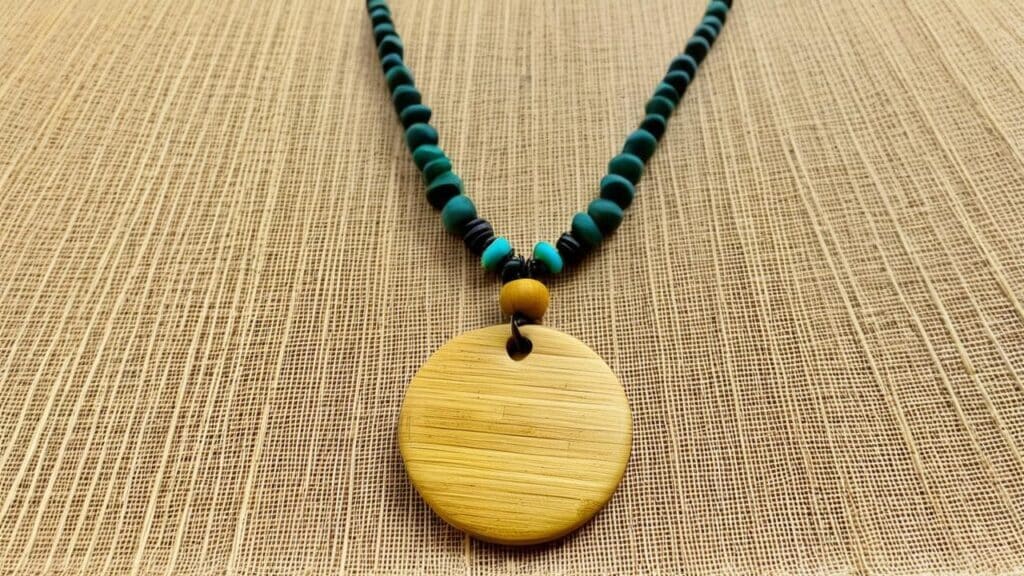
Bamboo jewelry encompasses a remarkably diverse range of styles, techniques, and forms that showcase the material’s versatility. From minimalist natural pieces that celebrate bamboo’s inherent beauty to complex creations that transform the material through various treatments and combinations with other elements, the category offers something for virtually every taste and occasion. This diversity allows bamboo to transcend any single aesthetic category, appearing in everything from bohemian festival accessories to refined pieces suitable for formal events.
- Bamboo bracelets represent perhaps the most common form, ranging from simple bangles made from cross-sections of bamboo stalks to complex cuffs featuring carved designs, inlays, or woven elements, often designed to showcase the natural grain patterns that make each piece unique.
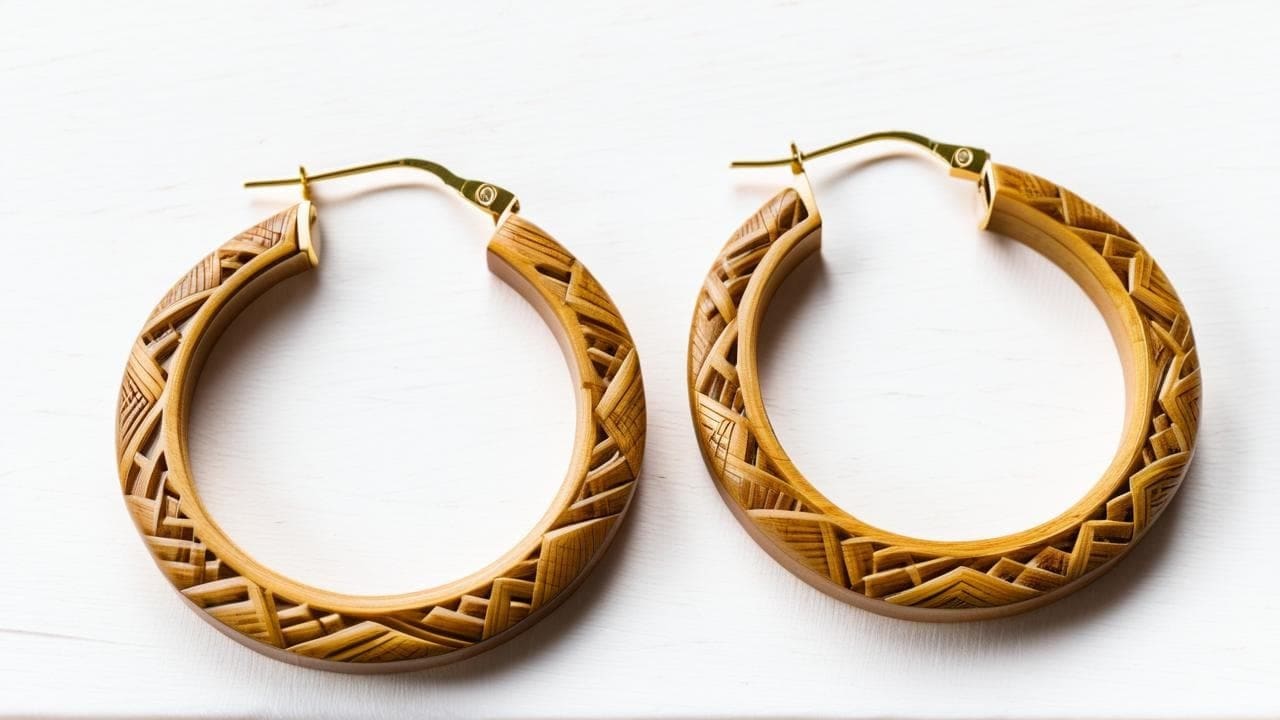
- Earrings crafted from bamboo capitalize on the material’s lightweight nature, allowing for larger statement designs that would be uncomfortable in heavier materials, with styles including hoops cut from bamboo cross-sections, dangling designs incorporating bamboo beads, and studs featuring bamboo inlays.
- Necklace designs range from simple pendants carved from bamboo sections to elaborate multi-strand creations featuring bamboo beads in various shapes, sizes, and finishes, sometimes incorporating other natural materials like seeds, shells, or sustainable woods for textural contrast.
- Rings made from bamboo offer an alternative to metal bands, with techniques including bent bamboo strips sealed into circular forms, carved ring bands showcasing intricate relief designs, and inlay work where bamboo is combined with other materials to create distinctive patterns.
- Hair accessories represent a traditional application of bamboo in personal adornment, with contemporary offerings including bamboo hair sticks, clips lined with bamboo, and decorative combs that combine functionality with sustainable materials.
- Beaded bamboo jewelry encompasses a vast category where bamboo is cut into various bead shapes—including rounds, tubes, chips, and geometric forms—then polished, sometimes dyed with natural colorants, and strung or woven into countless designs.
- Mixed-media bamboo jewelry combines bamboo elements with other materials like recycled metals, organic cotton cords, sustainably sourced gemstones, or repurposed materials, creating pieces that blend multiple sustainable elements in innovative ways.
The diversity within bamboo jewelry allows it to satisfy a wide range of personal styles and occasions, from casual everyday pieces to special occasion accessories. This versatility challenges the misconception that sustainable jewelry must adhere to a particular “eco-aesthetic” or be limited in its design possibilities. Instead, contemporary bamboo jewelry demonstrates that sustainable materials can be transformed to suit virtually any fashion sensibility, making environmentally responsible choices accessible to consumers regardless of their personal style preferences.
How Artisans Create Beautiful Bamboo Jewelry
The creation of bamboo jewelry involves a fascinating process that combines traditional craftsmanship with modern techniques. The journey from raw bamboo stalk to finished jewelry piece requires multiple steps that balance preserving the material’s natural beauty while ensuring durability and wearability. Understanding this process helps appreciate the skill and care invested in quality bamboo jewelry, while highlighting the low environmental impact compared to conventional jewelry production methods.
- The process begins with selective harvesting of mature bamboo stalks, typically 3-5 years old, when the material has reached optimal hardness and stability for jewelry making, with skilled harvesters choosing appropriate sections based on diameter, wall thickness, and node spacing.
- Initial processing involves removing the outer green layer to reveal the natural golden color beneath, followed by cutting the bamboo into workable sections that will form the basis for different jewelry components, with particular attention paid to nodes (joints) that can either be featured as design elements or avoided depending on the intended final piece.
- Bamboo must undergo careful drying to prevent warping or cracking, with methods ranging from traditional air-drying over several weeks to controlled kiln drying that accelerates the process while carefully managing moisture content to maintain the material’s structural integrity.
- Treatment against insects and fungi is essential for longevity, with traditional methods using natural solutions like soaking in lime water or smoking over fires, while contemporary approaches might include non-toxic borax solutions or heat treatment that preserves the bamboo’s eco-friendly qualities.
- Shaping techniques vary widely depending on the desired result, from basic cutting and sanding to elaborate carving using specialized tools, steam bending for curved elements, and even flattening bamboo into strips that can be woven or coiled into intricate designs.
- Surface finishing enhances both aesthetics and durability, with options ranging from simple polishing that highlights bamboo’s natural luster to applications of natural oils and waxes, water-based varnishes, or even pyrography (decorative burning) that adds contrast and detail.
- Assembly of the final piece often involves combining the prepared bamboo elements with findings (clasps, ear wires, jump rings) made from complementary sustainable materials like recycled metals, natural fibers, or glass, with attention to ensuring that connections are secure while maintaining the piece’s overall aesthetic harmony.
The production of bamboo jewelry represents a significantly lower environmental impact than conventional jewelry manufacturing, avoiding the resource-intensive mining, refining, and casting processes associated with metals or the controversial practices sometimes involved in gemstone extraction. This handcrafted approach also tends to support skilled artisans rather than industrial production, creating economic opportunities that align with principles of sustainable development. The result is not just beautiful adornment, but pieces that embody a more thoughtful approach to personal decoration.
How to Care for Bamboo Jewelry
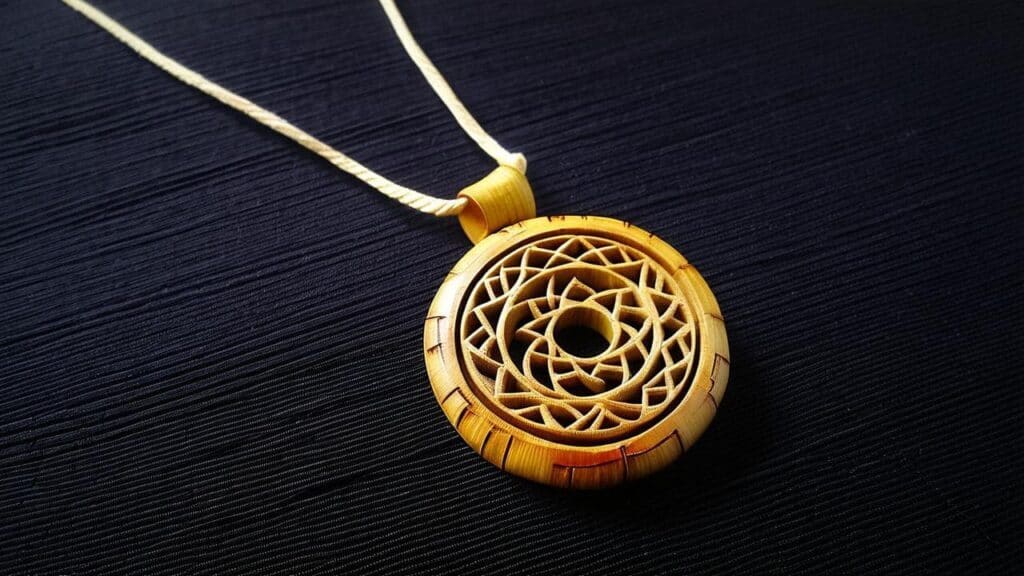
Proper care is essential for maintaining the beauty and longevity of bamboo jewelry. While bamboo is naturally durable, it requires different maintenance approaches than metal or gemstone pieces. With appropriate care, bamboo jewelry can retain its appeal for many years, developing a beautiful patina that enhances its character over time. Following these guidelines helps preserve both the aesthetic qualities and structural integrity of these sustainable accessories.
- Bamboo jewelry should be kept away from prolonged exposure to water, as excessive moisture can cause warping, swelling, or in extreme cases, mold growth; remove bamboo pieces before showering, swimming, or engaging in activities that involve heavy perspiration.
- Direct sunlight and extreme heat can cause bamboo to dry out, potentially leading to cracking or color fading, so store bamboo jewelry away from windows and heat sources, and avoid leaving pieces in hot cars or other high-temperature environments.
- Regular cleaning involves gently wiping pieces with a soft, slightly damp cloth to remove dust and skin oils, followed by immediate drying with a clean, dry cloth; avoid commercial jewelry cleaners which often contain harsh chemicals that can damage the bamboo.
- Periodically conditioning bamboo jewelry with natural oils helps maintain its luster and prevent drying; food-grade mineral oil, coconut oil, or specialized bamboo oil can be applied sparingly with a soft cloth, allowed to penetrate briefly, then buffed to remove excess.
- Storage considerations are important for bamboo jewelry, which should ideally be kept in a breathable fabric pouch rather than plastic containers that can trap moisture; for necklaces and bracelets, hanging storage prevents tangling while allowing air circulation.
- Air humidity affects bamboo jewelry, with very dry conditions potentially causing cracking and very humid environments potentially encouraging mold growth; aim for moderate humidity, and consider using silica gel packets in storage areas during extremely humid seasons.
- Bamboo jewelry with metal components requires special attention to prevent tarnish transfer or corrosion; keep these pieces separated from all-metal jewelry and periodically check connections to ensure they remain secure, as bamboo’s natural expansion and contraction with humidity changes can sometimes affect attached findings.
With proper care, bamboo jewelry can become a lasting part of your accessories collection, often developing a deeper, richer color over time as the material responds to natural oils and air exposure. Unlike many conventional jewelry materials that remain static, bamboo has a living quality that allows it to evolve subtly with wear, creating pieces that become increasingly personalized to their owner. This organic relationship between wearer and adornment represents one of the unique pleasures of choosing bamboo jewelry over mass-produced alternatives.
How to Style Bamboo Jewelry
Bamboo jewelry offers versatile styling opportunities that work across seasons, occasions, and personal aesthetics. The material’s natural warmth and organic texture allow it to complement a wide range of fabrics, colors, and other accessories, making bamboo pieces surprisingly adaptable additions to any jewelry collection. Whether you’re drawn to bamboo for its sustainability credentials or its distinctive appearance, these styling approaches will help you integrate bamboo jewelry effectively into your personal style expression.
- Bamboo’s natural golden-brown tones pair beautifully with earth-toned clothing in beiges, browns, greens, and burnt oranges, creating harmonious nature-inspired looks, while also providing warm contrast against cooler colors like blues and purples for a balanced aesthetic.
- For casual everyday wear, bamboo bracelets and simple pendants add an element of thoughtful sustainability to basic outfits, working particularly well with natural fabrics like linen, cotton, and hemp to create a cohesive organic look that doesn’t feel overstated.
- Contrary to common assumptions, bamboo jewelry can be styled for formal occasions by choosing pieces with more refined finishes and elegant designs—look for bamboo elements combined with precious metals or high-quality craftsmanship that elevates the material beyond casual associations.
- Layering bamboo pieces with other sustainable jewelry creates depth and visual interest while maintaining an ethical approach; try combining bamboo bracelets with wooden bangles, or layer a bamboo pendant necklace with longer beaded strands for a bohemian-inspired look.
- Seasonal styling considerations include embracing bamboo’s lightweight nature for summer outfits when heavy metals can feel uncomfortable against warm skin, while in winter, bamboo’s warmer aesthetic complements heavier fabrics and layered clothing styles.
- Bamboo jewelry offers excellent options for travel wardrobes, being lightweight, generally durable, and versatile enough to pair with multiple outfits, reducing the need to pack numerous accessories while maintaining stylish options throughout your journey.
- Professional environments can accommodate bamboo jewelry through careful selection of more subtle pieces with refined finishes; small bamboo stud earrings, slim bangles, or pendants on simple chains add natural elements to work attire without appearing too casual or distracting.
Bamboo jewelry’s styling versatility challenges the perception that sustainable accessories must be limited to certain aesthetic categories or occasions. Contemporary bamboo pieces range from distinctly organic designs that celebrate the material’s natural qualities to sophisticated creations that could easily be mistaken for fine jewelry at first glance. This range allows wearers to express their commitment to sustainability regardless of their personal style preferences, making bamboo jewelry an inclusive category that can adapt to diverse fashion sensibilities while maintaining its environmental benefits.
How Bamboo Jewelry Compares to Other Materials
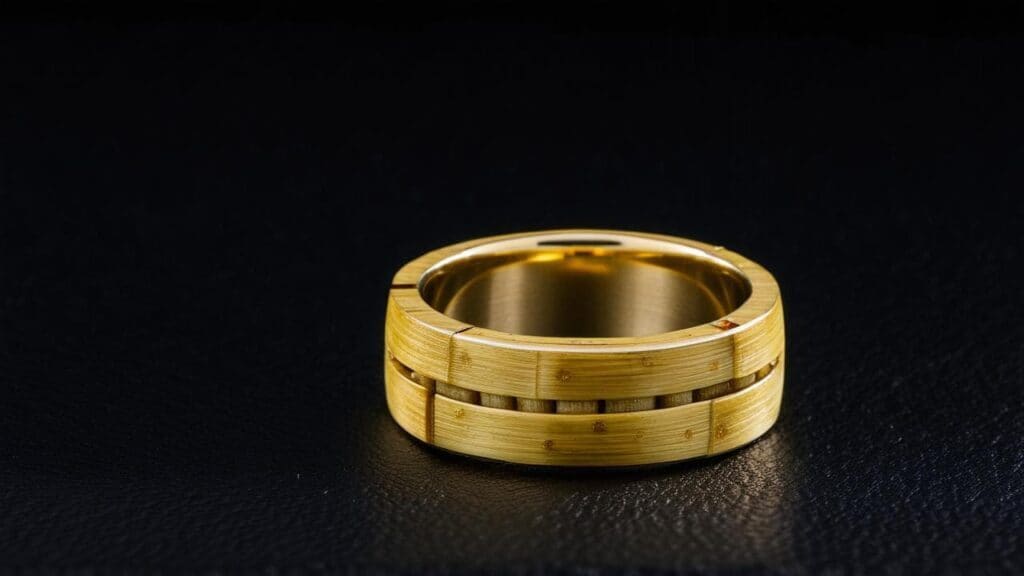
Comparing bamboo to other common jewelry materials provides valuable context for understanding its unique properties and position in the sustainable accessories landscape. Each jewelry material offers distinct characteristics, advantages, and limitations, with bamboo presenting a particular combination of qualities that appeal to those seeking alternatives to conventional options. This comparative perspective helps consumers make informed choices based on their personal priorities regarding aesthetics, durability, comfort, and environmental impact.
- Bamboo compared to precious metals like gold and silver offers significantly lighter weight and natural warmth against the skin, though it cannot achieve the same reflective shine or malleability; while metals require resource-intensive mining and refining, bamboo represents a renewable resource with minimal processing requirements.
- Against other plant-based materials like wood, bamboo generally grows much faster (3-5 years to maturity versus decades for most hardwoods), making it more rapidly renewable while offering similar aesthetic qualities; bamboo’s hollow structure also makes it naturally lighter than most solid woods used in jewelry.
- Compared to plastic-based fashion jewelry, bamboo provides a biodegradable alternative with a more premium, natural appearance, though it requires more careful maintenance and lacks the water resistance and color versatility of synthetic materials.
- In contrast to gemstone jewelry, bamboo pieces are significantly lighter and more affordable, though they cannot replicate the refractive properties or hardness of mineral-based materials; environmentally, bamboo avoids the land disruption and potential ethical concerns associated with some gemstone mining operations.
- Bamboo versus bone or horn jewelry (other natural materials) represents a vegan-friendly alternative that doesn’t require animal products, with comparable workability and aesthetic qualities but generally requiring more careful moisture management to maintain its condition.
- Against shell-based jewelry, bamboo offers greater structural strength and resistance to cracking, though it lacks the iridescence and color variations found in materials like mother-of-pearl; bamboo also avoids potential conservation concerns associated with certain shell harvesting practices.
- When compared with leather components in jewelry, bamboo presents a cruelty-free alternative that can be crafted into similarly organic-looking pieces, though it cannot replicate leather’s flexibility and softness; both materials develop character with age, but bamboo generally requires less conditioning to maintain.
This comparative analysis demonstrates that bamboo occupies a distinctive niche in the jewelry material spectrum, offering particular advantages in terms of sustainability, lightweight comfort, and natural aesthetics. While not suited to every jewelry application or preference, bamboo excels in contexts where these qualities are priorities. As with any material choice, the selection between bamboo and alternatives ultimately depends on the specific requirements of the design, the intended wearing experience, and the values of the consumer making the purchase.
Bamboo Jewelry’s Positive Impact on the Environment
The environmental implications of choosing bamboo jewelry extend far beyond simple material substitution, encompassing broad impacts across multiple ecological dimensions. Understanding these environmental aspects helps consumers recognize how their accessory choices connect to larger sustainability issues, from climate change to biodiversity conservation. Bamboo’s environmental profile, while generally positive, includes nuances that deserve consideration for a complete picture of its ecological footprint.
- Bamboo’s carbon sequestration capabilities significantly outperform most jewelry material alternatives, with bamboo groves absorbing up to 12 tons of carbon dioxide per hectare annually while releasing 35% more oxygen into the atmosphere than equivalent tree stands, making bamboo jewelry a climate-positive choice.
- Water efficiency represents another environmental advantage, with bamboo requiring minimal irrigation compared to water-intensive mining operations for metals and gemstones; bamboo typically grows successfully with natural rainfall, reducing pressure on increasingly scarce freshwater resources.
- Biodiversity support varies depending on cultivation methods, with traditionally managed bamboo forests providing habitat for numerous species, while large-scale monoculture plantations offer fewer ecological benefits; consumers should seek bamboo jewelry sourced from diverse, sustainably managed groves when possible.
- Chemical processing concerns arise with some bamboo products (particularly textiles), but jewelry-grade bamboo typically undergoes minimal chemical treatment, with the best producers using natural methods for preservation rather than toxic substances that could compromise the material’s environmental benefits.
- End-of-life considerations strongly favor bamboo jewelry, which will biodegrade naturally if disposed of without synthetic finishes or metal components, unlike most conventional jewelry materials that persist indefinitely in landfills or require energy-intensive recycling processes.
- Transportation impacts can partially offset bamboo’s environmental benefits when products are shipped globally, as most jewelry-grade bamboo species grow in Asia; however, the lightweight nature of bamboo reduces shipping emissions compared to heavier materials like metals and stones.
- Social sustainability complements environmental benefits, with bamboo cultivation and crafting often supporting traditional livelihoods in regions where few other economic opportunities exist, creating a positive connection between ecological and human wellbeing that aligns with comprehensive sustainability principles.
The environmental advantages of bamboo jewelry make it an appealing option for consumers seeking to reduce the ecological footprint of their personal accessories. While no material is without environmental impact, bamboo represents a significantly lower-impact alternative to conventional jewelry materials, particularly when sourced and processed responsibly. As with many sustainable choices, the environmental benefits of bamboo jewelry are maximized when consumers also prioritize quality and longevity, selecting pieces that will remain in active use rather than being quickly discarded, regardless of their material composition.
Where to Buy Quality Bamboo Jewelry
Finding well-crafted bamboo jewelry requires knowing what to look for and where to shop. Quality bamboo accessories combine thoughtful design, skilled craftsmanship, and appropriate finishing techniques that enhance the material’s natural properties while ensuring durability. Whether shopping online or in person, understanding how to evaluate bamboo jewelry helps consumers make satisfying purchases that will stand the test of time while supporting sustainable practices in the accessories industry.
- Artisan marketplaces and craft fairs often feature bamboo jewelry from local makers, providing opportunities to examine pieces in person, learn directly about the creation process, and sometimes even commission custom designs that match your specific preferences.
- Dedicated eco-friendly retailers, both online and brick-and-mortar, increasingly include bamboo jewelry in their sustainable accessories selections, with the best stores providing detailed information about sourcing, production methods, and the artisans behind each piece.
- Fair trade organizations offer bamboo jewelry made under verified ethical conditions, ensuring that artisans receive fair compensation for their work; these pieces often come with documentation about their origins and the communities they support.
- Direct-from-maker websites and social media shops connect consumers directly with bamboo jewelry artisans, eliminating retail markups while providing insight into each creator’s techniques, inspiration, and sustainable practices through their online presence.
- Quality indicators for bamboo jewelry include smooth, splinter-free surfaces, secure connections between components, consistent coloration (unless intentionally varied for design purposes), and clear information about any treatments or finishes applied to the bamboo.
- Price considerations should account for the significant handwork involved in quality bamboo jewelry; while generally less expensive than precious metal or gemstone pieces, well-crafted bamboo jewelry requires considerable skill and time, with prices reflecting these inputs rather than raw material costs.
- When purchasing online, look for detailed descriptions that specify the type of bamboo used, any additional materials incorporated, the finishing techniques applied, and care instructions—reputable sellers provide this information to help customers make informed decisions and properly maintain their purchases.
Finding quality bamboo jewelry involves balancing aesthetic preferences, sustainability considerations, and practical factors like durability and maintenance requirements. The growing market for sustainable accessories has expanded the available options, making bamboo jewelry more accessible than ever before. By seeking out pieces that combine thoughtful design with responsible production practices, consumers can enjoy beautiful, distinctive accessories that align with environmental values while supporting the continued evolution of sustainable approaches to personal adornment.
Conclusion
Bamboo jewelry represents a compelling convergence of ancient traditions and contemporary sustainability concerns, offering accessories that satisfy aesthetic desires while minimizing environmental impact. As the jewelry industry continues to examine its ecological footprint and ethical practices, bamboo provides an alternative that addresses many conventional concerns while introducing unique benefits in terms of comfort, hypoallergenic properties, and distinctive appearance. For conscious consumers seeking to express personal style without compromising environmental values, bamboo jewelry offers a solution that doesn’t demand sacrifice in terms of beauty or wearability.
The versatility of bamboo allows it to transcend any single style category, appearing in designs ranging from minimalist modern pieces to elaborately carved creations that showcase traditional craftsmanship. This adaptability ensures that bamboo jewelry can complement diverse personal aesthetics rather than imposing a particular “eco-look,” inviting wearers to reconsider the stories behind their accessories—where materials come from, how they’re transformed into beautiful objects, and what happens at the end of their useful life.