Business formal jewelry functions as a strategic component that conveys professionalism, attention to detail, and refined personal style. Selecting appropriate pieces enhances your executive presence, while poor choices can diminish your perceived authority in professional settings. The formal business environment requires balancing minimal self-expression with strict adherence to established professional standards. Whether in corporate headquarters, client meetings, or executive functions, the impact of appropriate accessorizing cannot be overstated—subtle, quality pieces signal competence and judgment, while inappropriate selections may unconsciously undermine your contributions regardless of their substance.
Business Formal Jewelry Guidelines
Business formal jewelry adheres to a set of foundational principles that transcend specific pieces and reflect the values of traditional professional environments. Unlike casual or creative settings where bold self-expression through accessories is encouraged, business formal settings demand restraint, quality, and intentionality. The jewelry you select should enhance your professional appearance and complement your attire without becoming a distraction. These environments typically value tradition, consistency, and subtle demonstrations of taste rather than trendy or attention-grabbing pieces. Understanding these core guidelines will help you build a jewelry collection that serves you well in the most formal business settings.
- Invest in fewer high-quality pieces rather than numerous inexpensive items. Fine jewelry in precious metals maintains its appearance longer and communicates attention to detail and professional commitment. Avoid costume jewelry that may tarnish quickly or appear cheap in important business settings.
- Choose pieces that show refinement without ostentation. Business formal jewelry should never be flashy, overly large, or distracting during professional interactions. The focus should remain on your contributions and competence rather than your accessories.
- Select jewelry appropriately sized for your frame and outfit. Pieces should complement your appearance without overwhelming it, maintaining balance with your physical proportions and the scale of your clothing. What looks appropriate on one person may appear disproportionate on another.
- Generally match metal tones throughout your accessories for visual cohesiveness. This coordination creates a polished, intentional appearance that signals attention to detail. If your watch is silver, your earrings, necklace, and other visible metal elements should ideally also be silver.
- Research and observe jewelry standards within your specific industry. Banking, law, and consulting typically have more conservative expectations than creative fields or tech companies. The most senior and successful people in your field can provide valuable guidance through their example.
- Be aware that in global business settings, jewelry expectations may vary significantly by region and culture. Research cultural norms before international meetings to ensure your choices are universally appropriate and respectful of local business customs.
The core principles of business formal jewelry center around complementing rather than dominating your professional appearance. When selected thoughtfully, the right pieces can subtly enhance your authority and credibility without drawing focus from your skills and contributions. Remember that in the most formal business environments, your jewelry should communicate professionalism, attention to detail, and respect for traditional business conventions. By adhering to these guidelines, you’ll develop a jewelry wardrobe that serves your professional image across various formal business contexts.
Top Jewelry Essentials for Business Formal Dress Codes
The foundation of a business formal jewelry collection consists of carefully selected pieces that project professionalism while allowing for subtle personal expression. These essential items form the backbone of your professional accessory wardrobe, providing versatile options for various business formal occasions. These pieces typically feature clean lines, classic designs, and quality materials that stand the test of time both in style and durability. By investing in these foundational items, you create a coordinated collection that can be mixed and matched appropriately for different business formal settings, from daily office wear to important client meetings and executive presentations.
- A sophisticated watch remains one of the most respected jewelry items in business settings, communicating punctuality and attention to detail. Select a conservative case diameter with a clean, uncluttered face and minimal complications. For highly formal environments, avoid sports watches with rubber straps or digital displays in favor of leather bands or metal bracelets in gold, silver, or platinum that coordinate with your other accessories.
- Small, discreet earrings that sit close to the earlobe create a polished look without distraction. Pearl studs represent a timeless classic that works across industries, while small diamond or gemstone studs in simple settings offer understated elegance. For maximum versatility, choose neutral metal studs in gold or silver that coordinate with your other professional accessories.
- For necklaces in business formal settings, select thin chains with minimal or no pendant, or classic pearl strands that rest at princess length (16-18 inches) at the collarbone. This placement works well with most business formal necklines without competing with collared shirts or jackets. Avoid long necklaces that may swing forward during presentations or conversations.
- Wedding bands and engagement rings are universally accepted in business formal environments. If wearing additional rings, limit to one statement piece per hand, avoiding oversized stones or designs that extend significantly beyond your finger width. Traditional signet or simple band rings in precious metals offer the most business-appropriate options beyond wedding jewelry.
- For French cuff shirts, select understated metal cufflinks that coordinate with your other accessories. Simple geometric shapes, subtle inlays of mother-of-pearl or onyx, or conservative monograms provide distinction without flash. Avoid novelty designs, excessive stones, or moving parts in the most formal business environments.
- A simple tie bar positioned between the third and fourth shirt buttons helps maintain a neat appearance while adding a refined detail. The bar should measure approximately half the width of the tie and be worn at a slight angle. Match the metal to your watch, cufflinks, and belt buckle for a coordinated appearance.
- If wearing a bracelet, select a single slim design rather than stacking multiple pieces. Tennis bracelets, simple chain styles, or thin bangles in precious metals work well. Ensure the bracelet fits properly so it doesn’t slide excessively or make noise when typing or during handshakes.
This carefully curated selection of essential jewelry pieces provides the foundation for appropriate business formal accessorizing. The key is selecting quality items that coordinate well together and with your professional wardrobe. Each piece should serve a purpose in your professional presentation without drawing undue attention. By investing in these core items in harmonizing metals and conservative designs, you create a versatile jewelry wardrobe suitable for even the most formal business environments while still expressing your personal style in an appropriate manner.
Best Earring Styles for Business Formal
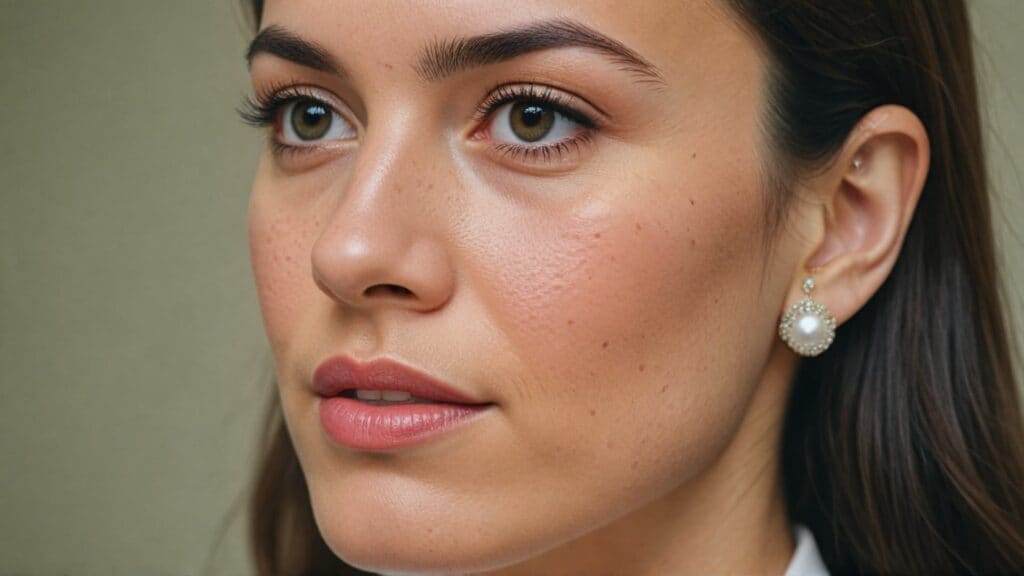
Selecting appropriate earrings for business formal environments requires a careful balance between personal style and professional standards. The right earrings frame your face, complement your features, and enhance your professional presence without distracting from your communication. In highly formal business settings, simplicity and restraint are paramount, with emphasis on quality materials and timeless designs rather than trendy or attention-grabbing styles. Your earring choices can subtly communicate attention to detail and refined taste while maintaining the focus on your professional contributions.
- Small, simple studs represent the safest and most universally accepted earring style across all formal business environments. They sit close to the earlobe, don’t dangle or create movement distractions, and maintain a polished appearance throughout long workdays without adjustment.
- A classic single pearl stud in white, cream, or black offers timeless elegance that complements virtually any business formal attire. Select pearls sized proportionally to your earlobe—typically 5-8mm for most professional settings—to maintain appropriate scale without overwhelming your features.
- When choosing diamond or gemstone studs, opt for modest sizes in simple settings. Avoid oversized stones or elaborate halos that might appear too decorative or evening-oriented for daytime business wear. Clear diamonds, blue sapphires, and other subtle-colored gemstones in classic settings offer refined options.
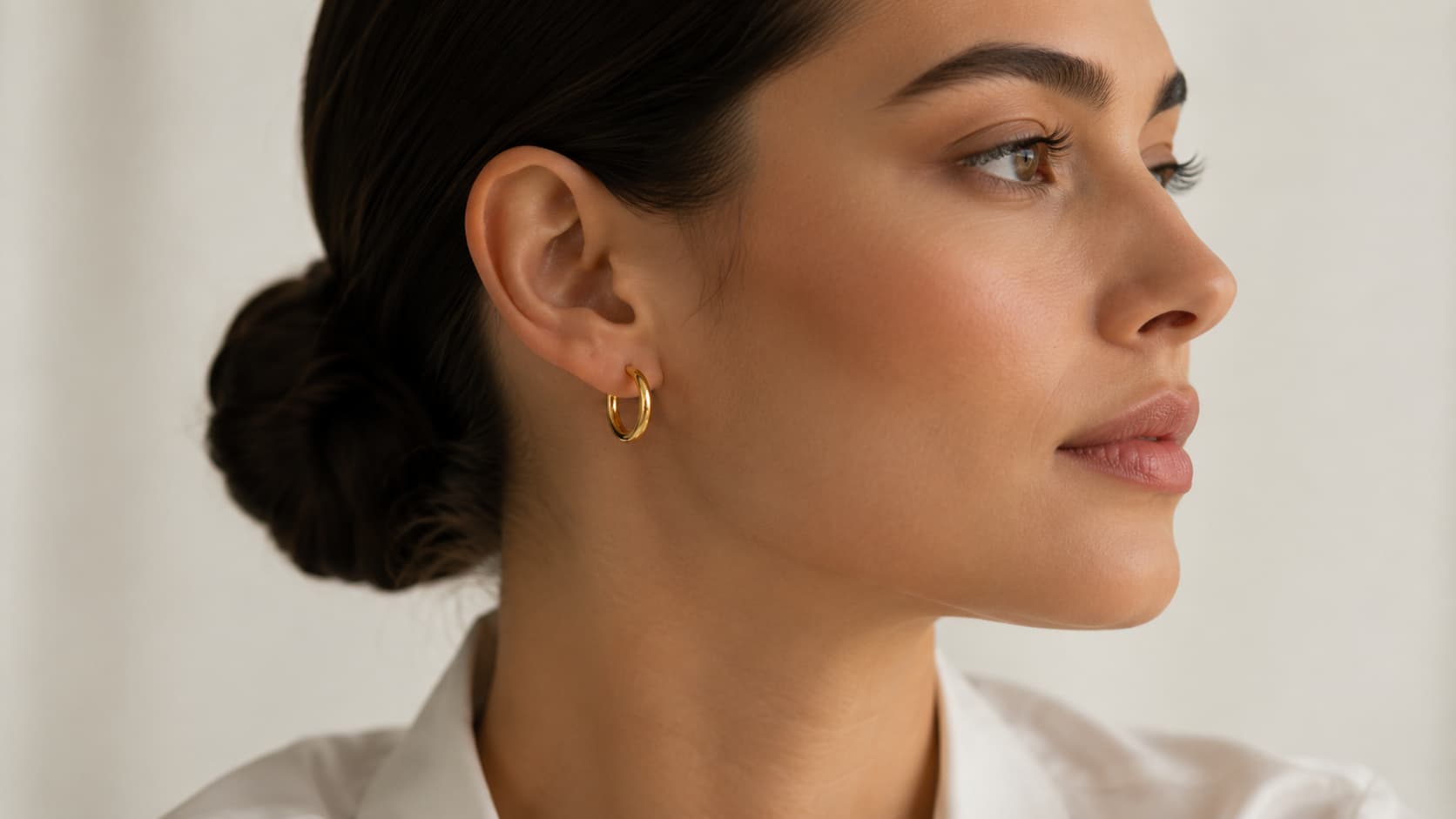
- Very small hoops (under 1/2 inch diameter) that hug the earlobe can work in some business formal environments, particularly in gold or silver without embellishments. These should never extend significantly below the earlobe or include dangles or charms.
- Choose high-quality metals that won’t irritate sensitive skin during long workdays. Sterling silver, 14k or 18k gold, and platinum offer durability and quality appearance. Ensure your metal choice coordinates with other visible jewelry like watches or necklaces for a cohesive look.
- More conservative industries like finance, law, and certain corporate environments generally favor the most classic options: simple pearl or diamond studs in traditional settings. Creative industries may allow slightly more variety in gemstone colors or modest design elements while maintaining appropriate scale.
The most successful business formal earring choices fade into the background of your overall professional presentation—present but not prominent, contributing to your polished appearance without becoming a focal point. Consider your face shape, hairstyle, and typical attire when selecting earrings for your professional wardrobe. Those with shorter hairstyles or who frequently tuck hair behind the ears should be particularly mindful of selecting modest, professional styles since their earrings will be more visible throughout the workday. Remember that in business formal environments, your expertise and communication should always take center stage, not your accessories.
Best Necklace Styles for Business Formal
Necklaces in business formal settings must strike the perfect balance between enhancing your professional appearance and maintaining appropriate restraint. The right necklace can frame your face, complement necklines, and add a touch of personality without becoming a distraction. In formal business environments, the emphasis remains on simplified elegance, quality materials, and thoughtful coordination with your overall look. A carefully selected necklace becomes part of your professional signature—present but not overpowering, complementing rather than competing with your business attire.
- Princess length necklaces (16-18 inches) that rest at or just above the collarbone typically work best with business formal attire. This placement coordinates well with most collar styles without disappearing under jackets or creating awkward layering with clothing. Avoid very short chokers or long pendants that swing forward during conversations.
- Select high-quality metals that maintain their appearance throughout the workday. Sterling silver, gold, and platinum in simple chain designs offer classic options that coordinate easily with other accessories. Ensure your necklace metal matches or harmonizes with other visible metal elements in your outfit.
- A single strand of well-matched pearls represents perhaps the most classic business formal necklace option. Choose a conservative diameter (5-7mm) in white, cream, or black, depending on your coloring and typical wardrobe colors. Pearl necklaces work exceptionally well with both high necklines and open collars.
- If selecting a pendant necklace, choose a small, simple design that doesn’t compete with your facial features or clothing details. Modest diamonds, subtle gemstones, or small geometric shapes in precious metals offer appropriate options. Avoid large, dangling, or highly decorative pendants in formal business settings.
- Consider your neckline when selecting necklace styles. V-necks pair well with V or Y-shaped necklaces, while crew necks and button-up shirts typically work better with round necklaces that follow the collarbone line. Higher necklines may require shorter necklaces that sit above the collar.
- In the most conservative business formal environments, such as law, finance, and traditional corporate settings, simpler is always better. A thin gold or silver chain without a pendant represents a safe choice that works across virtually all business formal occasions.
The ideal business formal necklace should enhance your professional appearance without calling attention to itself. It should look intentional but not statement-making, complementing your features and outfit without overwhelming them. When properly selected, your necklace should contribute to an overall impression of polish, attention to detail, and sophisticated taste while allowing your professional presence and contributions to remain the focus. For important presentations or meetings, consider how your necklace will appear when you’re seated at a conference table or standing at a podium—choose pieces that maintain their professional appearance from these common business perspectives.
Bracelets and Watches for Business Formal Attire
Wrist jewelry plays a unique role in business formal settings as it combines functionality with style and can significantly impact your professional appearance. The right selections elevate your overall look while the wrong choices can create distractions during meetings, presentations, or even routine tasks like typing or handshakes. In business formal environments, watches hold a particularly esteemed position, seen as practical tools that demonstrate punctuality and attention to detail, while bracelets offer subtle opportunities for personal expression when selected with appropriate restraint.
- Timepieces remain the most respected and practical jewelry item for business formal settings. Select a watch with a clean face design, modest case diameter, and traditional styling. Dress watches with leather straps or metal bracelets in gold, silver, or platinum offer the most versatile options for formal business environments.
- Avoid sports-oriented watches with large cases, bright colors, rubber straps, or numerous complications in conservative business settings. Digital or smartwatches should be considered carefully depending on your industry—they may be acceptable in tech or creative fields but remain questionable in traditional corporate, law, or finance settings.
- When selecting bracelets for business formal contexts, choose a single, slim design rather than stacking multiple pieces. Tennis bracelets featuring small, uniform diamonds or gemstones in a simple line provide a refined option that’s appropriate for even conservative environments.
- Simple metal bangles or chain bracelets in precious metals work well in business formal settings when selected in appropriate proportions. Avoid wide cuffs, chunky links, or pieces that make noise during movement, as these can create distractions in meetings or when typing.
- Ensure bracelet fit is appropriate—neither too loose (potentially sliding and creating noise or distractions) nor too tight (appearing uncomfortable). A professional bracelet should stay in place without requiring adjustment throughout the workday.
- Coordinate bracelet metals with your watch and other visible jewelry for a cohesive appearance. In the most formal business settings, matching metals throughout your accessories creates a polished, intentional impression.
- Consider industry expectations when selecting bracelets. Finance, law, and traditional corporate environments typically favor the most minimal approach—often a quality watch alone, without additional bracelet layers. Creative industries and tech may permit slightly more expression through wrist jewelry.
Watches and bracelets occupy a visible position on the wrist, making them particularly noticeable during handshakes, gestures, and presentations. This visibility means they deserve special consideration in your business formal jewelry wardrobe. Quality in these pieces is especially important, as close-up inspection during handshakes or meetings can reveal craftsmanship details. For business formal settings, emphasize refined simplicity, appropriate proportions, and quality materials over trend-driven styles. Well-selected wrist jewelry should enhance your professional presence without creating distractions or suggesting impracticality in the workplace.
Ring Etiquette for Business Formal
In business formal settings, rings represent perhaps the most personally significant jewelry items while also being the most visible during gestures, presentations, and handshakes. Selecting appropriate rings requires consideration of both professional standards and practical implications, as rings can potentially interfere with typing, writing, and other workplace activities. Business formal environments generally favor restraint in ring selection, with emphasis on quality, significance, and appropriate proportions rather than showiness or trend-driven styles.
- Wedding bands and engagement rings are universally accepted in business formal environments. For wedding bands, simple designs in precious metals like gold, platinum, or white gold offer the most versatile and professional options. Engagement rings with moderate stone sizes in classic settings maintain professional appropriateness while honoring personal significance.
- Beyond wedding jewelry, limit additional rings to one per hand in traditional business formal settings. Wearing multiple rings on several fingers typically appears too casual or fashion-forward for the most conservative professional environments.
- Traditional signet rings represent a classic choice for business formal settings, particularly when featuring family crests, university insignias, or professional affiliations. These rings carry meaningful symbolism while maintaining appropriate formality for business environments.
- Choose ring proportions that complement your hand size and finger length. Oversized stones or overly wide bands may appear disproportionate and draw undue attention. Business formal rings should enhance rather than overwhelm your hand’s natural proportions.
- Consider practicality when selecting rings for daily business wear. Designs with protruding stones or sharp edges may catch on clothing, interfere with typing, or become uncomfortable during long workdays. Smooth, streamlined designs typically offer greater professional functionality.
- Industry expectations significantly influence appropriate ring styles. Financial, legal, and traditional corporate settings typically favor the most conservative approach—wedding bands, modest engagement rings, and perhaps a single additional ring of significance. Creative industries may permit more expressive choices while maintaining professional appropriateness.
- Coordinate ring metals with other visible jewelry for a cohesive appearance. In the most formal business environments, matching metals throughout your accessories creates an impression of intentional polish and attention to detail.
The most successful business formal ring selections blend personal significance with professional appropriateness. They should appear thoughtfully chosen rather than randomly accumulated, with each piece serving a specific purpose in your professional presentation. Quality rather than quantity should guide your selections, with emphasis on fine materials, craftsmanship, and classic designs that will maintain their professional appearance throughout your career. Remember that rings are particularly visible during gestures and handshakes, making them significant communicators of your professional image in business formal settings.
How Jewelry Standards Vary Across Professional Industries

Different professional fields maintain distinct expectations regarding appropriate jewelry, even within the broader category of business formal attire. Understanding these industry-specific norms helps you navigate jewelry selections that will be perceived as appropriate and enhance rather than detract from your professional credibility. While individual workplace cultures may vary, certain patterns exist across industries that can guide your jewelry choices for maximum professional impact. Recognizing these distinctions allows you to adapt your accessories appropriately as you move between different professional contexts.
- Financial services, investment banking, and wealth management typically maintain the most conservative jewelry expectations. These environments favor minimal, high-quality pieces—small pearl or diamond studs, thin metal necklaces or single-strand pearls, modest watches with leather straps or metal bracelets, and limited rings beyond wedding bands. Quality should be evident but ostentation avoided.
- Legal environments, particularly litigation and corporate law, generally follow similar conservative standards to finance. Traditional jewelry in precious metals without flashy elements signals appropriate professionalism. Female attorneys often incorporate a signature piece—perhaps a quality watch, pearl necklace, or modest diamond studs—that becomes part of their recognizable professional image.
- Traditional corporate settings, especially at executive levels, maintain formal jewelry expectations while allowing slightly more personalization than law or finance. Quality timepieces hold particular significance, often serving as status markers. Conservative but distinctive jewelry choices can appropriately signal achievement without appearing showy.
- Healthcare administration and medical professionals who don’t wear scrubs typically adopt conservative jewelry approaches, emphasizing functionality and infection control. Simple studs, wedding bands, and modest watches with metal bracelets that can be sanitized represent practical choices. Avoid dangling elements that might interfere with patient care or equipment.
- Technology and startup environments generally permit greater jewelry flexibility, but business formal occasions still require more conservative choices than everyday workplace attire. Quality remains important, but slightly more contemporary designs and mixed metals may be acceptable in ways they wouldn’t be in more traditional industries.
- Creative fields like advertising, public relations, publishing, and design allow the most jewelry expression even within business formal parameters. Statement pieces, artisanal designs, and more contemporary styling can appropriately reflect the creative nature of these industries while still maintaining professional polish for formal occasions.
- Client-facing roles in any industry typically require more conservative jewelry approaches during formal business interactions than internal-only positions. When meeting with clients whose industries trend conservative (banking, insurance, etc.), adapting your jewelry to mirror their expectations demonstrates professional awareness and respect.
Understanding industry-specific jewelry expectations allows you to make appropriate choices that enhance rather than undermine your professional credibility. Observation remains your most valuable tool—notice what successful senior people in your specific workplace wear to formal occasions, and use their choices as guidelines. Remember that as you advance professionally, your jewelry selections communicate your understanding of industry norms and your respect for professional traditions. In business formal contexts across all industries, quality, restraint, and appropriateness should guide your jewelry decisions regardless of field-specific variations.
Business Formal Jewelry for Different Seasons
Business formal jewelry norms maintain remarkable consistency across seasons, but subtle adaptations can enhance your professional appearance throughout the year without compromising formality standards. Understanding seasonal nuances allows you to maintain appropriate professionalism while ensuring your jewelry complements seasonal fabrics, colors, and lighting conditions. These considerations remain secondary to industry expectations and workplace norms, but they provide opportunities for thoughtful refinement of your professional presentation as seasons change.
- Winter business environments often feature darker clothing colors, heavier fabrics, and indoor lighting that affects how metals and gemstones appear. Silver, white gold, and platinum may appear particularly crisp against darker winter clothing, while gold tones can add warmth to winter palettes. Pearl strands often stand out beautifully against winter’s deeper colors.
- Consider practical winter factors like gloves, scarves, and outerwear when selecting jewelry. Rings may need to be removed when wearing gloves, while necklaces may disappear under scarves and high collars. Earrings become more prominent winter jewelry elements as they remain visible despite layered clothing.
- Winter formal business occasions like year-end events may permit slightly more formal jewelry than everyday business settings. While maintaining professional restraint, higher-quality pieces like diamond studs, fine watches, or pearl strands may be particularly appropriate for seasonal business formal gatherings.
- Spring business attire typically introduces lighter colors and fabrics that pair beautifully with yellow or rose gold. These warmer metal tones complement spring’s palette while maintaining professional appropriateness. Colored gemstones in subtle hues may coordinate well with spring business attire while remaining sufficiently conservative.
- Summer’s lighter fabrics, open necklines, and exposed forearms create different jewelry considerations. Bracelets become more visible, making quality and restraint particularly important. Necklaces that might disappear under winter layers become more prominent, requiring thoughtful selection for professional appropriateness.
- Consider summer’s practical factors like increased perspiration and outdoor business events when selecting jewelry. Quality pieces with secure clasps and settings prevent embarrassing losses, while precious metals maintain their appearance better than costume jewelry under summer conditions.
- Autumn’s rich color palette often pairs beautifully with gold jewelry tones, creating warmth and cohesion in your professional appearance. The season’s typical mix of indoor and outdoor light affects how metals and stones appear, making versatile pieces particularly valuable during this transitional season.
While seasonal variations offer opportunities for subtle jewelry adaptation, remember that business formal standards generally prioritize consistency, quality, and appropriateness over seasonal trends. Your core professional jewelry collection should work year-round, with perhaps minimal additions or substitutions for seasonal coordination. When considering seasonal adaptations, always prioritize business formal appropriateness over seasonal trends, ensuring your jewelry communicates professionalism first and seasonal awareness second. This balanced approach allows you to maintain professional standards while making thoughtful adaptations that enhance your seasonal business formal appearance.
Best Metals and Stones for Business Formal Jewelry
The metals and stones you select for business formal jewelry significantly impact both the professionalism and personal distinctiveness of your appearance. These materials communicate subtle messages about quality, tradition, and attention to detail while providing opportunities for appropriate personalization within professional parameters. Understanding the professional connotations and practical considerations of different metals and stones helps you make informed selections that enhance your business formal presentation throughout your career.
- Gold in 14k or 18k represents a classic business formal choice with rich historical associations. Yellow gold conveys tradition and warmth, making it particularly appropriate for conservative industries. Its visibility against most skin tones and clothing colors ensures it communicates quality without requiring excessive size or elaboration.
- White metals including sterling silver, white gold, and platinum offer clean, modern alternatives that maintain appropriate business formal restraint. These metals typically appear more understated than yellow gold, making them excellent choices for minimalist professional aesthetics. Their cooler tones pair well with most business attire colors.
- Rose gold, while more distinctive than yellow or white metals, has gained acceptance in business formal settings when used in simple, classic designs. Its subtle warmth provides a distinctive alternative while maintaining professional appropriateness if selected in restrained styles without excessive embellishment.
- Pearls remain perhaps the most universally accepted gemstone for business formal settings. Their organic luster provides sophistication without flash, making them appropriate across industries and positions. White or cream pearls in consistent sizes and matched quality signal professionalism and classic taste.
- Diamonds in modest sizes and classic settings represent appropriate business formal choices, particularly for earrings and subtle necklace pendants. Their enduring value and understated sparkle communicate quality without ostentation when selected in proportional sizes and traditional styles.
- Colored gemstones require more careful consideration in business formal contexts. Subtle, darker tones like sapphires, garnets, and emeralds in small sizes and classic settings may be appropriate, while bright or unusual colors may appear too casual or fashion-oriented for the most formal business environments.
- Semi-precious stones in subdued colors and traditional settings can provide tasteful personalization while maintaining professional appropriateness. These stones allow subtle color coordination with business attire while remaining sufficiently conservative for formal environments.
- Avoid novelty materials, synthetic stones with artificial appearances, and costume jewelry materials that may deteriorate quickly or appear inexpensive. Business formal jewelry should convey lasting quality and thoughtful selection rather than trend-driven choices or budget constraints.
The most successful business formal jewelry collections typically feature coordinated, high-quality metals throughout, with thoughtfully selected stones that enhance rather than dominate the metal settings. Consider both your personal coloring and typical business attire colors when selecting metals and stones, choosing options that create harmony with your overall professional appearance. Remember that in business formal settings, these materials should communicate subtle refinement rather than conspicuous luxury. Quality craftsmanship and thoughtful selection matter more than intrinsic material value, with emphasis on pieces that will maintain their professional appearance throughout your career rather than trend-driven selections that quickly appear dated.
Men’s Jewelry for Business Formal
Men’s business formal jewelry follows distinct traditions that emphasize functionality, restraint, and subtle quality signaling. While more limited in variety than women’s options, men’s business formal jewelry offers meaningful opportunities for professional distinction when selected thoughtfully. Understanding the specific parameters and expectations for men’s jewelry in formal business settings helps gentlemen make appropriate choices that enhance rather than detract from their professional presence. These selections communicate attention to detail and respect for business traditions while providing subtle personal expression within professional boundaries.
- Watches represent the cornerstone of men’s business formal jewelry, with emphasis on quality, traditional styling, and appropriate proportions. Select a timepiece with a clean dial design, modest case diameter proportional to your wrist size, and either a leather strap or metal bracelet. Avoid sports-oriented watches, digital displays, or overly complex complications in the most formal business settings.
- Wedding bands in gold, platinum, or white gold remain universally accepted in business formal environments. Simple designs without excessive width or embellishment offer the most versatile and traditional options. Men typically limit ring selections to wedding bands and perhaps one additional ring of significance in formal business contexts.
- Cufflinks for French cuff shirts provide important opportunities for subtle personalization while maintaining business formal appropriateness. Select quality metals coordinated with your watch and other visible metal elements, avoiding novelty designs or overly decorative styles in conservative business environments.
- Tie accessories including tie bars and occasionally tie pins offer functional benefits while providing subtle style elements. Position tie bars between the third and fourth shirt buttons, selecting styles approximately half the width of your tie in metals that match your watch and cufflinks. Avoid oversized or highly decorative designs in traditional business formal settings.
- College or class rings, particularly from prestigious institutions, may be acceptable in business formal environments when selected as your single non-wedding ring. These signal educational achievement or organizational affiliation while maintaining professional tradition. Limit size and flash, selecting designs that communicate significance without ostentation.
- Subtle lapel pins representing professional certifications, organizational memberships, or patriotic symbols may be appropriate in business formal settings when they communicate meaningful professional affiliations rather than purely decorative purposes. Select small, well-crafted designs that enhance rather than dominate your professional appearance.
- Avoid bracelets, necklaces, and earrings in the most conservative business formal environments for men, as these remain less traditionally accepted in fields like finance, law, and corporate leadership. Industry norms vary significantly, with creative fields permitting more expression, but traditional business formal settings still maintain conservative expectations for men’s jewelry.
Men’s business formal jewelry centers around communicating professionalism, quality, and appropriate tradition rather than fashion or personal expression. Each piece should serve a practical function while subtly enhancing your professional appearance. Quality craftsmanship, proper proportion, and coordination among metal elements create a cohesive look that signals attention to detail without drawing undue attention. Remember that in traditional business formal settings, men’s jewelry should never be the first thing noticed about your appearance. Instead, it should contribute to an overall impression of polish, competence, and respect for professional standards through thoughtful, restrained selections.
Business Formal Jewelry Mistakes That Undermine Professionalism
Even high-quality jewelry can undermine your professional credibility when selected or worn inappropriately in business formal settings. Understanding common jewelry mistakes helps you avoid choices that might detract from your professional image, regardless of the intrinsic value or quality of the pieces themselves. These missteps often result from misunderstanding the purpose of business formal jewelry—to enhance rather than dominate your professional appearance. Recognizing and avoiding these pitfalls helps ensure your jewelry contributes positively to your business formal presence.
- Wearing excessive pieces simultaneously represents perhaps the most common business formal jewelry mistake. Limit selections to a thoughtful few—typically earrings, a watch, perhaps a necklace, and rings limited to wedding bands and possibly one additional meaningful piece. Wearing multiple bracelets, layered necklaces, and several rings typically appears too casual for truly formal business settings.
- Selecting disproportionate pieces that overwhelm your frame or compete with your facial features creates an unbalanced professional appearance. Business formal jewelry should complement your natural proportions rather than dominating them. Oversized earrings, chunky necklaces, or overly wide bracelets typically appear inappropriate in formal business contexts.
- Choosing jewelry that creates noise or movement distractions undermines professionalism in meetings, presentations, or daily interactions. Dangling earrings that swing during head movements, multiple bangles that clink during gestures, or chains that swing forward during conversations create unnecessary distractions in business formal settings.
- Neglecting metal coordination across visible jewelry pieces suggests inattention to detail. While perfect matching isn’t essential, jarring metal combinations (bright gold with cool silver) typically appear unintentional rather than stylish in business formal contexts. Aim for cohesion across your metal selections for a polished professional appearance.
- Selecting trend-driven pieces without considering business formal appropriateness leads to jewelry choices that may quickly appear outdated or inappropriate. Business formal jewelry should transcend fashion trends, focusing on classic designs that maintain their professional appearance regardless of current fashion directions.
- Wearing jewelry with practical limitations that affect your work performance undermines professionalism. Rings that interfere with typing, necklaces that you constantly adjust, or bracelets that catch on clothing require continuous attention that distracts from your professional focus and may appear unprofessional to colleagues.
- Choosing poor-quality pieces that show visible wear, tarnishing, or damage communicates carelessness rather than professionalism. Business formal jewelry should maintain its appearance throughout the workday and professional career. Invest in fewer, higher-quality pieces rather than numerous items that quickly deteriorate.
The most successful business formal jewelry choices are so appropriate they become almost invisible—enhancing your professional appearance without drawing attention to themselves as separate elements. They should communicate attention to detail, quality standards, and understanding of professional expectations rather than personal fashion preferences or trend awareness. Before selecting jewelry for business formal occasions, consider whether each piece serves your professional image or potentially detracts from it. This thoughtful assessment helps you avoid common mistakes and create a jewelry wardrobe that enhances rather than undermines your business formal presence throughout your career.
How to Maintain Business Formal Jewelry
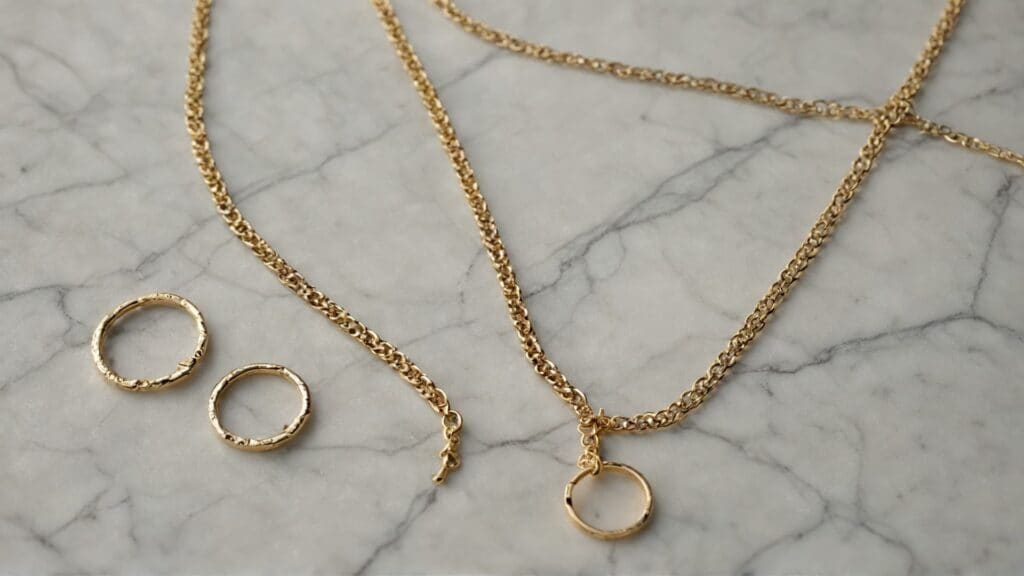
Proper maintenance of your business formal jewelry not only protects your investment but also ensures these pieces continue to enhance your professional image over time. Well-maintained jewelry communicates attention to detail and personal standards, while neglected pieces can undermine an otherwise polished professional appearance. Establishing effective care routines for your business formal jewelry collection preserves both the physical condition and professional impact of these important accessories throughout your career.
- Develop a consistent cleaning routine appropriate to specific materials in your business formal jewelry collection. Gold and platinum generally respond well to mild soap solutions and soft brushes, while pearls require gentle wiping with damp cloths. Regular cleaning prevents gradual tarnishing or dulling that might go unnoticed until significant.
- Store business formal jewelry pieces separately to prevent scratching and tangling. Individual pouches, compartmentalized boxes, or dedicated jewelry cases protect your investment and maintain professional appearance. Pearl strands particularly benefit from flat storage to prevent stretching of the stringing material.
- Establish a pre-work inspection routine to check clasps, settings, and overall condition before wearing pieces to important business functions. This quick assessment prevents embarrassing losses or repairs during professional events and ensures your jewelry contributes positively to your business appearance.
- Remove jewelry before activities that might cause damage—handwashing with harsh soaps, applying lotions or perfumes, swimming in chlorinated pools, or physical activities. These preventive measures protect metals, stones, and pearls from unnecessary exposure to damaging substances or conditions.
- Schedule professional maintenance for significant pieces annually or biannually, depending on frequency of wear. Professional jewelers can check settings, clean pieces thoroughly, and identify potential issues before they lead to losses or significant damage requiring costly repairs.
- Consider maintenance requirements when selecting new business formal jewelry. Pieces with numerous small stones, intricate designs that trap dirt, or materials requiring specialized care may demand more maintenance time than simpler designs. Business formal jewelry should enhance your professional life without creating additional burdens.
- Develop a travel system for business jewelry that protects pieces during business trips while maintaining accessibility for professional functions. Travel jewelry cases with secure closures and protective compartments prevent damage and ensure you maintain your professional appearance regardless of location.
Properly maintained business formal jewelry serves you throughout your professional career, often becoming more valuable both financially and personally over time. These pieces frequently transition from everyday business wear to special occasion wear as your collection grows, making proper maintenance essential for their longevity. The care you demonstrate for your professional jewelry often parallels the attention to detail you bring to your work—both communicating your personal and professional standards. By establishing effective maintenance routines, you protect your investment while ensuring these important elements of your professional appearance continue to serve you effectively throughout your career.
Conclusion
Business formal jewelry occupies a unique position within professional presentation—subtle yet significant, present but not prominent, enhancing without dominating. The right selections communicate attention to detail, respect for professional traditions, and personal quality standards without distracting from your substantive contributions. When chosen thoughtfully, these pieces elevate your business formal appearance while maintaining appropriate restraint for even the most conservative professional environments.
The most successful business formal jewelry wardrobe develops incrementally, beginning with foundational pieces like quality watches, simple earrings, conservative necklaces, and appropriate rings, then gradually incorporating thoughtfully selected additions that enhance your specific professional requirements. This approach ensures each piece serves a purpose rather than accumulating randomly, creating a coordinated collection that works cohesively to support your professional image. Quality consistently matters more than quantity, with fewer well-chosen pieces communicating greater professional sophistication than numerous trend-driven selections.
Remember that business formal jewelry traditions exist for valid professional reasons—focusing attention on your contributions rather than your accessories, ensuring appropriate formality for significant business functions, and demonstrating respect for professional environments and colleagues. As your career progresses, your business formal jewelry collection typically evolves to reflect your developing professional identity and increasing responsibility. Investment in quality, timeless pieces creates a professional signature that others come to associate with your competence and attention to detail.