The Chai symbol represents one of the most cherished emblems in Jewish tradition, appearing widely in jewelry and decorative arts across cultures and generations. This ancient Hebrew symbol conveys profound meaning about the value of life while serving as both a personal talisman and cultural identifier. Whether worn as an elegant pendant, incorporated into a ring design, or fashioned as earrings, Chai jewelry connects wearers to thousands of years of tradition while making a contemporary statement about what matters most—the celebration of life itself.
Understanding the Hebrew Chai Symbol
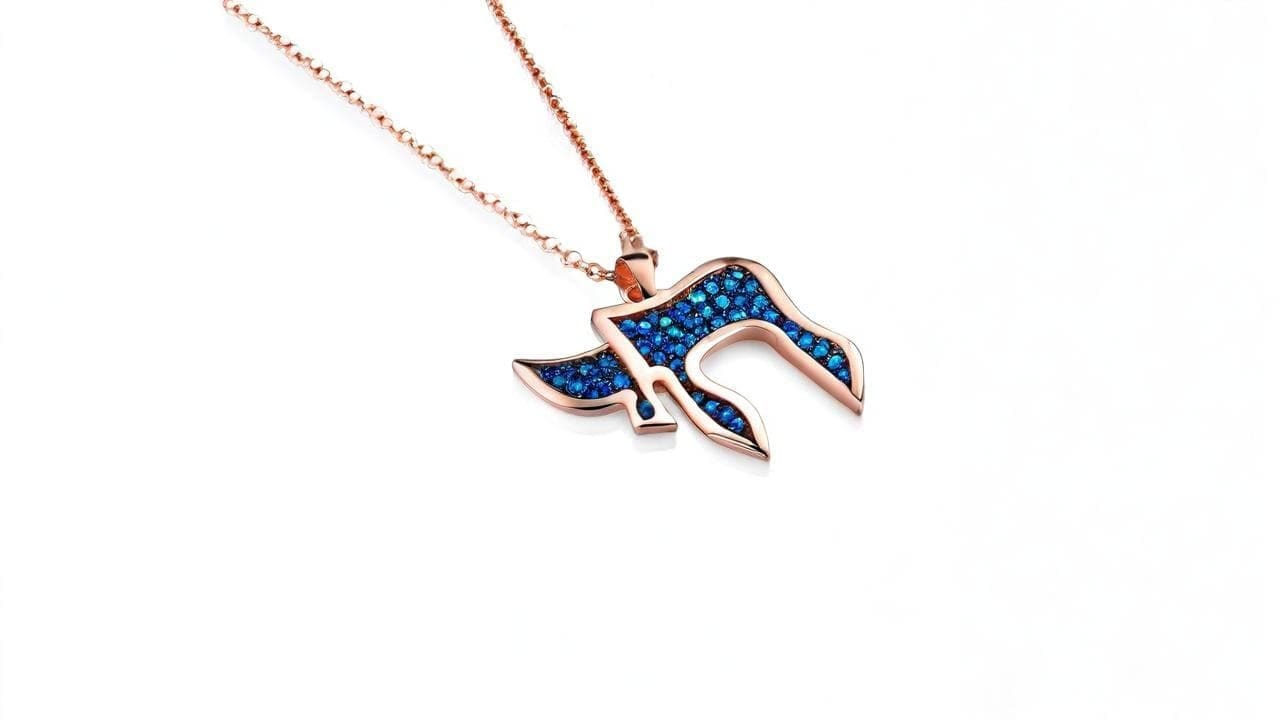
The Chai symbol consists of two Hebrew letters—Chet (ח) and Yud (י)—which together form the word “chai,” meaning “life” or “living” in Hebrew. Beyond its visual appearance, this symbol represents a fundamental concept in Jewish philosophy: the supreme importance of life and living fully. When transformed into jewelry, the Chai becomes a wearable affirmation of this life-centered perspective, allowing people to carry this powerful message with them daily.
- The Hebrew word “chai” (חי) literally translates to “alive” or “living” in English, making it a direct celebration of life itself rather than an abstract concept or metaphor. This straightforward meaning contributes to its universal appeal beyond religious contexts.
- In Hebrew numerology (gematria), each letter has a corresponding numerical value—Chet equals 8 and Yud equals 10—giving Chai a combined value of 18. This numerical association has made 18 an auspicious number in Jewish tradition, often associated with good luck and blessings for a long life.
- The visual design of the Chai symbol makes it particularly well-suited for jewelry. Its balanced proportions and distinctive shape allow it to be recognizable even at small scales, while its cultural significance adds depth beyond mere decoration. Designers often play with the proportions and styling of the Hebrew letters while maintaining their recognizability.
- While maintaining its traditional meaning, Chai jewelry has evolved stylistically over generations. Contemporary pieces may incorporate the symbol into minimalist designs, pair it with gemstones that enhance its significance, or combine it with other meaningful symbols to create personalized jewelry with layered meaning.
The Chai symbol’s simplicity belies its profound significance, making it ideal for jewelry that combines beauty with meaning. Its two-letter form creates a visually balanced design that works well in various jewelry styles, from minimalist modern pieces to ornate traditional settings. This versatility has helped establish Chai as an enduring motif in jewelry design that continues to resonate with contemporary wearers seeking pieces with substance behind their beauty.
Origins of the Chai Symbol in Jewish History & Culture
The Chai symbol’s journey from sacred text to beloved jewelry motif spans thousands of years of Jewish history. Originally appearing in religious writings and prayer books, this Hebrew word evolved into a standalone symbol representing core values of Judaism and eventually found its way into personal adornment as a way to carry these values close to the heart. The symbol’s endurance through centuries of cultural change speaks to its fundamental connection to human experience.
- The concept of “chai” appears throughout ancient Jewish texts, most notably in the Torah phrase “וּבָחַרְתָּ בַּחַיִּים” (u’vacharta ba’chayim), meaning “and you shall choose life” (Deuteronomy 30:19). This biblical imperative established life as a central value and ethical choice, creating the foundation for the symbol’s importance.
- Early appearances of the Chai symbol can be traced to medieval Jewish manuscripts and ceremonial objects, where it often appeared alongside other Hebrew text and symbols. During this period, it functioned primarily as a textual element rather than a standalone symbol.
- The transformation of Chai into jewelry began gradually in the 17th and 18th centuries, particularly in Eastern European and Mediterranean Jewish communities. Early examples were often amulets designed for protection and blessing, created by local artisans for community members.
- The 20th century marked a significant expansion in Chai jewelry’s popularity, particularly after World War II and the Holocaust. In this context, the symbol took on additional layers of meaning related to survival, resilience, and the continuation of Jewish tradition despite attempts to eradicate it.
- The establishment of Israel in 1948 further popularized Chai as a symbol, as it represented the rebirth and vitality of Jewish cultural life. Israeli jewelry designers played a significant role in reimagining traditional symbols like Chai for modern wearers, helping to spread its popularity internationally.
The evolution of Chai from textual reference to cherished jewelry symbol reflects broader patterns in how cultural symbols adapt to changing times while maintaining their essential meaning. Today’s Chai jewelry, whether crafted in precious metals or combined with gemstones, carries forward this rich historical legacy while continuing to evolve in contemporary design contexts.
Chai Symbol’s Deeper Meaning in Jewish Tradition
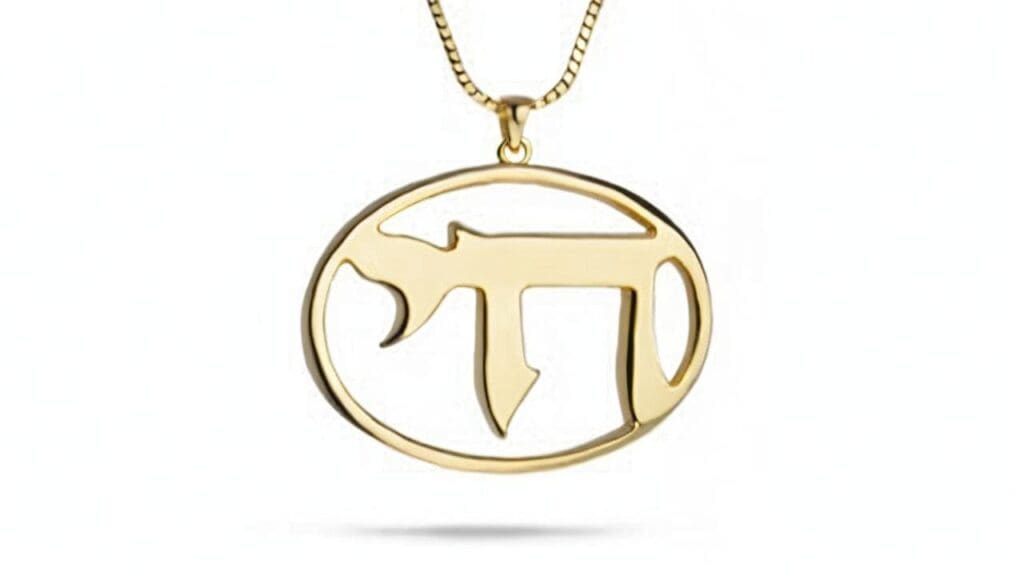
The Chai symbol transcends its simple two-letter appearance to embody a complex web of meanings central to Jewish thought and universal human values. This potent symbol represents not just physical existence but a philosophically rich approach to living that values each moment as precious. When worn as jewelry, these meanings become personal affirmations carried close to the body.
- At its most fundamental level, Chai celebrates the sanctity of life, reflecting Judaism’s emphasis on the value of human existence. The Jewish concept of “pikuach nefesh” (saving a life) is so important that it overrides nearly all other religious obligations, demonstrating how central life preservation is to Jewish ethics.
- The numerical value of Chai (18) has spawned traditions of giving gifts in multiples of 18, making donations in increments of 18, and celebrating milestone events like birthdays and anniversaries with special significance when they align with this number. This practice extends the symbol’s meaning from the abstract to the concrete.
- Chai represents resilience and survival—historically significant for a people who have faced numerous challenges throughout history. Wearing Chai jewelry often serves as a reminder of personal or collective perseverance through difficult times.
- Beyond its Jewish origins, the symbol speaks to universal human desires for vitality, wellness, and meaningful existence. This broader resonance helps explain why Chai jewelry appeals to people across different backgrounds who connect with its life-affirming message.
- The symbol carries different personal meanings for individual wearers—for some, it’s primarily a connection to religious heritage; for others, it’s a philosophical statement about embracing life fully; and for many, it combines multiple levels of significance.
The Chai symbol’s rich meanings make it far more than decorative when incorporated into jewelry. It transforms ordinary accessories into meaningful talismans that connect wearers to ancient wisdom while affirming contemporary values around living purposefully. This depth of significance explains the enduring popularity of Chai jewelry across generations and its continued relevance in modern jewelry design.
Popular Types of Chai Jewelry
Chai jewelry encompasses a diverse range of pieces that adapt this meaningful symbol to different wearing styles and occasions. From everyday pendants to special occasion pieces, designers have found numerous ways to incorporate the Hebrew letters into wearable art that suits various personal preferences and fashion sensibilities.
- Pendants and necklaces represent the most common form of Chai jewelry, ranging from small, subtle designs to larger statement pieces. These typically feature the Chai symbol as a standalone element suspended from a chain, though some designs incorporate it into more complex pendants alongside other symbols or decorative elements.
- Chai rings offer a more intimate connection to the symbol, as they’re worn directly on the hand where they can be frequently seen by the wearer. Designs range from signet-style rings with the symbol engraved or raised on a flat surface to more elaborate three-dimensional interpretations that wrap around the finger.
- Bracelets and bangles incorporating the Chai symbol can be delicate chain designs with small Chai charms or more substantial pieces where the symbol forms part of the bracelet’s structural elements. Some feature multiple Chai symbols in repeating patterns, while others showcase a single, prominent symbol as a focal point.
- Earrings present unique design challenges due to size limitations but offer creative possibilities from simple studs shaped like the Chai symbol to more elaborate dangling designs that incorporate the symbol with other decorative elements.
- Decorative pins and brooches featuring the Chai symbol, while less common than other jewelry forms, provide options for incorporating this meaningful symbol into professional attire or outer garments where other jewelry might not be visible.
The variety of Chai jewelry available today reflects both traditional approaches and contemporary interpretations, offering options for every personal style and occasion. What unites these diverse pieces is their ability to transform the ancient Hebrew symbol into wearable expressions of identity, faith, and values that connect the wearer to thousands of years of cultural heritage.
Popular Materials Used in Traditional & Modern Chai Jewelry
The materials and artistic approaches used in creating Chai jewelry significantly influence both its aesthetic appeal and symbolic resonance. From precious metals to contemporary materials, each substance brings its own properties and cultural associations to these meaningful pieces.
- Gold remains the most traditional and symbolically rich material for Chai jewelry, with yellow gold historically preferred in Jewish ceremonial objects. The warm tone and precious nature of gold align with the importance of the life-affirming message in the Chai symbol. White gold and rose gold variations have become popular in contemporary designs, offering different aesthetic options while maintaining the precious quality associated with significant symbols.
- Silver Chai jewelry provides a more affordable yet still precious option, with sterling silver being the most common formulation. The cool, bright appearance of silver creates a different visual impact than gold, sometimes lending a more contemporary feel to traditional designs. Silver’s malleability also allows for intricate detailing in more complex Chai designs.
- Platinum and other precious metals occasionally appear in high-end Chai jewelry, particularly for wedding bands or significant life event commemorative pieces. These metals offer exceptional durability along with distinctive appearance qualities that appeal to those seeking something beyond traditional gold or silver.
- Gemstone embellishments add color and additional layers of meaning to Chai jewelry. Diamonds symbolize endurance and purity, blue sapphires or lapis lazuli connect to traditional Jewish associations with the color blue, and red stones like rubies or garnets can represent the vitality inherent in the concept of “life.”
- Artistic styles range from traditional, ornate approaches that may incorporate filigree work or other traditional Jewish decorative elements, to sleek, minimalist modern interpretations that reduce the symbol to its essential lines. Each stylistic approach creates a different emotional and aesthetic impact while maintaining the symbol’s recognizability.
The diversity of materials and styles available in Chai jewelry ensures that this meaningful symbol can be expressed in ways that resonate with various personal preferences, budgets, and wearing occasions. This adaptability helps explain why Chai has remained a beloved motif in jewelry design across generations and continues to find new expressions in contemporary jewelry.
When & How to Wear Chai Symbol Jewelry Appropriately
Wearing Chai jewelry connects personal adornment with deeper meaning, allowing the wearer to carry an important cultural and spiritual symbol with them throughout their daily activities. The choice of when, how, and why to wear such meaningful jewelry reflects both personal and cultural considerations.
- Unlike some religious symbols that have specific rules about who can wear them or how they must be treated, Chai jewelry is generally accessible to anyone drawn to its life-affirming message. However, wearers from outside Jewish tradition should approach it with respect for its cultural significance rather than merely as a fashion accessory.
- Occasions particularly suited for wearing Chai jewelry include Jewish holidays (especially Rosh Hashanah, the Jewish New Year), life cycle celebrations like weddings, bar/bat mitzvahs, or birthday celebrations (particularly those associated with the number 18 or multiples thereof), and times of personal transition or renewal.
- Everyday wearing of Chai jewelry serves as a constant reminder of the wearer’s values and cultural connections. Many people choose smaller, more subtle pieces for daily wear while saving larger or more elaborate designs for special occasions.
- Styling Chai jewelry depends on the piece’s size and design. Smaller pendants work well layered with other necklaces, while larger statement pieces might stand alone. The symbolism can complement both casual and formal attire, making it versatile for various settings.
- For some wearers, Chai jewelry serves as a conversation starter about cultural heritage or personal values. Being prepared to share the symbol’s meaning can transform jewelry wearing into an opportunity for meaningful exchange and education.
The personal nature of jewelry wearing means that each individual develops their own relationship with Chai symbols they choose to wear. Whether as a daily reminder of core values, a connection to cultural heritage, or a celebration of life’s precious nature, Chai jewelry transforms personal adornment into something with deeper significance that resonates throughout one’s daily experiences.
Giving Chai Jewelry as a Meaningful Present
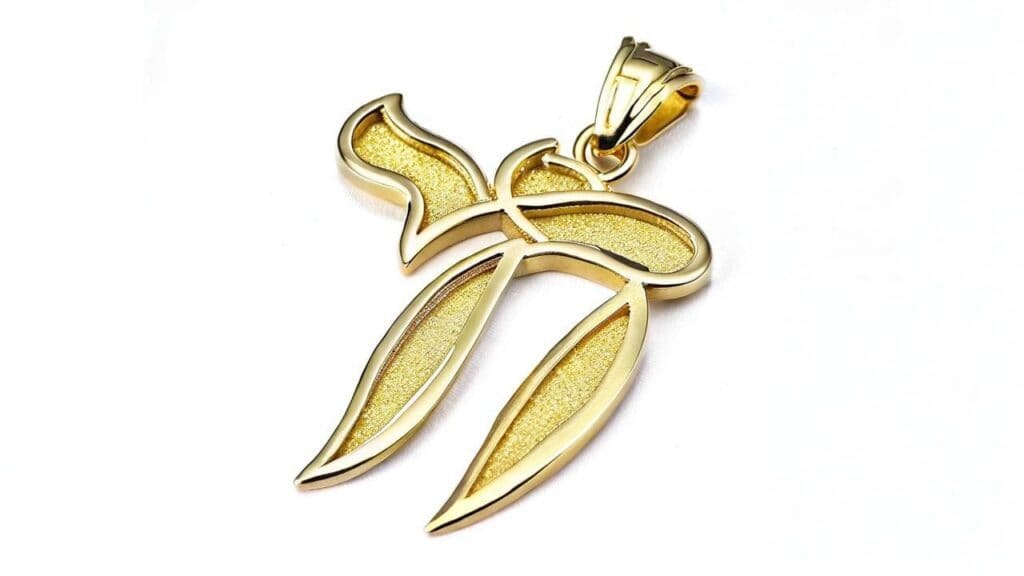
Giving Chai jewelry as a gift combines aesthetic beauty with profound meaning, making it appropriate for many significant life occasions. The symbol’s positive associations with life, blessing, and continuity make it especially meaningful for celebrations and transitions, while its cultural roots add depth beyond ordinary jewelry gifts.
- Life cycle celebrations represent perfect occasions for gifting Chai jewelry, including bar or bat mitzvahs (coming-of-age ceremonies at age 13), milestone birthdays (especially 18th birthdays or multiples of 18), graduations, weddings, and anniversaries—all moments that celebrate life transitions or continuity.
- When selecting Chai jewelry as a gift, consider the recipient’s personal style and wearing habits. Someone with minimalist taste might appreciate a simple, elegant design, while those who enjoy more elaborate jewelry might prefer pieces with gemstone accents or more complex artistic interpretations of the symbol.
- The presentation of Chai jewelry benefits from a brief explanation of its meaning, especially when the recipient might not be familiar with the symbol’s significance. A thoughtful card explaining the life-affirming message and any personal meaning behind your choice adds significant value to the gift.
- Chai jewelry made from precious metals holds its value over time, potentially becoming family heirlooms passed through generations. This aspect makes it particularly appropriate for marking significant life milestones that the recipient might want to remember throughout their life.
- For non-Jewish recipients, Chai jewelry can still be meaningful as it celebrates universal values around the preciousness of life. However, taking time to explain the symbol’s origins and meaning shows respect for its cultural context while sharing its broader significance.
Gifting Chai jewelry transforms a simple present into something with lasting significance—a physical reminder of important moments, relationships, and values that the recipient can carry with them. The thoughtfulness inherent in choosing a symbol with such rich meaning elevates the act of giving jewelry into something more profound and potentially more treasured by the recipient.
How to Clean & Maintain Chai Symbol Jewelry
Proper care of Chai jewelry ensures both its physical longevity and the continued clarity of the symbolic meaning it carries. As pieces that often hold significant personal or spiritual value, Chai jewelry deserves thoughtful maintenance that preserves both its beauty and meaning for years or even generations.
- Regular cleaning maintains both the jewelry’s appearance and its symbolic impact, as a tarnished or dirty piece loses some of its visual power. For gold Chai jewelry, gentle cleaning with mild soap and warm water using a soft brush works well for removing accumulated dirt without damaging the metal.
- Silver Chai pieces require special attention as silver naturally tarnishes when exposed to air. Using a silver polishing cloth regularly helps maintain shine, while more thorough cleaning with commercial silver cleaners may be needed periodically. After cleaning, thoroughly rinse and completely dry silver jewelry to prevent water spots.
- Storage considerations are important for preserving Chai jewelry. Individual cloth pouches or lined jewelry boxes prevent scratches and reduce exposure to air that accelerates tarnishing. For silver pieces, anti-tarnish strips placed in storage containers can significantly slow the tarnishing process.
- Physical protection involves removing Chai jewelry before activities that might damage it, including swimming (chlorine and salt water can damage metals), heavy physical work, exercise, and exposure to household chemicals. Even precious metals can be scratched or deformed under enough pressure or harsh chemical exposure.
- Professional maintenance by a jeweler every few years helps address issues beyond regular home care. Services might include checking and tightening stone settings, repairing worn prongs or chains, and professional deep cleaning that restores the piece’s original luster.
Caring properly for Chai jewelry acknowledges both its material value and its deeper symbolic significance. Well-maintained pieces not only retain their beauty but can also be passed down through generations, carrying their meaningful symbolism forward in time. This aspect of preservation connects the practical act of jewelry care to the symbol’s message about valuing and preserving life itself.
How Modern Designers Reimagine Chai Symbol Jewelry
Contemporary jewelry design has embraced the Chai symbol, reinterpreting it for modern aesthetics while maintaining its core meaning. This evolution demonstrates how ancient symbols can remain relevant across changing times and tastes, finding new expressions that speak to current generations while honoring traditional significance.
- Minimalist approaches to Chai jewelry have gained popularity, with designers reducing the symbol to its essential lines while maintaining its recognizability. These sleek, simplified interpretations appeal to contemporary tastes while allowing the symbol’s meaning to take center stage without elaborate ornamentation.
- Mixed-material designs incorporate non-traditional elements alongside precious metals, including wood, polymer clay, concrete, or textiles. These combinations create textural interest and can make meaningful jewelry more accessible at various price points while offering fresh aesthetic perspectives.
- Technological innovations like 3D printing and laser cutting have expanded design possibilities, allowing for previously impossible precision in detailing and novel approaches to form. These techniques enable designers to create Chai jewelry with complex geometries or incorporate the symbol into larger artistic compositions.
- Fusion with contemporary symbols or design motifs places the Chai in conversation with other meaningful elements. Some designers combine it with peace symbols, hearts, infinity signs, or natural motifs like trees and flowers to create pieces that express multiple values or create new visual narratives.
- Customization has become increasingly important, with jewelers offering personalized Chai pieces that might incorporate birthstones, engraved names or dates, or customized materials to create truly individual pieces that honor both tradition and personal significance for the wearer.
Modern interpretations of Chai jewelry demonstrate the symbol’s enduring relevance and adaptability. By finding fresh ways to express this ancient concept, contemporary designers ensure that new generations can connect with its life-affirming message through jewelry that reflects current aesthetic sensibilities while honoring the symbol’s rich history and meaning.
Conclusion
Chai jewelry stands at a meaningful intersection of cultural heritage, personal expression, and timeless values. Its enduring popularity across generations speaks to how successfully this simple yet profound symbol connects with fundamental human appreciation for life itself. As both personal adornment and cultural signifier, Chai jewelry creates a wearable link between ancient wisdom and contemporary living, allowing people to carry meaningful symbolism with them wherever they go.
The two Hebrew letters that form the Chai symbol may be simple in appearance, but they contain worlds of meaning—from numerical significance to philosophical depth, from cultural identity to universal values about the preciousness of existence. This richness ensures that Chai jewelry transcends mere fashion to become something more significant: a tangible reminder of what matters most. Whether handed down through generations or newly acquired, whether worn daily or reserved for special occasions, Chai jewelry continues to serve as a powerful affirmation of life’s value and the importance of living it fully.