Buy most watches off the shelf, and the moment they leave the store, they’re usually worth less than what was paid for them. That’s true for almost every product on earth, from cars to phones to furniture. But every so often, a watch does the opposite: it sits in a drawer for ten years and comes out worth double, triple, or even ten times its original price. That’s an odd thing to consider, given that a watch is just a machine that tells time. Understanding why a small number of watches buck this trend, while the vast majority don’t, says a lot about how scarcity, reputation, and simple human desire combine to create value.
Why New Watches Drop in Value Immediately
Most watches drop in value right away because the brand can make as many as it wants, and once it’s no longer “brand new,” a used version competes with fresh stock at a lower price. This is basic supply and demand. If a factory can produce ten thousand more of the exact same watch next month, there’s no reason for a buyer to pay a premium for a slightly-worn example when a pristine version is sitting in a shop window nearby.
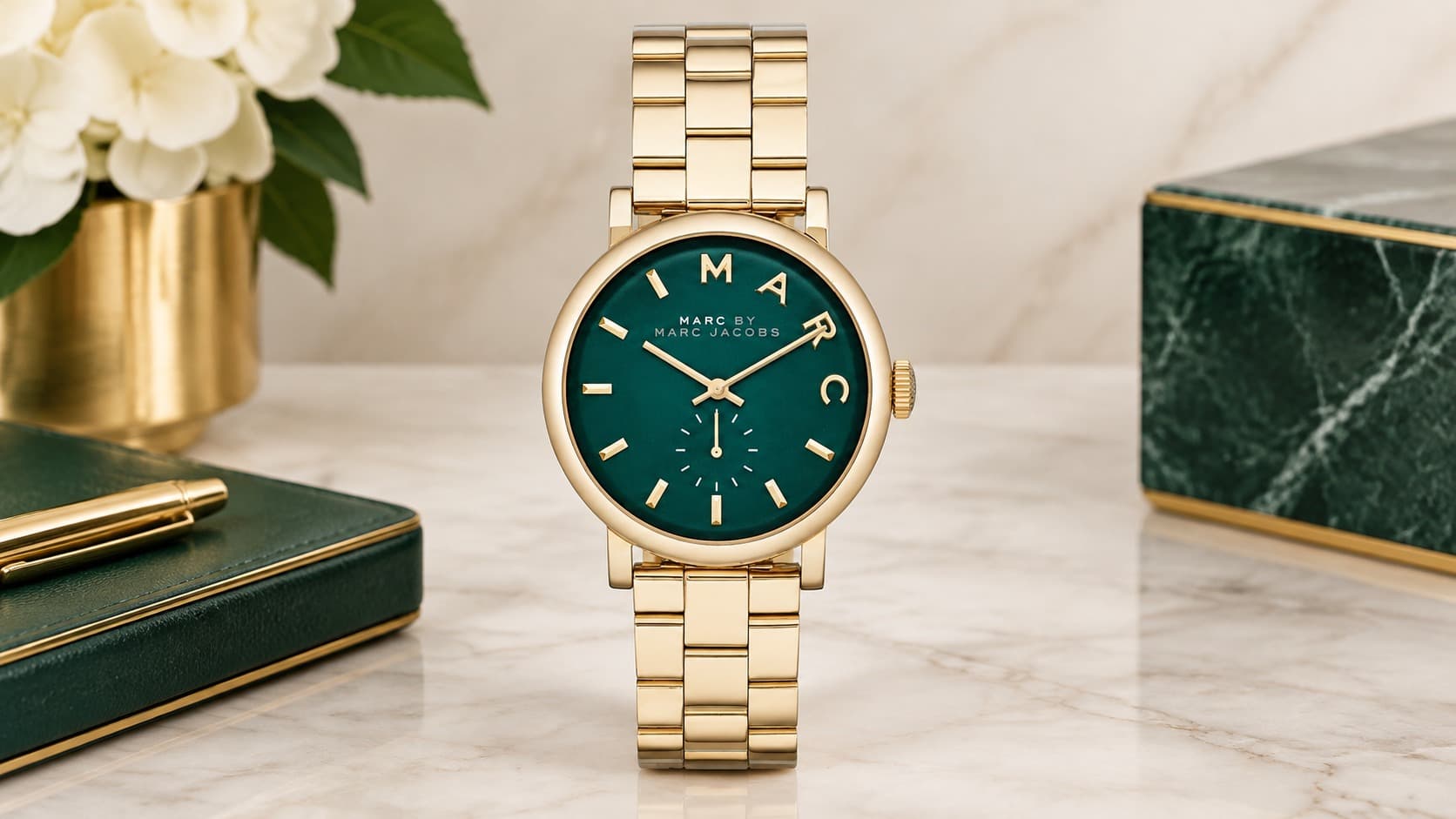
This is exactly what happens with the vast majority of watches on the market, whether they cost fifty dollars or five thousand. A brand that isn’t actively limiting how many watches it makes is, whether it intends to or not, guaranteeing that resale prices stay low. Retail markup plays a role too — a chunk of the upfront price covers the store, the advertising, and the brand’s profit margin, none of which transfers to a second buyer. So a watch has to fight its way uphill just to hold its original price, let alone beat it.
None of this means a watch is a bad purchase, though. Losing resale value is completely normal, the same way a new car loses value the second it’s driven off the lot. Almost everything people buy for daily use works this way, and watches are no exception unless something specific is working in their favor. A watch bought to wear every day, tell good time, and last for decades has already done its job, whether or not anyone ever offers to buy it back.
Why Certain Watches Gain Value Over Time
A watch increases in value when demand for it grows faster than the supply of it, which usually happens because the brand deliberately makes very few, stops making it altogether, or the watch becomes tied to something historically significant. None of this happens by accident — brands that succeed at this are often making careful decisions about scarcity for decades before a watch ever becomes valuable.
Scarcity: Why Fewer Watches Mean Higher Prices
The fewer watches a brand makes of a specific model, the more collectors compete to own one, which pushes the price up. Many high-end watchmakers keep production numbers deliberately small, since scarcity is part of what makes a model feel worth chasing in the first place. Audemars Piguet illustrates this well: the brand has built much of its reputation on manufacturing far less than most of its competitors, and that tight output is a big reason its watches stay in such high demand among collectors.
Limited editions work the same way on a smaller scale. If a brand announces it’s only making 500 of a certain watch, buyers know instantly that once those sell out, the only way to get one is from someone who already owns it. That built-in ceiling on supply is often the single biggest reason a watch’s price climbs after release.
Brand Reputation Built Over Decades
Watches from brands with a long, trusted history tend to hold and gain value because buyers believe the brand will keep making great watches for years to come. Decades of consistent craftsmanship build a kind of confidence that a newer brand simply hasn’t had time to earn, and that confidence is exactly what pushes collectors to actively seek out specific models rather than settle for whatever’s available.
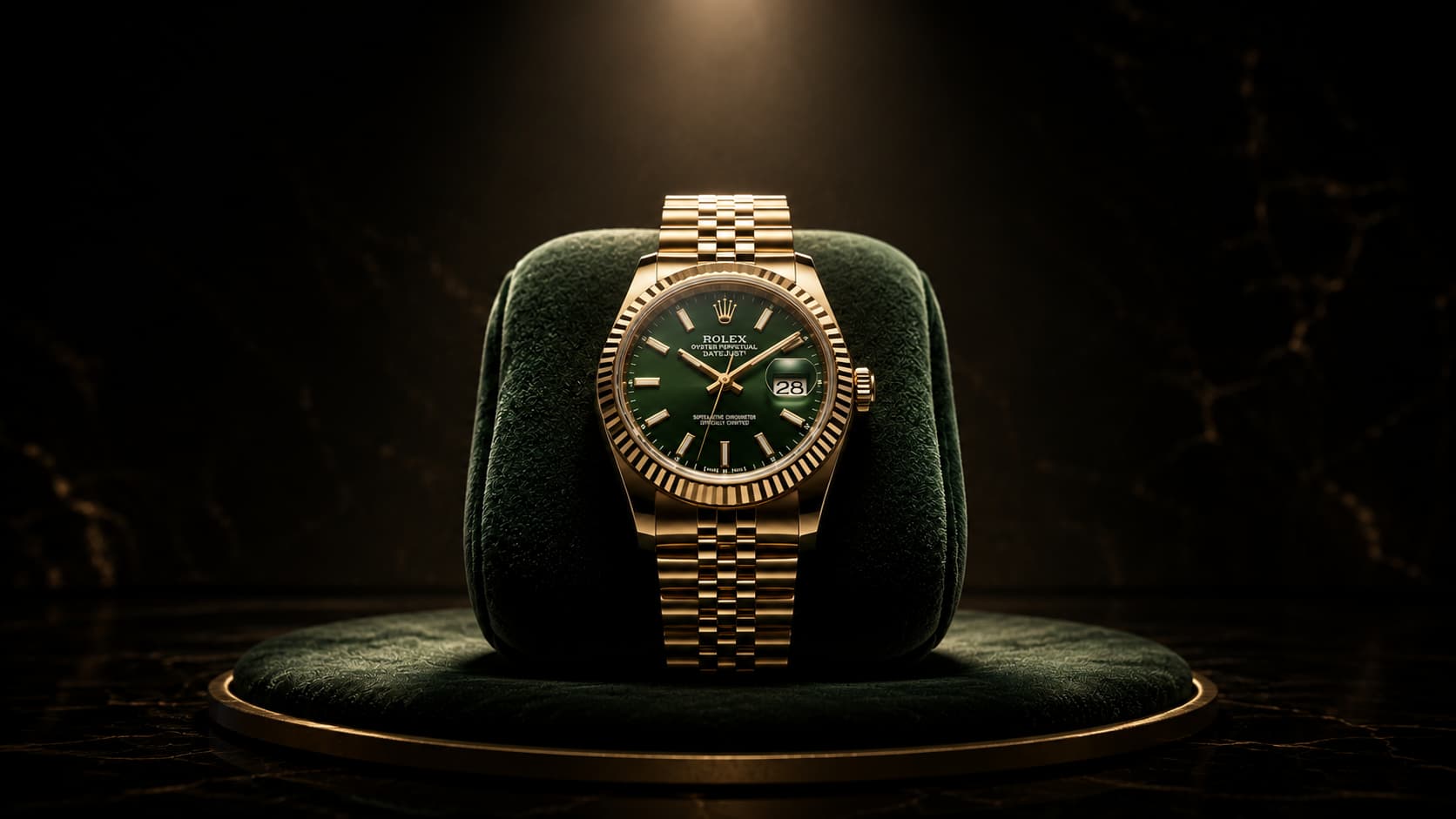
This is why names like Rolex, Patek Philippe, and Audemars Piguet come up again and again in conversations about watches worth money. It isn’t just marketing — it’s the result of over a hundred years of consistently making well-built, well-regarded watches, generation after generation. A brand that’s only been around for five years simply hasn’t had time to build that kind of trust, no matter how good its watches are today.
Discontinued Watches Gain Value Fast
When a brand stops making a specific watch, the existing supply is frozen forever, and if people still want it, the price has nowhere to go but up. The clearest recent example is the Patek Philippe Nautilus reference 5711, which Patek Philippe discontinued in 2021 after years of waitlists that reportedly stretched up to eight years even at its retail price of around $30,000 to $35,000. After the discontinuation, demand across the entire Nautilus line surged, and the model became a standout for continued value growth on the secondary market.
This pattern repeats across the industry. A model gets discontinued, the people who wanted one realize they missed their chance to buy it new, and the only path left is the secondary market — where sellers can charge whatever buyers are willing to pay. Rolex does this regularly and rarely announces it in advance — a reference will simply stop appearing in the catalog one year, and buyers only realize afterward that they missed their last chance to order it at retail price.
That unpredictability is actually part of what fuels the effect. Because brands like Rolex and Patek Philippe don’t usually warn anyone before pulling a model, there’s no rush of last-minute buying to soften the shock. The supply just quietly stops, demand doesn’t, and the price adjusts itself over the following months and years.
Condition and Original Parts Matter
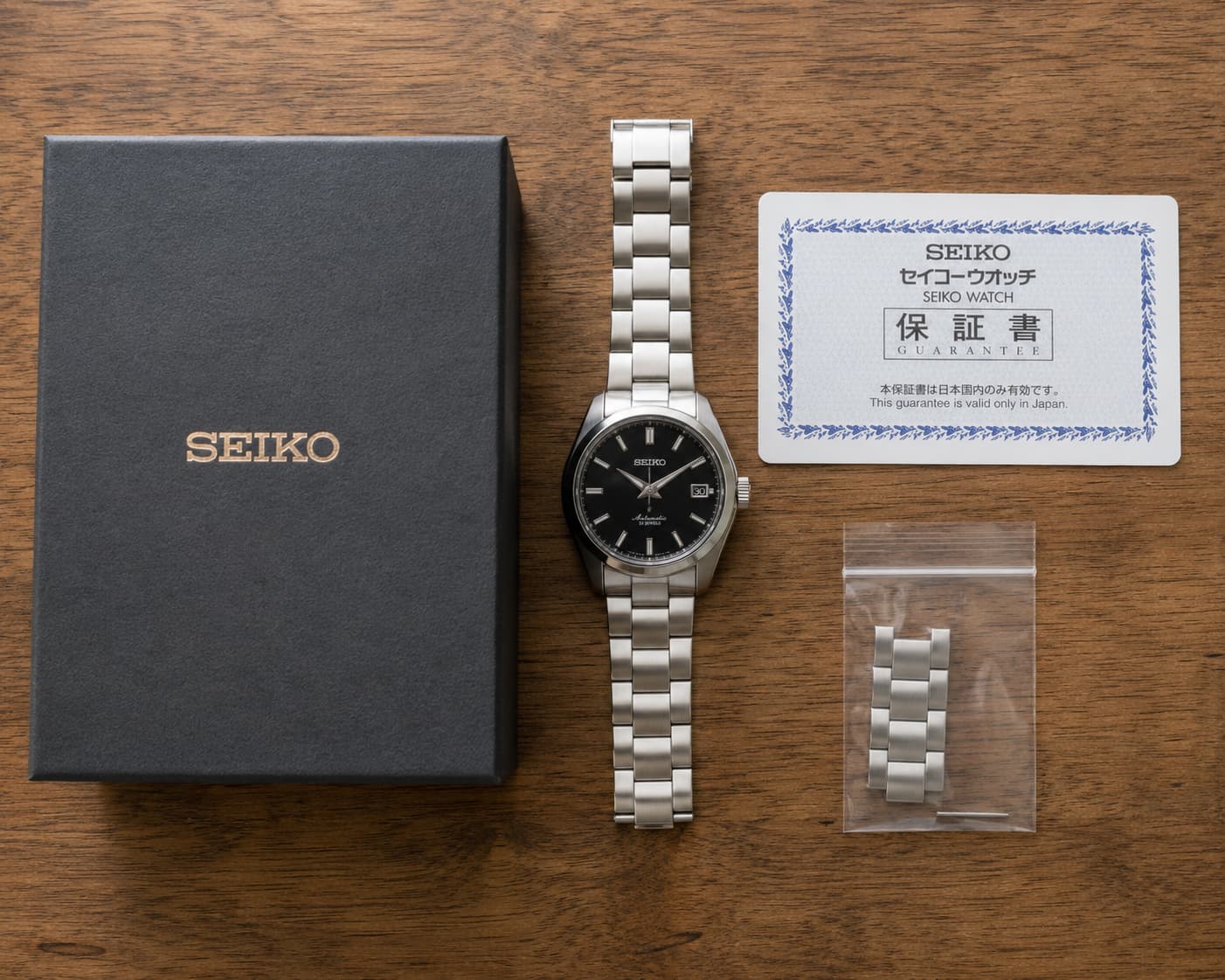
A watch in excellent condition with its original box, papers, and parts is worth significantly more than the same watch that’s been heavily repaired or is missing its documentation. Condition and originality sit right alongside brand name and rarity as the things that decide what a watch is actually worth on the secondary market, and a watch that’s still in its unaltered, original state will consistently outsell an otherwise identical one that isn’t.
A genuinely “complete set” usually includes:
- The original presentation box
- The warranty card or original receipt
- Any extra bracelet links or straps that came with it
- Service records showing who worked on it and when
Think of it like a signed baseball card kept in a plastic sleeve versus one that’s been folded in someone’s pocket for years. The watch itself might be mechanically identical, but a buyer paying serious money wants proof that nothing has been swapped out, replaced with a non-original part, or polished away. Polishing, in particular, can actually hurt value because it removes small amounts of the original metal and softens sharp edges that collectors specifically look for.
Historical Significance and Watch Value
A watch connected to a famous event, a well-known person, or an important moment in racing, exploration, or history often sells for far more than an identical watch with no story attached. That kind of provenance can outweigh almost every other factor when it comes to what a watch actually sells for — the Rolex Daytona that actor Paul Newman wore, for example, became one of the most famous watches in the world specifically because of who wore it, not because it was mechanically different from any other Daytona of its era.
The Omega Speedmaster tells an even bigger story. In 1965, NASA tested chronographs from several brands by pushing them through extreme heat, cold, shock, and pressure to see which one could survive spaceflight conditions, and the Speedmaster was the only one that passed every test. That earned it an official qualification for all crewed NASA missions, and on July 20, 1969, astronaut Buzz Aldrin wore his Speedmaster on the surface of the Moon during the Apollo 11 mission. That single event turned an ordinary racing chronograph into “the Moonwatch,” a nickname the model still carries more than fifty years later, and it’s a huge part of why the Speedmaster remains one of the most respected names in watchmaking today.
Famous Watches Known for Rising Prices
A handful of models come up constantly when people talk about watches that have climbed in price over the decades. The Rolex Daytona chronograph, originally built for racing drivers, is now one of the hardest watches to buy at a normal store price because so few make it to retail shelves. Modern stainless steel Daytonas, especially ones with ceramic bezels, remain extremely difficult to find at retail, which pushes buyers toward the resale market instead.
The Rolex Submariner tells a similar story. It’s widely considered the most iconic dive watch ever made, and its steel models stay especially attractive to buyers because they hold strong liquidity, meaning they’re easy to resell on the secondary market. The Audemars Piguet Royal Oak, recognizable by its eight-sided bezel and metal bracelet built right into the case, has held a similar reputation since it first appeared in the 1970s.
The Patek Philippe Nautilus reference 5711 demonstrates the same effect just as cleanly. Before it was discontinued, it was already hard to buy at retail price. After discontinuation, that difficulty turned into a full-blown surge in demand across the rest of the Nautilus lineup, since the 5711 could no longer be bought new at all.
| Watch | Brand | Key year | Main reason it appreciates |
|---|---|---|---|
| Daytona | Rolex | Introduced 1963 | Extremely limited retail supply relative to demand |
| Submariner | Rolex | Introduced 1953 | Iconic status plus strong resale liquidity |
| Royal Oak | Audemars Piguet | Introduced 1972 | Very low production numbers, decades of prestige |
| Nautilus 5711 | Patek Philippe | Discontinued 2021 | Cut off from new supply entirely |
A watch doesn’t need to be the most expensive one in a brand’s lineup to increase in value. Sometimes the most ordinary-looking steel model, made in small numbers and genuinely well-liked by collectors, ends up appreciating more than a flashy, expensive one.
Why Most Watches Never Gain Value
Most watches are made in large numbers, aren’t tied to a famous name or event, and come from brands without decades of collector trust behind them — and that combination almost guarantees the price won’t climb. This describes a wide range of the market, including:
- Fashion watches from clothing or accessory brands
- Mall-brand and department store watches
- Most mainstream quartz watches, regardless of price
- Watches made purely to ride a short-term trend
There’s nothing wrong with owning any of these — they tell time just as accurately as anything else — but their resale market is thin because there’s rarely a shortage driving buyers to compete for them.
There’s an important difference between a watch that’s suddenly popular and one that’s actually valuable. A model riding a wave of online attention can shoot up in price for a few months and then fall right back down once the trend passes, while a watch with real staying power holds steady demand because people have wanted it for decades, not weeks. Anyone tempted to buy a watch purely because it’s trending right now should keep that difference in mind — a sudden spike in popularity is not the same thing as long-term value.
Should Watches Be Bought as an Investment?
Buying a watch purely to make money is risky, because most watches — even ones from well-known brands — don’t reliably increase in value, and the ones that do are hard to predict in advance. Even seasoned collectors get this wrong regularly. A model that seems destined to climb in price can sit flat for years, while a watch nobody was talking about quietly becomes a favorite among collectors a decade later.
There’s a reason the same piece of advice keeps coming up among people who’ve been collecting for decades: pick a watch mainly because it’s genuinely enjoyable to own, not because of where its price might go. Tastes and markets both shift constantly, and a model that feels essential today can lose its shine within a few years. Buyers who treat a watch as something to wear and appreciate first, and as a possible investment only second, tend to end up happier regardless of what happens to its resale price.
Any real gain also has to cover more than just the sticker price. Selling through an auction house or dealer usually involves fees, insuring a valuable watch costs money every year it’s owned, and getting a watch serviced properly by the brand isn’t free either. A watch that resells for more than its original price can still end up being a wash, or even a loss, once those costs are factored in.
Frequently Asked Questions
Do all Rolex watches increase in value?
No. Certain steel sport models like the Submariner and Daytona are known for strong resale demand, but many other Rolex models, especially gold or diamond-heavy versions aimed at everyday wear, are not guaranteed to sell for more than their original price.
How long does it usually take for a watch to increase in value?
There’s no fixed timeline. Some discontinued or highly limited models see price jumps within months of leaving production, while others take a decade or more of steady collector interest before their resale price consistently beats retail.
Does keeping the original box and papers really matter that much?
Yes, quite a bit. A complete set with original box, warranty card, and any extra links or parts can add a meaningful percentage to resale value compared to the same watch sold on its own, since it proves the watch hasn’t been altered or swapped.
Can a watch lose value even from a “safe” brand like Rolex or Patek Philippe?
Yes. Brand reputation lowers the risk but doesn’t eliminate it. Market conditions, overproduction of a specific reference, or a shift in collector taste can all cause even respected brands’ watches to soften in price for a period of time.
Should I buy a watch just because it might go up in value?
It’s not a great idea to buy a watch on that reasoning alone. Value increases are hard to predict, and a watch that isn’t actually enjoyable to wear is a poor consolation prize if the price never moves the way its buyer hoped.
Conclusion
Watches increase in value for reasons that come down to basic scarcity and trust: fewer available, more people wanting them, and a brand history solid enough that buyers believe that demand will still be there years from now. The Daytona, the Submariner, and the Royal Oak didn’t become valuable by accident — they became valuable because their makers controlled supply carefully and built decades of credibility first. Most watches will never do this, and that’s completely fine, because a watch’s first job is to look good on the wrist and keep good time, not to generate a profit.