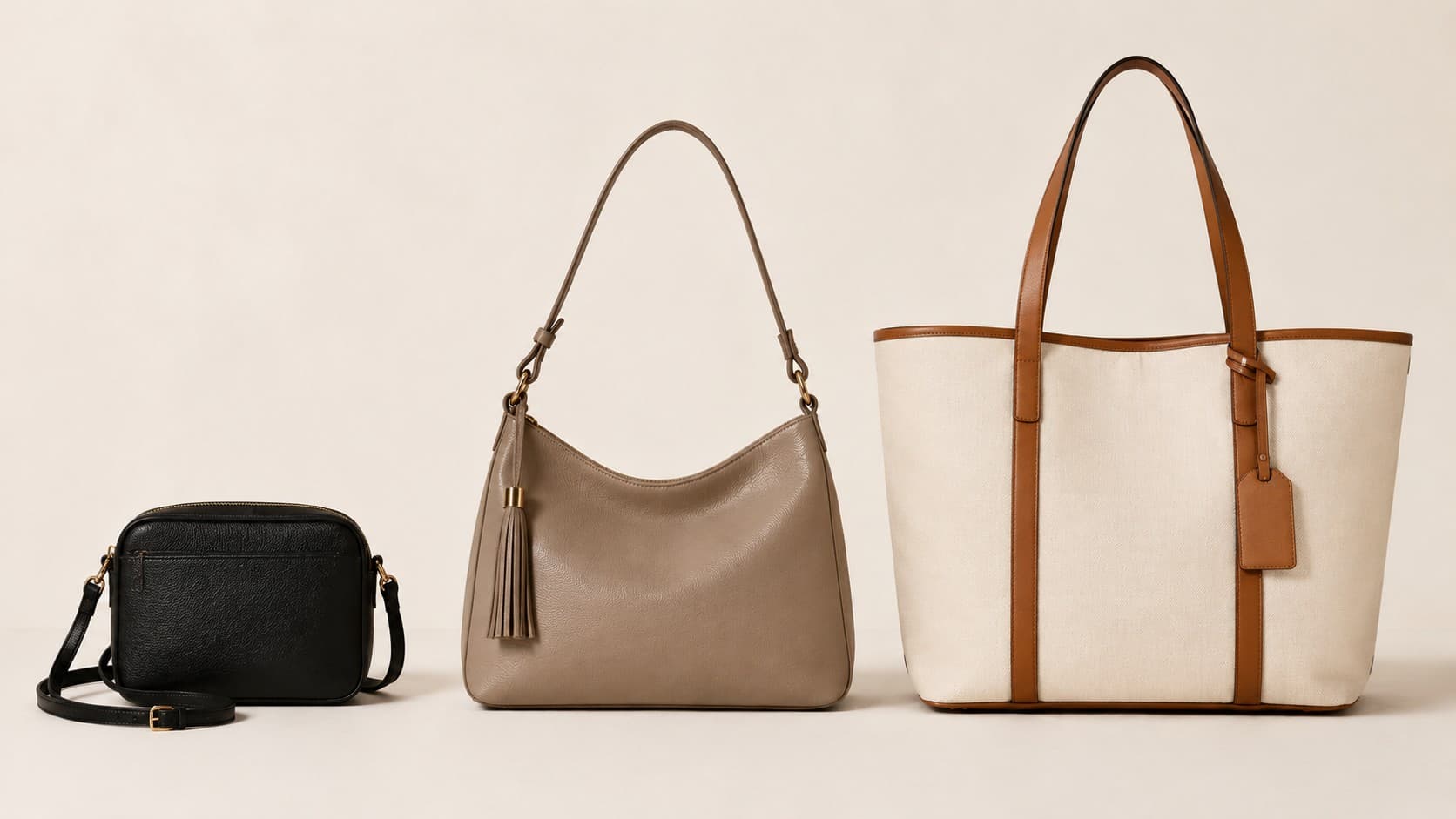
Any bag section carries three shapes over and over again: the small bag that sits across the chest, the medium bag that hangs from one shoulder, and the big open bag built to hold almost anything. They look different because they were built to solve different problems, not because one is simply better than the others. Understanding what each bag was actually designed to do makes it far easier to figure out which one fits a given routine, body, and set of daily essentials.
What Is a Crossbody Bag?
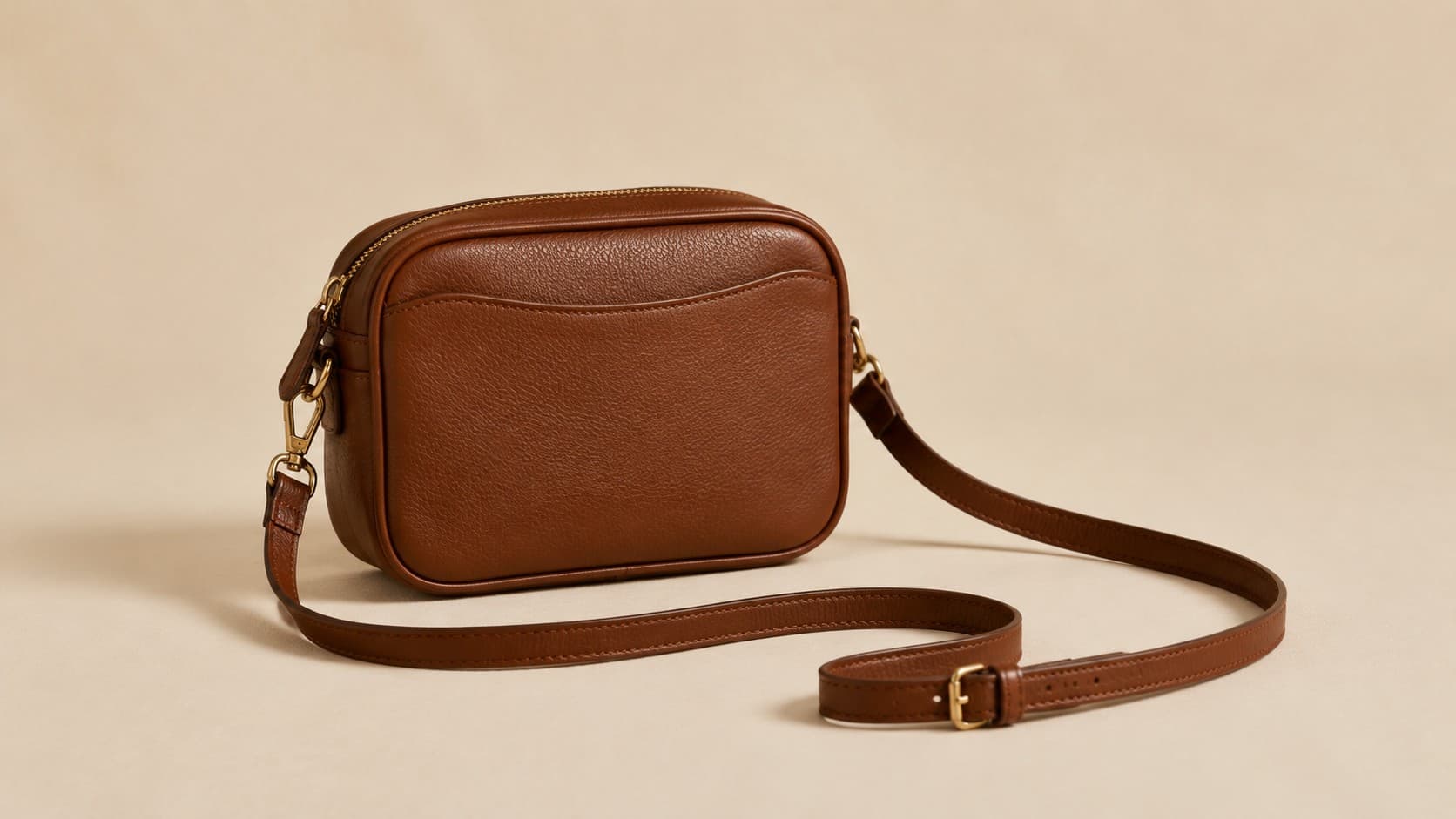
A crossbody bag is a smaller bag with a long strap that goes over one shoulder and rests across the body, usually near the hip. The strap length is the main thing that separates it from a regular shoulder bag — it’s long enough to let the bag hang diagonally across the torso instead of sitting right under the arm.
The design isn’t as new or trendy as it might seem. Bags worn across the body go back at least to the 1860s, when messengers and postal workers used them for hands-free mail delivery, and the idea was later carried into the 20th century by telephone linemen who needed the same freedom of movement on the job. The modern messenger bag, a close relative of today’s crossbody, also owes a lot to World War I dispatch riders, who needed a bag that stayed secured to the body while riding motorcycles across battlefields. That hands-free idea remains the whole point today — the bag stays in place through walking, running, or carrying something in each hand.
Because the strap crosses the body, weight gets spread across the back and chest instead of resting on one shoulder. That makes crossbody bags a common choice for anyone on their feet for long stretches, since there’s less strain and almost no chance of the bag sliding off. The tradeoff is size — most crossbody bags are built to hold the essentials, such as a phone, wallet, and keys, rather than a laptop or a change of clothes.
The crossbody’s popularity outside of postal work grew in the early-to-mid 1980s, as it caught on with the wider messenger and courier community and started to be seen as everyday carry rather than just a work tool. That shift from equipment to accessory explains why crossbody bags today span such a wide range, from rugged canvas versions that still nod to their courier roots to small structured leather ones designed more for evenings out than deliveries. Strap length changes how a crossbody sits more than most people expect: a longer strap drops the bag near the hip for a looser, casual feel, while a shorter adjustment brings it higher on the ribs, closer to a shoulder bag’s silhouette.
What Is a Shoulder Bag?
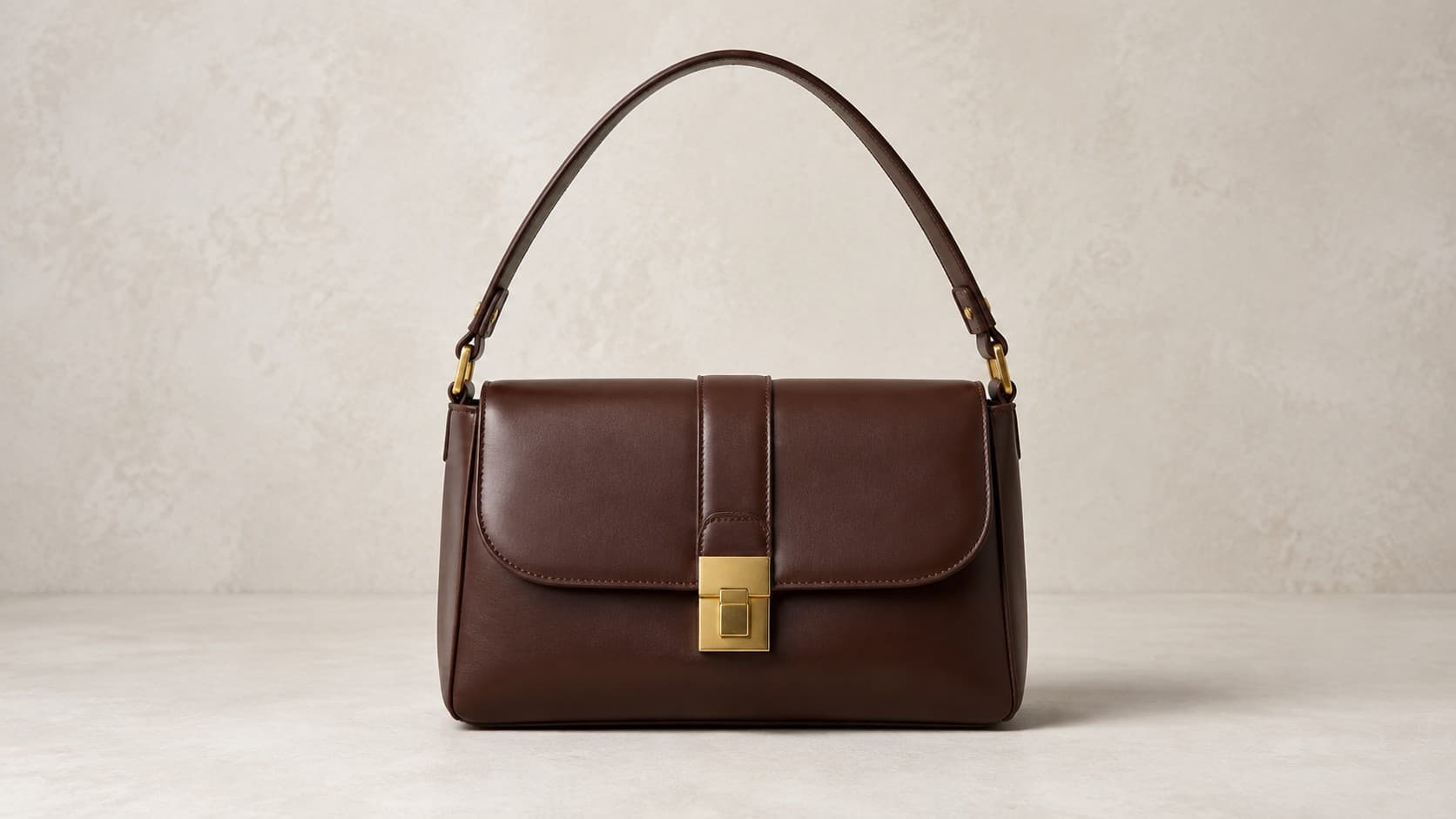
A shoulder bag is a bag with a shorter strap made to sit on top of one shoulder, usually resting near the ribs or hip. It’s the style most people picture when they hear the word “handbag” or “purse” — structured, sitting high, and staying close to the body.
Shoulder bags tend to be roomier than crossbody bags because the shorter, sturdier strap and shoulder placement can support more weight without the bag swinging around. That makes them a natural middle ground: bigger than a crossbody, but still more compact and structured than a tote. Many shoulder bags have some internal structure or stiffening so the bag holds its shape even when only half full, which is part of why they’re often chosen for work or more polished outfits.
The downside is exactly what carrying weight on one side would suggest — a full shoulder bag can grow heavy and uncomfortable over a long day, and it takes more effort to keep it from slipping down the arm. Some shoulder bags come with an optional longer strap so they can be worn crossbody as well, adding flexibility for days that involve a lot of walking.
Shoulder bags first gained real prominence in the 1920s, a period closely tied to women’s growing independence. Interest in the style surged again in the 1960s, when the shoulder bag came to represent a new kind of freedom of movement, since it left both hands free in a way that clutches and handheld bags never could. That two-handed freedom is really what separates the shoulder bag from the smaller handheld and clutch styles that came before it — it wasn’t just a new shape, it was a practical response to daily life changing. The category also covers more ground than most people realize: a slouchy hobo bag, a structured satchel, and a boxy top-handle bag can all technically count as shoulder bags, so the amount of structure and organization varies far more here than it does among crossbody bags or totes.
What Is a Tote Bag?
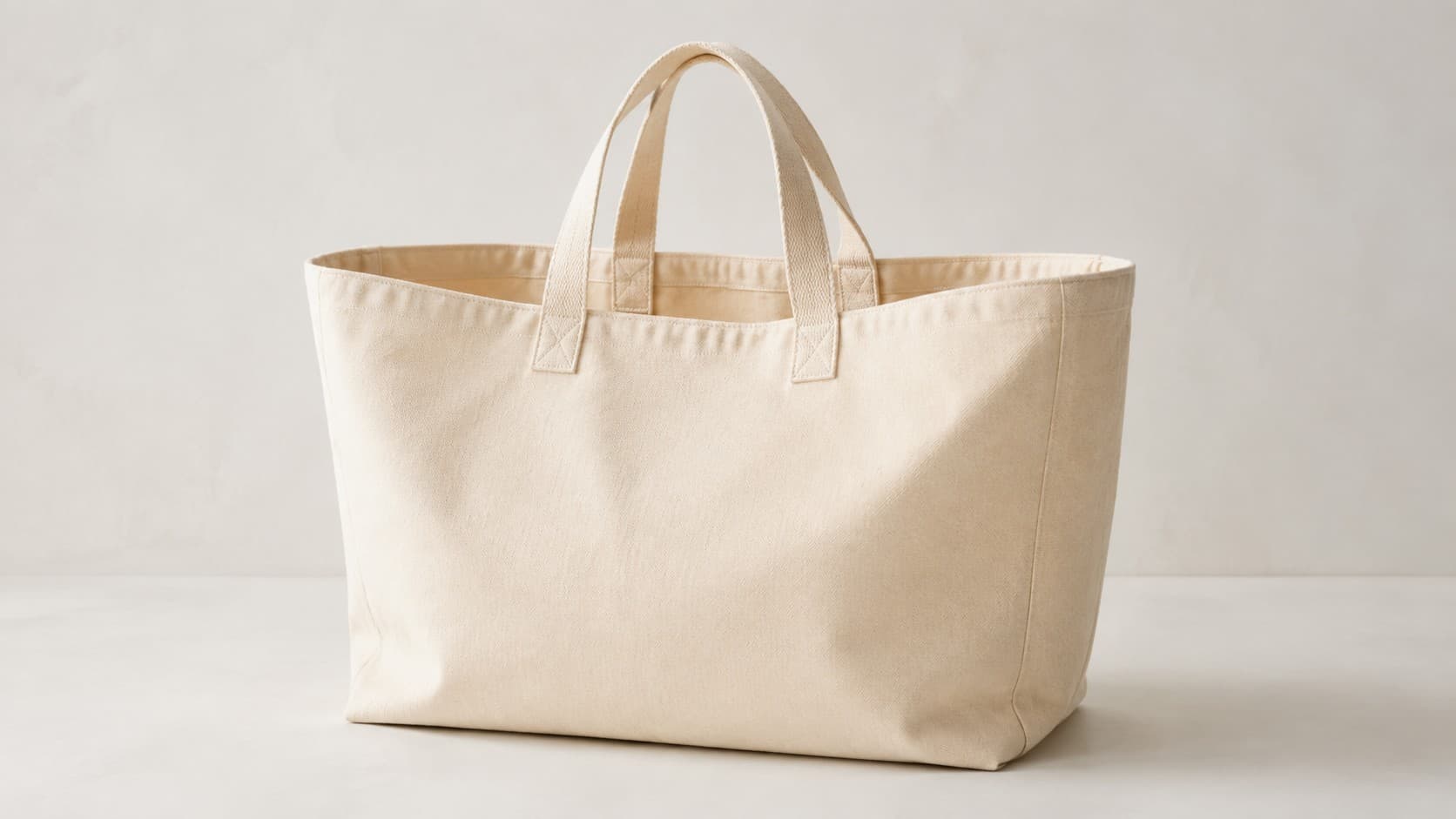
A tote bag is a large, open bag with two short handles meant to be carried by hand or worn on the shoulder, with a wide top opening and few, if any, inner compartments. “Tote” comes from an old English word meaning “to carry,” and that’s essentially the entire job description of this bag: hold a lot, carry it easily.
The tote as it’s known today is often traced back to 1944, when L.L.Bean introduced a canvas “ice bag” designed to carry blocks of ice from the car to the icebox, since most American homes didn’t yet have proper refrigerators. It became a household staple through the 1950s for everyday chores, and in the 1960s designer Bonnie Cashin reworked the shape into something more fashion-forward with her Cashin Carry design. That history explains why totes still feel more like a carry-all than a purse — the shape was born as a workhorse, not an accessory.
Because a tote has almost no internal structure, it flexes and expands around whatever goes in it, whether that’s a laptop, a change of clothes, or a bag of groceries. The open top makes it fast to grab things, but it also means less security and organization than a zippered bag offers. Totes work best for situations that call for real volume: commuting, the gym, travel days, or a market run.
Material changes how a tote behaves more than it does with crossbody or shoulder bags, since totes rely on the fabric itself for most of their shape. Canvas, the original tote material, is naturally structured and stiff and holds its form even when only half full, which is part of why the classic tote shape has needed so little redesign over the decades. Leather became a popular alternative starting in the 1960s and 1970s, as designers began treating the tote as a fashion piece rather than a purely functional one, and leather totes soften and slouch with wear, trading some structure for a more relaxed drape. Nylon or technical-fabric totes give up some visual polish in exchange for being lighter and easier to wipe clean. None of these is objectively better; the difference comes down to whether a tote should look the same on day one and day one thousand, or gradually mold itself to how it’s used.
Crossbody vs. Shoulder Bag vs. Tote
| Feature | Crossbody Bag | Shoulder Bag | Tote Bag |
|---|---|---|---|
| Strap length | Long, worn across the body | Short, sits on one shoulder | Short handles, hand or shoulder carry |
| Typical size | Small | Small to medium | Large |
| Hands-free | Yes, very | Partially | Rarely |
| Best suited for | Walking, travel, errands | Work, dressed-up occasions | Commuting, gym, travel, work with a laptop |
| Security | Highest (close to body, zips) | Medium | Lowest (open top) |
| Comfort with heavy loads | Good (weight spread across body) | Fair (all on one shoulder) | Good if carried on the shoulder, tiring if carried by hand |
Which Bag Should You Choose?
Matching the bag to how much needs to be carried, and how much movement the day involves, solves most of the decision: crossbody bags suit light and active days, shoulder bags suit structured or dressier occasions, and totes suit anything that needs real capacity.
On a day spent walking a dog, running errands, or standing for long stretches, a crossbody bag keeps the hands free and stays secure without requiring any thought. On a day centered around one place, such as an office, a dinner, or a meeting, a shoulder bag offers a neater silhouette with enough room for the basics without overwhelming an outfit. On a day that involves a laptop, files, or a change of clothes for the gym, a tote is the only one of the three built to hold all of that without straining at the seams.
Comfort matters just as much as capacity. Shoulder or back discomfort tends to respond better to a crossbody bag, since the weight is distributed rather than pulling on one side. A preference for switching bags with different outfits tends to favor shoulder bags, since the size and shape read as more finished. And a dislike of digging through a bag to find a phone or keys tends to favor a zippered crossbody or shoulder bag over an open-top tote, simply because there’s less to search through.
A useful test: pack the bag for the day before leaving, then look at what’s actually inside. If it barely fills a hand, a crossbody or shoulder bag will do the job. If everything had to be squeezed in, a tote is probably the better fit.
Owning all three shapes is common for exactly this reason — not because bags are collectible, but because no single shape handles every situation equally well. A crossbody for weekends and travel, a shoulder bag for work, and a tote for anything that needs extra room covers nearly every scenario without asking one bag to do a job it wasn’t designed for.
Frequently Asked Questions
Can a shoulder bag be worn as a crossbody bag?
Only if it has a long enough strap, either built in or as a swap-in option. Standard shoulder bag straps are usually too short to cross the body comfortably, but many brands now sell shoulder bags with an adjustable or extra-long strap specifically so the bag can switch between the two styles.
Which bag is best for travel?
A tote is usually the most practical choice for travel, since it can expand to fit a jacket, water bottle, snacks, or a laptop, and items can be slid in and out quickly at security checkpoints. A crossbody bag works well as a personal item for keeping a passport, phone, and wallet secure and close to the body in crowded places.
Is a crossbody bag good for work?
It depends on the workplace and how much needs to be carried. A crossbody bag works fine for casual or hybrid offices where the main contents are a phone, wallet, and small essentials, but it’s usually too small for a laptop or paperwork, where a structured shoulder bag or tote makes more sense.
Do tote bags have zippers?
Many totes have an open top with no closure at all, which is part of the classic design, though plenty of modern totes add a zip-top, a magnetic snap, or a smaller zippered pouch inside for essentials like keys and cards. Security-conscious shoppers should look for a tote with at least one closure rather than a fully open top.
Which bag style is easiest on the shoulders and back?
A crossbody bag is generally the most comfortable option for carrying weight over long periods, since the strap crosses the body and spreads the load across the back and chest rather than resting entirely on one shoulder. Totes and shoulder bags carried on one side for extended periods are more likely to cause shoulder or neck strain when packed heavy.
The Bottom Line
Crossbody, shoulder, and tote bags aren’t competing for the same job — each one was shaped by a different real-world need, from World War I dispatch riders to 1940s households hauling ice. A crossbody bag earns its place on active, hands-free days; a shoulder bag strikes the balance between capacity and polish for work and dressier occasions; and a tote takes over when volume matters more than structure. Matching the bag to what a day actually demands, rather than choosing on looks alone, is what makes the decision straightforward.