Picking the wrong bag for a trip can turn an exciting getaway into a sore-shoulder, wrinkled-shirt headache. There isn’t one perfect travel bag for everyone, because the best choice depends on how long the trip is, how the traveler is getting there, and what actually happens once they land. A weekend camping trip calls for something very different than a business trip to another country, and the main types of travel bags each solve a different piece of that puzzle.
What Is the Best Type of Bag for Travel Overall?
For most trips, a soft-sided duffel bag or a wheeled carry-on suitcase works best because they hold the most stuff while staying easy to carry or roll through an airport. Neither option wins in every situation, though. It comes down to two questions: is the bag being checked or carried on, and will it be walked long distances or mostly rolled across smooth floors?
A duffel bag flexes and squishes into tight spaces, which makes it great for car trips, trains, or overhead bins that are already crowded. A wheeled suitcase saves the arms and back over long distances in an airport, but it struggles on cobblestone streets, sand, or stairs. Neither one is right or wrong — it’s about matching the bag to the trip.
Backpack vs. Suitcase vs. Duffel Bag
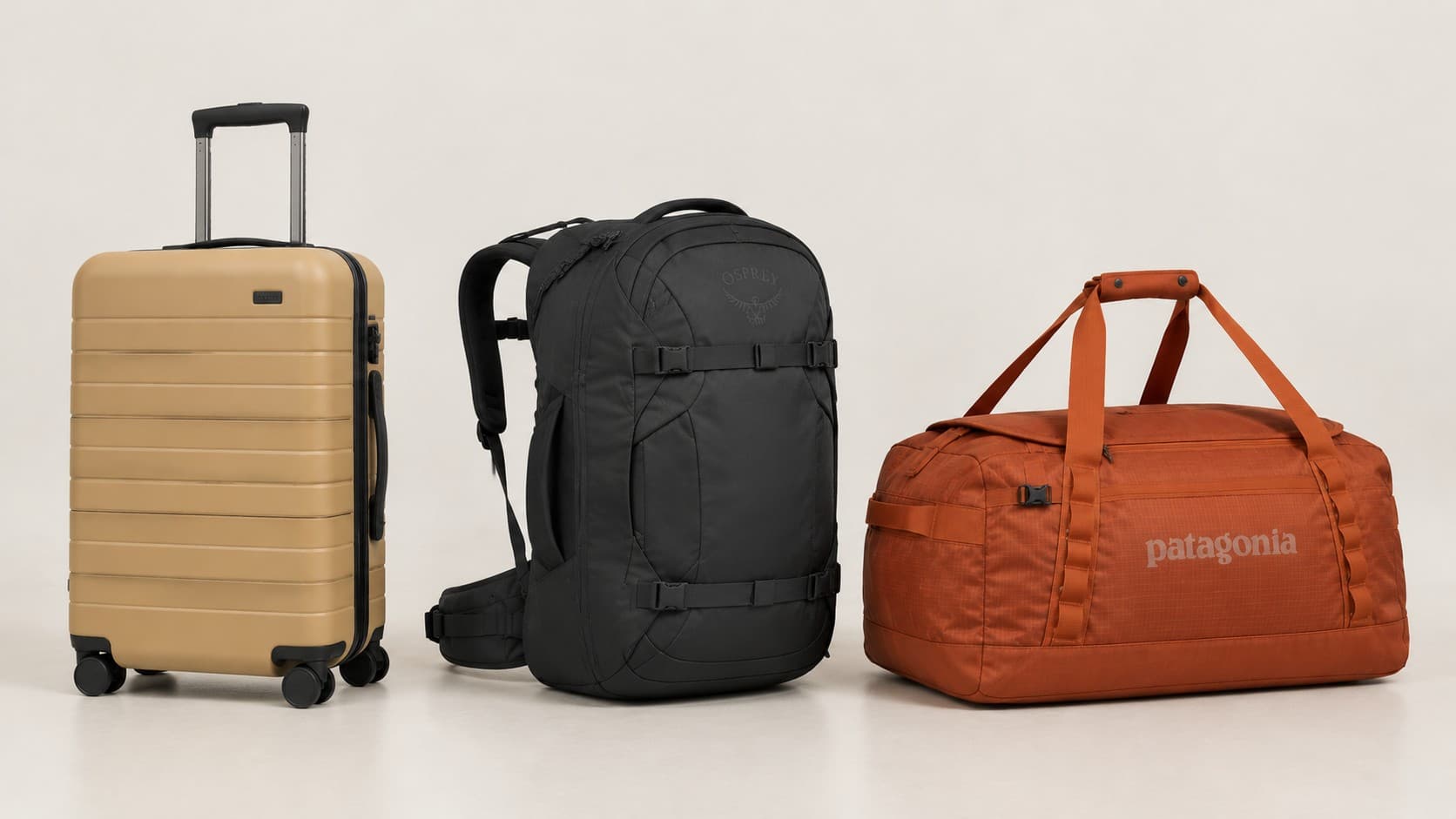
A backpack makes sense for hands-free travel, a suitcase for rolling through airports and hotels, and a duffel for maximum packing flexibility in a smaller space. Each style solves a different travel problem, so the “best” one depends on the itinerary.
| Bag Type | Best For | Downside |
|---|---|---|
| Backpack | Hiking, city exploring, public transit, one-bag travel | Can strain shoulders and back if overloaded |
| Wheeled suitcase | Airports, hotels, business trips, smooth terrain | Hard to carry on stairs, sand, or gravel |
| Duffel bag | Road trips, gym or sports trips, packing odd-shaped items | No wheels (unless it’s a hybrid duffel) |
| Tote bag | Short day trips, beach trips, carrying on top of other luggage | Not built for heavy loads or long walks |
Moving through multiple types of terrain, like a cobblestone old town followed by a train station, is where a backpack usually wins, since it doesn’t depend on smooth ground to roll.
Backpacks: Best for Active, On-the-Go Trips
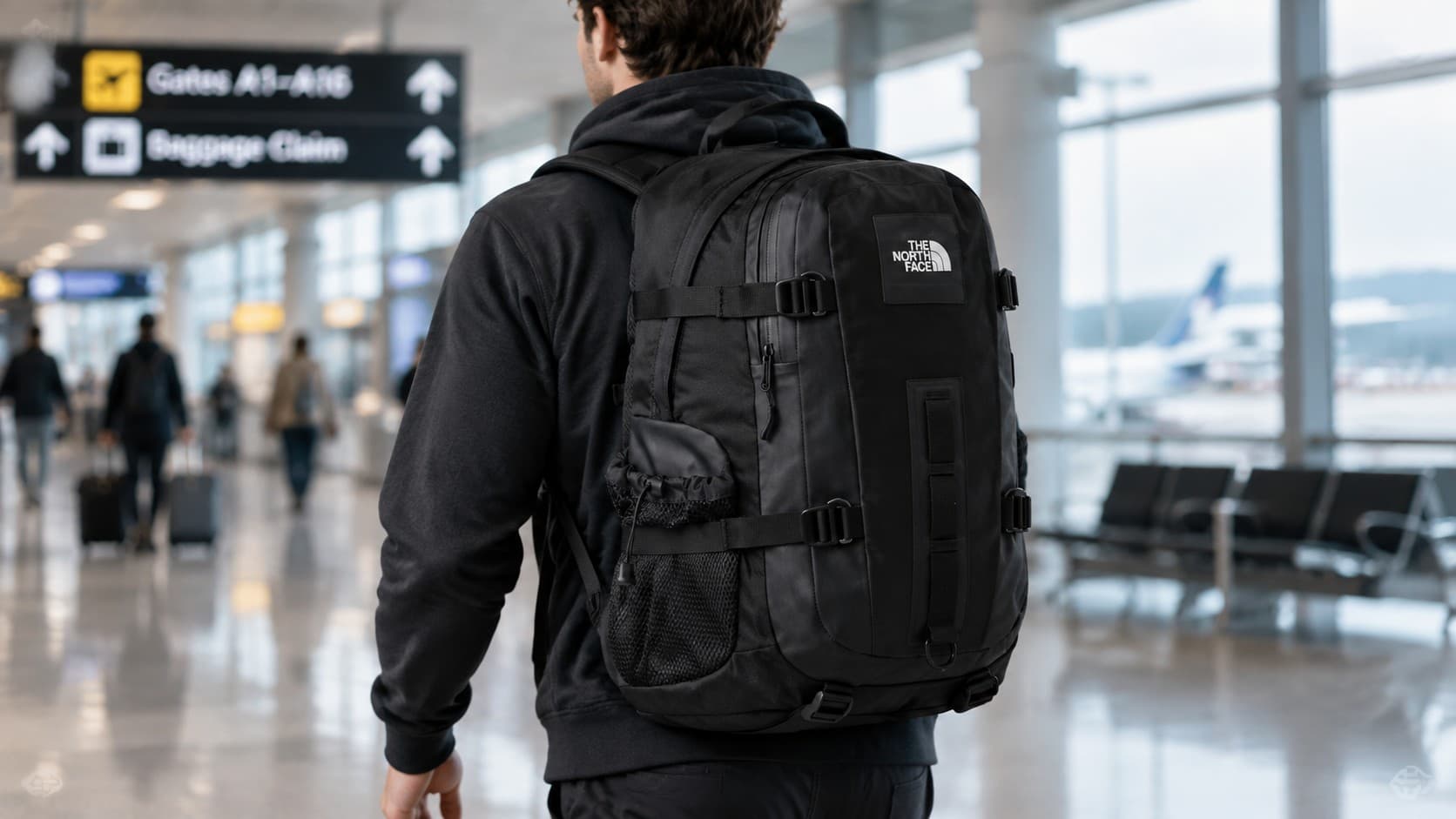
Backpacks distribute weight across the shoulders and hips instead of pulling on one arm, which makes them easier to carry for long stretches. This matters most on trips that involve walking through busy train stations, climbing stairs in old buildings without elevators, or hiking between destinations. A well-fitted backpack with a hip belt can carry 30 to 40 pounds far more comfortably than a shoulder bag ever could, because the hips, not the shoulders, take most of the weight.
The tradeoff is organization. Backpacks are usually one big compartment, sometimes with a few extra pockets, so packing cubes become important to keep things from turning into a jumbled mess.
There are also two different styles of backpack loading, and they behave very differently over the course of a trip. Top-loading backpacks, the classic hiking style, open only from the top, which keeps weight balanced on a trail but makes it annoying to dig out a shirt buried at the bottom. Front-loading or “panel-loading” travel backpacks unzip like a suitcase, laying the whole bag open flat, which makes packing and finding things far easier. For city travel rather than backcountry hiking, a front-loading design almost always causes less frustration.
Wheeled Suitcases: Still a Smart Choice
Wheeled suitcases exist because dragging heavy bags by hand is exhausting, and wheels remove almost all of that effort on flat ground. They also tend to have more structured compartments, which helps keep dress clothes, shoes, and electronics separated and protected. This makes them a strong pick for business trips, cruises, or any vacation spent mostly moving between an airport, a car, and a hotel room.
The catch is that wheels and a hard frame add weight before anything has even been packed, and they perform poorly anywhere without a smooth, flat surface — beaches, hiking trails, and countries with narrow, uneven sidewalks included.
Suitcases themselves split into two camps: hardside and softside. Hardside cases have a rigid plastic shell, which protects fragile items better and keeps out rain, but it doesn’t flex, so there’s no squeezing in one more souvenir once the case is full. Softside cases are made from fabric, usually polyester or nylon, which means they can expand a little, absorb a bump without cracking, and often carry extra outer pockets for quick-grab items. Neither type is objectively better — it’s a straight tradeoff between structure and flexibility.
Wheels matter more than most people expect, too. Four-wheel “spinner” suitcases roll in any direction and can be pushed alongside the traveler, which is easier on the arm through long terminals, but they can roll away on a train or a sloped sidewalk without a firm hand on the handle. Two-wheel suitcases only roll forward and backward, requiring a tilt and pull to move, but that same design keeps them more stable on uneven ground and less likely to wander off on their own.
What Size Suitcase Do You Need for a Weekend?
For a two- to three-night trip, a bag between 30 and 45 liters is usually enough, which is roughly the size of a standard carry-on backpack or a small duffel. This size fits a few outfits, toiletries, and shoes without forcing a checked bag or extra fees.
The standard airline carry-on size is worth keeping in mind when flying. Most major U.S. airlines, including Delta, American, and United, limit carry-on bags to about 22 by 14 by 9 inches, while Southwest allows a bit more room at 24 by 16 by 10 inches. Budget airlines are often stricter, so checking the specific airline’s rules before buying a bag is a smart move, since a bag that fits one airline’s overhead bin might get flagged as too large by another.
A simple packing trick: lay out everything that seems necessary, then put half of it back. Most overpacking on short trips comes from habit, not actual need.
Best Bag for International Travel
For international trips, a bag that can be carried comfortably without wheels is usually the smarter choice, because many cities overseas have cobblestone streets, limited elevators, and public transit with stairs. A wheeled suitcase can still work fine for a trip that’s mostly city-to-city by train or plane, but a backpack or wheeled backpack hybrid allows far more freedom for a trip spent navigating mostly on foot.
Theft prevention is another consideration for international travel. A backpack worn on the front in crowded areas, or a bag with a zipper that locks, adds a layer of security in places where pickpocketing is more common. Bags with a slash-resistant strap or hidden pockets are a smart extra step for cities known for tourist theft, though they aren’t strictly necessary everywhere.
Do You Need a Second Bag?
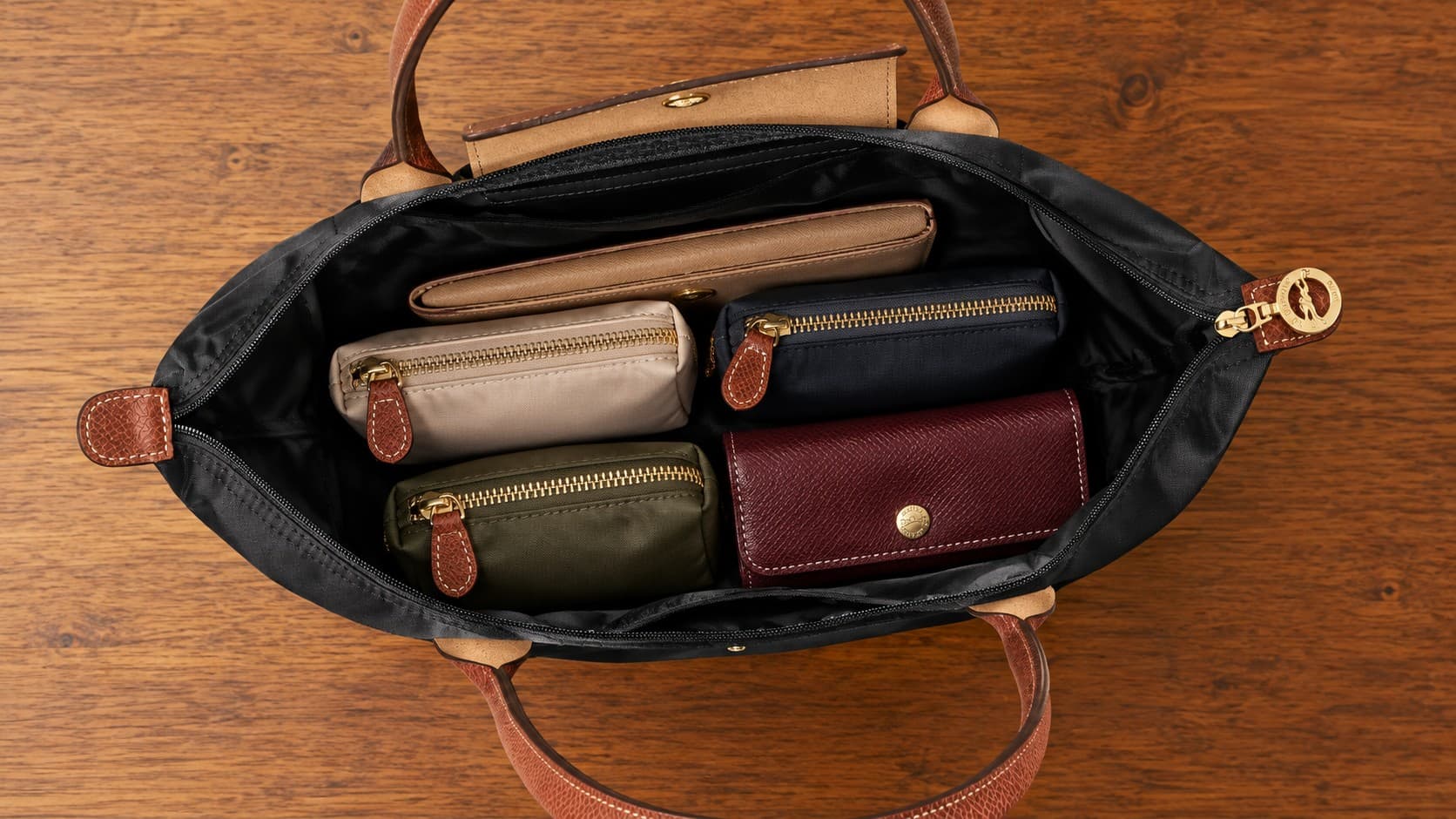
Traveling with one main bag plus one small personal item, like a tote or day pack, keeps things mobile and avoids extra luggage fees. This combination works for almost any trip length when packed efficiently, since the personal item can hold things needed for quick access, like a passport, a phone charger, or a book for the flight.
Packing everything into a single bag also removes the wait at baggage claim and the risk of lost luggage, which matters most on trips with tight connections.
Best Fabric and Material for Luggage
Ballistic nylon and ripstop nylon are among the most durable materials for travel bags because they resist tearing, scuffing, and water better than canvas or leather. These synthetic fabrics were originally developed for military use, which is why they hold up so well against rough handling by baggage handlers and constant zipping open and shut.
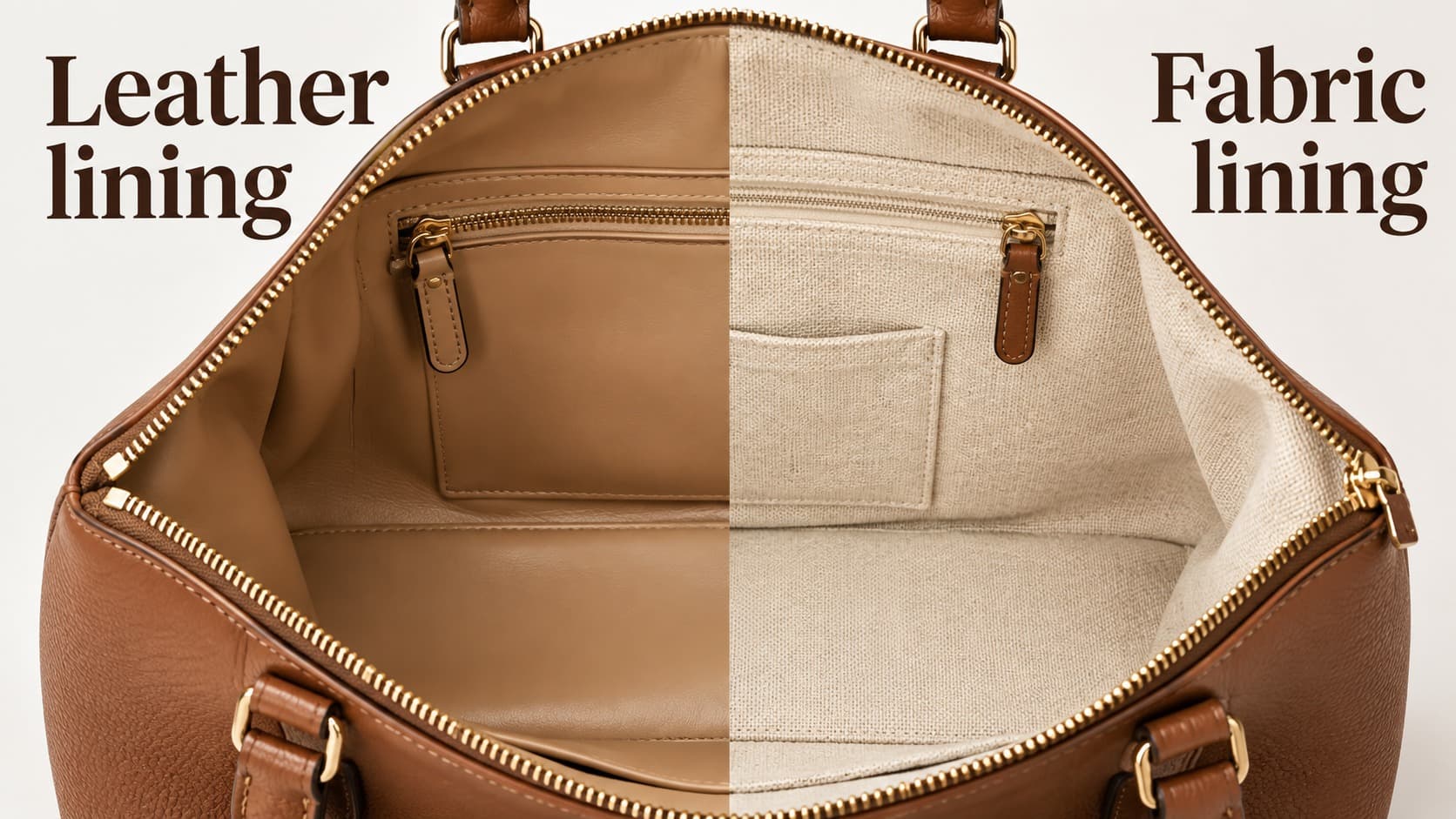
Leather looks polished and ages beautifully, but it’s heavier, more expensive, and needs more care to avoid water damage or scratches. Canvas sits in the middle: lighter than leather and cheaper than technical nylon, but not as water-resistant. For a bag that will be tossed around airports, trains, and car trunks for years, a nylon-based bag is generally the more practical, long-lasting choice.
For hardside suitcases, the shell material matters just as much. Polycarbonate is the most popular choice for a reason: it’s lightweight, flexes on impact instead of cracking, and holds up well over years of travel, though it costs more than cheaper plastics. ABS is the budget option, lighter on price but more likely to crack in cold weather or after a hard drop, which makes it better suited to occasional travel than frequent flying. Aluminum sits at the top end: nearly indestructible with a premium look, but the heaviest and most expensive option, and one that dents rather than bounces back under impact.
The empty weight of a bag matters more than most people realize once it’s being checked. Most airlines cap checked bags at around 50 pounds (23 kg) in economy before charging an overweight fee, and a cheap, heavy suitcase can already weigh 8 to 10 pounds before anything has been packed. A lighter shell, like polycarbonate, leaves more of that 50-pound allowance for actual belongings instead of the bag itself.
Frequently Asked Questions
Is a duffel bag or a suitcase better for a long trip?
For trips longer than a week, a suitcase is usually easier because it holds more items in an organized way and rolls instead of requiring the extra weight to be carried by hand. Duffels work well for shorter trips or light, flexible loads like gym clothes or camping gear.
Can a backpack replace a suitcase completely?
Yes, for most trips a well-packed 40 to 50 liter backpack can replace a suitcase, especially for trips under two weeks. The main limits are formal business trips needing pressed clothing, or trips requiring specialized gear that needs more structured protection.
How can you tell if a bag will fit as a carry-on?
Airline size charts vary, so checking the specific airline’s chart before flying is the safest approach. As a general guide, most major U.S. airlines cap carry-ons around 22 by 14 by 9 inches, but budget carriers and international airlines are often stricter.
Are wheeled bags worth it for a trip spent mostly walking?
Not usually. Wheels only help on smooth, flat ground, and they add extra weight to bags that end up being carried anyway on stairs, gravel, or uneven streets. For trips involving a lot of walking on varied terrain, a backpack is typically more comfortable.
What’s the most versatile bag for someone who travels a few times a year?
A mid-sized backpack or convertible backpack-duffel hybrid tends to be the most versatile choice, since it works for weekend trips, flights, road trips, and city walking without needing a different bag for every occasion.
The Bottom Line
Choosing the right travel bag comes down to matching the bag to the trip rather than finding one “perfect” option. A backpack earns its keep on uneven ground, a wheeled suitcase pays off gliding through airports and smooth hotel floors, and a duffel bag shines when a trip needs flexible packing space for a short stay or a car ride. Once the destination’s terrain, the trip length, and the amount of gear are clear, the right bag usually becomes obvious — and packing the wrong one is one travel mistake that’s genuinely easy to avoid.