Most things in life look worse the longer they’re used. A pair of sneakers gets scuffed, a car’s paint fades, a phone screen scratches. Leather is one of the strange exceptions. A well-made leather bag, wallet, or belt can actually look better after a year of daily use than it did on the day it was bought, developing a warm, glowing color that no factory can fake. That transformation has a name — patina — and it’s the reason well-made leather is often described as something that gets better with age rather than something that simply wears out.
What Is Leather Patina?
Patina is the gradual change in color, texture, and shine that happens on certain types of leather as they’re touched, worn, and exposed to light over time. It isn’t damage, and it isn’t dirt. It’s a chemical and physical response happening inside the leather itself, and on high-quality pieces, it’s considered a good thing rather than a flaw.
Leather is made from animal hide, which was once living tissue. Even after tanning turns it into a stable material, it still reacts to its environment the way skin does. Sunlight changes its tone. Oils from hands soak into the surface. Friction from being handled every day smooths and polishes it. Add all of that up over months and years, and the result is a deeper, richer color with a soft sheen that only comes from real use. Leather workers sometimes call it the leather’s “memory,” since it’s quite literally recording everywhere it’s been touched.
Patina is also cumulative and permanent. It doesn’t wash off, and it doesn’t reset. That’s what separates it from ordinary dirt or grime, which sits on the surface and can be wiped away. Patina is baked into the material itself, which is exactly why it’s treated as a feature rather than something to clean off.
Where Does the Word “Patina” Come From?
The word comes from Italian, where it originally described the thin greenish layer that forms on aged bronze or copper. That same idea — a surface changing character through age and exposure rather than wearing out — was later borrowed to describe leather, wood furniture, and other materials that improve visually as they get older.
It’s a useful word because it captures something specific: patina isn’t just “looking old.” It’s a controlled, gradual kind of aging that adds character instead of taking it away, the same way a well-loved wooden table develops a glow that a brand-new one doesn’t have.
Why Does Leather Change Color Over Time?
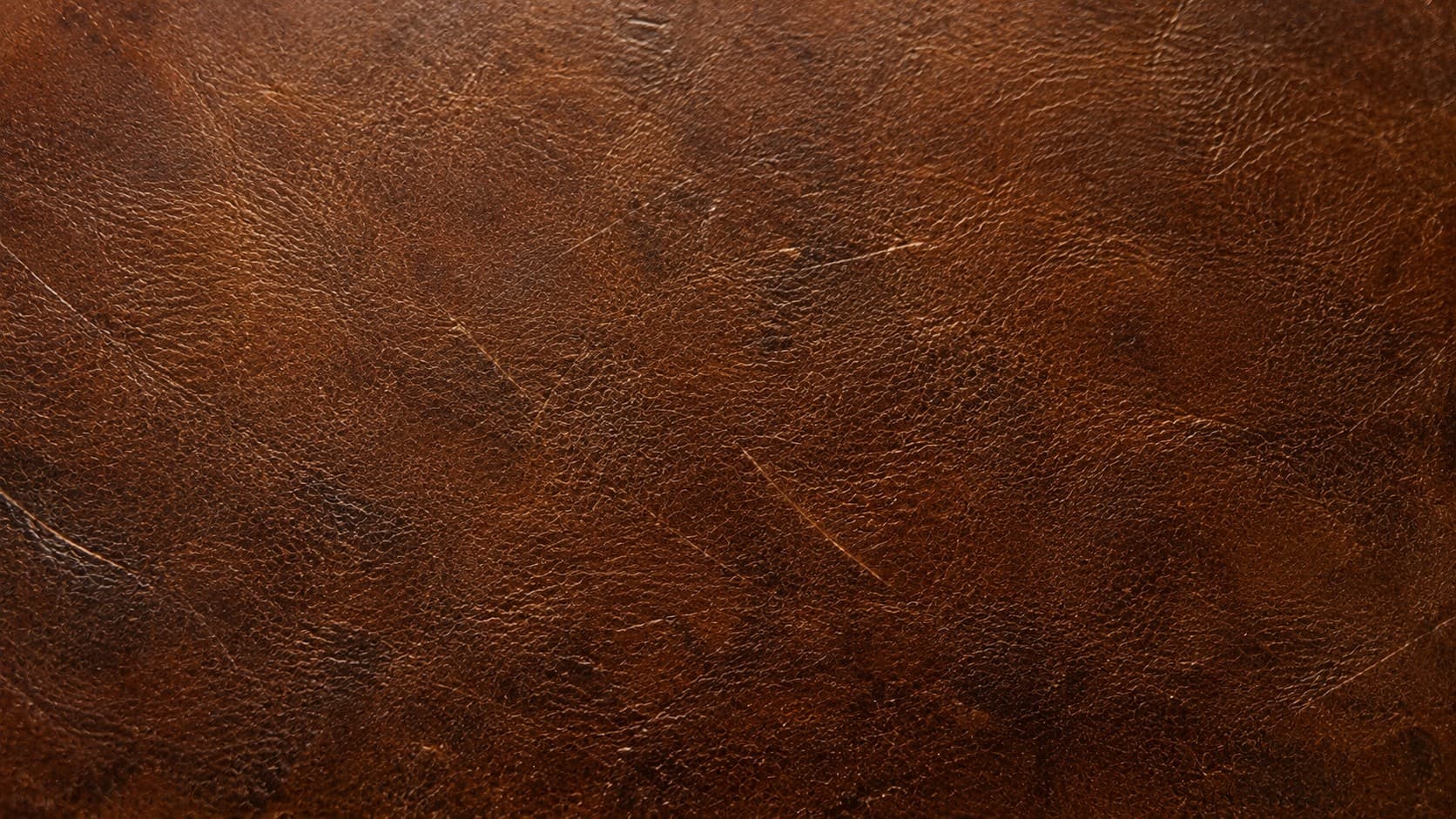
Four main things work together to create patina, and they’re all things that happen naturally through everyday use — nobody needs to do anything unusual to trigger the process.
- Sunlight (UV exposure) — light energy interacts with compounds in the leather called tannins, gradually shifting a pale surface into warmer, darker tones over months of exposure.
- Skin oils — every time hands touch the leather, tiny amounts of natural oil transfer onto the surface and soak in, gradually darkening and enriching the color.
- Oxygen (oxidation) — the same basic chemical reaction that turns a sliced apple brown also affects the tannins in leather, causing them to slowly shift into darker tones over time.
- Friction and handling — repeated rubbing, gripping, and flexing compresses and polishes the surface fibers, which is what creates that smooth, glossy sheen on corners, edges, and handles.
None of these happen overnight. Patina builds up over weeks, months, and years, which is exactly why it can’t be faked with a quick trick — it’s the visible record of time actually passing. The oxidation part of this process is the same basic chemistry that turns a sliced apple brown when it’s left out on the counter, just moving at a much slower pace across the surface of the leather.
Climate plays a role too. Humidity, temperature, and how dry the local air is all affect how quickly the tannins and oils inside the leather react, which is one reason the exact same wallet or bag can patina at noticeably different speeds depending on where its owner lives.
Patina forms from the inside of the leather, not from anything added to its surface — which is why no two pieces ever age in exactly the same way.
Why Some Leather Patinas and Some Doesn’t
Only certain types of leather are capable of developing a true patina, and it comes down to how the leather was tanned and finished. Tanning is the process that turns raw animal hide into a stable material that won’t rot, and different tanning methods produce very different results over time.
Leather that’s been coated with a thick layer of paint, plastic, or heavy pigment on top won’t patina in any meaningful way, because that coating blocks light and oils from ever reaching the material underneath. Leather that’s left mostly in its natural state, however, stays open to the air and light, which is exactly what allows the aging process to happen.
| Leather Type | Develops Patina? | Why |
|---|---|---|
| Vegetable-tanned leather | Yes, dramatically | Tanned using plant-based tannins that react strongly with light and oxygen |
| Full-aniline leather | Yes, noticeably | Dyed with translucent color and no protective topcoat, so light and oils reach the hide directly |
| Semi-aniline leather | Minimally | Has a light protective coating added, which slows down color change and shine |
| Chrome-tanned leather | Rarely | Tanned with chemical salts that don’t react to light the same way |
| Heavily pigmented or “corrected” leather | No | A painted-on surface layer blocks light and oil absorption |
| Faux or synthetic leather | No | It isn’t real animal hide, so there are no tannins or fibers to react |
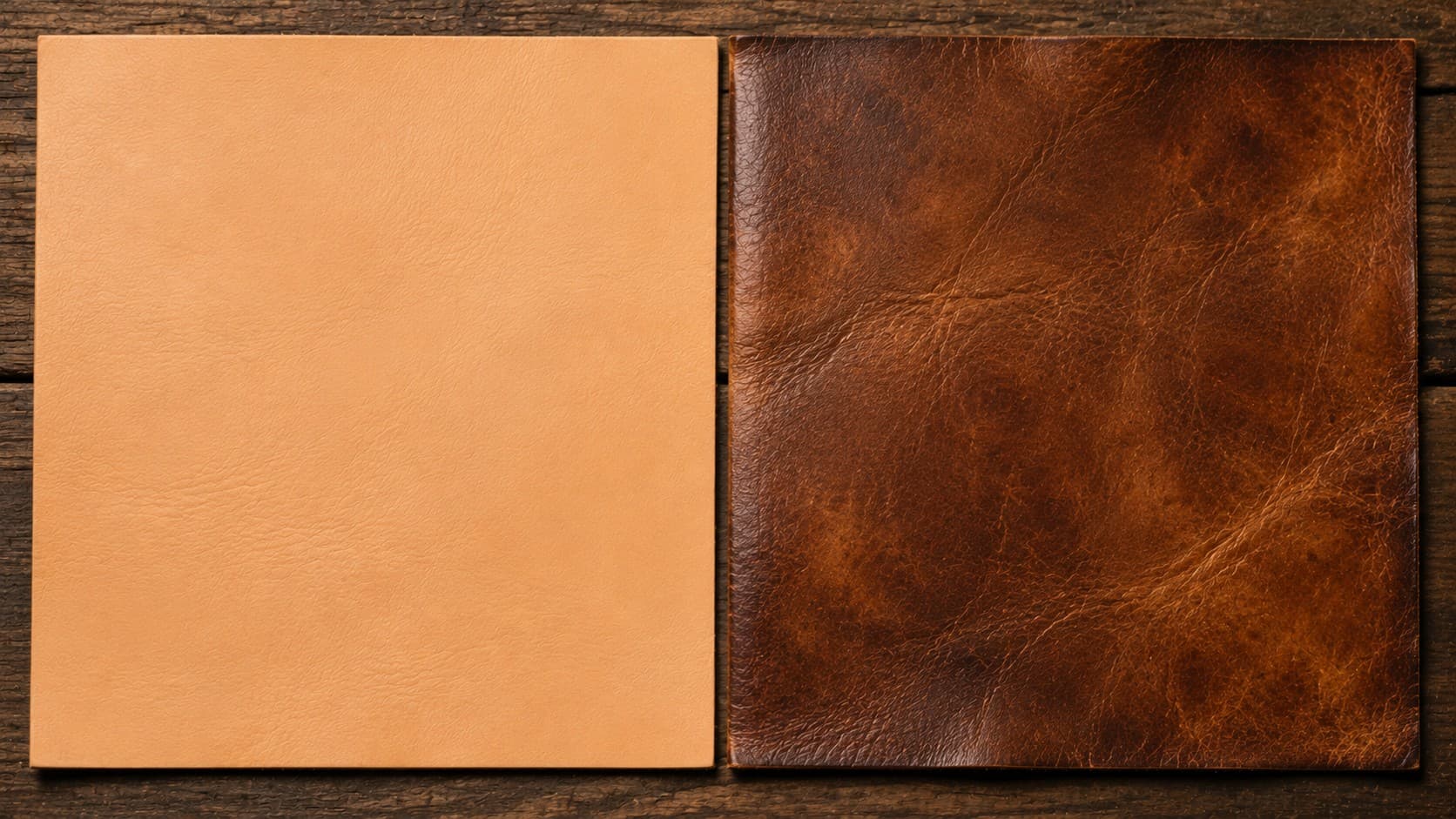
Vegetable-tanned leather is generally considered the gold standard for patina because the plant-based tannins used in the tanning process are especially reactive to sunlight and oxygen, which is why it can shift from a pale, “naked” tan color to a deep honey or chestnut brown over just a year or two of regular use.
Full-aniline and semi-aniline describe how the leather was dyed and finished, and that distinction matters just as much as the tanning method. Full-aniline leather is colored with a dye that soaks all the way through and gets no extra protective layer on top, so every natural mark on the hide stays visible and the surface stays fully open to patina-forming light and oils. Semi-aniline leather starts the same way but gets a thin protective finish added afterward, which makes it more resistant to stains and fading but also mutes how much it will visibly age over time. Neither is “better” across the board — it’s a trade-off between raw character and everyday practicality.
The starting color also changes how visible any of this is. Pale, natural-toned leathers like light tan or “naked” vegetable-tanned hides show patina dramatically, because the shift from light tan to deep amber is easy to spot. Black or very dark leather goes through the exact same chemical changes underneath, but the darkening is much harder to see against a color that’s already dark — it tends to show up more as added sheen and softness in high-contact spots than as an obvious color shift. So a black bag that “doesn’t seem to be aging” usually is; the change is just quieter.
Does Patina Make Leather Worth More?
A rich, even patina is proof that a piece of leather has been genuinely lived with, and that kind of authenticity is hard to manufacture or shortcut. Unlike wear and tear on cheaper materials, patina generally makes leather look better rather than worse, which is a big part of why collectors and everyday owners alike see it as adding value instead of subtracting it.
There’s also a personal element that matters here. Because patina depends on a specific combination of sunlight exposure, individual skin chemistry, climate, and daily handling habits, two identical bags carried by two different people will end up looking noticeably different after a few years. That uniqueness is part of the appeal — a patinated item can’t be replicated, even by the same brand using the same materials, which gives it a one-of-a-kind quality that a brand-new item simply doesn’t have yet.
Patina can also be a practical signal of quality, since only genuine, full-grain leather with minimal coating is capable of developing it. A piece that patinas beautifully is, by definition, made from leather that wasn’t hidden under layers of plastic-like finish — which usually also means it was made to be more durable and repairable in the first place.
This is also why patina matters in the secondhand and vintage market. Buyers shopping for pre-owned leather goods often specifically look for an even, well-developed patina as a sign the item is authentic full-grain leather that’s been cared for, rather than treating visible age as something to avoid. A heavily worn but evenly aged piece can, in some cases, be more desirable than a barely-used one, simply because the aging proves the leather is the real thing.
Tips for Helping Leather Patina Naturally
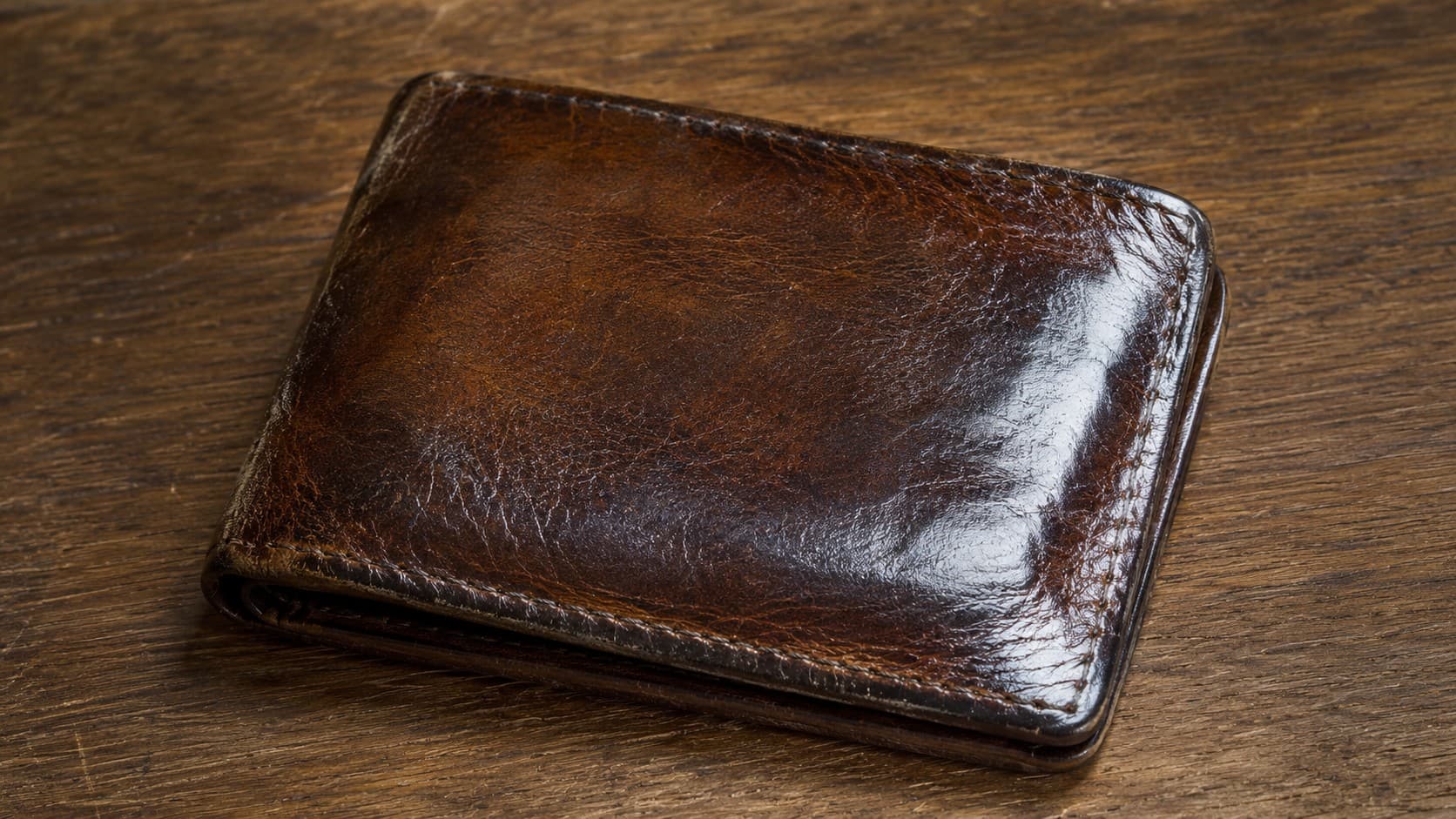
Patina develops best through gentle, consistent, everyday use rather than anything forced or extreme. The goal is steady, gradual change — not a fast shortcut that stresses the material.
- Regular use. Carrying a bag daily or keeping a wallet in a pocket exposes the leather to natural handling, which is the single biggest driver of patina.
- Occasional natural light. Placing a piece near a sunny window for short periods speeds up the tannin reaction, but this should be gradual light exposure, not hours of direct, intense sun.
- No prolonged direct sunlight or heat. Leaving leather in a hot car or in blazing sun for extended periods can dry it out and cause cracking instead of a healthy patina.
- Occasional conditioning, not constant conditioning. A light leather conditioner every few months helps prevent dryness, but over-oiling can darken leather unevenly or make it feel greasy.
- Minimal moisture exposure. Vegetable-tanned leather is especially absorbent, so heavy water exposure can cause blotchy staining rather than an even color change.
- No harsh chemical cleaners. Strong detergents and alcohol-based wipes can strip away the natural oils that patina depends on, and can leave the surface looking patchy instead of evenly aged.
Frequently Asked Questions
Is patina the same thing as damage or wear and tear?
No. Damage usually means the leather’s structure is weakening, cracking, or tearing, while patina is a surface-level color and texture change that happens while the leather stays strong and flexible. A scratch that never smooths out or a crack in the surface is wear; a gradual darkening and softening sheen is patina.
Can patina be removed if a piece’s owner doesn’t like it?
Not really, and most leather professionals wouldn’t recommend trying. Because patina comes from chemical changes within the tannins themselves, sanding or stripping it away can damage the leather’s surface and remove the protective outer layer, so it’s generally treated as a permanent, natural part of the material’s life.
How long does it take for leather to develop a visible patina?
It depends heavily on the leather type, how often the item is used, and how much natural light it gets, but noticeable changes often start appearing within a few months of regular use, with the most dramatic transformation usually happening over the first one to two years.
Does all leather eventually patina if it’s kept long enough?
No. Leather that’s been heavily coated, painted, or made from synthetic materials generally won’t patina no matter how long it’s used, because the surface treatment blocks the light and oil absorption that patina depends on. Only leather left close to its natural, minimally finished state can develop it.
Is darker leather always better quality than lighter, unpatinated leather?
Not necessarily — dark color alone doesn’t guarantee quality. What matters more is whether the darkening happened naturally through genuine use and light exposure, versus being dyed dark from the start. A pale, natural vegetable-tanned leather is often a sign of high quality precisely because it hasn’t been artificially colored to hide anything.
Conclusion
Patina turns leather into something closer to a diary than an object — every scuff, sun-faded edge, and darkened corner is a small record of how a piece was actually used. The pieces that develop it best are made from real, minimally treated leather like vegetable-tanned or full-aniline hides, and the process itself just needs ordinary daily use, a bit of natural light, and a little patience rather than anything special. Understood this way, the changes that leather goods go through with age aren’t a downside to manage — they’re the exact thing that makes each piece increasingly personal, and often increasingly valuable, the longer it’s carried.