Nappa leather has become one of the most recognizable materials in the handbag world, prized for a softness that feels almost like a cushion rather than a stiff hide. Despite its fame, it is often misunderstood. “Nappa” is not a type of animal, and it is not a brand name either. It is a way of treating leather, and that single detail explains why the material feels the way it does, why it appears on so many designer bags, and what kind of care it actually needs.
What Does “Nappa Leather” Mean?
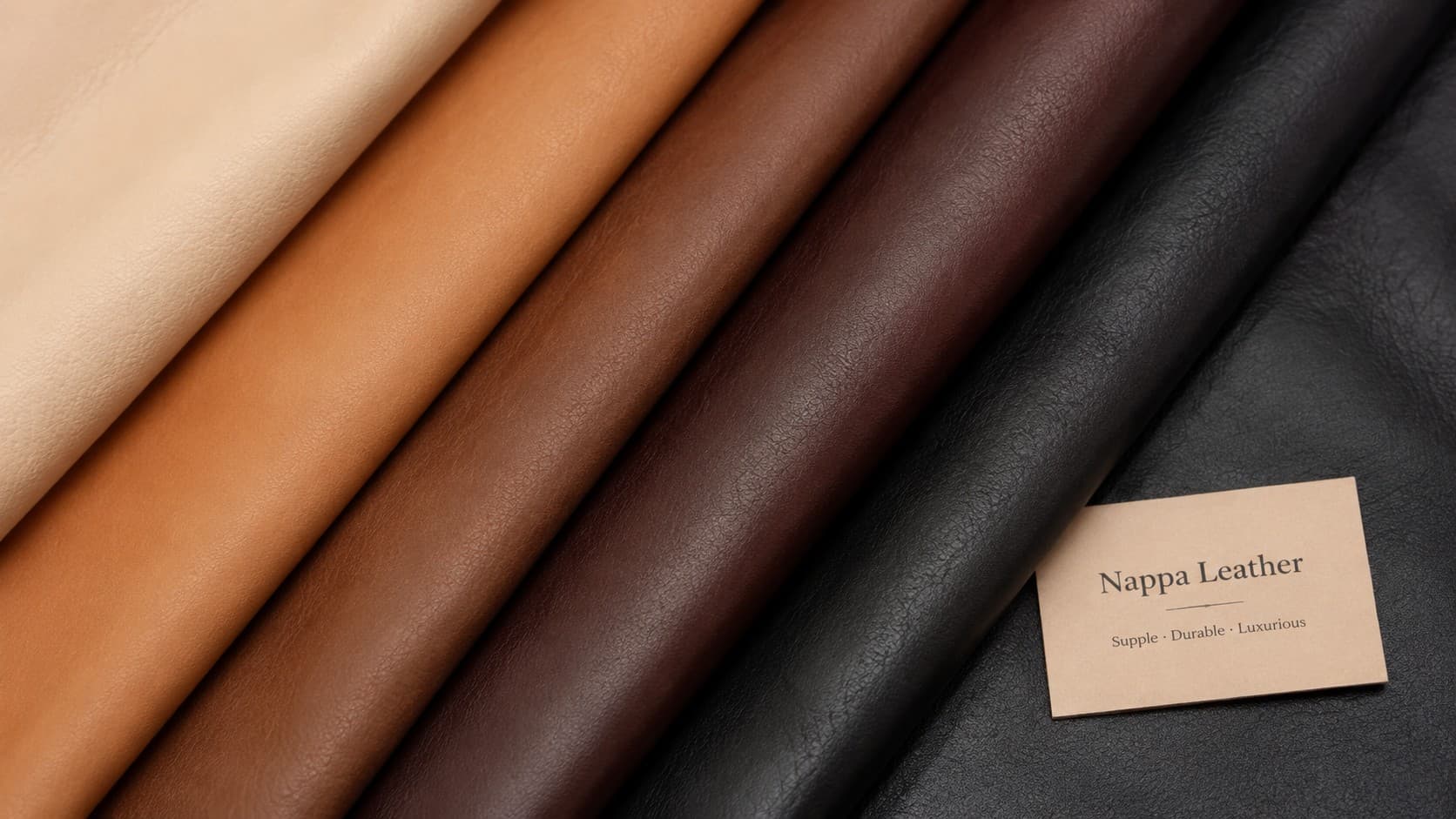
Nappa leather is a soft, full-grain leather tanned in a specific way to make it smooth, stretchy, and gentle to the touch. It usually comes from the hide of a lamb, kid goat, or calf, though cow leather is also used today. What makes it “nappa” is not the animal it came from, but the tanning process used to soften it.
The word “full-grain” matters here. It means the leather keeps the very top layer of the animal’s skin, which is the strongest and most natural-looking part of the hide. Nothing is sanded down or buffed away to hide flaws. Because of this, nappa leather of good quality shows tiny natural marks and grain patterns, which is a sign of quality rather than a defect.
Full-grain leather like nappa is considered more durable and higher quality than leather that has had its surface sanded or corrected, because the toughest natural fibers of the hide remain intact.
Where Did Nappa Leather Get Its Name?
The name comes from Napa, California, where a tanner named Emanuel Manasse first developed the process in the late 1800s. Manasse worked for the Sawyer Tanning Company and was aiming to create a softer, more comfortable leather using a chemical tanning method instead of the older, slower method that relied on tree bark and plant materials.
The invention worked well enough that the leather eventually took on the name of the town where it was created. Over time, the spelling shifted between “Napa” and “Nappa,” and today both spellings are used interchangeably, especially in Europe. A tag reading “Napa leather” or “Nappa leather” refers to the same material.
How Is Nappa Leather Produced?
Nappa leather gets its softness from a tanning method called chrome tanning, which uses chromium salts instead of the natural tannins found in tree bark. The process happens much faster than traditional tanning, and it relaxes the fibers of the hide so the final material bends and folds easily.
After tanning, the hide goes through several more steps. Hair and any leftover flesh are removed, then the leather is dyed, usually with the color soaking all the way through rather than sitting on top. Very little surface coating is added afterward, since covering the leather in a thick finish would hide the natural grain that makes nappa leather distinctive in the first place. That light-touch finishing is also why nappa leather feels warm and soft rather than plasticky.
Speed is a large part of why chrome tanning became so widespread. Hides sitting in a chromium solution can finish tanning in as little as a day or two, while the older bark-based method can take several weeks to a couple of months to reach the same point. That shorter turnaround is part of why nappa leather can be produced at scale without losing its soft, supple feel, though it also means the leather does not develop the deep, aged patina that slower-tanned leathers are known for.
The Different Kinds of Nappa Leather
Nappa leather is not treated identically once tanning is finished. The main variations found on product labels include:
- Aniline nappa – dyed with soluble color and left with no protective coating, showing the most natural texture but marking more easily.
- Semi-aniline nappa – finished with a very light protective layer, adding some stain resistance while still looking natural.
- Full-grain nappa – left with the top layer of the hide untouched, keeping every natural line and pore.
- Top-grain nappa – lightly sanded to even out small imperfections, giving a smoother, more uniform look.
Why Is Nappa Leather Used in Luxury Bags?
Nappa leather is popular because it combines softness, a smooth natural look, and reasonable durability in one material. Designers favor leathers that feel expensive the moment they are touched, and nappa delivers an instantly recognizable, cushioned hand-feel.
There is more to its appeal than texture alone. Because nappa leather is full-grain, it holds up well over years of everyday use despite being soft. It also drapes and folds smoothly, which is why it works so well for slouchy totes, quilted flap bags, and woven styles that need leather to bend without cracking. Structured or woven designs in particular call for soft, pliable leathers like nappa, since stiffer leathers cannot be shaped the same way.
The material is not limited to bags, either. It appears in high-end gloves, shoes, jackets, and even car seats in luxury vehicles, since comfort against the skin matters across all of those products.
Nappa Leather vs. Other Common Leathers
Nappa’s qualities stand out most clearly next to other leathers found on handbag labels.
| Leather Type | Feel | Best For | Watch Out For |
|---|---|---|---|
| Nappa | Soft, smooth, pliable | Slouchy bags, quilted styles, gloves | Shows scuffs and scratches more easily |
| Saffiano | Firm, textured, cross-hatch pattern | Structured totes, work bags | Less flexible, can crack if bent too much |
| Pebbled leather | Bumpy texture, hides marks well | Everyday bags, family use | Texture can feel less “premium” than smooth nappa |
| Suede | Soft, fuzzy nap | Statement pieces, cooler weather | Stains easily, needs special cleaning |
Each leather trades one strength for another. Nappa wins on softness and natural beauty, though it is not the toughest option for a bag meant to hide every scratch. The tanning method behind nappa leather is also a major reason it can be produced faster and more affordably than slow, bark-tanned leathers, which is part of why it appears across so many different handbag price points.
How Durable Is Nappa Leather?
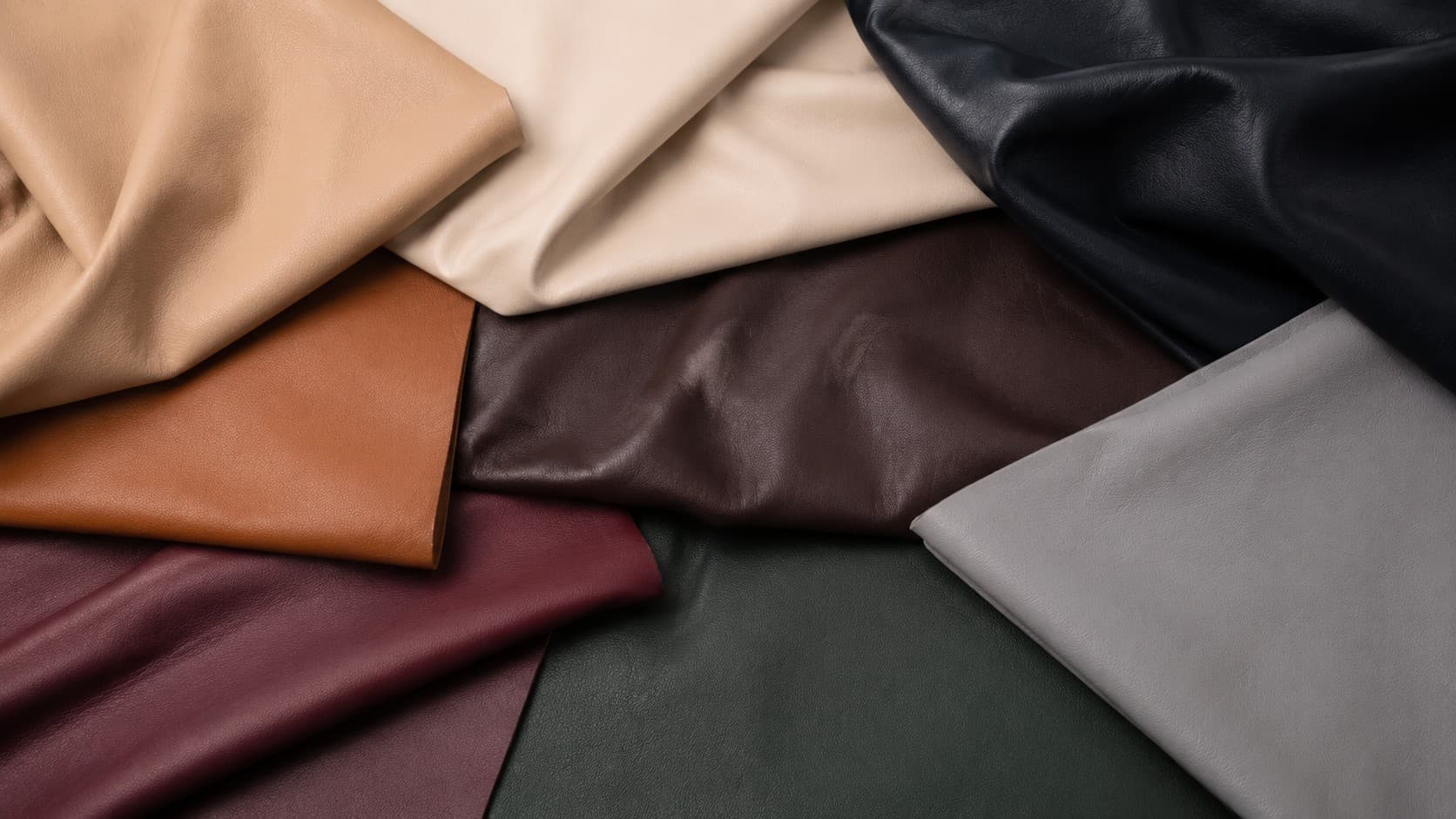
Nappa leather is durable, but it needs more careful handling than tougher, thicker leathers. Because it is full-grain and soft, it develops scuffs or fine scratches more easily than a stiff, heavily coated leather would.
That does not make it fragile. Under normal, careful use, a nappa leather bag can last for many years, and light surface marks often blend into the leather’s natural grain over time rather than standing out. The main risk comes from sharp objects, like keys or the hardware of other bags rubbing against it.
Compared with vegetable-tanned leathers, which slowly build a rich, darkened patina over years of handling, nappa leather tends to stay closer to its original color and finish for longer. That makes it well suited to anyone who wants a bag to look consistently polished rather than visibly “aged” over time.
How to Clean and Maintain Nappa Leather
Caring for nappa leather comes down to a few consistent habits that extend a bag’s life considerably.
- Wipe it regularly. A soft, dry cloth removes dust and dirt before it builds up.
- Condition it occasionally. A leather conditioner made for soft leathers prevents drying out or cracking, similar to the routine described in this guide on how to clean and condition a leather handbag.
- Keep it away from direct sunlight. Long exposure fades the color and dries out the surface.
- Store it properly. Stuffing the bag with soft paper or fabric helps it hold its shape, and a dust bag protects it better than a plastic one.
- Deal with water quickly. Nappa leather is not waterproof, so spills should be blotted right away rather than rubbed in — the same logic behind protecting leather bags from rain and humidity.
Frequently Asked Questions
Is nappa leather real leather?
Yes. Nappa leather is genuine, full-grain animal leather, most often from lamb, kid goat, or calf hide. It is not a synthetic or fake material, even though the name might sound like a brand rather than a leather type.
Is nappa leather better than regular leather?
It depends on the intended use. Nappa leather is softer and has a more natural, premium feel than many other leathers, but leathers like saffiano or pebbled leather offer more scratch resistance for heavy, everyday use.
Does nappa leather scratch easily?
It can. Because nappa leather is soft and full-grain, it is more prone to fine scratches and scuffs than thicker, heavily treated leathers. Many light marks soften into the grain over time, though sharp objects can leave visible marks.
Can nappa leather get wet?
Nappa leather is not naturally waterproof, so it should not be soaked or left out in rain. Light moisture can usually be blotted dry without lasting damage, but heavy water exposure can stain or stiffen the leather.
Is nappa leather the same as lambskin?
Not exactly. Lambskin is one of the hides that can be turned into nappa leather, but nappa refers to the tanning and finishing process, not the animal itself. Nappa leather can also be made from calf or kid goat hide.
Conclusion
Nappa leather earns its reputation the honest way: it is real, full-grain leather softened through a specific tanning process that keeps the hide’s natural texture intact instead of hiding it. That combination of authenticity, softness, and drape explains why designers return to it again and again, from quilted flap bags to woven totes. It is not the toughest leather on the market, but with regular care, a nappa leather piece stays soft, supple, and good-looking for a very long time.