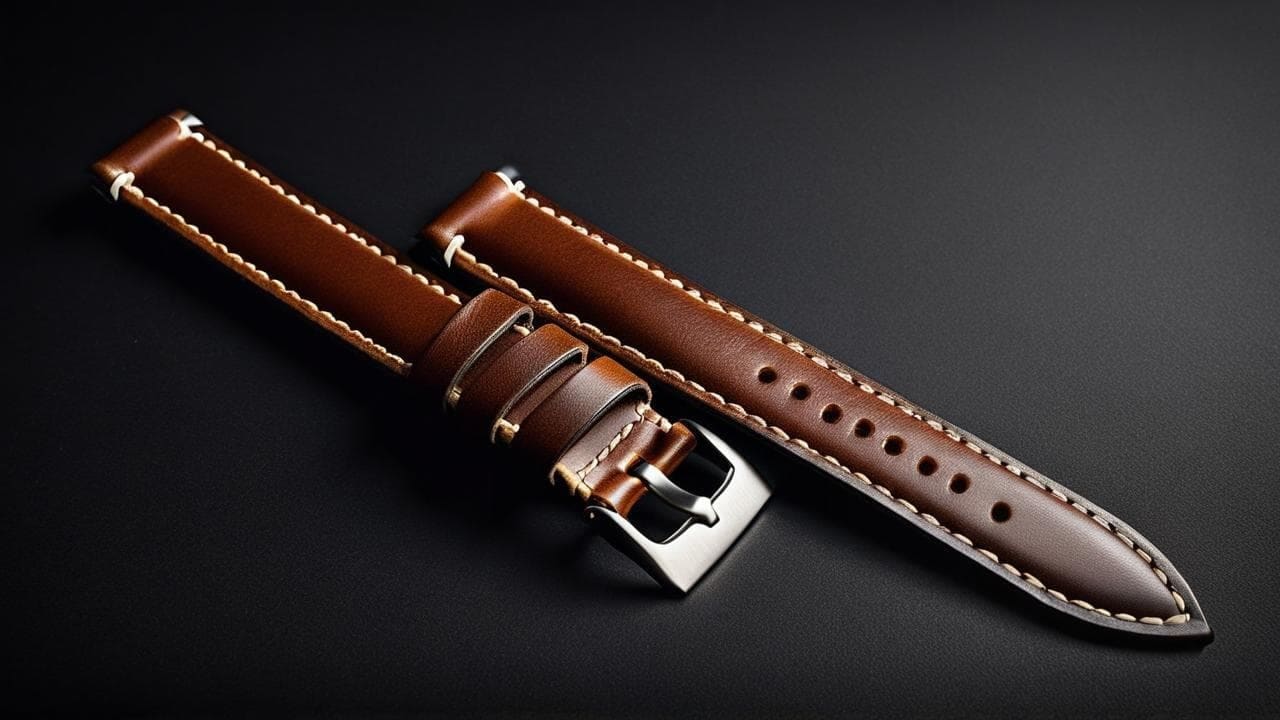
Leather watch straps combine elegance with comfort, making them a popular choice for watch enthusiasts worldwide. Despite their aesthetic appeal and durability, these natural material straps can develop unpleasant odors over time. The porous nature of leather absorbs sweat, oils, and bacteria from your skin during regular wear. When these elements accumulate, they create those distinctive unpleasant smells that can make even the most beautiful timepiece unpleasant to wear. Fortunately, there are effective methods to eliminate these odors and prevent them from returning.
Common Causes of Smelly Leather Watch Straps
Leather watch straps primarily develop odors because of their natural porous structure that absorbs sweat, body oils, and dead skin cells. When these organic materials combine with bacteria naturally present on your skin, they create the perfect environment for decomposition, resulting in those characteristic unpleasant smells. Understanding the science behind leather odors is the first step toward effectively addressing and preventing them.
- Sweat contains salts, amino acids, and proteins that penetrate leather’s porous surface, creating an ideal food source for odor-causing bacteria that multiply rapidly in this nutrient-rich environment.
- Body oils from your skin gradually accumulate on the leather surface and within its fibers, becoming rancid over time if not properly cleaned, contributing a distinctly sour component to the overall smell.
- Humidity and moisture accelerate bacterial growth significantly, which explains why leather straps often develop stronger odors during summer months or after intense physical activity when sweat production increases.
- Poor quality leather or inadequately tanned hides lack the antimicrobial properties of properly processed leather, making them much more susceptible to bacterial colonization and persistent odor problems that are difficult to eliminate.
- Environmental factors like storing leather in dark, damp places promotes mold and mildew growth, adding musty, earthy odors that compound the problem and can potentially cause allergic reactions in sensitive individuals.
The good news is that leather’s natural odor issues can be effectively managed with proper care and cleaning routines. By understanding these causes, you can take targeted measures to prevent odors from developing and address any existing smells in your watch straps.
Daily Cleaning Routines for Leather Watch Straps
A consistent daily cleaning routine forms the foundation of odor prevention for leather watch straps. Taking just a minute each day to clean your strap properly removes the buildup of sweat and oils before they can penetrate deeply into the leather and cause lasting odors. This preventative approach is far more effective than trying to remove established smells later.
- Remove your watch after wearing and wipe the entire strap thoroughly with a clean, slightly dampened microfiber cloth, paying special attention to the underside where most sweat accumulates and bacteria thrive.
- Allow your leather strap to air dry completely in a well-ventilated area away from direct sunlight or heat sources before wearing it again, as proper drying prevents bacterial growth and preserves the leather’s integrity.
- Rotate between multiple watch straps if possible, giving each strap at least 24 hours to fully air out between wearings, which significantly reduces moisture buildup and gives natural oils time to redistribute evenly throughout the leather.
- Avoid wearing your leather watch strap during intense physical activities or in extremely hot weather when excessive sweating is likely, opting instead for rubber, silicone, or metal bands during these times.
- Keep your wrist clean and dry before putting on your watch, as pre-existing sweat and oils will immediately begin soaking into the leather and contribute to odor development.
Daily maintenance requires minimal effort but pays huge dividends in preserving your leather strap’s freshness and extending its lifespan. These simple habits prevent the deep-set odors that develop when sweat and oils are allowed to repeatedly penetrate and accumulate in the leather over time.
Deep Cleaning Methods for Smelly Leather Straps
When daily maintenance isn’t enough and your leather watch strap has already developed noticeable odors, it’s time for a more thorough cleaning approach. Deep cleaning addresses bacteria and contaminants that have penetrated beneath the surface of the leather, eliminating existing odors and restoring freshness to your watch strap.
- Create a mild cleaning solution using a few drops of gentle soap (saddle soap, castile soap, or mild dish soap) mixed with distilled water, avoiding harsh detergents that can damage leather’s natural oils and structure.
- Apply the cleaning solution sparingly to the strap using a soft cloth or soft-bristled brush, working it gently into the leather with circular motions and paying extra attention to areas with noticeable odor or discoloration.
- Wipe away soap residue thoroughly with a clean, damp cloth, making multiple passes to ensure all cleaning agents are removed, as leftover soap can attract dirt and cause skin irritation.
- Allow the strap to dry naturally for at least 24 hours in a well-ventilated area, placing it on an absorbent towel and flipping it occasionally to ensure even drying throughout, avoiding any heat sources that could cause the leather to crack or warp.
- Apply a small amount of leather conditioner once the strap is completely dry, focusing on the flesh (inner) side of the strap where drying is most likely to occur, using products specifically formulated for fine leather items.
- Test any new cleaning product on an inconspicuous area of the strap first to ensure it doesn’t cause discoloration or damage, particularly important for dyed, finished, or exotic leather types.
Deep cleaning should typically be performed only when necessary—approximately every one to three months depending on wear frequency and conditions—as excessive cleaning can strip leather of its natural oils and accelerate deterioration. A well-executed deep cleaning restores your leather strap to a fresh-smelling condition while preserving its character and integrity.
Natural Remedies for Leather Watch Strap Odor
Natural remedies offer effective, gentle alternatives to commercial products for eliminating odors from leather watch straps. These household solutions harness the power of common ingredients to neutralize smells without harsh chemicals that might damage the leather or cause skin sensitivity. Natural approaches are particularly valuable for vintage or high-quality leather that requires delicate handling.
- White vinegar solution (equal parts distilled white vinegar and water) works as a natural disinfectant by killing odor-causing bacteria while neutralizing smells through its acidity, which counteracts the alkaline nature of most sweat compounds.
- Baking soda can be lightly sprinkled on the strap and left overnight to absorb odors and moisture, then brushed off completely the next day, functioning as a natural deodorizer that pulls odor molecules from deep within the leather.
- Lemon juice diluted with water (1:3 ratio) provides gentle antibacterial properties and leaves a fresh scent, though it should be used sparingly and completely wiped away to prevent any residual acidity from affecting the leather over time.
- Sunlight exposure for 15-20 minutes (but no longer) allows ultraviolet rays to naturally kill bacteria while the air circulation helps evaporate trapped moisture, though excessive sun exposure risks drying and cracking the leather.
- Essential oils like tea tree, lavender, or cedar can be added in tiny amounts (1-2 drops) to your cleaning solution for their antimicrobial properties and pleasant scent, but always dilute properly as concentrated oils can stain or damage leather.
- Activated charcoal or silica gel packets placed near your leather strap (but not directly touching it) during storage absorb ambient moisture and odors, creating a drier environment that’s less hospitable to odor-causing bacteria.
These natural remedies not only address existing odors but often improve the leather’s condition and appearance when used properly. After applying any natural treatment, always follow up with appropriate conditioning to maintain the leather’s moisture balance and prevent it from becoming brittle or overly dry.
Best Commercial Products for Leather Watch Strap Odor
Commercial leather care products offer specialized formulations designed specifically to clean, deodorize, and preserve leather watch straps. These products combine cleaning agents, conditioners, and often antimicrobial ingredients to provide comprehensive care. When selecting commercial products, quality matters significantly for both odor elimination and the long-term health of your leather strap.
- Leather-specific cleaners contain pH-balanced formulas that remove dirt and oils without stripping the leather’s natural properties, often incorporating mild antimicrobial agents that specifically target odor-causing bacteria common to leather goods.
- Saddle soap, a traditional leather care product, contains mild soap combined with conditioning waxes and oils that clean while simultaneously nourishing the leather, helping maintain its natural moisture balance that resists bacterial growth.
- Leather conditioners replenish essential oils after cleaning, creating a protective barrier that prevents excessive absorption of sweat and oils while keeping the leather supple enough to resist cracking that can harbor bacteria.
- Leather deodorizers specifically formulated for wearable leather items neutralize existing odors through various mechanisms including enzymatic action that breaks down odor molecules rather than merely masking them with fragrance.
- Antibacterial leather sprays containing ingredients like isopropyl alcohol or tea tree derivatives kill odor-causing bacteria without damaging the leather, providing a quick freshening between more thorough cleanings.
- Leather protectants create an invisible barrier that resists moisture and stain penetration without affecting leather’s breathability, significantly reducing the amount of sweat and oils that can be absorbed into the leather structure.
When using commercial products, always follow the manufacturer’s instructions precisely and use products formulated specifically for fine leather rather than general-purpose cleaners. The investment in quality leather care products pays dividends through extended strap life and significantly reduced odor issues over time.
How to Prevent Leather Watch Straps from Smelling
Preventing odors is far easier than eliminating them once they’ve developed. By establishing good habits and proper care routines, you can significantly extend the fresh-smelling life of your leather watch strap and avoid the more intensive cleaning processes altogether. Prevention focuses on controlling the factors that contribute to odor development.
- Wash and thoroughly dry your wrist before putting on your watch each day, removing existing bacteria and oils that would otherwise immediately begin transferring to your leather strap.
- Remove your watch completely for activities that cause heavy sweating, as the intensity of perspiration during exercise can overwhelm even a well-maintained leather strap and drive moisture deep into its structure.
- Store your watch in a cool, dry place with good air circulation when not being worn, using watch boxes with proper ventilation rather than airtight containers that can trap moisture and accelerate bacterial growth.
- Apply leather protector products seasonally (every 3-4 months) to create a barrier against moisture and oil absorption while still allowing the leather to breathe, selecting products specifically formulated for wearable leather goods.
- Consider using a thin, washable watch strap liner that sits between your wrist and the leather strap, absorbing sweat before it reaches the leather while providing a hygienic barrier that’s easy to clean regularly.
- Rotate between multiple watch straps if possible, giving each strap several days to fully dry and recover between wearings, which prevents the cumulative buildup of moisture and bacteria that leads to persistent odors.
- Clean your watch buckle or clasp regularly, as these metal components can harbor bacteria and transfer them to the leather strap, using alcohol wipes that evaporate quickly without leaving residue.
- Monitor humidity levels where you store your watches, using silica gel packets or small dehumidifiers in watch boxes if you live in a particularly humid climate, as controlling ambient moisture significantly reduces the risk of mold and mildew growth.
Consistent prevention measures require minimal time investment but yield significant benefits in keeping your leather strap fresh and extending its usable life. By addressing the root causes of odor development, you’ll enjoy a more pleasant wearing experience and reduce the need for intensive cleaning treatments.
When to Replace Your Smelly Leather Watch Strap
Even with excellent care, leather watch straps eventually reach the end of their serviceable life. Recognizing when cleaning and maintenance are no longer effective is important for both aesthetic reasons and comfort. Understanding the signs that indicate replacement is necessary helps you make timely decisions about investing in a new strap.
- Persistent odors that return quickly after thorough cleaning indicate bacteria have penetrated too deeply into the leather’s structure to be effectively removed, suggesting the internal integrity of the strap has been compromised.
- Visible cracking or flaking of the leather surface, particularly on the bend points or underside of the strap, reveals structural breakdown that creates additional crevices where bacteria can multiply beyond the reach of cleaning products.
- Significant stiffness or brittleness that doesn’t improve with conditioning suggests the leather’s natural fibers have broken down irreversibly, often accompanied by an unpleasant smell that’s characteristic of degrading organic materials.
- Discoloration that doesn’t respond to cleaning, especially dark patches on the underside of the strap, indicates accumulated sweat and oils have permanently altered the leather’s composition, creating an environment continuously hospitable to odor-causing bacteria.
- Stretched or deformed strap holes show the leather has lost its structural integrity and elasticity, a degradation process that typically affects the internal layers where bacteria can thrive undisturbed by surface cleaning methods.
- Skin irritation or rashes that develop while wearing the watch may indicate bacterial colonization has reached levels that cleaning can no longer address, potentially releasing compounds that trigger dermatological responses.
- Strong chemical smells that develop after cleaning might indicate the leather is breaking down chemically and reacting poorly to cleaning products, a sign that the material has fundamentally changed from its original composition.
When these signs appear, it’s generally more cost-effective and hygienic to replace the strap rather than continue fighting a losing battle against deterioration. Quality leather watch straps typically last between one to three years with regular wear, though this varies significantly based on wear conditions and maintenance practices. Recognizing when to replace your strap is part of responsible watch ownership and ensures you continue to enjoy both the appearance and comfort of your timepiece.
Conclusion
Maintaining a fresh-smelling leather watch strap requires understanding the science behind odor development and implementing appropriate care routines. By combining daily wiping with occasional deep cleaning and preventative measures like proper storage and rotation between straps, you can significantly extend your leather strap’s pleasant-smelling lifespan. The investment in proper cleaning products and the minimal time required for maintenance pay dividends in comfort and appearance.
Remember that leather is a natural material that requires ongoing care, but the elegance and comfort it provides make this attention worthwhile. When properly maintained, a quality leather watch strap can remain odor-free for years, enhancing both your timepiece and your wearing experience. Should persistent odors develop despite proper care, it may be time to consider replacement—a normal part of the lifecycle of this natural material.