Picking jewelry for a mother can feel harder than it should be. Most mothers insist they “don’t need anything,” yet the wrong gift still tends to get noticed. Jewelry works so well for Mother’s Day because it lasts. A necklace or a ring gets worn for years, sometimes decades, long after flowers wilt or chocolate gets eaten. The right piece depends less on price and more on how well it fits the person receiving it, from the type of jewelry to the amount of personal meaning built into it.
Why Jewelry Is the Perfect Mother’s Day Gift
Jewelry became linked to Mother’s Day because it turns a feeling into something that can be touched and kept. Anna Jarvis started the American version of the holiday in 1908, and it became an official U.S. holiday in 1914. Jarvis actually wanted the day to stay simple and personal, and she pushed back hard once florists, card companies, and jewelers began treating it as a sales event. She went as far as trademarking the phrase “second Sunday in May” while campaigning for the day to remain a quiet family tradition rather than a commercial one.
Even so, jewelry earned its place as a real Mother’s Day tradition, not just a marketing trick. A necklace or bracelet becomes a small object that carries a memory. Mothers often keep these pieces for the rest of their lives and pass them down to their own children later. That’s part of why jewelry feels different from a bouquet: it’s a gift that keeps doing its job years after the day itself is over.
Not every country celebrates on the same day, either. Most countries, including Canada, Australia, and Germany, follow the U.S. and mark Mother’s Day on the second Sunday in May. The UK and Ireland instead celebrate a much older tradition called Mothering Sunday, which falls on the fourth Sunday of Lent, three weeks before Easter, so it usually lands in March instead of May. Families sending jewelry to a mother overseas benefit from checking the country’s actual date first, since a gift built around the wrong date can arrive weeks too late.
Best Types of Jewelry for Mother’s Day
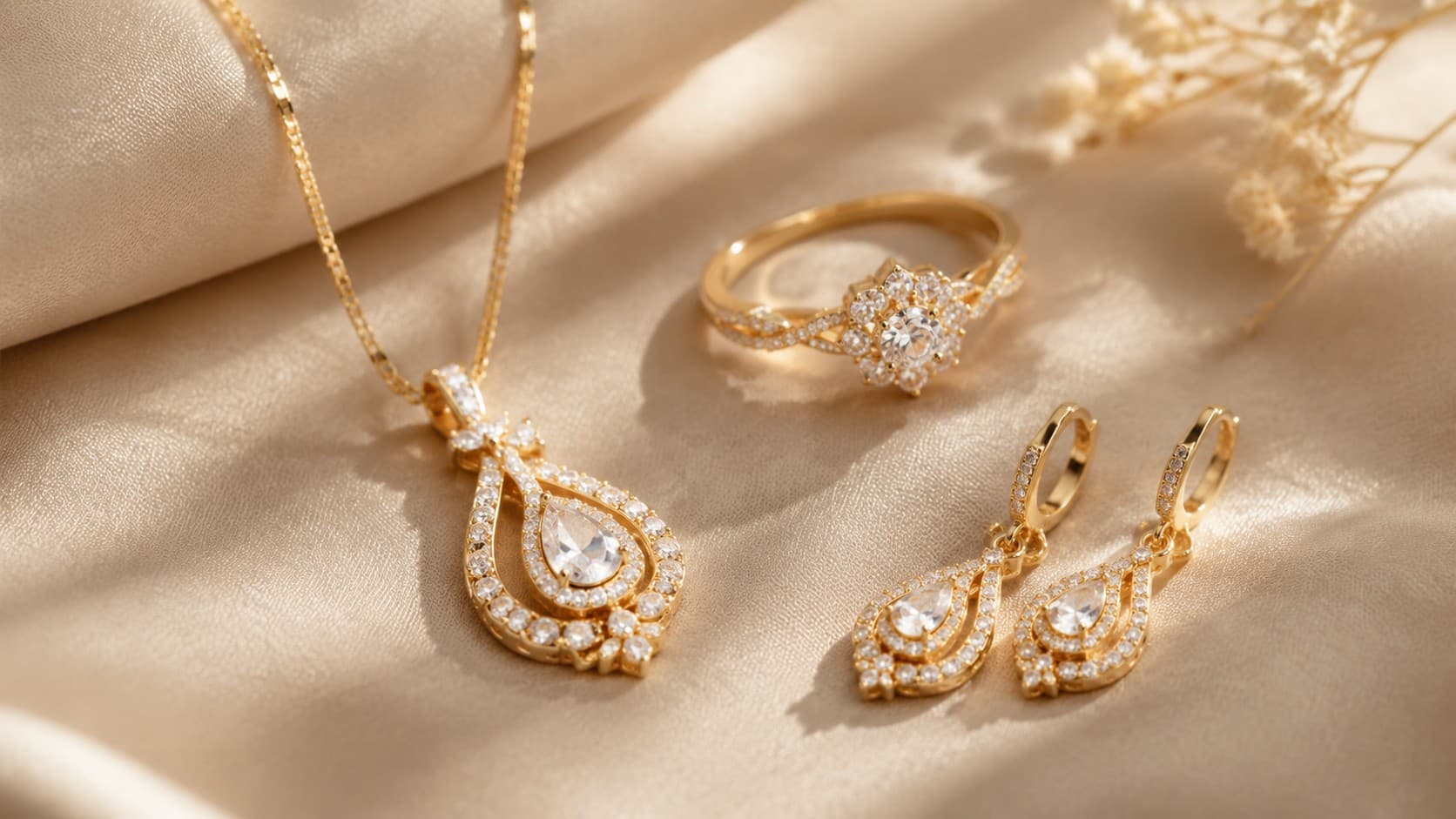
The best Mother’s Day jewelry is something a mother will actually wear often, not just something that looks nice in a box. Necklaces, rings, bracelets, and earrings each suit a different kind of mother and a different kind of message.
Necklaces
A necklace is one of the safest and most personal choices because it can be customized to fit almost any life. Pendant necklaces with birthstones, initials, or a child’s name are especially popular because they turn the piece into a small symbol rather than a generic accessory. A simple pendant on a delicate chain also works with almost any outfit, so it gets reached for often instead of saved for special occasions.
A necklace that includes a birthstone or initial tends to get worn far more often than a plain chain, simply because it feels personal every time it’s put on.
Chain length matters more than most people think. A 16 to 18 inch chain sits at or just below the collarbone and works well for everyday wear under most necklines, while a 20 to 24 inch chain hangs lower and suits a mother who layers jewelry or prefers a more relaxed look. An adjustable clasp or extender chain removes the guesswork entirely, since it allows the length to be changed after the fact.
Rings
Rings work well when the goal is something symbolic rather than purely decorative. A mother’s ring, which usually features each child’s birthstone set into one band, is a classic option that turns the ring into a small timeline of the family. Stackable bands are another modern option, since new rings can be added over the years instead of settling on just one design.
Not knowing a mother’s ring size is the biggest reason people avoid buying rings, but there’s an easy workaround. Borrowing a ring she already wears on the correct finger and tracing its inner circle on paper, then comparing it against a printable ring size chart, gives a close estimate. A jeweler can also measure a borrowed ring directly. When in doubt, sizing up is safer than sizing down, since most rings are resized down more easily than up.
Bracelets
Bracelets tend to suit mothers who prefer something a little more visible or who like layering pieces together. A charm bracelet allows small symbols to be added over time, which makes it a gift that can grow. A tennis bracelet, made from a single line of small gemstones, suits a cleaner, more classic look better.
Wrist size is easier to estimate than ring size, but checking an existing bracelet or watch still helps. Most adult bracelets fall between 6.5 and 8 inches, and many now include an extra link or two so a jeweler can adjust the fit afterward. A lobster clasp or toggle clasp is easier to manage one-handed than a small spring ring clasp, which matters for mothers whose hands aren’t as steady as they used to be.
Earrings
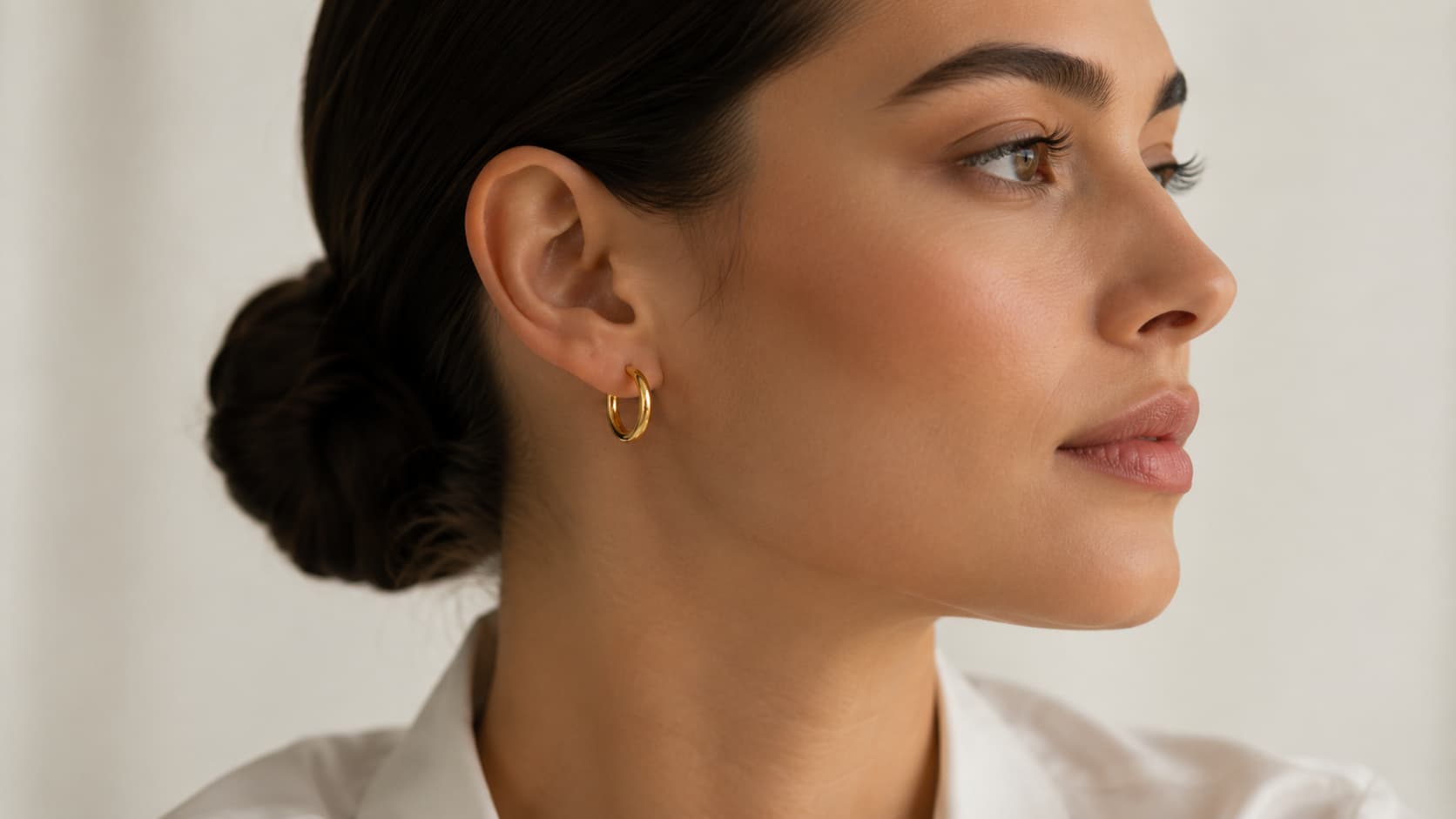
Earrings are a strong choice when ring size or neck length are unknown, since most earrings fit everyone the same way. Stud earrings with a birthstone or small diamond suit daily wear, while drop earrings suit a mother who dresses up more often.
For sensitive ears, the metal used in the post matters more than the design itself. Surgical steel, titanium, and solid gold are generally the safest choices, while nickel is the most common cause of irritation and shows up in a lot of cheaper costume jewelry. Checking the earring’s material before buying prevents an otherwise great gift from ending up unworn.
What to Expect to Spend on Mother’s Day Jewelry
There’s no fixed rule, but most Mother’s Day jewelry falls into three practical price ranges depending on the material and craftsmanship.
| Budget Range | What’s Typically Available |
|---|---|
| Under $100 | Sterling silver or gold-plated pieces, simple pendants, birthstone studs |
| $100–$500 | Solid gold pieces, small diamonds, personalized mother’s rings |
| $500 and up | Fine jewelry with larger stones, precious metal mother’s rings, statement pieces |
Spending more doesn’t automatically make a gift more meaningful. A thoughtfully chosen $60 necklace with a birthstone often means more than an expensive piece picked without much thought.
Pieces in the higher range are worth documenting at the time of purchase with a receipt or appraisal, kept somewhere safe. This makes insuring the piece easier later and matters if it’s ever lost or eventually passed down and needs to be identified or valued.
Ways to Make Mother’s Day Jewelry More Personal
Personalization is what usually turns a nice gift into a memorable one. Birthstones, engraving, initials, and family symbols each add a layer of meaning that generic jewelry doesn’t carry. A birthstone can represent the mother herself or each of her children, set into a ring, pendant, or bracelet. Engraving a name, date, or short phrase onto the inside of a ring or the back of a pendant adds a detail only the wearer knows about. Initials worked into a necklace or bracelet charm serve the same purpose in a smaller way, and family symbols built around something that already means something to the family carry more weight than a generic heart or star.
Engraved jewelry usually takes longer to arrive than off-the-shelf pieces, so personalized gifts are best ordered a couple of weeks before Mother’s Day rather than the week of.
Matching Jewelry to Mom’s Personal Style
Matching the piece to how a mother actually dresses day to day matters more than matching it to trends. A mother who wears mostly simple, neutral outfits will get more use from a delicate gold chain or small stud earrings than from a bold statement piece. A mother who already gravitates toward bold colors and statement pieces will feel more at home in a chunkier bracelet or a ring with a larger stone. Jewelry she already owns and reaches for is the best guide, since the goal is to add to a collection already in use rather than introduce a completely different style that goes untouched in a drawer.
Buying for Different Kinds of Mother Figures
Not every Mother’s Day gift is for a birth mother, and the right piece can shift depending on the relationship behind it.
Stepmothers and mothers-in-law are often better suited by a simple, elegant piece like a pendant necklace or stud earrings, since it shows appreciation without carrying the same weight as something more sentimental. A mother’s ring with birthstones for children she didn’t raise, for example, can feel presumptuous rather than thoughtful in this context. Grandmothers tend to respond better to classic, timeless styles than trendy ones, since they’re more likely to wear a piece for years rather than swap it out with fashion trends. A brooch, a pearl piece, or a ring that fits into an existing collection are dependable, well-received choices.
New mothers are often best served by a piece that marks the occasion itself, such as a birthstone necklace for the new baby or a small engraved bar with the baby’s name and birth date. These pieces double as a keepsake of a specific moment rather than a general gesture of thanks. A wife who is also a mother tends to appreciate a piece closer to what she’d choose for herself day to day, since she’s likely already receiving sentimental gifts from her children. A piece she’d pick out while shopping alone often lands better than one built entirely around the theme of motherhood.
The relationship behind the gift matters more than the calendar date attached to it. A piece that feels right for a birth mother can feel oddly personal for a mother-in-law, and a gift suited to a grandmother might feel too formal for a new mother marking her first year.
Simple Jewelry Care Tips for Moms
Keeping jewelry in good shape after Mother’s Day comes down to a few consistent habits. Storing pieces separately prevents metal from scratching against metal, and even soft cloth pouches or a jewelry box with lined compartments make a real difference. Removing jewelry before showering, swimming, or applying lotion and perfume slows down the wear caused by moisture and chemicals, which dull gemstones and plating faster than daily wear on its own. Wiping pieces down with a soft cloth after each wear clears oils and residue before they build up.
Different materials call for slightly different care. Gold and diamonds can usually be cleaned at home with warm water, a drop of mild dish soap, and a soft toothbrush, then dried thoroughly before storing. Softer or more porous gemstones, such as pearls, opals, and turquoise, should never be soaked and are better wiped with a barely damp cloth only, since water and chemicals can dull or damage them permanently. Sterling silver tarnishes naturally over time from exposure to air, so keeping silver pieces in an airtight bag or pouch when not worn slows this process down significantly.
Frequently Asked Questions
What is the most popular jewelry gift for Mother’s Day?
Necklaces with birthstones or initials are consistently the most popular choice, followed closely by mother’s rings that combine each child’s birthstone into a single band. Both options work because they feel personal rather than generic.
Is a ring or a necklace the better choice for Mother’s Day?
A necklace is the safer choice when ring size is unknown, since necklaces don’t require exact sizing and still look good on almost anyone. A ring works better when the size is already known or the design carries specific symbolism, such as a mother’s ring featuring her children’s birthstones.
Is it okay to give costume jewelry for Mother’s Day?
Yes, costume jewelry is a completely reasonable gift, especially for younger gift givers working with a smaller budget. What matters more than the material is whether the design feels personal, such as a birthstone color or a meaningful symbol.
How far in advance should personalized jewelry be ordered?
Personalized or engraved pieces are best ordered at least two to three weeks before Mother’s Day. Custom work takes longer to produce and ship than ready-made jewelry, and delays are common closer to the holiday when demand is highest.
What’s the right gift when a mother already has a lot of jewelry?
Looking at what’s missing from her collection works better than adding another similar piece. A mother with plenty of necklaces but no mother’s ring, or one who wears earrings daily but never bracelets, is better served by filling that gap than by receiving another version of something she already owns.
Conclusion
Mother’s Day jewelry works best when it says something specific about the person receiving it or the family behind the gift, rather than simply filling a box. A birthstone necklace, a personalized ring, or even a simple pair of studs chosen with her actual style in mind gets worn for years, which is exactly what sets jewelry apart from most other gifts. The piece that fits how she already lives and dresses, personalized where possible and ordered with enough time to spare, tends to be the one that lasts. That formula holds regardless of budget or relationship.