Jewelry holds both beauty and significant value, often representing important financial and emotional investments. Family heirlooms, special gifts, and personal purchases deserve proper documentation of their worth. Professional jewelry appraisals provide detailed assessments of your pieces’ value and characteristics, essential for insurance coverage, estate planning, potential resale, or personal knowledge. Understanding the appraisal process helps ensure your treasured items receive the protection and documentation they deserve.
What Is a Jewelry Appraisal?
A jewelry appraisal is a professional assessment of your jewelry’s value conducted by a qualified expert. It involves a detailed examination of your piece to determine its worth based on materials, craftsmanship, condition, and current market values.
An appraisal is essentially a document that describes your jewelry in detail, evaluates its quality, and assigns a monetary value to it. This document typically includes information about metal type and quality, gemstone specifications, design elements, and overall condition. Unlike a simple gemstone grading report (which only identifies characteristics without stating value), an appraisal provides a comprehensive valuation of your entire piece.
Best Times to Get a Jewelry Appraisal
Knowing the right timing for a jewelry appraisal ensures you have proper documentation when you need it most. Different life events and situations call for specific appraisal types, and understanding when to seek an evaluation helps protect your investment and avoid potential complications.
- After purchasing significant jewelry pieces, especially those costing over $1,000, to establish baseline documentation for insurance and future reference—many reputable jewelry stores offer complimentary appraisals at the time of purchase.
- Before obtaining insurance coverage, as most insurance companies require professional appraisals for high-value items before providing adequate protection against loss, theft, or damage.
- Every 2-5 years for valuable pieces due to fluctuating market conditions—precious metal values change regularly, gemstone markets shift, and economic factors can significantly impact jewelry values over time.
- When receiving valuable jewelry through inheritance or as gifts, especially if they’re antique or estate pieces without accompanying documentation of origin, age, or value.
- Prior to selling jewelry to establish a realistic asking price based on current market conditions rather than sentimental value or outdated price information.
- During major life transitions like divorce, estate planning, or bankruptcy when accurate jewelry valuations become legally important for fair asset division or tax purposes.
- After significant repairs, restorations, or modifications that may have altered the piece’s appearance, structure, or value from its previously documented condition.
- When considering insurance claim settlements to verify that the offered compensation accurately reflects the item’s true replacement value in today’s market.
Regular appraisals ensure your documentation remains current and accurately reflects your jewelry’s value as market conditions change. With precious metals and gemstone prices constantly fluctuating, an outdated appraisal could leave you underinsured or unable to make informed decisions about your valuable pieces.
Types of Jewelry Appraisals
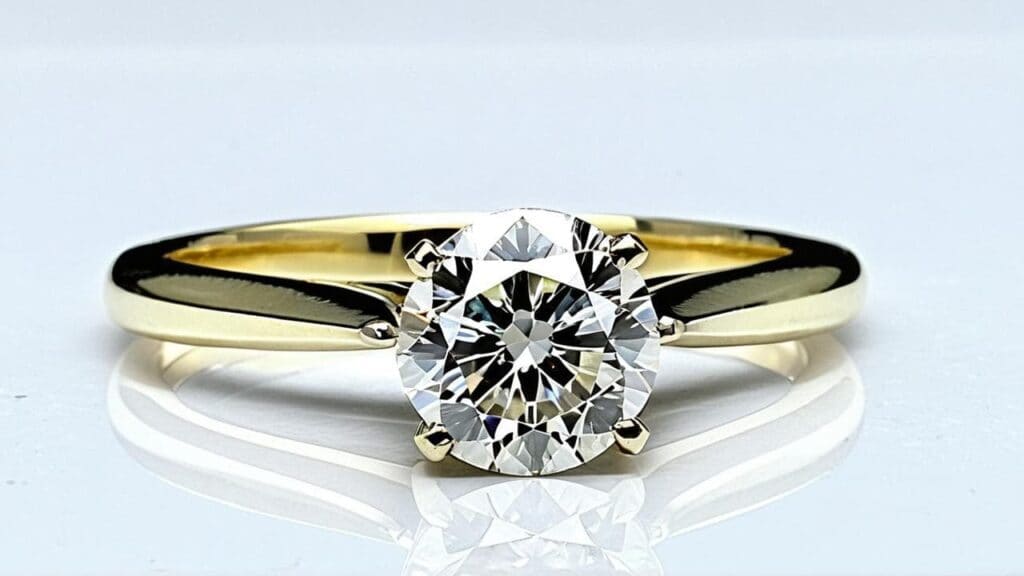
Different situations call for different types of appraisals, each serving a specific purpose and potentially yielding different valuation figures. Understanding these distinctions helps you request the appropriate appraisal for your needs and correctly interpret the results you receive.
- Insurance Replacement Value Appraisals determine what it would cost to replace your jewelry with a new equivalent item at current retail prices, typically resulting in the highest valuation and most commonly used for insurance coverage—this value is often higher than the original purchase price due to retail markups and potential market appreciation.
- Fair Market Value Appraisals establish what your jewelry would likely sell for between willing buyers and sellers under normal market conditions—this value is typically lower than insurance replacement value and is used for estate planning, tax reporting, charitable donations, and divorce settlements.
- Liquidation Value Appraisals calculate what your jewelry would sell for in a forced or time-constrained sale situation, such as bankruptcy proceedings—these valuations are substantially lower than other appraisal types, sometimes only 30-40% of the insurance replacement value.
- Estate Appraisals evaluate jewelry for inheritance situations, establishing values for probate, equitable distribution among heirs, and estate tax calculations—they typically use fair market value and include detailed provenance information when available.
- Divorce Appraisals provide unbiased valuations specifically for dividing jewelry assets during marriage dissolution, often considering both sentimental significance and monetary worth while using fair market values.
- Damage Assessment Appraisals document jewelry condition before and after damage occurs, establishing the cost of repairs or diminished value for insurance claims—these require before-and-after documentation and detailed repair estimates.
- Authentication Appraisals focus primarily on verifying the authenticity of period pieces, designer jewelry, or items with significant provenance—they include detailed analysis of craftsmanship, materials, and maker’s marks to confirm legitimacy.
The purpose of your appraisal significantly impacts the final valuation, so always clearly communicate why you need the appraisal when working with a professional. The same piece of jewelry might have dramatically different values depending on whether it’s being appraised for insurance, resale, or estate purposes.
How to Find a Qualified Jewelry Appraiser
Selecting a qualified appraiser is perhaps the most important step in getting an accurate and useful jewelry appraisal. The appraiser’s credentials, experience, and ethical standards directly impact the reliability of your valuation and documentation.
- Look for appraisers with recognized professional credentials such as Graduate Gemologist (GG) certification from the Gemological Institute of America (GIA), membership in the National Association of Jewelry Appraisers (NAJA), or certification from the American Society of Appraisers (ASA).
- Choose independent appraisers rather than retailers when possible, as they have no incentive to inflate values for potential sales or to undervalue for purchasing opportunities—this independence helps ensure unbiased valuations.
- Verify that the appraiser follows Uniform Standards of Professional Appraisal Practice (USPAP) guidelines, which establish ethical and performance standards for professional appraisers across disciplines.
- Check that the appraiser has specific expertise relevant to your jewelry type—someone specializing in modern diamond jewelry might not be the best choice for evaluating antique pieces, cultural jewelry, or unusual gemstones.
- Request information about the appraiser’s continuing education, as gemology and valuation practices evolve constantly with new technologies, treatments, and market developments.
- Avoid appraisers who charge based on a percentage of the item’s value, as this creates a conflict of interest and incentive to inflate values—ethical appraisers charge by time spent (hourly rate) or a flat fee per item.
- Ask about the appraiser’s experience with your specific needs, whether it’s insurance documentation, estate valuation, or authentication of period pieces.
- Research the appraiser’s reputation through online reviews, professional organization standings, and referrals from trusted jewelers or insurance professionals.
A qualified appraiser combines technical knowledge of gemology with market awareness and ethical business practices. Their expertise ensures your appraisal document will stand up to scrutiny from insurance companies, tax authorities, potential buyers, or legal proceedings.
Jewelry Appraisal Process
Understanding what happens during a professional jewelry appraisal helps you prepare properly and know what to expect. The process involves several detailed steps designed to thoroughly examine and document your jewelry.
- Initial consultation where you’ll discuss the purpose of your appraisal (insurance, estate planning, resale, etc.) and provide any existing documentation about your jewelry’s origin, previous appraisals, or purchase information.
- Preliminary examination where the appraiser inspects your jewelry’s overall condition, looking for hallmarks, maker’s marks, patent numbers, or other identifying features—this may include cleaning the piece to allow for better examination.
- Detailed gemstone assessment using specialized equipment to identify stone types, measure dimensions, determine carat weight, and evaluate quality factors like color, clarity, and cut—for diamonds, this includes grading according to the standardized 4Cs criteria.
- Metal testing to verify the type and purity of metals used (gold, platinum, silver, etc.), including checking hallmarks and using testing solutions or electronic analyzers to confirm composition when necessary.
- Documentation of all findings with detailed measurements, weights, and quality assessments, often including professional photography to capture the piece from multiple angles.
- Market research to determine current values based on comparable items, metal prices, gemstone markets, and relevant retail replacement costs.
- Preparation of the formal appraisal document with comprehensive descriptions, photographs, determined values, the appraiser’s credentials, and certification that all information is accurate to the best of their knowledge.
- Review of the completed appraisal with an explanation of how values were determined and recommendations for insurance coverage or other relevant advice based on your needs.
The entire process typically takes between 1-3 hours for a single piece, depending on complexity, though you may leave your jewelry with the appraiser for several days if they have a backlog of work or need to conduct additional research for unusual items.
What Affects Jewelry Value During an Appraisal?
Multiple elements contribute to a piece of jewelry’s appraised value, extending beyond just the raw materials. Understanding these factors helps explain why values may differ from original purchase prices or between different types of appraisals.
- Metal type and purity significantly impact value—platinum typically commands higher prices than gold, which is valued above silver, while higher purity levels (24K gold versus 14K gold) generally increase worth proportionally.
- Gemstone quality evaluated through the 4Cs for diamonds (cut, color, clarity, and carat weight) and similar quality metrics for colored gemstones—larger, higher-quality stones exponentially increase value.
- Brand reputation and designer names can substantially elevate value—pieces from prestigious houses like Tiffany, Cartier, or Bulgari often appraise higher than similar non-branded jewelry due to craftsmanship, design exclusivity, and market perception.
- Craftsmanship quality including the precision of stone setting, complexity of metalwork, durability of construction, and overall execution of design elements—hand-fabricated pieces typically value higher than mass-produced items.
- Age and historical significance affect valuation, particularly for antique or period pieces—items from specific eras (Victorian, Art Deco, etc.) or with historical provenance may command premium valuations beyond material worth.
- Current market demand influences values based on fashion trends, material availability, and consumer preferences—certain gemstone colors or jewelry styles fluctuate in desirability and therefore value.
- Condition factors significantly impact worth—damage, repairs, replacement parts, or worn prongs reduce value while excellent original condition preserves or enhances it.
- Provenance and documentation can dramatically increase value for pieces with verifiable history—jewelry owned by celebrities, historical figures, or with certifiable origin stories often commands substantial premiums.
These factors interact in complex ways, which is why professional appraisers combine gemological expertise with market knowledge to determine accurate valuations. The same diamond ring could have dramatically different values depending on these variables and the purpose of the appraisal.
How Much Does a Jewelry Appraisal Cost?
Understanding typical appraisal fees helps you budget appropriately and recognize potential red flags in pricing structures. Appraisal costs vary based on several factors, but follow generally consistent patterns across the industry.
- Most professional jewelry appraisals cost between $50-$150 per hour or $75-$200 per item, with complex pieces requiring more time and therefore costing more than simple items.
- Appraisal fees are typically based on the time required to examine, document, and research the item rather than its value—beware of appraisers who charge a percentage of the jewelry’s worth, as this creates a conflict of interest.
- Factors affecting cost include the complexity of the jewelry (multiple stones require more time to evaluate than a single stone), the detail level required for your specific appraisal purpose, and the appraiser’s experience and credentials.
- Many jewelry retailers offer free or discounted appraisals with purchase, though these may be less detailed than independent appraisals and potentially biased toward higher valuations to justify purchase prices.
- Specialized appraisals for antique, period, or unusual pieces typically cost more due to the additional research and expertise required to accurately evaluate them.
- Multiple items appraised in the same session often receive discounted rates—the per-item cost typically decreases when appraising several pieces at once.
- Updated appraisals on previously documented items usually cost less than initial appraisals—many appraisers offer discounted “reappraisal” rates for items they’ve previously evaluated.
- Rush services for urgent appraisal needs (such as immediately before travel) often incur additional fees of 25-50% above standard rates.
Consider the appraisal cost as an investment in protecting your jewelry rather than an unnecessary expense. A proper appraisal provides documentation that can save thousands of dollars in insurance claims, tax proceedings, or sales negotiations.
How to Prepare Your Jewelry for Appraisal
Taking specific steps before your appraisal appointment ensures the process goes smoothly and results in the most accurate valuation possible. Proper preparation also helps maximize the value of your time and money spent on the appraisal.
- Clean your jewelry gently before the appointment to remove surface dirt that might impede examination—use mild soap, warm water, and a soft brush for most pieces, avoiding harsh cleaners that could damage delicate gemstones.
- Gather all existing documentation including previous appraisals, purchase receipts, certificates of authenticity, diamond grading reports, warranties, and any provenance information about the piece’s history or origin.
- Make a list of specific questions or concerns you want the appraiser to address, such as whether a stone appears natural or treated, if settings seem secure, or how market trends might affect future values.
- Take clear photographs of your jewelry before bringing it for appraisal as a security precaution—this documents the exact condition and appearance of your items before they leave your possession.
- If you have multiple pieces to appraise, organize them in separate bags or containers with temporary labels to help keep track of each item throughout the process.
- Research the appraiser’s specific requirements in advance—some request that you complete information forms before your appointment, while others may ask you to remove certain pieces from settings for better evaluation.
- Ensure your jewelry is insured for transit to and from the appraisal appointment, especially for high-value items that might not be covered under standard homeowner’s policies while away from home.
- Schedule your appointment during a time when you’re not rushed, allowing sufficient time for thorough examination and discussion with the appraiser about their findings.
Proper preparation demonstrates to the appraiser that you take the process seriously and helps ensure they have all information needed to provide the most accurate and comprehensive evaluation possible.
How to Read Your Jewelry Appraisal Document
Once completed, your appraisal document becomes a legally significant record. Knowing how to interpret this document and what elements should be included ensures you’ve received a professional, usable appraisal that will serve its intended purpose.
- A complete professional appraisal should include the appraiser’s full contact information, credentials, signature, and professional stamp or seal—these elements establish the document’s legitimacy for insurance and legal purposes.
- The stated purpose of the appraisal should be clearly indicated (insurance replacement, estate valuation, fair market assessment, etc.) since this fundamentally affects how values are determined.
- Detailed descriptions of the jewelry should include precise measurements, weights, materials, manufacturing methods, and condition assessments—these details should be specific enough to identify your exact piece among similar items.
- Gemstone information should detail each stone’s type, dimensions, carat weight (actual or estimated), color, clarity, cut quality, and any treatments or enhancements detected during examination.
- Metal specifications should note the type, purity (karat or percentage), weight, manufacturing technique (cast, fabricated, etc.), and any special features like patinas or specialized finishes.
- High-quality color photographs from multiple angles should be included to visually document the piece—these images provide crucial evidence of condition and appearance if replacement becomes necessary.
- The valuation methodology should be explained, indicating how the appraiser determined the stated value and what market factors or comparable items were considered in the assessment.
- The effective date of the appraisal must be clearly stated, as values reflect market conditions at that specific time and may require updates as markets change.
Store your appraisal document securely but accessibly—keep the original in a fireproof safe or bank safety deposit box, with digital copies stored in cloud services and shared with your insurance agent. Remember that appraisals typically need updating every 2-5 years as market values change.
Misconceptions About Jewelry Appraisals
Many people misunderstand what a jewelry appraisal represents and how to use it effectively. These common misconceptions can lead to disappointment or financial mistakes when making decisions about your valuable pieces.
- Appraisal value equals what you can sell your jewelry for – In reality, insurance appraisals typically reflect retail replacement cost, which is substantially higher than what you could sell the piece for. When selling to jewelry buyers or pawn shops, expect to receive only 20-50% of the insurance appraisal value.
- Jewelry always increases in value over time – Most jewelry actually depreciates immediately after purchase, similar to new cars. Only rare pieces, certain designer brands, or specific gemstones occasionally appreciate in value, while standard pieces typically lose value in the resale market.
- All jewelry appraisers have the same qualifications – Unlike real estate appraisers, jewelry appraisers aren’t universally licensed or regulated. Credentials, experience, and specialized knowledge vary dramatically between professionals, making your choice of appraiser crucial for accurate valuations.
- An appraisal automatically authenticates your jewelry – Standard appraisals primarily assess value rather than authenticate pieces. Authentication of designer pieces, period jewelry, or items with potential historical significance requires specialized expertise beyond standard appraisal services.
- You can get reliable appraisals online based on photos – Accurate appraisals require physical examination with specialized equipment to properly identify materials and quality. Online estimates lack critical information obtained through hands-on testing and microscopic examination.
- Once you have an appraisal, it’s good forever – Jewelry values fluctuate with market conditions, metal prices, and gemstone trends. Appraisals represent a snapshot of value at a specific moment and require updates every 2-5 years to remain accurate for insurance purposes.
- Higher appraisal values are always better – While higher valuations might seem desirable, they result in higher insurance premiums without increasing what you’d receive in a claim. Accurate values save money while providing proper protection for your jewelry.
- Laboratory certificates and appraisals are interchangeable – Laboratory certificates (like GIA reports) only verify gemstone characteristics without assigning value, while appraisals evaluate the entire piece and assign monetary worth for specific purposes.
Understanding these distinctions helps you use appraisal information appropriately when insuring, selling, or making decisions about your jewelry collection. An accurate appraisal serves your interests better than an inflated one that might cost more to insure or create unrealistic expectations about resale value.
Why Jewelry Should Be Reappraised Regularly
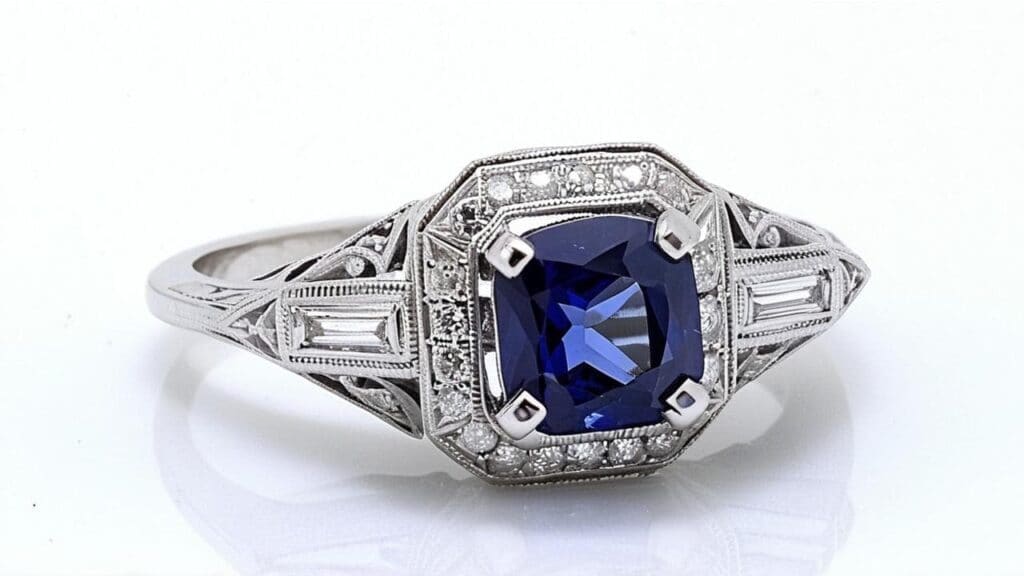
Market conditions constantly change, affecting jewelry values over time. Understanding when and why to update appraisals ensures your documentation remains accurate and useful for its intended purposes.
- Precious metal prices fluctuate significantly—gold, silver, and platinum values can change by 20-30% within a single year, dramatically affecting jewelry values, particularly for pieces where metal content represents a substantial portion of worth.
- Gemstone markets shift based on supply availability, fashion trends, and new source discoveries—certain stones may increase in value due to mine depletion or sudden popularity, while others decrease when new sources are discovered.
- Insurance companies typically recommend updated appraisals every 2-5 years to ensure coverage accurately reflects current replacement costs—outdated appraisals might leave you underinsured if values have increased.
- Major life transitions like marriage, divorce, inheritance, or retirement planning create specific moments when updated valuations become particularly important for legal and financial planning.
- Significant jewelry modifications, repairs, or restorations change the piece from its originally documented condition, necessitating updated appraisals that reflect these alterations.
- Economic factors including inflation, currency fluctuations, and luxury market changes affect jewelry values independent of specific metal or gemstone price movements.
- Vintage and antique jewelry markets experience trend cycles where certain eras or styles gain or lose popularity—Art Deco, Victorian, or specific designer pieces may see substantial value changes based on collector interest.
- Updated appraisals often catch developing problems like loose stones, worn prongs, or deteriorating settings before they result in loss or damage—consider reappraisals as both valuation updates and condition checkups.
Many professional appraisers offer discounted “update” services for previously appraised items, making regular reappraisals a cost-effective way to maintain accurate documentation and appropriate insurance coverage for your valuable pieces.
Conclusion
A professional jewelry appraisal provides far more than just a number—it delivers detailed documentation, expert analysis, and peace of mind about your valuable possessions. By working with qualified appraisers, understanding the various types of valuations, and keeping your appraisals updated, you ensure your jewelry is properly documented for insurance, accurately valued for potential sales, and thoroughly protected against loss.
Regular appraisals represent a small investment that can prevent significant financial complications later. Whether you’re insuring a new engagement ring, planning your estate, dividing assets during a divorce, or simply wanting to understand what your collection is worth, professional appraisals give you the objective information needed to make informed decisions about your precious jewelry pieces. Don’t wait until after a loss or damage occurs—get your valuable jewelry professionally appraised and keep those appraisals current.