Palm tree symbols in jewelry combine tropical beauty with deep cultural significance, representing everything from victory and peace to resilience and paradise. These iconic trees with their distinctive silhouettes have been incorporated into jewelry designs for thousands of years, carrying meaning that transcends mere decoration. Whether worn as a reminder of favorite tropical vacations or as a meaningful talisman, palm tree jewelry connects wearers to ancient traditions while making a contemporary style statement.
Understanding Palm Tree Meanings
Palm trees have captivated human imagination for millennia, appearing not just in natural landscapes but in art, architecture, religious texts, and jewelry across diverse civilizations. The distinctive silhouette—a straight trunk crowned with graceful, fanlike fronds—creates an instantly recognizable symbol that translates beautifully into jewelry designs. Palm tree motifs in jewelry serve as more than just tropical decoration; they carry layers of meaning about life, resilience, victory, and paradise.
- Palm trees symbolize resilience and endurance because they can withstand harsh conditions including strong winds, hurricanes, limited water, and sandy soil while continuing to thrive and grow. This quality makes palm tree jewelry particularly meaningful for those overcoming challenges or celebrating personal strength.
- In ancient Rome, palm fronds were awarded to victorious gladiators and military leaders, establishing the palm as a universal symbol of triumph and success that continues in modern jewelry designs. This victory symbolism extends to achievement in all areas of life.
- Palm trees represent paradise in many religious and cultural traditions, including Christianity and Judaism. In ancient Mesopotamia, palm trees were associated with the Garden of Eden, while in Islamic tradition, they are mentioned in descriptions of paradise and appear in poetry and literature describing the afterlife.
- The date palm specifically holds sacred status in Middle Eastern traditions, where it symbolizes prosperity, fertility, and life itself. Called “the tree of life” in many cultures, palm tree jewelry can represent abundance and nourishment on both physical and spiritual levels.
- Palm tree jewelry often serves as a personal talisman connecting the wearer to meaningful places, with coastal dwellers and travelers choosing palm motifs as reminders of tropical destinations, vacation memories, and the carefree lifestyle associated with these environments.
The enduring appeal of palm tree symbolism in jewelry speaks to something universally human—our admiration for strength under pressure, our celebration of achievement, and our longing for peaceful paradise. Unlike trendy motifs that quickly fade from popularity, palm tree imagery maintains its symbolic power across generations, making it both a timeless design choice and a meaningful personal statement in jewelry form.
Ancient Palm Tree Symbols in Jewelry
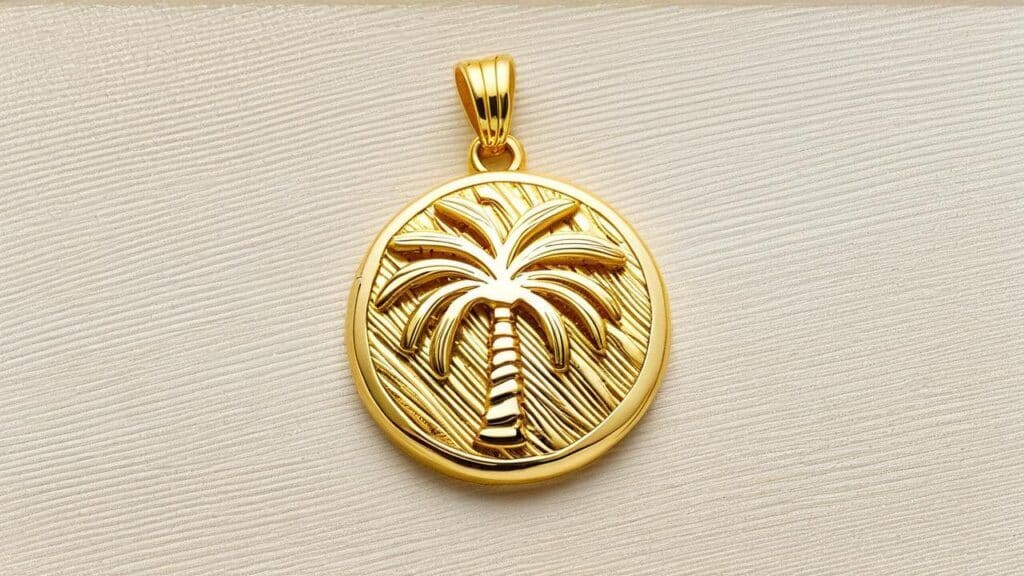
Palm trees have been intertwined with human civilization since ancient times, appearing in some of our earliest written records and artistic expressions. Archaeological discoveries reveal palm motifs in jewelry dating back thousands of years, particularly in regions where these trees were native or held special cultural importance. These historical connections give palm tree jewelry a depth of meaning that few other botanical symbols can match.
- In Ancient Egypt, the date palm was considered sacred and symbolized immortality. Pharaohs were buried with palm-themed jewelry and amulets made from gold and precious stones, believed to provide divine protection in the afterlife. The palm was associated with the god Huh, who represented eternity.
- Greek and Roman cultures adopted the palm as a symbol of victory around 776 BCE, with winners at the Olympic games and triumphant military commanders receiving palm fronds as honor symbols. This tradition influenced jewelry design, with palm motifs appearing on rings and medallions given as rewards for achievement.
- Palm trees appear prominently in Judeo-Christian traditions, with palm fronds used during Palm Sunday celebrations commemorating Jesus’s entry into Jerusalem. Medieval and Renaissance religious jewelry frequently incorporated palm imagery to represent martyrdom, spiritual victory, and paradise.
- In ancient Mesopotamia (modern Iraq), palm tree imagery was associated with the goddess Ishtar and fertility. Archaeological evidence shows palm tree motifs in jewelry and decorative arts from this region dating back thousands of years, crafted from materials including gold and lapis lazuli.
- Polynesian and other Pacific Island cultures have incorporated stylized palm motifs into traditional jewelry for centuries, using materials like bone, shell, and wood to create pieces that honor the palm’s central role in providing food, shelter, and materials.
- During the Victorian era (1837-1901), palm tree jewelry became fashionable in Europe as exotic travel increased. Colonial expansion brought palm imagery into Western jewelry design, where it represented adventure, exploration, and the allure of distant lands.
Throughout history, palm tree imagery in jewelry has consistently represented life’s positive forces—growth, victory, abundance, and sacred connection. This rich historical foundation explains why palm motifs continue to resonate in contemporary jewelry design, carrying forward ancient symbolism while adapting to modern aesthetic preferences and personal meanings.
Palm Tree Symbolism in Different Cultures
Palm trees grow naturally on every continent except Antarctica, leading to diverse cultural interpretations of their symbolism. The widespread presence of palms across vastly different environments has created a rich tapestry of meanings that jewelry designers and wearers can draw upon. These cultural associations add layers of significance to palm tree jewelry beyond mere decorative appeal.
- In Mediterranean cultures, particularly in ancient Greece and Rome, palm trees symbolized victory and triumph. This association continues in modern Mediterranean jewelry design, where palm motifs often represent personal achievement, success over adversity, and celebration of life’s victories.
- Middle Eastern traditions revere the date palm as “the tree of life” because a single tree can provide food (dates), building materials (trunk and fronds), shade, and protection from desert elements. Jewelry featuring date palms in this region often symbolizes abundance, sustenance, and divine blessing.
- In Caribbean and tropical American cultures, palm trees represent hospitality, relaxation, and the carefree island lifestyle. Jewelry from these regions often incorporates colorful gemstones alongside palm motifs to capture the vibrant energy and natural beauty of tropical environments.
- Hindu traditions in India associate palm trees with fertility and abundance. The coconut palm in particular is considered sacred, and palm leaf designs appear in traditional Indian jewelry to symbolize prosperity and good fortune in marriage and family life.
- Pacific Island cultures including Hawaiian, Samoan, and Māori traditions incorporate palm imagery into jewelry as symbols of strength, resilience, and connection to ancestral lands. These designs often feature stylized palm motifs that represent cultural identity and heritage.
- In contemporary Chinese jewelry design, the palm sometimes represents concepts like longevity and steadfast friendship. While not a traditional symbol in ancient Chinese art, modern Chinese jewelry may incorporate palm designs alongside other symbols of long life, creating pieces that serve as wishes for health and lasting relationships.
- North African cultures, particularly in Morocco and Egypt, use palm imagery in jewelry to represent oasis living—the palm as provider of life-sustaining shade and nourishment in harsh desert environments.
The global distribution of palm trees has created a universal language of symbolism that transcends cultural boundaries while maintaining distinctive regional interpretations. This makes palm tree jewelry uniquely versatile—wearers can connect with specific cultural traditions or embrace the broader symbolic meanings that resonate across human experience. The rich cultural tapestry surrounding palm symbolism ensures these jewelry pieces carry significance beyond mere tropical aesthetics.
The Symbolism of Wearing Palm Tree Jewelry
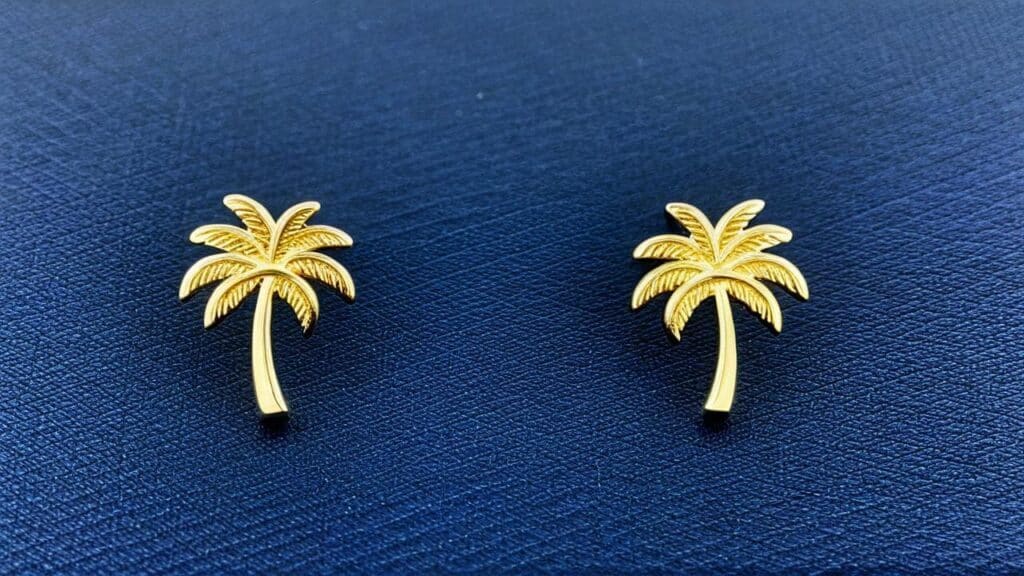
When someone chooses to wear palm tree jewelry, they’re often connecting with specific symbolic meanings beyond simple aesthetic appeal. Understanding these common interpretations helps appreciate why palm motifs have maintained their popularity in jewelry design across centuries and cultures. These meanings provide the emotional and spiritual resonance that transforms a decorative piece into a personal talisman.
- Victory and triumph stand as perhaps the most historically consistent meaning of palm tree symbols. Wearing palm tree jewelry can represent personal achievements, overcoming obstacles, or celebrating success in various life endeavors. This victory symbolism dates back to ancient Olympic traditions and continues in contemporary jewelry design.
- Resilience and strength are symbolized by the palm’s remarkable ability to bend without breaking during storms. Palm trees can withstand hurricane-force winds by flexing rather than resisting, making them perfect symbols for adaptability in difficult times. Jewelry featuring palms often represents this quality of graceful endurance.
- Peace and tranquility associations come from the serene image of palm fronds gently swaying in tropical breezes. The distinctive sound of rustling palm leaves creates a meditative atmosphere that many people associate with relaxation and inner calm. Palm jewelry can serve as a reminder to maintain peaceful perspective amid life’s challenges.
- Fertility and abundance symbolism derives from the palm’s incredible productivity—a single date palm can produce over 200 pounds of fruit annually for up to 80 years. Coconut palms similarly provide multiple resources from a single tree. This generous provision of life-sustaining resources makes palm jewelry appropriate for celebrating abundance in all forms.
- Paradise and tropical escape meanings connect palm tree jewelry with vacation memories and aspirational destinations. For many wearers, especially those in colder climates, palm motifs evoke positive emotions associated with warmth, sunshine, and the carefree atmosphere of beach environments.
- Immortality and eternal life symbolism appears in many religious traditions where palm trees represent paradise, heaven, or spiritual victory. This connection makes palm jewelry meaningful for those marking spiritual milestones or seeking symbols of faith and hope.
- Balance and harmony are represented by the palm’s perfect symmetry and its ability to thrive at the intersection of land and sea, often growing where other plants cannot survive. This quality makes palm tree jewelry appropriate for those seeking balance in their lives or celebrating harmonious relationships.
The multilayered symbolism of palm trees allows jewelry featuring these motifs to communicate complex personal meanings while maintaining aesthetic appeal. Unlike symbols with narrower interpretations, palm imagery offers wearers flexibility to connect with whichever aspects of its symbolism most resonate with their personal journey. This symbolic versatility contributes significantly to the enduring popularity of palm tree designs in jewelry across diverse cultures and time periods.
Palm Tree Jewelry Styles & Designs
Palm tree motifs appear in virtually every jewelry category, from casual beach-inspired pieces to high-end designer creations featuring precious metals and gemstones. The distinctive palm silhouette lends itself well to various jewelry formats, with designers continually finding creative ways to incorporate this symbolic tree into wearable art. Understanding the range of available options helps in selecting palm tree jewelry that best suits personal style and symbolic intent.
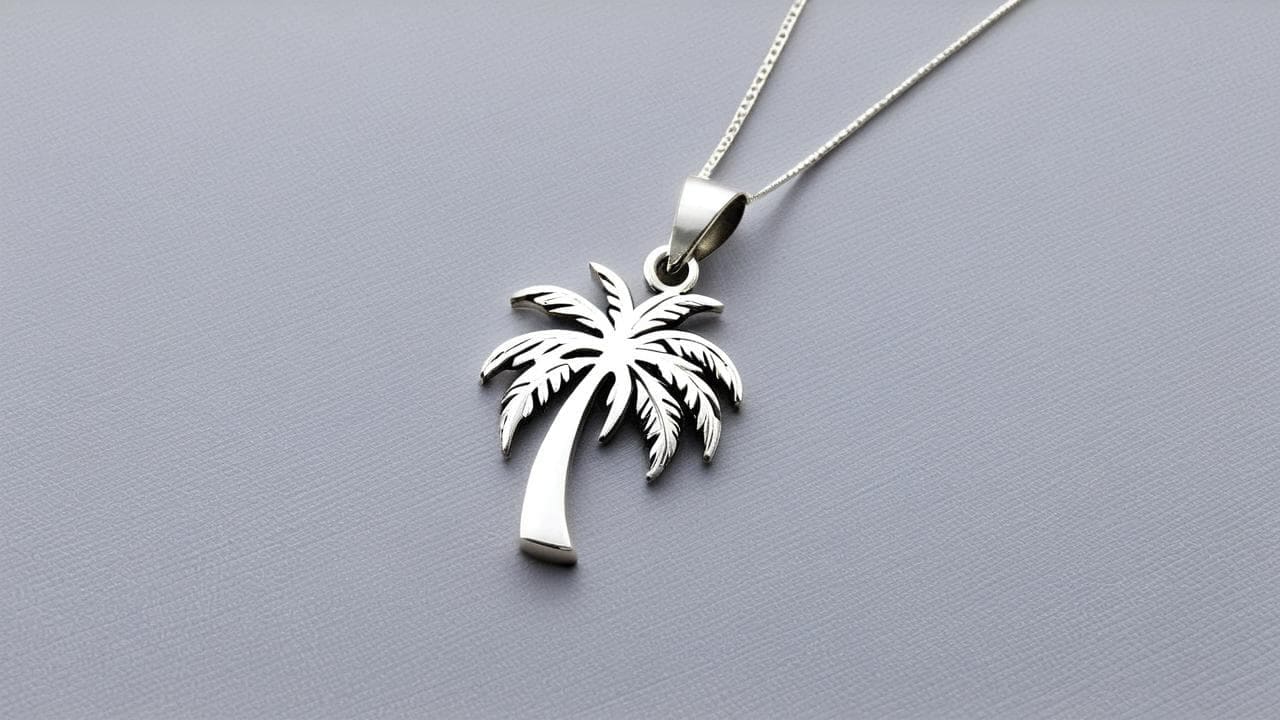
- Palm tree pendants and necklaces represent the most common form, ranging from minimalist silhouettes in sterling silver to elaborate three-dimensional designs with articulated fronds that move with the wearer. Some designs incorporate gemstones like peridot or emerald to represent palm fronds, with brown diamonds or cognac-colored stones creating the trunk.
- Earrings featuring palm motifs range from subtle studs with single palm tree outlines to dramatic chandelier styles with multiple palms creating tropical scenes. Some designers create asymmetrical pairs with one earring featuring a palm tree and the other incorporating complementary tropical elements like waves or the sun.
- Bracelets and bangles often feature palm trees as repeating motifs or centerpiece designs. Charm bracelets may include three-dimensional palm pendants, while cuff bracelets might showcase palm trees in relief work or filigree designs. Some bracelets incorporate palm motifs through texture rather than obvious imagery.
- Rings with palm tree designs range from delicate bands with engraved palm outlines to statement pieces featuring palm trees as the central design element. Some designers create palm frond patterns that wrap around the finger, while others position a single palm tree on the ring’s face, sometimes incorporating colored gemstones.
- Brooches and pins offer perhaps the most detailed palm tree representations, as their larger surface area allows for intricate designs. Vintage palm brooches from the 1940s and 1950s are particularly collectible, often featuring articulated elements and mixed metals to create dimensional palm scenes.
- Anklets with palm charms or engraved palm designs are popular beach-inspired jewelry pieces, particularly in sterling silver, gold vermeil, or casual materials like leather cord or waxed cotton with metal palm components.
- Men’s jewelry incorporating palm motifs has grown increasingly popular, including options like palm tree cufflinks, tie bars, and signet rings that offer subtle nods to tropical symbolism in traditionally masculine jewelry formats.
- Material variations significantly impact the look and symbolism of palm tree jewelry. Gold designs often emphasize the victory and prosperity aspects of palm symbolism, while silver pieces tend to highlight the tree’s connection to moonlight and tropical nights. Pieces incorporating wood or organic elements emphasize the palm’s natural significance.
The diversity of palm tree jewelry options ensures there’s a suitable design for any personal style, from minimalist to maximalist, casual to formal, subtle to statement-making. This versatility helps explain why palm motifs have maintained their appeal across changing fashion trends, offering both symbolic meaning and aesthetic flexibility that few other jewelry motifs can match.
Palm Tree Jewelry Styling Tips & Inspiration
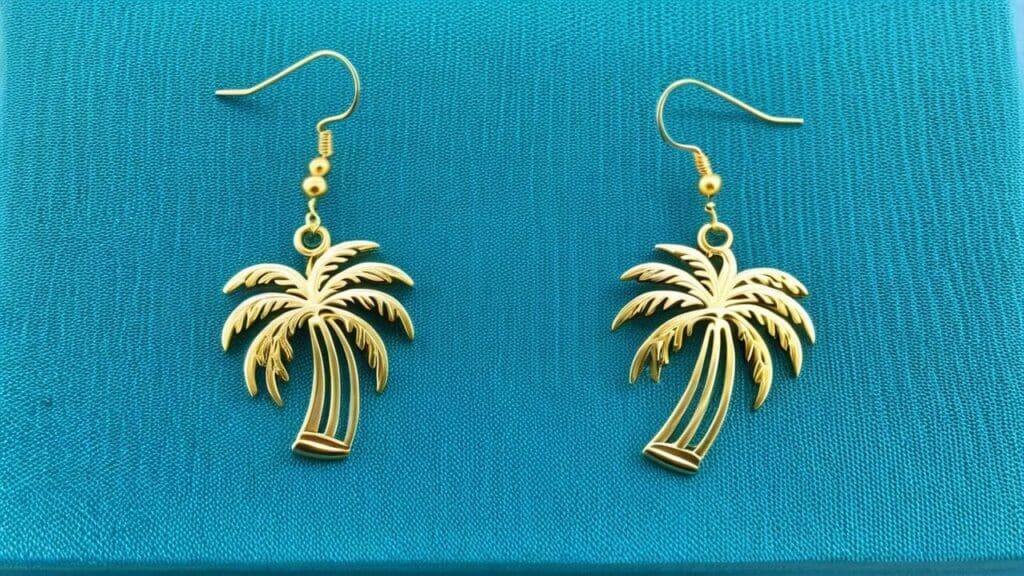
Selecting palm tree jewelry that aligns with both personal style and intended symbolism requires consideration of design elements, materials, and how pieces will integrate with existing wardrobe choices. Palm motifs can range from subtle and sophisticated to boldly tropical, making thoughtful selection important. Similarly, styling palm tree jewelry effectively depends on understanding how these distinctive botanical symbols work with different outfits and occasions.
- Consider the level of detail in palm tree designs, as this significantly impacts versatility. Highly detailed, realistic palm renderings create stronger tropical associations, while abstracted or minimalist palm silhouettes offer greater styling flexibility and subtlety for professional environments.
- Material selection affects both the look and symbolic emphasis of palm jewelry. Yellow gold palm pieces create warm, sunshine associations perfect for summer, while white metals like silver, white gold, or platinum create moonlit tropical night imagery. Rose gold palm jewelry creates a vintage sunset effect ideal for romantic symbolism.
- Size and placement matter when choosing palm tree jewelry for different effects. Small, subtle palm motifs work well in professional settings where you want symbolism without overwhelming your look. Larger statement pieces create focal points that express confidence and bold style choices.
- Consider combining palm tree jewelry with complementary symbols that enhance specific meanings. For victory symbolism, pair with star motifs; for paradise associations, combine with wave or sun designs; for spiritual meanings, consider pairing with cross or other faith symbols that have personal significance.
- Match palm jewelry to appropriate occasions for maximum impact. Small palm stud earrings or a delicate palm pendant works for everyday wear, while statement palm cuffs or elaborate earrings can transform special event attire with tropical sophistication.
- Palm tree jewelry pairs naturally with breezy, flowing fabrics and tropical color palettes but can also create interesting contrasts with structured tailoring or monochromatic outfits. The versatility of palm symbolism allows these pieces to transcend expected tropical styling.
- Layer palm tree jewelry with other meaningful pieces to create personal storytelling through accessories. A palm pendant can represent resilience, paired with other charms symbolizing significant life moments or achievements, creating a wearable narrative of personal growth.
- For travel memories, consider palm jewelry incorporating materials or design elements specific to meaningful destinations. Some designers create location-specific palm tree pieces representing particular beaches or tropical locations, allowing for more personalized connections.
Selecting and styling palm tree jewelry effectively balances personal symbolic meaning with aesthetic considerations. The best choices honor both the rich cultural heritage of palm symbolism and your individual style preferences. Whether chosen as subtle everyday reminders of resilience or as bold statements celebrating tropical beauty, palm tree jewelry offers meaningful connections to nature, history, and personal values while enhancing your fashion expression.
How to Clean & Maintain Palm Tree Jewelry
Palm tree jewelry designs often feature intricate details that require proper care to maintain their beauty and symbolic impact. The frond patterns, textured trunks, and sometimes articulated elements of palm motifs can be susceptible to damage if not properly maintained. Appropriate care ensures these meaningful pieces remain beautiful and continue to carry their symbolic significance for years or even generations.
- Clean palm tree jewelry regularly but gently, as detailed palm designs can trap dust, lotion, or other substances in their intricate patterns. Use a soft-bristled brush (like a clean, soft toothbrush) to carefully clean between frond details without damaging the design.
- Avoid exposing palm tree jewelry to chlorinated water, saltwater, or hot tubs, as these environments can damage both the metal components and any gemstones. The association with beaches and pools makes this particularly important to remember, as wearers might naturally want to keep their palm jewelry on while swimming.
- Store palm tree jewelry pieces individually in soft pouches or compartmentalized jewelry boxes to prevent the detailed fronds from getting tangled with other jewelry or scratched by harder materials. Hanging storage works well for necklaces with palm pendants to prevent chain tangling.
- Consider professional cleaning annually for valuable palm tree jewelry pieces, especially those with gemstones or complex articulated elements. Professional jewelers can safely clean areas that might be difficult to reach at home without risking damage to delicate components.
- Be particularly careful with movable or articulated palm tree jewelry components, such as swinging palm fronds or connected palm tree charms. These moving parts can be damaged by rough handling or caught on clothing and bent out of shape if not treated carefully.
- Address any damage promptly to prevent worsening conditions. If a palm frond detail becomes bent or a stone loosens, have it repaired by a professional jeweler rather than attempting fixes that might cause further damage to the detailed design elements.
- For palm tree jewelry with enamel components (common in some vintage and contemporary designer pieces), avoid exposure to harsh chemicals and extreme temperature changes that can cause the enamel to crack or lift from the metal backing.
- Consider occasional professional repolishing for sterling silver palm tree jewelry that shows tarnish in hard-to-reach areas between frond details. While home polishing cloths work for accessible surfaces, professional cleaning can restore brightness to intricate details.
Proper care ensures that palm tree jewelry maintains not just its physical beauty but also the clarity of its symbolic meaning. Well-maintained palm motifs continue to clearly communicate their messages of resilience, victory, paradise, or personal significance. With appropriate attention, these meaningful pieces can become treasured heirlooms that carry both their inherent symbolism and the added significance of family history across generations.
Conclusion
Palm tree jewelry stands as a perfect example of how natural symbols can carry profound meanings across cultures and time periods while maintaining contemporary appeal. The palm’s distinctive silhouette instantly communicates multiple layers of significance—from ancient associations with victory and paradise to modern connections with tropical relaxation and personal resilience. This symbolic versatility explains why palm motifs continue to inspire jewelry designers and connect with wearers on emotional levels.
Whether chosen for its representation of strength and triumph, as a reminder of cherished tropical memories, or simply for its elegant botanical beauty, palm tree jewelry offers meaningful connections to nature, history, and personal values. As one of jewelry’s most enduring symbols, the palm tree transcends fashion trends, remaining relevant because it speaks to fundamental human experiences while adapting beautifully to contemporary design aesthetics. In this balance of timeless symbolism and modern style, palm tree jewelry finds its lasting appeal.