Cocktail attire sits elegantly between casual and formal dress codes, offering the perfect canvas to express personal style through thoughtfully chosen jewelry. Well-selected accessories transform ordinary outfits into sophisticated ensembles ideal for evening gatherings, upscale professional events, and special celebrations. Knowing which jewelry pieces work for cocktail occasions helps create a polished look that balances making a statement while maintaining appropriate elegance for semi-formal settings.
What Is Cocktail Attire?
Cocktail attire emerged in the 1920s during the Prohibition era as a dress code for semi-formal gatherings centered around pre-dinner drinks. This style category balances elegance with comfort, allowing for personal expression while maintaining a sophisticated appearance. When selecting jewelry for cocktail events, understanding the origins and expectations of this dress code helps ensure your accessories complement the occasion appropriately.
- Cocktail attire typically applies to events held between 4 PM and 8 PM, including engagement parties, gallery openings, upscale birthdays, and certain professional gatherings where a polished but not overly formal appearance is expected.
- For women, traditional cocktail wear includes knee-length or mid-calf dresses, elegant separates, or sophisticated jumpsuits, providing versatile canvases for jewelry that can either complement or contrast with the outfit’s color and texture.
- Unlike black tie events that demand strict formality, cocktail occasions allow for more creative expression through statement jewelry pieces while still maintaining an appropriate level of refinement and sophistication appropriate for semi-formal settings.
- The social nature of cocktail events should influence your jewelry choices — pieces should be comfortable enough to wear for several hours and not interfere with activities like eating, drinking, or greeting others with hugs or handshakes.
- The distinction between cocktail and business attire lies primarily in the expressiveness allowed; cocktail jewelry can be more adventurous, colorful, and statement-making than what would be appropriate in most professional environments.
Understanding the purpose and setting of cocktail attire provides the foundation for making informed jewelry choices. Your accessories should enhance your outfit without overwhelming it, allowing for a balanced, sophisticated appearance that transitions smoothly from early evening events to later celebrations while maintaining comfort and style throughout the gathering.
Cocktail Event Jewelry Essentials
The right collection of jewelry pieces forms the foundation of a well-accessorized cocktail look. Each type of jewelry plays a distinct role in creating a balanced, sophisticated appearance that’s appropriate for semi-formal gatherings. Knowing which pieces are considered essential helps you build a versatile collection that works for various cocktail occasions.
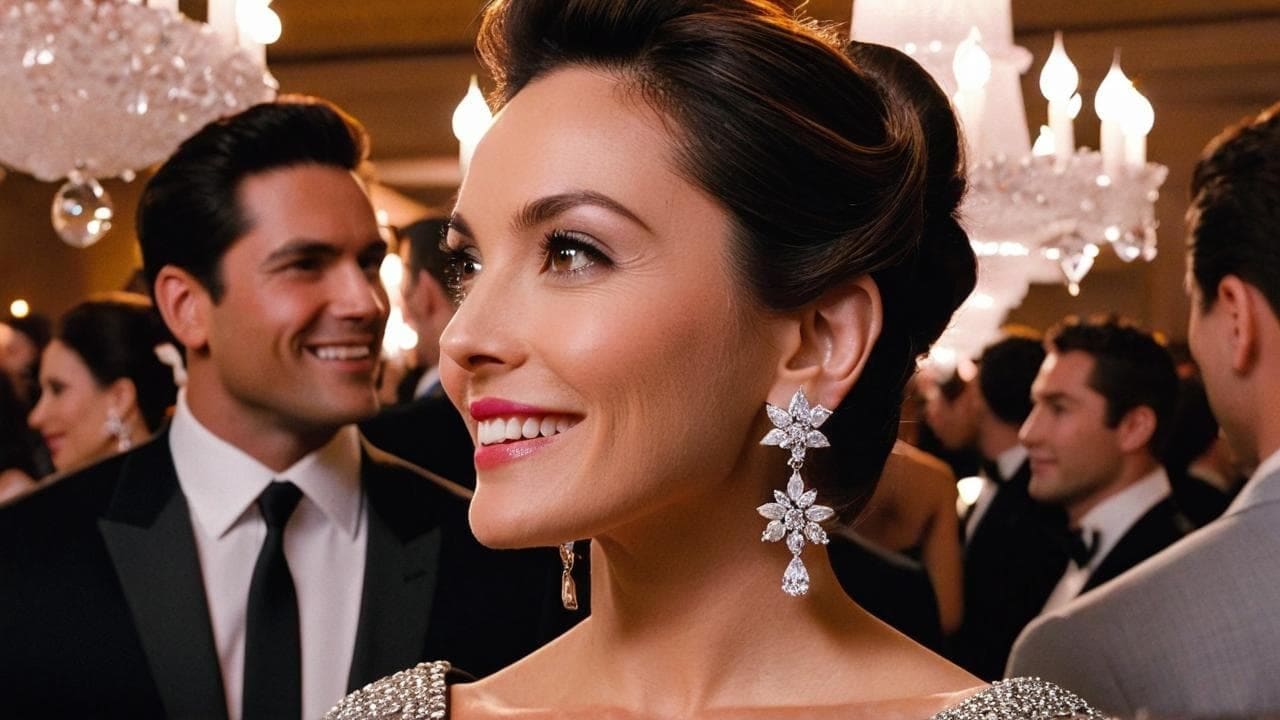
- Statement earrings are cornerstone pieces for cocktail attire, with options ranging from chandelier styles that create movement and catch light to geometric designs that offer contemporary sophistication; the ideal size should complement your face shape while being substantial enough to make an impact without overwhelming your features.
- Necklaces for cocktail events vary based on your outfit’s neckline, with pendant styles working well for V-necks, collar necklaces complementing strapless dresses, and layered delicate chains adding interest to higher necklines without competing with statement earrings.
- Bracelets and bangles offer excellent opportunities for expressing personal style at cocktail events, with options including tennis bracelets for classic elegance, cuff bracelets for bold statements, or stacked thinner bracelets for textural interest; always ensure they don’t make excessive noise when moving.
- Cocktail rings earned their name specifically from these types of gatherings, traditionally featuring larger gemstones or distinctive designs meant to be noticed during social interactions; they typically feature a prominent center stone surrounded by smaller accent stones or creative metalwork.
- Watches for cocktail events should prioritize elegance over functionality, with slim profiles, smaller faces, and decorative elements like diamond accents or unique materials that align with your other jewelry while maintaining a sophisticated appearance.
- Brooches, though less commonly worn today, can add distinctive character to cocktail attire when placed strategically on lapels, at shoulder straps, or even as hair accessories, offering vintage appeal and conversation-starting potential.
The key to successful cocktail jewelry lies in selecting high-quality pieces that complement rather than compete with each other. By understanding the purpose and impact of each jewelry type, you can create a cohesive look that enhances your cocktail attire while avoiding the common pitfall of over-accessorizing. Remember that one or two statement pieces typically create more sophistication than wearing every piece in your jewelry box.
Pairing Jewelry with Different Cocktail Outfits
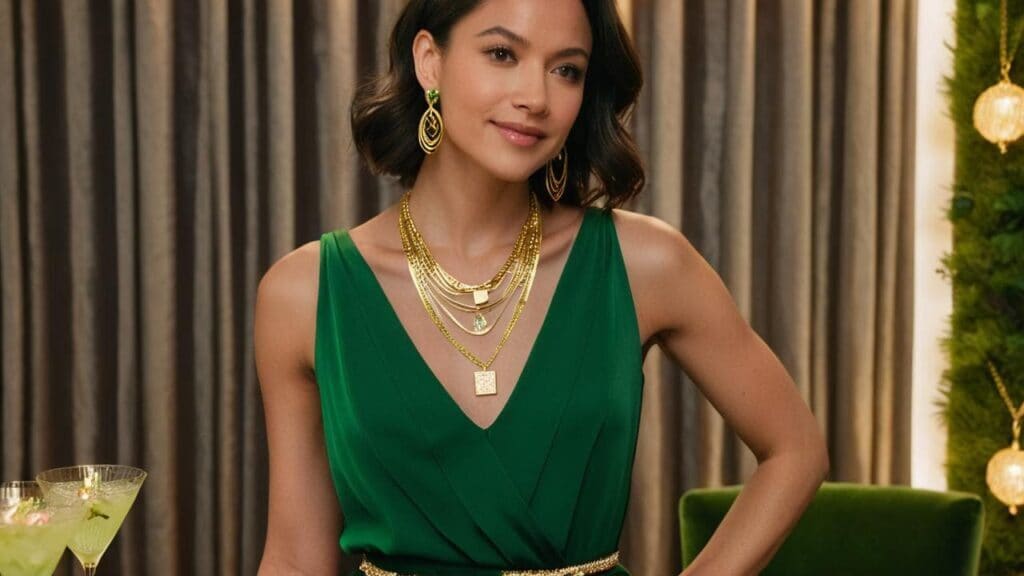
Creating harmony between your jewelry and cocktail attire requires thoughtful consideration of colors, metals, and proportions. The relationship between your clothing and accessories significantly impacts your overall appearance, with the best combinations enhancing both elements without either overpowering the other. Strategic matching creates a polished, intentional look appropriate for sophisticated cocktail gatherings.
- Consider your outfit as the canvas and your jewelry as artistic accents—deep-colored dresses pair beautifully with gold jewelry that brings warmth, while silver and platinum complement cooler tones like navy, emerald, and pure white with their crisp, modern appearance.
- Neckline compatibility determines necklace selection: V-necks harmonize with pendant necklaces that echo their shape, boat necks work with longer necklaces that break the horizontal line, strapless dresses pair with collar necklaces or shorter statements, and high necklines often look best with no necklace but more substantial earrings instead.
- The “statement piece rule” suggests focusing on one dominant jewelry item (like bold earrings, an eye-catching necklace, or a distinctive cocktail ring) while keeping other accessories more subdued to create visual balance and prevent an overwhelming appearance.
- Dress embellishments should guide jewelry decisions—heavily sequined, beaded, or textured garments pair best with simpler jewelry that won’t compete visually, while minimalist dresses provide perfect backgrounds for more elaborate jewelry designs.
- Bracelet and ring selections should consider practical aspects of cocktail events, including frequent handshaking, holding drinks, and gesturing during conversation; pieces should be secure, comfortable, and positioned to avoid constant adjustment.
- Dress length and formality correlate with jewelry scale—longer dresses at more formal cocktail events can support more substantial jewelry, while shorter, less formal cocktail attire often pairs better with more restrained pieces that maintain proportion.
Successful matching requires objective assessment of your complete look. Before leaving for a cocktail event, evaluate your appearance in a full-length mirror, considering how your jewelry works with your outfit from all angles. The goal is creating a cohesive look where jewelry enhances your attire while allowing your personal style to shine through in a balanced, sophisticated manner appropriate for semi-formal social occasions.
Best Metals for Cocktail Jewelry
Metal selection forms the foundation of your cocktail jewelry strategy, with each metal type offering distinct characteristics that affect both appearance and functionality. The metals in your jewelry not only determine its color and luster but also influence how it complements your skin tone, outfit colors, and other accessories. Understanding these relationships helps create a cohesive, flattering cocktail look.
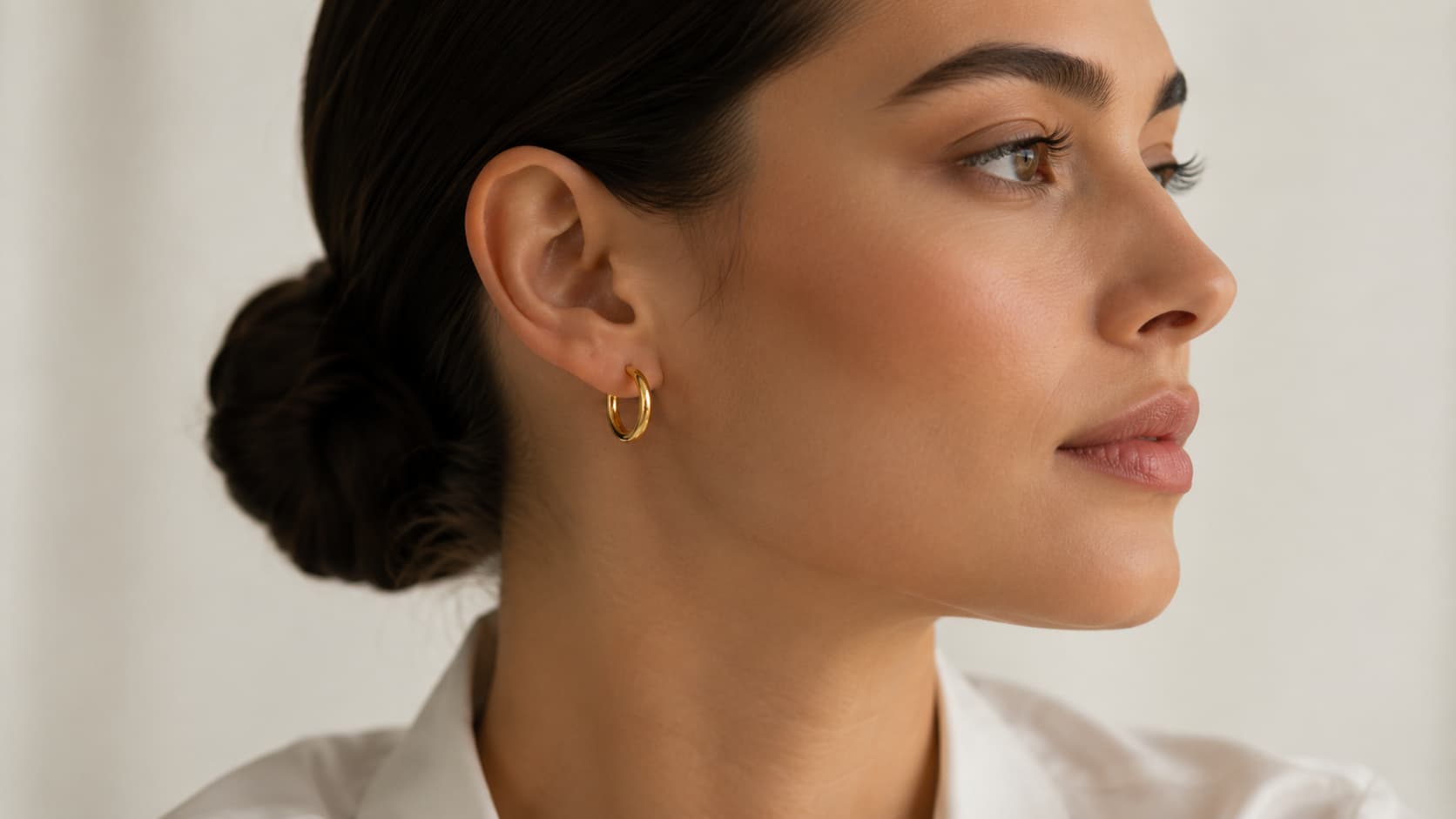
- Yellow gold provides warm, traditional elegance that pairs particularly well with jewel tones, earth tones, and patterns with warm undertones; its 14K and 18K varieties offer ideal balance between purity and durability for cocktail events where jewelry may encounter drinks or food.
- White gold delivers bright, contemporary sophistication that complements cool-colored attire (blues, purples, true reds) and photographs exceptionally well, making it popular for documented cocktail events like engagement parties and milestone celebrations.
- Rose gold offers romantic, vintage appeal with its distinctive pink hue that flatters most skin tones, works beautifully with blush, navy, and forest green garments, and provides a distinctive alternative for those seeking unique yet timeless metal options.
- Sterling silver presents an affordable yet elegant option particularly suited to casual cocktail events, summer gatherings, and situations where larger statement pieces are desired without substantial investment; quality pieces require proper cleaning and storage to prevent tarnishing.
- Platinum represents the pinnacle of cocktail jewelry metals with its natural white luster, exceptional durability, and hypoallergenic properties, making it ideal for those with sensitive skin attending important cocktail functions where premium quality is appropriate.
- Mixed metals have become increasingly acceptable and even fashionable for cocktail jewelry, allowing for more versatile accessorizing across different outfits; successful combinations typically maintain consistency in finish (all polished or all matte) while varying the metal colors.
- Your skin’s undertone should influence metal selection—warm undertones (yellow/peach/olive) generally harmonize with yellow and rose gold, while cool undertones (pink/red/blue) typically look better with white metals like white gold, platinum, and silver.
When selecting metals for cocktail jewelry, consider both immediate appearance and practical concerns like possible skin reactions, maintenance requirements, and how the pieces will wear throughout an event that may last several hours. Creating a collection with at least one signature piece in each major metal category provides flexibility for various cocktail occasions while allowing you to honor your personal preferences and what flatters you most.
Best Gemstones for Cocktail Event Jewelry
Gemstones add color, sparkle, and personality to cocktail jewelry, often serving as focal points that define your entire look. The selection of stones for cocktail events balances visual impact with appropriateness for semi-formal occasions, requiring consideration of color, cut, size, and overall effect. Understanding gemstone characteristics helps create memorable cocktail jewelry ensembles that remain tasteful.
- Diamonds remain the classic choice for cocktail events due to their exceptional brilliance under various lighting conditions typical at evening gatherings; while colorless diamonds offer traditional elegance, fancy colored diamonds in champagne, cognac, or pale yellow provide distinctive alternatives that complement cocktail attire.
- Colored gemstones allow for personal expression and coordination with outfits, with sapphires (available in virtually every color) offering excellent durability for frequent wear, emeralds providing rich color but requiring careful handling due to their relative fragility, and rubies delivering bold statements appropriate for more glamorous cocktail events.
- Semi-precious stones offer affordable versatility for cocktail jewelry, with amethyst, citrine, and topaz providing substantial size for reasonable cost; these stones allow for larger, more impactful pieces that make statements without requiring the investment of precious gemstones.
- Cocktail rings traditionally feature center stones between 2-15 carats (or appearing so), with the ideal size determined by your hand proportions, the event formality, and your personal comfort level with attention-drawing accessories.
- Color coordination between gemstones and attire follows several approaches: direct matching (blue stones with blue dress), complementary pairing (ruby with emerald green), or neutral stone selection (diamonds, white topaz) that works with everything.
- Gemstone cuts influence both appearance and comfort—faceted stones like oval, round, and princess cuts maximize sparkle for evening events, while cabochons (smooth-domed stones) offer sophisticated color saturation with more comfortable wear for extended periods.
- Trending gemstones for contemporary cocktail jewelry include morganite (peachy-pink beryl), tanzanite (blueish-purple), and spinel (available in vibrant reds, blues, and purples), offering distinctive options for those seeking something beyond traditional choices.
When selecting gemstone jewelry for cocktail events, consider both aesthetic impact and practical concerns. Stones should be securely set to withstand social activities, and settings should be comfortable enough for extended wear. The best cocktail gemstone pieces make statements without requiring constant adjustment or causing discomfort, allowing you to focus on the social aspects of the event rather than your accessories.
Cocktail Jewelry for Every Body Type
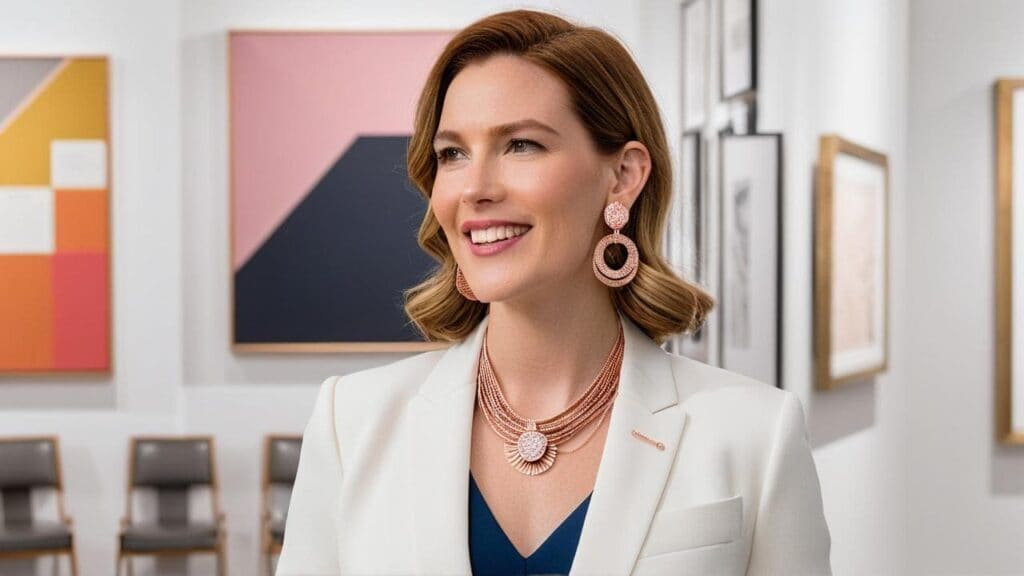
Your physical characteristics significantly influence how jewelry presents on your body, making understanding these relationships essential for creating the most flattering cocktail looks. Body proportions, facial features, neck length, and overall height all interact with jewelry pieces differently, requiring thoughtful selection to enhance your natural attributes while creating balanced, harmonious appearances appropriate for cocktail events.
- Petite individuals benefit from scaled-down jewelry that maintains proportion—smaller earrings (under 2 inches), thinner bangles, and medium-sized statement rings prevent overwhelming smaller frames while still making appropriate impact for cocktail events.
- Taller individuals can support larger, more substantial pieces including longer earrings, wider cuffs, and more dramatic necklaces that provide visual balance to height; however, extremely delicate pieces may appear disproportionately small on larger frames.
- Different face shapes pair best with specific earring styles—oval faces support most styles, round faces gain definition from angular designs that create perceived length, heart-shaped faces balance wider foreheads with drop styles that narrow at the bottom, and square faces soften with rounded or curving designs.
- Neck length determines ideal necklace choices—longer necks work beautifully with chokers and collar necklaces that take advantage of available space, while shorter necks benefit from V-shaped pendants or longer chains that create visual elongation appropriate for cocktail looks.
- Wrist and hand proportions guide bracelet and ring selection—smaller wrists look best with thinner bracelets (under 1/2 inch) worn in multiples rather than single wide cuffs, while ring size should correspond to finger length with larger stones more flattering on longer fingers.
- Strategic placement draws attention to features you want to highlight—sparkly earrings bring focus to the face, statement necklaces draw eyes to the décolletage, and distinctive bracelets highlight graceful wrists and hands during the animated conversations typical at cocktail gatherings.
- Body shape considerations apply beyond just height—pear shapes often benefit from statement earrings and bracelets that draw attention upward, while apple shapes typically look beautiful with longer necklaces that create vertical lines through the torso.
The most successful cocktail jewelry styling focuses on creating visual harmony between your jewelry and your unique physical characteristics. Rather than following trends blindly, select pieces that work specifically with your proportions and features. When properly matched, cocktail jewelry enhances your natural attributes while providing appropriate sophistication for semi-formal social occasions without creating visual disconnects that distract from your overall appearance.
Cocktail Jewelry Dos and Don’ts: Avoid These Mistakes
Even carefully selected jewelry can detract from your cocktail look if common pitfalls aren’t avoided. Understanding these frequent errors helps you create more successful, sophisticated ensembles. Many jewelry missteps result from overlooking practical considerations of cocktail events or misunderstanding the balance required for elegant accessorizing in semi-formal settings.
- Over-accessorizing represents the most frequent cocktail jewelry mistake—wearing statement earrings, bold necklace, multiple bracelets, and cocktail rings simultaneously creates visual chaos rather than sophistication; instead, select 1-2 focal pieces and keep other accessories minimal.
- Ignoring the event’s specific formality level leads to inappropriate jewelry choices—garden cocktail parties allow for more colorful, casual pieces while evening gallery openings call for more refined options; always consider the specific occasion within the broader “cocktail” category.
- Uncomfortable jewelry inevitably leads to constant adjustment, fidgeting, or early removal, undermining your polished appearance; test pieces before events by wearing them for at least an hour, ensuring earrings don’t strain lobes, bracelets don’t restrict movement, and necklaces don’t tangle or twist.
- Neglecting practical concerns of cocktail parties (frequent handshaking, holding glasses, animated conversation) can lead to choosing jewelry that catches on clothing, makes noise with every movement, or features stones that flip awkwardly during wear, creating distractions from both your appearance and social interactions.
- Mismatching formality between jewelry and attire creates disharmony—very casual jewelry (like wooden beads or hemp cords) looks out of place with sophisticated cocktail dresses, while extremely formal pieces (like substantial diamond necklaces) can appear excessive with more casual cocktail separates.
- Selecting trendy pieces without considering their staying power often leads to dated appearances in photographs and questionable investment value; cocktail events are often documented occasions where timeless pieces typically serve better than extremely current trends that may look passé within months.
- Wearing inappropriate jewelry for the season creates disconnect—heavy, dark metal pieces look incongruous at summer garden parties, while very delicate, minimal jewelry may disappear against richer fabrics and deeper colors typical at winter cocktail events.
Avoiding these common errors requires objective assessment of your complete look before attending cocktail events. Consider how your jewelry works with your outfit from all angles, how it will function during typical cocktail activities, and whether it creates the balanced, sophisticated impression appropriate for semi-formal gatherings. Remember that successful cocktail jewelry enhances rather than dominates your appearance, allowing your personal style to shine through without overwhelming it.
Investment-Worthy Cocktail Jewelry
Building a collection of cocktail jewelry represents both a fashion decision and a financial consideration. Strategic investment in versatile, high-quality pieces creates a foundation for numerous cocktail looks while potentially preserving value over time. Understanding which pieces offer the greatest versatility and longevity helps maximize both your style options and your jewelry budget.
- Quality fundamentals form the core of a versatile cocktail jewelry collection—diamond or cubic zirconia stud earrings in various sizes, a 16-18” pendant necklace on a simple chain, a tennis bracelet or understated bangle, and a statement ring with a design that reflects your personal aesthetic all provide building blocks for countless cocktail ensembles.
- Metal diversification increases versatility, with at least one signature piece in yellow gold, white gold/platinum/silver, and possibly rose gold allowing coordination with various outfits, seasons, and other accessories; quality pieces in your most flattering metal can serve as signature items worn to multiple events with different clothing.
- Convertible jewelry offers exceptional value for cocktail events—earrings with removable drops that can be worn as studs or statements, necklaces with detachable pendants that change the look completely, and rings with interchangeable center stones all provide multiple styling options from single investments.
- Investment-worthy cocktail pieces typically feature timeless rather than trendy designs, high-quality craftsmanship evident in secure settings and finished edges, and versatile styling that works across seasons and various cocktail occasions from afternoon gatherings to evening celebrations.
- Practical considerations should influence investment decisions—pieces that require excessive maintenance, show wear quickly, or prove uncomfortable during extended wear rarely deliver good value regardless of their initial price point or materials.
- Storage and security requirements increase with jewelry value—higher-end cocktail pieces necessitate proper storage solutions, appropriate insurance, and consideration of when and where wearing them is prudent; these factors should be included in investment calculations.
- Vintage and estate cocktail jewelry often provides exceptional value, with craftsmanship and materials frequently exceeding comparably priced new pieces; these pre-owned items can deliver distinctive style while potentially appreciating in value, particularly pieces from recognized design periods or notable makers.
When building a cocktail jewelry collection, balance immediate appeal with long-term wearability. The most valuable pieces, regardless of their actual cost, are those you reach for repeatedly across different seasons and occasions. Consider documenting which pieces you actually wear to cocktail events to guide future purchases, focusing your investments on the styles, metals, and gemstones that consistently serve you well while gradually elevating the quality of these proven favorites.
Seasonal Cocktail Jewelry
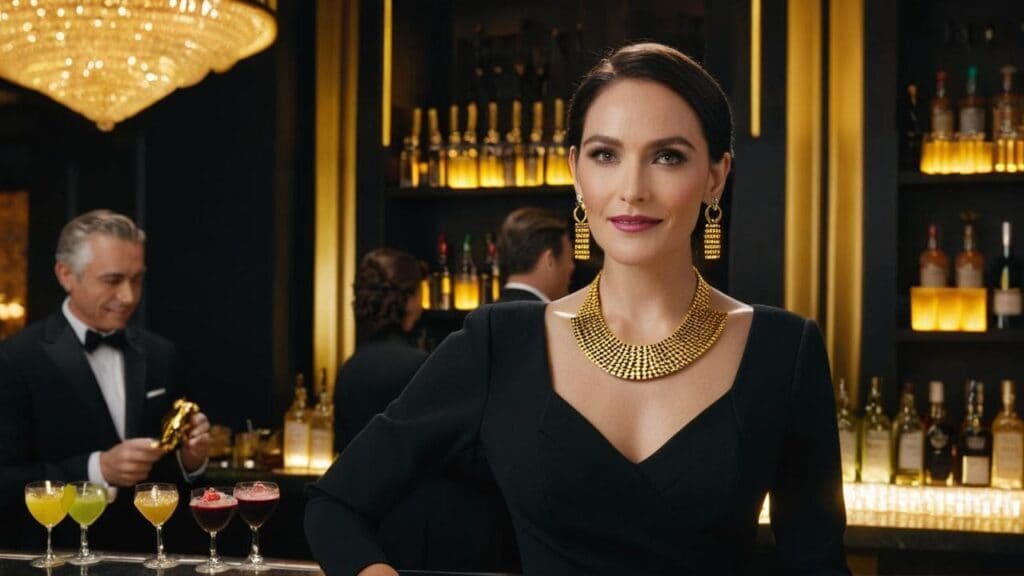
The time of year significantly influences appropriate jewelry choices for cocktail events, with each season presenting distinct colors, materials, and styling opportunities. Understanding these seasonal variations helps create cocktail jewelry looks that feel harmonious with both the calendar and the specific occasion, enhancing your overall appearance with thoughtful, contextually appropriate accessorizing.
- Summer cocktail events favor lighter jewelry with natural elements—pearls, coral, turquoise, and other organic materials complement the season’s atmosphere, while lightweight metals and open designs prevent discomfort in warm weather and pair beautifully with the season’s lighter fabrics and colors.
- Fall gatherings call for richer tones and more substantial pieces—amber, topaz, citrine, and garnet reflect autumn’s palette, while yellow and rose gold provide warmth that complements seasonal attire; textured metals and more dimensional designs work well with the heavier fabrics typical of fall cocktail wear.
- Winter cocktail occasions support the most formal, substantial jewelry of the year—diamonds, emeralds, rubies, and other high-impact gemstones complement the season’s more formal attire and festive atmosphere, while platinum and white gold reflect the season’s cooler color schemes and often pair with holiday-specific styles.
- Spring events welcome fresh, colorful options—aquamarine, morganite, amethyst, and other pastel gemstones reflect the season’s palette, while mixed metals and nature-inspired designs complement spring’s transitional wardrobe options and regenerative themes.
- Daytime versus evening considerations transcend seasons—cocktail events before 5 PM generally call for more restrained jewelry regardless of season, while evening gatherings support more sparkle, larger statement pieces, and higher-contrast combinations that show well in dimmer lighting.
- Holiday-specific cocktail events present unique jewelry opportunities—patriotic colors for summer holidays, autumn leaves and harvest motifs for Thanksgiving gatherings, and festive elements like snowflakes or stars for winter celebrations all create contextually appropriate special-occasion pieces.
- Outdoor versus indoor settings significantly impact jewelry functionality regardless of season—pieces that catch on sweaters or wraps prove problematic for outdoor fall/winter events, while jewelry that reflects harsh sunlight or becomes uncomfortable when hot may create issues during outdoor spring/summer gatherings.
Seasonal jewelry adjustments should be subtle rather than complete transformations. Your personal style and signature pieces remain constants throughout the year, with seasonal variations appearing through color choices, material selections, and styling details. This approach allows you to maintain a cohesive personal aesthetic while appropriately acknowledging seasonal shifts and the specific requirements of different cocktail occasions throughout the calendar.
Contemporary Cocktail Jewelry Styles and Trends
While timeless pieces form the foundation of cocktail jewelry collections, awareness of current trends provides opportunities for fresh, contemporary styling. Understanding modern directions in cocktail jewelry helps you incorporate new elements that keep your look current without sacrificing the elegance and sophistication essential for cocktail attire. The most successful trend adoption balances novelty with classic principles of good jewelry design.
- Asymmetry has gained significant traction in cocktail jewelry, with mismatched earrings, off-center pendants, and intentionally unbalanced designs offering contemporary edge while maintaining sophistication; these pieces add unexpected visual interest to otherwise traditional cocktail looks.
- Substantial earrings continue dominating cocktail trends, with shoulder-dusting styles, geometric forms, and architectural inspirations providing statement-making options that work particularly well with simpler cocktail dresses and upswept hairstyles.
- Colored gemstones have surpassed diamonds in popularity for many cocktail pieces, with unusual varieties like spinel, chrysoberyl, and tourmaline gaining appreciation; these stones offer distinctive colors, better value propositions, and opportunities for unique looks beyond traditional clear stones.
- Nature-inspired designs reflect growing environmental consciousness, with realistic botanical forms, insect motifs, and organic textures appearing in sophisticated iterations appropriate for cocktail events; these pieces connect traditional nature themes with contemporary execution.
- Vintage and retro influences continue shaping contemporary cocktail jewelry, with Art Deco geometric patterns, Victorian motifs, and 1980s bold scaling all experiencing revivals in modern interpretations that reference historical periods without looking costume-like.
- Sustainable and ethical production has become increasingly important in fine jewelry, with recycled metals, responsibly sourced gemstones, and transparent supply chains now considerations for many consumers; these values-driven factors influence purchasing decisions alongside aesthetic considerations.
- Mixed materials create textural interest in current cocktail jewelry, with combinations like diamonds set in darkened metals, gemstones paired with wood or ceramic elements, and precious metals combined with leather or fabric creating distinctive contemporary pieces that offer both visual and tactile complexity.
Approaching trends requires discernment and selectivity. Rather than adopting every new direction, identify trends that complement your personal style, work with your existing wardrobe, and make sense for the specific cocktail events you typically attend. The most successful trend incorporation happens when new pieces feel like natural extensions of your established aesthetic rather than departures from it, keeping your look fresh but consistent.
Conclusion
Cocktail jewelry offers a unique opportunity to express personal style while adhering to the semi-formal expectations of these social gatherings. The right accessories elevate your appearance, complement your attire, and even serve as conversation starters during the mingling that defines cocktail events. By understanding the principles of selection, coordination, and appropriateness, you can approach cocktail jewelry with confidence and sophistication.
Remember that successful cocktail jewelry strikes a balance—making enough impact to be noticed without overwhelming your overall appearance. Focus on quality over quantity, select pieces that flatter your specific features, and consider the practical aspects of jewelry that will be worn during active social situations. Whether you invest in fine jewelry or select more affordable options, the principles of good design, proper proportion, and thoughtful coordination remain the same.