Frankenwatches represent one of the most controversial yet fascinating aspects of modern watch collecting and modification culture. These timepieces, named after Mary Shelley’s famous monster “Frankenstein” created from assembled parts, are watches built using components from different sources, brands, or time periods to create something new or restore something old. While purists often view them with skepticism, Frankenwatches have carved out a legitimate niche in the horological world, serving purposes ranging from affordable vintage restoration to creative customization projects. Understanding what makes a watch a “Franken” and why people create them is essential for anyone navigating today’s diverse watch market, whether you’re a first-time buyer or an experienced collector looking to understand this growing phenomenon.
Frankenwatch Meaning: What Makes a Watch “Franken”
A Frankenwatch is any timepiece that combines parts from different watches, often mixing components from A Frankenwatch represents any timepiece assembled from components that weren’t originally designed to work together, creating configurations that never existed in any manufacturer’s production catalog. These hybrid watches span an enormous range, from carefully executed vintage restorations using period-appropriate parts to creative modern modifications combining elements from entirely different watch families. The term itself carries negative connotations in traditional collecting circles, though this reputation stems more from deceptive sales practices than the concept of mixed components itself.
- Modern Frankenwatch creation typically involves swapping major components like dials, hands, bezels, or movements between different models, often within the same brand family but sometimes across completely different manufacturers. Popular modifications include installing vintage-style dials on modern cases, combining automatic movements with manual-wind aesthetics, or mixing premium components into more affordable base watches to achieve desired visual or functional characteristics.
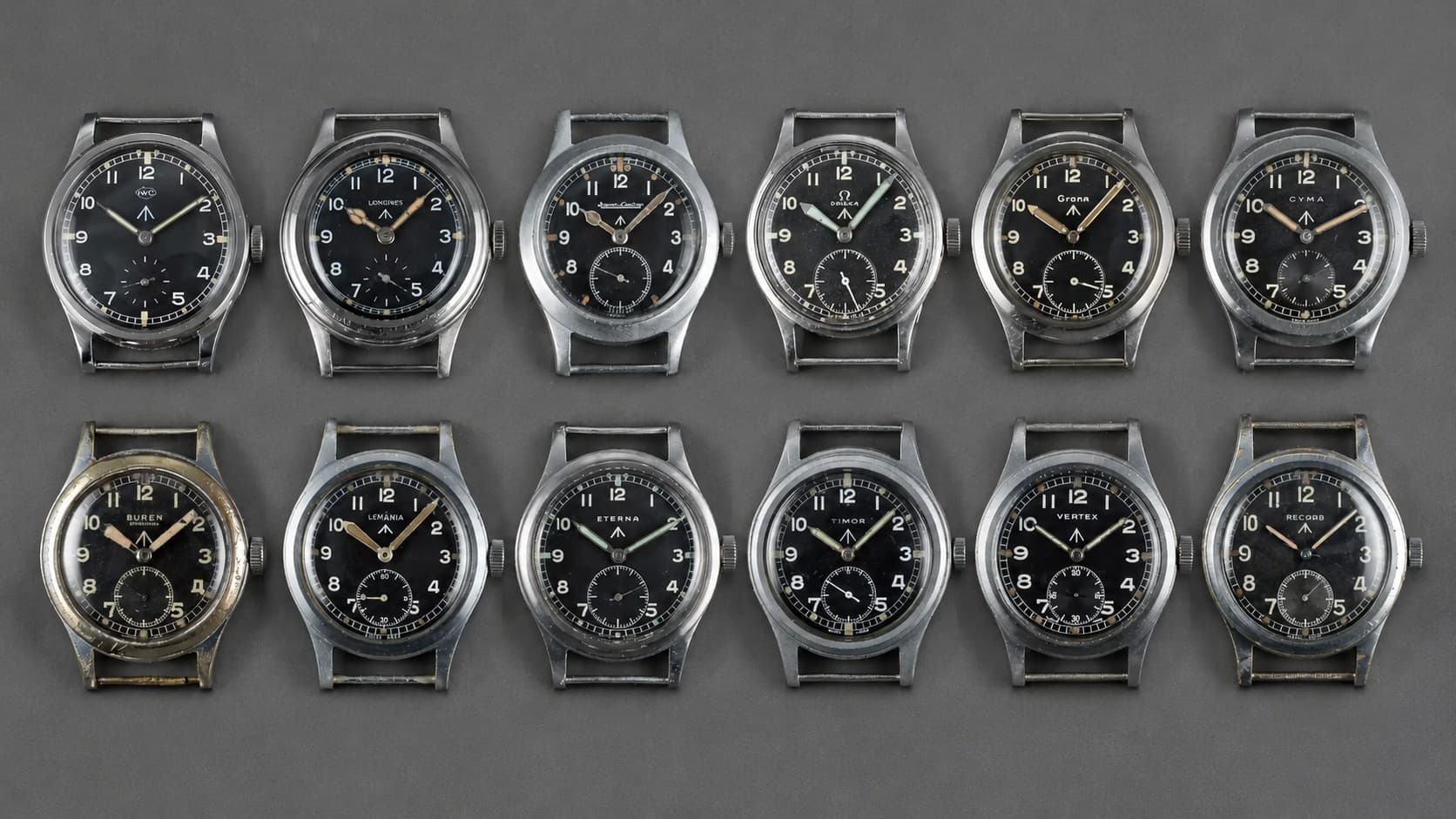
- Historical precedent for mixed-component timepieces extends back decades, particularly in military applications where contracts often specified movements from one supplier with cases from another manufacturer. These officially sanctioned hybrid configurations created legitimate watches that collectors now prize, despite their mixed heritage challenging modern purist definitions of authenticity.
- Contemporary motivations for creating Frankenwatches vary widely, from practical necessity when original parts aren’t available for vintage restoration, to creative expression allowing enthusiasts to build their ideal timepiece from existing components, to budget considerations making desirable aesthetics accessible through mixed-source assembly.
- Quality and execution standards differ dramatically across the Frankenwatch spectrum, ranging from crude assemblies using incompatible parts that may not function reliably, to sophisticated builds executed by skilled watchmakers using compatible components that operate as well as any factory original while achieving unique aesthetic goals.
- Market acceptance depends heavily on transparency and intent, with honestly disclosed modifications for personal use or creative projects receiving different reception than deceptively marketed assemblies presented as authentic originals to unsuspecting buyers seeking investment-grade collectibles.
The Frankenwatch phenomenon ultimately reflects broader tensions in collecting culture between preserving historical authenticity and enabling personal expression through customization. While purists maintain that only factory-original configurations possess true legitimacy, others argue that thoughtful modifications can honor horological heritage while meeting contemporary needs and preferences. The key distinction lies not in the mixing of components itself, but in the honesty and intent behind both the creation and sale of these hybrid timepieces.
The Story Behind Frankenwatches: Historical Origins
The story of Frankenwatches begins long before the term itself was coined, rooted in both practical necessity and The practice of combining watch components from different sources predates the modern term “Frankenwatch” by many decades, emerging from practical necessities, military requirements, and evolving collector attitudes toward vintage timepiece ownership. Understanding this historical context helps explain why mixed-component watches exist today and why they generate such passionate debates within the collecting community.
- Military procurement during both World Wars often required manufacturers to use whatever compatible components were available, creating officially sanctioned hybrid timepieces that modern collectors now consider legitimate despite their mixed heritage. Government contracts frequently specified movements from established suppliers paired with cases from different manufacturers, prioritizing functionality and availability over brand consistency during wartime production pressures.
- The Swiss quartz crisis of the 1970s devastated traditional mechanical watchmaking, forcing many historic manufacturers out of business and creating severe shortages of replacement parts for vintage mechanical timepieces. This parts scarcity made restoration increasingly dependent on sourcing compatible components from multiple donor watches, normalizing the practice of mixing parts to keep vintage timepieces functioning.
- Early vintage watch collecting culture in the 1980s operated with less stringent authenticity standards than today’s market, as collectors focused more on mechanical functionality and general aesthetic appeal than precise historical accuracy. Many modifications that would be considered problematic Frankenwatches today were accepted practice when vintage watch knowledge was less comprehensive and documentation more limited.
- Internet commerce expansion in the 1990s and 2000s dramatically increased both opportunities for Frankenwatch creation and methods for deceptive sales, as global parts availability improved while buyer verification became more challenging in online transactions. This period saw the emergence of systematic Frankenwatch assembly operations targeting uninformed collectors through auction platforms and classified advertisements.
- High-profile authentication failures in recent years have heightened awareness of Frankenwatch issues, particularly when prestigious auction houses have mistakenly sold sophisticated assemblies as authentic collectibles for substantial sums. These incidents have led to improved verification procedures and greater collector education about identifying modifications, while simultaneously chilling markets for legitimately modified timepieces.
The evolution of Frankenwatch creation reflects changing economic conditions, parts availability, collector knowledge, and market dynamics over several decades. What began as practical wartime expedients and restoration necessities has developed into a complex phenomenon encompassing everything from honest hobbyist projects to sophisticated fraud operations. This historical progression helps explain why contemporary attitudes toward mixed-component watches vary so dramatically depending on context, execution, and disclosure practices.
Different Kinds of Frankenwatches You Should Know
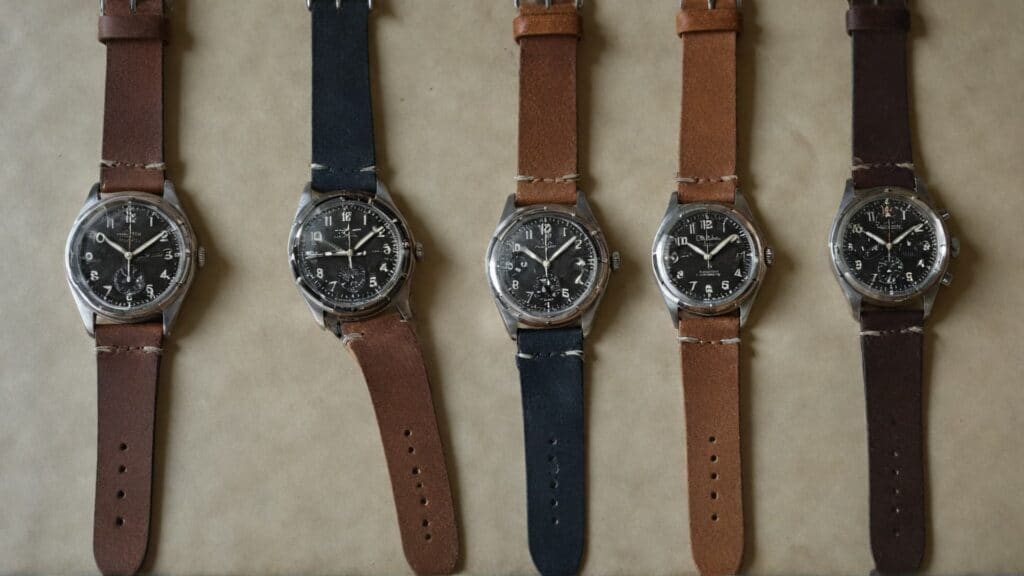
The world of Frankenwatches isn’t uniform - these hybrid timepieces exist in several distinct categories, each with its own motivations, methods, and market acceptance. Understanding these different types helps both collectors aThe diverse world of Frankenwatches encompasses several distinct categories, each with different motivations, methods, and market acceptance. Understanding these variations helps both collectors and casual observers navigate the complex landscape where legitimate restoration meets creative expression and occasionally crosses into problematic territory.
- Restoration Frankenwatches emerge from practical necessity when maintaining vintage timepieces requires components no longer available from original manufacturers. These watches typically combine period-appropriate parts from donor timepieces of similar vintage, prioritizing historical accuracy and mechanical functionality over strict brand consistency. Experienced restorers carefully match components by era, manufacturing tolerances, and aesthetic compatibility to preserve the vintage character while ensuring reliable operation.
- Creative Modification Frankenwatches represent intentional customization projects where enthusiasts combine elements from different models to achieve desired aesthetics or functionality unavailable in any single factory configuration. These builds often showcase impressive technical skill and deep horological knowledge, creating unique timepieces that blend the best characteristics from multiple source watches while maintaining mechanical integrity and visual appeal.
- Fantasy Frankenwatches attempt to create configurations that never existed historically, often targeting collector demand for rare or desirable variants that command premium prices in authentic form. These assemblies may feature elaborate backstories designed to convince buyers of their legitimacy, combining readily available components with sophisticated aging techniques and documentation to create convincing replicas of non-existent collectibles.
- Budget Frankenwatches provide affordable access to desirable aesthetics by combining lower-cost base watches with premium components or styling elements from more expensive models. These builds allow enthusiasts to achieve luxury appearance and functionality without luxury pricing, though they sacrifice authenticity and resale value for immediate affordability and personal satisfaction.
- Upgrade Frankenwatches enhance affordable timepieces with superior components like sapphire crystals, premium movements, or high-quality hands and dials to improve performance and durability beyond original specifications. These modifications often represent sensible improvements for daily-wear watches, prioritizing practical benefits over collectible authenticity for users who value functionality over investment potential.
The boundaries between these categories often blur in practice, with individual Frankenwatches potentially falling into multiple classifications depending on their construction methods, component sources, and intended purposes. The critical factors determining acceptance remain consistent across all categories: honest disclosure about modifications, appropriate pricing reflecting mixed heritage, and clear understanding of limitations regarding authenticity, serviceability, and future value retention.
Frankenwatch Assembly: How Mixed Watches Are Built
Creating a Frankenwatch involves complex processes that can range from simple component swapping to sophisticated assembly operations requiring significant horological expertise and specialized equipment. The methods and quality standards vary dramatically depending on the creator’s skills, available resources, and ultimate objectives for the finished timepiece.
- Component compatibility assessment forms the foundation of successful Frankenwatch creation, requiring detailed knowledge of case dimensions, movement specifications, dial configurations, and hand mounting systems across different models and manufacturers. Successful builders develop extensive databases of interchangeable parts, understanding which movements fit particular cases, which dials work with specific hand sets, and how different components interact mechanically and aesthetically.
- Basic tool requirements include standard watchmaking implements for case opening, movement handling, and component installation, though sophisticated projects may demand specialized equipment for dial refinishing, hand modification, or case alterations. Professional-level Frankenwatch operations often maintain extensive inventories of donor watches, new-old-stock components, and aftermarket parts to support systematic assembly processes.
- Assembly techniques vary from straightforward part swapping using compatible components to complex modifications requiring machining, refinishing, or adaptation to make incompatible elements work together. Skilled builders may perform dial refinishing, hand reshaping, movement modifications, or even case alterations to achieve their desired configurations while maintaining mechanical reliability.
- Quality control measures separate professional-grade assemblies from amateur attempts, involving careful attention to component fit, mechanical function, aesthetic harmony, and long-term reliability. Experienced builders test assembled watches extensively, regulate movements for accurate timekeeping, and ensure all modifications maintain structural integrity under normal use conditions.
- Documentation practices among legitimate builders include maintaining detailed records of component sources, modification procedures, and assembly specifications to support future service needs and provide transparency for potential buyers. Responsible creators preserve original components when possible and maintain clear records of all changes made during the assembly process.
The sophistication of modern Frankenwatch creation has reached levels that challenge even experienced collectors’ authentication abilities, with some operations using computer-controlled equipment, chemical aging processes, and extensive research into historical manufacturing techniques. This evolution has made distinguishing high-quality assemblies from authentic pieces increasingly difficult, requiring buyers to develop specialized knowledge or seek expert authentication services when evaluating potentially modified timepieces.mber formats, manufacturing tolerances, and period-correct finishing techniques that distinguish authentic pieces from even the most carefully assembled Frankenwatches.
Best Watch Brands for Frankenwatches
Certain watch brands have become particularly popular targets for Frankenwatch creation, driven by factors including parts availability, movement compatibility, case design flexibility, and market demand for specific aestheticsCertain watch manufacturers have become frequent targets for Frankenwatch creation due to factors including parts availability, design flexibility, movement compatibility, and market demand for specific aesthetic characteristics. Understanding which brands are commonly involved helps buyers identify potential modifications and explains vulnerability patterns across different market segments.
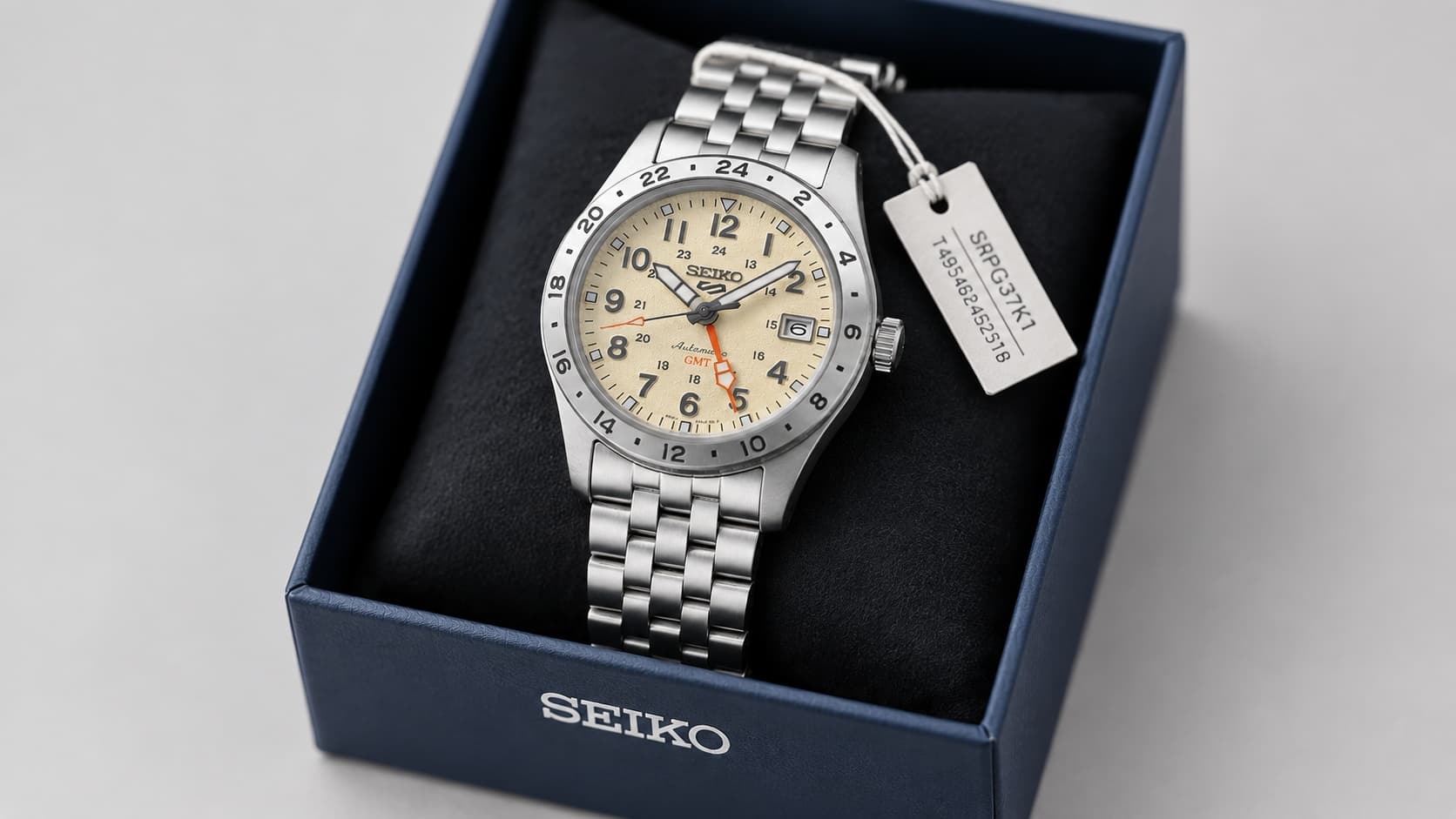
- Seiko dominates the modification scene due to abundant aftermarket support, compatible component designs across model lines, and enthusiastic global communities dedicated to customization projects. The brand’s modular approach to case and movement design makes part swapping relatively straightforward, while extensive production volumes ensure ready availability of donor components from multiple sources and eras.
- Rolex vintage pieces frequently appear in Frankenwatch scenarios, particularly Submariner and GMT models where parts compatibility across different production periods creates opportunities for mixing components from various decades. The significant value differentials between different Rolex configurations provide strong financial incentives for creating rare variants through selective component combination.
- Omega timepieces, especially Speedmaster and Seamaster families, represent popular targets due to shared movement platforms and case designs across multiple product lines throughout several decades of production. The brand’s extensive use of common calibers like Valjoux movements creates numerous compatibility opportunities for mixing components between different models and time periods.
- Military surplus watches from various manufacturers form a special category where mixed components were historically acceptable or even standard practice during original production. Brands like Hamilton, Elgin, and numerous European manufacturers produced timepieces under government contracts that frequently specified mixing movements and cases from different suppliers.
- Swiss budget brands including Tissot, Longines, and other mid-tier manufacturers become targets because their movements and cases often shared components with more expensive contemporaries, allowing skilled assemblers to create desirable configurations using readily available donor parts from less valuable source watches.
The popularity of specific brands for Frankenwatch projects has created feedback loops where increased parts availability drives more modification activity, which in turn generates demand for additional components and specialized knowledge. This dynamic has led to entire industries developing around modification parts and services for popular platforms, with some suppliers specializing exclusively in components for particular watch families or modification styles.
Advantages and Disadvantages of Frankenwatches
The debate over Frankenwatches reveals deeply divided opinions within the watch community, with valid arguments on multiple sides depending on perspective, purpose, and ethics. Understanding both the advantages anThe debate surrounding Frankenwatches reveals fundamental disagreements within the watch community about authenticity, value, and acceptable modification practices. Understanding both advantages and disadvantages helps potential buyers make informed decisions based on their priorities and expectations.
- Affordability represents the most compelling advantage for many enthusiasts, providing access to desirable aesthetics and functionality at fractions of authentic pricing. Budget-conscious collectors can experience vintage styling, mechanical movements, or premium materials through Frankenwatches that would otherwise remain financially inaccessible, enabling broader participation in horological appreciation despite economic constraints.
- Customization possibilities offer creative freedom impossible with any single manufacturer’s catalog, allowing owners to combine preferred elements from different models or eras into personalized timepieces. This flexibility appeals to enthusiasts who view watches as platforms for personal expression rather than purely collectible artifacts, enabling unique configurations that reflect individual tastes and preferences.
- Educational value emerges through research and assembly processes that teach component compatibility, manufacturing variations, and horological history in ways impossible through passive ownership of authentic pieces. Many collectors credit Frankenwatch projects with developing expertise later applied to authentic piece evaluation and restoration work.
- Reduced collectible value stands as the primary disadvantage, with modified timepieces typically worth significantly less than authentic originals regardless of assembly quality or component authenticity. This depreciation affects even high-quality builds using genuine manufacturer parts, making Frankenwatches poor choices for investment-oriented buyers seeking long-term appreciation potential.
- Authentication challenges create ongoing complications for both current owners and potential future buyers, as distinguishing sophisticated assemblies from authentic pieces requires specialized knowledge and may be impossible without detailed technical examination. This uncertainty affects marketability and creates potential for disputes even when modifications are honestly disclosed.
- Service limitations emerge because authorized repair centers typically refuse modified timepieces while independent watchmakers may lack familiarity with mixed-component systems, creating ongoing maintenance challenges that can exceed the watches’ modest values. Parts sourcing for future repairs becomes exponentially more complex when dealing with hybrid assemblies combining components from multiple sources.
The ultimate assessment of Frankenwatches depends heavily on individual priorities, with personal enjoyment and creative satisfaction potentially justifying their limitations for some buyers while investment focus and authenticity concerns make them inappropriate for others. Success requires honest evaluation of expectations, careful attention to pricing and disclosure practices, and acceptance of inherent compromises regarding value retention and long-term serviceability.
How to Tell if a Watch is a Frankenwatch
Detecting Frankenwatches requires combining research skills, technical knowledge, and careful observation to spot inconsistencies that reveal mixed-component assembly. The challenge has increased significantly as assembly techniques have become more sophisticated, requiring buyers to develop specialized expertise or seek professional authentication assistance.
- Comprehensive research before any purchase involves studying authentic examples through manufacturer resources, collector databases, and historical documentation to understand original specifications, production variations, and known configurations. This groundwork provides the foundation for recognizing deviations from factory standards that might indicate component substitution or modification.
- Component dating analysis examines serial numbers, manufacturing marks, and production characteristics across all major parts to verify they originate from compatible time periods and production runs. Mismatched dating often reveals Frankenwatches where components from different eras have been combined to create configurations that never existed originally.
- Visual consistency evaluation looks for aging patterns, patina development, and wear characteristics that should match across original components but often differ when parts from multiple sources are combined. Authentic vintage pieces develop patina uniformly across all original elements, while Frankenwatches frequently show inconsistent aging that betrays their mixed heritage.
- Technical specification verification confirms that all components meet documented standards for specific models and production periods, including movement types, case dimensions, dial layouts, and hand configurations. Careful comparison with authenticated examples often reveals subtle deviations in fonts, proportions, or finishing that indicate replacement or modification.
- Professional consultation provides access to specialized knowledge and authentication tools beyond typical collector resources, particularly valuable when evaluating expensive pieces or sophisticated assemblies that challenge amateur detection abilities. Expert opinions can identify technical details invisible to casual observers while providing documentation for insurance or resale purposes.
- Market analysis considers pricing, seller reputation, and transaction circumstances that may indicate potential authenticity issues, as legitimate rare pieces typically come with appropriate documentation and provenance while suspiciously affordable examples often hide modification histories.
The arms race between Frankenwatch creation and detection continues evolving as both sides develop more sophisticated techniques, making authentication an ongoing challenge requiring constant learning and adaptation. Buyers must balance healthy skepticism with practical collecting goals, understanding that perfect certainty may be impossible while developing sufficient expertise to make reasonable risk assessments based on available evidence and personal tolerance levels.watch, as long as you understand that’s what it is, and enjoy it as that. The most important principle is understanding what you’re buying and ensuring that the price and your expectations align with the watch’s actual condition and authenticity status. When in doubt, seeking multiple expert opinions and conducting thorough research remains the best defense against unwanted surprises in the complex world of vintage watch collecting.
Are Frankenwatches Good Investments?
The financial implications of choosing Frankenwatches over authentic pieces extend far beyond initial purchase prices, affecting insThe financial implications of choosing Frankenwatches over authentic pieces extend far beyond initial purchase prices, affecting insurance coverage, maintenance costs, and long-term value retention in ways that fundamentally alter the ownership experience and economic outcomes.
- Value retention shows dramatic differences between authentic and modified timepieces, with original examples from established manufacturers typically maintaining or appreciating while Frankenwatches almost universally depreciate regardless of component quality or assembly craftsmanship. Even manufacturer-authorized repairs using genuine parts can reduce values of authentic pieces, making unauthorized modifications even more detrimental to financial performance.
- Investment potential varies completely between categories, with authentic pieces from premium brands offering legitimate appreciation opportunities while Frankenwatches represent depreciating assets similar to modified automobiles or customized electronics. Successful luxury watch investment depends heavily on authenticity documentation, original configuration, and historical significance that Frankenwatches cannot possess by definition.
- Insurance complications arise because coverage providers struggle to assign appropriate values to modified timepieces with unclear provenance and mixed component sources. Authentic watches benefit from established market values and standardized appraisal procedures, while Frankenwatches often face coverage limitations or require specialized policies that may not fully protect their owners’ investments.
- Maintenance costs become ongoing burdens when authorized service centers refuse modified pieces and independent watchmakers charge premium rates for unfamiliar hybrid systems requiring specialized knowledge and non-standard parts sourcing. These service limitations can make routine maintenance more expensive than the watches’ actual values.
- Market liquidity differs substantially between authentic and modified pieces, with original watches enjoying broad appeal and established sales channels while Frankenwatches face limited buyer pools primarily consisting of hobbyists, modding enthusiasts, or budget-conscious purchasers seeking affordable alternatives to authentic examples.
- Exceptional cases occasionally challenge general rules, particularly for high-quality assemblies using premium components or historically significant modifications that appeal to specialized collector niches. Some well-executed Frankenwatches may achieve respectable prices within their limited markets, though they remain fundamentally different investments from authentic pieces.
The stark reality is that Frankenwatches occupy completely different economic territory from authentic watches, serving buyers with different priorities and accepting different compromises. While authentic luxury timepieces offer genuine investment potential and broad market acceptance, Frankenwatches function more like consumable goods providing temporary enjoyment rather than long-term value preservation. Buyers must honestly assess their goals and choose accordingly, understanding that financial performance will differ dramatically between these categories regardless of personal satisfaction levels.
The Ethics and Legality of Frankenwatches
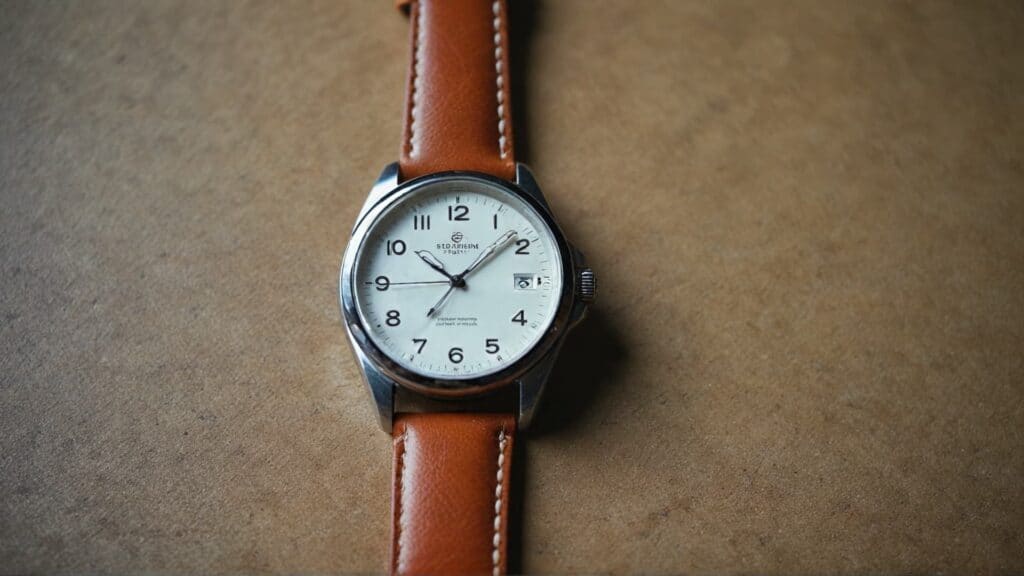
The moral and legal landscape surrounding Frankenwatches involves complex considerations of intent, disclosure, intellectual property, and consumer protection that vary significantly across jurisdictions and circumstances. Understanding these factors helps both creators and buyers navigate potential ethical and legal pitfalls.
- Personal creation and ownership generally raise no ethical concerns when done for individual enjoyment without intent to deceive others, similar to car modification or other customization hobbies. Private modification projects represent legitimate expressions of personal preference and mechanical interest, provided they don’t involve trademark violations or fraudulent representation during any subsequent sales.
- Transparency in transactions forms the ethical cornerstone, with honest disclosure transforming potentially problematic sales into acceptable transfers between informed parties. The moral line is crossed when sellers misrepresent hybrid watches as factory originals or attempt to deceive buyers about component authenticity, sources, or modification history for financial gain.
- Intellectual property considerations create the most significant legal risks, particularly when branded components are combined inappropriately or copyrighted logos appear on modified dials without authorization. Using aftermarket parts bearing manufacturer trademarks or creating fantasy configurations that never existed can violate intellectual property rights even when other components are genuine.
- Commercial sales occupy complex legal territory where consumer protection laws, trademark enforcement, and fraud statutes may apply depending on representation practices and local regulations. Fraudulent misrepresentation becomes clearly illegal when sellers knowingly present modified watches as authentic originals to command higher prices from unsuspecting buyers.
- Community standards emphasize full disclosure and honest representation as fundamental principles protecting both buyers and market integrity. Violating these informal standards through deceptive practices damages individual reputations and broader collecting community trust, often resulting in social consequences beyond any legal ramifications.
- Proportionality influences ethical judgments, with minor modifications on inexpensive pieces carrying different moral weight than sophisticated frauds targeting high-value collectibles with elaborate deception schemes. The scale of potential harm and degree of intentional deception factor heavily into community and legal responses to questionable practices.
The evolution of Frankenwatch ethics reflects broader changes in collecting culture emphasizing transparency, informed consent, and honest dealing. While legal standards vary by jurisdiction and continue evolving with changing technology and market practices, ethical principles remain consistent: honest disclosure, fair pricing, and respect for others’ rights to make informed decisions based on accurate information about timepiece origins and modifications.
Should You Buy a Frankenwatch?
The decision to purchase a Frankenwatch requires honest self-assessment of priorities, expectations, and tolerance for the inherent limitations and compromises these hybrid timepieces represent. Rather than universal recommendations, the choice depends on individual circumstances and clearly understood tradeoffs.
- Budget-conscious enthusiasts often find Frankenwatches appealing as affordable alternatives to expensive authentic pieces, providing access to desirable aesthetics and mechanical experiences at significantly reduced costs. These buyers prioritize wearing enjoyment over investment potential, accepting modified heritage in exchange for immediate accessibility to interesting timepieces that might otherwise remain financially out of reach.
- Learning-oriented buyers benefit from the research and evaluation skills developed through Frankenwatch investigation, building expertise that transfers to authentic piece assessment and general horological knowledge. The process of identifying modifications, understanding component compatibility, and recognizing manufacturing variations provides valuable education for future collecting activities.
- Serious collectors and investment-focused buyers should generally avoid Frankenwatches unless they possess specific expertise and clear understanding of acquisition goals. Those seeking authentic examples, long-term appreciation potential, or collection prestige will find modified pieces fundamentally unsuitable for their objectives, regardless of assembly quality or component authenticity.
- Transparency requirements make seller honesty the crucial determining factor, with full disclosure about modifications, limitations, and history enabling informed decision-making while deceptive representation creates unacceptable risks. Buyers who understand exactly what they’re purchasing can make appropriate value assessments, while those relying on incomplete or misleading information face inevitable disappointment.
- Risk tolerance considerations include acceptance of limited serviceability, potential reliability issues, and minimal resale value that characterize most Frankenwatches regardless of initial assembly quality. Buyers must treat these purchases as consumable items providing temporary enjoyment rather than lasting investments or heirloom pieces.
- Personal satisfaction criteria can justify Frankenwatch ownership when buyers approach purchases with realistic expectations and appropriate pricing, finding genuine pleasure in wearing unique or historically inspired timepieces despite their mixed heritage. Some enthusiasts genuinely appreciate the craftsmanship and creativity involved in well-executed assemblies, accepting authenticity compromises for aesthetic or mechanical interest.
Success with Frankenwatch ownership requires honest evaluation of personal goals, careful verification of seller transparency, and acceptance of inherent limitations regarding value retention, service support, and collector acceptance. Buyers who understand these constraints and price accordingly may find satisfaction in these hybrid timepieces, while those expecting authentic watch experiences will likely face disappointment regardless of purchase price or assembly quality.
How to Care for a Frankenwatch
Maintaining a Frankenwatch presents unique challenges that require different approaches from authentic timepiece care, with limited service options, complex parts sourcing, and reliability considerations that owners must understand and prepare for throughout the ownership experience.
- Service limitations represent the most significant ongoing challenge, as authorized repair centers typically refuse modified timepieces while independent watchmakers may lack familiarity with hybrid systems combining components from multiple sources. This restriction forces owners to develop relationships with specialists willing to work on modified pieces or acquire basic maintenance skills for routine care and minor repairs.
- Parts sourcing becomes exponentially more complex when dealing with assemblies that may combine components from different manufacturers, model lines, or production periods without standardized replacement part availability. Unlike authentic watches with established parts catalogs and supplier networks, Frankenwatch owners must often source components from multiple origins or accept generic alternatives that may compromise fit or function.
- Documentation preservation becomes crucial for future service needs, with owners advised to maintain detailed records of component sources, modification history, specifications, and any available technical information about the mixed systems. This documentation helps future service providers understand the watch construction and identify appropriate replacement parts when needed.
- Preventive care assumes increased importance since repair options may be limited or economically unfeasible, making protection from damage, moisture, and excessive wear essential for extending service life. Owners must be more cautious about exposure to conditions that might necessitate expensive interventions, treating their watches more delicately than fully supported authentic pieces.
- DIY maintenance skills become valuable assets for owners who may need to perform basic adjustments, cleaning, or minor repairs that would normally be handled by professional service centers. Learning fundamental watchmaking techniques and acquiring appropriate tools can help address issues without expensive professional interventions that may exceed the watches’ modest values.
- Realistic expectations about longevity and performance must guide care decisions, as hybrid assemblies may not achieve the reliability or lifespan of properly engineered and supported authentic timepieces. Some owners approach Frankenwatches as interesting mechanical projects rather than precision instruments, adjusting their expectations and maintenance approaches accordingly.
Successful Frankenwatch maintenance requires understanding and accepting these limitations while developing strategies that work within existing constraints. Owners who invest in preventive care, maintain good documentation, develop basic repair skills, and treat their timepieces as mechanical curiosities rather than precision instruments often enjoy years of satisfactory service despite the inherent challenges. However, those expecting manufacturer-level support and long-term reliability equivalent to authentic pieces will likely face frustration and disappointment as ongoing maintenance issues arise.
The Future of Frankenwatches
The trajectory of Frankenwatches within the evolving watch ecosystem reflects advancing technology, changing collector attitudes, and market dynamics that will reshape how these hybrid timepieces are created, perceived, and valued in coming years.
- Authentication technology advances will make identifying modifications increasingly sophisticated through blockchain verification, digital certificates, and advanced analysis techniques that reduce opportunities for deceptive sales while clarifying distinctions between honest modifications and fraudulent assemblies. These technological improvements will force greater market transparency and may reduce the financial incentives for creating deceptive Frankenwatches.
- Growing customization culture among younger collectors may legitimize certain modification approaches as more enthusiasts embrace personal expression over strict originality, viewing watches as platforms for creativity rather than purely collectible artifacts. This cultural shift could create more acceptance for thoughtfully executed modifications that honor horological heritage while meeting contemporary aesthetic preferences.
- Sustainability concerns within luxury markets may drive increased acceptance of restoration and hybrid approaches as environmental consciousness grows and collectors become more interested in preserving existing timepieces rather than always demanding new production. Frankenwatches that extend component life or create functional watches from otherwise discarded parts may gain environmental credibility.
- Educational resources and collector knowledge continue expanding through online communities, reference materials, and shared expertise that make deceptive practices harder to execute while simultaneously creating more appreciation for honest modifications and creative assemblies. Improved authentication abilities may separate legitimate projects from fraudulent schemes more effectively.
- Manufacturer customization programs offering official modification services may reduce demand for aftermarket Frankenwatches by providing legitimate alternatives for buyers seeking unique configurations without compromising authenticity. These programs could satisfy personalization desires while maintaining official support and value retention characteristics.
- Market segmentation will likely create distinct niches where Frankenwatches serve specific purposes - from affordable entry points for new collectors to creative platforms for modification enthusiasts - while serious investment and collecting markets maintain strict authenticity standards for premium pieces.
The future suggests that Frankenwatches will neither disappear nor achieve universal acceptance, but will instead find appropriate places within an increasingly diverse and segmented market. As the watch community becomes more inclusive and technology improves authentication capabilities, different approaches to modification and ownership will coexist with transparency and honest disclosure remaining the key factors determining ethical acceptance. The most successful path forward involves honest representation, appropriate pricing, and clear understanding of these timepieces’ roles as creative expressions or practical solutions rather than attempts to deceive collectors seeking authentic examples.
Conclusion
Frankenwatches represent one of the most complex and controversial aspects of modern watch collecting, embodying tensions between authenticity and creativity, tradition and innovation, affordability and exclusivity. These hybrid timepieces, assembled from parts of different watches or manufacturers, exist across a broad spectrum from honest restoration projects and creative modifications to sophisticated frauds designed to deceive collectors and investors. The key to understanding Frankenwatches lies in recognizing that intent and transparency determine their ethical standing more than their mixed heritage alone.
For potential buyers, the decision to purchase a Frankenwatch should align with realistic expectations and honest self-assessment of goals. Those seeking investment potential, collector acceptance, or authentic vintage experience will find Frankenwatches fundamentally unsuitable. However, buyers who prioritize personal enjoyment, unique aesthetics, or affordable access to interesting timepieces may find satisfaction in appropriately priced and honestly represented hybrid watches. The future will likely see these timepieces find their place within distinct market niches, serving specific purposes while coexisting with traditional collecting approaches.
The Frankenwatch phenomenon reflects broader questions about authenticity, value, and personal expression in collecting culture. As the watch community becomes more diverse and inclusive, it must balance respect for traditional collecting values with acceptance of creative modification and restoration practices. The future success of this balance depends on maintaining clear distinctions between honest customization and deceptive fraud, ensuring that all participants can make informed decisions based on complete and accurate information about what they’re buying, selling, or creating.