Dive watches represent the perfect marriage of form and function in the world of horology. These specialized timepieces emerged in the 1950s alongside the growing popularity of recreational scuba diving, evolving from mere timekeepers into essential underwater tools. Today, dive watches are beloved by both serious underwater explorers and everyday enthusiasts who appreciate their distinctive aesthetics, remarkable durability, and rich heritage. Whether you’re planning to explore coral reefs or simply want a reliable, stylish timepiece for everyday wear, understanding what makes a true dive watch—and how to select one that fits your needs—can help you make an informed choice about this iconic category of watches.
Dive Watch Definition
A dive watch is a specialized timepiece engineered to function reliably underwater at significant depths while providing crucial timing capabilities. Unlike regular watches with basic water resistance, true dive watches are built to exacting standards that ensure their functionality in the challenging conditions experienced during diving activities. These timepieces combine robust construction, specialized features, and high visibility to create instruments that can be relied upon in environments where timing can be a matter of safety.
- A true dive watch must be water-resistant to at least 100 meters (330 feet) according to ISO 6425 standards, though many modern models exceed this with ratings of 200-300 meters or more. This depth rating indicates the watch has been tested to withstand water pressure at these depths without leaking, which is essential for protecting the delicate movement inside.
- Dive watches feature a unidirectional rotating bezel with minute markings that allows divers to track elapsed time underwater. This critical safety feature can only rotate counterclockwise, ensuring that if accidentally bumped, it will only show that more time has elapsed than actually has, prompting the diver to surface earlier rather than later—a potentially life-saving precaution.
- All legitimate dive watches incorporate luminous materials on the hands, hour markers, and bezel zero marker to ensure readability in the low-light conditions encountered underwater. Modern watches typically use photoluminescent materials like Super-LumiNova, while vintage models often used radioactive substances like radium or tritium.
- The case construction of dive watches is significantly more robust than standard timepieces, featuring thicker case walls, reinforced crystals, and specialized sealing systems to withstand extreme pressure. Many professional models undergo extensive pressure testing beyond their stated depth ratings as an additional safety margin.
- Most dive watches use a screw-down crown system that creates a watertight seal at one of the most vulnerable points of water ingress. When properly secured, the crown threads into the case, compressing gaskets to prevent water entry during submersion.
While dive computers have largely replaced mechanical watches as primary diving instruments for professionals, dive watches remain valued as reliable backups that don’t require batteries and for their distinctive style that connects wearers to the rich tradition of underwater exploration. The enduring appeal of these timepieces speaks to both their practical utility and the adventurous spirit they represent—making them popular far beyond the diving community.
The Origin Story of Dive Watches
The evolution of dive watches mirrors humanity’s quest to explore the underwater world, with their development closely tied to advancements in diving technology. As recreational scuba diving became possible in the mid-20th century, watchmakers responded by creating specialized timepieces that could withstand the unique challenges of the underwater environment. These early innovations established design principles that continue to define dive watches today.
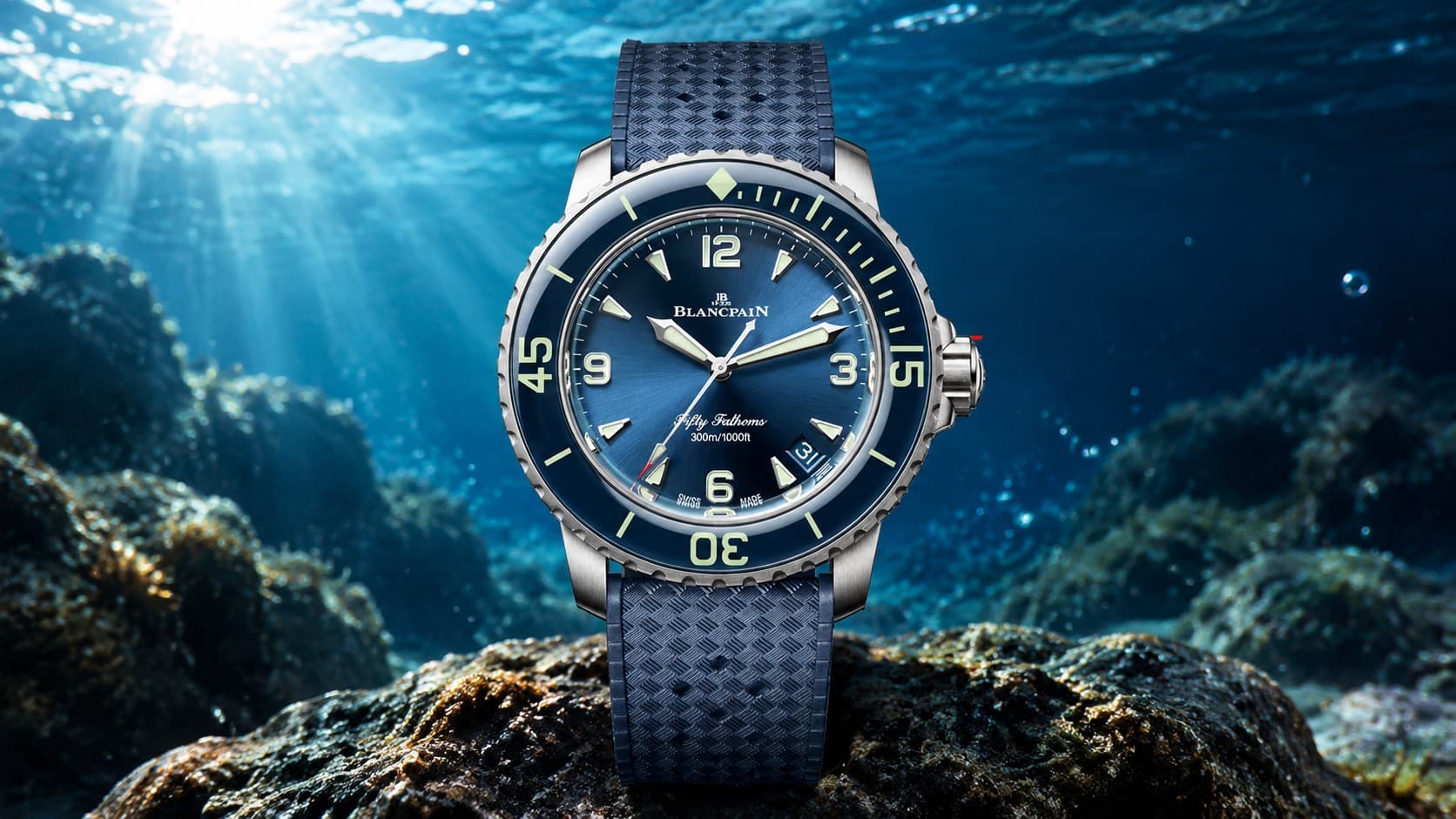
- The Blancpain Fifty Fathoms, introduced in 1953, is widely recognized as the first purpose-built modern dive watch. It was developed in collaboration with French combat swimmers (the “Nageurs de Combat”) under the leadership of Captain Robert Maloubier, who needed a reliable timing instrument for underwater missions. The watch featured an innovative unidirectional rotating bezel, exceptional water resistance to 91.44 meters (50 fathoms), and high visibility with luminous markers—establishing the blueprint for dive watches that continues today.
- Rolex unveiled the Submariner in 1953 (with commercial availability in 1954), featuring groundbreaking 100-meter water resistance achieved through their patented Oyster case and screw-down crown system. The Submariner would go on to become perhaps the most recognized dive watch in history, gaining popularity through its association with Jacques Cousteau’s underwater documentaries and as James Bond’s timepiece in early 007 films.
- Throughout the 1960s, dive watches evolved to meet the demands of commercial saturation diving, where divers lived in pressurized chambers for days or weeks. This led to innovations like the helium escape valve, first pioneered by Rolex and Doxa around 1967, which allowed trapped helium molecules to safely exit the watch case during decompression to prevent damage.
- The 1970s saw the introduction of more affordable dive watches from Japanese manufacturers like Seiko, whose iconic 6105 model (worn by Martin Sheen in “Apocalypse Now”) and subsequent Professional Diver’s models democratized access to reliable underwater timepieces while introducing innovations in case design and construction.
- By the 1980s, digital dive computers began replacing mechanical watches as primary underwater timing and depth-tracking instruments. Despite this technological shift, traditional dive watches remained popular both as backup instruments and for their distinctive aesthetic, leading to the diverse market of dive watches we see today.
The history of dive watches reflects a continuous interplay between function and style, with innovations driven by real underwater needs eventually becoming distinctive design elements appreciated by watch enthusiasts worldwide. Today’s dive watches honor this heritage while incorporating modern materials and manufacturing techniques that make them more durable and accessible than ever before.
Important Dive Watch Features to Look For

What separates a true dive watch from merely water-resistant timepieces is a collection of specific features designed to ensure reliability, legibility, and functionality underwater. These elements form the foundation of dive watch design and are regulated by international standards to ensure these watches can perform as intended in challenging conditions. Understanding these essential characteristics helps distinguish authentic dive watches from watches that merely adopt the aesthetic.
- Water Resistance of at least 100 meters (330 feet) is the minimum requirement according to ISO 6425, the international standard for dive watches. This rating means the watch has been tested to withstand water pressure at that depth without leaking. However, most modern dive watches far exceed this minimum, with 200-300 meters being common for recreational dive watches, and professional models often rated to 500-1000 meters or more. This resistance is achieved through multiple gaskets, specialized case construction, and pressure-tested seals.
- A Unidirectional Rotating Bezel is perhaps the most recognizable feature of a dive watch. This bezel can only turn counterclockwise and features minute markings to track elapsed time underwater. The unidirectional mechanism is a critical safety feature—if accidentally bumped during a dive, it can only show that more time has elapsed than actually has, encouraging the diver to surface earlier rather than later. The bezels on quality dive watches have precise, notched movement with minimal play and are often designed to be operable while wearing diving gloves.
- Exceptional Legibility is crucial underwater where conditions can rapidly change from bright sunlight to near darkness. True dive watches feature high-contrast dials (typically dark backgrounds with bright markings), oversized hands and hour markers, and distinctive minute hands that are clearly differentiated from hour hands to prevent confusion during time-critical situations. ISO standards require that the watch must be readable at 25cm (9.8 inches) in total darkness.
- Luminous Elements are essential for underwater visibility as light diminishes rapidly with depth. Modern dive watches use photoluminescent materials like Super-LumiNova on the hands, hour markers, and critical bezel markings to ensure readability in dark conditions. The amount and quality of luminous material used significantly affects the watch’s practical utility as a diving instrument, with professional models featuring exceptionally bright and long-lasting luminosity.
- A Secured Crown is vital for preventing water ingress at one of the most vulnerable points in the watch case. Most dive watches use a screw-down crown system where the crown threads directly into the case tube, compressing gaskets to create a watertight seal. Many models also incorporate crown guards—protrusions in the case that help protect the crown from accidental impacts that could compromise water resistance.
- Robust Construction is essential for withstanding the pressures encountered underwater. Dive watches typically feature thicker case walls, reinforced sapphire or mineral crystals, solid casebacks secured with multiple gaskets, and bracelets or straps designed to remain secure during underwater activities. Many professional models incorporate additional features like extra case reinforcement or helium escape valves for saturation diving.
These core features form the foundation of dive watch design and ensure that these timepieces can perform reliably in the environments for which they were created. While modern dive computers have largely taken over the practical timing functions during dives, these traditional design elements continue to define the category and provide redundancy and reliability that electronic devices cannot always guarantee.
ISO 6425 Standards for Dive Watches
The International Organization for Standardization (ISO) established specific criteria for dive watches under ISO 6425 to ensure these timepieces meet minimum requirements for underwater use. These standards separate true dive watches from watches that merely adopt the styling without the functionality. Understanding these standards helps consumers identify watches genuinely suitable for diving activities versus those that merely look the part.
- ISO 6425 requires that a true dive watch must be water-resistant to a minimum depth of 100 meters (330 feet). This testing is more rigorous than standard water resistance testing, as the watches must undergo an overpressure test at 125% of the rated pressure. For example, a 200-meter rated dive watch must actually withstand testing at 250 meters of pressure to receive certification.
- A crucial element of the standard requires that every dive watch—not just representative samples—must be individually tested for water resistance when manufacturers claim ISO 6425 compliance. This 100% testing policy stands in contrast to other water-resistant watches where only random samples might be tested.
- The standard mandates specific features for time measurement underwater, including a unidirectional rotating bezel or other secure system to measure elapsed time up to 60 minutes. The time preselection device must be protected against inadvertent rotation or manipulation, which is why unidirectional bezels became the dominant solution.
- Legibility requirements are strictly defined, with the watch required to be clearly readable at 25 centimeters (9.8 inches) in total darkness. The minute hand must be clearly distinguishable from the hour hand, and the watch must have an indication that it is running even in complete darkness (typically through a luminous seconds hand).
- Magnetic resistance testing is part of ISO 6425, requiring the watch to maintain accuracy within ±30 seconds per day after exposure to a magnetic field of 4,800 A/m. This ensures the watch will continue to function properly around diving equipment that may generate magnetic fields.
- Shock resistance is tested according to ISO 1413, with the watch subjected to impacts equivalent to being dropped from 1 meter onto a hardwood surface. After this test, the watch must maintain its accuracy and water resistance to be certified.
- Additional tests include salt water resistance (24-hour immersion in a salt solution), thermal shock testing (rapid temperature changes), and pressure testing at the surface after depth exposure to ensure the integrity of the case remains intact throughout a diving cycle.
- For watches designated for mixed-gas diving (such as those used by saturation divers), additional standards apply, including testing for helium diffusion and subsequent release through mechanisms like helium escape valves.
While many dive watches on the market are designed to meet or exceed these specifications, not all manufacturers go through the formal certification process due to the expense involved. Some high-end manufacturers like Rolex conduct their own testing to standards that often exceed ISO requirements. Ultimately, the ISO 6425 standard provides a valuable benchmark for consumers to identify watches genuinely capable of performing reliably in underwater environments versus those merely adopting the aesthetic of dive watches.
Different Dive Watch Styles and Their Best Uses
The dive watch category encompasses a diverse range of timepieces designed for different underwater activities, user preferences, and price points. Understanding the various types of dive watches can help you select the model that best suits your specific needs, whether you’re a professional diver or someone who appreciates the distinctive style and durability these watches offer.
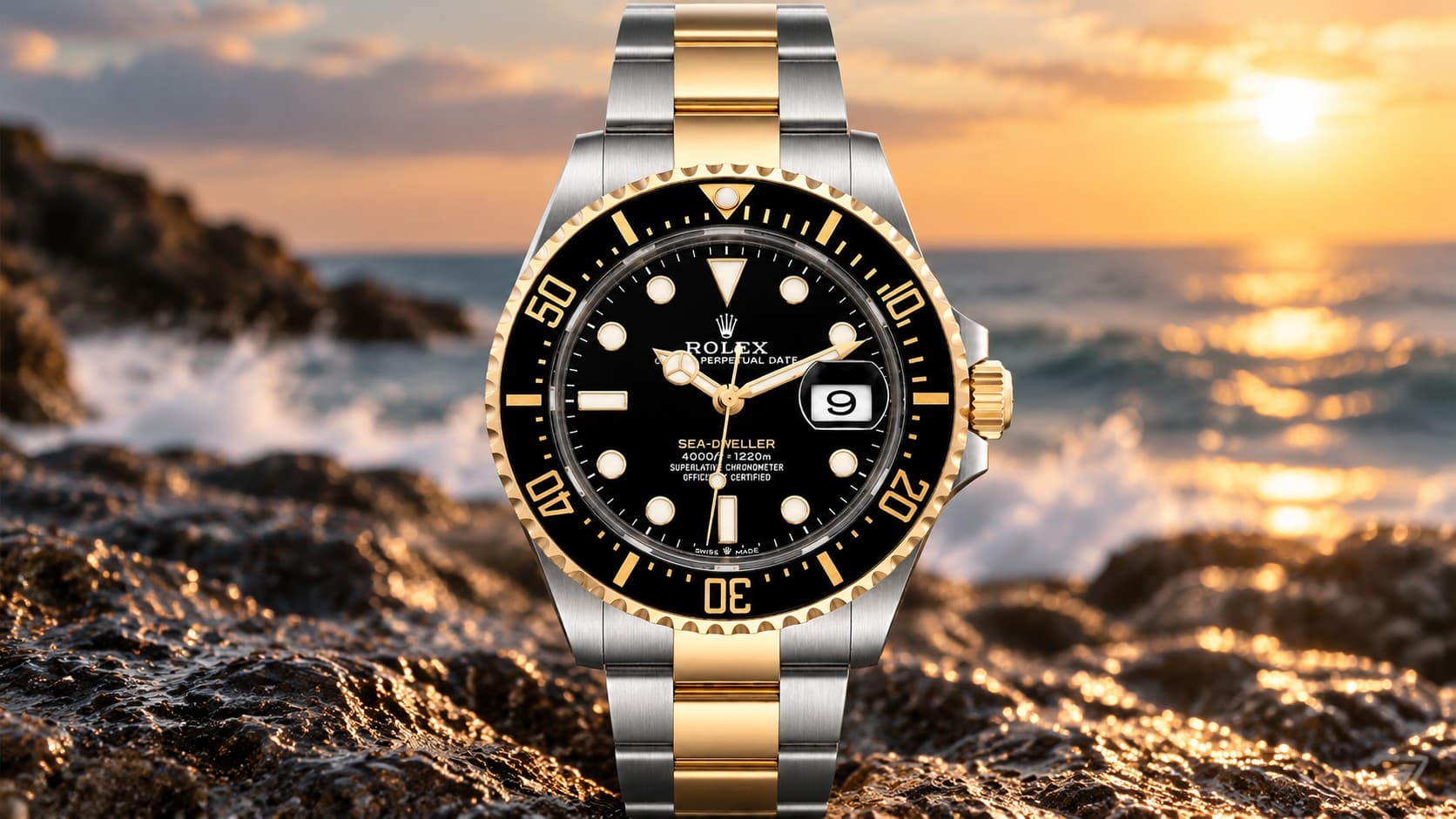
- Professional Dive Watches are engineered for serious underwater use, typically featuring water resistance of 300 meters or more, helium escape valves for saturation diving, and exceptional durability. These watches, like the Rolex Sea-Dweller or Omega Ploprof, often incorporate additional safety features, extra-thick crystals, and reinforced cases designed to withstand extreme conditions. They typically undergo testing beyond standard requirements and are built with minimal compromise for maximum reliability.
- Recreational Dive Watches constitute the largest segment of the market, designed for sport divers with water resistance typically between 200-300 meters. These models, such as the Seiko Prospex series or Oris Aquis, strike a balance between professional functionality and everyday wearability. They incorporate all the essential dive watch features while often being more comfortable for regular wear and more affordable than professional-grade models.
- Desk Divers are watches that adopt dive watch styling but are primarily worn for their aesthetic appeal rather than actual diving. While many still offer solid water resistance (100-200 meters), they may prioritize design elements over functional diving features. These watches appeal to those who appreciate the robust look of dive watches but don’t require professional-grade specifications.
- Vintage-Inspired Dive Watches pay homage to the golden age of underwater exploration with designs that reference iconic models from the 1950s-1970s. Watches like the Tudor Black Bay, Longines Legend Diver, or Baltic Aquascaphe combine modern reliability with aesthetic cues from historic models, including domed crystals, gilt dials, or retro bezel designs. These watches appeal to those who appreciate the history and heritage of dive watches.
- Technical Dive Watches focus on incorporating advanced technologies or materials, such as Sinn’s Tegimented steel, Bremont’s Trip-Tick case construction, or Ball’s tritium tube illumination. These watches often experiment with case materials like titanium, ceramic, or carbon composites to enhance performance characteristics like weight, scratch resistance, or magnetic immunity.
- Digital Dive Watches and Dive Computers, while technically separate from traditional dive watches, represent the evolution of underwater timing instruments. Models from brands like Suunto, Garmin, or Cressi provide digital precision with features like depth gauges, temperature sensors, and automatic dive logging capabilities. Many serious divers use these as primary instruments while wearing traditional dive watches as backups.
- Budget Dive Watches have democratized access to reliable underwater timepieces, with brands like Seiko, Citizen, and Orient offering ISO-compliant dive watches at affordable price points. Despite their accessibility, many of these watches provide excellent specifications and reliability, making real dive watch functionality available to enthusiasts at all budget levels.
The diversity within the dive watch category reflects both the varied requirements of underwater activities and the broad appeal these watches have developed beyond their functional origins. From hardcore professional tools to style-focused desk divers, there’s a dive watch suited to nearly every preference and purpose, united by design elements that trace back to the category’s pioneering roots in the 1950s.
Best Dive Watch Brands

The dive watch market features numerous established manufacturers with distinct approaches to underwater timepieces. These brands range from pioneering innovators who defined the category to newcomers bringing fresh perspectives to this enduring watch style. Understanding the strengths and heritage of major dive watch brands can help guide your selection based on what aspects you value most.
- Rolex stands as perhaps the most recognized name in dive watches, with the Submariner (introduced in 1953) becoming the archetype that many other brands emulate. Known for exceptional build quality, reliability, and status, Rolex dive watches feature in-house movements, proprietary materials like Cerachrom ceramic bezels, and evolutionary rather than revolutionary design changes. The brand’s higher-end Sea-Dweller and DeepSea models cater to professional diving needs with increased depth ratings and helium escape valves.
- Blancpain created the first purpose-designed modern dive watch with the Fifty Fathoms in 1953, developed for French combat swimmers. Today’s Fifty Fathoms collection maintains the distinctive DNA of the original while incorporating high-end finishing, sophisticated in-house movements, and premium materials. Blancpain positions their dive watches as luxury items that honor their pioneering heritage while embracing modern horological advancements.
- Omega has established the Seamaster line as one of the most diverse and successful dive watch collections. The Seamaster Professional 300M gained worldwide recognition as James Bond’s watch in the 1990s, while the Planet Ocean line offers higher-end specifications with co-axial movements and innovative materials. Omega consistently balances technical innovation with accessible design and strong marketing presence.
- Seiko revolutionized the dive watch market with professional-grade models at accessible price points, beginning with their landmark 62MAS in 1965. Their Prospex (“Professional Specifications”) line ranges from affordable entry-level divers to high-end models featuring Seiko’s Spring Drive technology. The brand is known for distinctive designs, excellent luminosity, and robust construction that often exceeds the performance expectations at their price points.
- Tudor, Rolex’s sister brand, has gained significant popularity with the Black Bay collection, which draws inspiration from vintage Tudor Submariners while incorporating modern manufacturing techniques and movements. Tudor offers much of the Rolex build quality and heritage at more accessible price points, making them a popular choice for enthusiasts seeking value without compromising on quality.
- Oris focuses exclusively on mechanical watches with their Aquis and Divers Sixty-Five collections representing different approaches to dive watches. The Aquis offers modern styling with robust specifications, while the Divers Sixty-Five line brings vintage-inspired aesthetics with contemporary reliability. Oris provides Swiss-made quality at relatively accessible price points compared to many luxury competitors.
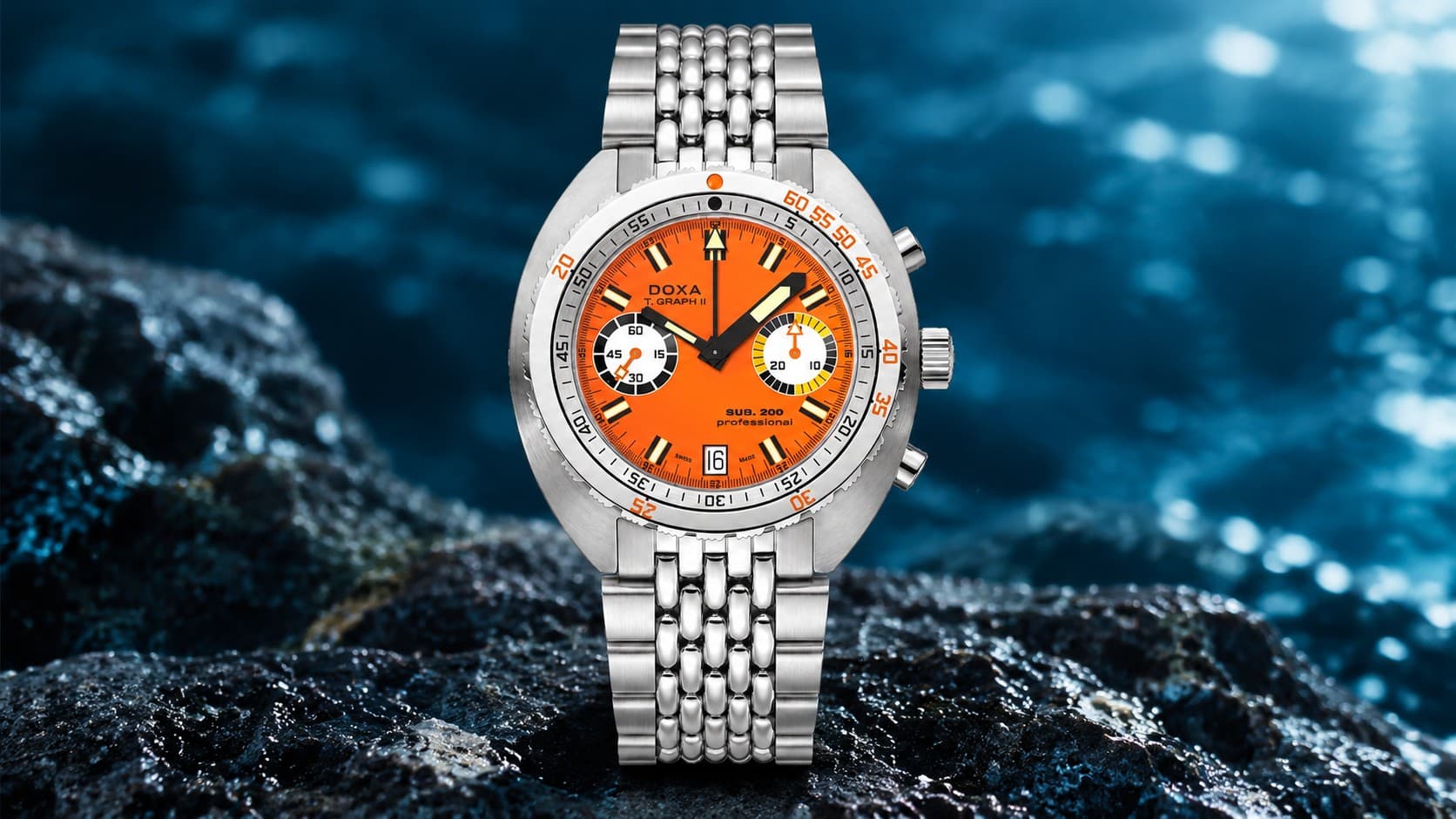
- Doxa holds special status among dive watch enthusiasts for their distinctive designs dating back to the 1960s, including the iconic orange dial introduced to maximize underwater visibility. Their SUB collection maintains unique features like the patented no-decompression bezel and tonneau-shaped cases, appealing to collectors who appreciate their authentic diving heritage and connections to Jacques Cousteau.
- Citizen and Casio represent Japanese engineering approaches to dive watches, with Citizen’s Promaster line featuring their Eco-Drive solar technology, while Casio’s G-Shock Frogman models offer digital functionality with exceptional durability. Both brands focus on practical innovation and reliability at accessible price points.
From luxury Swiss manufacturers to affordable Japanese giants, the diversity of brands producing dive watches ensures options for every budget and preference. While the specific models and technologies may vary, all these manufacturers contribute to the rich ecosystem of dive watches that continues to evolve while honoring the fundamental requirements that define this enduring category of timepieces.
How to Select Dive Watch for Your Needs
Selecting the right dive watch involves balancing practical considerations with personal preferences. Whether you’re purchasing a dive watch for actual underwater use or as a durable everyday timepiece, understanding the key factors that differentiate these watches can help you make an informed decision that you’ll be satisfied with for years to come.
- Water Resistance should be your primary consideration if you plan to use the watch for actual diving. For recreational diving (typically to depths of 30-40 meters), a 200-meter rated watch provides an ample safety margin. For professional diving or technical diving below recreational limits, consider watches with 300+ meter ratings. For desk divers who rarely go beyond swimming pools, 100-meter resistance may be sufficient, though 200-meter models offer greater peace of mind.
- Size and Comfort are crucial factors since dive watches tend to be larger and heavier than dress watches. Consider your wrist size when selecting case diameter (typically 38-44mm for most wrists) and pay attention to the lug-to-lug measurement, which determines how the watch sits on your wrist. Titanium models offer similar durability to steel with significantly reduced weight, making them more comfortable for extended wear.
- Movement Type affects reliability, accuracy, and maintenance requirements. Automatic mechanical movements offer traditional appeal and don’t require battery changes but need servicing every 5-7 years. Quartz movements provide superior accuracy and lower maintenance but require battery replacements. Solar-powered movements like Citizen’s Eco-Drive combine quartz accuracy with extended power reserves that eliminate frequent battery changes.
- Bezel Design and Operation should be evaluated hands-on whenever possible. The bezel should rotate with distinct clicks (typically 60 or 120 positions per rotation) and have minimal play. Check that the bezel alignment perfectly matches the dial markers—misalignment is a common quality control issue. The bezel grip pattern should allow for easy operation even with wet hands or thin diving gloves.
- Luminosity Quality varies significantly between models and directly impacts underwater usability. Look for generous application of luminous material on hands, hour markers, and the bezel zero marker. High-quality lume like Super-LumiNova C3 or BGW9 should glow brightly for several hours after exposure to light. Some manufacturers like Seiko and Citizen develop proprietary luminous compounds that outperform standard options.
- Bracelet or Strap Options affect both comfort and security underwater. Steel bracelets provide durability and a classic look but add weight. Rubber straps are ideal for actual diving, offering comfort, water resistance, and flexible fit over wetsuits. Many enthusiasts appreciate watches that use standard lug widths (20-22mm being most common), allowing for easy strap changes to match different activities or style preferences.
- Brand Heritage and After-Sales Support can significantly impact long-term ownership experience. Established brands typically offer better parts availability, service network, and resale value. Research warranty terms, service costs, and local service options before purchasing, especially for higher-end models that will eventually require professional maintenance.
- Price-to-Value Ratio varies widely in the dive watch market. Entry-level Japanese models from Seiko and Orient offer exceptional specifications at accessible price points ($200-500), while Swiss entry-level options typically start around $500-1,000. Mid-range Swiss and German brands ($1,000-3,000) offer improved finishing and materials, while luxury options ($3,000+) provide prestige, exceptional craftsmanship, and often better resale value.
By carefully considering these factors in relation to your specific needs and preferences, you can select a dive watch that provides the right balance of functionality, quality, and style. Remember that the best dive watch isn’t necessarily the most expensive or feature-packed model, but rather the one that best suits your individual requirements and will give you satisfaction each time you check the time.
How to Clean and Maintain Dive Watch
Proper maintenance of a dive watch ensures its longevity, reliable performance, and preserved appearance. Despite being built to withstand extreme conditions, dive watches require regular care to maintain their water resistance and functionality. Following these maintenance practices will help your dive watch remain in optimal condition for years or even decades of use.
- Rinse your dive watch thoroughly with fresh water after every exposure to salt water, chlorinated pool water, or sand. Salt crystals and chlorine can corrode watch components over time if left on the watch. Pay particular attention to cleaning the spaces between bracelet links, around the bezel edge, and the crown area where salt and debris can accumulate.
- Rotate the bezel during rinsing to help flush out any sand or salt particles that may have become trapped underneath. This prevents bezel stiffness and potential corrosion at the bezel mechanism. The bezel should maintain smooth, consistent rotation with distinct clicks—any change in feel may indicate salt buildup or damage requiring attention.
- Check your watch’s water resistance annually if you use it regularly for water activities. Water resistance diminishes over time as gaskets age and compress, even in high-quality watches. Most watchmakers and service centers can perform pressure testing without a full service to verify your watch remains water-resistant to its rated depth.
- Service mechanical dive watches every 5-7 years (or as recommended by the manufacturer) to replace gaskets, lubricate seals, and ensure the movement functions properly. During servicing, the watch is typically disassembled, cleaned, and pressure tested to confirm water resistance. Using manufacturer-authorized service centers helps ensure correct parts and procedures are used.
- Never operate the crown or pushers underwater unless the watch is specifically designed for this purpose (very few are). Always ensure the crown is fully screwed down before water exposure. If your watch has a helium escape valve, verify it’s closed before swimming or diving unless you’re engaged in saturation diving.
- Store your dive watch away from extreme temperatures, strong magnetic fields, and prolonged direct sunlight when not in use. Excessive heat can damage gaskets, while magnetic fields can affect the accuracy of mechanical movements. For extended storage, consider keeping the watch in its original box or a watch case to protect it from dust and accidental damage.
- Inspect the strap or bracelet regularly for signs of wear, particularly spring bars that secure it to the watch case. Rubber straps eventually deteriorate and should be replaced if you notice cracking or stiffness. Metal bracelets benefit from occasional cleaning with a soft brush and mild soap to remove accumulated oils and dirt from between the links.
- Clean the crystal regularly with a soft, lint-free cloth to maintain visibility and remove fingerprints or oils that can attract dust. For sapphire crystals, which are highly scratch-resistant but can still accumulate smudges, a damp microfiber cloth works well. Avoid chemical cleaners on watch crystals unless specifically designed for this purpose.
With proper care, a quality dive watch can last for generations while maintaining its functionality and appearance. This combination of durability and longevity makes dive watches not just practical tools but excellent investments and potential heirlooms. Following these maintenance practices helps preserve both the value and performance of your dive watch, ensuring it remains ready for adventure whenever you are.
Conclusion
Dive watches represent a fascinating intersection of practical engineering, historical significance, and timeless style. From their origins as essential tools for underwater exploration to their current status as versatile timepieces, these watches combine distinctive aesthetics with exceptional durability. Their defining features—robust cases, unidirectional bezels, luminous dials, and substantial water resistance—were developed to meet the demanding needs of divers but have found appreciation far beyond the diving community.
Whether you’re selecting a dive watch for actual underwater adventures or simply appreciate their rugged reliability for everyday wear, understanding the features, history, and care requirements helps you make an informed choice. With proper maintenance, a quality dive watch can serve as a reliable companion for decades, potentially becoming an heirloom passed between generations. The enduring appeal of dive watches speaks to their perfect balance of form and function—practical enough for professional use yet stylish enough to complement almost any attire.