A dress watch represents the epitome of horological elegance, designed to complement formal attire with understated sophistication. Unlike sportier timepieces that emphasize durability and functionality, dress watches embody the principle that less is more, focusing on clean lines, slender profiles, and timeless design. These elegant timepieces have a rich history dating back to the early 20th century when wristwatches began replacing pocket watches for well-dressed gentlemen. Today, a quality dress watch remains an essential accessory in any collection, serving as both a practical timekeeper and a subtle statement of personal style that elevates formal occasions.
What Defines a Dress Watch?
A dress watch is distinguished by specific design elements that prioritize elegance and sophistication, making it the perfect companion for formal attire and business settings. While style conventions have evolved over time, certain fundamental characteristics continue to define what makes a true dress watch.
- Slim Profile: Dress watches feature thin cases typically measuring between 5-10mm in thickness designed to slide effortlessly under a shirt cuff without creating unsightly bulges. This slenderness is not merely aesthetic but functional, allowing for comfortable wear with formal attire while maintaining the clean lines of a tailored suit or tuxedo. The thinness also speaks to the watchmaker’s technical skill, as creating a reliable, accurate movement in minimal space requires considerable expertise.
- Modest Dimensions: Traditional dress watches maintain conservative case diameters between 34-40mm, providing elegant proportions that complement formal attire without overwhelming the wrist. This size constraint derives from the historical evolution of the dress watch, which prioritized discretion and refinement over bold statements. While modern tastes have shifted toward slightly larger cases, an authentic dress watch maintains balanced proportions relative to the wearer’s wrist.
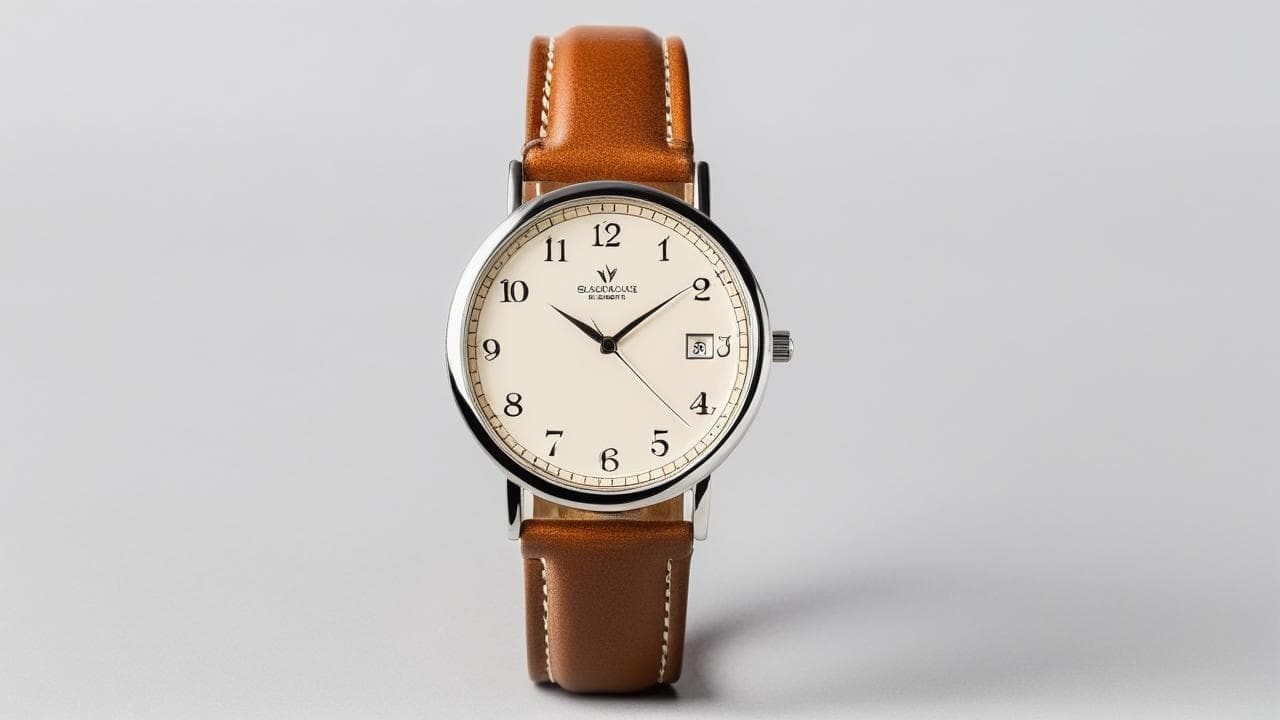
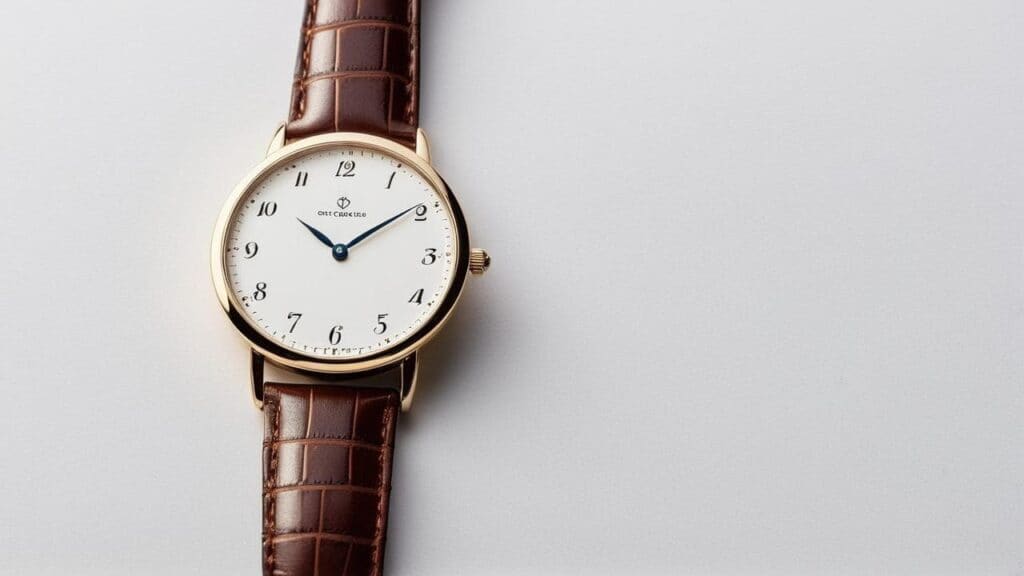
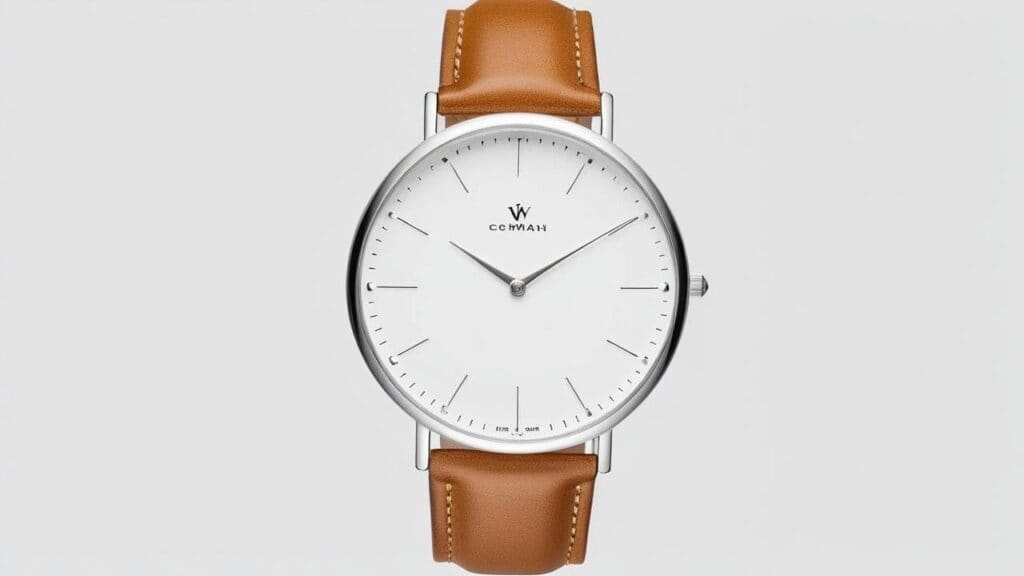
- Minimalist Dial Design: The hallmark of a true dress watch is its clean, uncluttered dial that emphasizes readability and elegance. Most feature simple hour markers such as applied batons, Roman numerals, or small Arabic numerals against a white, cream, silver, or black background. Excessive text, patterns, or decorative elements are typically avoided in favor of refined simplicity, though subtle guilloche or sunburst finishes may add depth without compromising elegance.
- Limited Complications: Dress watches traditionally keep complications—additional features beyond basic timekeeping—to a minimum. Many purists believe the ideal dress watch displays only hours and minutes, though subtle seconds hands are common. If additional complications are present, they tend to be discreetly implemented, perhaps a small date window or moonphase display. This restraint serves both aesthetic and functional purposes, maintaining visual harmony while keeping the watch appropriately thin.
- Premium Materials: Quality dress watches are typically crafted from precious metals like gold in yellow, rose, or white variations or platinum, signifying their status as fine jewelry as well as timekeeping instruments. Contemporary dress watches may utilize high-grade stainless steel with excellent finishing, making elegant design more accessible. The quality of materials extends to all components, including sapphire crystals, finely finished movements, and high-grade leather straps.
- Refined Straps: The traditional dress watch features a leather strap—most commonly black for maximum formality, though dark brown is also acceptable with certain outfits. The leather should be of high quality, often alligator, crocodile, or fine calfskin with a subtle shine and minimal stitching. Metal bracelets, while less traditional, can work for dress watches if they maintain an elegant, slim profile that harmonizes with the watch’s overall refined aesthetic.
- Mechanical Excellence: While not strictly necessary as quartz movements can be found in dress watches, many fine dress watches feature mechanical movements, either manual-winding or automatic. The craftsmanship involved in creating and finishing these movements represents horological tradition and artistry. Even if the movement is hidden behind a solid caseback as is traditional, knowing this mechanical heart beats within adds to the appreciation of a fine dress watch.
The definition of a dress watch ultimately centers on the harmony between form and function, where elegance takes precedence without completely sacrificing practicality. These timepieces represent watchmaking in perhaps its purest form—focused on the essential task of telling time with refinement and grace. While contemporary interpretations may push boundaries with slightly larger cases or more modern aesthetics, the core principles remain consistent: a dress watch should complement rather than dominate formal attire, conveying sophistication through restraint rather than ostentation. When chosen carefully, a dress watch becomes more than an accessory—it’s a reflection of personal taste and an appreciation for subtle excellence.
The History of Dress Watches Through the Decades
The evolution of dress watches is deeply intertwined with broader social changes, technological advancements, and shifting fashion standards throughout the 20th century. Understanding this rich history provides context for why dress watches look and function as they do today.
- Pocket Watch Origins: Before wristwatches gained popularity, pocket watches were the standard timepiece for gentlemen. These timepieces were often elaborately decorated and attached to waistcoats with chains, serving as both functional tools and status symbols. The transition from pocket watches to wristwatches established the foundation for what would become dress watch aesthetics, as early wristwatches retained the refined, elegant appearance of their pocket watch predecessors.
- Military Influence: The early 20th century saw wristwatches gain popularity during World War I, as officers found them more practical than pocket watches in combat situations. These early military watches established the importance of legibility and functionality, elements that would later be refined into the clean, uncluttered dials characteristic of dress watches. When soldiers returned home, they continued wearing wristwatches, helping to popularize them among civilian men.
- Art Deco Period: The 1920s and 1930s saw the rise of Art Deco design, which heavily influenced dress watch aesthetics. Watches from this era often featured rectangular or square cases, geometric designs, and Roman numerals. Many iconic dress watch designs still in production today—such as the Cartier Tank and Jaeger-LeCoultre Reverso—originated during this stylistically influential period, establishing design language that continues to define dress watches nearly a century later.
- Post-War Refinement: Following World War II, the 1950s witnessed a golden age for dress watches as prosperity increased and formal business attire became standard. Watchmakers refined their designs, focusing on slim profiles and elegant simplicity. This period established many of the conventions still associated with dress watches today, including modest case sizes, uncluttered dials, and an emphasis on precious metals and leather straps.
- Quartz Crisis Impact: The introduction of quartz technology in the late 1960s and 1970s disrupted traditional watchmaking but also democratized dress watches. Suddenly, accurate and thin dress watches became available at more accessible price points. While many traditional Swiss watchmakers struggled during this period, it ultimately forced the industry to reconsider the value proposition of mechanical dress watches, emphasizing craftsmanship, heritage, and emotional appeal rather than purely practical timekeeping.
- Revival of Mechanical Appreciation: The 1990s and early 2000s saw renewed interest in mechanical watchmaking as collectors and enthusiasts began to appreciate the artistry and tradition behind fine dress watches. This period witnessed a renaissance in horological appreciation, with dress watches once again celebrated for their mechanical complexity and hand-finishing despite being functionally outperformed by quartz alternatives.
- Contemporary Interpretations: Modern dress watches often respect traditional design principles while incorporating subtle contemporary elements. Today’s dress watches may feature slightly larger case sizes to accommodate current tastes, transparent casebacks to display finely finished movements, and innovative materials alongside traditional precious metals. Nevertheless, the core principles of elegance, restraint, and formal appropriateness remain intact.
The history of dress watches demonstrates how this category has maintained its core identity while subtly evolving to reflect changing tastes and technologies. Throughout their development, dress watches have consistently embodied a philosophy that values refinement over extravagance and timeless design over passing trends. This historical continuity explains why a well-designed dress watch from decades ago can still appear perfectly appropriate and stylish today, a testament to the enduring appeal of horological elegance in its most distilled form.
When to Wear a Dress Watch
A dress watch is traditionally associated with formal occasions, but understanding when and how to wear one appropriately requires nuanced knowledge of style conventions and contemporary practices. While rules around watch-wearing have relaxed in recent decades, being aware of traditional guidelines can help you make informed style decisions.
- Formal Black Tie Events: For black tie events such as galas, formal dinners, or evening weddings, a dress watch is the only appropriate timepiece. Traditionally, high society etiquette suggested not wearing a watch at all to such events, as checking the time might imply impatience or boredom. Today, a slim dress watch with a black leather strap and precious metal case remains the most elegant choice if you choose to wear one. Keep it simple and refined, allowing it to complement rather than compete with your formal attire.
- White Tie Occasions: For the most formal white tie events, traditional etiquette still suggests forgoing a wristwatch entirely. These rare ultra-formal occasions prioritize timeless elegance where checking the time remains somewhat taboo. If you feel you must wear a watch, only the most discreet, thin dress watch on a black leather strap would be acceptable, preferably in a precious metal that complements any other formal accessories you might wear.
- Business Formal Settings: In business formal environments where suits are standard, a dress watch perfectly complements your professional appearance. This is perhaps the most natural habitat for a dress watch, where its refined restraint harmonizes with the structured elegance of business attire. For maximum versatility in business settings, consider a dress watch with a black or brown leather strap that can be coordinated with your shoes and belt.
- Business Casual Environments: As workplace dress codes have relaxed, the rules for watch appropriateness have similarly evolved. In business casual settings, a dress watch remains entirely appropriate, though you might opt for models with slightly more presence or visual interest. Stainless steel dress watches or those with brown leather straps often pair well with smart-casual attire, creating a polished look without seeming overly formal.
- Formal Daytime Events: Weddings, graduations, religious ceremonies, and other significant daytime events that call for suits or formal attire are ideal occasions for dress watches. These events often represent important life milestones where a refined timepiece feels especially appropriate, complementing the significance of the occasion without drawing undue attention.
- Casual Settings: While traditionally limited to formal contexts, contemporary style allows for greater flexibility. A dress watch can add an elegant touch to smart casual outfits, creating an appealing high-low contrast when paired with well-fitted jeans and a quality button-down shirt. This approach works particularly well for evening social events like dinner parties or cultural outings where a touch of refinement is appreciated.
- Professional Meetings: When meeting clients, making presentations, or attending important professional functions, a dress watch projects competence and attention to detail. The subtle message conveyed by a refined timepiece can reinforce your professional credentials and demonstrate respect for the occasion and your associates.
As with many aspects of style, context matters when choosing when to wear a dress watch. In today’s more relaxed fashion landscape, the old rigid rules have given way to greater personal expression, allowing dress watches to appear in settings where they might have once seemed out of place. The key consideration is harmonizing your watch choice with your overall appearance and the nature of the occasion. A dress watch remains a versatile investment piece that, when chosen thoughtfully, can elevate numerous outfits and situations with its timeless elegance and understated sophistication.
Top Dress Watch Brands
The world of dress watches features numerous iconic models that have stood the test of time, becoming horological benchmarks that define the category. These watches represent the pinnacle of design refinement, mechanical excellence, and brand heritage, establishing standards that continue to influence watchmaking today.
- Patek Philippe Calatrava: Introduced in 1932, the Calatrava is widely considered the quintessential dress watch. Inspired by Bauhaus principles of form following function, its pure, minimalist design features a round case with clean lines, simple hour markers, and uncluttered dials. The Calatrava’s elegant proportions and timeless design language have remained remarkably consistent across generations, embodying Patek Philippe’s philosophy that you never actually own their watches—you merely look after them for the next generation.
- Jaeger-LeCoultre Reverso: Created in 1931 for British officers playing polo in India, the Reverso features an ingenious reversible case that could be flipped to protect the crystal during matches. This rectangular Art Deco masterpiece has evolved into one of the most recognizable dress watches in history, with its distinctive gadroons (decorative lines) at the top and bottom of the case. Beyond its technical innovation, the Reverso exemplifies how a strong, distinctive design concept can remain relevant for nearly a century.
- Cartier Tank: Designed by Louis Cartier in 1917 and inspired by the aerial view of military tanks from World War I, the Tank’s rectangular case and distinctive Roman numeral dial created an entirely new design language for wristwatches. Worn by icons from Andy Warhol to Jackie Kennedy, the Tank transcends mere timekeeping to become a true cultural icon. Its various iterations—including the Tank Louis Cartier, Tank Française, and Tank Américaine—demonstrate how a strong design concept can be reinterpreted while maintaining its essential character.
- Vacheron Constantin Patrimony: Representing one of watchmaking’s oldest continuously operating manufacturers, the Patrimony collection epitomizes the pure dress watch with its ultra-thin profile, minimalist dial, and impeccable finishing. These watches feature subtly convex dials, applied hour markers, and dauphine hands in perfect proportion, demonstrating how attention to the smallest details creates harmonious elegance. The Patrimony exemplifies Vacheron’s commitment to both technical excellence and aesthetic refinement dating back to 1755.
- A. Lange & Söhne Saxonia: Representing German watchmaking at its finest, the Saxonia combines Teutonic precision with extraordinary hand-finishing. Following the brand’s resurrection after German reunification in 1990, the Saxonia established A. Lange & Söhne’s distinct design language with its perfectly proportioned cases, immaculate dials, and extraordinary movement decoration visible through sapphire casebacks. The Saxonia demonstrates how traditional dress watch principles can be executed with distinctive national character and uncompromising quality.
- Omega De Ville: While Omega may be better known for sports watches like the Speedmaster and Seamaster, their De Ville collection represents their dress watch expertise. With clean dials, elegant proportions, and excellent mechanical movements, the De Ville offers accessible luxury without compromising on quality. The Prestige and Tresor lines particularly exemplify classical dress watch aesthetics, proving that refined elegance need not always come with stratospheric prices.
- Rolex Cellini: Representing Rolex’s dedicated dress watch collection, the Cellini line demonstrates the brand’s versatility beyond their famous sports models. With refined cases, guilloche dials, and traditional design elements, these watches showcase Rolex’s ability to create elegant timepieces while maintaining their renowned durability and precision. The Cellini collection proves that robust engineering and sophisticated aesthetics can coexist harmoniously in a dress watch.
- Grand Seiko Elegance Collection: Demonstrating that exceptional dress watches aren’t exclusive to Switzerland, Grand Seiko’s Elegance Collection combines Japanese precision with extraordinary craftsmanship. Features like hand-polished cases using the proprietary Zaratsu technique, meticulously detailed dials, and innovative movements (including Spring Drive technology) create dress watches with a distinct identity that can stand alongside the finest European examples.
These iconic dress watches have earned their status through a combination of design excellence, technical innovation, and consistent execution across decades. While each expresses its maker’s unique perspective on what constitutes the ideal dress watch, they all share a commitment to refined elegance, appropriate proportions, and watchmaking excellence. For collectors and enthusiasts, these models represent both horological heritage and investment potential, as their timeless designs continue to appreciate both aesthetically and financially with passing years.
Selecting the Perfect Dress Watch
Selecting the perfect dress watch requires careful consideration of numerous factors, from personal style preferences to practical concerns about usage and budget. The right dress watch should serve as a long-term companion that complements your wardrobe while potentially holding or increasing its value over time.
- Size Appropriateness: Consider your wrist size when selecting a dress watch. For smaller wrists (under 6.5 inches), traditional case sizes between 34-38mm often provide the most balanced proportions. Medium wrists (6.5-7.25 inches) can accommodate watches between 38-40mm, while larger wrists (over 7.25 inches) may support cases up to 42mm without compromising the dress watch aesthetic. Remember that a true dress watch should maintain elegant proportions regardless of size, with a case thickness preferably under 10mm to ensure it slides easily under shirt cuffs.
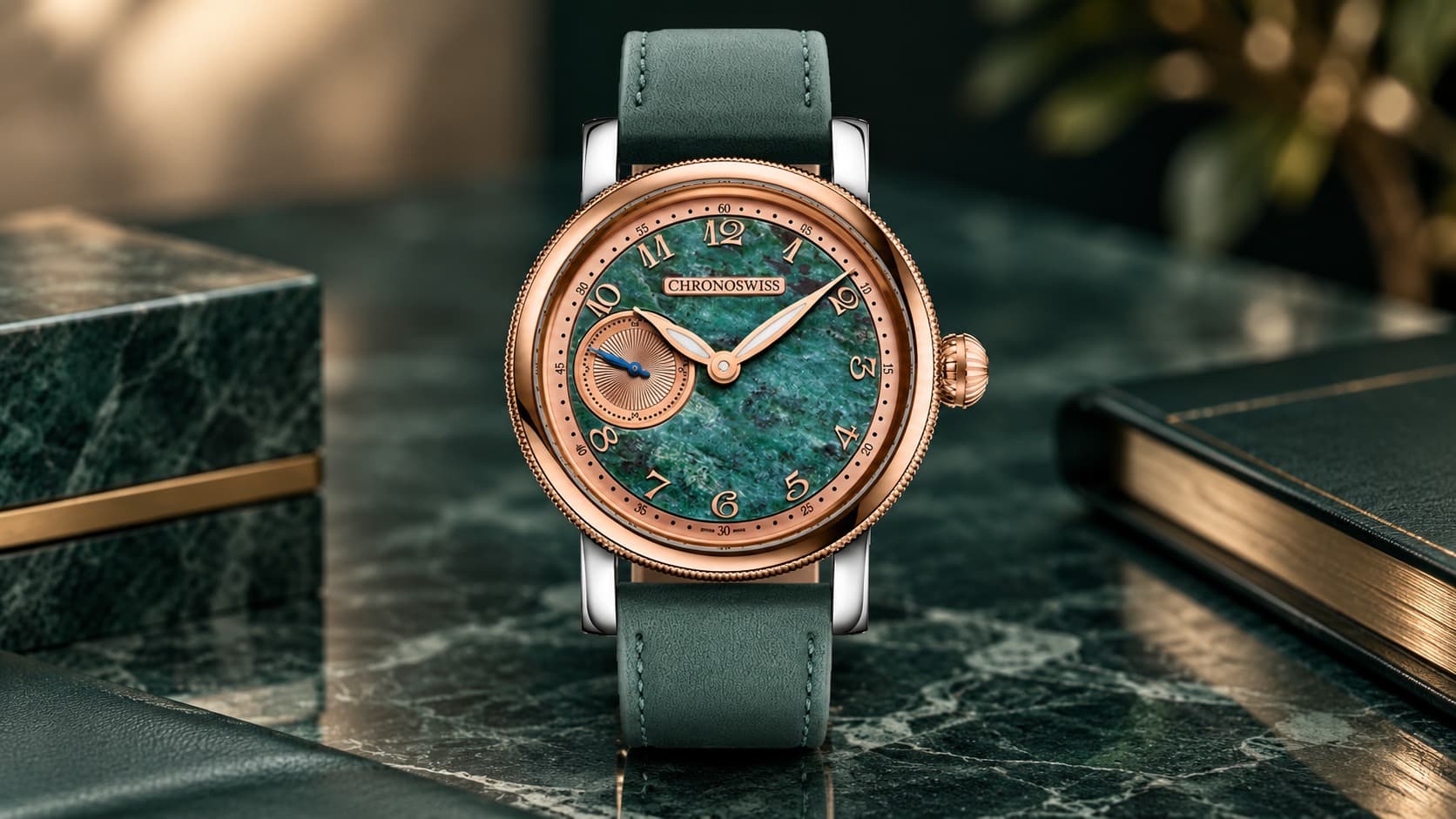
- Metal and Color Selection: The choice of case material significantly impacts both appearance and budget. Yellow gold provides a classic, warm look that works particularly well with traditional formal wear. Rose gold offers a contemporary yet elegant alternative with its warmer hue. White gold or platinum present a more subtle luxury appearance similar to steel but with greater prestige and weight. Stainless steel represents a practical, versatile option that balances durability with refinement at a more accessible price point. Consider which metals best complement your skin tone and existing accessories.
- Strap Considerations: For maximum versatility, choose a watch that accommodates interchangeable straps. A dress watch with black leather works universally with formal attire, while brown leather offers versatility with navy suits and business casual outfits. Consider exotic leathers like alligator or crocodile for their subtle texture and durability. The strap width should be proportional to the case size, typically ranging from 18-22mm, with thinner straps creating a more elegant appearance. Quality stitching and lining significantly affect both comfort and longevity.
- Movement Selection: Mechanical movements (either manual or automatic) represent the traditional choice for fine dress watches, offering heritage value and watchmaking artistry. Manual-winding movements are typically thinner, allowing for slimmer case profiles, while automatic movements offer greater convenience. Quartz movements provide superior accuracy and lower maintenance costs, making them practical alternatives for dress watches worn occasionally. Consider your personal priorities regarding convenience, tradition, and maintenance requirements when selecting a movement type.
- Dial Design and Legibility: While simplicity defines dress watch aesthetics, consider personal preferences regarding dial details. Roman numerals create a traditional, formal appearance, while Arabic numerals offer greater legibility. Applied hour markers or batons provide a clean, modern aesthetic. Sunburst, guilloche, or enamel dials add visual interest without compromising elegance. Ensure the dial color complements your typical wardrobe—silver, white, and cream dials offer maximum versatility, while black dials provide dramatic contrast and blue dials offer distinctive character while remaining formal.
- Brand Heritage and Value Retention: Consider the historical significance and reputation of different watch brands. Established luxury manufacturers with long histories often command premium prices but may offer better value retention and investment potential. Heritage brands like Patek Philippe, Vacheron Constantin, and Jaeger-LeCoultre have centuries of watchmaking tradition, while younger brands might offer innovative designs at more accessible price points. Research each brand’s approach to servicing, warranty coverage, and secondary market performance before investing.
- Budget Allocation: Determine a realistic budget that reflects how frequently you’ll wear the watch and how long you plan to keep it. Entry-level mechanical dress watches from reputable manufacturers typically start around $500-1,000, mid-range luxury options fall between $2,000-8,000, while high-end pieces from prestigious makers can range from $10,000 to well over $100,000. Consider whether factors like precious metals, in-house movements, and brand prestige justify premium pricing for your specific needs and preferences.
- Long-term Wearability: Choose a design that balances current trends with timeless elements. The most enduring dress watches maintain conservative proportions and clean aesthetics that transcend fashion cycles. Consider your existing and future wardrobe when selecting a watch that should ideally complement your style for decades. Highly distinctive designs might make stronger statements but could potentially feel dated more quickly than classic approaches to dress watch design.
When selecting a dress watch, take your time to research, try on different models, and consider how each option aligns with your lifestyle, wardrobe, and values. Unlike more casual timepieces that might be part of a rotating collection, a quality dress watch often becomes a signature piece worn for significant life events and professional milestones. The ideal dress watch balances personal expression with traditional elegance, becoming not just an accessory but a reflection of your discernment and appreciation for refined craftsmanship. Whether your budget allows for a prestigious luxury timepiece or a more modest but well-designed alternative, prioritizing quality, proportional elegance, and versatility will ensure your dress watch remains a valued companion for years to come.
How to Care for Dress Watch
Proper maintenance of a dress watch ensures both its longevity and performance, protecting what is often a significant investment. Unlike sport watches designed for rugged environments, dress watches typically feature more delicate construction that requires appropriate care to preserve their elegance and functionality.
- Regular Cleaning: Wipe your dress watch gently with a soft, lint-free cloth after each wearing to remove oils, perspiration, and dust that can accumulate on the case, crystal, and strap. For more thorough cleaning, lightly dampen the cloth with water (avoiding direct water contact with leather straps) and gently clean the case and crystal, followed by drying immediately with a dry portion of the cloth. This routine maintenance prevents buildup of substances that can potentially damage finishes or find their way into the movement.
- Leather Strap Maintenance: Leather straps require special attention as they are particularly vulnerable to moisture, oils, and wear. Remove the watch when washing hands, showering, or swimming, as water damages leather and reduces its lifespan dramatically. Apply a high-quality leather conditioner specifically formulated for watch straps every few months to prevent cracking and maintain suppleness. Store the watch with the strap laying flat rather than hanging to prevent stretching or deformation of the leather over time.
- Professional Servicing: Mechanical dress watches should receive professional service every 4-7 years depending on the manufacturer’s recommendations. This maintenance includes disassembly, cleaning, lubrication, replacement of worn parts, and regulation to ensure optimal performance. While representing a significant expense, regular servicing prevents more costly repairs caused by neglect and preserves the watch’s value. Establish a relationship with a qualified watchmaker experienced with your specific brand for best results.
- Proper Storage: When not being worn, store your dress watch in its original box, a dedicated watch box, or a watch roll to protect it from dust, moisture, and potential impacts. For extended storage, consider watch winders for automatic movements to keep them running and properly lubricated. Store watches away from direct sunlight, extreme temperatures, and strong magnetic fields, which can affect both the appearance and functioning of fine timepieces.
- Handling Precautions: Always handle your dress watch with clean hands to prevent oils and dirt from transferring to the case or strap. When putting on or removing the watch, avoid pulling on the crown or pushers, instead manipulating the case and strap directly. For watches with manual winding movements, establish a routine of winding at approximately the same time each day, stopping when you feel resistance rather than forcing the crown.
- Crystal Protection: The crystal (glass covering the dial) on dress watches is vulnerable to scratches, especially on models with acrylic or mineral crystals rather than sapphire. Develop awareness of your watch when moving through doorways or narrow spaces to avoid accidental impacts. Consider having acrylic crystals professionally polished if minor scratches develop, while significantly damaged mineral or sapphire crystals will require replacement by a professional.
- Water Resistance Limitations: Most dress watches offer minimal water resistance (typically 30 meters/3 bar), which protects against minor splashes but not immersion. Never shower, swim, or wash dishes while wearing a dress watch, regardless of its stated water resistance. For watches with leather straps, even high humidity environments should be avoided. Have the water resistance tested annually if the watch is frequently exposed to moisture, as gaskets deteriorate over time.
- Crown and Pusher Care: Ensure the crown is fully pushed in or screwed down (on models with screw-down crowns) before wearing the watch. Manipulate the crown gently when setting the time or winding the movement, avoiding adjustments during the hours when the date mechanism is engaged (typically between 9 PM and 3 AM) as this can damage the movement. For dress watches with complications like chronographs, operate pushers with deliberate, direct pressure rather than at angles that could strain the mechanism.
Proper care of a dress watch reflects the same attention to detail that the timepiece itself represents. While these maintenance practices require discipline and awareness, they ensure your investment continues to provide both aesthetic pleasure and reliable performance for generations. Many fine dress watches become family heirlooms, their value enhanced by the stories of important moments they’ve witnessed and the care taken in their preservation. By establishing good habits around cleaning, storage, and professional maintenance, you honor both the craftsmanship that created your timepiece and its potential legacy as a treasured possession.
Modern Dress Watch Trends
While dress watches remain rooted in traditional design principles, contemporary interpretations reflect evolving tastes, technologies, and wearing contexts. Understanding current trends provides insight into how this classic category continues to adapt while maintaining its essential character.
- Size Evolution: Modern dress watches have generally increased in size compared to vintage examples, though they remain modest relative to sports watches. Where traditional dress watches rarely exceeded 36mm, today’s iterations often range from 38-40mm to accommodate contemporary preferences while maintaining appropriate proportions. This subtle size increase balances traditional elegance with more substantial wrist presence, appealing to consumers accustomed to larger watch sizes while still allowing for the slim profile essential to dress watch identity.
- Material Innovations: While precious metals remain prestigious options, modern metallurgy has expanded the material palette for dress watches. Advanced stainless steel alloys offer improved corrosion resistance and finishing capabilities at accessible price points. Ceramic components provide scratch resistance and distinctive colorways. High-tech titanium alloys deliver lightweight comfort with sophisticated gray tones. These material innovations allow manufacturers to create dress watches with traditional aesthetics but enhanced durability and performance characteristics.
- Heritage-Inspired Designs: Many brands have embraced their archives, reissuing or reinterpreting historical dress watch designs with modern manufacturing techniques and updated proportions. This trend celebrates horological heritage while satisfying consumer interest in vintage aesthetics without the maintenance concerns of actual vintage pieces. These heritage-inspired models often combine period-correct design elements with contemporary movement technology, creating watches that reference the past while functioning reliably in the present.
- Exhibition Casebacks: While traditional dress watches featured solid casebacks, many contemporary models incorporate sapphire exhibition backs that reveal meticulously finished movements. This trend reflects growing consumer appreciation for mechanical craftsmanship and decorative techniques like Côtes de Genève, perlage, and hand-beveled bridges. Exhibition casebacks transform the movement from hidden functional component to visible artistic element, allowing owners to appreciate the complete watchmaking artistry rather than just the external aesthetics.
- Dial Complexity: Modern dress watches increasingly feature subtle dial textures and finishes that add visual interest while maintaining overall restraint. Techniques like guilloche engraving, sunburst finishing, and sector dial designs create depth and character without compromising legibility or elegance. Brands differentiate their offerings through proprietary dial treatments and signature design elements, creating distinctive expressions of dress watch aesthetics while respecting the category’s fundamental principles.
- Strap Diversity: Contemporary dress watches often come with quick-change strap systems that allow easy transitions between formal leather options and more casual alternatives. This versatility reflects lifestyle changes where the same watch might accompany its owner from boardroom to weekend activities. While black alligator remains the classic choice for maximum formality, modern dress watches increasingly offer alternative leathers, colors, and even textile straps that maintain refined appearance while providing greater versatility.
- In-House Movement Focus: Premium watch brands increasingly emphasize in-house or proprietary movements rather than industry-standard calibers, even in dress watches where the movement remains mostly hidden. This trend reflects growing consumer knowledge about watchmaking and expectations for mechanical distinctiveness at luxury price points. Modern dress watch movements often feature extended power reserves, silicon components for improved performance, and decorative finishing visible through exhibition casebacks.
- Value-Focused Offerings: The expanding global watch market has created opportunities for value-oriented dress watches that deliver impressive quality-to-price ratios. Independent brands and accessibly-priced offerings from established manufacturers provide traditional dress watch aesthetics and mechanical movements at price points that introduce new enthusiasts to the category. These watches often focus on core design elements while minimizing costly hand-finishing, creating entry points to dress watch ownership without compromising fundamental design principles.
Today’s dress watch market demonstrates remarkable diversity, from ultra-thin haute horlogerie creations from prestigious Swiss manufacturers to accessible automatic models from global brands. While core principles like restraint, elegance, and formal appropriateness remain consistent, contemporary interpretations provide numerous paths to expressing these values through watchmaking. The most successful modern dress watches honor traditional design language while incorporating subtle innovations that enhance both performance and aesthetic appeal, ensuring this classic category remains relevant in contemporary wardrobes and watch collections. As business attire continues evolving, dress watches similarly adapt while maintaining their essential identity as refined expressions of horological elegance.
Conclusion
The dress watch stands as a refined testament to the enduring relationship between timepieces and formal attire, representing watchmaking at its most elemental yet sophisticated form. Through its history from pocket watch evolution to contemporary interpretations, the dress watch has maintained remarkable consistency in its core values: elegant restraint, appropriate proportions, and quality craftsmanship. Unlike timepieces designed for specific activities or environments, the dress watch’s singular purpose is to complement formal attire with understated sophistication, marking important occasions with quiet distinction rather than bold statements.
Whether you choose a prestigious luxury timepiece from an established Swiss manufacturer, a heritage-inspired design from a respected Japanese brand, or a value-oriented offering from an up-and-coming independent watchmaker, the essential qualities remain consistent. The perfect dress watch should reflect your personal style while respecting the design principles that define this enduring category. With proper care and appreciation, a well-chosen dress watch becomes more than an accessory—it becomes a companion for life’s significant moments and a potential heirloom that carries your story into the future.