Antiquing jewelry has become increasingly popular in modern jewelry design and restoration. This process creates a deliberately aged appearance that adds character, depth, and a sense of history to metal jewelry. If you’re considering purchasing antiqued jewelry, wondering how to care for pieces you already own, or interested in trying the technique yourself, you’ll discover everything about the art and science behind these special finishes - from basic processes to care techniques, popular styles, and avoiding common scams.
Antiquing Jewelry Explained
Antiquing jewelry is a specialized finishing technique that artificially creates an aged or weathered appearance on metal jewelry pieces. Jewelers use various methods to darken recessed areas of metalwork while leaving raised surfaces brighter, creating visual contrast that emphasizes design details and gives the piece a sense of depth and history. This technique transforms bright, new-looking metals into pieces with character and vintage appeal without waiting decades for natural patina to develop.
- Antiquing involves controlled oxidation or chemical treatments that simulate the natural aging process of metals, darkening specific areas to highlight design elements and create dimensional contrast in the piece.
- The technique is commonly applied to silver, gold, brass, bronze, and copper jewelry, with each metal developing its own characteristic colors when antiqued—silver typically darkens to gray or black, copper and brass develop rich browns and greens, while gold can take on subtle amber tones.
- Professional antiquing is performed using various chemicals including liver of sulfur (potassium sulfide), ammonia solutions, or specialized commercial patinas that react with the metal surface to create oxidation.
- Unlike random tarnish, antiquing is strategically applied and often selectively removed from raised areas, creating a two-tone effect that enhances the piece’s design rather than obscuring it.
- Many contemporary jewelry designers use antiquing to create specific aesthetic effects in their work, from subtle aging to dramatic contrast between darkened backgrounds and polished foreground elements.
The beauty of antiqued jewelry lies in its ability to showcase intricate details that might otherwise be lost in uniformly polished pieces. By creating shadow and highlight through controlled darkening, even simple designs gain complexity and visual interest. Many jewelry collectors appreciate the unique character that antiquing brings to pieces, making them stand out from mass-produced, uniformly finished items.
Jewelry Antiquing Methods and Techniques
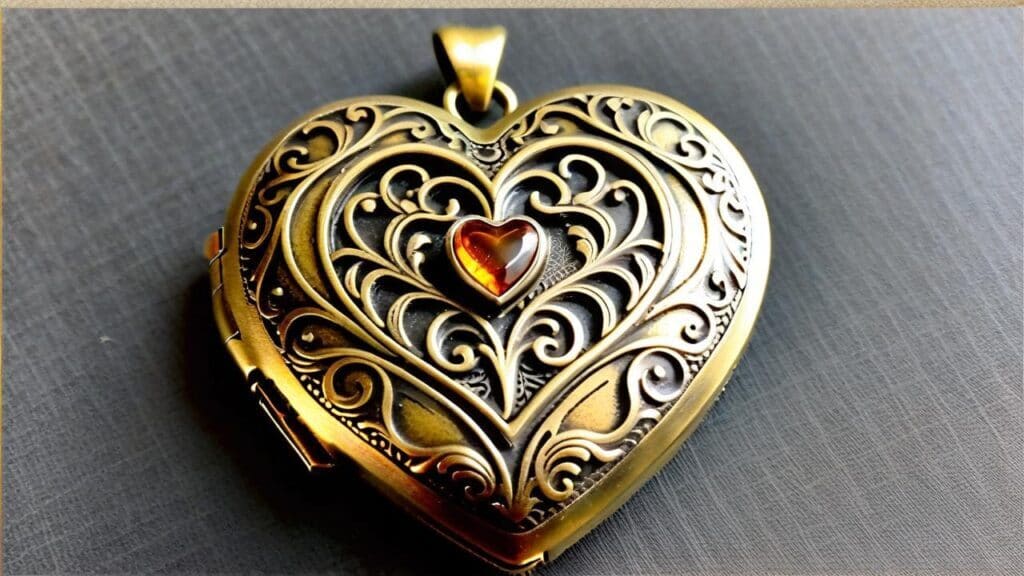
The antiquing process transforms bright, new metal into something with history and character through carefully applied techniques that simulate natural aging. Different methods produce different effects, allowing jewelers to achieve specific looks ranging from subtle aging to dramatic oxidation. Understanding how these processes work helps consumers appreciate the craftsmanship involved and make informed decisions when purchasing antiqued jewelry.
- Chemical antiquing uses solutions like liver of sulfur, ammonia compounds, or commercial patinas that react with the metal’s surface to create controlled oxidation—these are applied by dipping, brushing, or fuming techniques depending on the desired effect.
- Mechanical antiquing involves physically altering the metal surface through techniques like brushing, hammering, or tumbling with abrasive materials to create worn areas and texture that mimic years of natural wear.
- Heat patination applies controlled heat to create color changes on certain metals—copper and brass can develop rich rainbow hues through careful heating and cooling processes.
- Multi-step antiquing combines different techniques, often involving oxidation followed by selective polishing to remove the darkened finish from raised areas while leaving it in recessed details.
- Most professional antiquing processes conclude with a protective coating (wax, lacquer, or specialized sealants) that preserves the finish and prevents unintended further oxidation.
- The skill of the jeweler significantly impacts the quality of antiquing—experienced craftspeople can create subtle gradients of color and precisely control where oxidation occurs.
The antiquing process requires significant skill and understanding of metallurgy. When done professionally, it enhances a piece’s design rather than simply making it look old. The best antiqued jewelry strikes a perfect balance between aged character and design clarity, with deliberately darkened areas that create depth while still allowing the beauty of the metal and craftsmanship to shine through.
Antiqued Jewelry Finish Types
Antiqued jewelry comes in various finishes and styles, each with distinctive characteristics and visual appeal. The specific type of finish depends on the metal used, the antiquing technique employed, and the designer’s artistic vision. Understanding these different finishes helps consumers identify what they’re looking at and choose pieces that match their personal aesthetic preferences.
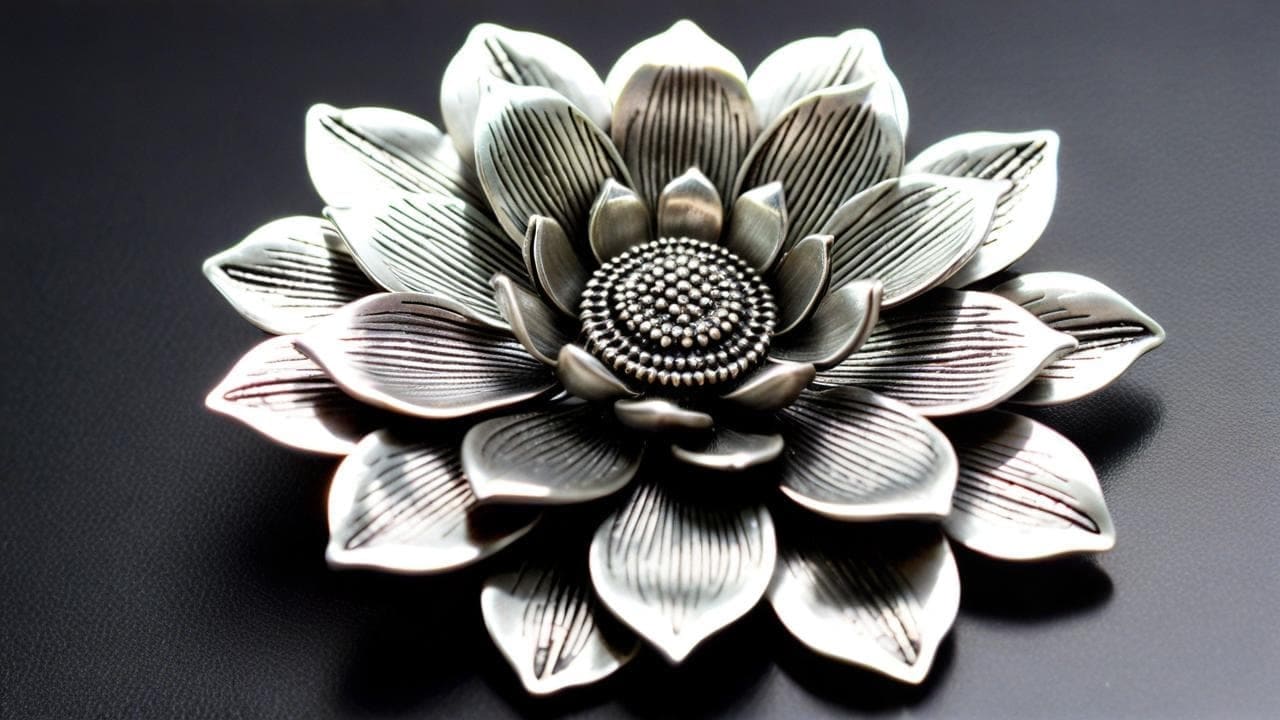
- Oxidized silver (also called black silver) is one of the most common antiqued finishes, featuring a dramatic darkening that ranges from deep gray to nearly black, often with polished highlights on raised surfaces creating striking contrast.
- Vintage brass patina produces warm, golden-brown tones that deepen over time and complement both gemstones and other metals when used in mixed-metal designs.
- Verdigris finish, featuring distinctive blue-green coloration, mimics the natural patina copper and bronze develop after extended exposure to air and moisture—this finish is particularly popular in nature-inspired or bohemian jewelry designs.
- Renaissance or Florentine finish combines antiquing with texture for a rich, dimensional appearance featuring muted gold tones with darkened recesses—this finish is often seen in Italian-inspired jewelry designs.
- Selective antiquing applies darkening only to specific areas of a design, creating dramatic visual contrasts between oxidized and polished surfaces—this technique is particularly effective for highlighting intricate patterns or figurative elements.
- Two-tone antiquing combines different colored metals or finishes within a single piece, using antiquing to enhance the contrast between materials like silver and gold or copper and brass.
Each type of antiqued finish offers its own unique aesthetic qualities and complements different jewelry styles. Many people find antiqued finishes particularly flattering against their skin, as the subdued tones and enhanced texture tend to be less flashy than highly polished metals while offering greater visual interest and depth.
Benefits of Antiqued Jewelry
Antiqued jewelry offers numerous advantages that make it appealing to both casual wearers and serious collectors. Beyond the distinctive aesthetic, these pieces offer practical benefits and unique visual qualities that set them apart from conventionally finished jewelry. Understanding these benefits helps explain why many people are drawn to the aged character of antiqued pieces.
- Enhanced design visibility is perhaps the greatest benefit—antiquing makes intricate details pop by creating shadow and depth in recessed areas that might otherwise be difficult to appreciate in uniformly polished pieces.
- Reduced glare and reflection makes antiqued jewelry more subtle and versatile for everyday wear, as it doesn’t create the distracting flash that highly polished pieces can produce in bright light.
- Fingerprints and minor scratches are less visible on antiqued surfaces compared to high-polish finishes, making these pieces somewhat lower maintenance for everyday wear.
- Uniqueness is inherent in antiqued jewelry—even when created from the same design, each piece develops slightly different oxidation patterns, ensuring no two pieces are exactly identical.
- Compatibility with vintage and antique gemstones is excellent, as the aged metal finish complements the character of older stones or cuts that might look incongruous in ultra-modern, high-polish settings.
- Versatility across fashion styles allows antiqued jewelry to work equally well with contemporary, vintage, bohemian, or formal attire, making it a flexible addition to any jewelry collection.
- The appearance often improves with age as the antiqued finish develops additional character through wear, unlike high-polish finishes that tend to look worse as they accumulate scratches.
Antiqued jewelry bridges the gap between contemporary design and historical aesthetics, offering pieces with modern construction quality but timeless appeal. Many wearers appreciate how these finishes add depth and sophistication to their jewelry collection while providing pieces that tell visual stories through their complex finishes.
How to Clean and Maintain Antiqued Jewelry
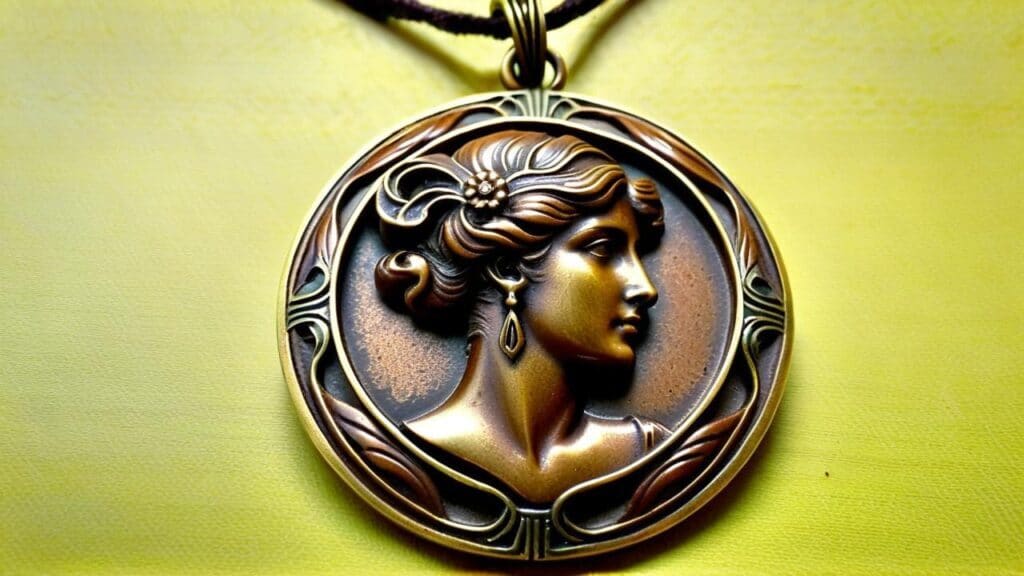
Caring for antiqued jewelry requires different approaches than those used for high-polish pieces. The deliberate oxidation that creates these beautiful finishes can be altered or removed with improper care, potentially diminishing the piece’s intended aesthetic. Following appropriate care guidelines helps preserve the antiqued finish while keeping the jewelry clean and beautiful.
- Gentle cleaning is essential—use a soft, lint-free cloth for regular dusting and avoid abrasive materials like paper towels or tissues that might scratch or remove the antiqued finish.
- Mild soap solutions (using only a few drops of dish soap in warm water) can be used for deeper cleaning when necessary—avoid commercial silver cleaners, polishes, or dips which will remove the antiqued finish entirely.
- Soft-bristled brushes (like baby toothbrushes) can gently clean recessed areas without damaging the finish—use minimal pressure and brush in the direction of any texture patterns.
- Protective storage prevents unwanted changes to the finish—store antiqued pieces separately in anti-tarnish cloth bags or lined jewelry boxes to minimize exposure to household chemicals and pollution.
- Avoid extended water exposure, particularly when swimming or bathing, as chlorine, salt, and bath products can alter or damage antiqued finishes.
- Remove jewelry before applying lotions, perfumes, or hairspray as these products contain chemicals that can interact with the antiqued surface and cause unintended changes.
- Professional maintenance may occasionally be necessary if the finish becomes damaged—a skilled jeweler can often restore the original antiquing without needing to refinish the entire piece.
With proper care, antiqued jewelry can maintain its distinctive appearance for many years. If you notice the finish changing over time, remember that some evolution is natural and adds to the piece’s character. However, if significant changes occur or if you prefer the original appearance, consulting with a professional jeweler familiar with antiquing techniques is recommended.
How to Antique Jewelry at Home: DIY Methods
For those interested in creating their own antiqued pieces or refreshing older items, several DIY techniques can produce professional-looking results. While commercial jewelry typically undergoes more complex processes, home antiquing can achieve satisfying effects with proper preparation and safety precautions. These methods allow for creative experimentation and customization of personal jewelry items.
- Liver of sulfur (potassium sulfide) is the most common home antiquing agent—available as liquid, gel, or solid chunks, it creates oxidation ranging from golden honey colors to deep black depending on concentration and exposure time.
- Boiled egg method uses natural sulfur compounds from hard-boiled eggs to create gentle oxidation—placing silver in a sealed container with egg pieces for several hours creates a subtle antiqued effect without harsh chemicals.
- Household ammonia creates blue-green patinas on copper and brass—suspending (not submerging) metal pieces above ammonia in a sealed container allows the fumes to react with the surface.
- Commercial antiquing solutions designed specifically for jewelry making offer more controlled results—these products come with specific instructions and often produce more predictable finishes than household alternatives.
- Proper ventilation is absolutely essential when working with any antiquing chemicals—always work outdoors or in a well-ventilated area and wear appropriate protective gear including gloves and eye protection.
- Neutralizing the chemical reaction at the right moment determines the final color—having a neutralizing solution (typically baking soda dissolved in water) ready allows you to stop the process when the desired effect is achieved.
- Selective highlighting after antiquing creates the professional two-tone effect—gently buffing raised areas with fine steel wool, polishing cloths, or polishing compounds brings back the shine while leaving recessed areas darkened.
DIY antiquing can be rewarding but requires patience and practice to master. Start with less valuable pieces until you’re comfortable with the process. Remember that results vary based on metal composition, environmental conditions, and technique. Always prioritize safety when working with antiquing chemicals, as improper handling can cause health hazards.
Avoiding Common Antiqued Jewelry Scams
Unfortunately, the popularity of antiqued jewelry has led to various deceptive practices in the marketplace. Consumers should be aware of potential scams and misrepresentations to make informed purchasing decisions and ensure they’re getting fair value for their money. Knowledge is your best protection against common antiquing-related scams.
- False antique claims represent the most common scam—newly manufactured items with antiqued finishes being misrepresented as genuine antiques or vintage pieces from specific time periods, often carrying unjustifiably high prices.
- Misrepresented materials can include base metals with antiqued finishes being sold as sterling silver or gold—always check for proper hallmarks and be particularly suspicious if prices seem too good to be true.
- Quality misrepresentation occurs when poorly executed antiquing (that will quickly wear off) is presented as professional, durable finishing—examine pieces carefully for evenness of finish and proper sealing.
- Restoration concealment happens when heavy antiquing is used to hide damage, poor repairs, or structural issues in jewelry—inspect pieces thoroughly, especially in joins, settings, and closure mechanisms.
- Price inflation based on claims that the antiquing process adds significant value to the piece—while proper antiquing does require skill, beware of excessive premiums unless the work demonstrates exceptional craftsmanship.
- “Secret” or “ancient” antiquing methods marketed as exclusive or historically authentic techniques—most legitimate antiquing uses established chemical or mechanical processes without mysterious proprietary elements.
- Misleading terminology uses technical-sounding terms to confuse consumers—familiarize yourself with basic jewelry terminology and don’t hesitate to ask for clarification on unfamiliar terms.
To protect yourself, purchase antiqued jewelry from reputable sellers who provide clear descriptions of their pieces, including the base metal, any gemstones, and the nature of the finish. Established jewelers and artisans should be willing to explain their antiquing processes and stand behind their work. Remember that genuine antique jewelry (100+ years old) will show signs of authentic wear rather than uniform darkening, and should be accompanied by documentation or evaluation from qualified appraisers.
Popular Antiqued Jewelry Styles and Designs
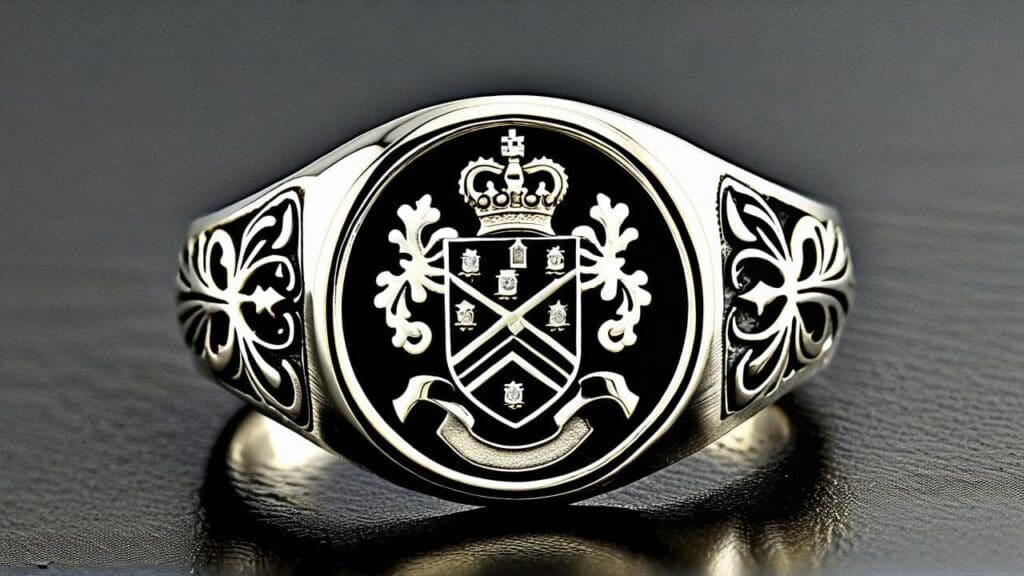
Antiqued jewelry appears across numerous style categories, from faithful historical reproductions to cutting-edge contemporary designs. Current trends reflect both nostalgia for traditional craftsmanship and innovative applications of antiquing techniques to modern aesthetic sensibilities. Understanding these styles helps consumers identify pieces that align with their personal taste and fashion preferences.
- Victorian-inspired designs featuring intricate floral motifs, symbolic elements, and romantic themes remain perennially popular—these pieces often combine antiqued silver or gold with seed pearls, garnets, or other traditional gemstones.
- Gothic and medieval revival styles utilize heavy antiquing to create dramatic, bold pieces with historical references—often featuring symbols like crosses, dragons, or architectural elements enhanced by dark oxidation.
- Nature-inspired designs benefit tremendously from antiquing techniques that highlight organic textures and forms—leaves, flowers, branches, and animal motifs gain lifelike dimension through strategic oxidation.
- Steampunk jewelry embraces antiqued brass, copper, and bronze to create industrial-aesthetic pieces—often incorporating watch parts, gears, or mechanical elements enhanced by vintage-looking finishes.
- Minimalist antiqued jewelry contrasts traditional associations by applying aged finishes to clean, contemporary forms—creating unexpected visual interest in otherwise simple designs.
- Mixed metal pieces combine antiqued finishes with bright metals for striking contrast—such as oxidized silver backgrounds with polished gold or rose gold accents.
- Textural antiquing focuses on creating tactile surfaces rather than just color contrast—hammered, reticulated, or granulated surfaces take on additional dimension when antiqued.
Antiqued jewelry has demonstrated remarkable staying power in the fashion world, transcending fleeting trends to become a mainstay in both fine and costume jewelry markets. Its versatility allows it to complement everything from casual everyday wear to formal occasions, making it a worthwhile investment for diverse jewelry collections. Many contemporary designers continue to explore new applications for antiquing techniques, ensuring these finishes remain relevant in modern jewelry design.
Conclusion
Antiquing jewelry represents a fascinating intersection of traditional craftsmanship and contemporary design sensibilities. This technique transforms ordinary metal into pieces with depth, character, and visual complexity that mass-produced, uniformly finished jewelry often lacks. Whether you’re drawn to antiqued jewelry for its aesthetic appeal, its practical benefits, or its connection to historical jewelry traditions, understanding what goes into creating these finishes enhances appreciation for the artistry involved.
When purchasing antiqued jewelry, look for quality craftsmanship where the antiquing enhances rather than obscures the design. Be aware of potential misrepresentations, particularly regarding claims of antiquity or material composition. With proper care, these pieces can maintain their distinctive appearance for years while developing additional character through wear. In a world of mass production, these deliberately aged pieces offer visual richness, tactile interest, and a connection to jewelry-making traditions that span centuries.