Plique-à-jour is jewelry’s most magical technique, creating pieces that glow with light and color like tiny stained-glass windows you can wear. The French name means “letting in daylight,” perfectly describing how this special enameling method works. Unlike most jewelry techniques that prioritize durability, plique-à-jour deliberately creates delicate, translucent sections that transform when light passes through them. This challenging technique has fascinated jewelry lovers for centuries, producing breathtaking pieces from shimmering dragonfly wings to glowing flower petals that bring a unique beauty few other jewelry methods can achieve.
What Is Plique-à-Jour?
Plique-à-jour creates a magical stained-glass effect in jewelry by setting colorful transparent enamel within a delicate metal framework with no backing. This allows light to pass through, creating luminous, glowing colors similar to a miniaturized stained glass window. Unlike other enameling techniques that use solid metal backings, plique-à-jour deliberately leaves the back open, letting light shine through just like in stained glass windows, but on a tiny, wearable scale.
- Plique-à-jour is a vitreous enameling technique where powdered glass is applied to metal cells without backing, then fired at high temperatures until the glass melts and fuses with the metal framework. The absence of backing creates the signature transparency that distinguishes this technique from other enameling methods like cloisonné or champlevé.
- The technique is widely considered one of the most difficult in all of jewelry making, requiring extreme precision and patience. A single piece can take weeks or months to complete, with multiple firings needed to achieve the perfect color depth. Due to its technical challenges, pieces can take up to 4 months to create, with high failure rates throughout the process.
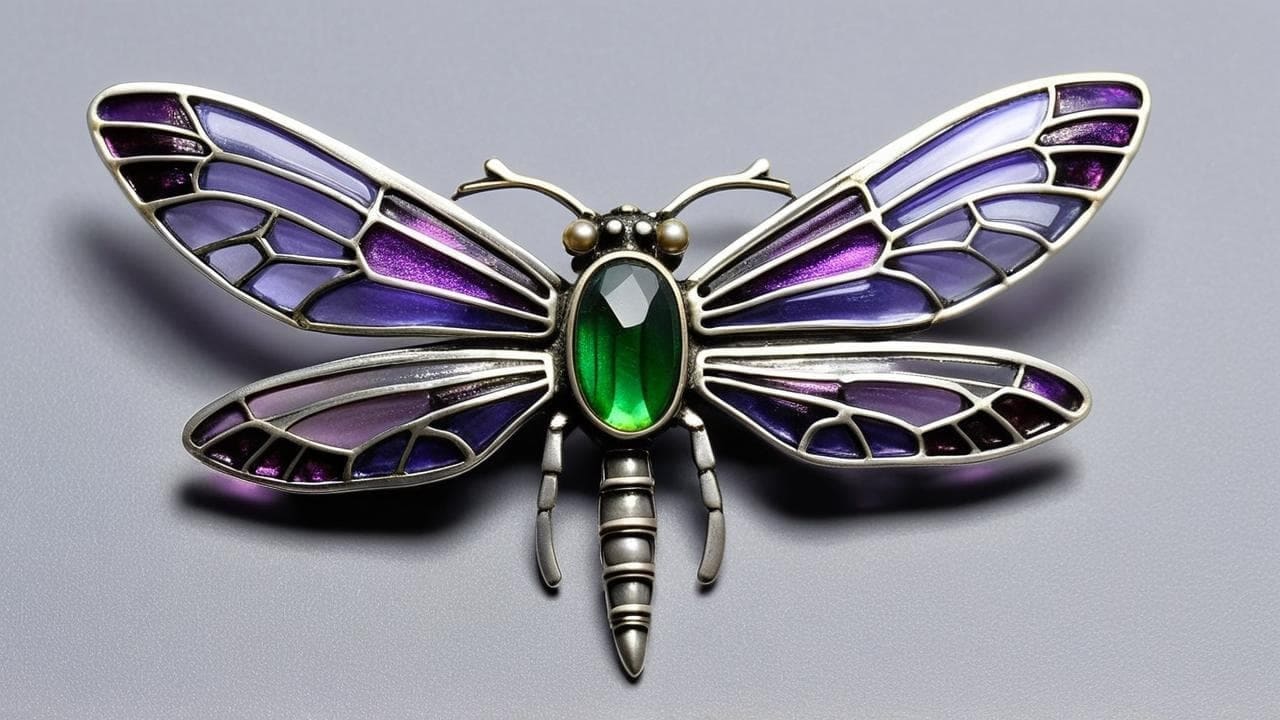
- The natural translucency of plique-à-jour makes it particularly ideal for creating realistic renderings of leaves, flowers, insect wings, and other gossamer illusions in jewelry. This special quality allows artists to capture nature’s delicacy in a way few other techniques can achieve.
- When viewed in normal light, plique-à-jour enamel appears somewhat muted, but when backlit or held up to light, it transforms dramatically, revealing vibrant, glowing colors that seem to come alive – this changing quality is what makes the technique so prized by collectors.
The beauty of plique-à-jour lies in its unique interplay with light. When you wear a plique-à-jour piece, it changes throughout the day as lighting conditions shift. Morning sunlight might make colors appear vibrant and intense, while evening light brings out softer, more subtle tones. This living quality makes plique-à-jour jewelry more than just an accessory—it’s a miniature work of art that transforms with its environment, creating a special connection between the wearer, the jewelry, and the surrounding world of light.
Historical Development of Plique-à-Jour Enameling Techniques
The story of plique-à-jour begins over a thousand years ago, weaving through different civilizations and experiencing periods of both popularity and near extinction. This labor-intensive art form has been repeatedly lost and rediscovered throughout history, with each revival adding new dimensions to the technique. Its journey from ancient origins to modern jewelry showcases how this challenging technique has captivated artisans across generations.
- Plique-à-jour was developed in the Byzantine Empire around the 6th century AD. Some examples of Byzantine plique-à-jour survived in Georgian religious icons, showing the technique’s early applications in decorative religious art.
- Kievan Russia, a strong trading partner of Constantinople, adopted the technique alongside other enameling methods. Plique-à-jour tableware became a sign of aristocracy in the region, with Russian masters significantly advancing the technique by working with cells made of silver wire in addition to cells cut directly in metal.
- The technique was largely lost after the Mongol invasion of Kievan Rus’ in the 13th century, but was preserved in Western Europe. The earliest written European reference appears in 1295 in the inventory of Pope Boniface VIII, where it was called “smalta clara” (clear enamel).
- Benvenuto Cellini (1500-1571) provided a comprehensive description of the plique-à-jour process in his 1568 “Treatises on Goldsmithing and Sculpture,” documenting how gold filigree wire designs were created inside iron bowls and painted with gum tragacanth to hold them in place during the enameling process.
- The technique experienced a dramatic revival during the late 19th century and Art Nouveau period (1890-1910), when it was embraced by master jewelers like René Lalique, Louis Comfort Tiffany, and artisans working for Peter Carl Fabergé, who used it to create some of the most celebrated jewelry pieces of the era.
- In the modern era, plique-à-jour is increasingly rare due to the cost of production and scarcity of artisans mastering this technique. Few contemporary jewelers have the patience and skill required, though some luxury houses like Cartier and Tiffany still produce limited numbers of pieces using this method.
The continuous cycle of loss and rediscovery has made surviving plique-à-jour pieces especially precious to collectors and museums. Pre-19th century examples are extremely rare due to their fragility, with most historical pieces being small ornamental items rather than larger works. Today, each surviving piece represents not just an object of beauty, but a tangible link to a challenging artistic tradition that has persisted despite numerous historical obstacles and the immense difficulty of mastering the technique.
Main Techniques Used to Create Plique-à-Jour Jewelry
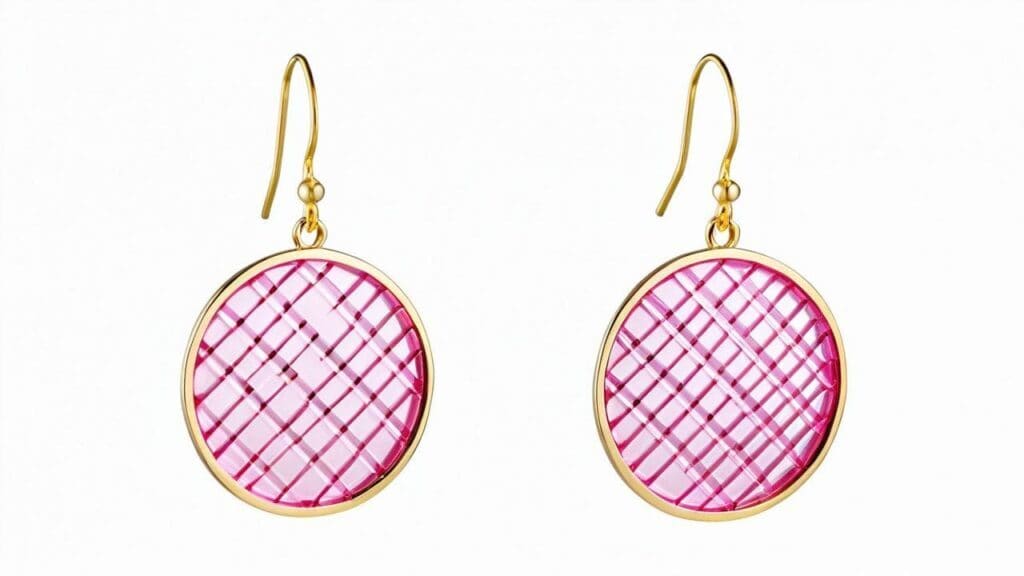
Creating plique-à-jour jewelry requires specialized methods that have evolved over centuries. Each approach has its own characteristics and challenges, but all share the fundamental goal of creating transparent enamel sections supported only by a delicate metal framework. The technique a jeweler chooses often depends on the design, available materials, and specific traditions they follow.
- Filigree plique-à-jour (also called “Russian plique-à-jour”) is a building-up process where gold or silver wires are worked over a metal form like a bowl. The wires, sometimes twisted or engraved with micro-patterns, are soldered together to create cells. Ground enamel is applied to each cell and fired in a kiln, with this process typically repeated 15-20 times until all cells are completely filled.
- Pierced plique-à-jour (or “Western plique-à-jour”) involves piercing and sawing a sheet of gold or silver to create a desired design. This leaves empty spaces or “cells” that are then filled with enamel powders. The technique requires extraordinary precision when cutting the metal to ensure clean lines and proper support for the enamel.
- Shotai shippo (“Japanese plique-à-jour”) involves firing a layer of flux (clear enamel) over a copper form. Wires are fired onto the flux similar to cloisonné, and the resulting areas are enameled in the chosen colors. After completing the enameling, the copper base is etched away with acid, leaving only a translucent shell of plique-à-jour.
- Cloisonné on mica uses a temporary backing of mica sheets during the enameling process. The mica can withstand high temperatures without the enamel sticking to it. After firing, the mica backing is carefully removed through abrasion, revealing the transparent enamel sections.
- A modern alternative method uses torch firing instead of kiln firing. This technique, developed by artists seeking more accessible approaches, allows for creating plique-à-jour effects without requiring specialized kiln equipment, though it generally works best for smaller pieces.
Each of these methods presents unique challenges and advantages. Filigree techniques create more intricate and delicate designs but require exceptional skill in wirework. Pierced techniques offer more structural stability but limit certain design possibilities. The Japanese approach allows for larger pieces but involves the additional step of removing the base metal. Despite their differences, all these methods demand extraordinary patience, steady hands, and a deep understanding of how enamel behaves when fired. The diversity of approaches has allowed plique-à-jour to adapt to different cultural traditions while maintaining its essential characteristic of translucent beauty.
Famous Plique-à-Jour Artists and Their Iconic Works
Throughout history, certain artists have elevated plique-à-jour from a technique to an art form. These masters pushed the boundaries of what was possible with this challenging medium, creating pieces that continue to inspire jewelry designers today. Their innovations and signature styles helped define different periods in jewelry history and established plique-à-jour as one of the most prestigious jewelry techniques.
- René Lalique (1860-1945) is perhaps the most celebrated master of plique-à-jour. During the Art Nouveau period, he perfected the technique, creating extraordinary pieces featuring nature-inspired designs with insects, flowers, and mythological figures. Lalique often paired transparent enamel with unusual materials such as copper, iron, and aluminum, alongside traditional gold and silver, and incorporated bright gemstones like jade and amethyst to complement the transparent enamel.
- Peter Carl Fabergé and the masters who worked in his workshop incorporated plique-à-jour into many of their finest creations, including some of the famous Imperial Easter Eggs. Russian plique-à-jour work from this period is particularly known for its exceptional technical quality and the use of richly colored enamels.
- Louis Comfort Tiffany, while better known for his stained glass work, applied his knowledge of glass techniques to create jewelry with remarkable plique-à-jour effects. His understanding of how light interacts with color helped him create pieces with exceptional luminosity.
- Contemporary masters keeping the tradition alive include Sandrine Tessier (French “Best Worker in France”) who works with Vever, and Inès Hamaguchi (Swiss) who collaborates with prestigious houses like Cartier and Hermès. These modern artisans create exceptional pieces that blend traditional techniques with contemporary design sensibilities.
- Japanese masters of the shotai shippo technique developed their own approach to plique-à-jour, with a style characterized by exceptional delicacy and often featuring motifs from Japanese nature and culture, demonstrating how the technique adapted to different artistic traditions.
- During the revival of plique-à-jour in the 19th century, jewelers like Alexis Falize, Jules Chaize, Eugène Fontenay, and Frédéric Boucheron played crucial roles in rediscovering and advancing the technique. Their work helped bridge the gap between historical examples and the Art Nouveau explosion of plique-à-jour jewelry.
The work of these masters demonstrates that plique-à-jour is not merely a technical challenge but a medium for artistic expression. Their pieces often fetch extraordinary prices at auction and are sought after by museums and collectors worldwide. Each master brought their own aesthetic sensibility to the technique, proving that within the strict technical constraints of plique-à-jour, there remains tremendous room for artistic innovation and personal expression. Today’s few practicing masters of plique-à-jour carry forward this legacy, preserving a technique that continues to captivate with its luminous beauty.
Why Plique-à-Jour Is So Valuable and Sought After
Plique-à-jour occupies a unique place in the jewelry world, distinct from other techniques in both its visual effects and the emotional response it creates. The special qualities of plique-à-jour make it not just decorative but truly magical in the way it transforms with light and creates connections to the natural world. There are several reasons why this technique continues to captivate jewelry connoisseurs despite its rarity.
- The translucent quality of plique-à-jour makes it especially suitable for pendants and earrings, where light can pass through the piece, highlighting and featuring the play of color that occurs as light filters through the enamel. This dynamic quality means plique-à-jour jewelry changes throughout the day as lighting conditions shift.
- The technique creates an unmatched delicacy and ethereal quality that perfectly captures nature’s most gossamer elements. Butterfly wings, dragonfly wings, flower petals, and leaves rendered in plique-à-jour have a lifelike quality that solid materials simply cannot achieve, making these designs particularly compelling.
- Unlike most other jewelry making techniques that prioritize durability and permanence, plique-à-jour embraces a certain fragility and transparency that makes each piece feel precious and requires mindful wearing – creating a special relationship between the wearer and the jewelry.
- Plique-à-jour was a critical innovation in developing the Art Nouveau aesthetic in jewelry, perfectly aligning with that movement’s emphasis on natural forms, flowing lines, and capturing the essence rather than just the appearance of natural subjects.
- Each plique-à-jour piece represents hundreds of hours of painstaking work by a highly skilled artisan. The extraordinary time investment and specialized knowledge required means that plique-à-jour jewelry inherently carries the story of its creation and the dedication of its maker.
- The rarity of plique-à-jour pieces, both antique and contemporary, gives them particular value to collectors. As fewer jewelers master this challenging technique, each new piece becomes increasingly special as a representation of a threatened art form.
The magic of plique-à-jour comes from its perfect balance of opposites – it is simultaneously strong enough to be worn yet appears delicate as gossamer; it is precisely crafted yet creates effects that seem almost magical; it uses rigid materials yet captures the fluid essence of nature. This balance of contradictions creates jewelry that feels alive and responsive rather than static, forging a unique bond between the wearer and their jewelry that few other techniques can match. For those fortunate enough to own or wear plique-à-jour pieces, the experience is less like wearing an accessory and more like carrying a small, luminous work of art that responds to every change in light and movement.
How to Care for Plique-à-Jour Jewelry
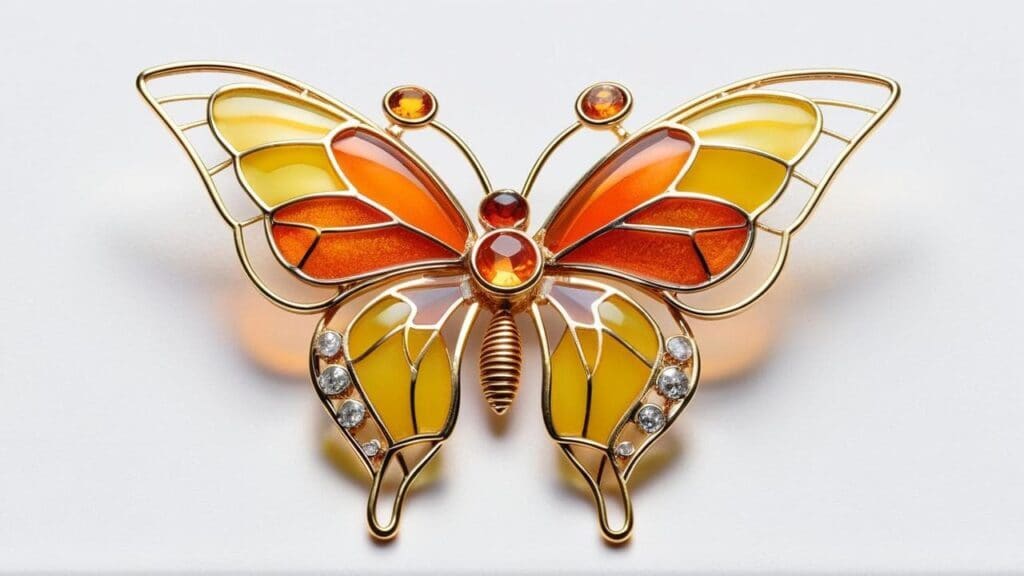
The extraordinary beauty of plique-à-jour jewelry comes with special care requirements. The delicate nature of these pieces demands thoughtful handling and maintenance to preserve their beauty for generations. Understanding how to properly care for plique-à-jour jewelry is essential for anyone lucky enough to own these rare treasures.
- The thin nature of the enamel makes plique-à-jour jewelry particularly susceptible to damage from impact or excessive force. Even a small knock can potentially crack or chip the delicate glass enamel sections. Always handle these pieces with exceptional care, holding them by their metal framework rather than the enamel sections.
- Store plique-à-jour pieces separately from other jewelry to avoid contact that might scratch or chip the delicate enamel. Ideally, keep them in individual soft pouches or boxes with padding to provide protection.
- Cleaning should be gentle and minimal. Use only a soft, damp cloth to lightly wipe the surface. Avoid ultrasonics, steam cleaners, and all jewelry cleaning solutions or chemicals, as these can damage the enamel or loosen it from its metal framework. Never submerge plique-à-jour jewelry in water.
- Temperature fluctuations can cause the metal and enamel to expand and contract at different rates, potentially leading to cracks. Avoid exposing plique-à-jour jewelry to extreme heat or cold, including hot water, saunas, or freezing temperatures.
- Plique-à-jour pieces are more fragile than other types of enamel work and require careful handling in use. Consider when and where you wear these pieces – they’re better suited for special occasions than everyday wear, and should be removed before any vigorous activity.
- If damage does occur, seek repair only from specialized jewelers with experience in enamel repair. Standard jewelers often lack the specialized knowledge needed to properly restore plique-à-jour pieces without causing further damage.
- When displaying plique-à-jour jewelry in your home, keep pieces away from direct sunlight, which can fade the colors over time, and ensure they’re in a location where they won’t be accidentally bumped or handled by others.
With proper care, plique-à-jour jewelry can maintain its beauty for generations, becoming treasured heirlooms that pass down through families. The extra attention these pieces require is part of what makes them special – they ask for a mindful relationship with their owner, a conscious appreciation of their delicacy and beauty. This mindfulness is not a burden but part of the joy of owning such exceptional pieces, connecting their owners to a centuries-old tradition of careful craftsmanship and artistic excellence that deserves to be preserved and protected.
Contemporary Uses of Plique-à-Jour in Modern Jewelry
While plique-à-jour remains one of the most challenging jewelry techniques, contemporary artists and designers continue to find new ways to incorporate this ancient art form into modern pieces. Today’s approaches to plique-à-jour blend traditional methods with new technologies and aesthetic sensibilities, keeping this remarkable technique relevant in the 21st century.
- Contemporary plique-à-jour artists often combine this traditional technique with modern design aesthetics, creating pieces that honor historical methods while appealing to current tastes. Clean lines, geometric patterns, and abstract designs now appear alongside the more traditional nature-inspired motifs.
- Some modern jewelers are experimenting with combining plique-à-jour with other techniques such as gemstone setting, textured metalwork, or mixed metals to create more complex, multi-dimensional pieces that showcase the translucent enamel in new contexts.
- Alternative methods like torch-fired plique-à-jour are making the technique more accessible to a wider range of jewelers who may not have access to specialized kiln equipment. These adaptations allow for smaller-scale production while maintaining the essential translucent qualities.
- Educational opportunities have expanded, with specialized workshops and courses now available for jewelers wanting to learn this challenging technique. Organizations like the Peters Valley School of Craft offer dedicated programs teaching plique-à-jour to new generations of enamelists.
- Digital design tools are being used by some artists to plan complex plique-à-jour patterns more precisely before executing them by hand, allowing for more intricate and precisely calculated designs while maintaining traditional handcrafting for the actual fabrication.
- A small but growing community of collectors specifically seeks out contemporary plique-à-jour work, supporting living artists who maintain this challenging tradition and helping ensure the technique’s preservation for future generations.
- New applications beyond traditional jewelry include miniature decorative objects, small sculptural pieces, and even functional items like business card holders or small decorative boxes that incorporate plique-à-jour elements.
Despite these innovations, plique-à-jour remains fundamentally a handcraft that resists mass production. This resistance to industrialization is part of what makes modern plique-à-jour pieces so special – each represents a deliberate choice by an artist to work within a challenging tradition that requires patience, skill, and dedication. In our fast-paced world of instant gratification and rapid production, plique-à-jour stands as a reminder of the value of slowness, of processes that cannot be rushed, and of beauty that emerges through patience and persistence. Modern plique-à-jour pieces are not just decorative objects but statements about the continuing relevance of traditional craftsmanship in contemporary life.
Collecting Plique-à-Jour Jewelry
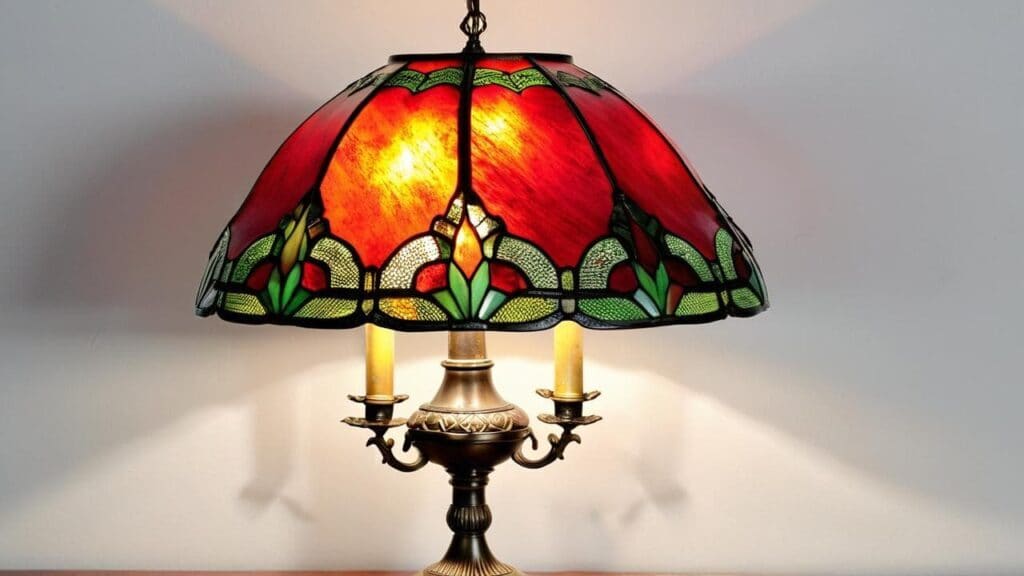
For collectors and jewelry enthusiasts, plique-à-jour pieces represent some of the most coveted additions to a collection. Whether you’re drawn to historical pieces from the Art Nouveau period or contemporary works by living masters, collecting plique-à-jour offers unique rewards and considerations that differ from other jewelry categories. Understanding what to look for and how to build a meaningful collection can enhance the enjoyment of these extraordinary pieces.
- When examining potential acquisitions, carefully assess the condition of the enamel sections. Look for cracks, chips, or areas where the enamel has separated from the metal framework. Minor damage significantly impacts both the aesthetic value and the price of plique-à-jour pieces.
- Provenance matters tremendously with plique-à-jour jewelry. Pieces from known workshops or artists command premium prices, with signed works by masters like Lalique, Fabergé, or Tiffany representing the pinnacle of collectibility. Documentation of a piece’s history adds significantly to its value.
- Historical periods have distinct styles: Art Nouveau pieces typically feature flowing, nature-inspired designs, while earlier Victorian examples tend to be more structured. Russian pieces often have bolder colors and unique designs influenced by Slavic artistic traditions.
- For those interested in contemporary plique-à-jour, seek out established enamelists who specialize in the technique. Visiting craft shows, specialized galleries, or connecting with enamel arts organizations can help identify talented artists producing collectible modern pieces.
- Pay attention to the quality of the metalwork as well as the enamel. Fine plique-à-jour pieces feature precise, clean metal framework with consistent cell sizes and elegant overall designs. The metal framework should be as refined as the enamel it supports.
- The worth of plique-à-jour pieces resides primarily in their inspirational designs and high quality of craftsmanship rather than in the intrinsic value of the metal. Unlike some jewelry where material value drives price, plique-à-jour is valued almost entirely for its artistry and technical execution.
- Building a collection over time allows you to appreciate the diversity within this specialized field. Consider collecting pieces that represent different techniques (Russian filigree style, Western pierced style, Japanese shotai shippo) or different time periods to create a collection that tells the broader story of plique-à-jour’s evolution.
Collecting plique-à-jour jewelry connects you to a rich artistic tradition spanning centuries and crossing cultural boundaries. Each piece in a collection represents not just an object of beauty but a tangible link to skilled artisans who dedicated themselves to mastering one of jewelry’s most challenging techniques. As fewer new pieces are created due to the time-intensive nature of the craft, both historical and contemporary plique-à-jour jewelry becomes increasingly valuable. For the serious collector, these pieces offer not just aesthetic pleasure but the satisfaction of preserving and honoring an artistic tradition that might otherwise fade into history. Whether displayed in a home collection or worn on special occasions, plique-à-jour jewelry continues to captivate with its luminous beauty and extraordinary craftsmanship.
Conclusion
Plique-à-jour stands as one of jewelry’s most magical techniques – a perfect marriage of light, color, and extraordinary craftsmanship. From its Byzantine origins through its Art Nouveau golden age to contemporary revivals, this challenging enameling method continues to captivate with its stained-glass-like translucency. The technique’s demanding nature – requiring months of painstaking work with high failure rates – ensures that each successful piece represents a triumph of skill and patience. Whether depicting the wings of dragonflies, delicate flower petals, or abstract patterns, plique-à-jour captures light in a way no other jewelry technique can match.
For collectors and enthusiasts, plique-à-jour jewelry offers a special connection to a centuries-old tradition of exceptional artistry. As fewer artisans master this challenging technique, each surviving historical piece and each new creation becomes increasingly precious – tangible reminders of what human hands can achieve when skill, artistry, and patience combine. In a world increasingly dominated by mass production, plique-à-jour jewelry reminds us of the irreplaceable value of things made slowly, with care, and with extraordinary skill. When you encounter a piece of plique-à-jour jewelry, take a moment to hold it up to the light and witness the magic that has captivated jewelry lovers for over a thousand years.