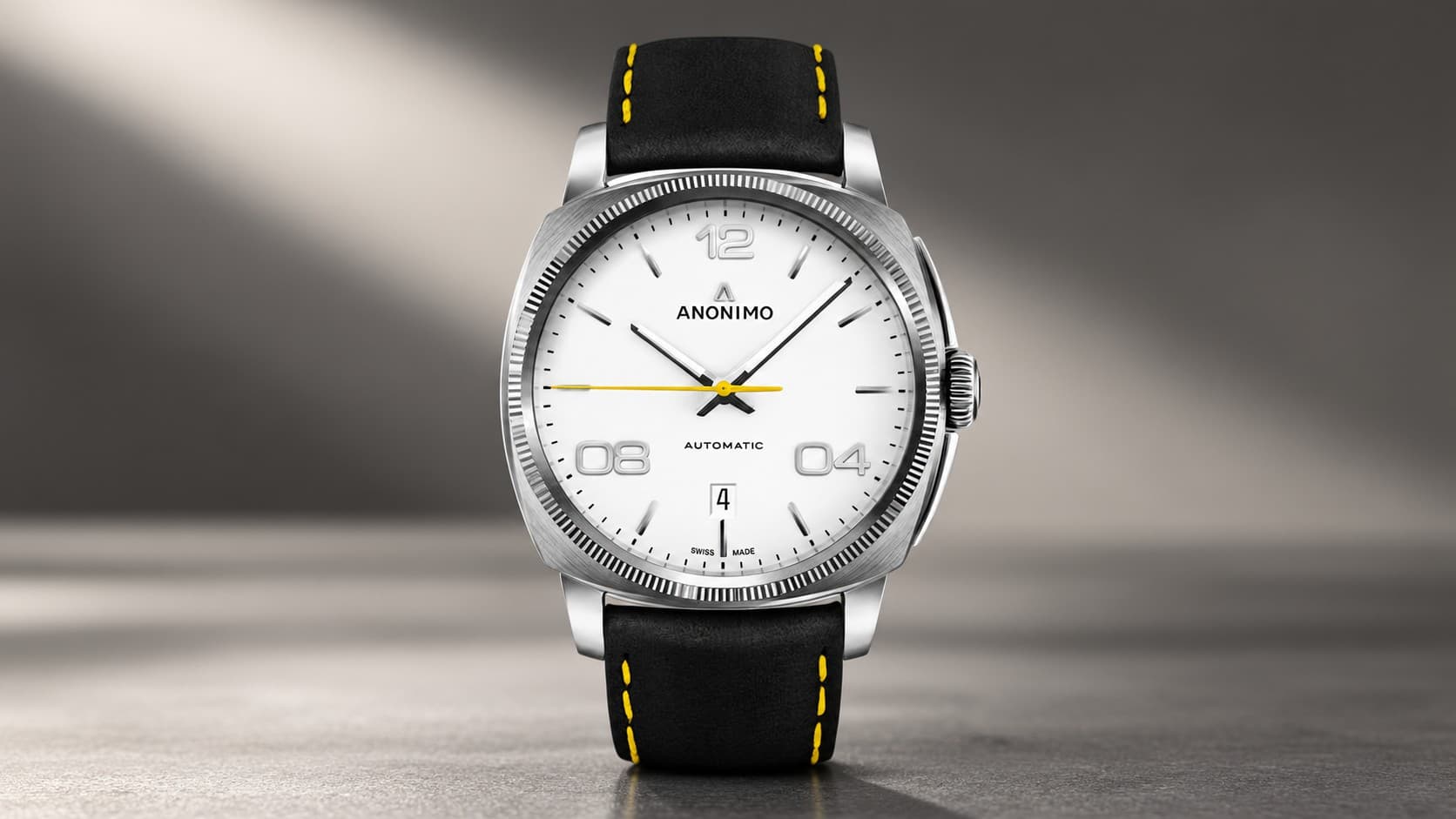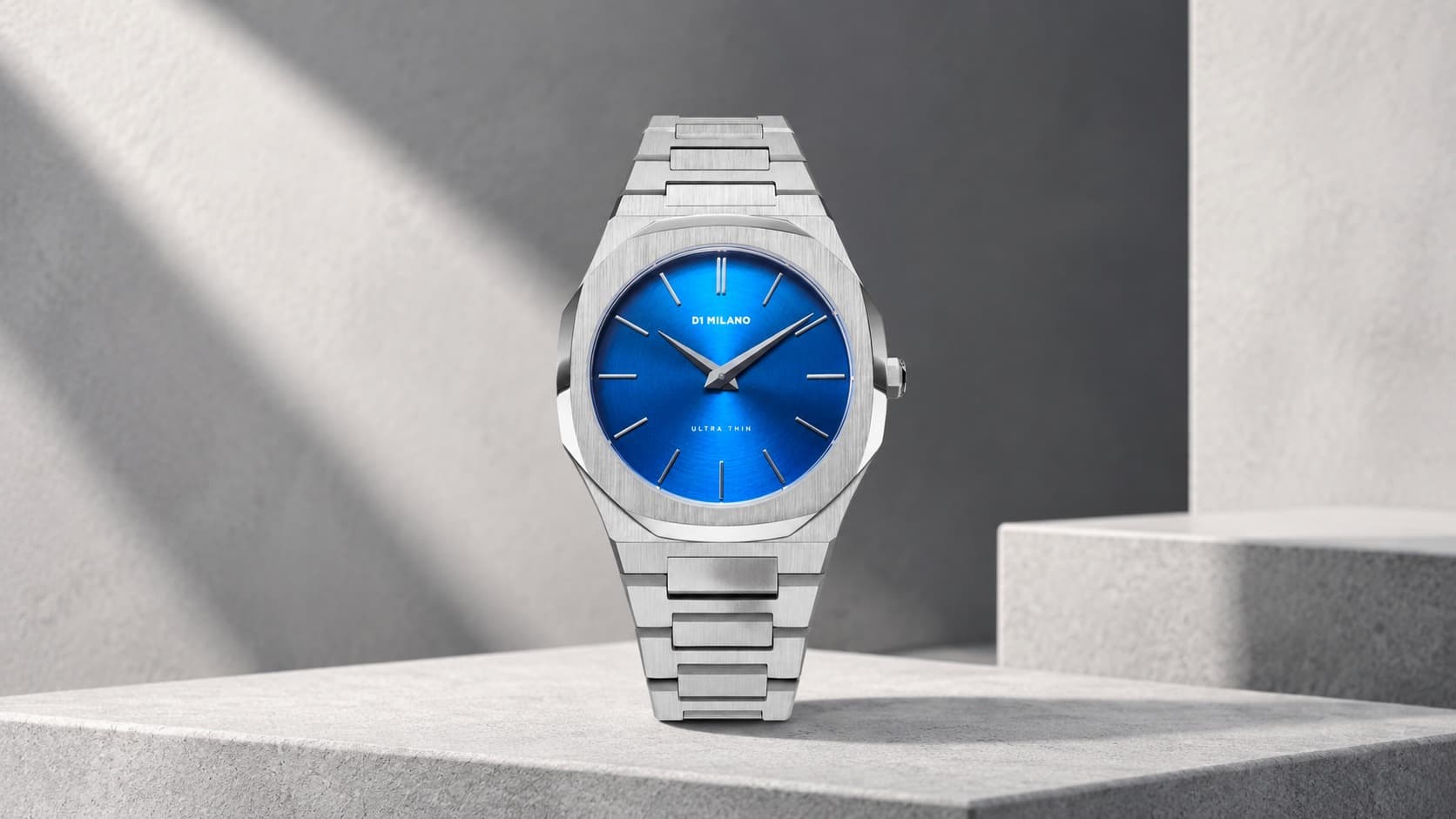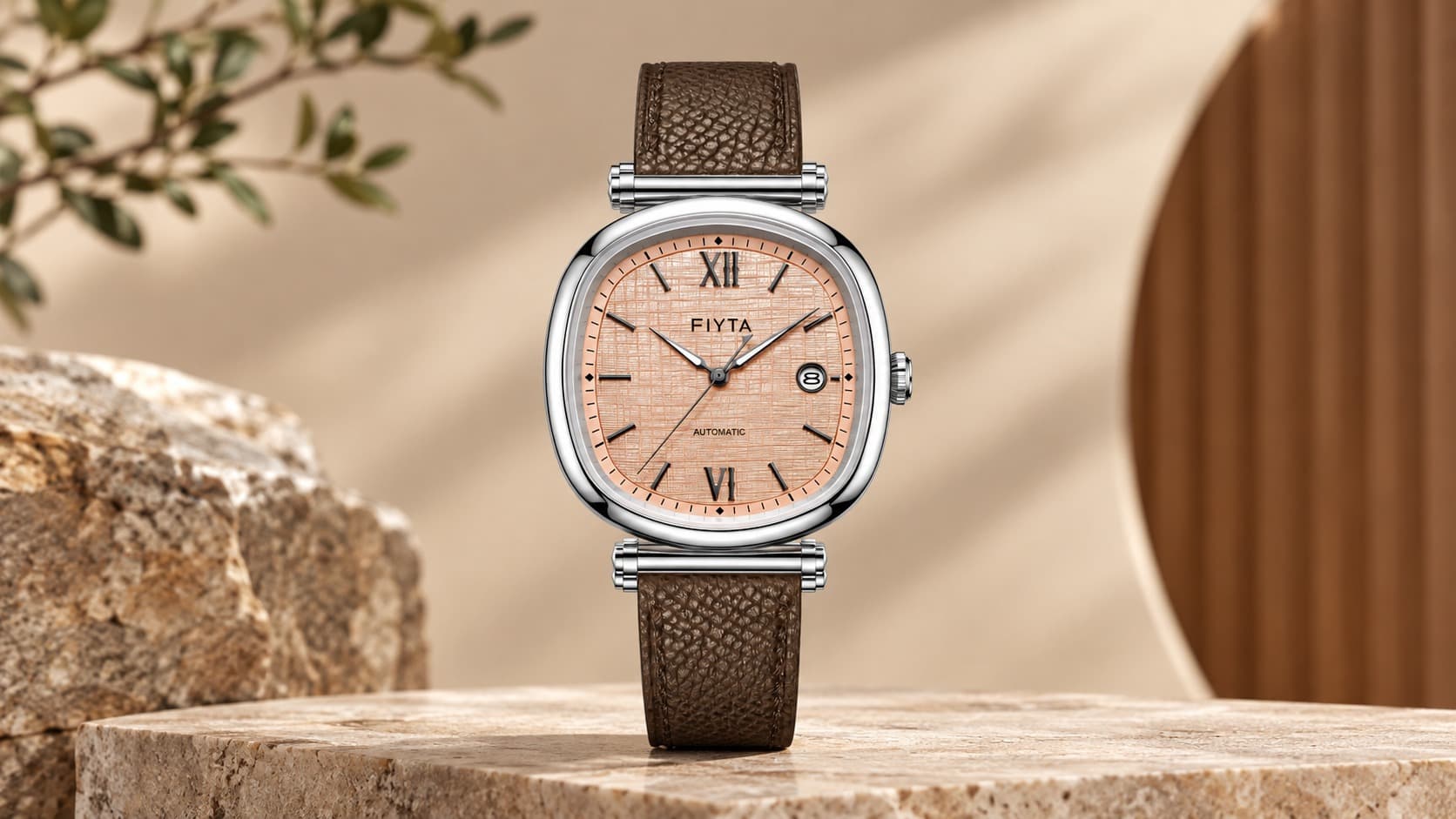
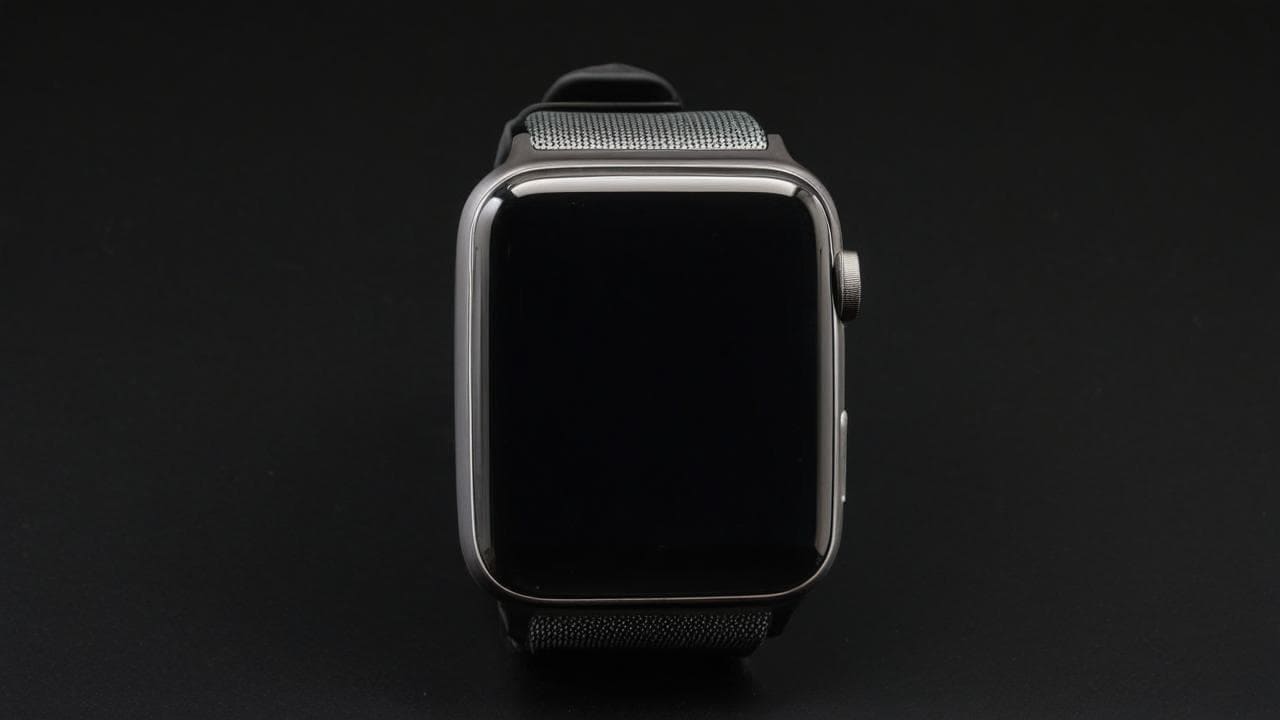
The relationship between smartwatches and traditional watches represents one of the most fascinating dynamics in the modern jewelry and accessories market. While initial fears suggested that smartwatches might completely replace traditional timepieces, the reality has proven far more nuanced. In 2024, the smartwatch market experienced its first-ever decline with a 7% drop in global shipments, primarily due to a 19% decrease in Apple Watch sales, yet traditional mechanical watches continue to thrive with the global mechanical watch market valued at USD 61.9 billion, expected to reach USD 97 billion by 2034. This divergence reveals a market that’s not experiencing replacement but rather segmentation, where both technologies coexist by serving fundamentally different consumer needs and preferences.
Smartwatch vs Traditional Watch Sales Data 2024
The watch industry’s sales figures reveal two distinct markets evolving independently rather than competing directly. Smartwatches experienced unprecedented challenges in 2024, while traditional watches demonstrated remarkable resilience and continued growth. The data shows that these markets serve different consumer segments with distinct preferences and use cases.
- Smartwatch market faced historic decline: 2024 marked the first-ever annual decline for smartwatches with a 7% decrease in global shipments, primarily driven by Apple’s 19% drop in sales due to tighter competition, weaker upgrade cycles, and patent disputes in North America. Basic smartwatch segments particularly suffered in emerging markets like India, experiencing lower upgrades due to slow replacement cycles and unsatisfactory user experiences among first-time buyers.
- Global smartwatch user base remains substantial: Despite the sales decline, global smartwatch users reached 454.69 million in 2024, with the market revenue projected to hit $47.94 billion. Industry forecasts predict recovery with a 10% growth in the wearable band market for 2024, accelerating to 17% growth in smartwatch shipments, reaching an estimated 746 million units by 2030.
- Traditional mechanical watch market shows strength: The global mechanical watch market maintained a value of USD 61.9 billion in 2024, with projections showing growth to USD 97 billion by 2034 at a CAGR of 4.6%. Automatic mechanical watches specifically dominated with a market value of USD 42.3 billion in 2024, expected to reach USD 67.4 billion by 2034.
- Luxury watch segment demonstrates resilience: The luxury watch market reached USD 44.2 billion in 2023, projected to grow at 5.24% CAGR through 2030, with Swiss watch exports alone reaching 24 billion USD in 2023. Mechanical watches maintain approximately 66% market share in the luxury segment, driven by their prestige, craftsmanship, and investment potential.
- Market leadership reveals different dynamics: Apple remains the smartwatch market leader with a 22% share, followed by Huawei (13%), Samsung (9%), Xiaomi (8%), and Imoo (6%). Notably, Xiaomi emerged as the biggest winner in 2024 with 135% growth, driven by affordable models like the Watch S1 and Redmi Watch series. In contrast, traditional watch brands maintain market dominance through heritage and craftsmanship.
- Investment performance highlights divergence: Rare pre-owned luxury watches have outperformed traditional investments, with top models from brands like Rolex, Patek Philippe, and Audemars Piguet averaging 20% annual price increases from 2018 to 2023. During the pandemic, some luxury watches reached twice their original retail value, while luxury timepieces overall appreciated at 7% annually from 2013 to 2022.
- Overall watch market expansion: The total global watch market was valued at USD 112.1 billion in 2023 and is projected to grow at 9.1% CAGR through 2030, indicating healthy expansion across both traditional and smart segments. The total market is expected to reach USD 158.19 billion by 2033, demonstrating continued consumer demand for timepieces across all categories.
These sales figures conclusively demonstrate that smartwatches are not killing traditional watches but rather creating a bifurcated market. While smartwatches face challenges in maintaining growth momentum and achieving market saturation, traditional watches continue to thrive through their appeal as luxury items, investment pieces, and symbols of craftsmanship. The data suggests that consumers view these as complementary rather than competing products, with each serving distinct purposes in the modern lifestyle.
Why People Still Choose Traditional Timepieces
Traditional watches maintain several crucial advantages over smartwatches that ensure their continued relevance and appeal. These timepieces excel in areas where smartwatches simply cannot compete, including craftsmanship, heritage value, investment potential, and status symbolism. The enduring appeal of traditional watches stems from their ability to serve as both functional tools and artistic expressions.
- Heritage and craftsmanship remain unmatched: Mechanical watches represent centuries-old watchmaking traditions, with luxury brands emphasizing intricate engineering and artistry that appeals to affluent consumers including business tycoons and celebrities. These watches are often handcrafted using traditional methods passed down through generations, featuring complex systems of springs and gears that demonstrate exceptional engineering skills.
- Investment value continues to appreciate: From 2018 to 2023, top models from brands like Rolex, Patek Philippe, and Audemars Piguet saw their average prices increase by 20% each year. Pre-owned luxury watches have outperformed traditional investments including jewelry, handbags, and art, appreciating at 7% annually from 2013 to 2022. These timepieces are particularly valued for their investment potential, often maintaining or increasing in value over time.
- Status symbolism and prestige endure: Mechanical watches are widely regarded as status symbols, with their high price points reflecting the intricate craftsmanship involved in their creation. Luxury watches have transformed into collectibles that serve as marks of distinction and elegance, with rich histories spanning generations. Brand-conscious consumers increasingly view luxury watches not just as timekeeping devices but as forms of investment and personal expression.
- Superior materials and construction quality: Leading brands use premium materials such as 904L stainless steel, 18k gold, and scratch-resistant sapphire crystals, offering exceptional quality and durability that resonates with luxury consumers. The production of limited-edition models creates scarcity value, boosting sales and appeal among collectors who appreciate exclusive, prestigious timepieces.
- No battery requirements or planned obsolescence: Unlike smartwatches that require regular charging and eventual replacement due to technological obsolescence, traditional mechanical watches can function indefinitely with proper maintenance. Automatic watches use the natural motion of the wearer’s wrist to power the watch through a rotor system, eliminating the need for batteries entirely.
- Cultural and emotional connection: Traditional watches connect individuals to a lineage of craftsmanship and design, offering a sense of belonging to a broader cultural heritage. The aesthetic appeal lies in their design, materials, and the story they tell, serving as wearable art that reflects personal style and heritage.
- Growing interest among younger demographics: Millennials and Gen Z represent 40% of the market share in 2023, showing increasing interest in vintage-inspired watches. Retro-inspired watches made up 15% of luxury watches sold in 2022, demonstrating that younger generations appreciate the combination of traditional aesthetics with modern sensibilities.
Traditional watches continue to outperform in areas that matter most to luxury consumers and collectors. Their strength lies not in competing with smartwatches on technological features, but in offering something fundamentally different: timeless craftsmanship, investment value, and cultural significance. As the luxury watch market continues growing at over 5% annually, it’s clear that traditional timepieces have found their niche in an increasingly digital world, serving as both functional instruments and artistic expressions that transcend the temporary nature of technology.
Smartwatch Features That Traditional Watches Can’t Match
Smartwatches dominate in areas where traditional watches cannot compete, particularly in health monitoring, connectivity, and daily convenience. These devices have revolutionized the way people interact with their wrist-worn technology, transforming from simple timekeepers into comprehensive health and communication hubs. Their technological capabilities continue to expand, making them indispensable tools for modern lifestyles.
- Comprehensive health and fitness tracking: 92% of smartwatch users utilize them for health and fitness tracking, with features including heart rate monitoring, sleep tracking, and workout guidance. Advanced models offer ECG monitoring, blood oxygen level measurement, and stress level control, using cutting-edge technologies like photoplethysmography (PPG) and electrocardiogram (ECG) to provide accurate real-time health information. Healthcare applications are extensive, with biosensor-equipped smartwatches showing promise for various medical applications, including potential remote monitoring for five million individuals using AI-enabled software analytics.
- Seamless smartphone integration and connectivity: Users value the convenience of checking their wrists for messages, calls, and important updates without accessing their smartphones, enhancing productivity and addressing safety concerns during meetings, workouts, or other activities. Standalone smartwatches can function independently with their own cellular connectivity, GPS, and storage, allowing them to make calls, send messages, and stream music without needing to be tethered to a mobile device.
- Advanced technological features continue evolving: Upcoming hardware improvements include significant battery life enhancements and the potential arrival of micro-LED screens on premium devices. New fitness and health capabilities such as blood pressure monitoring and sleep apnea detection are expected to become industry standards, with Apple planning to introduce these features in future releases. Samsung is reportedly working on non-invasive blood glucose monitoring for future smartwatches.
- Customization and versatility advantages: Smartwatches allow users to download different interfaces and easily change their style. Apple continues to lead with its Apple Watch Series 10, offering a broad suite of lifestyle, fitness, health, and safety tools with a large screen, slimmer design, and new lightweight titanium case option. Apple Watch features include Digital Crown, ECG, and blood oxygen monitoring, enhancing their standing in health and fitness tracking.
- Specific use-case dominance: The running segment accounted for 37% market share in 2024, with smartwatches offering superior accuracy of tracking, ergonomics of user interface, and specialized features for runners. Kids’ smartwatches were the only segment to witness growth in 2024, driven by parental concerns for safety and the desire to track and stay connected with their children.
- Smart home and IoT integration: More than 60% of consumers consider the ability to control smart home devices through their smartwatches as a crucial factor in their purchase decision. Smartwatches with IoT capabilities have surpassed 30% of all smartwatch sales, with this segment experiencing 40% year-on-year growth and projected to be integral to over 70% of connected IoT ecosystems by 2025.
- Convenience and practical applications: Smartwatches offer contactless payment technology, GPS navigation, mobile notifications, remote control functions, gaming capabilities, and emergency services access. Features include calling/messaging, navigation, voice assistance, and automated daily activity management. Most smartwatches enable Bluetooth headset playback of digital audio and video files, with some models including FM radio functionality.
- Corporate and wellness applications: Rising adoption of smartwatches in corporate wellness programs drives market expansion, with enterprises using them to enhance productivity, reduce healthcare expenses, foster positive workplace atmosphere, and promote individual well-being. Organizations increasingly utilize smartwatches to support active lifestyles, monitor fitness goals, and measure essential health metrics.
Smartwatches excel in areas that align with modern technology needs and health consciousness. Their ability to integrate multiple functions into a single device, provide real-time health monitoring, and connect seamlessly with digital ecosystems makes them essential tools for many consumers. While they may lack the heritage and craftsmanship of traditional watches, their practical applications and technological capabilities ensure their continued relevance in an increasingly connected world.
Understanding Watch Buyer Preferences
The watch market has evolved into distinct segments catering to different demographics and use cases. Rather than competing directly, smartwatches and traditional watches appeal to different consumer profiles, age groups, and lifestyle requirements. This segmentation explains why both markets can thrive simultaneously, each serving unique consumer needs and preferences.
- Age demographics show clear preferences: Men are more likely to own smartwatches compared to women, being early adopters of technology who are easily impressed by technical specifications. Women give more importance to the value smartwatches bring to their lives and often believe that smartwatches’ size and design don’t suit their wrists. Millennials and Gen Z represent 40% of the luxury watch market share in 2023, showing increasing interest in vintage-inspired traditional watches.
- Professional and lifestyle segmentation: Business tycoons and celebrities gravitate toward mechanical watches for their craftsmanship and status symbolism. Health-conscious consumers and fitness enthusiasts prefer smartwatches for comprehensive health tracking and workout guidance. Brand-conscious consumers seeking traditional and modern innovations increasingly view luxury watches as both timekeeping devices and investment forms.
- Price point preferences vary significantly: Xiaomi’s 135% growth in 2024 was driven by affordable models like the Watch S1 and Redmi Watch series, appealing to price-sensitive consumers. Premium brands face competition from Chinese and Indian vendors offering differentiated features at affordable prices in the smartwatch segment. Luxury traditional watches appeal to investors willing to spend $10,000-$15,000 for their first luxury timepiece, with some models reaching significantly higher prices.
- Usage scenarios drive different choices: Parents increasingly choose kids’ smartwatches for safety concerns and staying connected with their children. Athletes and sportspeople form important markets for sports-focused smartwatches with features like step counters, training reminders, stopwatches, and timers. Traditional watch owners value them as status symbols and emotional connections to heritage and craftsmanship.
- Cultural and regional preferences differ: China captured the biggest smartwatch shipment share for the first time in 2024, driven by strong performance of Chinese brands including Huawei, Xiaomi, and BBK. Asia-Pacific leads luxury watch growth, with increasing disposable incomes in countries like China, Japan, India, and Hong Kong fueling demand for traditional timepieces. North American consumers show strong inclination toward premium timepieces with growing appreciation for high-end watches as both status symbols and investment pieces.
- Collection and investment motivations: The “Collector/Investor” segment makes up 44% of buyers and dominates 58% of the luxury watch market value. Gen Z and younger millennials increased their spending on luxury timepieces by 54% between 2021 and 2023, often using online platforms like Chrono24, WatchBox, and Watchfinder. Traditional watch manufacturers entering the smartwatch market have collectively achieved 15% market share, showing interest in diversifying.
- Feature prioritization varies by user type: 56% of GenZ and 46% of millennials primarily track their heart rate and sleep using smartwatches. Healthcare and wellness represents a substantial portion of the smartwatch market, with biosensor-equipped technology offering promising applications in various healthcare domains. Luxury watch consumers seek timepieces featuring advanced complications like chronographs, moon phases, perpetual calendars, and tourbillons.
The bifurcation of the watch market reflects fundamental differences in consumer needs, values, and lifestyles. Smartwatches appeal to technology-forward consumers prioritizing functionality, health monitoring, and connectivity, while traditional watches attract those valuing craftsmanship, heritage, and investment potential. This segmentation ensures both markets can coexist and grow independently, each serving distinct demographics with unique requirements and preferences.
Why Hybrid Watches Are Gaining Popularity
The hybrid watch segment represents a growing attempt to bridge the gap between traditional craftsmanship and modern technology. These timepieces combine the classic aesthetics of mechanical watches with select smart features, appealing to consumers who want both heritage and functionality. This emerging category demonstrates how the watch industry is adapting to diverse consumer needs.
- Hybrid market showing significant growth: Hybrid smartwatches, which combine features of a smartwatch and traditional mechanical watch, give companies in the market a considerable advantage. A hybrid smartwatch lacks a touchscreen user interface and charging capabilities but has all the characteristics of a conventional smartwatch plus certain linked features, appearing like a typical mechanical watch with additional functions like heart rate tracking and calorie monitoring.
- Luxury brands embracing hybrid technology: Traditional watch-making brands including Fossil, Swatch, and Tag Heuer are focusing on creating hybrid watches with more modern features. European brands like TAG Heuer and Montblanc have introduced hybrid smartwatches with a luxury feel, meeting the demand for digital innovation while maintaining traditional aesthetics. These hybrid models offer a blend of classic design and modern technology features.
- Consumer appeal for hybrid designs: Customers, particularly those in the upper and business classes, have demonstrated strong preference for these hybrid smartwatches over more complicated smartwatches that require extensive technical expertise and extended charging times. Hybrid models appeal to those who want the classic look of traditional watches while still accessing some smart features.
- Technological integration in traditional watches: Luxury watchmakers have been focusing on integrating state-of-the-art technology within their designs, from chronographs to moon phases, perpetual calendars to tourbillons, attracting customers who seek both traditional and modern innovations. Traditional watch manufacturers entering the smartwatch market have collectively achieved 15% market share, showing growing interest in the wearable technology space.
- Market positioning and opportunities: Market players expect this hybrid segment to experience rapid growth as it offers the perfect balance between traditional aesthetics and modern functionality. The U.S. smartwatch market includes hybrid products as one of three main categories, alongside extension and standalone smartwatches.
- Design advantages of hybrids: Hybrid watches typically appear identical to traditional mechanical watches but include smart features like Bluetooth connectivity, heart rate tracking systems, and calorie monitoring without compromising the classic aesthetic. The absence of touchscreen interfaces and charging requirements makes them more appealing to consumers who prefer the traditional watch experience with added functionality.
- Market expansion potential: The growing trend toward hybrid models suggests a future where consumers won’t need to choose between traditional and smart features. Tech-savvy European consumers seeking functionality and style are driving demand for hybrid offerings that combine luxury feel with digital innovation.
The hybrid watch market represents a promising middle ground between traditional and smart timepieces. By combining the aesthetic appeal and craftsmanship of mechanical watches with select technological features, these devices cater to consumers who value both heritage and functionality. As luxury brands continue to experiment with hybrid designs and consumer interest grows, this segment may become an increasingly important bridge between the two watch markets, offering a solution for those who don’t want to choose between tradition and innovation.
What Real Watch Collectors Think About Technology
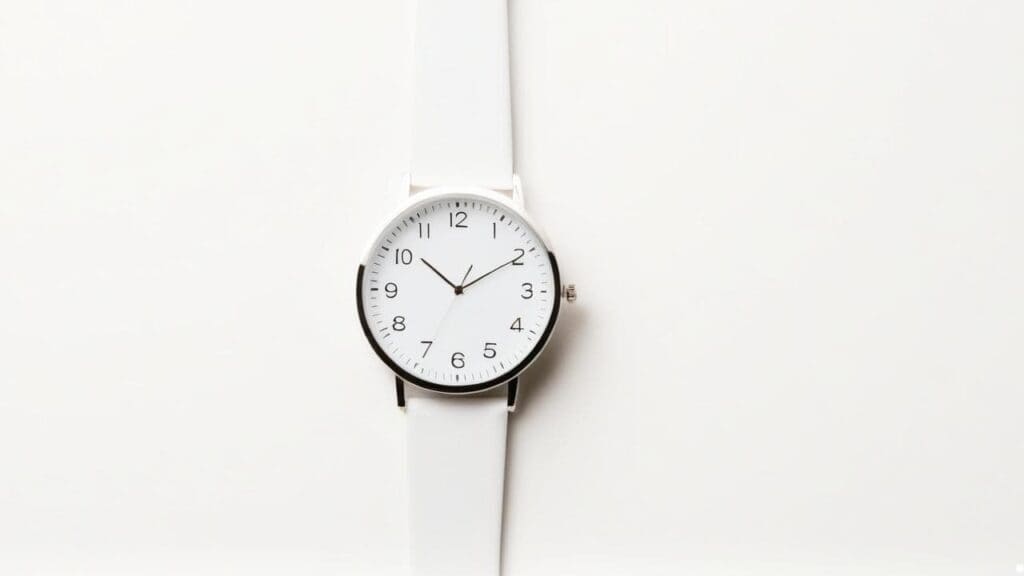
The collecting community provides valuable insight into how traditional watches and smartwatches coexist in the modern market. Watch collectors, who often represent the most passionate and knowledgeable segment of watch enthusiasts, have developed nuanced perspectives on both technologies. Their views help explain why the traditional watch market remains robust despite the rise of smartwatches.
- Collectors maintain distinct preferences: The dedicated collector segment shows strong preferences for traditional mechanical watches, with many viewing them as investments and art pieces. From August 2018 to January 2023, top models from brands like Rolex, Patek Philippe, and Audemars Piguet saw their average prices increase by 20% each year, validating collectors’ investment choices. Many collectors view smartwatches as temporary tools rather than collectible items with lasting value.
- Investment focus drives collecting behavior: The “Collector/Investor” segment makes up 44% of buyers but dominates 58% of the market value, indicating that serious collectors significantly influence the luxury watch market. Collectors benefit from detailed data available online, using transparency and information sharing as critical factors in evaluating vintage and pre-owned watches. By 2021, sales of pre-owned watches hit $22 billion, representing a third of the luxury watch market’s $75 billion value.
- Generational shifts in collecting: Gen Z and younger millennials increased their spending on luxury timepieces by 54% between 2021 and 2023, showing growing interest in traditional watches among younger collectors. Online platforms like Chrono24, WatchBox, and Watchfinder have gained popularity among these younger consumers, offering convenient ways to explore and acquire luxury watches. Vintage-inspired watches make up 15% of luxury watches sold in 2022, demonstrating collector interest in retro designs.
- Certified pre-owned market growth: Bucherer launched its Certified Pre-Owned offerings in 2019, significantly expanding the pre-owned luxury watch market with a two-year warranty and trade-in option. Rolex’s official Certified Pre-Owned Program launched in 2022 has expanded significantly, with total inventory value exceeding USD 100 million and at least 20 new authorized retailers joining since April 2024.
- Collecting motivations and values: Watch collectors appreciate the rich histories and legacies spanning generations, particularly from brands like Audemars Piguet and Cartier. Rarity becomes crucial in determining a watch’s value, with limited editions or discontinued lines from top brands becoming highly coveted and significantly boosting market value. Collectors place high value on specimens in good condition showing minimal wear.
- Community perspectives on market dynamics: Some collectors note that pre-owned steel Rolexes have been “hit quite hard” due to over-speculation and rapid price decline, along with market glut and economic pressures. Despite market fluctuations, collectors recognize that luxury timepieces have outperformed other collectibles like jewelry, handbags, and art, appreciating at 7% annually from 2013 to 2022. Inventory management has become challenging for many collectors who previously only experienced growth and are now seeing rapid decline.
- Long-term view on watch collecting: Collectors emphasize that mechanical watches serve as valuable heirloom pieces worthy of passing down through generations, commanding premium market positions. Knowledge of market trends proves beneficial for collectors, enabling timely and profitable sales when necessary. Online sales are expected to grab nearly 60% of the market share by 2026, enhancing accessibility and liquidity of vintage pieces as investment assets.
Watch collectors maintain a clear distinction between smartwatches and traditional timepieces, viewing them as fundamentally different products serving different purposes. While collectors may own smartwatches for practical use, their collecting passion remains focused on mechanical watches that offer heritage, investment potential, and artistic value. The collector community’s continued growth and the robust pre-owned market demonstrate that traditional watches retain strong appeal despite technological alternatives, with collectors serving as key drivers of demand for luxury timepieces.
Why Young People Choose Traditional Watches
Traditional mechanical watches are experiencing a renaissance among younger consumers, defying expectations that digital technology would completely replace them. This revival demonstrates a growing appreciation for craftsmanship, heritage, and tangible luxury goods in an increasingly digital world. The trend reflects broader cultural shifts toward authenticity and investment-worthy possessions.
- Young buyers driving traditional watch growth: Millennials and Gen Z represent 40% of the luxury watch market share in 2023, showing significant interest in vintage-inspired designs. Retro-inspired watches made up 15% of luxury watches sold in 2022, as younger consumers prefer mixtures of old and new aesthetics. Gen Z and younger millennials increased their spending on luxury timepieces by 54% between 2021 and 2023.
- Craftsmanship appreciation fuels revival: The mix of timeless styles with modernization has propelled the luxury watch industry, with vintage-inspired designs becoming focal points. Mechanical watches demonstrate exceptional engineering skills and artistry that appeal to affluent consumers, featuring delicate craftsmanship using intricate systems of springs and gears. Rich histories and legacies spanning generations, particularly from brands like Audemars Piguet and Cartier, attract modern collectors.
- Investment potential drives younger interest: From 2018 to 2023, top models from brands like Rolex, Patek Philippe, and Audemars Piguet averaged 20% annual price increases. Luxury timepieces have outperformed other collectibles like jewelry, handbags, and art, appreciating at 7% annually from 2013 to 2022. Young buyers increasingly use online platforms like Chrono24, WatchBox, and Watchfinder to acquire luxury watches, viewing them as alternative assets for portfolio diversification.
- Social media influence on traditional watches: Transparency and information sharing prove critical for collectible watch growth in the pre-owned market. Online platforms provide detailed data that benefits collectors and drives market growth. Online sales are expected to capture nearly 60% of market share by 2026, enhancing accessibility and liquidity of vintage pieces.
- Heritage and authenticity appeal: Traditional watches connect individuals to lineages of craftsmanship and design, offering a sense of belonging to broader cultural heritage. Federation of Swiss Watch Industry reports global exports of Swiss watches reached 24 billion USD in 2023, indicating rising consumption of luxury goods. Production of limited-edition models creates scarcity, boosting sales and appeal among collectors.
- Sustainability and longevity considerations: Traditional watches are viewed as more eco-friendly because they last longer and don’t require frequent updates like smartwatches. Traditional watches are made with less technology that becomes outdated, and some brands increasingly use sustainable materials. Companies now integrate sustainable materials like ocean debris plastic into their products, combining top-tier construction with environmental consciousness.
- Market positioning strengthens for mechanical watches: Mechanical watches maintain approximately 66% market share in the luxury segment, driven by prestige and investment potential. The mechanical watch market expects growth from USD 64.8 billion in 2025 to USD 97 billion in 2034 at a CAGR of 4.6%. Automatic mechanical watches specifically dominate with USD 42.3 billion market value in 2024, expected to reach USD 67.4 billion by 2034.
The revival of mechanical watches among younger generations represents more than just a trend—it reflects a fundamental appreciation for craftsmanship, heritage, and investment value that transcends technological convenience. This renaissance, driven by social media exposure, investment potential, and authentic craftsmanship, ensures that traditional watchmaking will continue to thrive alongside smart technology, each serving distinct consumer needs and values in the modern market.
Watch Market Predictions for the Next Decade
The future of the watch industry points toward sustained coexistence rather than replacement, with both smartwatches and traditional watches finding their distinct market positions. Industry trends, consumer behavior, and market data all suggest that these two categories will continue to evolve independently while serving complementary roles in consumers’ lives.
- Market recovery and growth trajectories: The smartwatch market is expected to recover slowly with single-digit percentage growth in 2025, following 2024’s first-ever 7% decline. Industry forecasts predict 17% growth in smartwatch shipments, reaching an estimated 746 million units by 2030. Traditional mechanical watches project steady growth from USD 64.8 billion in 2025 to USD 97 billion by 2034 at 4.6% CAGR. The total global watch market is expected to reach USD 158.19 billion by 2033.
- Technological advancements will define segments: Smartwatches will see significant battery life enhancements and potential micro-LED screens on premium devices. New health capabilities like blood pressure monitoring, sleep apnea detection, and non-invasive blood glucose monitoring are expected to become industry standards. Luxury mechanical watches will continue integrating state-of-the-art technology within traditional designs, from chronographs to tourbillons.
- Market segmentation will deepen: Smartwatches will continue serving tech-savvy consumers prioritizing functionality and health tracking. Traditional watches will maintain appeal for those valuing craftsmanship, heritage, and status symbolism. Hybrid models combining both approaches are expected to experience rapid growth, offering balance between traditional aesthetics and modern functionality.
- Regional market dynamics will vary: Middle East and Central and Eastern Europe expect 27% and 22% respective increases in smartwatch shipments in 2024. Asia-Pacific will continue leading luxury watch growth, with increasing disposable incomes driving demand for traditional timepieces. Online sales are projected to capture nearly 60% of the luxury watch market share by 2026.
- Investment patterns will shape both markets: Traditional watches will maintain strong investment appeal, with luxury timepieces historically appreciating at 7% annually. The pre-owned luxury watch market, valued at $22 billion in 2021, will continue expanding with certified pre-owned programs from major brands. Smartwatch IoT integration is projected to be integral to over 70% of connected ecosystems by 2025.
- Consumer behavior evolution indicates separation: Health and fitness tracking will remain the primary driver for smartwatch adoption, with 92% of users utilizing these features. Collectors and investors will continue dominating luxury watch purchases, making up 44% of buyers but 58% of market value. Younger demographics show growing interest in both segments, with 54% increasing luxury watch spending while embracing smart technology.
- Industry adaptation will continue: Traditional watch brands will maintain competition with smartwatch manufacturers while developing hybrid offerings. Established watch manufacturers entering the smartwatch market have already achieved 15% market share. The industry will see more dual-chipset and dual-OS strategies combining high-end processors with low-power co-processors.
- Long-term market sustainability: Traditional watches offer environmental advantages through longevity and lack of planned obsolescence. Smartwatches will continue evolving with technological advancements while facing sustainability challenges. Both segments will benefit from different consumer values—smartwatches for functionality and traditional watches for heritage and investment.
The future clearly indicates that smartwatches and traditional watches will continue to coexist, each dominating their respective niches. Smartwatches will advance in health technology and connectivity, appealing to tech-forward consumers, while traditional watches will maintain their position as luxury items, investment pieces, and symbols of craftsmanship. The industry’s evolution shows segmentation rather than replacement, with both categories finding sustained growth through different value propositions and consumer bases.
Conclusion
The evidence clearly demonstrates that smartwatches are not killing traditional watches but rather catalyzing a market evolution toward complementary coexistence. While 2024 marked the first-ever decline in smartwatch shipments with a 7% drop, the mechanical watch market maintained a robust USD 61.9 billion valuation with projections to reach USD 97 billion by 2034. The total global watch market continues expanding, valued at USD 112.1 billion in 2023 and projected to grow at 9.1% CAGR through 2030, proving both segments can thrive independently. The data reveals two distinct markets serving fundamentally different consumer needs: smartwatches excel in health monitoring, capturing 454.69 million users globally who primarily use them for fitness tracking, while traditional watches maintain their appeal as luxury items and investment pieces, with top models appreciating at 20% annually.
The future points toward sustainable market segmentation rather than replacement. The emergence of hybrid models demonstrates the industry’s adaptive approach, combining traditional aesthetics with modern functionality to bridge both segments. Consumer behavior shows complementary ownership patterns, with many people choosing both types for different occasions and purposes. Younger demographics increase luxury watch spending by 54% while embracing smart technology, indicating coexistence rather than competition. As the market matures, both smartwatches and traditional watches will strengthen their positions within distinct niches—smartwatches as technological tools for health and connectivity, traditional watches as symbols of craftsmanship and investment—ensuring a diverse and thriving industry that celebrates both innovation and heritage.