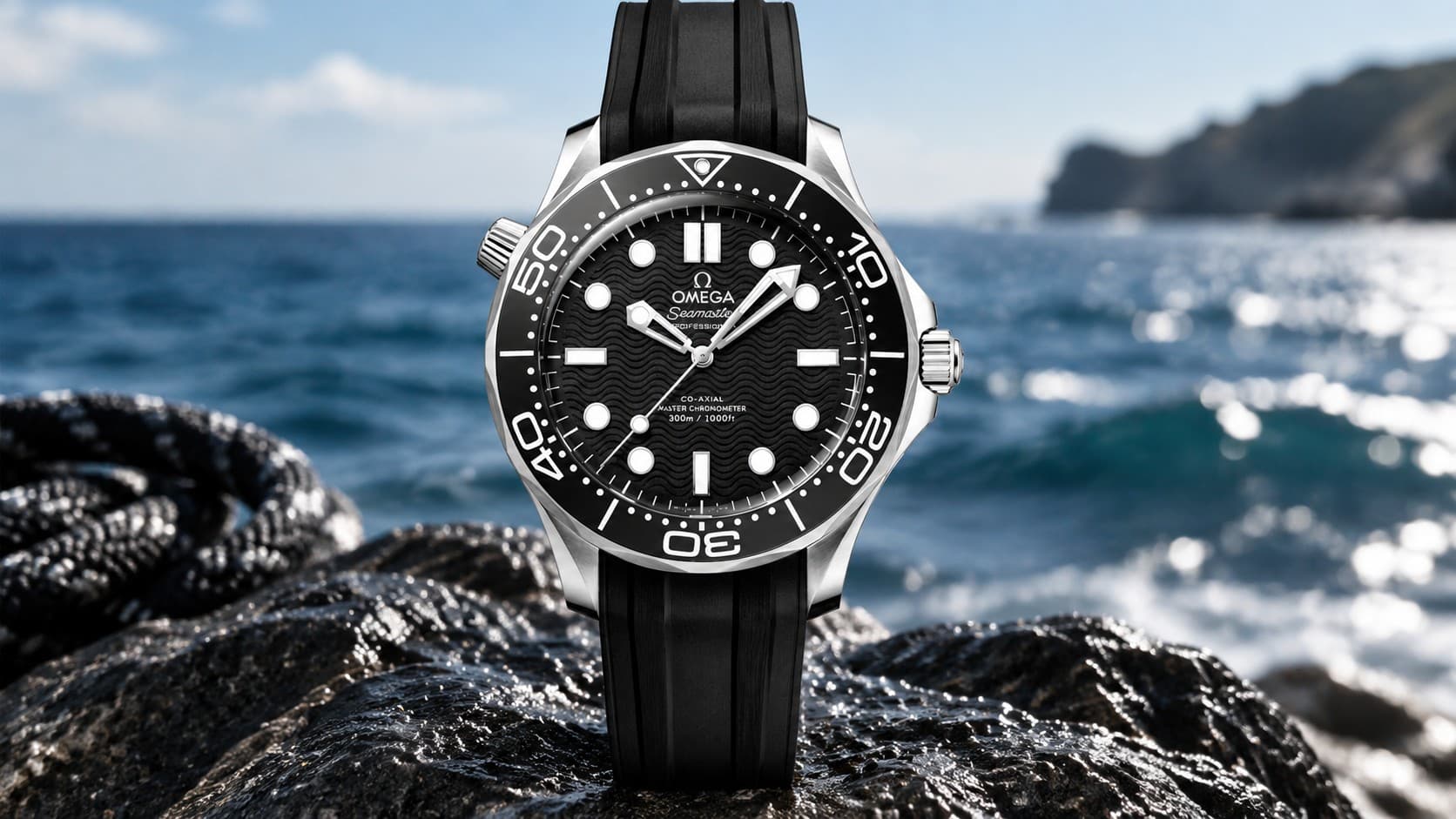
Best Omega Watches: Models, Prices & Expert Reviews

Discover the best Omega watches from Speedmaster Moonwatch to Seamaster Planet Ocean. Complete guide covering models, prices, materials & collector info.

We include products we think are useful for our readers. If you buy through links on this page, we may earn a small commission.

Read more

Affiliate Disclosure: This post may contain affiliate links, which means we may receive a commission if you click a link and purchase something that we have recommended. While clicking these links won't cost you any extra money, they help us keep this site up and running. We only recommend products or services that we genuinely believe will add value to our readers. Thank you for supporting us!

Transparency: We are a participant in various affiliate programs, including the Amazon Services LLC Associates Program, an affiliate advertising program designed to provide a means for us to earn fees by linking to Amazon.com and affiliated sites. Our editorial content is not influenced by affiliate partnerships, and we strive to provide honest and unbiased reviews and recommendations.

To learn more about our vetting process, please visit our Affiliate Disclosure Statement

Article Content

Omega Seamaster Diver 300M with blue wave pattern dial and stainless steel bracelet showcasing professional diving watch features

Founded in 1848 by Louis Brandt in La Chaux-de-Fonds, Switzerland, Omega has evolved over 175+ years into one of the world’s most prestigious luxury watch manufacturers. The company name represents their pursuit of perfection – taken from the Greek letter Omega (Ω) to symbolize “the ultimate letter.” Today, Omega stands as a pillar of horological excellence, celebrated for being the first watch worn on the moon during the 1969 Apollo 11 mission and serving as the official Olympic Games timekeeper since 1932. The brand leads watchmaking innovation through pioneering technologies like the Co-Axial escapement and Master Chronometer certification testing against 15,000 gauss magnetic fields. With four main collections spanning accessible luxury to ultra-exclusive complications, Omega offers timepieces for every enthusiast while maintaining its commitment to precision, heritage, and uncompromising quality.

Understanding Omega’s Legacy in Fine Watchmaking

Founded in 1848 by Louis Brandt in a small workshop in La Chaux-de-Fonds, Switzerland, Omega has grown from humble beginnings to become one of the world’s most prestigious luxury watch manufacturers. The company’s reputation is built on more than 170 years of watchmaking excellence, with the name itself representing their ultimate ambition – the Greek letter Omega (Ω) symbolizing “the last letter of the alphabet” to signify their pursuit of perfection. Throughout its history, Omega has consistently demonstrated technical innovation and cultural significance, from its early achievements in precision chronometry to its modern-day status as a symbol of luxury and achievement.

  • In May 2019, the Omega Seamaster Planet Ocean Ultra Deep Professional set the record for the deepest normally functioning experimental diving watch, reaching a depth of 10,925 m (35,843 ft) during a descent to the Challenger Deep by the Five Deeps Expedition, showcasing the brand’s technical capabilities at their most extreme.
  • Omega’s status as the brand behind the first watch worn on the moon remains their greatest cultural achievement, with the Speedmaster becoming the only watch deemed suitable for space travel and a standard-issue piece of equipment for NASA to this day.
  • As the official timekeeper of the Olympic Games since 1932 and official timekeeper of the America’s Cup yacht race, Omega has maintained longstanding partnerships with the world’s premier sporting events, reinforcing its position as a precision instrument manufacturer.
  • The brand made history by introducing the first mass-produced watch incorporating the coaxial escapement in 1999, a revolutionary technology that reduces friction and wear, resulting in longer service intervals and improved long-term accuracy.
  • Today, Omega SA is a subsidiary of the Swatch Group, officially changing its name from Louis Brandt et Frère-Omega Watch & Co in 1984, while continuing to operate from its headquarters in Biel/Bienne, Switzerland.

What defines a “top” Omega watch transcends mere pricing or prestige. The best models represent perfect convergence of historical significance, technical innovation, exceptional craftsmanship, and long-term collectibility. These timepieces embody Omega’s core values while pushing boundaries in materials science, movement technology, and design philosophy. From the legendary Moonwatch that survived the harsh conditions of space travel to the ultra-deep diving Planet Ocean that conquered the ocean’s deepest trenches, top Omega watches are those that not only tell time but tell stories of human achievement and technological advancement.

Best Omega Collections

The current Omega catalog represents decades of horological evolution, organized into four distinct collections that each serve unique purposes while maintaining the brand’s core commitment to precision and innovation. The Speedmaster, Seamaster, De Ville, and Constellation collections form the cornerstone of Omega’s offerings, each with its own rich heritage and specialized focus. From the adventure-oriented Speedmaster to the elegant dress watches of De Ville, these collections provide comprehensive options for every lifestyle and aesthetic preference.

  • Speedmaster Collection: Famous for its role in space exploration, with the Speedmaster being the first watch worn on the moon, the collection represents adventure, precision, and historical significance. Introduced in 1957 and became the chronograph against which all others would be measured, it encompasses everything from the classic Moonwatch to modern variants like the Dark Side of the Moon series, making it arguably Omega’s most iconic line.
  • Seamaster Collection: Introduced in 1948, renowned for its water-resistant designs and versatile aesthetics, the Seamaster gained worldwide recognition in 1995 when chosen as the official watch of James Bond, first worn by Pierce Brosnan in GoldenEye. This collection spans from elegant dress divers to extreme professional models like the Planet Ocean series, with water resistance capabilities ranging from 150 meters to an incredible 11,000+ meters on specialized models.
  • Constellation Collection: Introduced in 1952, serving as a testament to the brand’s commitment to precision and elegance, originally designed as a chronometer-certified watch for those who appreciate accuracy. Notable for its distinctive four claws at 3 and 9 o’clock since 1982, along with a golden star representing the timepiece’s accuracy on the dial’s lower half, the collection has evolved to encompass a wide range of sizes and materials while maintaining its core identity as Omega’s precision dress watch line.
  • De Ville Collection: Originally part of the Seamaster family before becoming a standalone line in 1967, focusing on sophisticated dress watches designed for those who favor timeless aesthetics over sportier designs. Epitomizes absolute luxury and exceptional craftsmanship with classic design and first-grade movements, offering both time-only pieces and complex complications in precious metals and innovative materials.
  • Aqua Terra Sub-collection: Bridging sports and dress aesthetics, the Aqua Terra has long been recognized as one of the best GADA (go anywhere, do anything) watches available, water resistant to 150 meters and offering a clean, versatile design in various sizes, colors, bracelets, and movement options.

These collections reflect Omega’s comprehensive approach to watchmaking, ensuring that whether a customer seeks a tool watch for extreme conditions, an elegant timepiece for formal occasions, or a versatile daily wearer, there’s an Omega collection perfectly suited to their needs. The brand’s ability to maintain distinct identities for each collection while implementing consistent technical innovations across all lines demonstrates the depth and breadth of their horological expertise.

Best Omega Speedmaster Watches

The Speedmaster collection stands as Omega’s most legendary line, with variations spanning from the historically faithful Moonwatch to innovative modern interpretations featuring cutting-edge materials and complications. The modern Speedmaster Moonwatch Professional features a 42 mm asymmetrical case, black step dial with three subdials, and is driven by the Co-Axial Master Chronometer Calibre 3861. This collection represents the perfect balance of heritage and innovation, offering models that range from affordable steel variants to ultra-exclusive limited editions in precious metals.

  • Speedmaster Professional Moonwatch: The current generation, reference 310.30.42.50.01.001, features the Co-Axial Master Chronometer Calibre 3861, manual-winding chronograph movement with anti-magnetic resistance to 15,000 gauss. Available in both Hesalite crystal versions (reference 310.30.42.50.01.001) and sapphire crystal versions (reference 310.30.42.50.01.002), with pricing starting around $7,000 for steel versions. The Moonwatch remains the closest modern descendant to the actual watch worn on the lunar surface by Buzz Aldrin in 1969.
  • Speedmaster Dark Side of the Moon: Pioneering OMEGA’s use of ceramic for watch cases, available in colors of black, white, blue, and grey, with some Grey Side of the Moon models featuring dials made from ancient meteorite slices, acid etched to expose unique natural patterns. This collection demonstrates Omega’s mastery of advanced materials while maintaining the classic Speedmaster functionality and design language.
  • Speedmaster Museum Collection: Limited to 1,949 pieces, the Museum Collection N° 8 features a 39mm red gold case powered by manual, column-wheel chronograph caliber 3201 with 52-hour power reserve. These models serve as modern interpretations of historical Speedmaster watches at least 50 years old, offering collectors access to vintage-inspired designs with contemporary reliability.
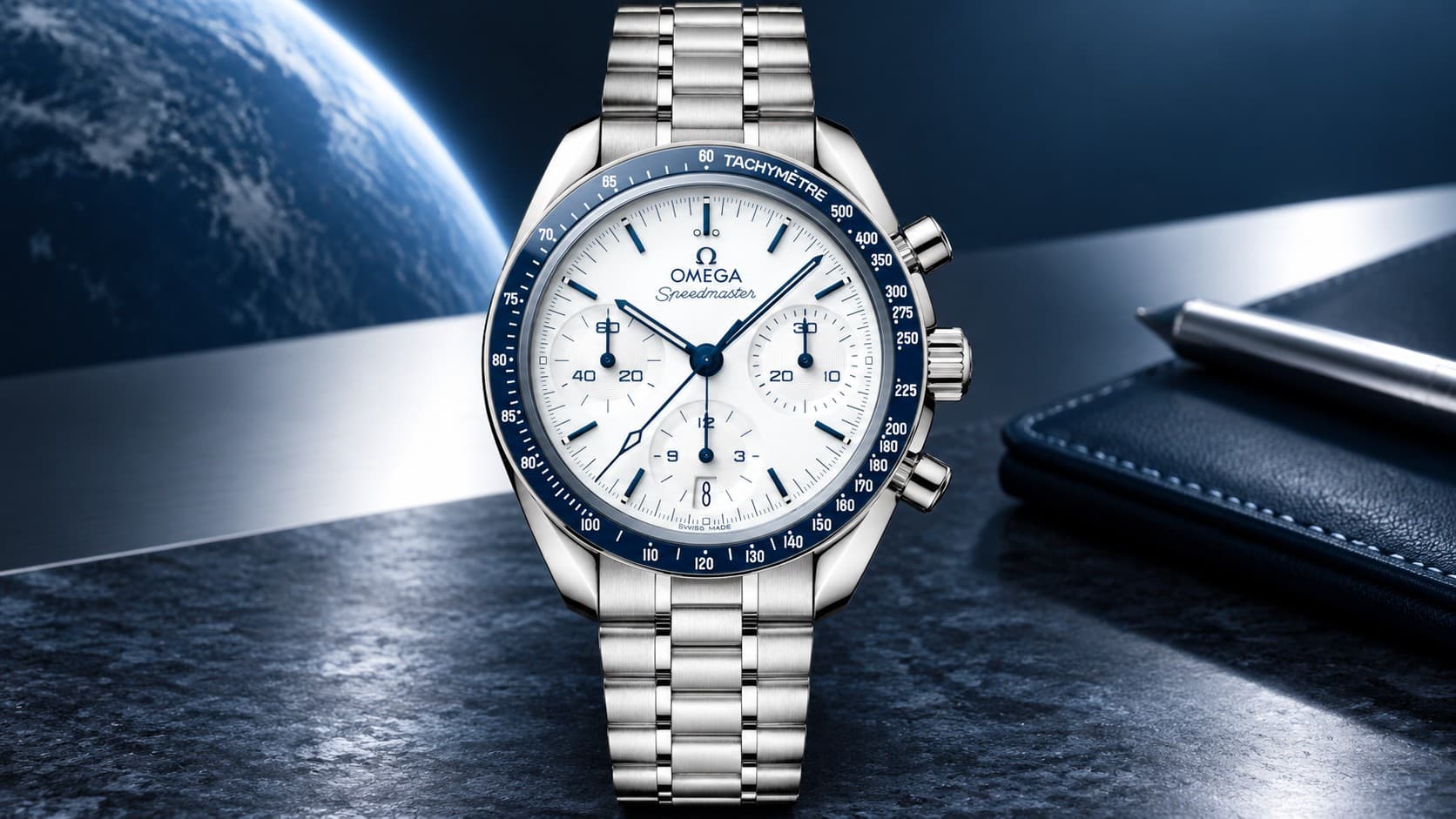
  • Silver Snoopy Award Editions: The 50th anniversary model features a silver dial with blue PVD angle-shaped hour markers and hands, embossed silver Snoopy medallion on the blue subdial at 9 o’clock, with an animated Snoopy on the caseback that rotates when the chronograph function is used. The 2015 Silver Snoopy Award edition originally retailed for $6,100 and now trades for $30,000-$40,000, representing a 400%+ increase, while the 2020 edition has appreciated 25-35% in just a few years.
  • Limited Edition Apollo Tributes: The Apollo 11 50th Anniversary Edition, limited to 6,969 pieces, has seen secondary market prices climb 20-30% since its 2019 release. These commemorative models often feature unique materials, dial designs, and caseback engravings that celebrate specific space missions and achievements.
  • Precious Metal Variants: Available in steel combinations with Moonshine Gold, Sedna Gold, and full precious metal versions in Moonshine Gold (18K yellow gold alloy), Sedna Gold (18K pink gold alloy), and Canopus Gold (18K white gold alloy). These premium versions maintain the classic Speedmaster aesthetic while utilizing Omega’s proprietary metal alloys that offer superior fade resistance and longevity compared to traditional precious metals.

The Speedmaster collection represents more than just chronographs; these watches embody human achievement, technical innovation, and enduring design. Whether choosing a classic steel Moonwatch for its historical authenticity, a ceramic Dark Side of the Moon for modern aesthetics, or a limited edition Snoopy for collectibility, each Speedmaster model connects its wearer to a legacy of exploration and precision that few other watch collections can match.

Best Omega Seamaster Watches

The Seamaster collection represents Omega’s mastery of water-resistant timepieces, ranging from elegant sports watches suitable for formal occasions to professional diving instruments capable of withstanding extreme depths. The Planet Ocean comes in sizes from 37.5mm to 45.5mm, with material choices including stainless steel, 18K gold, titanium and ceramic watches, all featuring automatic Co-Axial Master Chronometer movements for precision and magnetic resistance. This collection showcases Omega’s engineering prowess in creating watches that excel both in function and form.

  • Seamaster Planet Ocean 600M/2000 feet: Being the top-tier dive watch line from the brand, all Planet Ocean watches are water-resistant to 600m (2,000 feet) – double the resistance of the Seamaster Professional at the time of its 2005 introduction. The design incorporates classic Swiss watchmaking details such as the helium escape valve, GMT functionality, and dials with Arabic numerals and Super-LumiNova. Available in chronograph versions up to 45.5mm, these watches combine robust technical capabilities with luxury aesthetics.
  • Seamaster Planet Ocean 6000M: The mighty PO 6000m offers exceptional water resistance to 6000m depths, making it one of the most capable dive watches ever produced. These extreme professional models utilize advanced materials and construction techniques to achieve unprecedented depth ratings while maintaining the collection’s signature design elements.
  • Planet Ocean Worldtimer: Measuring 45.5mm by 18.99mm with a 52.4mm lug-to-lug, featuring brushed black ceramic [ZrO2] case with grade 5 titanium worldtime display showing continents and colors rendered through varnish and laser ablation. Despite the large dimensions, the watch weighs only 143 grams due to the ceramic case material, powered by METAS Chronometer Calibre 8938 world time movement introduced in 2017.
  • Seamaster Diver 300M Classic: The model that gained worldwide recognition when chosen as the official watch of James Bond, first worn by Pierce Brosnan in GoldenEye (1995). Available in various combinations of steel, gold, and ceramic, these watches feature the iconic wave-pattern dial and unidirectional rotating bezel standard for professional diving watches.
  • Seamaster Aqua Terra: Recognized as one of the best GADA (go anywhere, do anything) watches available, water resistant to 150 meters with clean, versatile design available in multiple sizes, colors, bracelets, and movement options. Recent 41mm Moonshine Gold versions retail from EUR 24,200 on rubber strap to EUR 42,500 on gold bracelet, while two-tone steel and gold models start at EUR 14,800.
  • Limited Edition 007 Models: Building on the James Bond connection, Omega regularly releases specialized editions tied to new films, often featuring unique dial designs, case materials, and limited production runs that appeal to both Bond enthusiasts and watch collectors.
  • Ploprof Series: The Ploprof represents Omega’s approach to solving helium infiltration during saturation diving – instead of using a helium escape valve, they created a watch so immense and solid that it doesn’t let helium inside, with modern versions fitted with helium escape valves and orange bezels on titanium cases.

The Seamaster collection demonstrates Omega’s commitment to creating watches that perform under the most demanding conditions while maintaining the aesthetic appeal necessary for luxury timepieces. Whether exploring the depths of the ocean with a Planet Ocean or attending a black-tie event with an Aqua Terra, these watches provide the perfect combination of technical capability and visual sophistication that has made the Seamaster a favorite among both professional divers and style-conscious collectors worldwide.

Best Omega Constellation Watches

The Constellation collection represents Omega’s dedication to precision and elegance, serving as the brand’s flagship dress watch line since its introduction in 1952. Four claws at 3 and 9 o’clock, along with Roman numerals and a golden star on the dial’s lower half representing accuracy, define the modern Constellation aesthetic. Available in cases from 25 mm to 41 mm, the collection is ideal for all occasions and available in over 150 different models for both men and women, showcasing incredible diversity while maintaining distinctive design elements.

  • Classic Constellation Manhattan: Featuring the signature four claws (known as “Griffes”) that resemble small grips, introduced in 1982 by designer Carol Didisheim, these claws secure the sapphire crystal to the case while adding aesthetic distinction. Every model displays the same medallion on the case back depicting the Geneva Observatory surrounded by eight stars, representing eight precision records set by Omega in the 20th century.
  • Constellation Globemaster: The world’s first watch to receive certification as a Master Chronometer, extremely accurate and anti-magnetic to 15,000 gauss, featuring distinctive “pie-pan” dial design and fluted bezel reminiscent of vintage models. The modern De Ville Trésor and Globemaster offer elegant dress watch alternatives, with the Globemaster being slightly thicker despite its smaller 39mm case due to its automatic mechanism.
  • Constellation Meteorite Collection: Omega introduced 20 new Constellation models in 2024 featuring dials made from the Muonionalusta meteorite, possibly the oldest known meteorite on Earth at over 4.5 billion years old. Available in four sizes (41mm, 29mm, 28mm, and 25mm) with various shades including purple, blue, green, and gold, some dressed in diamonds, with larger versions featuring automatic movements and smaller sizes using quartz.
  • Two-Tone Combinations: Modern offerings include stainless steel and gold combinations, with 38-mm two-tone models in stainless steel and gold priced around $6,400 new, though used editions remain quite rare. These models bridge the gap between all-steel sport models and full precious metal luxury pieces.
  • Ladies’ Models: The collection includes numerous women’s watches, often featuring fine decorations and diamonds, ranging from simple stainless steel 29-mm models at $4,800 to elaborate diamond-set pieces in white gold approaching $130,000 at retail. The 24-mm models are particularly suited to slender wrists, while models with mother-of-pearl dials and diamond indices typically cost around $8,300.
  • Precious Metal Editions: Top models come in rose gold with diamonds on dial, bezel, and bracelet, such as the 38-mm ref. 123.55.38.21.52.005 priced at approximately $54,000, while new steel models with Co-Axial caliber sell for about $4,200. These premium editions represent the pinnacle of Constellation luxury and craftsmanship.
  • Anniversary and Special Editions: The OMEGA Constellation ‘Manhattan’ model from 1982 revolutionized the collection with integrated bracelet design and chronometer-rated movement, establishing design DNA that continues to define the line today. Commemorative models often celebrate significant Omega achievements in precision timekeeping.

The Constellation collection embodies Omega’s commitment to creating timepieces that serve as both precise instruments and elegant accessories. Whether choosing a classic Manhattan with its iconic claws, a heritage-inspired Globemaster with pie-pan dial, or an exotic meteorite model, each Constellation watch represents the perfect marriage of Swiss precision and sophisticated design that has made this collection a favorite among those who appreciate understated luxury and exceptional accuracy.

Best Omega De Ville Watches

The De Ville collection represents Omega’s purest expression of elegant dress watchmaking, originally conceived as a more refined alternative to the brand’s sport-oriented models. Initially introduced as a special edition of the Seamaster line before becoming its own independent collection, the De Ville epitomizes absolute luxury and exceptional craftsmanship with classic design and first-grade movements. This collection focuses on traditional watchmaking values while incorporating Omega’s most advanced movement technologies.

  • De Ville Trésor: Available in both power reserve and time-only variants, with the latter offered in versions featuring small seconds sub-dial or central seconds hand, available in yellow gold, Sedna (rose) gold, and white gold. Powered by OMEGA’s in-house developed caliber 8935, a manual adaptation of the caliber 8900 series, featuring power reserve indicator and Master Chronometer certification. These slim-profile watches represent the height of classical elegance with modern technical excellence.
  • De Ville Co-Axial: The 1999 De Ville Co-Axial was the first Omega watch equipped with the groundbreaking Co-Axial calibre, featuring hand-wound movement 2500 that redefined mechanical watch movements through less sliding friction, greater efficiency, and outstanding chronometric performance. This historic model marked Omega’s first implementation of George Daniels’ revolutionary escapement technology.
  • De Ville Prestige: Often overlooked particularly by US buyers, the Prestige collection offers understated luxury with refined dress watch aesthetics. These models focus on clean, classical designs with high-quality movements, avoiding unnecessary complications to achieve pure elegance.
  • De Ville Tourbillon: Available in rose gold, demanding an investment of approximately 140,000 USD, these pieces represent the pinnacle of Omega’s haute horlogerie capabilities. Central tourbillons with skeletonized design, crafted in blends of 18K Sedna and Canopus gold with hand-applied markers, demonstrating master horologist craftsmanship from Omega’s exclusive Atelier basecamp in Switzerland.
  • Historical Milestones: In 2007, Omega manufactured the automatic calibre 8500, one of the first Co-Axial movements created in-house, establishing the De Ville collection as a testing ground for new movement technologies. This tradition continues with modern De Ville watches often featuring Omega’s newest and most advanced mechanical calibers.
  • Limited Editions and Complications: Beyond simple time-only models, the De Ville collection includes annual calendars, power reserve indicators, and ultra-complex pieces like minute repeaters and perpetual calendars, all maintaining the collection’s commitment to classical aesthetics while showcasing technical mastery.
  • Materials and Finishes: To keep dials as simple and clear as possible, many De Ville models omit traditional logo branding, achieving pure minimalist aesthetics. Premium models utilize precious metals, high-grade leather straps, and meticulously finished movements visible through sapphire casebacks.

The De Ville collection serves as Omega’s showcase for traditional watchmaking excellence, proving that sports watch manufacturers can create dress timepieces of exceptional refinement. These watches appeal to collectors and enthusiasts who value subtle elegance, mechanical sophistication, and the kind of understated luxury that speaks volumes without shouting. Whether choosing a slim Trésor for daily wear or an elaborate tourbillon for special occasions, De Ville models represent Omega’s commitment to creating watches that transcend mere timekeeping to become works of art.

Understanding Omega’s Technical Innovations

Omega’s reputation for technical innovation extends far beyond marketing claims, with substantive advances in movement design, materials science, and testing standards that have redefined industry benchmarks. Omega was the only company with the foresight to recognize the genius of George Daniel’s Co-Axial escapement, arguably the biggest revolution in watchmaking since the 18th century. The brand’s commitment to technical excellence manifests in multiple areas, from proprietary movement technologies to groundbreaking certification standards.

  • Co-Axial Escapement Technology: By transforming the traditional lever escapement’s sliding motion into a radial movement as its pallet fork’s teeth lock and unlock, the Co-Axial eliminates the inherent problem of friction that has long hindered the performance of standard arrangements. This design reduces friction inside the movement, requiring less lubrication and resulting in longer service intervals, with intervals between servicing being much longer compared to non-Co-Axial watches.
  • Master Chronometer Certification: Master Chronometer watches undergo dual certification – first, movement Chronometer certification according to ISO3159 standard requiring -4/+6 seconds per day precision, then eight Master Chronometer tests by METAS (Swiss Federal Institute of Metrology) with stricter 0/+5 seconds per day criteria. This represents the watch industry’s most stringent testing protocol for precision, performance, and magnetic resistance.
  • Anti-Magnetic Properties: The movement remains unaffected by exposure to strong magnetic fields, even those greater than 1.5 tesla (15,000 gauss), far exceeding typical industry standards. Silicon balance springs provide superior anti-magnetism, addressing the everyday challenge of magnetic fields from mobile phones, metal clasps, laptops, MRI equipment, and automatic doors.
  • Shock Resistance Standards: During homologation process, OMEGA watches undergo extreme shock examinations to confirm reliability and maintain precision after severe impact, designed to withstand shocks corresponding to a 1-metre drop on hard wooden floor. For a standard 150g timepiece, this represents sudden acceleration equivalent to 5,000 G on the watch head.
  • Power Reserve Innovations: Modern Omega calibers achieve impressive power reserves, with many Master Chronometer movements offering 60-hour power reserves through innovative dual-barrel systems and enhanced efficiency. Manual movements like the Calibre 3861 deliver 50+ hour reserves despite their hand-wound nature.
  • Silicon Component Technology: Omega extensively utilizes silicon components beyond balance springs, including gear trains and other escapement parts, providing superior performance characteristics, anti-magnetic properties, and resistance to thermal expansion compared to traditional metal components.
  • Movement Finishing Standards: Movements feature rhodium-plated finishes with bridges displaying straight Geneva waves, combining traditional decorative techniques with modern materials to achieve both aesthetic beauty and functional excellence.

Omega’s technical innovations represent genuine improvements in daily watch performance rather than mere marketing differentiation. The combination of Co-Axial technology, Master Chronometer certification, and advanced materials results in timepieces that require less maintenance, maintain accuracy better over time, and withstand environmental challenges far exceeding typical luxury watches, making these technical advances real benefits for owners.

Omega’s Exclusive Materials and Finishes

Omega Seamaster Diver 300M in two-tone steel and gold case with blue rubber strap demonstrating luxury sports watch design

Omega’s expertise in materials science extends beyond traditional watchmaking, developing proprietary alloys and pioneering applications of advanced materials that enhance both aesthetic appeal and functional performance. The brand’s exclusive gold alloys demonstrate commitment to innovation, creating unique compositions with enhanced color stability and longevity. This dedication to materials excellence permeates every aspect of Omega’s construction, from cases and bracelets to internal movement components.

  • Moonshine Gold: Omega’s unique 18K yellow gold alloy includes silver, copper and palladium for color and stability, offering better fade resistance than classic 18k yellow gold while mimicking the paler, less saturated hue of older gold alloys. Used in models like the 41mm Aqua Terra collection, with prices ranging from EUR 24,200 on rubber to EUR 42,500 on gold bracelet.
  • Sedna Gold: Omega’s patented 18K rose gold alloy features enhanced fade resistance, used extensively throughout the collection. Available in combination with steel in bicolor Speedmaster models, with steel-and-Sedna versions offering distinctive pink-toned aesthetics at CHF 17,200.
  • Canopus Gold: An 18K white gold alloy used since 2015, distinguishing itself for high brilliance, whiteness and longevity, named after the bright star Canopus which is 71 times bigger and 10,000 times brighter than our sun. Unique composition includes platinum, rhodium and palladium for color and stability.
  • Bronze Gold: Classified as 9K gold with 50% copper and 37.5% gold content, blended with more than 5% silver and small amount of gallium, creating one-of-a-kind color between Sedna and Moonshine Gold. Develops natural patina over extended time while offering exceptional resistance to corrosion and being hypoallergenic.
  • Advanced Ceramic (ZrO2): OMEGA has unrivalled expertise in ceramic use, dating back more than 10 years, employed in bezels, cases, and bracelets. Through anodisation, aluminium offers extensive color range for decorative components, with special anodisation process achieving bezel rings nearly double the hardness of regular versions.
  • O-MEGASTEEL: Omega’s proprietary steel alloy provides enhanced corrosion resistance and finishing properties, using 316L stainless steel known for corrosion-resistance and high lustre after polishing, ideal for daily use and high-stress situations.
  • Titanium Applications: Grade 5 titanium utilized in world time displays and cases, offering significant weight reduction – the 45.5mm Planet Ocean Worldtimer weighs only 143 grams despite its large size. Titanium models provide comfort during extended wear while maintaining strength and scratch resistance.
  • Crystal Technology: Synthetic sapphire crystal with highly scratch-resistant and anti-reflective treatment serves as standard across the collection, chosen over alternatives for superior clarity and durability. Traditional hesalite crystal maintained on specific models for historical authenticity.
  • Dial and Finishing Excellence: From meteorite dials to guilloche patterns, Omega employs traditional techniques alongside modern technology. Silver dials feature finely curved baton hands, angle-shaped hour markers, and embossed details demonstrating attention to component quality. Complex processes like laser ablation create intricate patterns and textures impossible through traditional methods.

Omega’s material choices reflect practical benefits beyond aesthetics, with each component selected for specific performance characteristics that enhance the user experience. Whether utilizing scratch-resistant ceramics for daily wear durability, anti-magnetic silicon components for enhanced precision, or proprietary gold alloys for improved color retention, these material innovations represent tangible improvements that justify premium pricing while delivering long-term value to owners.

Best Omega Limited Edition Watches

Omega’s limited editions represent the pinnacle of collectibility within the brand, combining historical significance, innovative design, and restricted production numbers to create highly sought-after timepieces. The Silver Snoopy Award 2015 edition retailed at $6,100 and now trades for $30,000-$40,000, representing a 400%+ increase. These special releases often commemorate important events, celebrate partnerships, or push technical boundaries beyond standard production models.

  • Snoopy Editions Evolution: The 50th anniversary Speedmaster “Silver Snoopy Award” features silver dial with blue PVD angle-shaped hour markers and hands, embossed silver Snoopy medallion at 9 o’clock, with animated Snoopy and Command Service Module on the caseback that rotates during chronograph use. Produced in 5,441 pieces representing the total mission duration of Apollo 13 (142 hours, 54 minutes, 41 seconds), these models now range from $15,000 to $25,000 on secondary market.
  • Apollo Mission Tributes: The Apollo 11 50th Anniversary Edition, limited to 6,969 pieces, blends historic value with scarcity, with secondary prices climbing 20-30% since its 2019 release, especially for complete sets in mint condition. These commemorative models often feature unique materials like gold alloys, special dial treatments, and caseback engravings specific to mission details and dates.
  • Olympic Games Special Editions: As the official timekeeper of the Olympic Games since 1932, Omega regularly releases Olympic commemorative models, including the Seamaster 37mm Milano Cortina 2026 with hexagonal crown inspired by original Seamaster Olympic designs. Olympic editions typically feature Games-specific color schemes, commemorative casebacks, and limited production numbers tied to the host city and year.
  • James Bond 007 Limited Series: Building on the franchise connection since GoldenEye (1995), Omega produces numbered editions for each new Bond film release, often featuring unique dial designs, special NATO straps, and 007-themed packaging. The Seamaster Spectre and other Bond editions have shown strong resale performance with 20-30% appreciation, particularly those produced in lower quantities or featuring precious metals.
  • “Speedy Tuesday” Releases: Limited editions specifically created for Omega’s social media community, these highly exclusive models often feature unique dial colors, special engravings, or innovative materials available only through specific channels, creating intense collector demand and immediate sell-outs upon release.
  • Museum Collection Recreations: The Museum Collection, showcasing watches at least 50 years old in modern guise, includes the red gold Museum Collection N° 8 limited to 1,949 pieces featuring sophisticated silver dial with tachymeter and pulsation scale, powered by manual chronograph caliber 3201.
  • Technical Innovation Showcases: Certain limited editions serve as platforms for debuting new materials or complications, such as the first ceramic Dark Side of the Moon models or watches featuring proprietary alloys like Bronze Gold, allowing collectors access to cutting-edge developments before they appear in regular production.
  • Anniversary Commemoratives: Major Omega milestones and collection anniversaries spawn special releases, like the Speedmaster 60th Anniversary “Trilogy” Edition limited to 3,557 pieces recreating the 1957 original, with values retaining 85-95% of retail with increasing upside as availability decreases.
  • Regional Exclusives: Specific markets receive unique models, such as boutique-only editions featuring local design elements or color schemes, like the Planet Ocean 600m boutique collection with earthy tones ranging from EUR 7,800 to EUR 10,700 depending on model and complications.

Limited editions serve multiple functions within Omega’s strategy – they reward loyal collectors, showcase technical capabilities, celebrate important partnerships, and maintain brand exclusivity. These special releases often feature design elements and materials that eventually filter into regular production models, making them not just collectibles but indicators of future direction for the brand. For serious collectors, limited editions represent opportunities to own pieces of horological history while potentially realizing significant appreciation in value over time.

Omega Watches by Budget: Finding Your Perfect Price Range

Omega’s pricing structure reflects the brand’s positioning as accessible luxury while maintaining extensive high-end offerings, with models spanning from entry-level Swiss watches to ultra-complex complications costing hundreds of thousands of dollars. The most affordable Omega Aqua Terra watches start around $3,200 for 41mm steel cases with basic automatic movements. This range diversity ensures access for first-time luxury watch buyers while satisfying serious collectors seeking exclusive complications.

  • Entry-Level Luxury Options ($3,000-$6,000): Basic Aqua Terra models retail around $3,200-$7,000, recognized as excellent GADA (go anywhere, do anything) watches with 150m water resistance and versatile designs. Constellation quartz models and vintage De Ville pieces also occupy this price range, offering Omega ownership at accessible levels.
  • Classic Icon Range ($6,000-$10,000): The standard “Moonwatch” reference retails new for $6,600, while most popular models like the Speedmaster Professional Moonwatch or Seamaster Diver 300M typically change hands for $5,000-$7,500. This bracket includes core models that define each collection’s essence.
  • Premium Steel and Two-Tone ($10,000-$20,000): Steel-and-Gold Speedmaster Professional Moonwatch models in Moonshine and Sedna combinations retail at CHF 17,200 (approximately $18,100). Two-tone Aqua Terra models with Moonshine gold accents start at EUR 14,100-$14,800, offering precious metal luxury with steel practicality.
  • Precious Metal Standard Production ($20,000-$50,000): Solid gold Aqua Terra models reach EUR 38,600-$42,500, while full gold Moonwatch versions represent significant luxury investments. Rose gold Constellation models with diamonds can approach $54,000, showcasing traditional luxury watchmaking.
  • Limited Editions and Collectibles ($30,000-$100,000): Coveted collector’s pieces like Speedmaster “Snoopy” editions or Apollo 11 50th Anniversary models range from $42,500 to $53,000. Secondary market prices for earlier Snoopy editions now reach $30,000-$40,000, representing 400%+ appreciation from original retail.
  • High Complications ($100,000-$300,000): De Ville Tourbillon models in rose gold demand approximately $140,000, while complex pieces like split-seconds chronographs with minute repeaters approach $460,000. Central tourbillon models in Sedna and Canopus gold combinations represent pinnacle craftsmanship from Omega’s exclusive Swiss Atelier.
  • Ultra-Exclusive and Historic ($300,000+): Record-breaking auction pieces, prototype models, and historically significant watches occasionally surface at this level, with proven provenance commanding premiums far exceeding standard precious metal pricing.
  • Value Retention Patterns: Modern limited editions typically appreciate 10-15% annually, while vintage models and discontinued references show 5-8% yearly growth with exceptions for particularly rare or historically significant pieces. Current production models like the sapphire Moonwatch trade at approximately 28.8% below retail price in secondary markets.

Omega’s pricing strategy successfully balances accessibility with exclusivity, ensuring the brand remains attainable for aspiring luxury watch owners while offering sufficient high-end options to satisfy serious collectors. The structured progression from entry-level to haute horlogerie pieces allows customers to grow within the brand, while strong value retention on many models makes Omega watches practical luxury investments beyond mere timekeeping instruments.

How to Select the Perfect Omega Watch for You

Selecting an Omega watch requires consideration of multiple factors beyond aesthetic preference, including intended use, lifestyle requirements, budget constraints, and long-term collecting goals. The Aqua Terra has long been recognized as one of the best GADA (go anywhere, do anything) watches available, offering versatility for those seeking a single luxury timepiece. Understanding these variables helps narrow the extensive catalog to models that will provide maximum satisfaction and utility.

  • Lifestyle and Usage Considerations: For daily office wear, the Constellation and De Ville collections offer refined elegance without overwhelming presence. Active lifestyles benefit from Seamaster or Speedmaster models with enhanced water resistance and shock protection. All OMEGA timepieces are designed to withstand shocks corresponding to a 1-metre drop on hard wooden floor, ensuring durability across collections.
  • Purpose-Driven Selection: Professional divers require Planet Ocean models with 600m or 6000m water resistance, helium escape valve, and Super-LumiNova. Motorsport enthusiasts gravitate toward Speedmaster chronographs with tachymeter bezels. Formal occasions call for dress watches like De Ville or dressier Constellation models with precious metals and minimal complications.
  • Size and Comfort Factors: Constellation collection ranges from 25mm to 41mm cases, while Planet Ocean spans 37.5mm to 45.5mm depending on model and complications. The standard Speedmaster measures 42mm with characteristic asymmetrical case. Wrist size, thickness tolerance, and weight preference should guide dimension selection.
  • Movement Preferences: Traditionalists favor manual-winding movements like the Speedmaster Moonwatch’s Calibre 3861, while convenience seekers prefer automatic calibers with 60-hour power reserves. Master Chronometer certification ensures 0/+5 seconds daily accuracy and 15,000 gauss magnetic resistance across most modern models.
  • Budget Planning Strategy: Starting with entry-level models like steel Aqua Terra around $3,200 allows brand experience before investing in premium pieces. Consider two-tone models at $14,100-$14,800 as stepping stones to full precious metal watches at $38,600+. Factor in insurance, maintenance, and potential collection expansion when budgeting.
  • New versus Vintage Decisions: Current production offers modern technology, warranty coverage, and consistent availability. Vintage pieces provide historical character, potential appreciation, and discontinued designs but require expertise in authentication and condition assessment. Clean examples of older Seamaster 300 and Aqua Terra models command strong resale values, especially full sets with proper documentation.
  • Collection Building Approach: Begin with a versatile daily wearer, then expand to specialized pieces. Popular progressions include Aqua Terra for daily use, Speedmaster for sport/history, and Constellation for formal occasions. Limited editions and precious metal variants can complete collections once core models are established.
  • Geographic and Cultural Factors: In Asia, particularly Japan and Hong Kong, Omega represents top-tier luxury with strong demand for recent limited releases, while Middle Eastern markets favor large-case professional models like PloProf and Planet Ocean. Regional preferences influence model availability and secondary market values.
  • Long-term Investment Perspective: Speedmaster “Snoopy” editions, Moonwatch Hesalite models, and Apollo 11 LE models are top-performing investment references with hold periods of 3-5 years for modern models, 5-10 years for limited editions showing meaningful ROI. Focus on iconic models with historical significance for best appreciation potential.

Choosing the right Omega ultimately depends on finding the intersection between personal preference, practical requirements, and budget realities. The brand’s diverse portfolio ensures suitable options for virtually every scenario, from first luxury watch purchase to completing comprehensive collections. Understanding these selection criteria helps avoid common pitfalls like sizing misjudgments or buying inappropriate complications, ensuring long-term satisfaction with the chosen timepiece.

How to Care for Omega Watch

Proper maintenance of Omega watches extends their lifespan significantly while preserving both functional performance and aesthetic appeal throughout decades of ownership. Co-Axial escapement design reduces friction inside movements, requiring less lubrication and fewer service intervals compared to non-Co-Axial watches. Understanding maintenance requirements helps owners protect their investment and ensure optimal performance over time.

  • Service Interval Guidelines: Current Omega warranty coverage includes 24-month standard warranty, 36-month for Co-Axial escapement models, and 48-month for Co-Axial models with Si14 balance spring, with post-July 2018 purchases receiving 5-year OMEGA Full Service Warranty. Full services typically recommended every 4-5 years for regular models, extending to 6-8 years for Master Chronometer-certified pieces due to enhanced lubrication efficiency.
  • Water Resistance Maintenance: Annual pressure testing ensures seals remain intact, particularly crucial for models like Planet Ocean with 600m water resistance or Seamaster Diver 300M. Crown and caseback seals deteriorate over time, especially with exposure to chemicals, extreme temperatures, or impact. Professional testing costs significantly less than water damage repair.
  • Daily Care Practices: Regular cleaning with soft cloth removes oils, dirt, and salt deposits that can cause corrosion. For metal bracelets, occasional cleaning with mild soap and soft brush maintains links and removes accumulated debris. Leather straps should be allowed to dry completely between wears and replaced annually for optimal comfort and hygiene.
  • Crystal Protection: Sapphire crystal with anti-reflective treatment provides scratch resistance but remains vulnerable to extreme impacts. Store watches separately to prevent crystal contact, especially for models with hesalite crystals on classic Speedmasters, which scratch more easily but allow field polishing.
  • Magnetic Field Precautions: Despite Master Chronometer certification providing 15,000 gauss resistance, still advisable to avoid direct contact with strong magnetic sources like MRI machines, large speakers, or industrial equipment. Demagnetization services available if accuracy deteriorates unexpectedly.
  • Mechanical Movement Care: Hand-wound movements require gentle winding technique, stopping when resistance increases rather than forcing additional turns. Automatic movements benefit from occasional manual winding to maintain lubrication distribution, especially when stored long-term. Avoid adjusting date/GMT functions during 9pm-3am period to prevent damage.
  • Professional Servicing Standards: Authorized Omega service centers maintain factory specifications, original parts inventory, and specialized equipment for complex repairs. Services include complete disassembly, ultrasonic cleaning, replacement of worn components, movement regulation, and comprehensive testing to original specifications.
  • Storage Recommendations: Watch boxes, winders, or individual pouches prevent scratches and impact damage during storage. Maintain reasonable humidity levels to prevent rubber seal deterioration and internal condensation. Rotate collection wearing to prevent extended dormancy, which can lead to lubricant settling and gasket compression.
  • Authentication and Documentation: Retain original papers, boxes, warranty cards, and service documentation to verify authenticity and maintain maximum resale value. Service records demonstrate proper maintenance history, crucial for vintage pieces or when selling. Digital documentation backup recommended for valuable or limited edition models.
  • Regional Service Network: International OMEGA warranty covers material and manufacturing defects existing at time of purchase, requiring valid warranty certificate from official Omega retailer to activate coverage. Network of authorized service centers worldwide ensures access to qualified technicians regardless of location.

Proper maintenance represents protection of a significant investment while ensuring decades of reliable service from Omega timepieces. The brand’s robust construction and Co-Axial technology reduce maintenance requirements compared to traditional Swiss movements, but regular professional service remains essential for preserving both function and value, making care routines straightforward yet effective for owners committed to long-term ownership.

Conclusion

Omega watches represent more than mere timekeeping instruments; they embody a legacy of innovation, exploration, and sophisticated craftsmanship that has influenced the luxury watch industry for over 175 years. From the historic significance of the Speedmaster as humanity’s first lunar companion to the technical excellence of Master Chronometer certification, Omega consistently delivers timepieces that exceed both functional requirements and aesthetic expectations. Arguably the most well known of OMEGA’s collections thanks to its association with the Space Race, the OMEGA Speedmaster collection was introduced in 1957 and became the chronograph against which all others would be measured, while the broader portfolio ensures every collector can find their perfect expression of Swiss luxury.

The brand’s comprehensive approach to watchmaking excellence manifests in multiple dimensions – from developing proprietary materials like Moonshine, Sedna, Canopus, and Bronze Gold alloys to pioneering anti-magnetic technology that surpasses industry standards with 15,000 gauss resistance. Whether choosing an entry-level Aqua Terra for daily wear, a historically significant Moonwatch, or an exclusive limited edition Snoopy Award piece with 400%+ appreciation potential, Omega offers compelling value propositions across all price points. The brand’s dedication to preserving heritage while embracing innovation ensures that today’s Omega watches maintain relevance for both traditional collectors and modern enthusiasts seeking cutting-edge technology. As the official timekeeper of Olympic Games, partner to space exploration, and constant companion to James Bond, Omega has secured its position as a cultural icon whose watches tell the stories of human achievement while delivering practical excellence for everyday wear.

Nobbier logo

Subscribe To Our Weekly Newsletter

Get notified about new articles