Tissot has been making watches in the Swiss town of Le Locle since 1853, and it has spent all that time chasing one simple goal: real Swiss quality that regular people can actually afford. The brand sits inside the Swatch Group, the same company behind Omega and Breguet, but it plays a very different role. While its sibling brands chase collectors with deep pockets, Tissot builds watches for people who want something well made without spending a small fortune. That mix of heritage and value is exactly why the brand still shows up so often when watch fans talk about where to start a collection.
Tissot’s Reputation Explained
Tissot earns its reputation because it packs real Swiss engineering into watches that cost a fraction of luxury prices. Many of its watches use in-house or ETA-based automatic movements, sapphire crystal glass, and genuine Swiss assembly, features usually reserved for far pricier brands. The company has also racked up a long list of firsts, including one of the first antimagnetic wristwatches in 1929–30 and the T-Touch, the first watch with a touchscreen, in 1999.
That track record matters because it shows Tissot is not just a budget label riding on the Swiss Made stamp. The brand has been the official timekeeper for organizations like the NBA and MotoGP, which means its watches are tested against real performance demands, not just good looks. For anyone new to watches, that combination of history, innovation, and fair pricing makes Tissot one of the easiest brands to trust.
Tissot PRX: The Watch Everyone Talks About
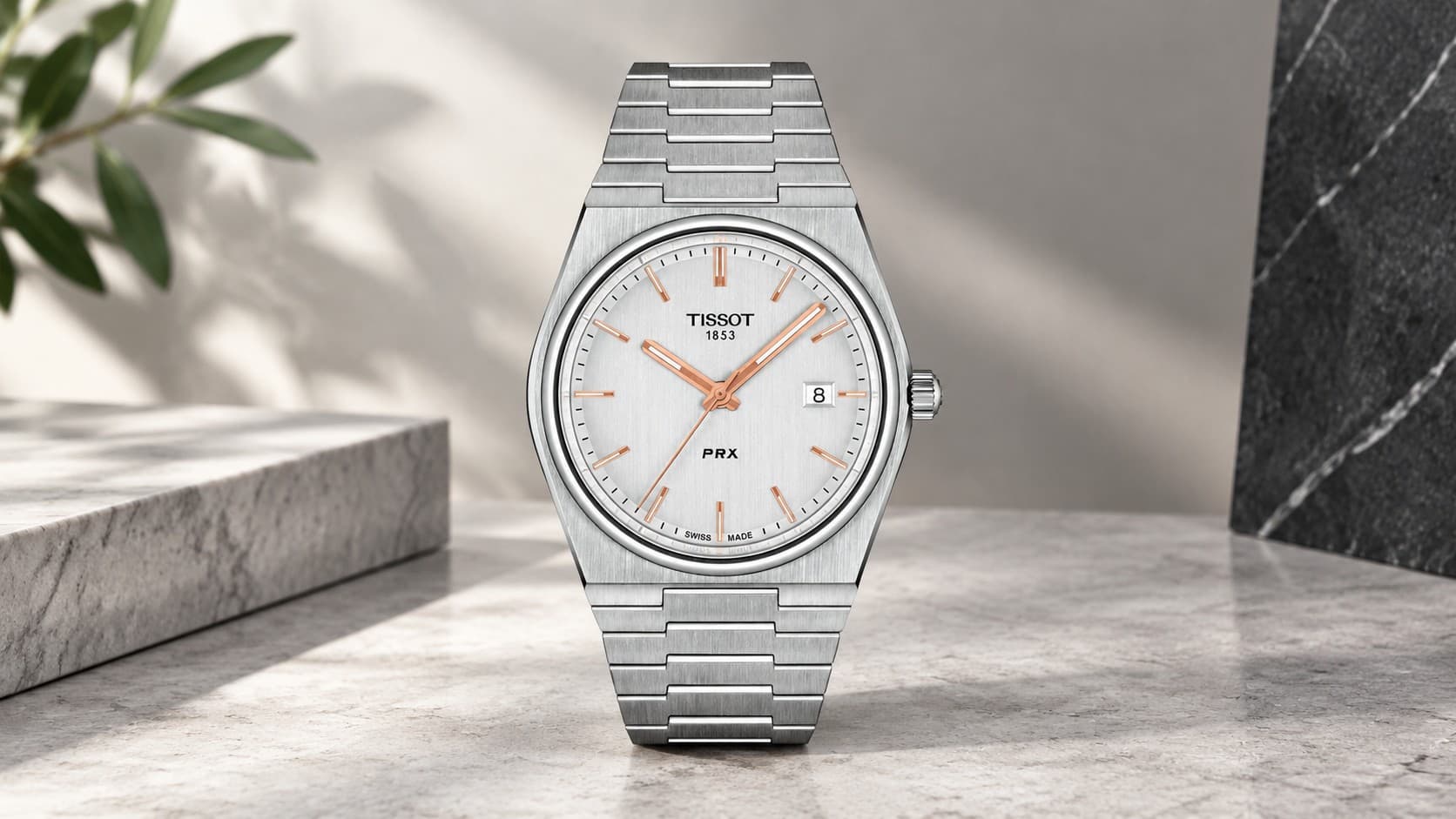
The PRX Powermatic 80 is the single most talked-about Tissot watch right now, and it earns that attention. It takes the shape of a 1978 Tissot sports watch with an integrated bracelet and rebuilds it with a modern automatic movement.
The design is the whole story here. Its bracelet flows directly into the case, a look normally tied to watches costing tens of thousands of dollars. Under the dial sits the Powermatic 80.111 movement, which winds itself with normal wrist motion and can run for about 80 hours on a full wind, roughly three and a half days, once removed from the wrist. It comes in a 35mm size aimed at smaller wrists and a 40mm size for larger ones, and both use sapphire crystal on the front and back, so the case resists scratches while allowing a clear view of the movement through the caseback.
The name itself carries a small piece of history. The design traces back to a 1978 Tissot Seastar Quartz, a bold steel sports watch that never became a huge hit at the time. Tissot later registered the name “PRX,” short for “Precise and Robust,” with the X representing the Roman numeral for ten and the watch’s 10-bar, or 100-meter, water resistance. When Tissot revived the design in 2021, it barely changed the original silhouette, which is a big reason the PRX feels both vintage and current at the same time.
The PRX proves that “affordable” and “well designed” are not opposites. It borrows a look normally reserved for five-figure watches and puts it within reach of a first paycheck.
Tissot Le Locle: Tissot’s Dress Watch Pick
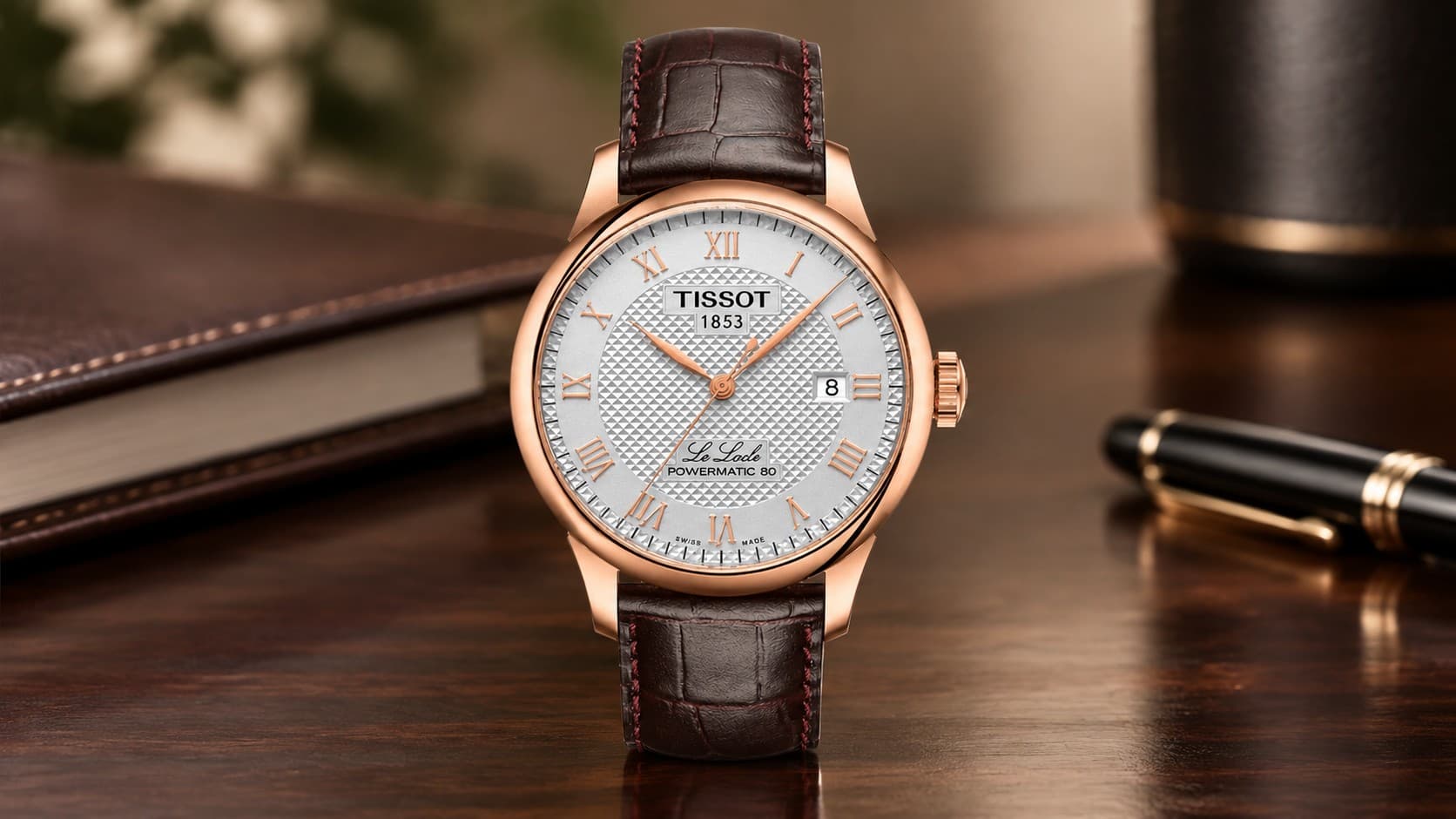
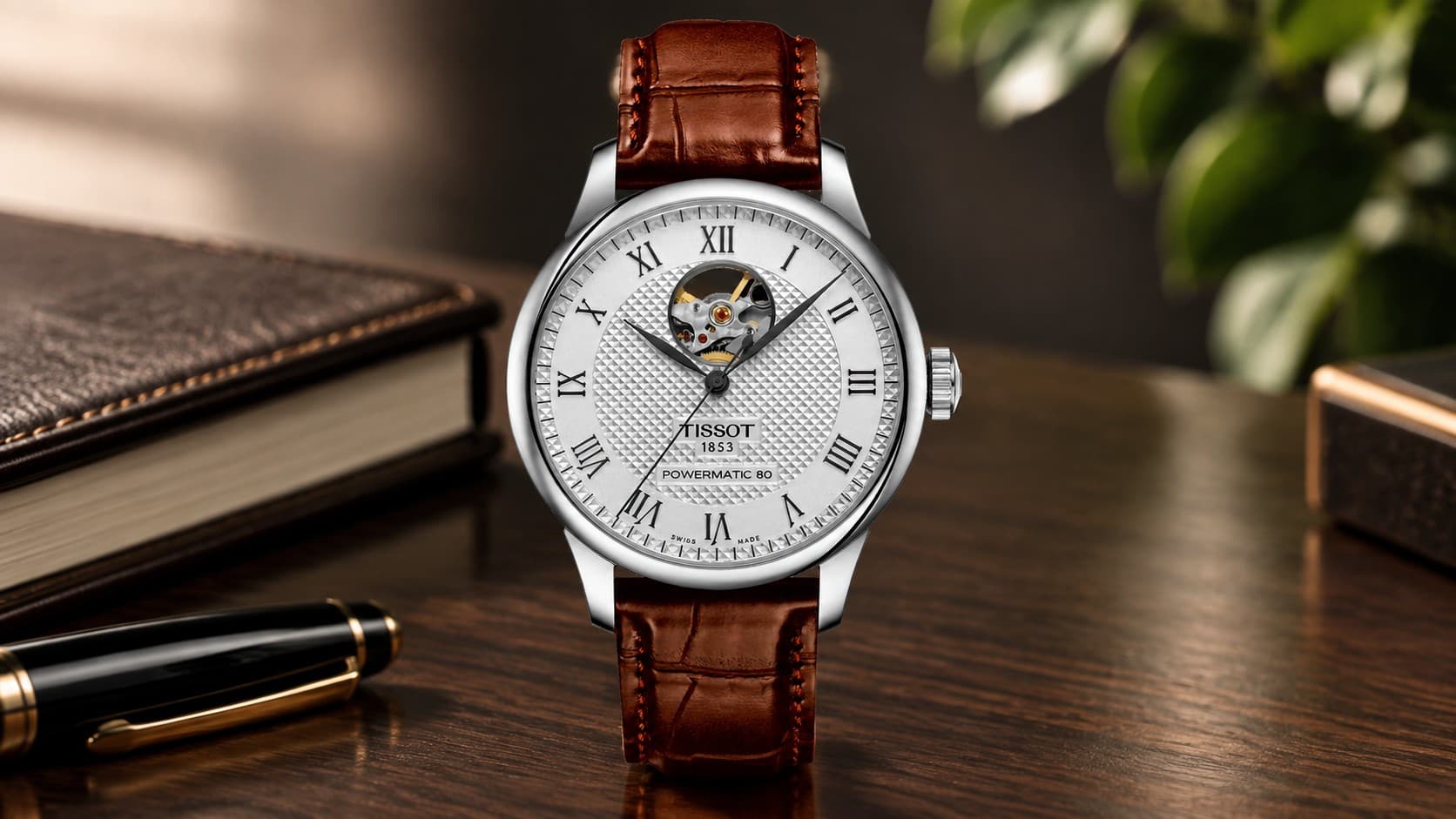
The Le Locle collection is Tissot’s answer for anyone who wants a traditional, dressy watch instead of a sporty one. It takes its name from the small Swiss city where Tissot has operated since day one, and the design reflects that old-world feel.
Round cases, Roman numerals, and a clean silver or blue dial give the Le Locle a formal look that works well with a suit or for special occasions. Most versions use the same Powermatic 80 automatic movement found in the PRX, so buyers get the long power reserve and self-winding convenience without paying extra for it. Some editions also include an “open heart” cutout on the dial, a small window that reveals the balance wheel spinning underneath, a fun detail for anyone curious about how mechanical watches actually work.
Case sizes tend to run smaller than the rest of Tissot’s lineup, with many men’s models sitting around 39.3mm across, a size closer to older dress watch traditions than the larger sport cases the brand is known for elsewhere. That smaller footprint, combined with a slim 9.8mm thickness on most versions, is exactly why the Le Locle tucks so easily under a shirt cuff.
Tissot Seastar 1000: Tissot’s Dive Watch
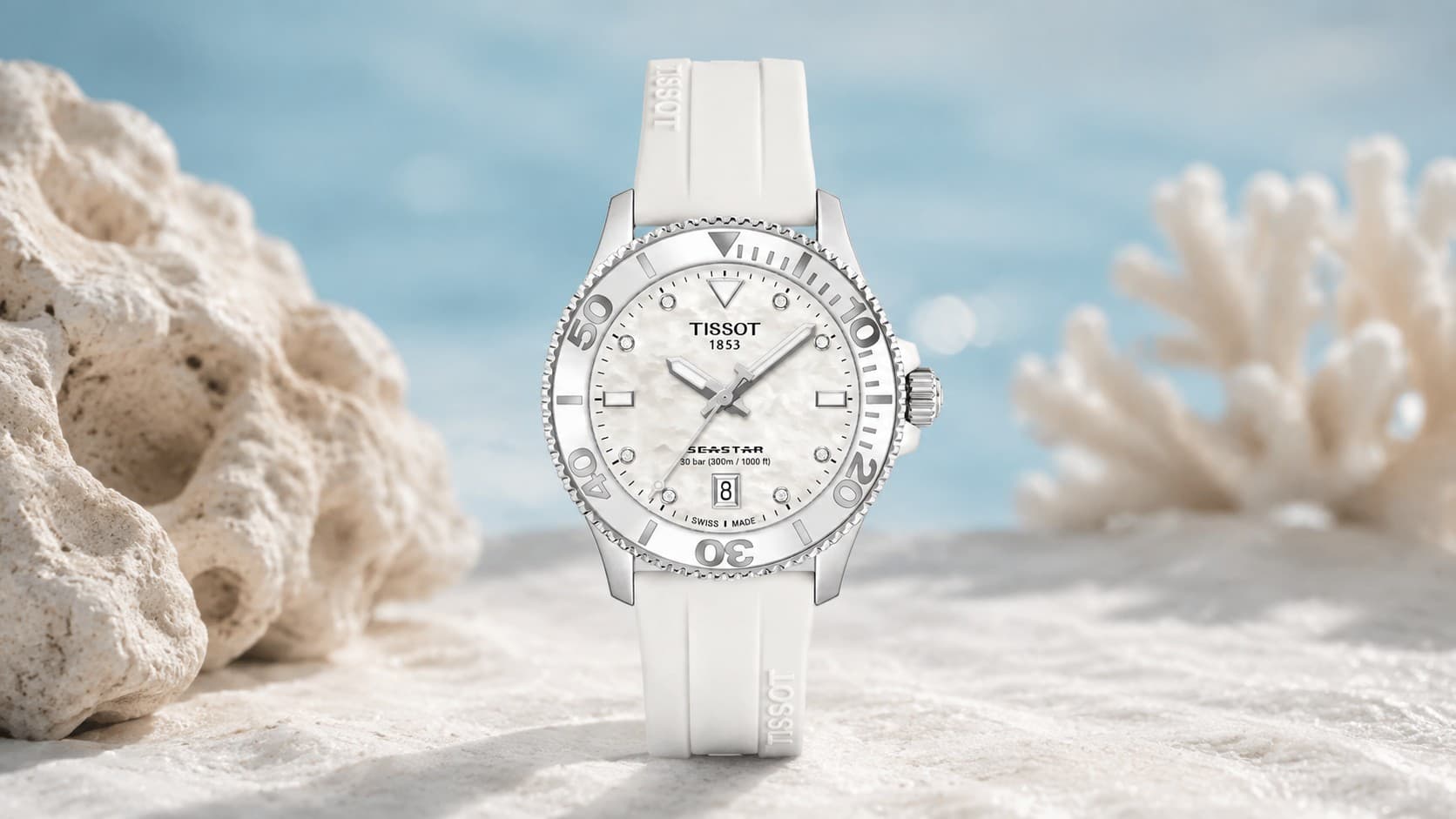
The Seastar 1000 is Tissot’s main dive watch, and it is built to actually survive time in the water rather than just look like it can. Every version carries 300 meters of water resistance, along with a unidirectional rotating bezel and a sapphire crystal that resists scratches from rocks, boats, or gear.
Divers use the bezel to track elapsed time underwater, turning it to line up with the minute hand before a dive begins. Because the bezel only turns one way, an accidental bump makes the diver’s remaining air time appear shorter, not longer, a small design choice that protects against a dangerous mistake. The Seastar 1000 comes in both quartz, battery powered, and Powermatic 80 automatic versions, so buyers can choose based on whether they want zero maintenance or the feel of a mechanical movement.
The Seastar name itself is not new. Tissot first registered it back in 1952 for a line of sealed, waterproof watches built for outdoor use, so the current Seastar 1000 carries a name with more than 70 years of history behind it. Buyers who want extra capability can also look at the larger Seastar 2000 Professional, which pushes water resistance to 600 meters, or GMT versions of the Seastar 1000 that add a second time zone hand for tracking time back home while traveling.
Tissot Gentleman: An Everyday Watch
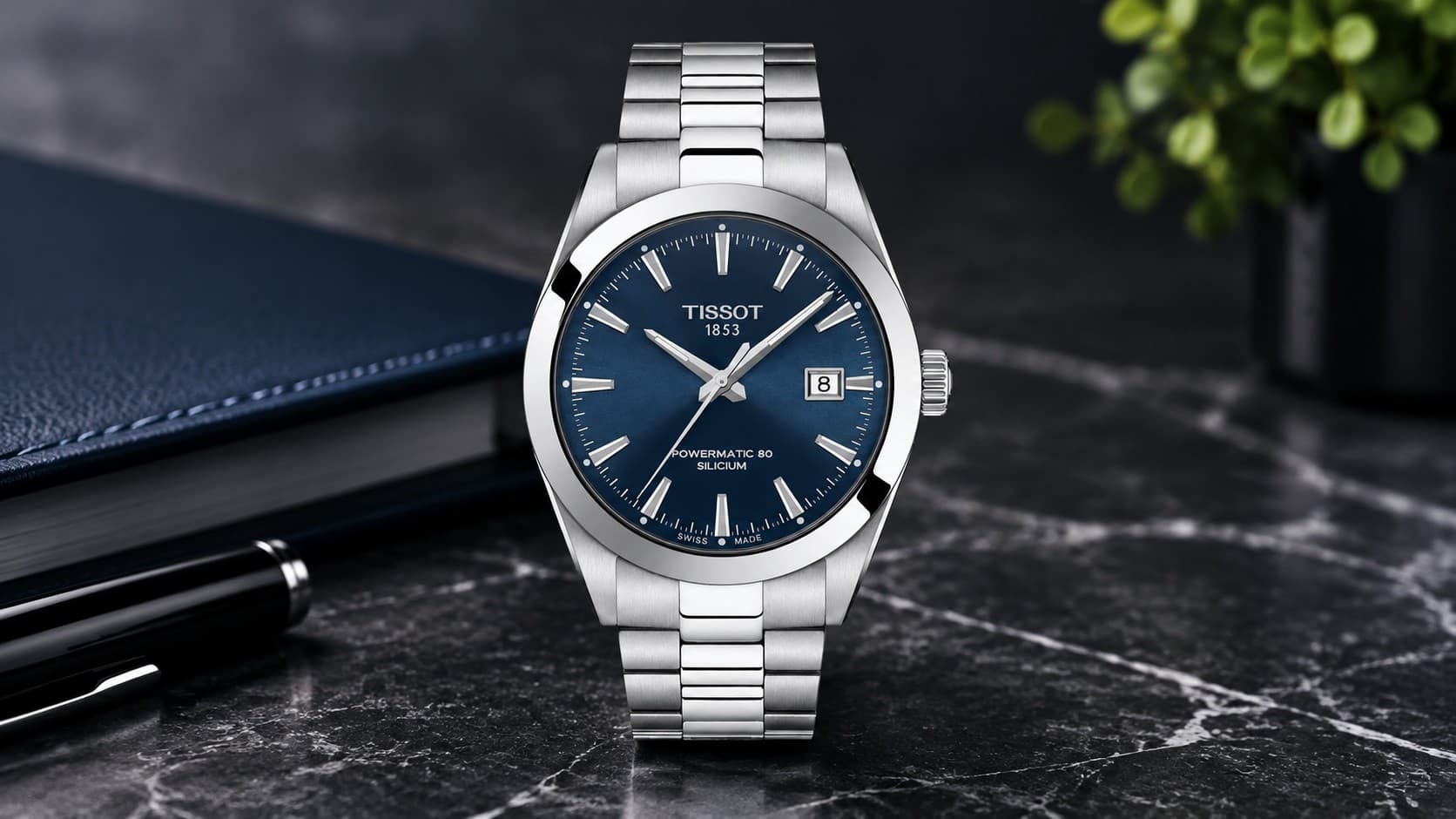
The Gentleman collection, introduced in 2019, was built to be Tissot’s do-everything option. It splits the difference between the formal Le Locle and the sporty Seastar, giving it enough polish for the office and enough durability for a weekend.
Cases come in stainless steel or two-tone steel and gold combinations, paired with either a quartz or Powermatic 80 automatic movement. The 40mm size fits most wrists comfortably, and the straightforward three-hand-and-date layout keeps the dial easy to read at a glance. For someone who wants exactly one watch that covers work, dinner, and errands, the Gentleman is one of Tissot’s most practical answers.
Higher-end Gentleman models step things up with a silicon, or silicium, balance spring instead of a standard metal one. Silicon does not rust, resists magnetic fields far better than traditional metal, and does not need lubrication, which are all reasons higher-priced Swiss watches have started adopting it. Seeing that upgrade in a Tissot, rather than only in watches costing several times more, is a good example of how the brand passes real technical advances down to its everyday collections.
Tissot T-Touch: Smart Features, Classic Look
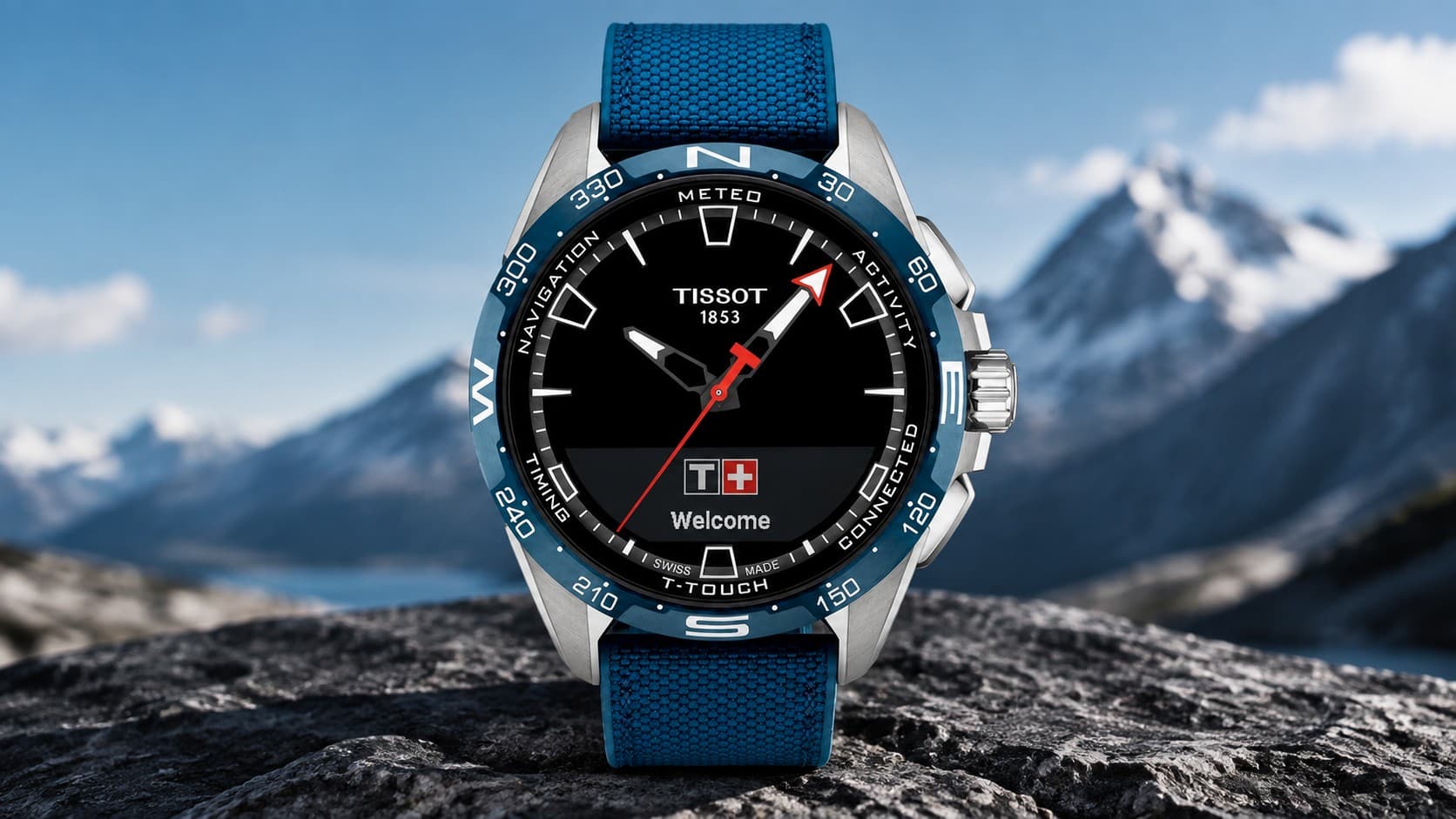
The T-Touch line is where Tissot shows off its more experimental side. First launched in 1999 as the world’s first touchscreen watch, it has evolved into the T-Touch Connect Solar, a hybrid that mixes a traditional analog face with digital sensors hidden underneath.
Touching the sapphire crystal activates functions like a compass, altimeter, barometer, and weather forecast, all powered by a solar cell instead of a swappable battery. It also connects to a smartphone for basic notifications. This watch is built for hikers, sailors, and anyone who wants genuine outdoor tools on their wrist rather than just a smartwatch app pretending to offer them.
Because the watch runs on light rather than a rechargeable battery, there is no cable to lose and no screen that goes dark after a day or two, which sets it apart from most true smartwatches. The tradeoff is that it still shows time the traditional way, with hands rather than a digital display, so anyone expecting texts and apps to scroll across the dial should look elsewhere. For its intended audience, someone who wants a compass and altimeter on a hiking trail without carrying a phone, that tradeoff is exactly the point.
Tissot Heritage: Vintage Style, Modern Build
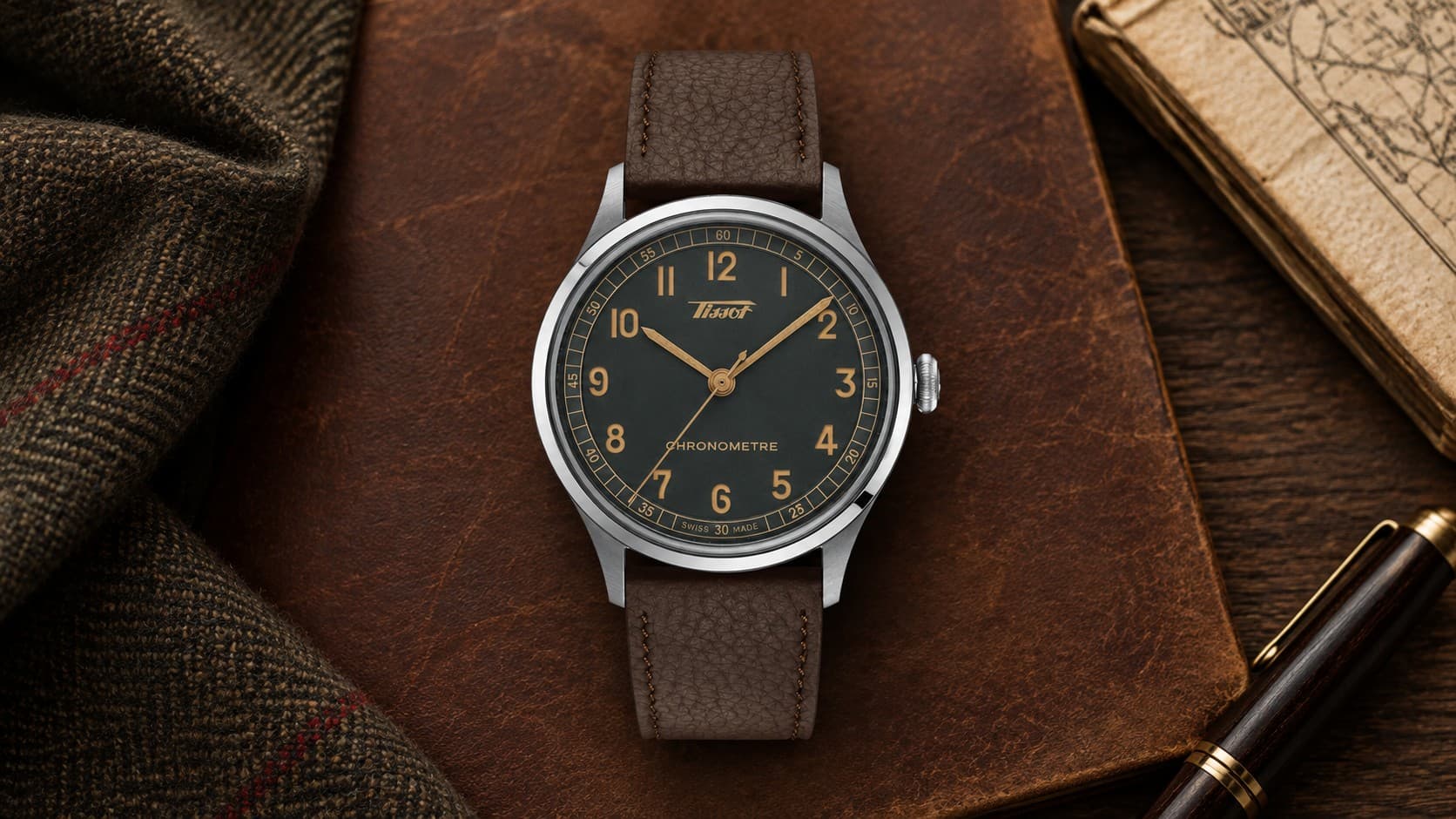
The Heritage line exists purely to celebrate Tissot’s past, reviving old case shapes and dial designs from decades of archives. Models in this collection often reproduce chronographs, pocket watches, or railway-style dials that Tissot originally made in the early and mid-1900s.
Because these are limited or specialty releases, prices run higher than the brand’s everyday collections, and materials sometimes include rose gold cases or vintage-inspired leather straps. Anyone who enjoys the story behind a watch, not just the way it looks on a wrist, tends to gravitate toward this line.
A few names come up often within Heritage. The Visodate revives a 1950s calendar watch design and remains one of the collection’s more affordable entry points. The Heritage Petite Seconde brings back a small seconds subdial layout common in early 20th-century watches, while anniversary chronographs, some built in solid 18-karat rose gold, mark milestones like Tissot’s 150th year in business. These pieces are aimed less at daily practicality and more at owning a small, wearable piece of the brand’s own timeline.
Tissot Everytime: Budget-Friendly Swiss Watch
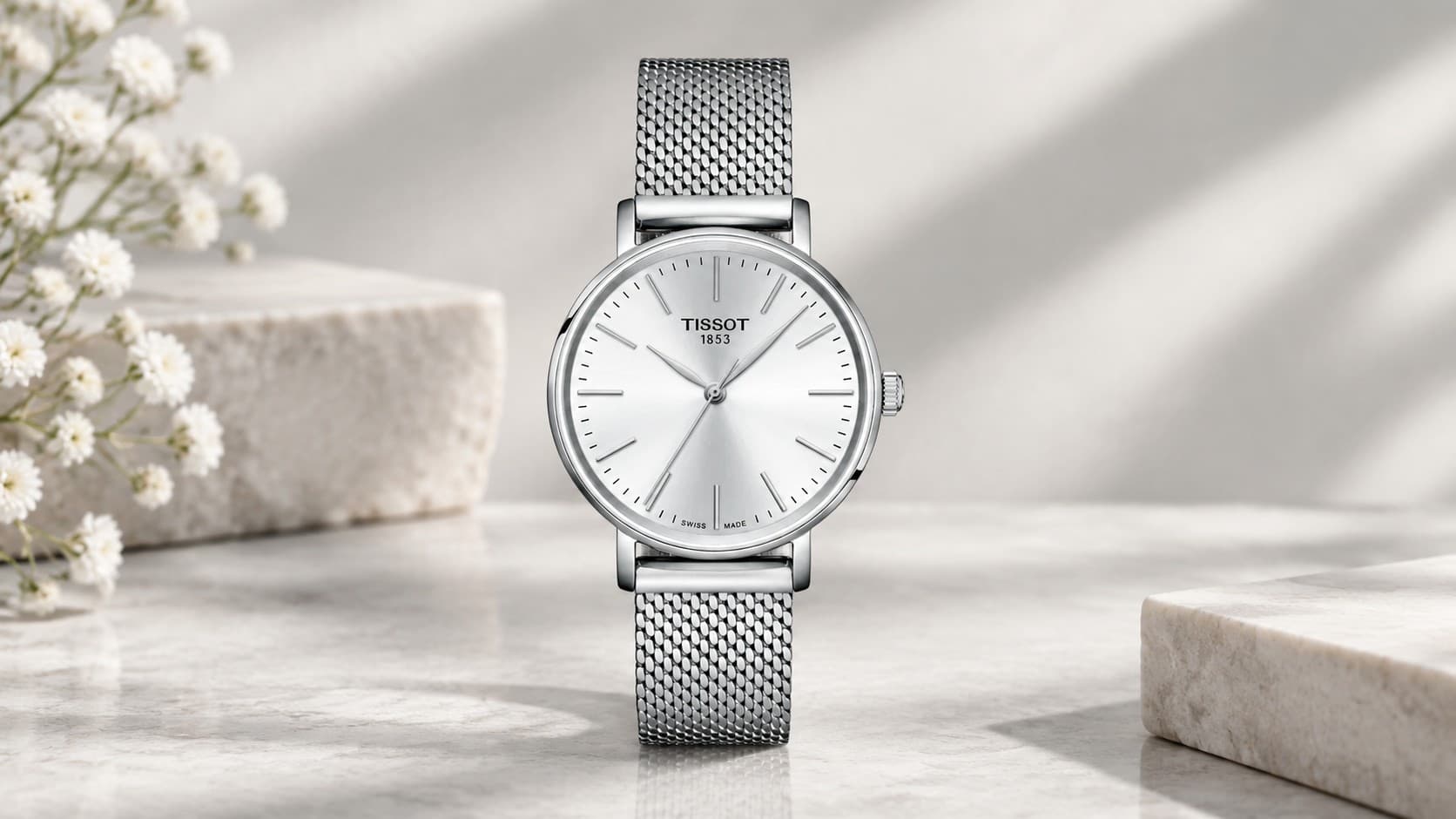
The Everytime collection is Tissot’s simplest and cheapest lineup, built for anyone who just wants a clean, reliable Swiss quartz watch without paying for extra features. Most models cost between $200 and $350, well under Tissot’s other collections, which makes it the natural starting point for a first Tissot.
The design stays deliberately plain: a slim case, a simple three-hand or three-hand-and-date dial, and a battery-powered Swiss quartz movement that keeps accurate time without ever needing winding. It comes in a wide range of dial colors and sizes for both men and women, and the thin case profile makes it an easy watch to wear under a sleeve. There is no automatic movement, no sapphire crystal upgrade on every version, and no special complication, but for someone who wants proof that a genuine Swiss Made watch does not have to cost hundreds of dollars, the Everytime is the answer.
Which Tissot Watch Is Right for You
Choosing between Tissot’s collections comes down to three factors: preferred look, movement type, and budget. Weighing those three narrows the options considerably.
For daily wear with a modern, sporty look, the PRX is the easiest recommendation, while the Le Locle or Gentleman fit better for anyone needing something dressier for an office or formal setting. A watch that needs to survive real water time, swimming or diving, calls for the Seastar 1000, built specifically for that job, while the T-Touch Connect Solar only makes sense for someone who actually wants compass and altimeter functions on a hike. Budget-focused buyers do best starting with the Everytime, while those drawn to design history over daily practicality tend to get the most enjoyment out of the Heritage line. Automatic movements appeal to people who like the mechanical side of watchmaking and don’t mind occasional servicing, while quartz versions suit anyone who wants to set the watch once and forget about it.
Comparing Tissot’s Main Collections
| Collection | Best For | Movement Options | Typical Price Range (USD) |
|---|---|---|---|
| Everytime | Tightest budget, first Tissot | Quartz | $200–$350 |
| PRX Powermatic 80 | Everyday style, first automatic watch | Automatic, quartz | $475–$1,000 |
| Le Locle | Formal occasions, dress watches | Automatic | $500–$1,000 |
| Seastar 1000 | Swimming, diving, active use | Automatic, quartz | $450–$900 |
| Gentleman | One watch for everything | Automatic, quartz | $450–$900 |
| T-Touch Connect Solar | Outdoor tools, tech features | Solar-powered quartz | $900–$1,300 |
| Heritage | Collectors, vintage design fans | Automatic, quartz, chronograph | $700–$2,500+ |
Prices shift by dial color, strap material, and retailer, so these ranges serve as a starting point rather than an exact figure.
Frequently Asked Questions
Is Tissot a good watch brand?
Yes. Tissot has produced Swiss-made watches since 1853 and belongs to the Swatch Group, the same company behind Omega. Its watches use real Swiss movements and materials like sapphire crystal, which is unusual at its price point.
Are all Tissot watches Swiss made?
Yes. Every current Tissot watch carries the “Swiss Made” label, which means the movement is Swiss, the watch is assembled in Switzerland, and the manufacturer completes final quality checks there.
How much does a Tissot watch cost?
Most Tissot watches fall between $200 and $1,000. The Everytime starts as low as $200, everyday automatic models like the PRX and Gentleman land around $650 to $900, and limited Heritage editions in gold or with complex chronograph functions can cost several thousand dollars.
Is Tissot owned by Omega?
No, though the two are related. Both brands are owned by the Swatch Group, but they operate as separate companies with their own designs, movements, and price points. Omega sits at a luxury level, while Tissot is positioned as an accessible, mid-range brand.
How long do Tissot watches last?
A well-maintained Tissot can easily last decades. Automatic movements like the Powermatic 80 typically need servicing every four to eight years, similar to other mechanical watches, and quartz models mainly need periodic battery changes.
The Bottom Line
Tissot earns its spot on so many wrists because it delivers real Swiss watchmaking without a luxury price tag attached to it. The Everytime opens the door for under $300, the PRX Powermatic 80 covers everyday style, the Seastar 1000 handles real water activity, the Le Locle brings dress-watch polish, and the T-Touch Connect Solar adds genuine outdoor functions most watches at this price never attempt. Whichever collection fits the wearer, each one comes with a movement, case, and crystal built to the same Swiss standards the brand has followed since 1853, at a price that does not require a second thought.