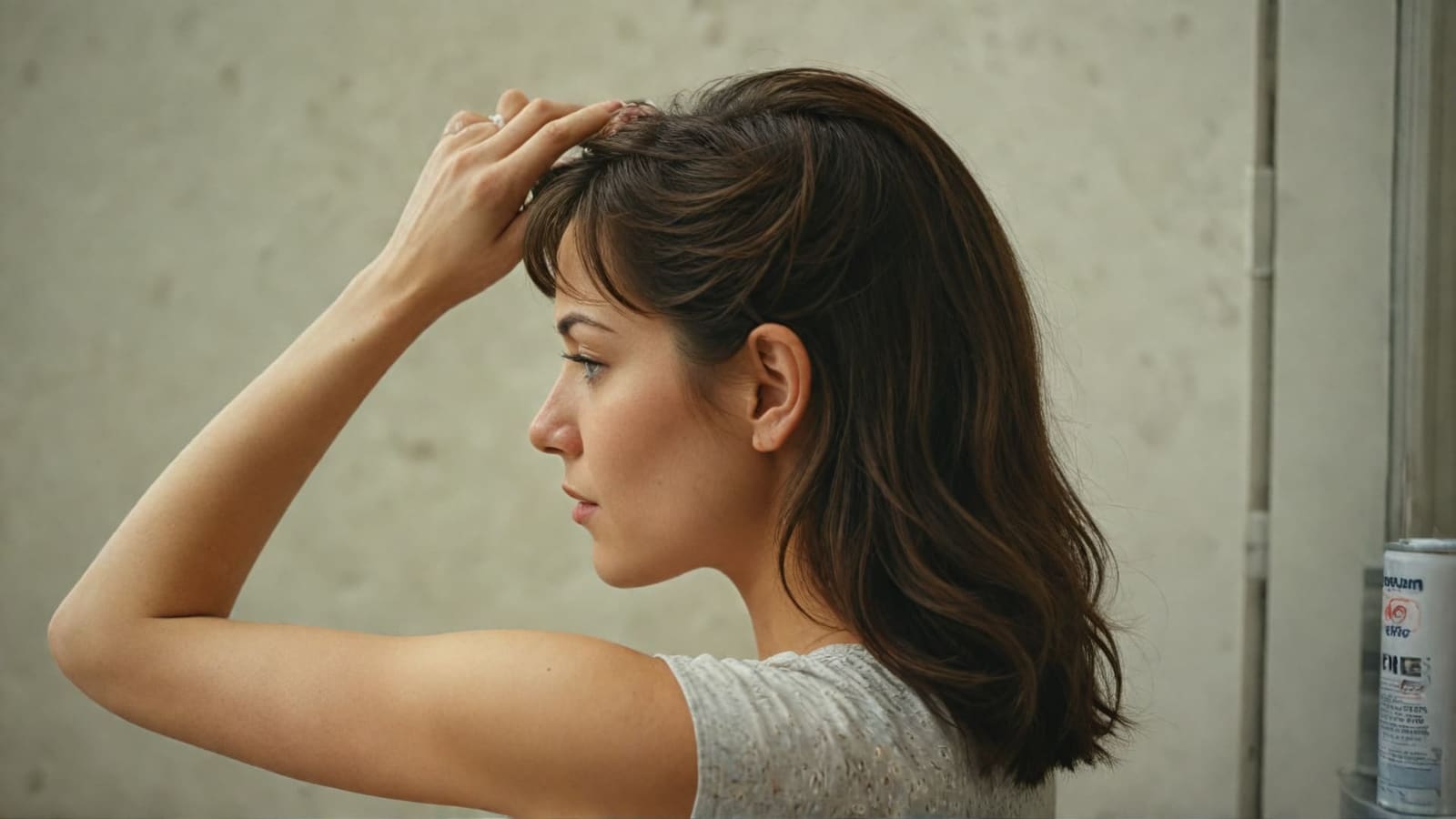
No, you should not wear jewelry while applying hair products like spray, gel, or dry shampoo. These styling products contain powerful chemicals including alcohols, sulfates, and synthetic polymers that can cause permanent damage to your precious jewelry. Hair products are among the most common causes of jewelry damage that people don’t realize they’re causing. The chemicals designed to hold your hairstyle in place can tarnish silver, corrode gold alloys, and create stubborn buildup on all types of jewelry. Professional jewelers and hair stylists universally recommend the “last on, first off” rule - complete your entire hair routine first, wait for products to dry completely, then put your jewelry on as the final step. Learning how different hair products interact with various metals and gemstones can save you hundreds of dollars in jewelry damage and help you maintain your pieces’ beauty and value for years to come.
Can I Wear Jewelry While Using Hair Products?
Hair products pose serious risks to jewelry through chemical reactions that can cause permanent damage within minutes of exposure. The main culprits are alcohol content (which can reach 95% in hairsprays), sulfates that react with metals to form tarnish, and synthetic polymers that create stubborn buildup. The safest approach is complete removal of all jewelry before any hair product application, followed by a waiting period for products to dry before putting jewelry back on.
- Remove all jewelry before applying any hair products including hairspray, gel, mousse, dry shampoo, oils, and heat protectants. Even products marketed as “gentle” or “natural” contain chemicals that can damage metals and gemstones. Professional jewelers report that jewelry regularly exposed to hair products requires cleaning and restoration twice as frequently as protected pieces.
- Wait 10-15 minutes after application before putting jewelry back on to allow alcohol and other volatile chemicals to evaporate and reduce direct contact with wet products. For heavy-hold hairsprays or gel applications, extend this to 20-30 minutes. The products need time to set and stop actively releasing chemicals that can settle on jewelry surfaces.
- Sterling silver shows the most immediate damage and can develop visible tarnishing within days of hairspray exposure due to sulfur compounds in styling products that create silver sulfide, which appears as black tarnish. Gold-plated pieces can lose their coating permanently after just a few exposures, while solid gold pieces develop buildup that requires professional cleaning to remove.
- Costume and fashion jewelry made from base metals react aggressively to hair product chemicals and can cause skin irritation when the protective coatings are compromised. The mixed metal compositions in inexpensive jewelry create reactions that speed up corrosion when exposed to chemical styling products.
- Professional salon treatments like coloring, perming, and chemical straightening use concentrated chemicals that can cause immediate and severe jewelry damage. Many salons require jewelry removal during these services to prevent costly damage to clients’ pieces.
The bottom line is that hair products and jewelry should never be in the same space at the same time during application. Professional hair stylists and jewelry experts agree that prevention is far more effective and cost-efficient than attempting to repair damage after it occurs. Even a single exposure to certain chemicals can cause permanent damage that reduces your jewelry’s value and appearance. The few minutes required to properly remove and store jewelry before styling your hair can save you hundreds of dollars in professional restoration costs and preserve your pieces’ beauty for decades.
Step-by-Step Guide to Jewelry Protection During Hair Styling
Creating a foolproof routine that protects your jewelry while maintaining an effective hair care regimen requires specific timing and techniques that professional stylists and jewelers have refined through years of experience. The most successful approach involves establishing a consistent sequence that becomes automatic, eliminating the guesswork and preventing the costly mistakes that happen when you’re rushing or distracted. This systematic approach ensures that your jewelry stays protected while allowing you to achieve the hairstyles you want without compromise.
- Remove all jewelry before entering the bathroom or beginning any hair care routine, including washing, conditioning, and styling phases. This complete removal prevents accidental exposure from steam, humidity, and product overspray that can travel much farther than most people realize, affecting jewelry even when you think you’re being careful about application direction.
- Complete your entire hair washing and styling routine first, applying all products including leave-in treatments, heat protectants, gels, mousses, and hairsprays before even considering putting jewelry back on. This sequence ensures that no wet chemicals come into contact with metal surfaces and prevents the layering effects that can occur when products are applied over jewelry.
- Wait a minimum of 15 minutes after applying final styling products like hairspray before putting jewelry back on, extending this to 30 minutes for heavy-hold products or multiple product applications. This waiting period allows alcohol and other volatile chemicals to evaporate completely and prevents sticky products from transferring to jewelry surfaces where they can trap dirt and pollutants.
- Store removed jewelry in a designated, dry location away from the bathroom during hair styling to prevent exposure to chemical vapors and humidity that can accelerate tarnishing processes. Use a jewelry box, pouches, or even a simple cloth-lined bowl placed in a bedroom or closet, ensuring pieces don’t touch each other to prevent scratching.
- Apply products in a different room from where you store jewelry when possible, especially when using aerosol hairsprays that create widespread chemical mist. This physical separation prevents environmental contamination of your jewelry storage area and reduces the likelihood of accidental exposure during rushed morning routines.
The success of this protection routine depends on consistency and planning ahead for your daily schedule. Professional hair stylists recommend allowing an extra 20-30 minutes in your morning routine to accommodate proper jewelry removal, product application, waiting periods, and careful jewelry replacement. This investment in time prevents the hundreds of dollars in professional cleaning and restoration costs that result from chemical damage, while preserving the beauty and value of your jewelry collection for years to come.
How Hair Products Damage Your Jewelry
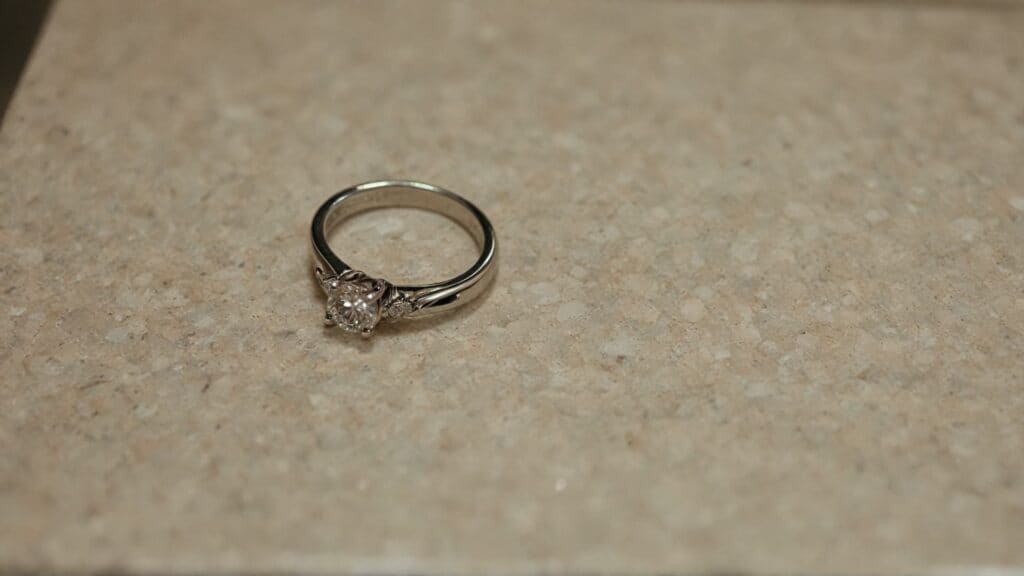
Hair products contain chemicals specifically designed to alter hair structure and create lasting hold, but these same ingredients can be devastating to jewelry metals and gemstones. The science behind this damage involves multiple chemical reactions that occur when styling products come into contact with different metal surfaces. Most people don’t realize that the bathroom environment where hair styling typically happens creates perfect conditions for accelerated jewelry damage through humidity, chemical vapors, and direct product contact.
- Alcohol content in hair sprays ranges from 40-95%, creating a highly concentrated chemical environment that strips protective oils from metal surfaces and speeds up tarnishing processes. Denatured alcohol acts as both a dehydrating agent and solvent, removing natural protective layers while allowing other harmful chemicals to penetrate deeper into metal surfaces.
- Sulfates commonly found in many hair products react directly with metals to form metal sulfide compounds, which appear as the black tarnish you see on silver jewelry. These chemical reactions happen quickly and can become permanent if not addressed promptly through proper cleaning methods.
- pH levels in hair products often fall outside the safe range for metals, with some chemical treatments reaching pH levels of 9-13, which dramatically increases corrosion rates. Most metals perform best in neutral pH environments, so exposure to highly acidic or alkaline products causes accelerated wear and discoloration.
- Polymer residues from styling products create microscopic buildup that traps moisture and environmental pollutants against jewelry surfaces. This creates perfect conditions for ongoing corrosion even after the initial product application has dried, leading to long-term damage that develops slowly over time.
- The aerosol delivery system in hairsprays compounds the problem by creating fine mist that settles on jewelry even when you’re not directly spraying near it. Propellants like butane and propane can accelerate chemical reactions with metals, and the wide coverage area means jewelry gets exposed even when you think you’re being careful.
Real-world damage occurs much faster than most people expect. Sterling silver can show visible tarnishing within just a few days of hairspray exposure, while gold-plated jewelry can lose its protective coating permanently after only a handful of exposures to styling products containing alcohol or sulfates. Professional jewelers consistently report that clients who regularly use hair products while wearing jewelry need cleaning and maintenance services twice as often as those who follow proper protection protocols.
How Different Hair Products Affect Your Jewelry
Different types of hair products create unique challenges for jewelry protection, with each category posing specific risks based on their chemical composition and application methods. Professional hair stylists and jewelers have documented how various product formulations interact with metals and gemstones, revealing that some products are significantly more damaging than others. The key is knowing which products pose the highest risks and how their specific ingredients affect different types of jewelry materials.
- Hair sprays pose the highest risk to jewelry due to their alcohol content of 40-95% combined with wide distribution patterns that affect jewelry even when you’re not spraying directly near it. The combination of denatured alcohol, propellants like butane and propane, and polymer resins creates a chemical mixture that attacks metals from multiple angles while the aerosol delivery ensures coverage over a large area.
- Hair gels create different but equally problematic interactions with jewelry through their pH levels between 4.5-6.5, which falls in the acidic range that promotes metal corrosion over time. The cationic resins used for hold form films that attract and trap environmental pollutants, creating long-term exposure to damaging substances that continue affecting jewelry long after application.
- Dry shampoos present unique risks due to their powder-based formulations containing cornstarch, rice starch, talc, and silica that are abrasive enough to cause microscopic scratching on softer metals and gemstones. The oil-absorption mechanism that makes dry shampoos effective on hair also strips natural protective oils from jewelry surfaces, creating dry conditions that make metals more susceptible to oxidation.
- Hair oils and serums create coating effects that seem protective but actually trap harmful substances against jewelry surfaces for extended periods. Natural oils like argan, jojoba, and coconut oil are generally safer than synthetic alternatives, but they still attract environmental pollutants and can create slip hazards with rings and bracelets that may lead to loss.
- Chemical treatments including hair dyes, perms, and straightening solutions contain the most aggressive chemicals with bleach, ammonia, and hydrogen peroxide that can cause immediate and irreversible damage to all types of jewelry. These salon-strength chemicals can break down metal alloys, dissolve protective coatings, and cause permanent discoloration within minutes of contact.
The buildup from these products creates more than just cosmetic problems for jewelry. Professional research shows that polyvinylpyrrolidone and other synthetic resins in hairsprays form particularly stubborn deposits in jewelry settings and chain links that require professional cleaning equipment to remove completely. Water-based formulas are generally safer than alcohol-based products, but they still contain polymers and preservatives that cause buildup over time and can only be properly removed through specialized cleaning methods.
How Hair Products Affect Different Jewelry Metals
Different metals used in jewelry have varying levels of vulnerability to hair product chemicals, with some requiring immediate removal at the first sign of styling product use while others can withstand brief exposure with proper care. Professional jewelers have extensively documented how specific metals react to common hair product ingredients, providing clear guidelines for protecting each type of jewelry material. The key is recognizing that even metals marketed as “durable” or “tarnish-resistant” can suffer permanent damage when exposed to the concentrated chemicals found in modern styling products.
- Sterling silver is the most reactive precious metal to hair product chemicals, particularly sulfur compounds that create the characteristic black tarnish known as silver sulfide. The tarnishing process accelerates dramatically when silver is exposed to hairspray, styling products, and the humid bathroom environment, with visible damage often appearing within 24-48 hours of exposure to chemical styling products.
- Gold jewelry vulnerability depends on karat rating, with 14k and 18k gold containing alloy metals like silver, copper, and palladium that are susceptible to hair product chemicals. Lower karat golds are more vulnerable because they contain higher percentages of reactive metals, while gold-plated jewelry requires the most protection since the thin coating can be stripped away permanently by chemical exposure.
- Platinum offers the highest chemical resistance among precious metals, making it the safest choice for people who frequently use hair products. While platinum doesn’t tarnish like silver or gold alloys, it can develop a dulled patina from product buildup and may show scratches more readily than other metals, requiring regular cleaning to maintain its natural luster.
- Costume and fashion jewelry faces the highest risk from hair product exposure because it typically contains mixed metals and synthetic materials that are highly reactive to chemicals. Base metals used in costume jewelry can cause severe skin reactions when compromised by hair product chemicals, and the protective coatings are often too thin to provide meaningful protection against chemical damage.
- Watch components including metal cases, bands, and water resistance seals are particularly vulnerable to hair product damage. Metal watch bands absorb chemicals and become breeding grounds for bacteria, while the chemicals can compromise water resistance seals around the case, potentially allowing moisture to damage internal mechanisms.
Professional jewelers recommend specific care protocols for each metal type, with silver requiring anti-tarnish storage pouches and regular polishing, gold needing gentle soap cleaning every few weeks, and platinum benefiting from professional cleaning every six months. The most important factor is prevention through proper timing - completing all hair styling before putting on any jewelry, regardless of the metal type, provides the most reliable protection against expensive damage that often cannot be fully reversed even with professional restoration services.
Common Hair Product and Jewelry Safety Mistakes
Even well-intentioned jewelry owners make critical errors that lead to expensive damage, often because they underestimate how quickly hair product chemicals can cause irreversible harm to their precious pieces. Professional jewelers consistently see the same preventable mistakes that could have been avoided with proper knowledge and awareness. These common errors often seem minor in the moment but can result in permanent damage that requires costly professional restoration or complete replacement of beloved jewelry pieces.
- Putting jewelry on before completing your beauty routine is the most frequent and costly mistake, leading to chemical exposure from every product used afterward. Even products that seem “jewelry-safe” or “natural” can cause significant problems when they’re applied directly over jewelry, creating layered chemical interactions that are more damaging than single product exposure.
- Not waiting for products to dry completely allows wet chemicals to make direct contact with metal surfaces, causing immediate chemical reactions that can permanently alter jewelry appearance. Most people underestimate drying times, putting jewelry back on within 5 minutes when professional recommendations call for 15-30 minutes depending on the products used and environmental humidity levels.
- Forgetting about indirect exposure through pillowcases, towels, clothing, and hair contact means jewelry continues being exposed to styling product residues throughout the day. This extended, low-level exposure can be just as damaging as direct application, causing gradual buildup and chemical reactions that develop over weeks or months of repeated contact.
- Using too much product creates excessive buildup that’s exponentially harder to remove and more likely to cause permanent damage to jewelry finishes. Following product instructions carefully and using minimal amounts, especially near jewelry-wearing areas, prevents the thick residue layers that require aggressive cleaning methods that can scratch or damage delicate surfaces.
- Attempting to clean damaged jewelry with household items like toothpaste, baking soda pastes, or harsh chemicals often causes more damage than the original problem. These abrasive materials and strong chemicals can scratch metal surfaces, damage gemstone settings, and strip protective coatings that cannot be restored without professional intervention.
- Storing jewelry improperly after exposure allows chemical reactions to continue and worsen over time, particularly when pieces are stored in humid bathroom environments or plastic bags that trap moisture. Proper storage in dry, ventilated areas with anti-tarnish materials helps prevent ongoing damage and makes eventual cleaning more effective and less costly.
The key to avoiding these mistakes is developing automatic habits that don’t rely on memory or decision-making during busy morning routines. Professional stylists and jewelers emphasize that the most successful clients are those who create foolproof systems that work even when they’re distracted, tired, or running late. Simple changes like moving jewelry storage out of the bathroom and establishing a consistent routine order can prevent the majority of hair product-related jewelry damage that occurs in everyday life.
How to Clean Jewelry After Hair Product Exposure
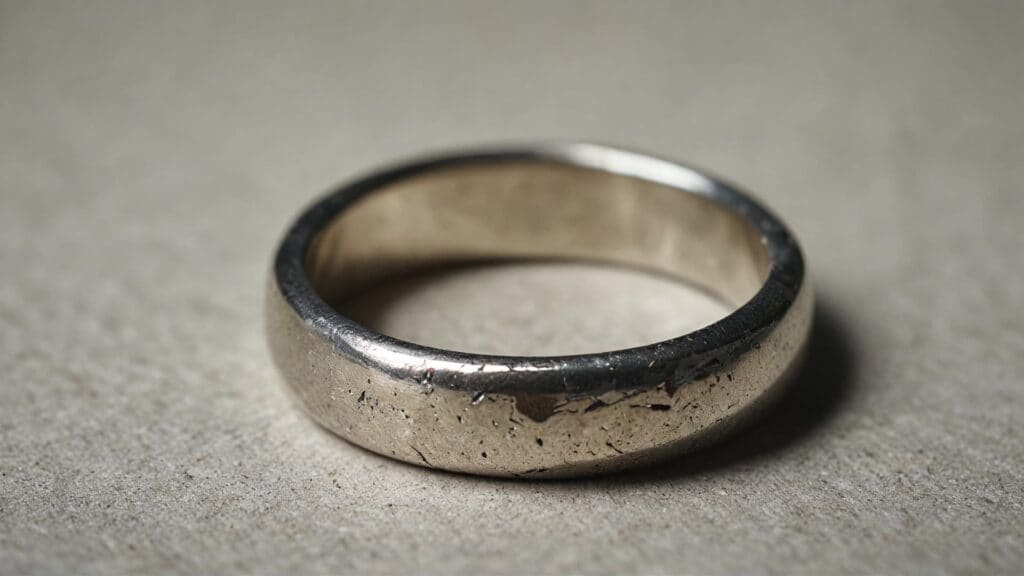
When hair product exposure does occur, immediate action can often prevent permanent damage and save your jewelry from costly professional restoration. Professional jewelers emphasize that the first hour after exposure is critical, as fresh product buildup is exponentially easier to remove than set buildup that has had time to bond with metal surfaces. The key is knowing which cleaning methods are safe for your specific jewelry types and acting quickly while avoiding harsh techniques that can cause more damage than the original problem.
- Act within the first hour if possible by gently wiping affected jewelry with a soft, lint-free cloth immediately after any accidental exposure. Fresh product buildup can often be removed with simple dry wiping, preventing the chemical bonding that occurs when products are allowed to sit on metal surfaces for extended periods.
- Use the gentle soap solution method for most jewelry types by mixing warm water with 2-3 drops of mild dish soap without moisturizers or additives, soaking jewelry for 3-5 minutes, gently scrubbing with a soft-bristled baby toothbrush, rinsing thoroughly with clean water, and drying completely. This method is safe for most metals and hard gemstones but should never be used on pearls, opals, or other porous materials.
- Remove tarnish from silver jewelry using the aluminum foil method, which uses electrochemical reactions to reverse tarnishing without abrasive scrubbing. Line a bowl with aluminum foil, add baking soda, place jewelry on the foil, pour hot water over everything, wait 20 minutes, then scrub gently with a soft brush and rinse thoroughly with clean water.
- Clean sticky residue with a slightly damp cloth containing one drop of mild dish soap, working gently in circular motions before rinsing with clean water and drying thoroughly. For stubborn residue on non-porous materials, 70% rubbing alcohol on a cotton ball can be effective, but this method should never be used on pearls, opals, or other sensitive materials.
- Seek professional cleaning when visible structural damage occurs, including loose stones, bent prongs, or cracked settings that require immediate professional attention. Severe tarnishing that doesn’t respond to home methods indicates chemical damage that may require professional polishing, replating, or refinishing services that use specialized equipment not available to consumers.
- Avoid common cleaning mistakes like using toothpaste, baking soda pastes, or commercial jewelry cleaners without researching their compatibility with your specific pieces. Soaking water-sensitive pieces like pearls or pieces with glued settings can cause permanent damage, while applying cleaning products incorrectly can leave residues that attract more dirt or cause ongoing chemical reactions.
The success of any cleaning approach depends on matching the method to both the type of damage and the jewelry materials involved. Professional jewelers report that clients who attempt immediate gentle cleaning have much better outcomes than those who wait days or weeks before addressing hair product exposure. However, valuable or antique pieces should always receive professional care regardless of the severity of damage, as the techniques and chemicals used for modern jewelry may not be appropriate for older pieces with different metal compositions or construction methods.
When Standard Jewelry Protection Isn’t Enough
Certain situations require additional precautions beyond the standard jewelry protection protocols, as they involve higher chemical concentrations, extended exposure times, or environmental factors that amplify the risks of hair product damage. Professional stylists and jewelers have identified specific scenarios where even normally safe practices may not provide adequate protection for valuable jewelry pieces. These special circumstances often catch people off guard because they seem similar to routine hair care but actually pose significantly elevated risks.
- Professional salon visits require complete jewelry removal before arriving or immediately upon arrival, as salon-grade products contain higher concentrations of active ingredients than consumer products and are often applied more liberally. Many salons have policies requiring jewelry removal during chemical services like coloring, perming, and straightening treatments because the professional-strength chemicals can cause immediate and irreversible damage to all types of jewelry.
- Swimming pool exposure creates catastrophic risks when combined with hair product residues, as chlorine causes stress corrosion cracking in gold alloys that can lead to sudden jewelry failure without warning. Pool chemicals react aggressively with styling product residues on jewelry surfaces, creating compound chemical reactions that are far more damaging than either substance alone.
- Ocean water contains salt and minerals that accelerate corrosion in most metals, and when combined with hair product residues creates an aggressive chemical environment that can cause rapid and permanent damage. Even brief ocean exposure while wearing jewelry that has hair product buildup can result in pitting, discoloration, and structural weakening that requires expensive professional restoration.
- Travel situations often involve unfamiliar water quality, different climate conditions, and limited access to proper cleaning supplies when accidental exposure occurs. Hotel bathroom environments may have different humidity levels and ventilation that affect how hair products interact with jewelry, while hard water can leave mineral deposits that compound the effects of styling product exposure.
- Hot and humid climates accelerate all chemical reactions between hair products and jewelry metals, making damage occur faster and more severely than in moderate climates. The combination of heat, humidity, and chemical exposure creates perfect conditions for rapid corrosion and tarnishing that can progress from minor discoloration to serious structural damage within days rather than weeks.
- Storage during hair styling should occur in completely separate rooms from product application when possible, using anti-tarnish pouches or jewelry boxes with humidity control features. Climate-controlled storage becomes especially important in bathroom environments where steam and chemical vapors can affect jewelry even when it’s properly stored in closed containers.
Professional experts emphasize that these special situations require heightened awareness and often complete avoidance of jewelry wear rather than relying on standard protection methods. The costs associated with damage from these high-risk scenarios typically far exceed the inconvenience of leaving jewelry at home or in secure storage, making prevention the only practical approach for protecting valuable pieces during these circumstances.
Professional Tips for Safe Hair Styling with Jewelry
Professional hair stylists and jewelers have developed proven strategies through years of working with clients who want to maintain both beautiful hairstyles and pristine jewelry collections. These expert recommendations go beyond basic protection to address the real-world challenges of busy schedules, special events, and varying lifestyle needs. The most successful approaches combine practical timing strategies with smart product choices and long-term jewelry care habits that preserve both beauty and value over time.
- Develop a consistent routine sequence that becomes automatic by showering and washing hair first, applying all styling products while jewelry is stored safely away from the bathroom, completing makeup routines, waiting for hair products to set completely, then adding jewelry as the final step before leaving. This sequence eliminates decision-making during rushed mornings when mistakes are most likely to occur.
- Choose alcohol-free styling products when possible, as these pose significantly lower risk to jewelry than traditional alcohol-based aerosols that can contain up to 95% alcohol content. Water-based, cream, and oil-based formulas typically cause less chemical damage, while light-hold products require lower chemical concentrations to achieve their effects, making them safer choices for regular jewelry wearers.
- Plan ahead for special events that require both elaborate hairstyling and significant jewelry by allowing 45-60 minutes between final hair product application and jewelry placement for formal occasions. Professional stylists recommend this extended timing for events where hairspray, strong-hold gels, and multiple styling products are used to ensure complete drying and chemical settling.
- Create jewelry-free zones and designated time periods when jewelry is always removed and stored safely, including all bathroom time, exercise periods, sleep hours, and any beauty routines. Having specific areas and times that are automatically jewelry-free eliminates the need to make decisions about when removal is necessary.
- Select pH-balanced hair products with pH levels between 5.5-6.5, as these are less likely to cause metal corrosion than highly acidic or alkaline formulations. Check product labels for pH information when selecting new hair care products, and choose silicone-free formulations to eliminate the buildup problems associated with synthetic silicones that require professional cleaning to remove.
- Establish visual cues in your routine by placing jewelry storage containers where you’ll see them before applying hair products, creating physical barriers between product application areas and jewelry storage, and developing backup routines for days when you’re rushed or distracted. Having a simplified, jewelry-safe routine available prevents the mistakes that occur when normal schedules are disrupted.
- Build relationships with professional jewelers for regular advice, cleaning, and maintenance services, as ongoing professional relationships often result in priority service and better pricing for routine care. Schedule annual professional inspections to catch early signs of damage from hair product exposure before they become expensive restoration projects.
The most successful jewelry protection strategies are those that work seamlessly with existing beauty routines rather than requiring major lifestyle changes. Professional experts consistently emphasize that the clients who maintain the most beautiful jewelry collections over time are those who view protection as an investment in preserving value and appearance rather than an inconvenience to be minimized. These proven strategies require initial effort to establish but quickly become second nature, providing decades of protection for precious jewelry pieces.
Conclusion
The relationship between hair products and jewelry is fundamentally incompatible, with even brief exposure to styling chemicals capable of causing permanent damage that can cost hundreds of dollars to repair or may be irreversible entirely. Professional jewelers and hair stylists universally agree that the “last on, first off” approach provides the most reliable protection - completing your entire hair routine first, waiting for products to dry completely, then adding jewelry as the final step. This simple timing change eliminates the vast majority of hair product-related jewelry damage while allowing you to enjoy both beautiful hairstyles and pristine jewelry without compromise.
The science behind hair product damage is clear and well-documented, with alcohol concentrations up to 95%, sulfur compounds that create permanent tarnishing, and synthetic polymers that bond to metal surfaces creating long-term corrosion. Different metals face varying levels of risk, from sterling silver that can tarnish within hours to platinum that offers better resistance but still suffers from buildup and dulling. The key insight is that prevention through proper timing and storage is exponentially more effective and economical than attempting to repair damage after it occurs, especially since many types of chemical damage cannot be fully reversed even with professional restoration.
Building jewelry-safe beauty habits requires initial effort but quickly becomes second nature when you understand the significant financial and aesthetic benefits of protection. The few extra minutes required to properly remove jewelry, complete hair styling, and wait for products to dry can preserve hundreds or thousands of dollars in jewelry value while maintaining the beauty and luster that makes your pieces special. Professional experts emphasize that the most successful approach combines smart product choices, consistent timing routines, and regular maintenance to create a sustainable system that protects your jewelry investment for decades to come.