A watch looks simple from the outside, just a face with two or three hands and a strap, but underneath that is a small machine built from dozens of individual pieces working together in perfect sync. Knowing the names of these parts isn’t just trivia for collectors. It helps you understand what you’re paying for, spot the difference between a well-made watch and a cheap one, and describe a problem accurately when something needs fixing. Once you learn to see a watch as a collection of parts rather than one solid object, you start noticing details you never paid attention to before.
What Is a Watch Case?
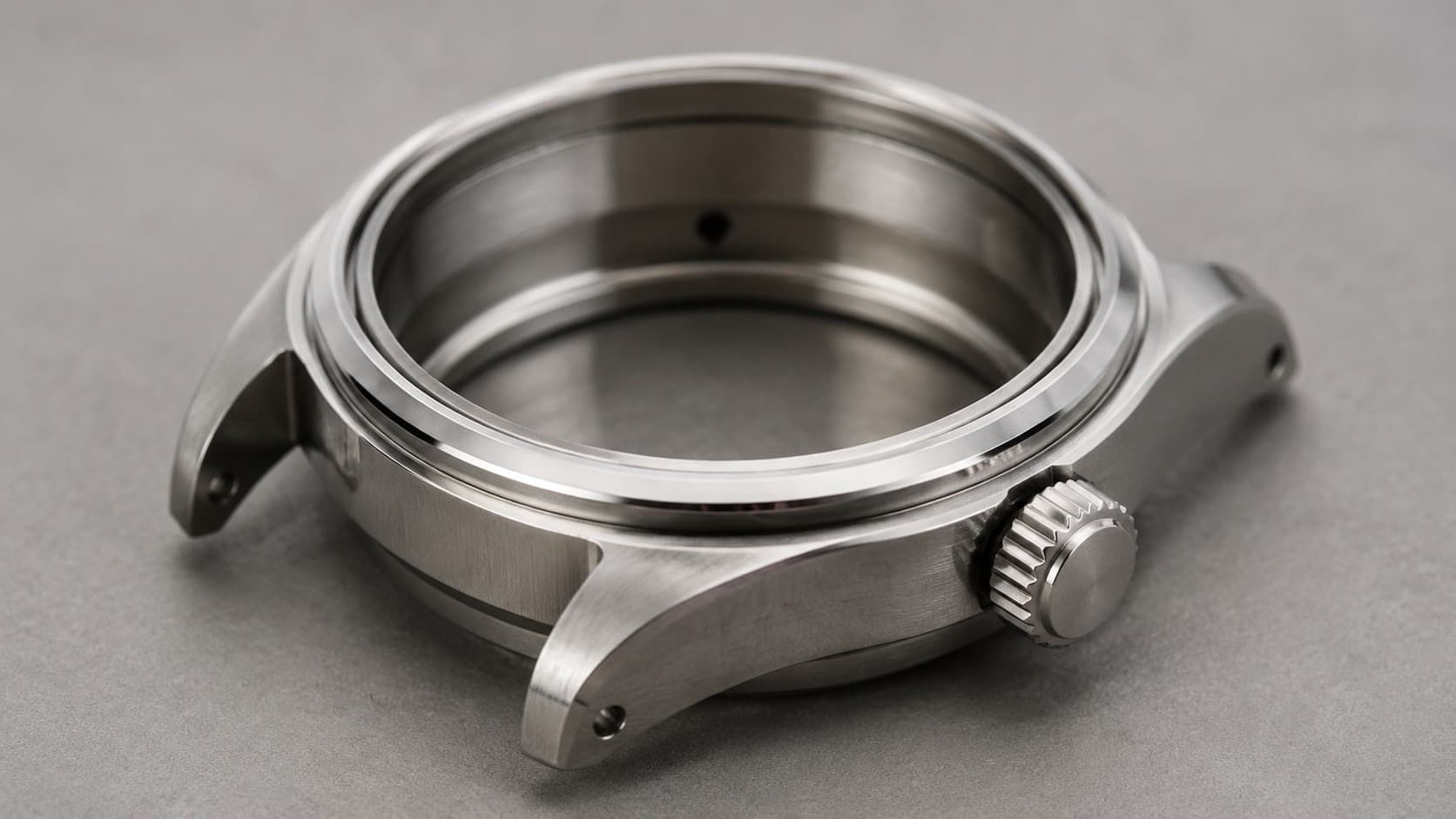
The case is the outer shell that holds and protects everything else inside the watch. Think of it like the body of a car: it doesn’t make the engine run, but without it, nothing underneath would survive being knocked around all day.
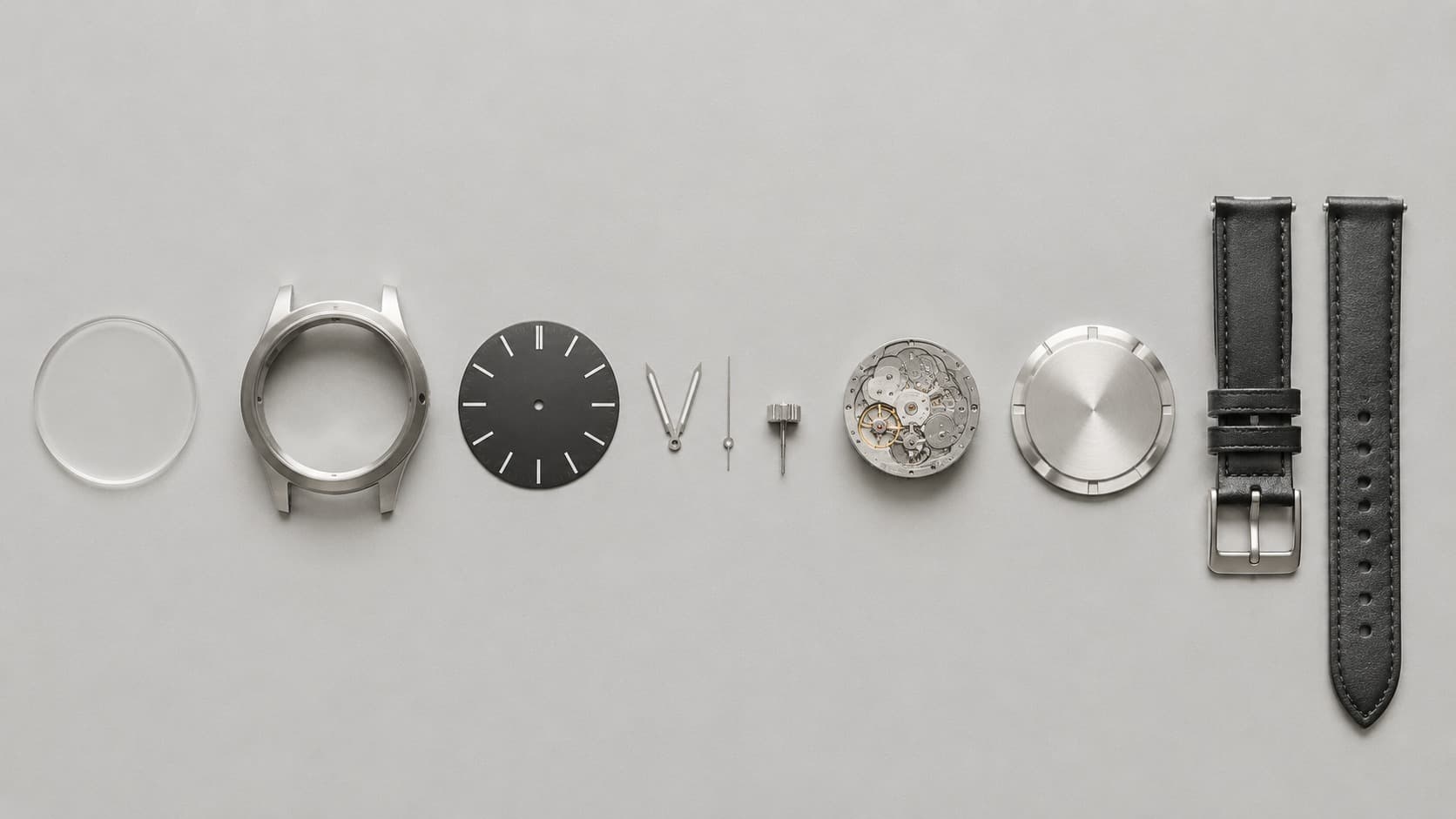
Cases are usually made from stainless steel, though gold, titanium, ceramic, and even plastic show up depending on the watch’s price and purpose. Titanium is popular for sportier watches because it’s much lighter than steel while still being very strong, and it resists corrosion well. A case isn’t one solid block, either. It’s built from a middle section that holds the movement, a bezel on top, a crystal fitted into that bezel, and a caseback that seals everything shut underneath.
The size and shape of the case (round, square, rectangular, or something more unusual) also plays a big role in how a watch looks and fits on the wrist. Case diameter, usually measured in millimeters across the widest point, is one of the first specs shoppers check, since a case that’s too big or small for someone’s wrist can throw off how a watch looks and feels day to day. Case thickness matters too, since a thinner case slides more easily under a shirt cuff while a thicker one usually means more room for a complex movement inside.
What Does a Watch Crystal Do?
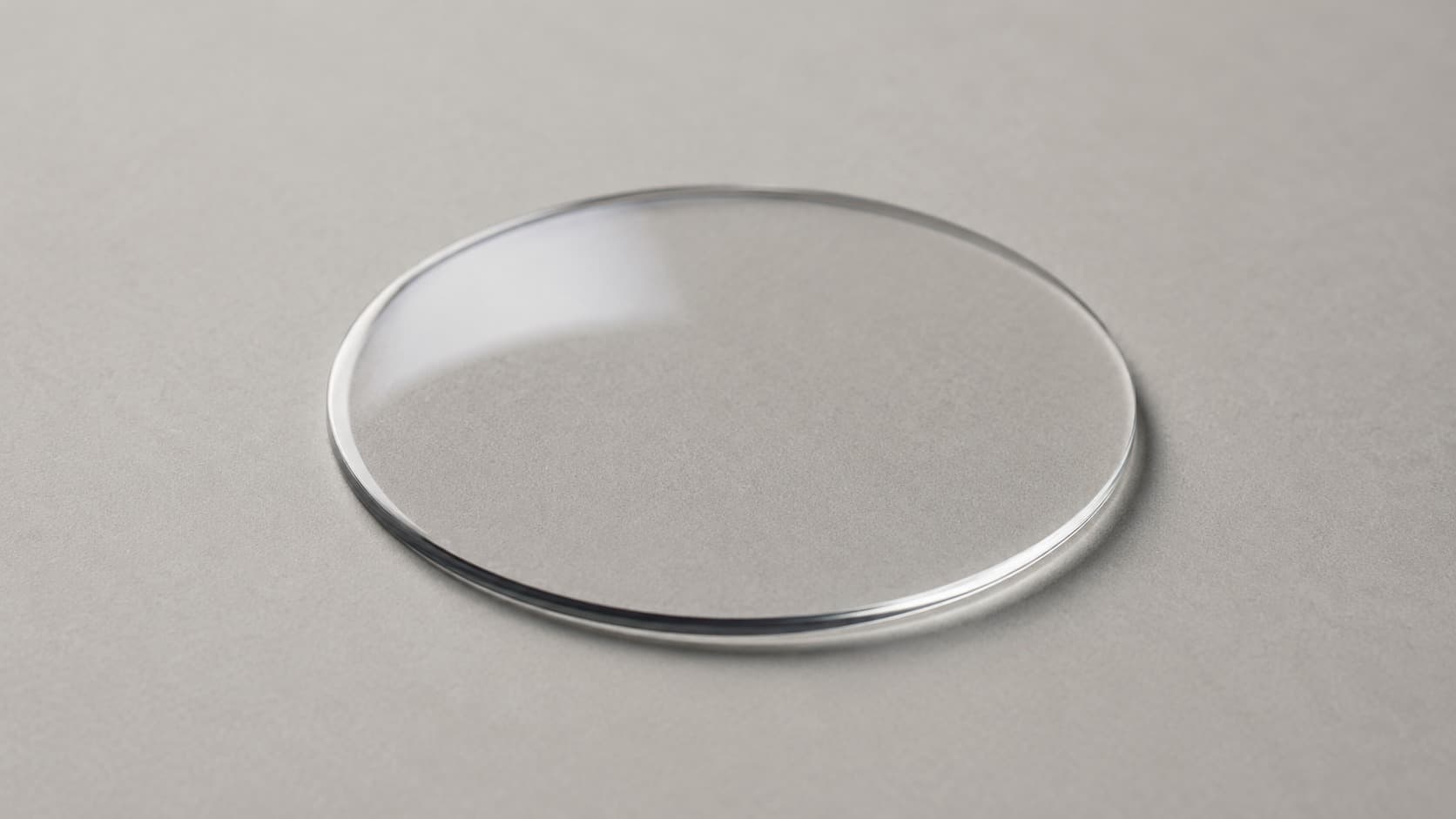
The crystal is the clear cover you look through to read the time, and its main job is to protect the dial while staying scratch-free and easy to see through. It sits inside the bezel, right above the dial and hands.
There are three common types of crystal. Acrylic (a type of plastic) is cheap and can be polished if scratched, but it scratches easily in the first place, which is why it mostly shows up on vintage watches and budget fashion pieces today. Mineral glass resists scratches better and is common on mid-range watches, though it can still shatter or chip if it takes a hard enough hit. Sapphire crystal, made from synthetic sapphire, is the toughest of the three and is nearly impossible to scratch with everyday wear, which is why it shows up on most quality watches today, even though it’s slightly more prone to cracking on a direct, sharp impact than mineral glass.
Some watches use a curved or “domed” crystal instead of a flat one, either for a vintage look or to add extra clearance over a taller dial. Others feature a coating on the underside called anti-reflective (AR) coating, which cuts down on glare so the dial stays readable in bright light. Some watches even use a sapphire caseback so you can see the movement working inside.
What Is a Watch Bezel?
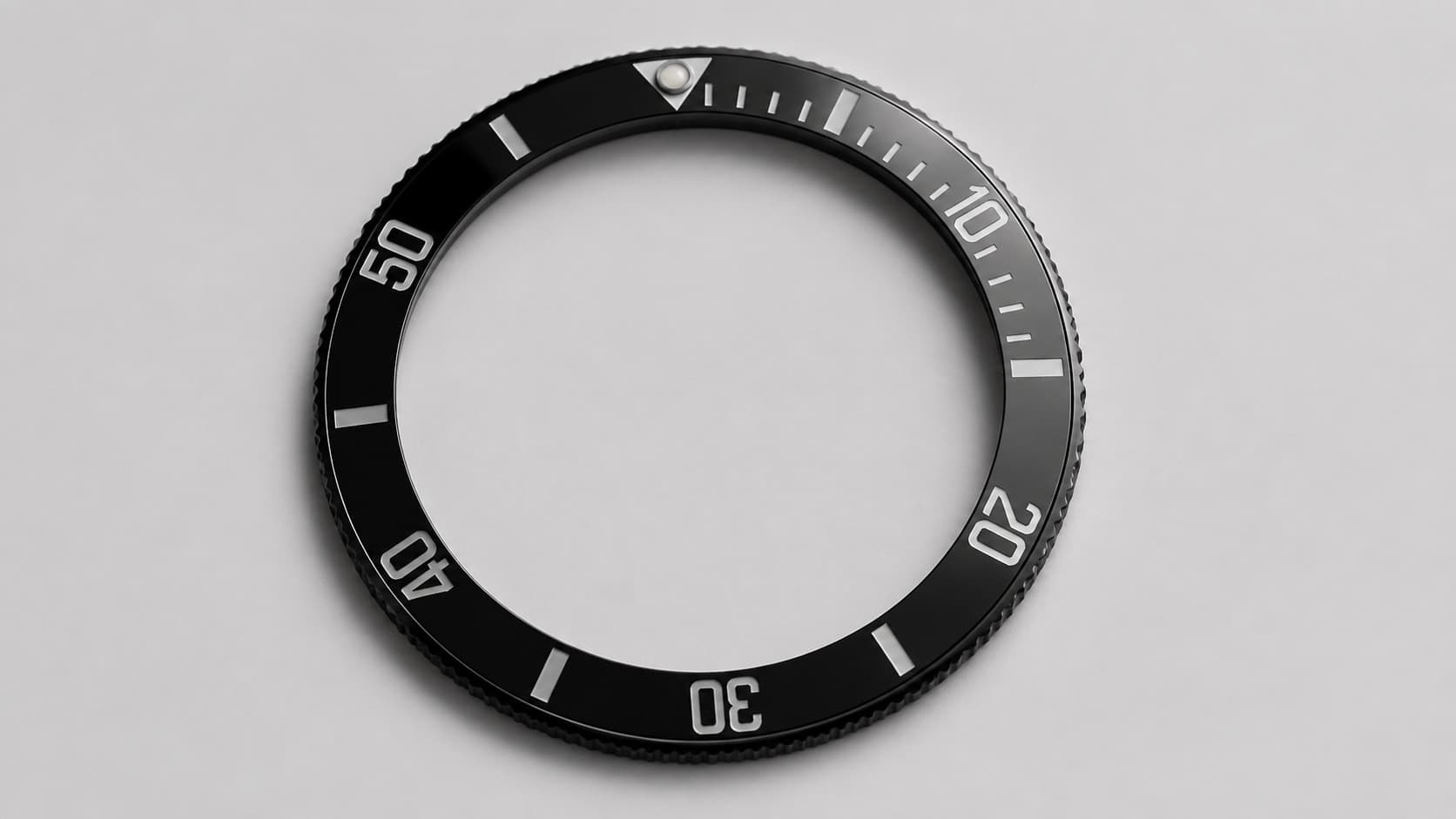
The bezel is the ring that sits on top of the case and holds the crystal in place, and on some watches it also does a job of its own. On plenty of watches, the bezel is purely decorative, just a frame around the glass. On dive watches, though, the bezel usually rotates and is marked with numbers, letting a swimmer track how many minutes they’ve been underwater without needing a separate timer.
A rotating dive bezel is one of the oldest examples of a watch feature that started as a genuine safety tool rather than a style choice.
Bezel materials vary too. Stainless steel is standard, but ceramic bezels have become popular because they resist scratching and fading far better than metal, especially on watches worn in the sun a lot. Some rotating bezels only turn counterclockwise, a safety feature on dive watches designed so that if the bezel gets bumped underwater, it can only ever show less elapsed time than has actually passed, never more, which helps prevent a diver from misjudging their air supply.
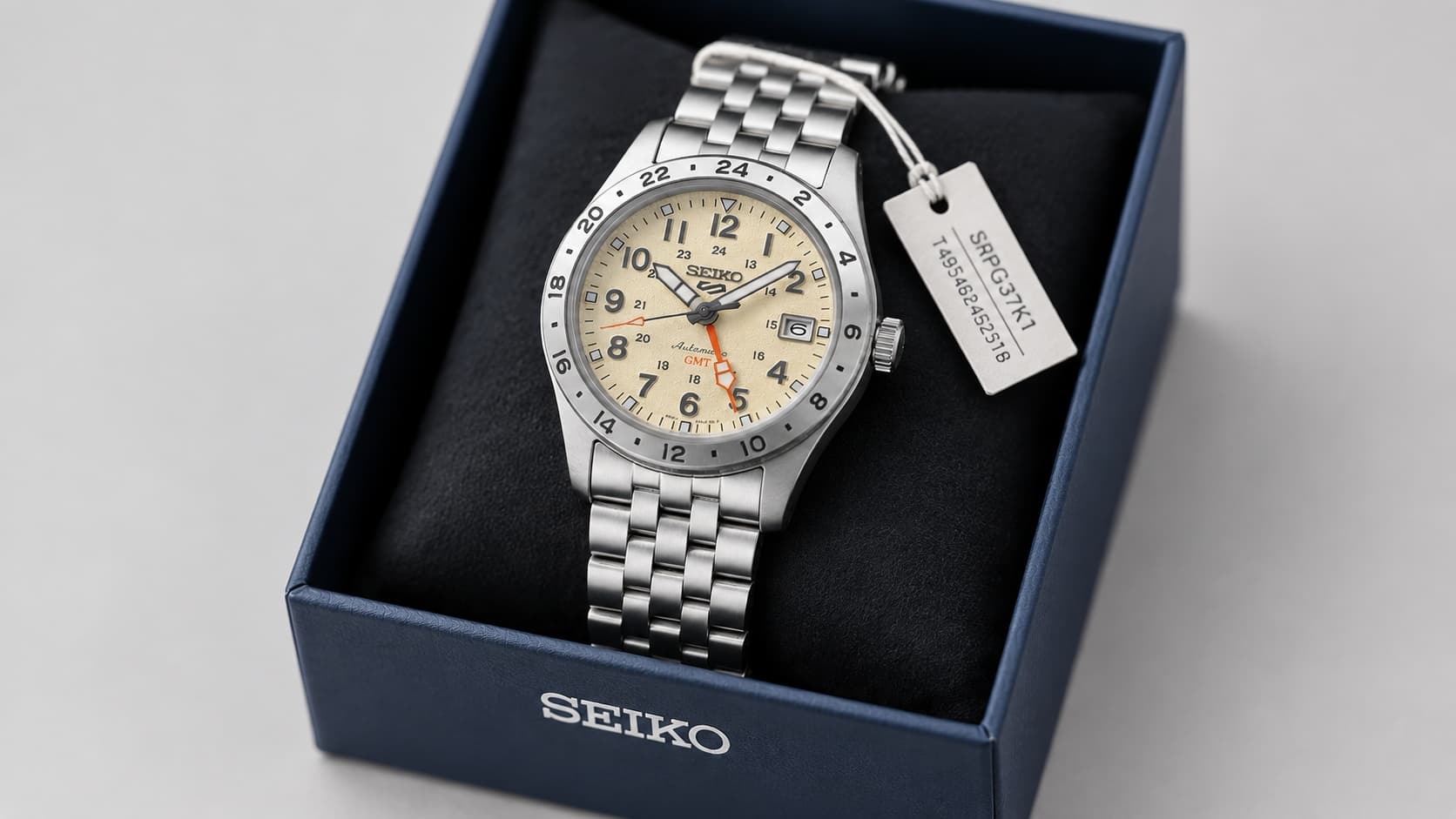
Beyond dive timing, bezels can be built for other tasks too. A tachymeter bezel, marked with a scale of numbers, lets the wearer calculate speed based on how long it takes to travel a known distance, and a GMT bezel, often shown in two colors, helps track a second time zone alongside the main hands.
What Is a Watch Dial?
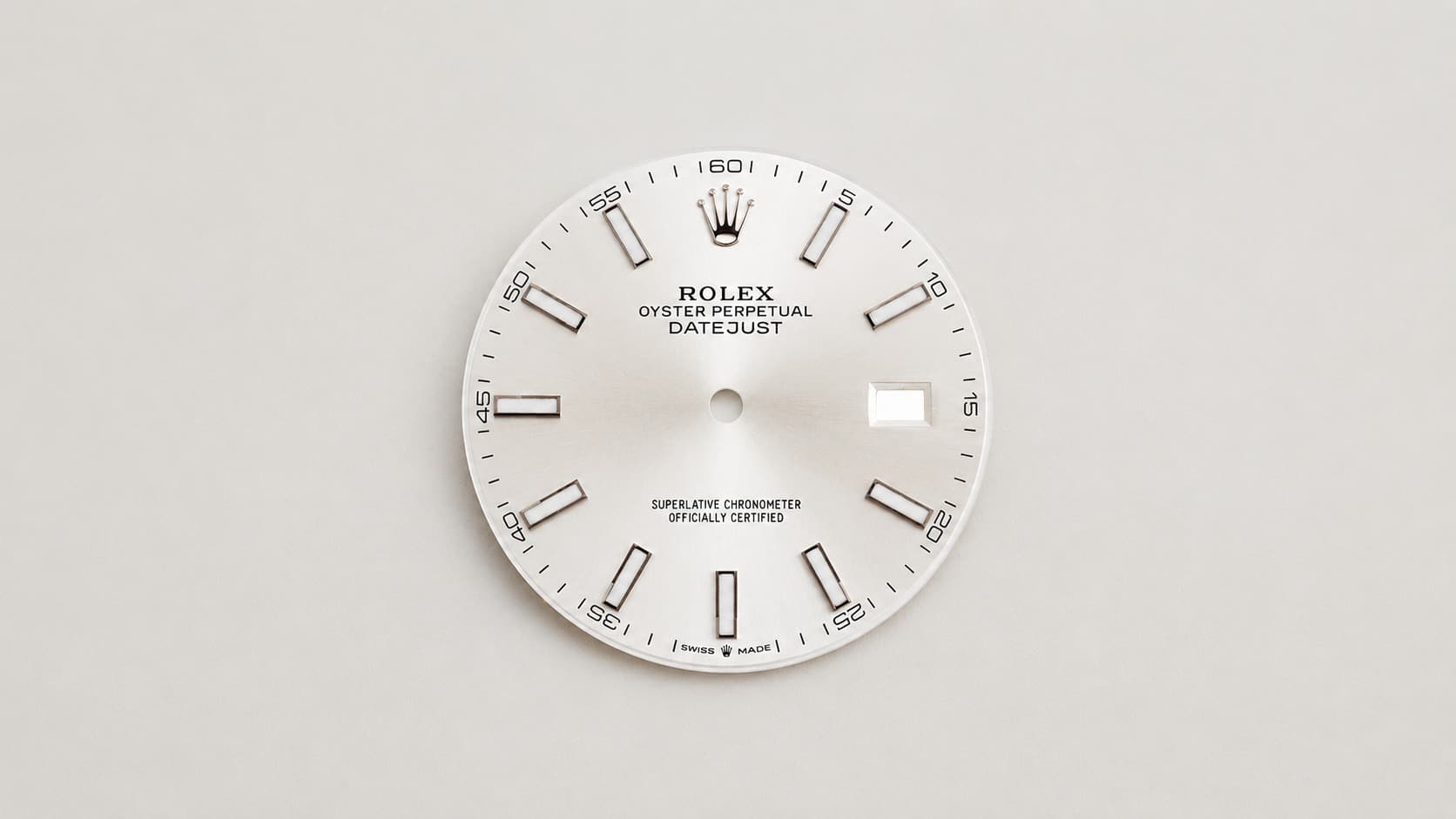
The dial is the face of the watch, the flat surface where you actually read the time. It carries the hour markers, any text like the brand name, and often small sub-dials for extra functions like a stopwatch or date window.
Dials come in a huge range of finishes: matte, glossy, sunburst (which shifts brightness depending on the light), and textured patterns like guilloché, an engraved pattern of fine repeating lines. The color and layout of a dial has a big effect on how easy a watch is to read at a glance, which is why field watches and pilot watches tend to favor big, bold, high-contrast markers over anything decorative.
Many dials also include small extra windows or circles. A date window (sometimes called a date aperture) shows the current date through a small cutout, usually near the 3 or 6 o’clock position. Sub-dials are the smaller circular displays set into the main dial, often used to track seconds separately from the minute and hour hands, or to show extra functions like a stopwatch reading on a chronograph.
What Do Watch Hands Do?
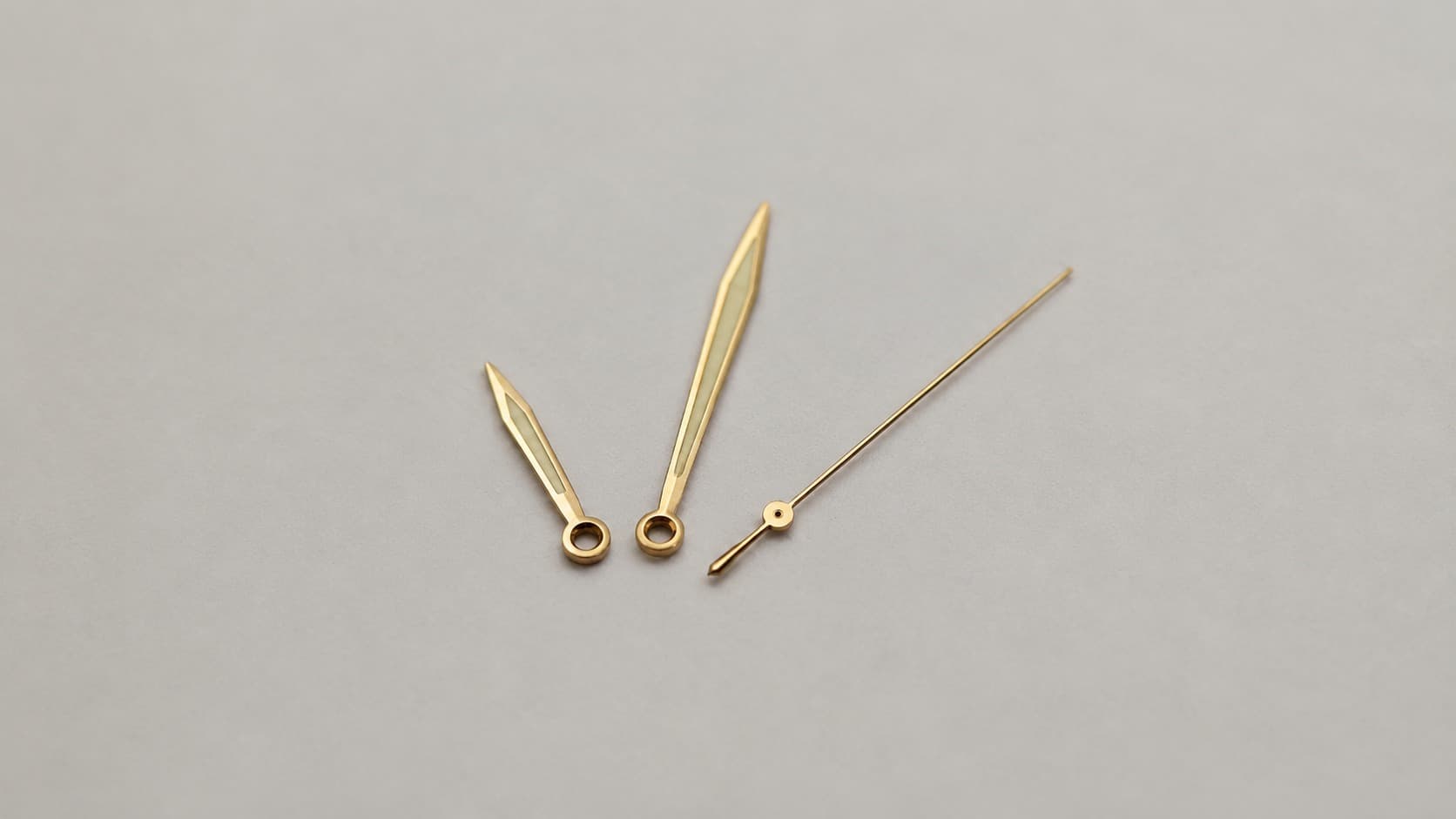
The hands are the thin pointers that sweep across the dial to show the hour, minute, and often the second. Most watches use three hands, but some add extra hands for a second time zone, a 24-hour indicator, or a chronograph function.
Hand shapes have their own names too. Dauphine hands are flat and faceted, sword hands are long and pointed, and Mercedes hands (named for their resemblance to the car brand’s logo) are common on dive watches because their shape is easy to read underwater in low light. Many hands and hour markers are coated with a luminous material, such as Super-LumiNova, so they glow in the dark after being exposed to light rather than needing a separate power source.
On a chronograph, one central hand often does double duty as the stopwatch second hand, while a separate, smaller hand ticks along steadily to show the running seconds of normal timekeeping. This is why a busy chronograph dial can look like it has more hands than a typical three-hand watch.
What Is a Watch Movement?
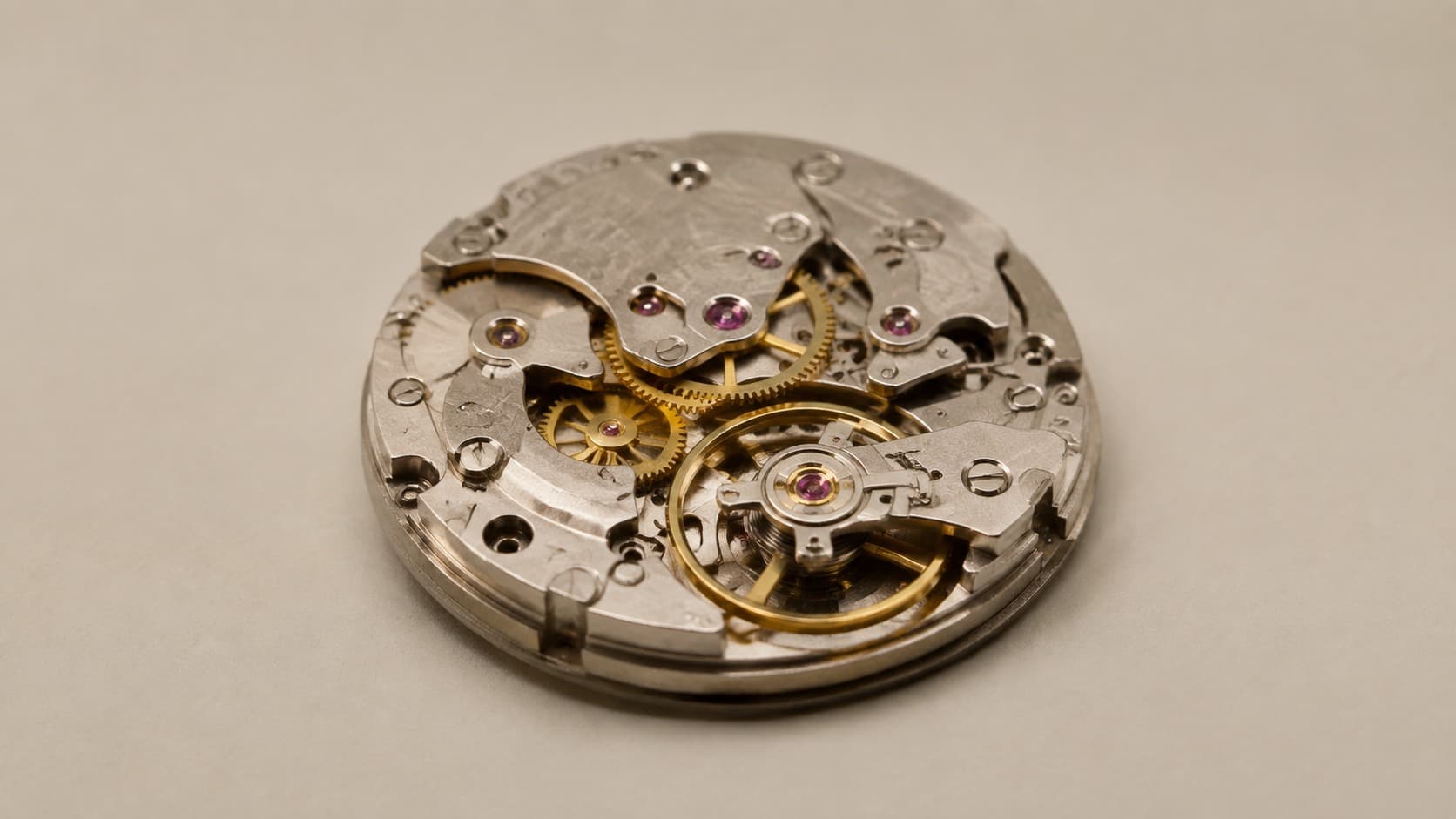
The movement, sometimes called the caliber, is the actual mechanism inside the case that makes the watch work. It’s the engine of the watch, the part responsible for turning the hands at the correct speed and powering any extra functions.
There are two broad types. A quartz movement runs on a battery and uses a vibrating quartz crystal to keep time, and it’s known for being cheap, low-maintenance, and extremely accurate. A mechanical movement runs on a wound spring called the mainspring instead of a battery, using a network of tiny gears (the gear train) and a part called the escapement to release the spring’s stored energy in tiny, controlled steps rather than all at once. That’s what produces the ticking sound and motion of a mechanical watch’s second hand, rather than the small, steady jump of a quartz watch’s second hand.
Mechanical movements come in two versions: manual, which you wind by hand using the crown, and automatic, which winds itself using a weighted, semicircular piece called a rotor that spins freely as your wrist moves throughout the day, gradually winding the mainspring without any effort from the wearer. Inside a mechanical movement, you’ll also often hear the word “jewels,” which refers to small synthetic rubies or sapphires placed at key friction points to reduce wear on the metal parts. A basic manual movement typically has around 17 jewels, while automatic movements often use 21 to 25, though a higher jewel count mostly reflects how many moving parts a movement has rather than being a measure of quality on its own.
| Movement Type | Power Source | Typical Accuracy | Maintenance |
|---|---|---|---|
| Quartz | Battery | Very high | Battery swap every 1-2 years |
| Manual mechanical | Hand winding | Moderate | Regular winding, servicing every few years |
| Automatic mechanical | Wrist motion | Moderate | Servicing every few years |
What Is a Watch Crown For?
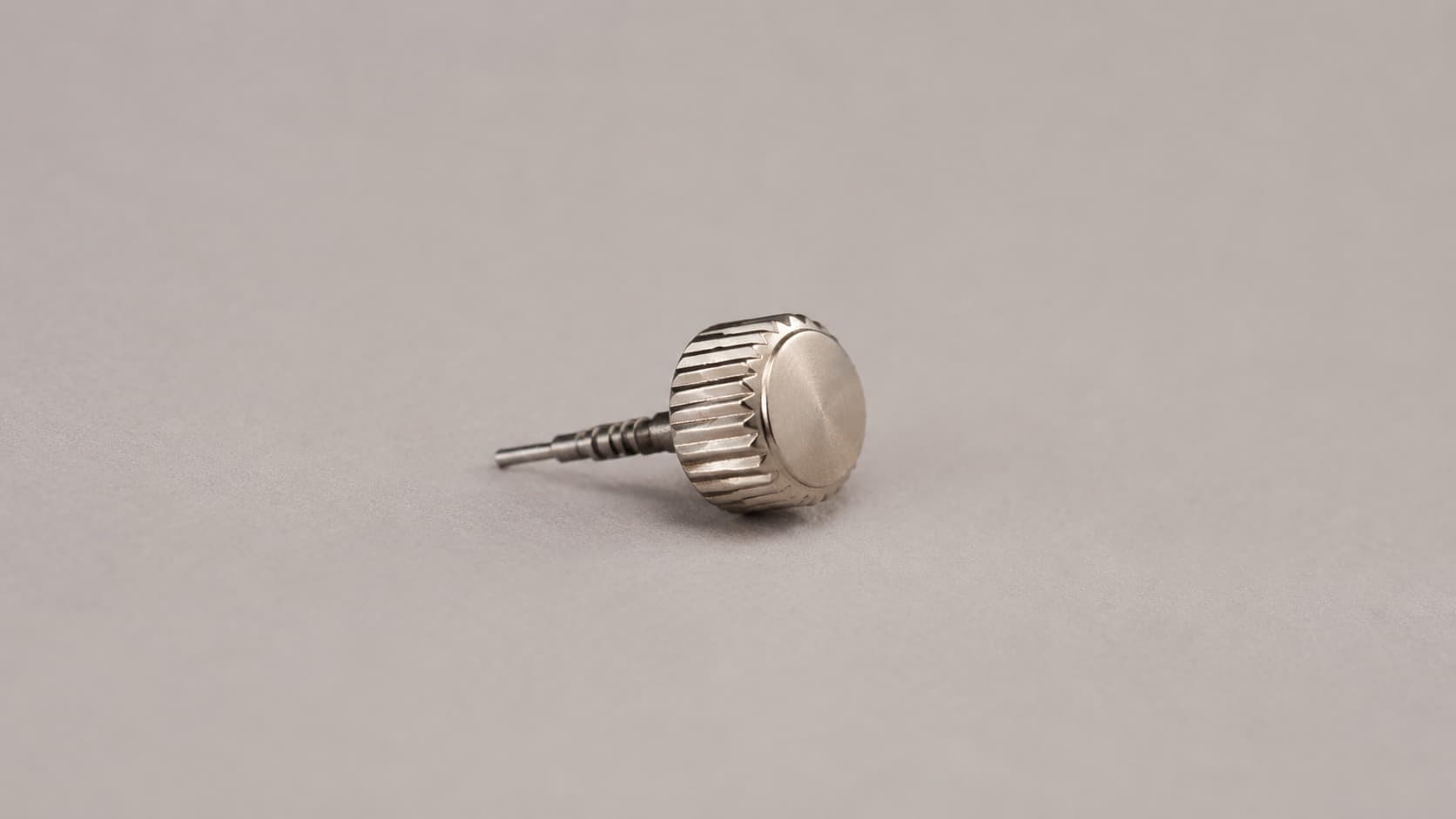
The crown is the small knob on the side of the case, and its main job is setting the time and, on mechanical watches, winding the movement. On most watches it sits at the 3 o’clock position, though some brands place it elsewhere for design or comfort reasons.
Pulling the crown out to different positions, often called steps or clicks, unlocks different functions, such as adjusting the date instead of the time. Some watches use a screw-down crown, which threads into the case and needs to be unscrewed before use. This adds an extra layer of protection against water getting inside, which is why screw-down crowns are common on dive watches. Watches with crown guards, raised bits of the case that flank the crown, add further protection against accidental knocks.
What Are Watch Lugs?
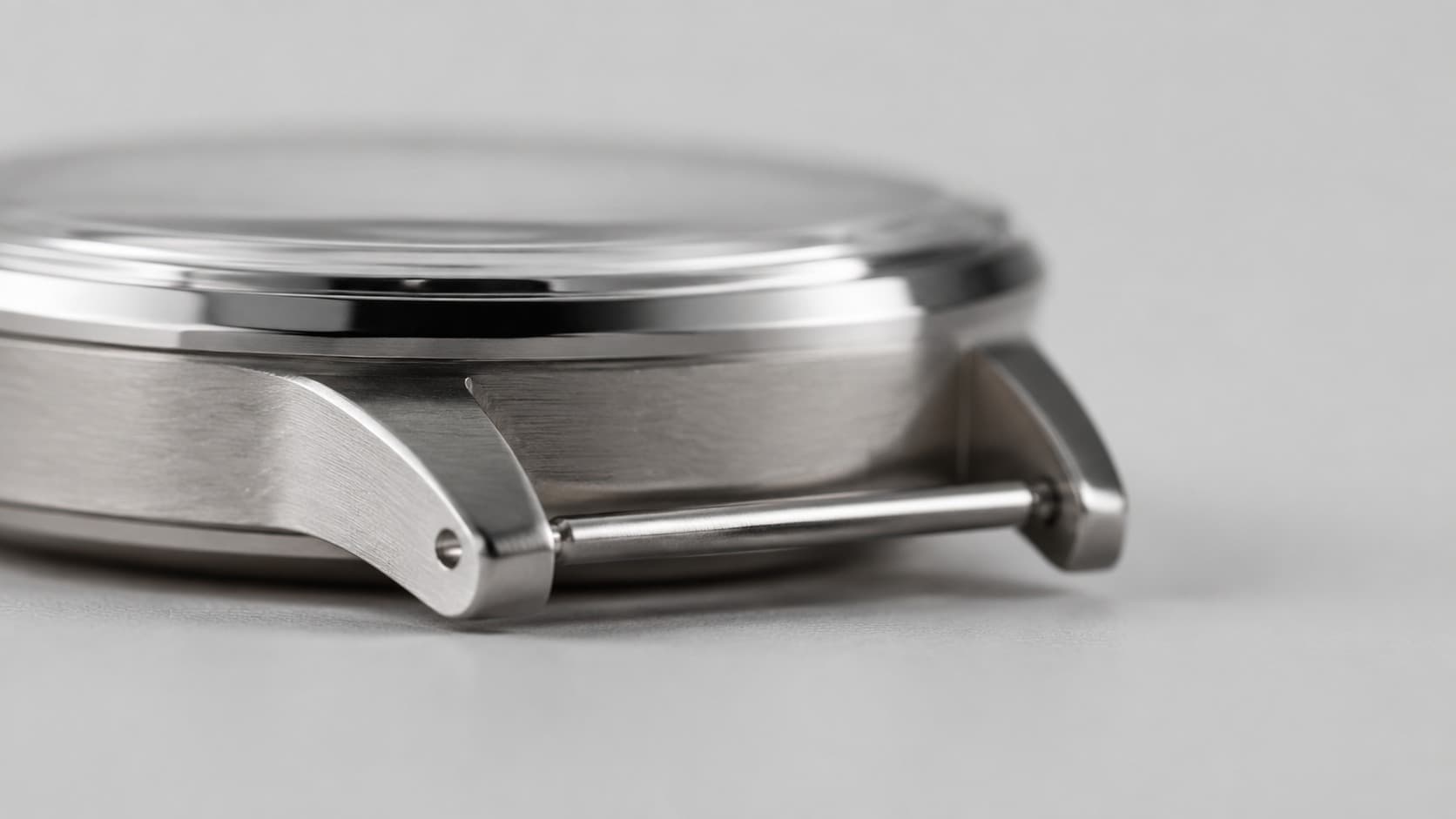
Lugs are the small horn-shaped extensions at the top and bottom of the case where the strap or bracelet attaches. They hold a thin rod called a spring bar, which is what actually connects the strap to the case.
Lug width, the distance between the two lugs, determines which strap sizes will fit a given watch, and it’s one of the first things to check before buying a replacement strap; common widths range from about 16mm to 22mm. Lug shape also affects how a watch sits on smaller or larger wrists, since lugs that curve downward tend to hug the wrist more comfortably than flat ones. The gap between the lugs is also where you’ll find the spring bar itself: a thin metal rod with a spring inside that compresses so it can snap into the small holes drilled in the lugs, which is the same simple mechanism used across almost every watch, regardless of brand or price.
What Is a Watch Strap or Bracelet?
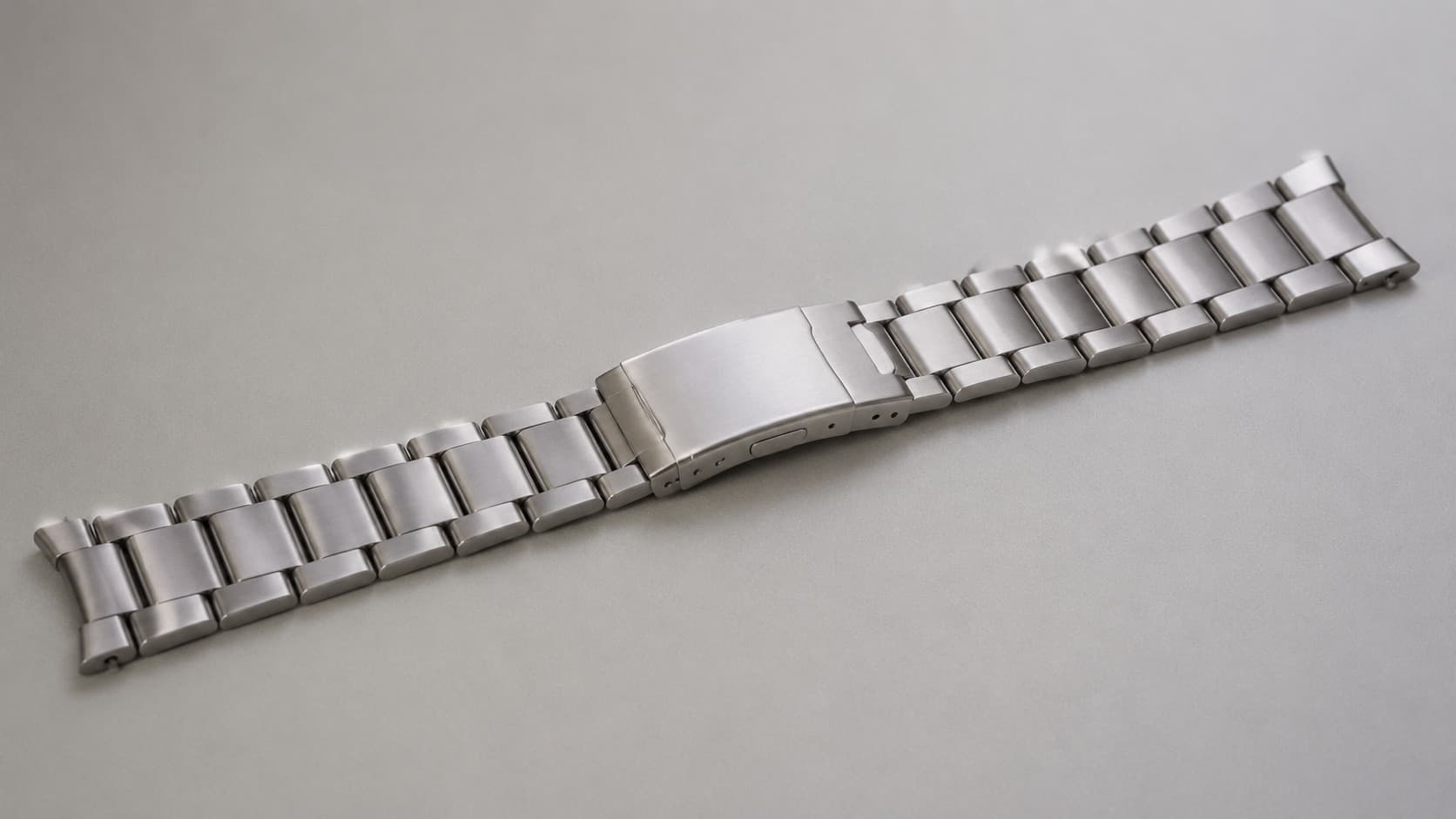
The strap or bracelet is the band that wraps around your wrist and keeps the watch in place. The two terms aren’t interchangeable: a metal band is usually called a bracelet, while one made from leather, fabric, or rubber is called a strap.
Common bracelet styles include the Oyster (flat, solid links, very durable), the Jubilee (five-piece links with a dressier look), and mesh (fine woven metal that flexes easily around the wrist). Some modern watches use an “integrated bracelet,” where the band connects directly to the case rather than through visible lugs, creating one continuous, seamless shape.
What Is a Watch Caseback?
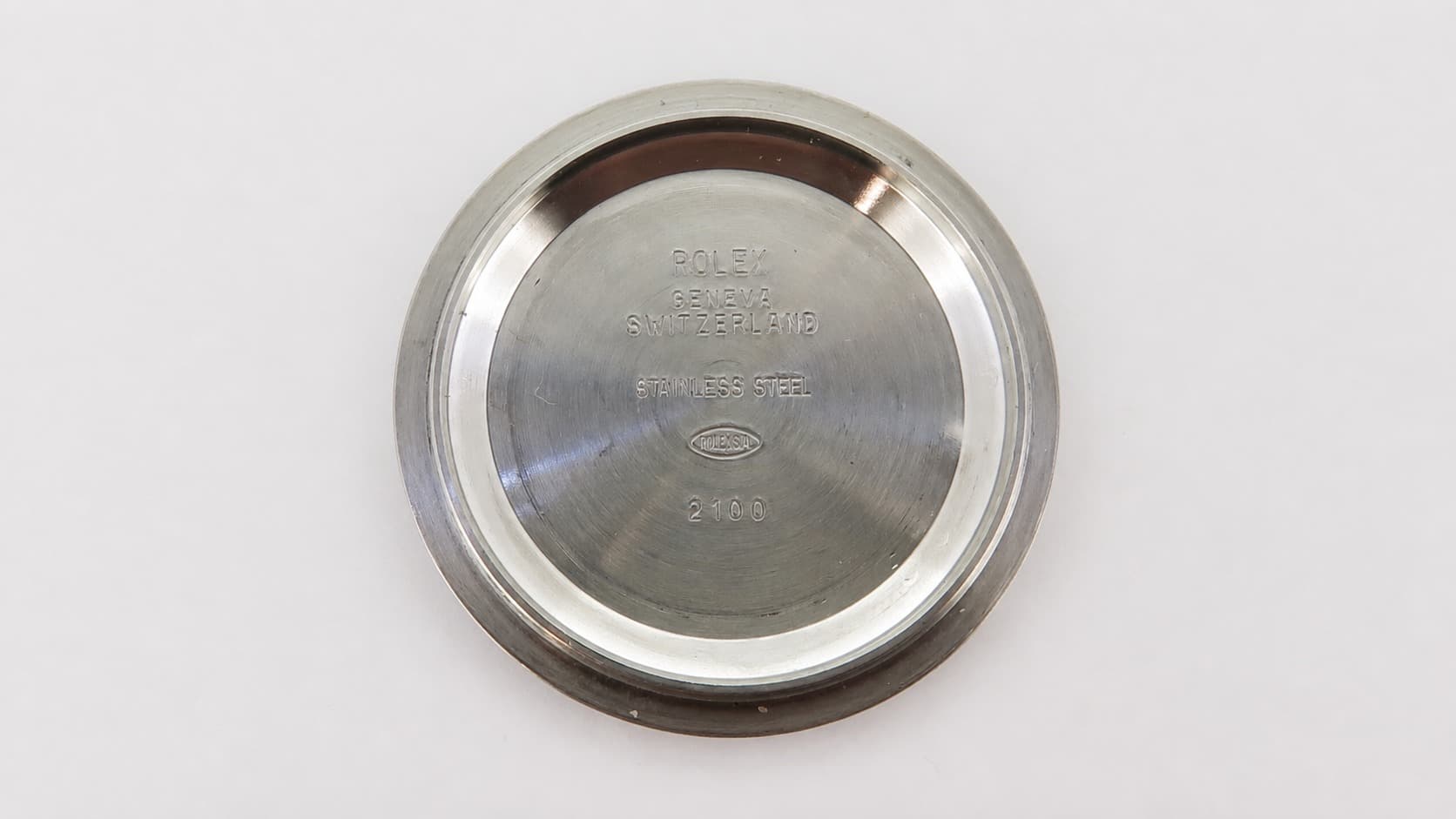
The caseback is the panel that seals the bottom of the case, closing in the movement and keeping out dust, dirt, and moisture. It’s usually attached by screws, a snap-fit, or a threaded screw-down design, with screw-down casebacks generally offering the best water resistance.
Many modern watches use a clear sapphire caseback so the movement is visible from behind, which collectors often enjoy because it shows off the craftsmanship of the parts that are usually hidden. Solid metal casebacks, on the other hand, sometimes carry engravings, serial numbers, or brand logos.
What Are Watch Pushers and Gaskets?
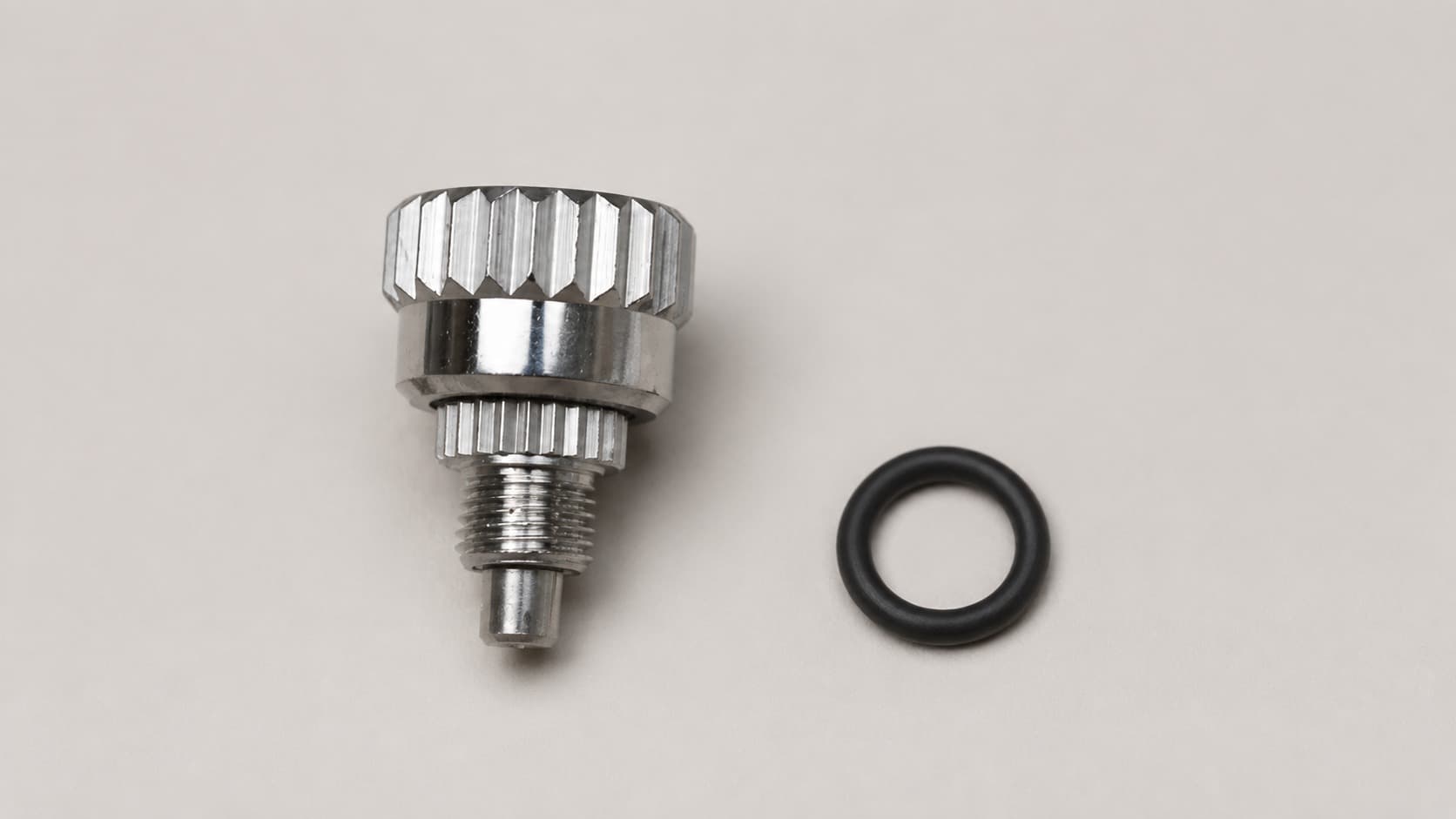
Pushers are the buttons next to the crown, most often used to start, stop, and reset a chronograph, or stopwatch function. Gaskets are small rubber rings placed around the crown, caseback, and crystal to seal any gaps and keep water out.
Gaskets wear out over time, even if a watch is never worn in water, because rubber naturally hardens and loses its seal with age. That’s one reason watch brands recommend a water-resistance check every couple of years for any watch that regularly gets splashed, worn while washing hands, or taken swimming.
The water-resistance number printed on a watch (often shown in meters, ATM, or bar) refers to a lab test done on a motionless watch, not a real depth you should actually take it to. As a rough guide, 30 meters (3 ATM) only covers rain and hand washing, 50 meters (5 ATM) can handle a shower but not swimming, 100 meters (10 ATM) is generally considered the minimum for comfortable swimming, and 200 meters (20 ATM) and above is built for scuba diving and serious water sports. Moving your wrist while swimming, or jumping into water, creates far more pressure on the seals than the still-water lab test does, which is why even a “50m” watch can let water in during an actual swim.
| Water Resistance | What It’s Actually Good For |
|---|---|
| 30m / 3 ATM | Rain, splashes, hand washing |
| 50m / 5 ATM | Light splashes, brief showers (swimming not recommended) |
| 100m / 10 ATM | Swimming and snorkeling |
| 200m+ / 20 ATM+ | Recreational scuba diving and water sports |
What Are Watch Complications?
A complication is any function a watch performs beyond simply showing the hours and minutes. The name comes from how much extra mechanical engineering, and therefore complexity, each added feature requires inside a mechanical movement.
Some of the most common complications include:
- Date or day-date display – shows the current date, sometimes alongside the day of the week
- Chronograph – a built-in stopwatch, operated using pushers
- GMT – a second hand or dial that tracks a different time zone, useful for travel
- Moon phase – a small window showing the current phase of the moon
- Tourbillon – a rotating cage that houses the escapement to help counter the effects of gravity on accuracy
- Power reserve indicator – a small dial or scale showing how much stored energy is left before a mechanical watch needs winding again
Watches with more complications are usually harder to build and more expensive, since each added function needs its own set of gears and parts working in harmony with the rest of the movement.
Frequently Asked Questions
What is the most important part of a watch?
The movement is generally considered the most important part, since it’s the mechanism that actually keeps time and powers every other function the watch has. A high-quality case and dial matter for looks and durability, but a watch is only as accurate and reliable as the movement inside it.
What’s the difference between a strap and a bracelet?
A strap is made from a flexible material like leather, rubber, or fabric, while a bracelet is made from linked metal pieces. Both attach to the watch case at the lugs using spring bars, so many watches can be switched between a strap and a bracelet.
Why do some watches have a see-through back?
A see-through, or exhibition, caseback is fitted with sapphire crystal so the wearer can see the movement working inside. Brands add this feature to show off the craftsmanship of the movement, since the mechanical parts are normally hidden from view.
What does it mean when a crown “screws down”?
A screw-down crown threads directly into the case rather than simply pulling in and out. It needs to be unscrewed before you can set the time or wind the watch, and once screwed back in, it creates a tighter seal that helps keep water and dust out.
Do all watches have the same number of parts?
No. A basic quartz watch might have well under 100 parts total, while a complex mechanical watch with several complications can contain hundreds of tiny components inside the movement alone. The more functions a watch performs, the more individual parts it typically needs.
Conclusion
Every watch, no matter how simple or expensive, comes down to the same basic building blocks: a case to protect it, a crystal and dial to display the time, a movement to keep it running, and a crown, bezel, lugs, and strap to let you set it, adjust it, and wear it. Once you can name these parts and understand what each one actually does, you’re in a much better position to judge the quality of any watch you come across, whether you’re comparing two options in a store or trying to describe a repair to a jeweler.