Gold has been treasured for jewelry making for over 6,000 years, from ancient Egyptian pharaohs to modern fashion enthusiasts. Its non-reactive nature means it never tarnishes, rusts, or corrodes, making it perfect for creating lasting jewelry pieces. Unlike silver or copper, gold maintains its shine and beauty indefinitely, which explains why gold jewelry can be passed down through generations while looking as magnificent as the day it was made. But not all gold jewelry is the same – the type of gold used significantly impacts the piece’s appearance, durability, and price.
Understanding Different Types of Gold for Jewelry
Understanding the different types of gold used in jewelry is crucial for making informed purchasing decisions. Whether you’re buying an engagement ring, a daily-wear necklace, or a special occasion piece, the type of gold you choose affects everything from how often you’ll need to clean it to how well it holds up to daily wear. Different gold types also complement different skin tones and personal styles, making this knowledge essential for both buyers and jewelry enthusiasts. In this comprehensive guide, we’ll explore the various types of gold used in jewelry, their properties, care requirements, and how to choose the perfect gold type for your needs.
Understanding Gold Purity in Jewelry
Gold purity is measured in karats, with 24k being pure gold. However, pure gold is too soft for most jewelry applications, requiring the addition of other metals to create durable pieces. The karat system tells you exactly how much gold is present in your jewelry, along with corresponding numerical stamps that jewelers use for legal identification.
- 24k Gold (999/1000 stamp) - Contains 99.9% pure gold with minimal other metals. It’s bright yellow and very soft, making it unsuitable for everyday jewelry but perfect for investment pieces, decorative items, and certain cultural jewelry traditions. Most 24k pieces are too malleable for rings or bracelets that see daily wear.
- 18k Gold (750 stamp) - Made of 75% gold and 25% other metals, offering an excellent balance between purity and durability. The 18k designation provides rich color and maintains good resistance to tarnishing while being strong enough for most jewelry applications. This karat is popular in Europe and often used for high-end jewelry pieces.
- 14k Gold (585 stamp) - Consists of 58.3% gold mixed with 41.7% other metals, creating a perfect blend of durability and beauty. The most popular choice in the United States, 14k gold offers excellent wear resistance while maintaining a good gold content. It’s ideal for daily-wear pieces like wedding bands, everyday necklaces, and earrings.
- 10k Gold (417 stamp) - Contains 41.7% gold and 58.3% other metals, making it the most durable gold option for jewelry. While it has a lighter gold color due to lower gold content, 10k gold is extremely scratch-resistant and affordable. It’s perfect for people with active lifestyles or those looking for budget-friendly options.
- 22k Gold (916 stamp) - With 91.7% gold content, this is less common in Western jewelry but popular in South Asian markets. It’s softer than 18k but harder than 24k, offering a middle ground for traditional jewelry pieces that aren’t worn daily.
Understanding these purity levels helps you make informed decisions about your jewelry purchases. Higher karat gold (22k, 24k) offers more gold content and richer color but requires more careful handling, while lower karat gold (10k, 14k) provides durability for everyday wear at a more accessible price point. The choice ultimately depends on your lifestyle, budget, and personal preferences for color and maintenance requirements.
Types of Gold Colors
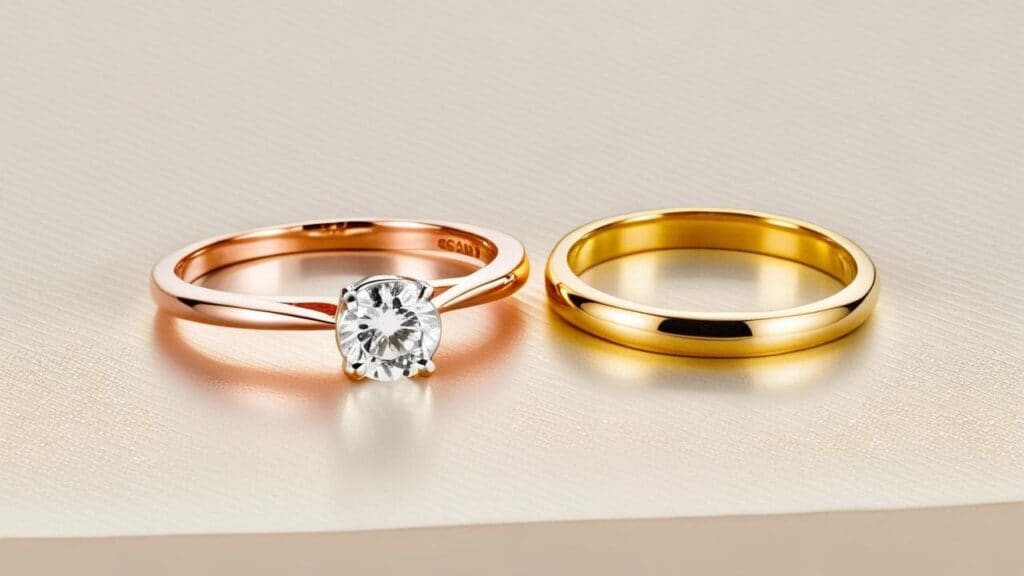
Gold jewelry comes in diverse color variations, each created through specific alloy combinations that dramatically affect both appearance and properties. While pure gold is naturally yellow, jewelers have developed numerous metal combinations to create everything from classic white and rose tones to rare specialty colors like green, blue, and purple gold. Understanding these different gold colors helps you make informed decisions about which type best suits your personal style, skin tone, and jewelry collection, whether you prefer traditional options or seek something truly unique.
Yellow Gold
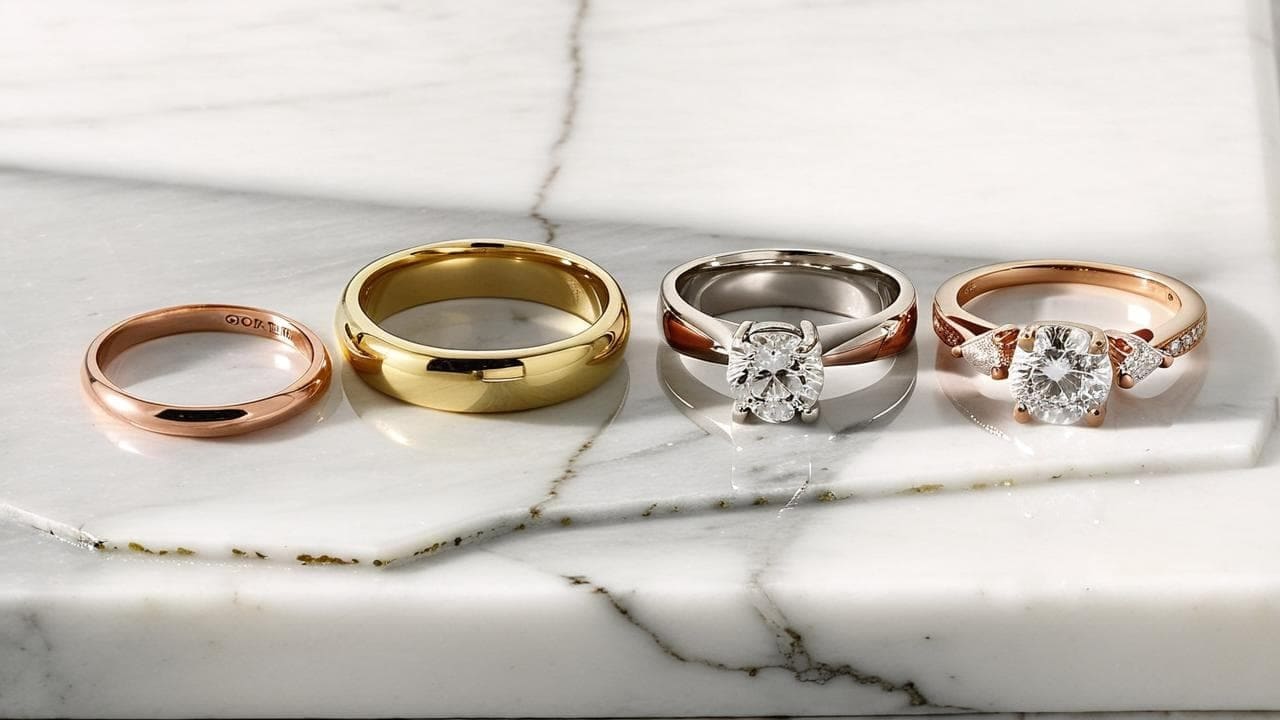
Yellow gold represents the classic gold color that has been prized throughout history. This timeless metal gets its natural golden hue from the pure gold content, with the intensity of the yellow color increasing with higher karat levels. Yellow gold remains the most traditional and popular choice for jewelry, especially for engagement rings, wedding bands, and classic pieces.
- Yellow gold contains pure gold mixed with metals like copper and silver, which preserve the natural yellow color while adding strength. The more pure gold in the alloy, the richer and more vibrant the yellow color becomes. 24k gold displays the most intense yellow hue, while 10k gold appears lighter due to the higher percentage of other metals.
- The shade of yellow gold can vary depending on the specific alloy metals used. Adding more copper creates a warmer, slightly reddish-yellow tone, while more silver creates a cooler, lighter yellow appearance. Different manufacturers may use slightly different alloy formulas, resulting in subtle color variations between pieces.
- Lower karat yellow gold (10k-14k) offers superior durability for everyday wear, resisting scratches and dents better than higher karats. 18k yellow gold provides a good balance of color richness and durability, while 22k-24k yellow gold requires more careful handling due to its softness.
- Yellow gold suits all jewelry types but is especially popular for wedding bands, engagement rings, classic chains, and traditional pieces. Its warm tone complements most skin tones, making it a universally flattering choice. Many vintage and antique pieces feature yellow gold due to its historical significance and timeless appeal.
- Yellow gold is relatively low-maintenance compared to other precious metals. It doesn’t tarnish or change color over time, requiring only periodic cleaning to maintain its shine. Professional polishing every few years can restore the original luster, especially for pieces with high gold content.
- Yellow gold retains its value well, especially in higher karats. The resale value depends primarily on the gold content (karat) and current gold market prices. Antique yellow gold pieces often appreciate in value due to their historical significance and craftsmanship.
Yellow gold’s enduring popularity stems from its classic beauty, excellent value retention, and low maintenance requirements. It pairs beautifully with all gemstones and never goes out of style, making it an excellent choice for both everyday jewelry and special occasion pieces. Whether you choose 10k for durability or 18k for richer color, yellow gold offers a reliable, attractive option that will look beautiful for generations.
White Gold
White gold emerged in the early 20th century as an affordable alternative to platinum. Created by mixing pure gold with white metals, it offers the prestigious appearance of white precious metal at a more accessible price point. Today, white gold represents a significant portion of the jewelry market, particularly for engagement rings and modern jewelry designs.
- White gold is made by alloying pure gold with white metals such as palladium, nickel, manganese, or silver. The most common alloys use palladium for hypoallergenic properties or nickel for affordability, though nickel can cause allergic reactions in some people. The specific metals used affect both the color and properties of the final product.
- Most white gold jewelry receives a rhodium plating finish to achieve a bright, mirror-like appearance. Rhodium, a member of the platinum family, is extremely hard and reflective, providing both enhanced shine and additional protection against scratches. This plating can wear off over time, especially on rings, requiring periodic re-plating every 1-3 years.
- Without rhodium plating, white gold often has a slightly yellowish or greyish tint. The specific white metal alloys used determine the underlying color – palladium creates a whiter base, while nickel-based alloys tend to be slightly yellower. Some prefer the natural color without plating, while others prefer the brilliant white of rhodium-plated pieces.
- White gold offers similar durability to yellow gold of the same karat. The hardness depends more on the karat level than the color, with lower karat white gold being more durable for everyday wear. The rhodium plating adds an extra layer of scratch resistance, though it can wear thin over time.
- White gold is extremely popular for engagement rings, wedding bands, and contemporary jewelry designs. It complements diamonds exceptionally well, not competing with their brilliance. White gold also suits cool-toned gemstones like sapphires, emeralds, and tanzanite, making it versatile for various jewelry styles.
- White gold requires more maintenance than yellow gold due to rhodium plating needs. Regular cleaning helps maintain its shine, and professional re-plating every few years keeps it looking bright. The plating typically wears faster on rings due to constant contact with surfaces.
- Nickel-based white gold can cause skin irritation in people with nickel allergies, affecting approximately 10-15% of the population. Palladium-based white gold is hypoallergenic and suitable for sensitive skin, though it costs more to produce. Always verify the alloy composition if you have metal sensitivities.
White gold’s popularity continues to grow due to its modern aesthetic and versatility with various gemstones. While it requires more maintenance than yellow gold, many prefer its contemporary appearance and how it showcases diamonds and colorful gems. Understanding the maintenance requirements and potential allergy issues helps ensure a satisfying long-term ownership experience with white gold jewelry.
Rose Gold
Rose gold, also known as pink gold or red gold, has become increasingly popular in recent years for its romantic, vintage-inspired appearance. This distinctive metal gets its warm pink hue from copper content, creating a softer, more feminine aesthetic that complements many skin tones. The color can range from subtle peachy pink to deep rose, depending on the copper percentage in the alloy.
- Rose gold achieves its characteristic pink color through the addition of copper to pure gold. A typical 14k rose gold alloy might contain 58.3% gold, 35% copper, and 6.7% silver, with the copper percentage determining the intensity of the pink hue. Higher copper content creates deeper rose tones, while less copper produces lighter pink shades.
- 14k rose gold typically contains about 35% copper, creating the most popular rose tone. 18k rose gold has approximately 25% copper for a subtler pink hue with more gold presence. 10k rose gold can contain up to 50% copper, resulting in a deeper red-pink color but with less gold content.
- The copper content that gives rose gold its color also makes it more durable than white or yellow gold of equivalent karat. Copper is a harder metal than silver or palladium, so rose gold tends to be more scratch-resistant and maintains its polish longer. However, the copper can cause slight darkening or patina over time, which some find desirable for vintage aesthetics.
- Rose gold enjoyed peak popularity during the Victorian era and again in the 1920s Art Deco period. Russian jewelers particularly favored this alloy, leading to the term “Russian gold” in some circles. The metal experienced a major revival in the 2010s with the popularity of rose gold iPhones and social media jewelry trends.
- Rose gold beautifully complements morganite, pink diamonds, rose quartz, and pearls for a harmonious look. It also creates striking contrast with darker stones like black diamonds, onyx, and deep blue sapphires. The warm pink tone enhances the delicate colors of opals and makes white diamonds appear brighter.
- Rose gold is particularly flattering on warm and neutral skin tones, though it can complement cool tones as well. The metal’s pink undertones can add warmth to fair complexions and complement deeper skin tones beautifully. Many find it more universally flattering than the cooler tones of white gold or silver.
- Rose gold requires less frequent cleaning than white gold since it doesn’t need rhodium plating. The copper content may cause slight color changes over time, developing a subtle patina that many find appealing. Regular polishing can maintain the original pink shine, or owners can embrace the natural aging process for vintage character.
Rose gold offers a perfect blend of contemporary style and vintage charm, making it an excellent choice for those seeking something unique yet timeless. Its durability, combined with its distinctive appearance, makes it suitable for all types of jewelry from engagement rings to everyday pieces. The metal’s romantic aesthetic and versatility with various gemstones ensure its continued popularity in modern jewelry design.
Less Common Gold Types
Beyond the traditional yellow, white, and rose gold, jewelry makers have developed several unique gold alloys that offer distinctive appearances for those seeking truly unique pieces. These alternative gold types range from naturally occurring combinations to modern innovations, each with specific properties and visual characteristics that appeal to different aesthetic preferences.
- Green gold is created by alloying pure gold with silver and sometimes cadmium, displaying a subtle greenish hue reminiscent of shallow ocean water. The most common green gold contains approximately 75% gold and 25% silver, producing an 18k alloy with a pale green tint. Historical examples include ancient Lydian coins, and modern green gold is often used in nature-inspired jewelry designs.
- Grey gold is achieved by combining pure gold with palladium, manganese, or steel, offering a sophisticated metallic appearance without the brightness of white gold. This alloy typically doesn’t require rhodium plating, maintaining its natural grey tone. The color can range from light silver-grey to deep charcoal, depending on the specific alloy composition and percentages used.
- Blue gold results from mixing pure gold with iron or rhodium, creating a striking bluish tint that appears almost like oxidized silver. Some blue gold formulations use gallium or indium to achieve the color, though these are less common. This rare alloy is typically found in art jewelry and collector pieces rather than everyday wear items.
- Purple gold, one of the rarest gold colors, is created by combining pure gold with aluminum to form a gold-aluminum alloy. The resulting metal has a distinctive purple hue and interesting crystalline structure, though it’s extremely brittle and challenging to work with. Purple gold is primarily used in decorative applications or as accent details rather than entire jewelry pieces.
- Black gold can be achieved through several methods, including black rhodium plating, oxidation of gold-containing alloys, or mixing gold with ruthenium. Some black gold is created through surface treatments rather than actual alloy composition, affecting its durability and longevity. This dramatic metal works well in modern, edgy jewelry designs and creates striking contrast with white diamonds.
These specialized gold alloys represent the cutting edge of jewelry design, offering unique aesthetic options for those seeking non-traditional pieces. While less common than yellow, white, or rose gold, these alternatives demonstrate the versatility of gold as a jewelry material. Each type requires specific care and handling, and some may have limited availability or higher costs due to specialized production methods and materials.
Gold Jewelry Construction Methods
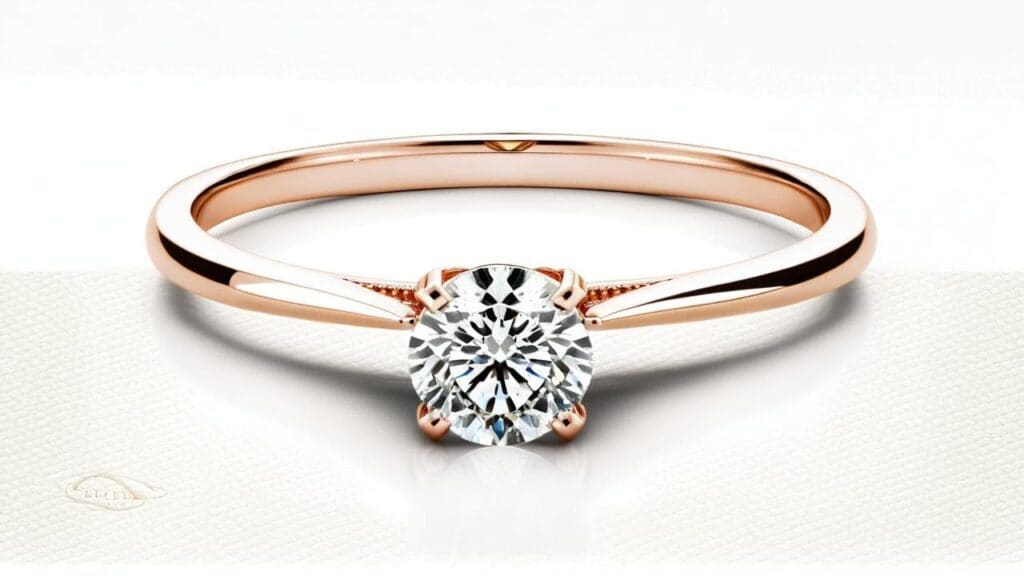
Understanding the difference between gold plated, gold filled, and solid gold jewelry is crucial for making informed purchases and setting realistic expectations for durability and value. These three categories represent different methods of incorporating gold into jewelry, each with distinct characteristics, price points, and longevity considerations.
- Gold plated jewelry consists of a base metal (like brass or copper) with an extremely thin layer of gold applied through electroplating. The gold layer typically measures 0.05 to 2.5 microns thick and can wear off over time, especially with frequent wear or exposure to moisture and chemicals. While affordable, gold plated pieces usually last 1-2 years before showing significant wear, requiring re-plating or replacement.
- Gold filled jewelry features a much thicker layer of gold mechanically bonded to a base metal core, typically containing at least 5% gold by weight. This results in a gold layer approximately 100 times thicker than gold plating, making it significantly more durable and long-lasting. Quality gold filled pieces can maintain their appearance for decades with proper care, making them an excellent middle-ground option between plated and solid gold.
- Solid gold jewelry is made entirely of gold alloy throughout the piece, not just on the surface. The karat designation (10k, 14k, 18k, etc.) indicates the gold content percentage, with the remainder consisting of other metals for durability. Solid gold pieces maintain their value, don’t wear off, and can last indefinitely with proper care, making them suitable for heirloom pieces and daily wear jewelry.
- Cost differences between these options are substantial, with gold plated jewelry being the most affordable, gold filled commanding a middle price range, and solid gold representing the highest investment. The price of solid gold fluctuates with gold market values, while plated and filled pieces are primarily valued for their base metal and labor costs.
- Quality standards and regulations vary by country, with some requiring minimum gold thickness for filled jewelry (typically 1/20th of total weight) and specific labeling requirements. In the United States, the Federal Trade Commission regulates how these products can be marketed, requiring accurate disclosure of construction methods.
- Durability expectations should guide your purchase decision based on intended use. Gold plated works well for occasional-wear pieces, statement jewelry, and fashion accessories. Gold filled suits everyday wear items like earrings, chains, and bracelets that need to withstand regular use. Solid gold is ideal for engagement rings, wedding bands, and pieces meant for daily wear or inheritance.
Choosing between these options depends on your budget, intended use, and personal values regarding jewelry investment. While solid gold offers the best long-term value and durability, gold filled provides an excellent compromise for those seeking quality without the premium price tag. Understanding these differences helps you make purchases that align with your expectations and ensure satisfaction with your jewelry collection.
Gold Selection Guide for Jewelry Buyers
Selecting the appropriate gold type involves considering multiple factors that affect both the appearance and practicality of your jewelry. The right choice balances aesthetic preferences, lifestyle requirements, budget constraints, and long-term satisfaction with your purchase. Understanding how these elements interact helps ensure you choose jewelry that you’ll love and wear for years to come.
- Skin tone compatibility plays a significant role in how different gold colors appear on you. Warm skin tones (with yellow, peachy, or golden undertones) typically look best with yellow and rose gold, while cool skin tones (with pink, red, or blue undertones) are often complemented by white gold. Neutral skin tones have the flexibility to wear any gold color, though some may find certain metals more flattering than others.
- Lifestyle considerations should heavily influence your gold selection, particularly for frequently worn pieces. Active individuals, manual laborers, or those who frequently use their hands may benefit from lower karat gold (10k-14k) due to its increased durability. People with sedentary lifestyles or those primarily wearing jewelry for special occasions might enjoy the rich color of higher karat gold without durability concerns.
- Budget planning requires understanding both initial costs and long-term expenses. Higher karat gold costs more upfront but may require fewer repairs and maintains better resale value. White gold, while initially more affordable than platinum, needs periodic rhodium re-plating that adds to lifetime costs. Gold filled or high-quality plated options can provide desired aesthetics at lower price points for those with budget constraints.
- Allergic sensitivities affect many people, making metal composition a critical consideration. Nickel allergies are common, making nickel-free white gold or palladium-based alloys necessary for sensitive skin. Higher karat gold (18k+) generally contains fewer allergenic metals, though this increases cost. Always inquire about specific alloys if you have known metal sensitivities.
- Jewelry purpose influences the optimal gold choice, with different pieces requiring different properties. Engagement rings and wedding bands benefit from durable 14k or 18k gold that can withstand daily wear. Statement earrings or occasional-wear necklaces can use higher karat gold for enhanced color without durability concerns. Children’s jewelry often uses 14k gold for the balance of safety, durability, and value.
- Gemstone compatibility should guide metal selection, as certain stones pair better with specific gold colors. Diamonds typically look brightest in white gold settings, while warm-toned stones like citrine or garnet complement yellow or rose gold beautifully. Consider how the metal color will affect the appearance of your chosen gemstones before making a final decision.
- Future flexibility matters when building a jewelry collection, as you may want pieces that coordinate well together. Choosing a primary metal color for your collection allows easier mixing and matching, though many people successfully combine different gold colors for layered or stacked looks. Consider your existing jewelry collection and future purchasing plans when selecting new pieces.
Making an informed gold selection requires balancing these various factors based on your individual circumstances and preferences. Take time to try on different gold types in stores, consult with knowledgeable jewelers, and consider how your choice will fit into your lifestyle and jewelry collection. The right gold selection ensures years of satisfaction with your jewelry investment.
Gold Jewelry Cleaning and Maintenance
Proper care and maintenance significantly extend the life and beauty of gold jewelry, regardless of the specific type you own. While all gold shares certain care requirements, different gold types have unique considerations that affect cleaning methods, storage solutions, and professional maintenance needs. Understanding these differences helps preserve your jewelry’s appearance and value over time.
- General cleaning for all gold types involves using mild soap and warm water for regular maintenance. Create a solution with a few drops of dish soap in warm water, soak your jewelry for 10-15 minutes, then gently brush with a soft-bristled toothbrush to remove dirt and oils. Rinse thoroughly under warm running water and dry completely with a soft, lint-free cloth to prevent water spots.
- White gold requires special attention due to rhodium plating, which can wear thin over time with improper care. Avoid harsh chemicals, chlorine, and abrasive cleaners that can damage or strip the plating. Professional re-plating every 1-3 years maintains the bright white appearance, with frequency depending on wear patterns and individual body chemistry that may affect rhodium longevity.
- Rose gold benefits from its copper content’s natural patina, which can add character over time. While this metal resists tarnishing better than silver, the copper can develop a slight darkening that some find attractive. If you prefer the original pink shine, professional polishing can restore the surface, though this gradually removes metal and should be done sparingly.
- Higher karat gold (18k, 22k, 24k) requires gentler handling due to its softer nature, making it more susceptible to scratches and dents. Store these pieces separately from harder jewelry to prevent contact scratches, and remove them during activities that might cause impact or abrasion. Professional cleaning and inspection annually helps maintain these valuable pieces.
- Chemical exposure should be minimized for all gold types, though sensitivity varies by karat and alloy composition. Remove jewelry before swimming in chlorinated pools, using household cleaners, exercising, or applying cosmetics and perfumes. These substances can discolor gold, damage gemstones, or accelerate plating wear on white gold and gold-filled pieces.
- Storage solutions protect gold jewelry from scratches, tangling, and environmental damage. Use individual soft pouches, lined jewelry boxes with compartments, or hang necklaces separately to prevent tangling. Keep gold away from other metals that might cause galvanic corrosion, and ensure storage areas maintain stable temperature and humidity levels.
- Professional maintenance recommendations vary by jewelry type and usage frequency. Annual inspections by qualified jewelers identify potential issues before they become serious problems, including loose settings, worn prongs, or compromised clasps. Professional cleaning removes buildup that home methods can’t address and helps maintain warranty coverage for many jewelry pieces.
Establishing proper care routines based on your specific gold types ensures your jewelry remains beautiful and functional for years to come. While gold is durable and long-lasting, proactive maintenance prevents common issues and preserves both aesthetic appeal and monetary value. Consulting with professional jewelers about specific care requirements for your pieces provides personalized guidance for optimal jewelry maintenance.
Frequently Asked Questions About Gold Jewelry
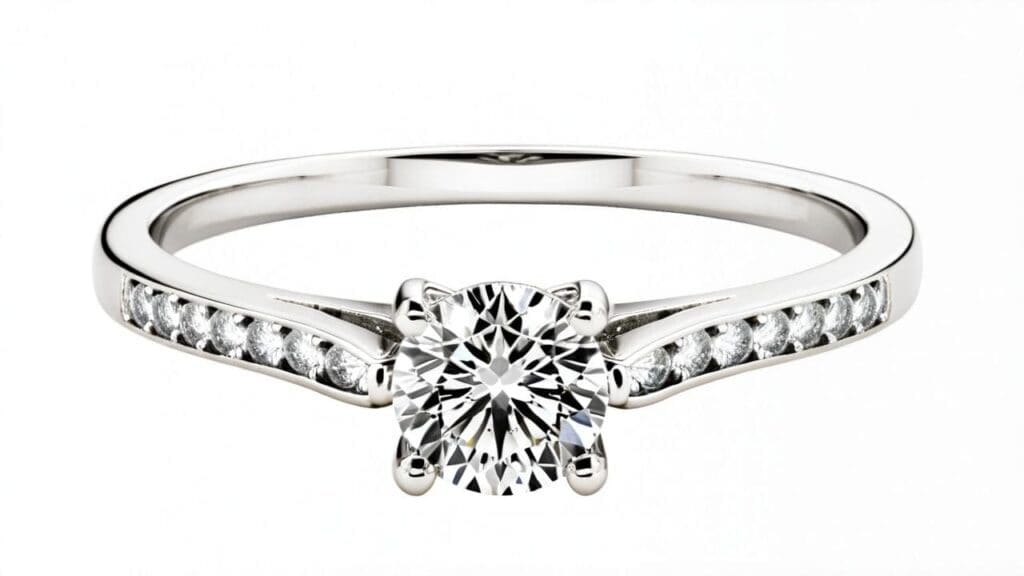
Common questions about gold jewelry often center around practical concerns like mixing different metals, determining value, authenticating pieces, and understanding investment potential. Addressing these frequently asked questions helps buyers make confident decisions and properly maintain their jewelry collections.
Can you mix different gold colors together?
Mixing different gold colors in jewelry has become increasingly popular and is generally considered stylish rather than a fashion faux pas. Many people successfully layer yellow, white, and rose gold pieces together, creating personalized and dynamic looks. The key is intentional styling rather than accidental mixing, with consideration for balance and proportion in your overall accessory selection.
Which gold type is most valuable?
Gold value is determined primarily by karat (purity level) and current market prices for gold, with craftsmanship and designer brand also influencing overall worth. Higher karat gold contains more pure gold and thus has higher intrinsic value, though the total value includes factors like weight, artistry, and gemstones. Vintage or antique pieces may command premium prices due to historical significance or collectibility beyond their metal value.
How can you tell if gold is real or fake?
Authenticating real gold requires multiple tests, including checking for proper karat stamps, performing the magnet test (real gold isn’t magnetic), and observing how the piece reacts to nitric acid (performed by professionals only). Density tests, electronic gold testers, and professional appraisals provide definitive authentication, while visual inspection of wear patterns and discoloration can reveal plating or gold-filled construction.
Does gold jewelry ever lose its value?
Gold investment value depends on multiple factors, with higher karat pieces generally holding value better due to increased pure gold content. Market conditions, craftsmanship, brand recognition, and collectibility all influence whether jewelry appreciates or maintains value over time. Investment-grade pieces typically feature classic designs, quality construction, and higher gold content rather than trendy or costume styles.
Can all gold rings be resized?
Resizing capabilities vary by gold type and design, with solid gold generally being the most adjustable option. Most gold rings can be sized up or down by 1-2 sizes without compromising structural integrity, though intricate designs or channel-set stones may limit resizing options. Rose gold can be slightly more challenging to resize due to its copper content, while plated or filled jewelry often cannot be resized without damaging the gold layer.
Why does my gold jewelry sometimes irritate my skin?
Allergic reactions to gold are typically caused by alloy metals (particularly nickel) rather than gold itself, with higher karat gold being less likely to cause sensitivities. People with metal allergies often find success with 18k or higher gold, palladium white gold, or properly labeled hypoallergenic options. If skin irritation occurs, removing the piece, cleaning it thoroughly, and consulting with a dermatologist helps identify the specific cause.
Do I need special insurance for my gold jewelry?
Insurance considerations for gold jewelry depend on value, with pieces over $1,000-$2,000 often warranting specific coverage or scheduled riders on homeowner’s policies. Professional appraisals establish value for insurance purposes, with updates recommended every 3-5 years to account for market fluctuations. Special coverage may be needed for high-value pieces, travel insurance for jewelry, or protection against specific loss scenarios not covered by standard policies.
Understanding these common concerns about gold jewelry helps owners make informed decisions about purchasing, wearing, maintaining, and protecting their valuable pieces. While individual circumstances vary, these general guidelines provide a foundation for confident gold jewelry ownership and enjoyment. Consulting with qualified professionals for specific questions about valuable or complex pieces ensures the best care and protection for your jewelry collection.
Conclusion
Understanding the various types of gold used in jewelry empowers you to make informed decisions that align with your lifestyle, budget, and aesthetic preferences. From the classic appeal of yellow gold to the modern sophistication of white gold, and the romantic charm of rose gold, each metal type offers unique benefits and considerations. Whether you’re choosing an engagement ring for daily wear or selecting a special occasion piece, considering factors like karat purity, skin sensitivity, and maintenance requirements ensures long-term satisfaction with your jewelry investment.
The journey through different gold alloys, from traditional options to rare specialty metals, reveals the incredible versatility of this precious metal in jewelry making. While some gold types require more maintenance or carry higher price tags, others offer practical durability and affordability without sacrificing beauty. By understanding the differences between solid gold, gold-filled, and gold-plated options, along with proper care techniques for each type, you can build a jewelry collection that brings joy for years to come. Remember that the “best” gold type is ultimately the one that makes you feel confident, comfortable, and beautiful while fitting seamlessly into your daily life.