The internet is filled with household cleaning “hacks,” and using toothpaste to clean jewelry ranks among the most widely shared suggestions. This seemingly logical idea stems from toothpaste’s cleaning and polishing properties on teeth, leading many to believe it would work similarly on jewelry. However, what works for dental enamel doesn’t necessarily work for precious metals and gemstones. Professional jewelers and gemologists strongly advise against using toothpaste on jewelry, calling it a dangerous myth that can permanently damage your pieces. The chemical composition of toothpaste contains abrasives and chemicals that can scratch metals, react with gemstones, and cause irreversible damage to your valuable jewelry.
Should You Use Toothpaste on Jewelry?
The simple answer is no – toothpaste should not be used to clean jewelry under any circumstances. While toothpaste might seem to remove some surface dirt or tarnish, the reality is that it causes more harm than good to jewelry. Professional jewelers consistently warn that toothpaste is not safe for cleaning jewelry and can compromise both the beauty and integrity of your pieces.
- Toothpaste is not formulated for jewelry cleaning. Unlike specialized jewelry cleaners, toothpaste is designed specifically for dental enamel and lacks the proper formulation needed to safely clean precious metals and gemstones. The ingredients that make toothpaste effective for teeth can be harmful to jewelry materials that have completely different properties and vulnerabilities.
- While toothpaste may remove some surface dirt, it is completely ineffective at tackling the oils, grease, and built-up residue that actually dull your jewelry’s brilliance. The cleaning you think you’re achieving is often just superficial, while the underlying issues that affect your jewelry’s appearance remain unaddressed.
- Jewelry cleaning experts and manufacturers of professional jewelry care products unanimously describe toothpaste cleaning as a “hoax” and strongly recommend against its use. This isn’t just conservative advice – it’s based on documented cases of jewelry damage and the scientific understanding of how toothpaste ingredients interact with jewelry materials.
- The potential for permanent damage to your jewelry significantly outweighs any minimal cleaning benefit you might achieve, making toothpaste an unacceptable risk for jewelry care. Even if some people report short-term success, the long-term cumulative damage makes this method fundamentally unsound.
- Toothpaste is not just ineffective for jewelry cleaning – it’s actively harmful and should be avoided entirely. Professional jewelers have access to proper tools, techniques, and cleaning solutions specifically designed for jewelry, and they consistently advise against toothpaste use because they’ve seen the damage it causes.
The bottom line is clear: your jewelry deserves proper care with products and methods designed specifically for precious metals and gemstones, not household items that can cause permanent damage.
Why Toothpaste Seems to Work on Jewelry
Understanding why people think toothpaste works requires examining its chemical composition and how these ingredients interact with different materials. Toothpaste contains abrasives like calcium carbonate and modified silica, which are designed to break up food debris and plaque in your mouth, and these same abrasive properties can appear to clean some surface tarnish or dirt from jewelry.
- Toothpaste contains abrasives including calcium carbonate, hydrated silica, and aluminum hydroxide, which create friction to remove particles from surfaces. When applied to tarnished silver or dirty jewelry, these abrasives can physically scrape away surface contamination, which creates the illusion of effective cleaning. However, this scraping action is exactly what makes toothpaste dangerous for jewelry.
- Some toothpaste formulas contain Sodium Lauryl Sulfate (SLS), which acts as a detergent, though it has limited cleaning power and is primarily used for foaming properties. Additionally, ingredients like baking soda (sodium bicarbonate) can help break down certain types of buildup, contributing to the perception that toothpaste is an effective cleaner.
- Toothpaste has a hardness rating of around 3-4 on the Mohs Scale of Hardness, while precious metals like gold and silver are softer, making them vulnerable to scratching. Gold typically rates between 2.5-2.9 on the Mohs scale, silver rates about 2.7, and even platinum only reaches 3.5. This means toothpaste is actually harder than many jewelry metals and will scratch them.
- The initial “cleaning” effect people observe is often just the removal of surface oxidation or dirt through abrasive action. While this might make jewelry appear shinier initially, the microscopic scratches created by the abrasives will actually make the jewelry more susceptible to future tarnishing and dirt accumulation. What seems like effective cleaning is actually creating long-term problems.
- Toothpaste ingredients including fluoride compounds, hydrogen peroxide, and various flavoring agents can cause chemical reactions with metals and semi-precious stones. These reactions might not be immediately visible but can cause gradual deterioration of your jewelry’s structure and appearance over time.
The fundamental issue is that toothpaste’s cleaning mechanism – abrasive scraping combined with chemical action – is completely inappropriate for jewelry materials. While the abrasive properties of toothpaste can remove surface contamination, they simultaneously damage the underlying metal or stone surface, creating a net negative effect. Understanding this helps explain why professional jewelers consistently warn against toothpaste use, even though some people report initial success with the method.
What Jewelry Can You Clean with Toothpaste?
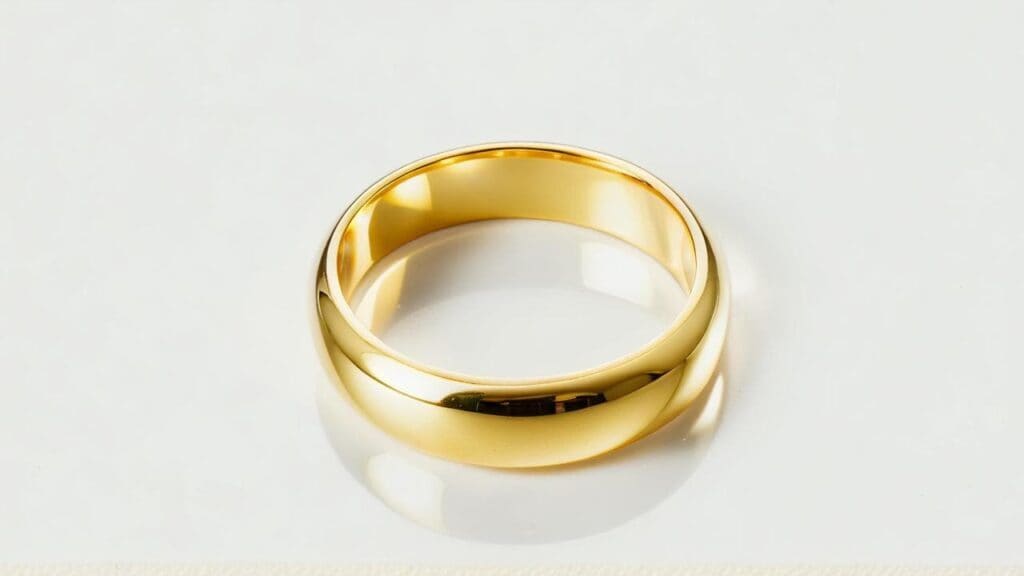
The overwhelming consensus from jewelry professionals is that toothpaste should not be used on any valuable or meaningful jewelry. However, understanding which materials are theoretically less vulnerable helps illustrate why this method is so problematic for most pieces. The reality is that the list of jewelry safe for toothpaste cleaning is so short that it makes this method essentially useless for most jewelry owners.
- If toothpaste must be used, it should only be considered for inexpensive imitation jewelry or very low-value silver pieces. Even in these cases, the risk of damage exists, and the practice should be approached with extreme caution. This severely limited applicability makes toothpaste an impractical jewelry cleaning solution for most people.
- Gold, silver, and platinum are all softer than toothpaste on the Mohs hardness scale, meaning toothpaste will scratch and damage these metals. Even the hardest gold alloys (10K gold at 3.5 Mohs) are still vulnerable to damage from toothpaste abrasives. The scratches created may not be immediately visible but will accumulate over time, permanently dulling your jewelry’s finish.
- Pearls and opals will permanently lose their color and shine if they come in contact with toothpaste, as the abrasives and chemicals react with their calcium content and porous structure. Even harder gemstones can suffer surface damage from toothpaste’s abrasive ingredients, affecting their brilliance and value.
- Gold-plated, silver-plated, or other plated jewelry should never be cleaned with toothpaste, as the abrasive action can wear through the thin plating layer, exposing the base metal underneath. Once plating is damaged, the jewelry’s appearance and value are permanently compromised, and professional replating is expensive.
- While diamonds are the hardest natural substance, toothpaste can still damage diamond jewelry by scratching the metal setting and potentially affecting the diamond’s ability to reflect light properly. Additionally, toothpaste residue can build up in settings, making diamonds appear dull and lifeless.
- Older jewelry pieces often have delicate finishes, patinas, or construction techniques that make them especially vulnerable to damage from abrasive cleaners. The historical and monetary value of these pieces makes any risk of damage completely unacceptable.
The reality is that jewelry professionals recommend avoiding anything abrasive when cleaning jewelry, which eliminates toothpaste as a viable option for virtually all jewelry types. Even for the few materials that might theoretically withstand toothpaste cleaning, better and safer alternatives exist that provide superior results without any risk of damage. The extremely narrow range of jewelry that might survive toothpaste cleaning, combined with the availability of proper jewelry cleaners, makes toothpaste an obsolete and dangerous choice for jewelry care.
Step-by-Step Toothpaste Cleaning Method
Many people who attempt to clean jewelry with toothpaste follow a similar process, believing they’re using a safe and effective home remedy. However, each step in this process creates potential for damage, and understanding the specific risks helps explain why jewelry professionals universally discourage this practice. The method might seem straightforward, but the science behind what actually happens during each step reveals why toothpaste cleaning causes more harm than good.
- Select plain, non-gel toothpaste without whitening agents or hard abrasives, as these compounds are particularly damaging to jewelry materials. However, even “gentle” toothpastes contain abrasives that can damage jewelry, making this selection process somewhat meaningless in terms of actual safety.
- Apply a small amount of toothpaste directly to the jewelry using your finger or a soft cloth. The fundamental problem is that any contact with abrasive toothpaste will create microscopic scratches on metal surfaces, regardless of how gently it’s applied.
- Use a soft-bristled toothbrush to scrub gently in small circular motions, focusing on tarnished areas. This abrasive action may remove surface discoloration but simultaneously creates permanent microscopic damage to the metal surface that accumulates over time.
- Rinse thoroughly with lukewarm water to remove all toothpaste residue, as any remaining chemicals can continue to react with jewelry materials. However, many toothpaste ingredients including fluorides and flavoring agents can leave residues that are difficult to completely remove and may cause ongoing chemical reactions.
- Dry the jewelry with a soft cloth and buff if desired. This final step cannot reverse the microscopic damage already done by the abrasive cleaning action. Professional jewelry cleaning provides proper polishing and finishing that actually improves the jewelry’s appearance rather than degrading it.
The step-by-step process reveals why toothpaste cleaning is fundamentally flawed: every step involves compromises and risks that proper jewelry cleaning methods avoid entirely. Professional jewelers have the knowledge, tools, and experience to clean jewelry safely and effectively, ensuring your pieces maintain their beauty and value. Rather than attempting a risky home method with limited benefits, investing in proper jewelry care provides superior results with complete peace of mind.
Never Use Toothpaste on These Jewelry Types
Understanding which jewelry types are particularly vulnerable to toothpaste damage helps illustrate the scope of this cleaning method’s limitations and dangers. The list of jewelry that should never be cleaned with toothpaste is so comprehensive that it essentially includes everything valuable, meaningful, or worth preserving in your jewelry collection.
- Toothpaste can damage diamonds, gemstones, gold, and silver because it contains abrasives that are harder than these materials on the Mohs scale. The chemicals in toothpaste, including flavor oils, are corrosive to metals and can cause both immediate and long-term damage. This includes all karats of gold, sterling silver, platinum, and palladium jewelry.
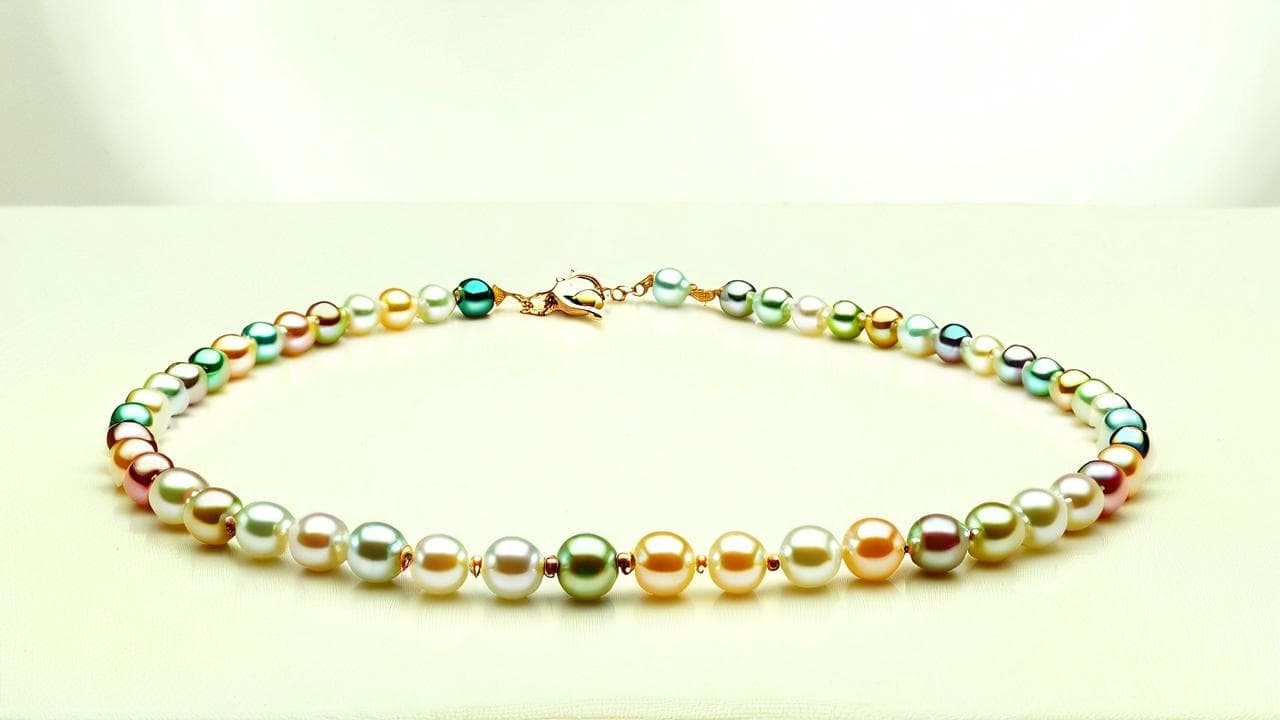
- Pearls will permanently lose their color and sheen if they come in contact with toothpaste, as the abrasive and chemical agents react with the calcium carbonate that forms the pearl’s structure. Natural, cultured, and freshwater pearls are all equally vulnerable to this type of damage, which cannot be reversed once it occurs.
- Opals, being among the most porous precious gemstones, will permanently lose their color and distinctive play-of-light if exposed to toothpaste. Other porous stones like turquoise, coral, and amber are similarly vulnerable to chemical damage and should never be exposed to toothpaste or other household cleaners.
- Gold-filled, gold-plated, silver-plated, and rhodium-plated jewelry have thin surface layers that can be worn away by abrasive cleaning. Once the plating is damaged, the underlying metal is exposed, permanently changing the jewelry’s appearance and value. Even minimal pressure with toothpaste can damage or remove these delicate surface treatments.
- Older jewelry often features delicate construction techniques, original patinas, or historical finishes that are irreplaceable once damaged. The monetary and sentimental value of these pieces makes any risk of damage completely unacceptable, and professional conservation techniques should be used instead.
- Watches contain precision mechanisms, gaskets, and specialized coatings that can be damaged by toothpaste chemicals. Water resistance can be compromised, and the cleaning chemicals can interfere with the watch’s movement or damage the crystal and case finishes.
- Many modern jewelry pieces use specialized adhesives to secure stones or join components. The chemicals in toothpaste can break down these adhesives, causing stones to loosen or fall out. This is particularly common in costume jewelry and some types of fashion jewelry.
The comprehensive list of jewelry types that cannot safely be cleaned with toothpaste essentially includes everything people actually own and care about. Professional jewelers recommend avoiding all abrasive materials when cleaning jewelry, which categorically eliminates toothpaste as a viable cleaning option. The few exceptions – such as very inexpensive costume jewelry made from non-reactive materials – represent such a small fraction of jewelry collections that learning proper cleaning methods for these exceptions is impractical compared to using universally safe professional cleaning approaches.
Best Alternatives to Toothpaste for Jewelry
Professional jewelry cleaning methods provide superior results without any risk of damage, making them the clear choice for anyone who values their jewelry. These alternatives not only clean more effectively than toothpaste but also protect your investment by preserving the integrity and beauty of your pieces for years to come.
- Professional jewelers use ultrasonic cleaners that generate high-frequency sound waves to remove dirt and oils from jewelry without any abrasive contact. This method can reach into tiny crevices and behind stones where manual cleaning cannot, providing thorough cleaning while being completely safe for most jewelry types.
- Professional steam cleaners use high-temperature, high-pressure steam to dissolve oils and remove buildup without chemicals or abrasives. This method is particularly effective for removing body oils, lotions, and cosmetic residues that dull jewelry’s appearance, and it sanitizes the jewelry simultaneously.
- The safest home cleaning method involves mixing a small amount of mild dish soap with warm water, soaking the jewelry briefly, then gently brushing with a soft toothbrush and rinsing thoroughly. This approach removes most dirt and oils without any risk of chemical or abrasive damage.
- Professional jewelry cleaners are specifically formulated for different types of metals and gemstones, providing effective cleaning without the risks associated with household products. These solutions are pH-balanced and contain no harmful abrasives or reactive chemicals.
- High-quality jewelry polishing cloths can remove tarnish and restore shine through gentle polishing action without any liquid cleaners. Professional-grade polishing cloths are impregnated with safe polishing compounds that are designed specifically for jewelry metals.
- Professional jewelers provide comprehensive cleaning services that include inspection for loose stones, worn prongs, and other potential problems, adding significant value beyond just cleaning. Many jewelers offer complimentary cleaning services for jewelry purchased from their store, making professional care both accessible and affordable.
These alternatives consistently provide better cleaning results than toothpaste while eliminating all risk of damage. Professional cleaning ensures your jewelry maintains its brilliance and beauty without compromising its integrity or value. The small investment in proper jewelry care pays dividends in maintaining your jewelry’s appearance and protecting your investment for years to come.
How to Keep Jewelry Clean Without Toothpaste
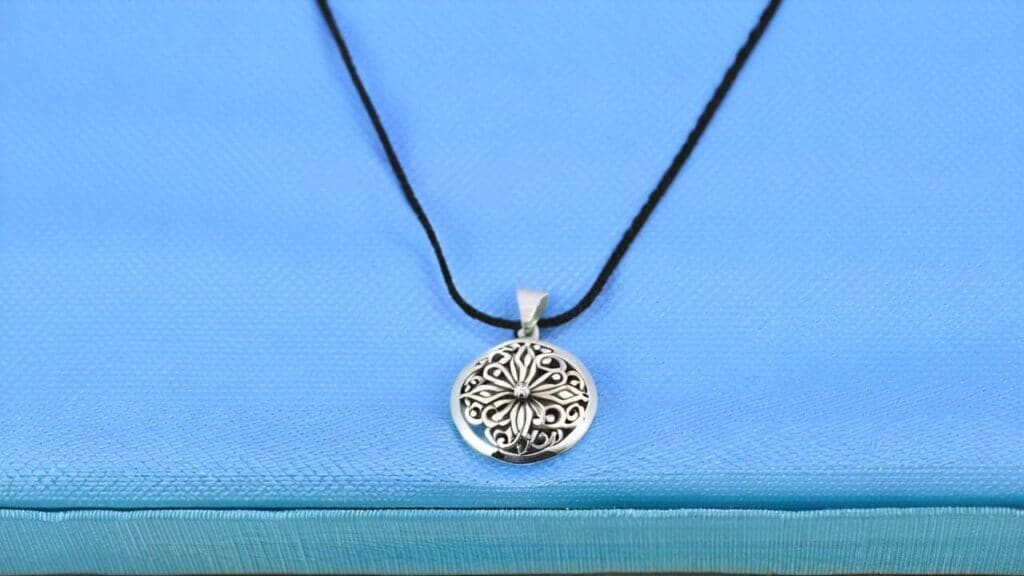
Proper jewelry care focuses on preventing damage and contamination rather than relying on aggressive cleaning methods to restore neglected pieces. Prevention-based maintenance is far more effective and economical than dealing with damage after it occurs, and it helps maintain your jewelry’s beauty and value over its entire lifetime.
- Silver jewelry tarnishes most easily when stored in jewelry boxes, while constant friction from everyday wear creates a natural polishing effect. Store silver pieces in anti-tarnish cloths or pouches when not wearing them, and keep different metals separated to prevent galvanic reactions.
- Take off jewelry before swimming, exercising, cleaning, gardening, or applying cosmetics. Chlorine, sweat, household chemicals, and beauty products can all damage jewelry materials or accelerate tarnishing processes.
- Weekly gentle cleaning with mild soap and water prevents buildup that requires more aggressive cleaning methods. Consistent light maintenance is far more effective and safer than periodic intensive cleaning.
- Regular professional inspections can identify loose stones, worn prongs, or other potential problems before they result in lost stones or major damage. Most jewelers recommend annual inspections for frequently worn pieces.
- Always handle jewelry by its metal components rather than gemstones, and avoid exposing pieces to extreme temperatures or sudden temperature changes. Thermal shock from hot or cold exposure can loosen stones or crack certain gemstone types.
- Learn about the specific care requirements for your jewelry materials. Pearls, opals, and emeralds require different care than diamonds and sapphires, and understanding these differences helps prevent accidental damage.
Prevention-focused jewelry care eliminates the need for risky cleaning methods while maintaining your pieces in optimal condition. Proper preventive care, combined with regular professional maintenance, ensures your jewelry maintains its beauty and value throughout its lifetime. This approach is both more effective and more economical than dealing with damage caused by inappropriate cleaning methods.
Common Toothpaste Jewelry Cleaning Questions
Common questions about jewelry cleaning reveal widespread misconceptions that have been perpetuated by internet myths and well-meaning but misguided advice. These misconceptions often stem from the assumption that household items can effectively replace specialized products, when jewelry materials actually have completely different properties and vulnerabilities. Understanding these frequently asked questions helps dispel dangerous myths and highlights the importance of accurate information for proper jewelry care.
- Can I use whitening toothpaste for better results? Whitening toothpastes contain additional abrasives and bleaching agents that are even more damaging to jewelry than regular toothpaste. The hydrogen peroxide and other whitening chemicals can react with metals and gemstones, causing discoloration or chemical damage that cannot be reversed.
- What about using toothpaste on just silver jewelry? Silver has a Mohs hardness of only 2.7, making it softer than toothpaste’s abrasive ingredients, which means toothpaste will scratch and damage silver jewelry. While some people use toothpaste on inexpensive silver pieces, even this limited application carries significant risk of permanent damage.
- How can I tell if toothpaste has damaged my jewelry? Damage from toothpaste often appears as fine scratches, loss of shine, or dulled surfaces that may not be immediately obvious. Over time, these microscopic scratches accumulate, making jewelry appear worn and reducing its ability to reflect light properly. Once this damage occurs, professional polishing is required to restore the original finish.
- Is there any ‘safe’ toothpaste for jewelry cleaning? All toothpastes contain abrasives and chemicals that can damage jewelry, making no toothpaste truly safe for jewelry cleaning. Even children’s toothpastes or “gentle” formulations contain ingredients that can harm precious metals and gemstones. Professional jewelry cleaners are specifically formulated to be safe and effective.
- Why do some people say toothpaste works if it’s so dangerous? Toothpaste can initially appear to improve jewelry’s appearance by removing surface tarnish through abrasive action, but this apparent improvement comes at the cost of microscopic surface damage. The long-term negative effects often aren’t immediately visible, leading to the misconception that the method is successful.
- What should I do if I’ve already used toothpaste on my jewelry? Stop using toothpaste immediately and have your jewelry professionally evaluated. Professional jewelers can assess any damage and recommend appropriate restoration techniques, which might include professional polishing to minimize the effects of abrasive damage.
Understanding these common concerns helps dispel myths about toothpaste jewelry cleaning and reinforces the importance of using proper care methods. Professional jewelers consistently advise against toothpaste use because they understand both the immediate and long-term risks to jewelry materials. When questions arise about jewelry care, consulting with qualified professionals provides accurate information and protects your valuable jewelry investment.
Conclusion
The widespread belief that toothpaste can safely clean jewelry represents one of the most persistent and dangerous myths in jewelry care. Despite its popularity as a household “hack,” the scientific evidence is overwhelming: toothpaste contains abrasives that are harder than precious metals like gold, silver, and platinum, meaning it will scratch and permanently damage your jewelry. The chemicals in toothpaste, including fluorides, whitening agents, and flavoring compounds, can react with both metals and gemstones, causing discoloration, structural damage, and irreversible loss of value. Professional jewelers, gemologists, and jewelry manufacturers universally condemn this practice, having witnessed countless cases of jewelry ruined by well-meaning owners who fell victim to this misleading advice.
Your jewelry deserves proper care with methods and products specifically designed for precious materials. Professional cleaning services, gentle soap and water solutions, and specialized jewelry cleaners provide superior results without any risk of damage. The small investment in proper jewelry care pays enormous dividends in maintaining your pieces’ beauty, value, and longevity. Whether your jewelry holds monetary value, sentimental significance, or both, protecting it with appropriate care methods ensures it will continue to bring joy for generations to come. When in doubt about jewelry care, always consult with qualified professionals who have the knowledge, tools, and experience to keep your treasured pieces in perfect condition.