Carbon fiber has revolutionized the jewelry industry by introducing a lightweight, durable, and visually striking alternative to traditional precious metals. This innovative material, once exclusive to aerospace and automotive industries, has found its way into contemporary jewelry design, offering a perfect blend of industrial strength and modern aesthetics. From unique wedding bands to conversation-starting bracelets, carbon fiber jewelry combines technical performance with distinctive visual appeal, appealing to those who appreciate both cutting-edge materials and modern design in their personal adornments.
What is Carbon Fiber?
Carbon fiber is an advanced synthetic material composed of extremely thin crystalline filaments of carbon that are woven together and typically set in a resin matrix to create a strong composite material. This remarkable substance has transformed multiple industries thanks to its exceptional properties, and its entrance into jewelry design represents its versatility as both a functional and decorative material.
- Carbon fiber consists of long, thin strands composed mostly of carbon atoms bonded together in microscopic crystals aligned parallel to the fiber axis, with diameters typically ranging from 5-10 micrometers (smaller than a human hair).
- The manufacturing process involves oxidation and carbonization of polymer fibers (usually polyacrylonitrile) at temperatures exceeding 1000°C, followed by treatment with epoxy, polyester, or other resins to form a composite material.
- With a strength-to-weight ratio five times higher than steel while weighing about two-thirds less, carbon fiber creates jewelry that’s extraordinarily durable yet comfortable for everyday wear.
- Despite its industrial origins, carbon fiber offers a distinctive visual appeal with patterns ranging from plain weave to twill and herringbone, each creating unique surface textures that catch light differently.
- Unlike many metals used in jewelry, carbon fiber is completely hypoallergenic, as it contains no nickel, copper, or other common allergens that can cause skin reactions.
- Carbon fiber remains stable in extreme temperatures, doesn’t conduct electricity, and resists corrosion from sweat, lotions, and environmental factors that often damage traditional jewelry.
Carbon fiber represents a perfect marriage of cutting-edge materials science and artistic expression in jewelry design. Its unique combination of practical benefits and aesthetic appeal has carved out a special niche in the jewelry market for those seeking something beyond traditional precious metals and gemstones—a piece of advanced technology transformed into wearable art.
How Carbon Fiber Made Its Way Into Jewelry Design
The evolution of carbon fiber from an aerospace material to a jewelry component demonstrates how innovative materials can transcend their original purposes. This transition tells a story of creative adaptation and changing consumer preferences in the jewelry marketplace.
- Though carbon fiber was invented in the 1860s, high-performance versions were developed in the 1960s by Royal Aircraft Establishment engineers in the UK, primarily for aerospace and military applications.
- Carbon fiber entered the luxury consumer market first through high-end watches in the 1990s, with brands like Richard Mille and Audemars Piguet incorporating it into watch cases and dials.
- Men’s wedding bands were among the first pure carbon fiber jewelry items to gain popularity in the early 2000s, appealing to those seeking alternatives to traditional gold or platinum rings.
- The material’s association with motorsports and high-performance vehicles helped establish its initial appeal, with early adopters often being enthusiasts of Formula 1, supercars, or aerospace technology.
- Between 2005-2015, carbon fiber jewelry expanded significantly as manufacturing techniques improved, allowing for more intricate designs and combinations with precious metals and gemstones.
- The sustainability movement has recently boosted carbon fiber jewelry’s popularity, as consumers seek alternatives to metals associated with environmentally damaging mining practices.
- Contemporary jewelry designers like Sarah Graham, Etienne Perret, and David Yurman have helped elevate carbon fiber from a novelty material to a respected element in fine jewelry design through their innovative approaches.
Today, carbon fiber jewelry occupies a unique space in the market, appealing to both technology enthusiasts and fashion-forward individuals. What began as a specialized industrial material has evolved into a recognized symbol of modern luxury, demonstrating how materials can cross boundaries between different industries and applications when their unique properties are appreciated in new contexts.
Advantages of Choosing Carbon Fiber Jewelry
Carbon fiber jewelry offers a compelling array of advantages that distinguish it from traditional materials. These unique properties make it particularly appealing to certain consumers seeking both practical benefits and distinctive aesthetics in their jewelry choices.
- Exceptional lightweight comfort allows for the creation of larger, statement pieces that remain comfortable for all-day wear, with carbon fiber weighing approximately 1.5-2.0 g/cm³ compared to gold’s 19.3 g/cm³ or silver’s 10.5 g/cm³.
- Remarkable durability stems from carbon fiber’s tensile strength (up to 7 GPa), making it resistant to bending, breaking, or deforming even with daily wear and accidental impacts.
- Complete hypoallergenic properties make it ideal for those with sensitive skin or specific metal allergies, as carbon fiber contains no reactive metals like nickel or copper that commonly cause allergic reactions.
- Temperature stability ensures the jewelry remains comfortable against the skin regardless of weather conditions, unlike metals that can become uncomfortably cold in winter or hot in summer.
- Scratch resistance superior to many precious metals means carbon fiber jewelry maintains its appearance without developing the micro-scratches that gradually dull gold or silver pieces.
- Unique visual texture created by the characteristic woven pattern offers an aesthetic that’s impossible to replicate with traditional jewelry materials, providing a distinctive look.
- Weight consistency regardless of size allows designers to create bold, architectural pieces that would be impractically heavy if made from precious metals.
- Resistance to tarnishing, oxidation, and corrosion means carbon fiber jewelry maintains its appearance without the regular cleaning and maintenance required by silver or lower-karat gold.
- Versatility in design allows carbon fiber to be combined with metals, gemstones, wood, and other materials, creating unique visual contrasts and expanding design possibilities.
These combined benefits make carbon fiber jewelry particularly suitable for active lifestyles, everyday wear, and those seeking contemporary design aesthetics. The material offers a rare combination of practical advantages and distinctive appearance that has earned it a dedicated following among jewelry enthusiasts looking beyond traditional materials.
Popular Types of Carbon Fiber Jewelry
The versatility of carbon fiber has allowed designers to incorporate it into virtually every jewelry category, each with its own unique applications and design considerations. This adaptability has expanded carbon fiber’s presence throughout the jewelry market.
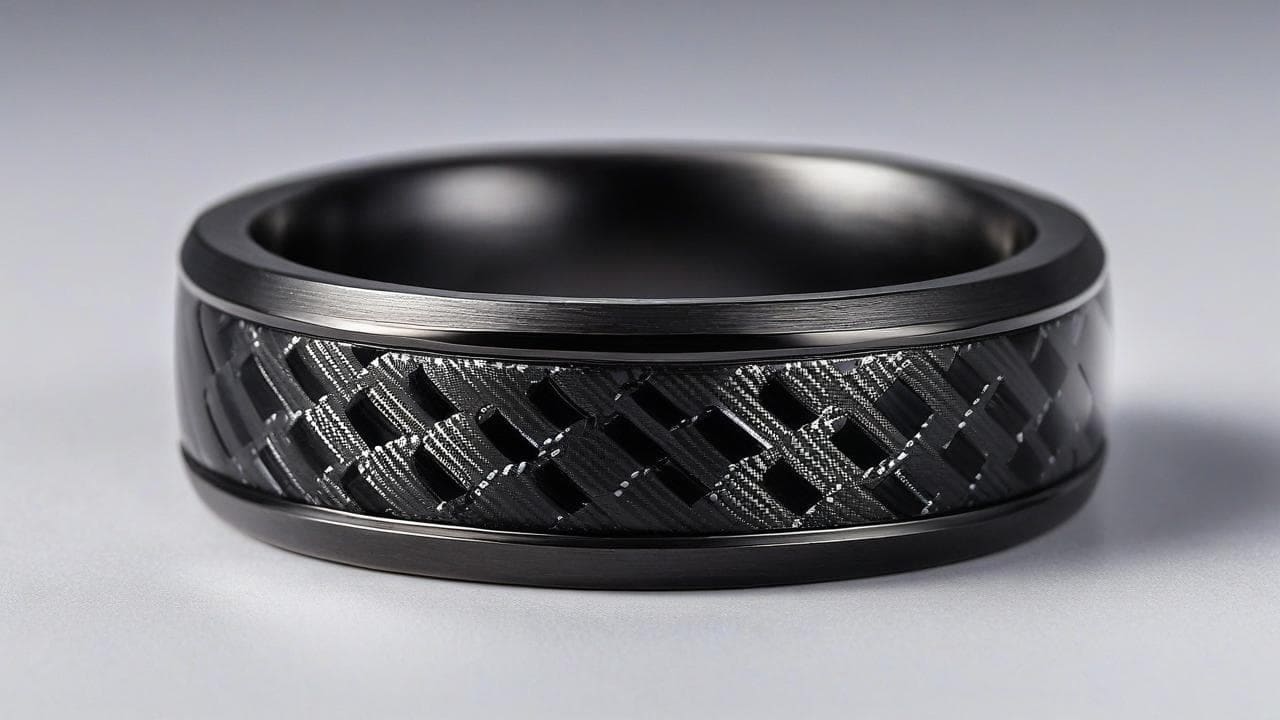
- Wedding bands and rings represent the most popular category, with carbon fiber offering comfort, durability, and modern aesthetics for both men and women, often featuring inlays of precious metals or gemstones for contrast.
- Bracelets leverage carbon fiber’s lightweight strength to create wider, more substantial designs that would be uncomfortably heavy in metal, ranging from simple bands to complex linked structures.
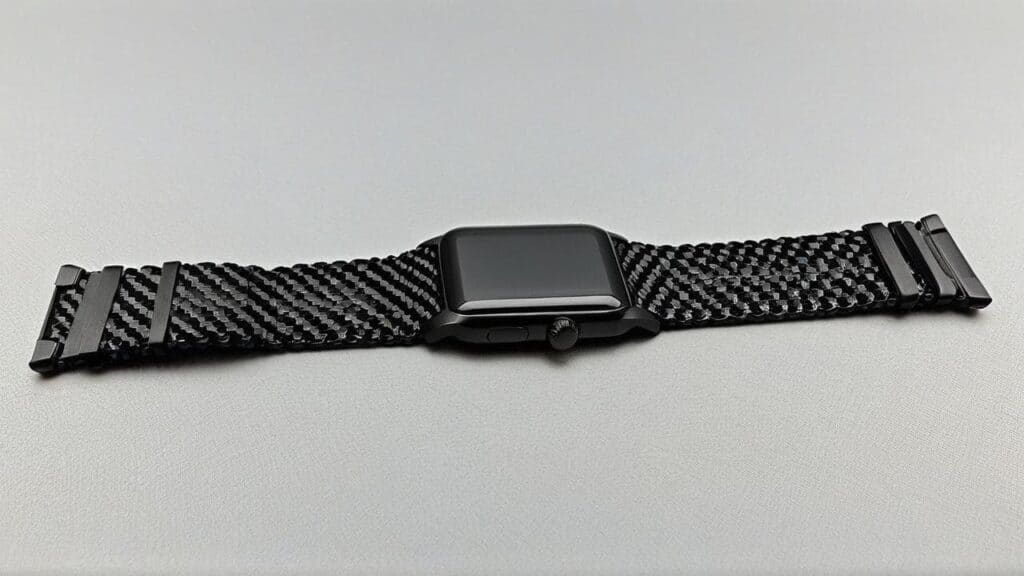
- Watches frequently incorporate carbon fiber in cases, bezels, and dials, with luxury brands like Hublot, Richard Mille, and Roger Dubuis pioneering its use in high-end timepieces that showcase the material’s technical associations.
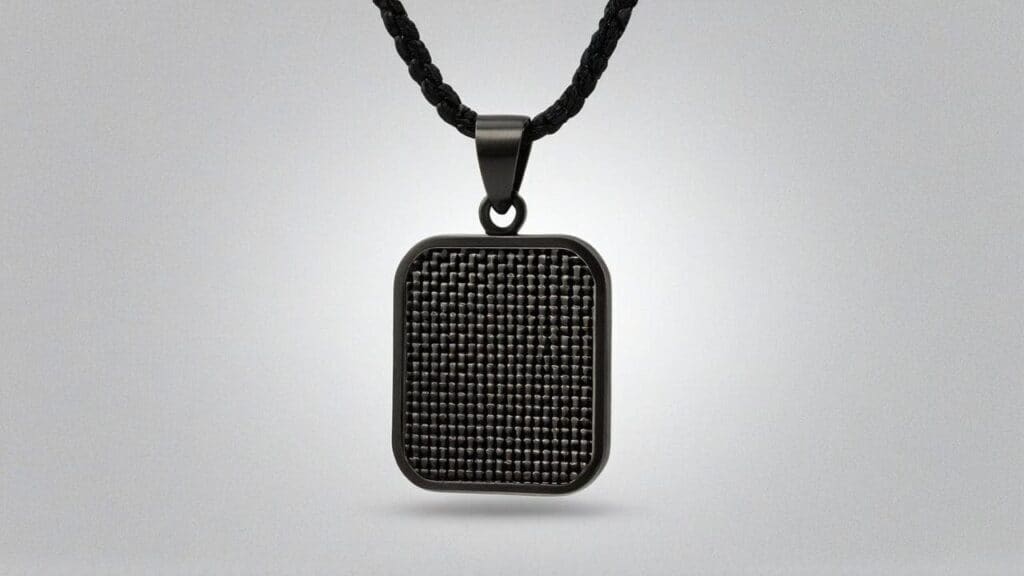
- Pendants and necklaces often utilize carbon fiber’s unique patterning and lightweight nature, allowing for larger statement pieces that remain comfortable to wear.
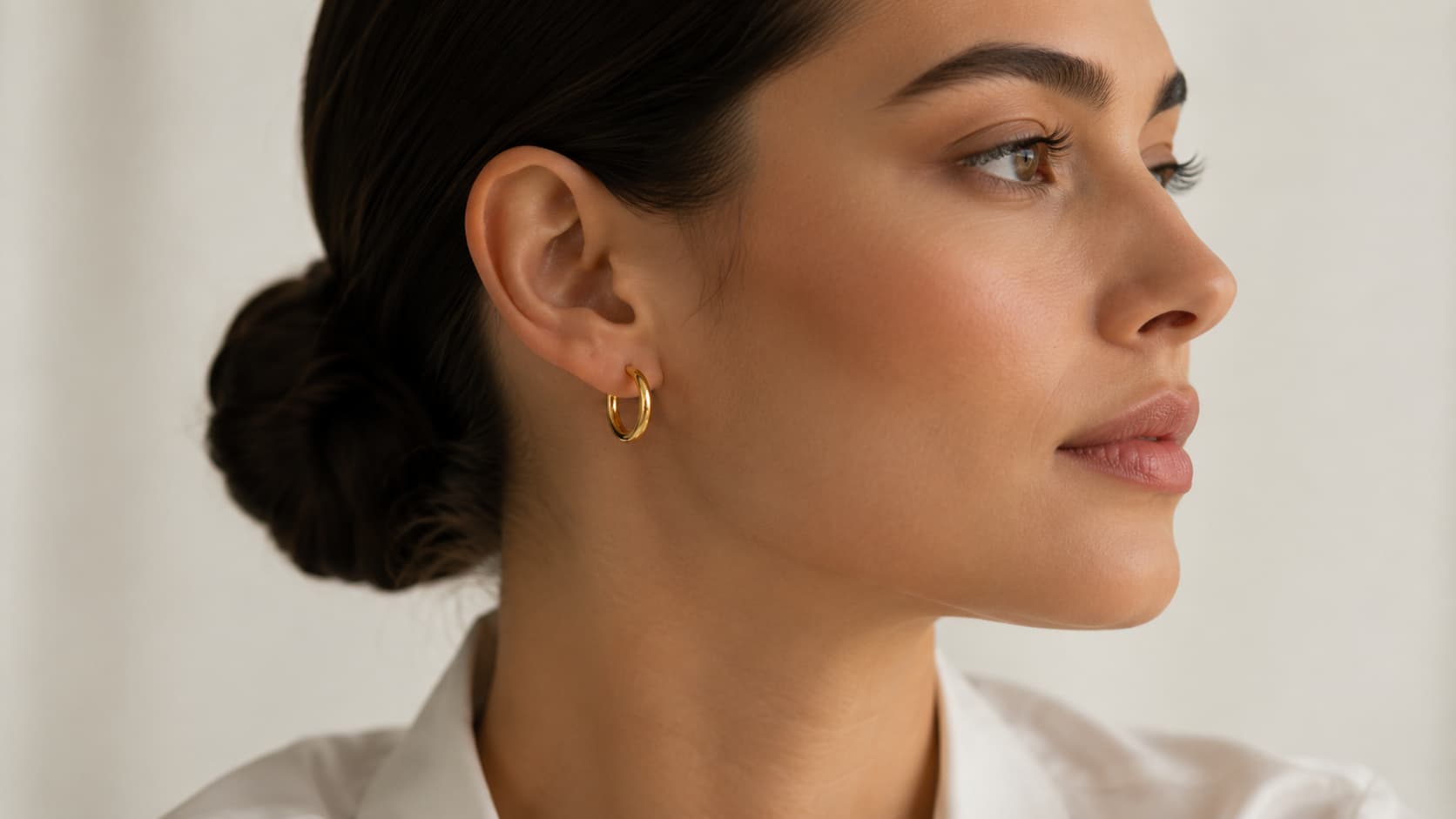
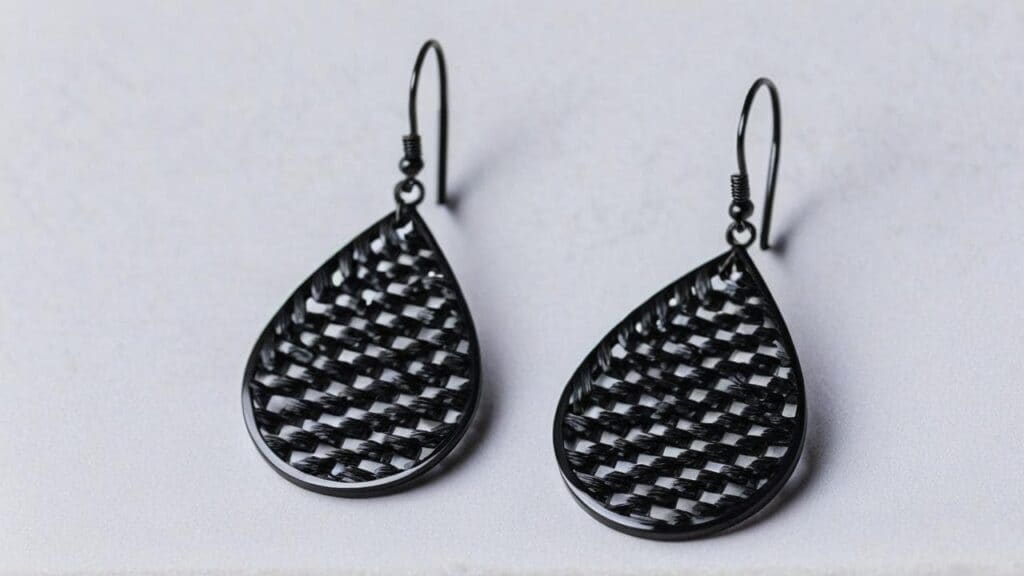
- Earrings benefit from carbon fiber’s extreme lightness, permitting larger designs without uncomfortable stretching of the earlobe that would occur with similar-sized metal pieces.
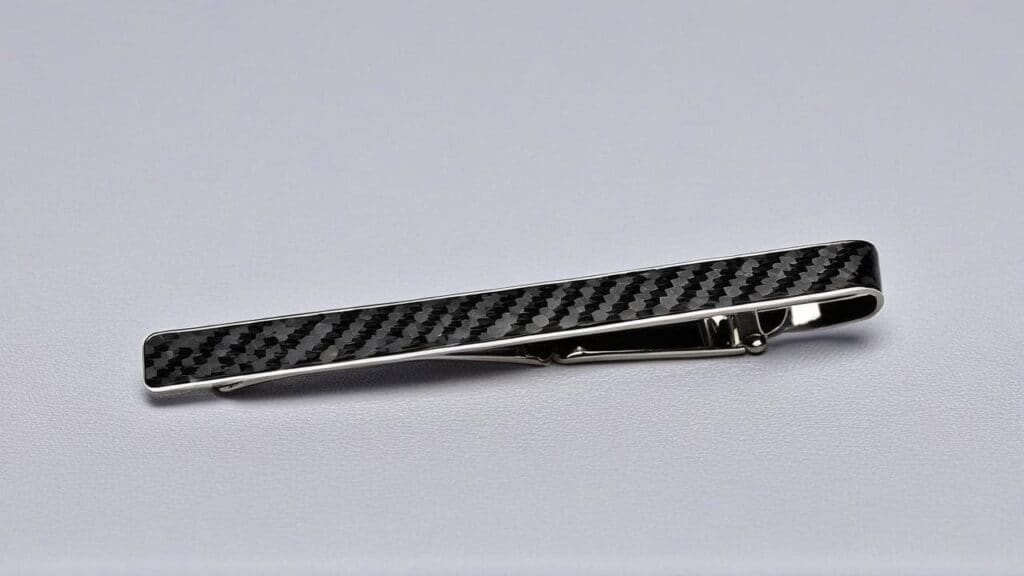
- Cufflinks and tie clips made from carbon fiber appeal to professionals seeking subtle technical sophistication in their accessories, often combined with precious metals for added luxury.
- Custom automotive-inspired pieces often integrate actual carbon fiber components from vehicles, creating unique jewelry with authentic connections to motorsports or specific car models.
- Industrial-inspired designs frequently showcase carbon fiber’s raw technical aesthetic, appealing to those who appreciate its engineering origins and distinctive visual texture.
- Mixed-material pieces combine carbon fiber with contrasting elements like gold, diamonds, or wood, creating striking visual juxtapositions that highlight each material’s unique properties.
The adaptability of carbon fiber across these various jewelry categories demonstrates its versatility as a design material. Its ability to be shaped, layered, and combined with other materials gives jewelry designers unprecedented creative freedom, resulting in pieces that can range from subtly technical to boldly avant-garde.
How Is Carbon Fiber Jewelry Manufactured?
The creation of carbon fiber jewelry involves specialized techniques that differ significantly from traditional metalworking methods. Understanding this process helps appreciate the craftsmanship and technology behind these contemporary pieces.
- Raw carbon fiber comes in woven sheets or “prepreg” (pre-impregnated with resin) that must be carefully cut, layered, and shaped before curing to create the basic form of jewelry components.
- The layering process, called lamination, is crucial for strength and appearance, with artisans carefully aligning the carbon fiber weave to create consistent patterns or deliberate visual effects in the finished piece.
- Curing requires precise temperature control in specialized ovens or autoclaves, typically between 250-350°F (121-177°C), with the exact temperature and duration varying based on the specific resin system used.
- CNC machining often follows curing, with computer-controlled cutting tools precisely shaping the hardened carbon fiber composite into final forms with accuracy to 0.001 inches or better.
- Integrating metals involves specialized bonding techniques, as traditional soldering would damage the carbon fiber; mechanical connections, high-strength adhesives, or custom-designed interlocking components are commonly used instead.
- Finishing carbon fiber jewelry requires progressive sanding with increasingly fine abrasives (typically starting at 400 grit and progressing to 3000+ grit) to achieve the characteristic glossy surface without damaging the fibers.
- Protective coatings, usually clear epoxy or specialized UV-resistant sealants, are applied to enhance the natural luster and protect the carbon fiber from environmental damage and UV degradation.
- Quality control involves visual inspection for voids, bubbles, or misaligned fibers, as well as stress testing to ensure structural integrity, particularly for pieces with mechanical components like clasps or hinges.
- Custom coloration techniques have evolved to introduce colored fibers or tinted resins that expand beyond the traditional black, creating blue, red, green, or even multicolored carbon fiber jewelry.
The production of carbon fiber jewelry represents a blend of advanced materials science and traditional jewelry craftsmanship. While the basic material has industrial origins, creating wearable art from carbon fiber requires both technical knowledge and artistic sensibility, resulting in pieces that embody both engineering precision and creative expression.
How to Care for Carbon Fiber Jewelry
While carbon fiber jewelry is remarkably durable, proper care ensures it maintains its distinctive appearance and structural integrity for years to come. The care requirements differ from traditional jewelry in several important ways.
- Regular cleaning requires only mild soap and warm water, with gentle wiping using a microfiber cloth being sufficient to remove oils, dirt, and everyday residues that might dull the surface.
- Avoid harsh chemicals like acetone, strong solvents, or abrasive cleaners that can damage the protective resin matrix surrounding the carbon fibers, potentially exposing them to moisture or causing delamination.
- Ultrasonic cleaners should not be used with carbon fiber jewelry, as the intense vibrations can potentially weaken the bonds between carbon fiber layers or between carbon fiber and other materials in the piece.
- Store carbon fiber jewelry separately from harder materials like diamonds or sapphires that could potentially scratch the resin coating, ideally in soft pouches or dedicated jewelry compartments.
- Extreme heat exposure (above 400°F/204°C) should be avoided, as it can damage the epoxy resin binding the carbon fibers together; remove carbon fiber jewelry before activities like saunas, hot tubs, or cooking over open flames.
- Impact resistance, while generally excellent, has limits—avoid deliberate impact or crushing force that could potentially cause internal delamination of the carbon fiber layers even if external damage isn’t immediately visible.
- UV protection is advisable for pieces worn frequently outdoors, as prolonged sun exposure over years can gradually degrade the resin matrix; quality carbon fiber jewelry typically has UV-resistant coatings, but these can benefit from occasional reapplication by a jeweler.
- Professional inspection every few years is recommended for complex pieces or those combining carbon fiber with other materials, ensuring that bonds remain secure and components are functioning properly.
- Minor surface scratches can often be buffed out with specialized polishing compounds designed for composite materials, though deep scratches affecting the fiber weave itself may require professional attention.
With appropriate care, carbon fiber jewelry typically outlasts many traditional materials, maintaining its distinctive appearance with minimal maintenance. The material’s inherent resistance to corrosion, tarnishing, and environmental damage makes it particularly well-suited for everyday wear, requiring far less attention than silver or gold while offering comparable or superior longevity.
Comparing Carbon Fiber to Traditional Jewelry Materials
Understanding how carbon fiber compares to conventional jewelry materials helps consumers make informed decisions based on their priorities, lifestyle, and aesthetic preferences. These comparisons highlight the unique position carbon fiber occupies in the jewelry market.
- Weight difference is striking—carbon fiber is approximately 10 times lighter than gold and 5 times lighter than silver for the same volume, creating a distinctly different wearing experience, especially for larger pieces.
- Initial cost positioning places carbon fiber jewelry typically between silver and gold, with basic pieces starting around $100-200, while complex designs or those incorporating precious metals or gemstones can range from $500 to several thousand dollars.
- Long-term value differs fundamentally, as carbon fiber lacks the commodity value of precious metals but compensates with exceptional durability and resistance to damage that can preserve its aesthetic value far longer than softer metals.
- Scratch resistance heavily favors carbon fiber over gold (2.5-3 on Mohs scale) and silver (2.5-3), with hardened carbon fiber composites typically rating 4-5 on the Mohs scale, comparable to iron or titanium.
- Maintenance requirements are significantly lower for carbon fiber, which needs no polishing to maintain luster, unlike silver which requires regular anti-tarnish treatment or gold which develops micro-scratches requiring periodic refinishing.
- Hypoallergenic properties are inherent to carbon fiber, while even precious metals often contain allergenic alloys—18K gold typically contains nickel or copper, and sterling silver contains copper that can cause reactions in sensitive individuals.
- Design flexibility offers different advantages—metals can be cast, drawn, or hammered using millennia-old techniques, while carbon fiber allows for layering, molding, and structural forms that would be impossible or impractically heavy in metal.
- Environmental impact varies, with carbon fiber production creating a larger initial carbon footprint than recycled metals but potentially lower than newly-mined metals when considering the full extraction and refining process.
- Repairability favors traditional metals, which can be soldered, resized, or reworked relatively easily, while damaged carbon fiber typically requires more specialized repair techniques or complete replacement of components.
- Cultural significance remains stronger with traditional materials that carry historical and symbolic weight across cultures, while carbon fiber’s associations are more contemporary, technical, and lifestyle-oriented.
This comparison reveals that carbon fiber isn’t simply a substitute for traditional jewelry materials but offers a distinctive alternative with its own unique set of advantages and considerations. The choice between carbon fiber and traditional materials ultimately depends on individual priorities regarding weight, durability, aesthetics, and personal associations with different materials.
Is Carbon Fiber Jewelry Environmentally Friendly?
The environmental implications of carbon fiber jewelry merit careful consideration as sustainability becomes increasingly important to conscious consumers. Understanding both the challenges and advantages helps place carbon fiber in the broader context of jewelry sustainability.
- Production energy intensity is significant for carbon fiber, requiring temperatures of 1000-3000°C during manufacturing, resulting in an energy-intensive process with a carbon footprint of approximately 20-30 kg CO₂ per kg of carbon fiber produced.
- Longevity and durability provide environmental benefits through reduced replacement cycles, as carbon fiber jewelry typically outlasts many metal alternatives, particularly in demanding environments or with active wear.
- Mining impact avoidance represents a significant environmental advantage, as carbon fiber production eliminates the ecosystem disruption, water pollution, and habitat destruction associated with metal mining operations.
- Recycling challenges exist with carbon fiber composites, as the thermoset resins typically used make separation of components difficult, though advanced recycling technologies using pyrolysis and solvolysis are gradually improving reclamation options.
- Carbon fiber offcuts and scraps from larger industrial applications can be repurposed for jewelry, reducing waste by utilizing material that would otherwise be discarded from aerospace, automotive, or sporting goods manufacturing.
- Chemical processing for carbon fiber involves potentially hazardous substances, including strong acids and solvents, though modern production facilities typically implement comprehensive containment and treatment systems.
- Lifetime carbon analysis often favors carbon fiber when considering the total environmental impact throughout a product’s life cycle, particularly when compared to metals requiring repeated refinishing, replating, or replacement.
- Biodegradability is poor, with carbon fiber composites taking centuries to break down naturally, making proper disposal or recycling at end-of-life particularly important.
- Water usage during manufacturing is substantially lower for carbon fiber compared to gold or silver, which require approximately 7,000-8,000 liters of water per ounce of metal extracted and processed.
The sustainability profile of carbon fiber jewelry presents a mixed picture, with energy-intensive production balanced against superior durability and avoidance of mining impacts. For consumers prioritizing environmental considerations, carbon fiber represents neither the most nor least sustainable option, but rather a material with specific environmental trade-offs that differ substantially from those of traditional jewelry materials.
Why Carbon Fiber Jewelry Might Be Perfect for Your Lifestyle
Carbon fiber jewelry appeals to specific consumer groups whose lifestyle, values, or aesthetic preferences align particularly well with this material’s unique characteristics. Understanding these alignments helps determine if carbon fiber is the right choice for your jewelry needs.
- Active lifestyle enthusiasts benefit from carbon fiber’s durability during sports, outdoor activities, and fitness pursuits where metal jewelry might be damaged or cause discomfort due to weight or temperature conductivity.
- Those with metal allergies or sensitive skin find complete relief with carbon fiber, which contains no nickel, copper, or other common allergens that trigger reactions, allowing for comfortable all-day wear without irritation.
- Design minimalists appreciate carbon fiber’s sleek, architectural aesthetic and monochromatic appearance, which complements contemporary fashion and modern design sensibilities.
- Technology and engineering enthusiasts connect with carbon fiber’s technical origins and performance associations, viewing it as an authentic expression of their professional interests or personal fascinations.
- Weight-conscious wearers, particularly those who find traditional metal jewelry uncomfortably heavy or those with arthritis or joint sensitivity, benefit from carbon fiber’s extraordinary lightness.
- Professionals in specific fields where electrical conductivity poses risks (electrical workers, certain medical professionals) can safely wear non-conductive carbon fiber jewelry where metal would be hazardous.
- Value-oriented consumers seeking durability find carbon fiber’s resistance to damage, tarnishing, and wear provides excellent long-term value despite a sometimes higher initial cost than silver or plated jewelry.
- Fashion innovators drawn to unique materials and unconventional luxury find carbon fiber’s distinctive appearance sets them apart from traditional jewelry wearers.
- Environmentally conscious individuals concerned specifically about mining impacts may prefer carbon fiber over newly-mined precious metals, though various factors affect the complete environmental calculation.
- Automotive and motorsport enthusiasts often choose carbon fiber jewelry as a wearable extension of their passion, particularly pieces that incorporate authentic carbon fiber from specific vehicles or racing applications.
Carbon fiber jewelry isn’t universally superior for everyone, but for those whose needs and preferences align with its particular characteristics, it offers a compelling alternative to traditional materials. The decision ultimately depends on weighing these factors against individual priorities for appearance, comfort, durability, and personal expression.
Frequently Asked Questions About Carbon Fiber Jewelry
Addressing common questions about carbon fiber jewelry helps potential buyers make informed decisions and better understand this unique material’s properties and care requirements.
Is carbon fiber jewelry waterproof?
Yes, quality carbon fiber jewelry is completely waterproof and can be worn while swimming, showering, or in rain without damage, as the epoxy resin matrix forms a waterproof barrier protecting the carbon fibers.
Can carbon fiber jewelry be resized?
Generally no—unlike metal rings which can be sized up or down, carbon fiber rings and bracelets cannot be resized due to their composite structure. Some designs incorporate adjustable elements or can be custom-manufactured to precise specifications.
Will carbon fiber jewelry break if dropped?
Quality carbon fiber jewelry is highly impact-resistant and unlikely to break from normal drops, though extreme impacts or crushing force can potentially cause damage, particularly to thin sections or areas where carbon fiber connects to other materials.
Does carbon fiber jewelry fade or change color over time?
With proper care, carbon fiber maintains its color indefinitely, though prolonged exposure to intense UV radiation (years of direct sunlight) can gradually affect the resin matrix, potentially causing slight yellowing which can be addressed with professional refinishing.
Is all carbon fiber jewelry black?
While traditionally black, modern manufacturing techniques can incorporate colored fibers or tinted resins to create blue, red, green, purple, and even multicolored carbon fiber jewelry, though black remains most common due to its classic appearance and technical authenticity.
How can I tell genuine carbon fiber from plastic imitations?
Authentic carbon fiber displays a distinctive woven pattern with depth and subtle variation in light reflection, while close examination often reveals the actual fiber weave; imitations typically have printed patterns lacking this three-dimensional quality.
Can carbon fiber jewelry set off metal detectors?
No, carbon fiber is non-metallic and will not trigger metal detectors at airports or security checkpoints, making it convenient for frequent travelers.
Is carbon fiber jewelry appropriate for formal occasions?
Modern formal fashion increasingly accepts carbon fiber jewelry, particularly pieces incorporating precious metals or gemstones, though traditional formal events may still favor conventional precious metals.
How does carbon fiber’s price compare to precious metals over time?
Unlike gold or silver, carbon fiber doesn’t fluctuate with commodity markets, maintaining more stable pricing; while lacking investment value, it offers better value retention through durability and resistance to damage compared to precious metals of similar initial price.
Can carbon fiber jewelry cause skin irritation?
Carbon fiber itself is hypoallergenic, though rarely, some individuals might react to specific resins used in the composite. Quality manufacturers use skin-safe, hypoallergenic resins, making reactions extremely uncommon.
Understanding these practical aspects of carbon fiber jewelry helps set appropriate expectations and ensures consumers can make choices aligned with their needs and preferences. While not traditional, carbon fiber has established itself as a legitimate alternative in contemporary jewelry with its own unique characteristics and considerations.
Conclusion
Carbon fiber jewelry represents a perfect fusion of advanced materials science and artistic expression, offering a compelling alternative to traditional precious metals. Its exceptional strength-to-weight ratio, hypoallergenic properties, and distinctive visual texture provide practical benefits while creating a unique aesthetic that appeals to contemporary tastes. The material’s resistance to scratching, tarnishing, and environmental damage ensures exceptional durability with minimal maintenance, making it particularly suitable for active lifestyles and everyday wear.
As jewelry design continues to evolve, carbon fiber’s versatility and unique properties position it as more than just a trend—it’s becoming an established category in modern jewelry. Whether chosen for its technical associations, practical advantages, or simply its sleek appearance, carbon fiber jewelry reflects changing consumer priorities that value performance, distinctiveness, and sustainability alongside traditional notions of preciousness. For those seeking jewelry that aligns with contemporary lifestyles and design sensibilities, carbon fiber offers a sophisticated choice that bridges the worlds of advanced materials and personal expression.