The global counterfeit watch market has exploded into a multi-billion dollar industry that threatens both consumers and legitimate watchmakers. Every year, millions of fake timepieces flood markets worldwide, from sophisticated replicas that fool even experienced collectors to obvious knockoffs sold on street corners. These counterfeit watches pose real risks to buyers who may unknowingly purchase inferior products made with substandard materials, face health hazards from toxic components, and lose their entire investment when these timepieces inevitably fail. Learning how to identify fake watches, understand the warning signs, and navigate safe purchasing channels has become essential knowledge for anyone interested in buying timepieces in today’s complex marketplace.
What Are Fake Watches?
Fake watches represent unauthorized timepieces designed to imitate legitimate brands without permission, creating a global underground industry worth billions of dollars annually. This market encompasses everything from obviously poor imitations sold on street corners to incredibly sophisticated copies that can deceive experienced watch collectors and dealers. The fake watch phenomenon has grown exponentially with advances in manufacturing technology, making it increasingly difficult for consumers to distinguish authentic pieces from well-made counterfeits. The scale of this problem affects millions of buyers worldwide who either knowingly seek cheaper alternatives to luxury brands or unknowingly purchase fakes believing they’re getting authentic watches.
- Counterfeit timepieces deliberately copy protected trademarks including brand names, logos, model designations, and distinctive design elements to deceive buyers into believing they’re purchasing genuine products. These illegal reproductions violate intellectual property laws and are specifically manufactured to fool consumers, often including copied packaging, documentation, and even serial numbers that mimic authentic pieces.
- The manufacturing quality spectrum ranges enormously from crude imitations with obvious flaws like misspelled brand names and plastic components to expertly crafted pieces that replicate movements, materials, and finishing techniques so accurately that only professional authentication can expose them as fakes.
- Production centers operate primarily in specific regions where large-scale counterfeiting operations have developed sophisticated supply chains, with the majority of fake watches originating from facilities that have accumulated decades of experience in replicating luxury timepieces.
- Homage watches offer legitimate design inspiration by creating new timepieces that borrow aesthetic elements from famous models while using original brand names and honest marketing that doesn’t attempt to deceive buyers about their true origin or manufacturer.
- Super-fakes represent the current evolution of counterfeiting technology, where advanced manufacturing equipment and refined techniques produce copies so convincing that authentication now requires detailed technical examination rather than simple visual inspection.
- Popular luxury brands face disproportionate targeting with certain prestigious manufacturers experiencing significantly higher counterfeiting rates due to their market recognition, high values, and distinctive design languages that appeal to counterfeiters seeking maximum profit potential.
- Consumer impact affects millions globally with substantial numbers of people either intentionally purchasing fake timepieces as affordable alternatives or unintentionally buying counterfeits through deceptive sales practices, often paying hundreds or thousands of dollars for inferior products.
- Three distinct categories exist within fake watches including completely counterfeit pieces, authentic watches modified with fake components, and “franken-watches” assembled from genuine parts taken from different authentic timepieces of the same brand.
The modern fake watch landscape presents unprecedented challenges for consumers seeking authentic timepieces. Manufacturing techniques have advanced to the point where visual inspection alone often proves insufficient for authentication, requiring buyers to develop sophisticated knowledge about genuine watch characteristics or rely on professional authentication services. The financial stakes continue rising as counterfeiters target increasingly expensive luxury segments, while the emotional impact on deceived buyers extends beyond monetary loss to include feelings of violation and mistrust in the broader watch market.
The Size of the Global Fake Watch Market
The counterfeit watch industry has grown into a staggering global enterprise that rivals legitimate manufacturing in both scope and sophistication. This underground economy operates parallel to the authentic watch market, which itself is valued at over $100 billion annually, making the scale of counterfeiting even more alarming when considered alongside legitimate industry figures. The problem extends far beyond simple trademark violations, creating a complex web of economic damage, consumer deception, and criminal enterprise that affects every level of the watch industry from luxury manufacturers to everyday buyers.
- Global counterfeit production matches legitimate output with an estimated 30 to 40 million fake watches entering circulation annually, while Swiss manufacturers produce approximately 30 million authentic timepieces yearly, demonstrating that counterfeit operations have reached industrial scale matching legitimate production capacity.
- Economic losses reach billions annually as the counterfeit trade generates over $400 billion globally across all product categories, with watches representing a significant portion of this illegal market that directly competes with the legitimate luxury watch market valued at over $50 billion worldwide.
- Geographic concentration creates supply chain hubs where counterfeit production centers in specific regions have developed sophisticated manufacturing capabilities, distribution networks, and quality control systems that mirror legitimate watchmaking operations in their efficiency and output volume.
- Digital marketplaces amplify distribution reach as online platforms, social media sales, and electronic communication channels have revolutionized how fake watches reach consumers, enabling counterfeiters to bypass traditional retail restrictions and access global markets instantly.
- Quality improvements challenge detection methods with modern counterfeiting operations investing heavily in advanced manufacturing equipment, skilled labor, and reverse engineering techniques that produce copies requiring professional authentication rather than casual inspection to identify as fake.
- Consumer market segments drive demand from both knowing buyers seeking affordable luxury alternatives and unknowing victims who believe they’re purchasing authentic products, creating dual market dynamics that sustain large-scale counterfeiting operations.
- Law enforcement seizures represent minimal impact as customs and police actions, while capturing millions of fake watches annually, likely intercept only a small fraction of total counterfeit production and distribution, indicating the true scale exceeds official seizure statistics.
- Brand targeting follows market popularity with the most counterfeited timepieces directly correlating to the most prestigious and recognizable luxury brands, creating a feedback loop where successful legitimate marketing inadvertently promotes counterfeiting of those same products.
The magnitude of this problem becomes clear when examining specific examples of enforcement actions and market research. Recent customs seizures involving hundreds of thousands of fake watches worth hundreds of millions of dollars represent just the visible tip of a much larger iceberg. The sophisticated nature of modern counterfeiting operations, combined with global supply chains and digital distribution methods, has created an industry that operates with remarkable efficiency and scale. This parallel economy not only damages legitimate manufacturers through lost sales and brand dilution but also poses ongoing challenges for consumers, retailers, and law enforcement agencies trying to combat an ever-evolving threat.
Fake Watch Red Flags Every Buyer Should Know
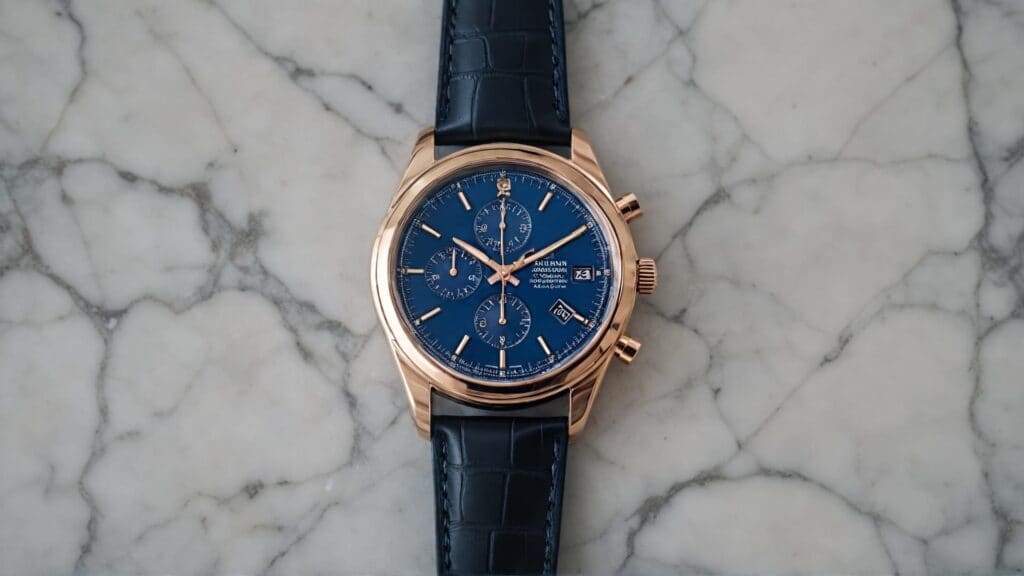
Learning to identify counterfeit watches requires developing an eye for subtle details that separate authentic luxury timepieces from their fraudulent counterparts. Modern fake watches have reached unprecedented levels of sophistication, making detection increasingly challenging for consumers who lack specialized knowledge. However, certain telltale signs consistently reveal themselves across different counterfeit operations, regardless of how advanced their manufacturing techniques have become. The key lies in knowing where to look and what specific characteristics distinguish genuine craftsmanship from imitation work.
Price Red Flags
Pricing inconsistencies often provide the clearest initial warning signs when evaluating potentially counterfeit timepieces. Authentic luxury watches maintain consistent market values that reflect their manufacturing costs, brand positioning, and retail markup structures, making dramatic price deviations highly suspicious.
- Unrealistic discount margins should trigger immediate suspicion when luxury timepieces are offered at prices significantly below established market rates, as genuine dealers rarely discount prestigious brands by more than 10-25% of current market values without legitimate business reasons like authorized clearance sales.
- Too-good-to-be-true pricing represents the most obvious warning since authentic luxury watches require substantial investments in materials, manufacturing, and quality control that cannot be significantly reduced without compromising the fundamental nature of the product itself.
- Market value research becomes essential before any purchase as legitimate luxury timepieces maintain relatively stable pricing across authorized dealers, making dramatic variations a clear indication of potential counterfeiting or other fraudulent activity.
- Seller justifications for low prices often reveal deception when vendors offer elaborate explanations for drastically reduced pricing on luxury timepieces, as legitimate dealers typically have straightforward, verifiable reasons for any significant discounts they offer.
Physical Signs of Fake Watches
The physical characteristics of counterfeit watches frequently reveal manufacturing shortcuts and inferior materials that become apparent through careful examination. Authentic luxury timepieces demonstrate consistent quality standards that counterfeiters struggle to replicate across all aspects of construction.
- Weight differences provide immediate authenticity clues as genuine luxury watches use premium materials like solid stainless steel, gold, or platinum that create substantial heft, while counterfeits typically employ cheaper alloys resulting in noticeably lighter timepieces that feel insubstantial when held.
- Surface finishing quality reveals manufacturing standards through examination of polished surfaces, edge work, and overall construction details, where authentic pieces exhibit flawless mirror finishes without blemishes, while fakes often display rough edges, poor polishing, or inconsistent surface treatments.
- Component alignment and fitment demonstrate precision manufacturing as genuine timepieces feature perfectly aligned elements including bezels, crowns, pushers, and bracelet connections, whereas counterfeits frequently show misaligned parts, loose connections, or components that don’t integrate seamlessly.
- Material quality becomes evident through tactile examination where authentic watches use sapphire crystals, premium metals, and quality components that feel substantial and precisely manufactured, contrasting sharply with the cheaper materials and inferior construction found in counterfeit pieces.
- Engraving and marking quality reflects manufacturing capabilities as genuine luxury brands employ laser precision techniques that produce sharp, clear, uniformly aligned text and logos, while counterfeits often exhibit blurry, uneven, or poorly executed engravings that lack the crispness of authentic pieces.
Movement Issues
The internal mechanisms of watches provide definitive authentication opportunities for those who understand the fundamental differences between genuine and counterfeit timepieces. Movement characteristics are among the most difficult aspects for counterfeiters to replicate convincingly.
- Second hand motion reveals movement type and quality as authentic mechanical luxury watches produce smooth sweeping motion through precise micro-increments, while counterfeits often use cheaper quartz movements that create obvious ticking motion or jerky movement patterns easily distinguished from genuine pieces.
- Sound characteristics differ significantly between movement types with authentic mechanical movements operating nearly silently during normal wear, whereas counterfeit pieces frequently produce audible ticking sounds that betray their inferior construction and cheaper movement alternatives.
- Visible movement components display craftsmanship standards through transparent case backs that reveal internal mechanisms, where genuine pieces showcase beautifully finished, precisely assembled components with decorative elements, while fakes typically show rough finishing, misaligned parts, or completely different movement types.
- Functional complications reveal engineering sophistication as authentic luxury watches with complex features like chronographs, GMT functions, or perpetual calendars demonstrate precise operation, while counterfeits often feature non-functional or poorly operating complications that expose their fraudulent nature.
Packaging and Documentation
Authentic luxury watches come with comprehensive documentation and packaging that reflects the same attention to detail found in the timepieces themselves. Counterfeiters often overlook these elements or execute them poorly, creating obvious authentication opportunities.
- Documentation quality matches brand standards as genuine luxury watches include properly printed materials with correct fonts, spacing, and information, while counterfeit packages frequently contain spelling errors, wrong fonts, or poor print quality that immediately reveals their fraudulent nature.
- Serial number verification provides definitive authentication through manufacturer databases or authorized dealers who can confirm authenticity, while counterfeits often use duplicate numbers across multiple fake pieces or numbers that don’t correspond to genuine manufacturer records.
- Packaging materials reflect brand investment in presentation quality, with authentic pieces featuring high-quality boxes, proper materials, and attention to detail that counterfeits rarely match due to cost considerations and manufacturing shortcuts in non-essential components.
- Certificate authenticity requires verification as modern warranty cards include security features like holograms, NFC chips, or other anti-counterfeiting measures that fake documentation typically lacks or executes poorly, making authentication possible through careful examination.
The sophistication of modern counterfeits means that no single indicator should be relied upon exclusively for authentication. Instead, buyers must evaluate multiple factors simultaneously, looking for patterns of inconsistency that reveal fraudulent manufacture. When any doubt exists about authenticity, professional authentication services provide the expertise and equipment necessary to make definitive determinations, protecting buyers from costly mistakes in an increasingly complex marketplace.
Most Counterfeited Luxury Watch Brands
The luxury watch counterfeiting industry demonstrates clear preferences when targeting specific brands, with certain manufacturers experiencing disproportionate attention from counterfeiters worldwide. These preferences reflect not just brand recognition and market value, but also design characteristics that make certain timepieces easier to replicate convincingly. The most frequently counterfeited brands share common traits including widespread global recognition, distinctive visual elements, and strong resale markets that make fake versions attractive to both knowing and unknowing buyers.
- Rolex dominates the counterfeit landscape representing approximately half of all fake luxury watches encountered by authentication specialists, with the brand’s universal recognition and highest market demand making it the most replicated timepiece manufacturer globally, creating a massive underground market for Rolex counterfeits.
- Rolex model preferences among counterfeiters focus primarily on the Datejust and Day-Date series as the most copied designs, followed closely by the iconic Submariner, with these models chosen for their distinctive aesthetic elements and widespread recognition among consumers who may not be watch experts.
- Omega ranks second in counterfeiting frequency due to the brand’s strong market presence and recognizable design language, particularly models featuring the distinctive Speedmaster and Seamaster aesthetics that have become synonymous with Swiss luxury watchmaking excellence.
- Cartier attracts counterfeiters across multiple categories with both their watch and jewelry lines being heavily replicated, as the French luxury house’s instantly recognizable Tank and Santos models, along with their signature blue details and distinctive case shapes, make them appealing targets for fraud.
- TAG Heuer faces significant counterfeiting pressure as the brand’s motorsport heritage and distinctive chronograph designs create strong appeal among counterfeiters seeking to replicate recognizable luxury sports watches with complex-appearing complications.
- Breitling counterfeits focus on aviation-inspired designs with the brand’s distinctive chronographs and pilot watches being heavily replicated due to their complex visual appearance and strong brand recognition in the luxury sports watch segment.
- Patek Philippe represents high-end counterfeiting where sophisticated operations attempt to replicate the prestigious manufacturer’s timepieces, though these fakes typically fall far short of authentic quality standards due to the extreme complexity and craftsmanship required for genuine Patek Philippe watches.
- Audemars Piguet counterfeits concentrate on the Royal Oak with this iconic octagonal design being heavily targeted by counterfeiters due to its distinctive case shape and widespread recognition as a luxury status symbol, particularly the Royal Oak Offshore variants.
The concentration of counterfeiting efforts on these specific brands reflects strategic decisions by criminal organizations seeking maximum return on their illegal investments. Brands that invest heavily in marketing and brand recognition inadvertently create opportunities for counterfeiters who can benefit from that same recognition without bearing the costs of legitimate brand building. The most counterfeited timepieces typically combine strong visual identity with broad market appeal, making them attractive to counterfeiters who understand that their fake products will find ready markets among both knowing buyers seeking affordable alternatives and unknowing victims who believe they’re purchasing authentic luxury timepieces. This targeting pattern also explains why lesser-known luxury brands, despite producing exceptional timepieces, face relatively lower counterfeiting pressure compared to these globally recognized names.
Where Counterfeit Watches Are Sold Online and Offline
The distribution network for counterfeit watches operates through diverse channels ranging from obvious street vendors to sophisticated online operations that mimic legitimate retailers. These sales channels have evolved significantly over the past decade, with digital platforms creating new opportunities for counterfeiters while traditional physical markets continue thriving in specific geographic locations. The modern fake watch marketplace demonstrates remarkable adaptability, utilizing both low-tech street sales and high-tech online operations to reach different consumer segments worldwide.
- Street vendors operate in major tourist destinations where fake watches are sold openly from sidewalk displays, temporary stalls, and mobile operations, particularly concentrated in areas like Canal Street in Manhattan, Bangkok’s MBK Centre, Istanbul’s Grand Bazaar, and Beijing’s Silk Street and Pearl Market.
- Tourist hotspots provide ideal selling environments as travelers seeking bargains and souvenirs create steady demand for counterfeit timepieces, with vendors targeting areas near luxury shopping districts, hotels, and popular attractions where visitors expect to find discounted luxury goods.
- Flea markets and bazaars host organized counterfeiting operations where vendors rent space specifically to sell fake watches alongside other counterfeit goods, creating concentrated marketplaces that attract buyers specifically seeking replica luxury items at heavily discounted prices.
- Online marketplaces enable global distribution through websites specifically dedicated to replica sales, social media platforms, and even infiltration of legitimate e-commerce sites where counterfeiters pose as authorized dealers or private sellers offering authentic timepieces.
- Social media sales create direct consumer connections where sellers use platforms like Instagram, WhatsApp, and messaging apps to showcase products, conduct transactions, and maintain customer relationships while avoiding the oversight of traditional e-commerce platforms.
- Sophisticated website operations mimic legitimate retailers by copying brand aesthetics, using stolen product images, implementing professional payment systems, and creating convincing documentation to fool unsuspecting buyers into believing they’re purchasing from authorized dealers.
- Gray market dealers blur authenticity lines through operations that mix genuine and counterfeit products, sell watches with authentic cases but fake movements, or offer timepieces assembled from parts of questionable origin, making detection extremely difficult for average consumers.
- International shipping networks facilitate global reach where counterfeit watches manufactured in production centers are distributed worldwide through postal services, express shipping companies, and commercial cargo operations that often escape customs detection due to volume and packaging methods.
The sophistication of modern distribution channels means that buyers can encounter fake watches in virtually any sales environment, from obvious street corner operations to seemingly legitimate online retailers. Traditional physical markets continue operating because they serve specific consumer segments who knowingly seek replica products, while digital platforms attract both knowing buyers and unsuspecting victims who believe they’re finding legitimate deals. The geographic concentration of physical sales in tourist areas reflects strategic targeting of visitors who may be less familiar with local laws, authentication methods, or typical pricing for luxury timepieces. Meanwhile, online operations exploit the anonymity and global reach of digital commerce to access markets that would be impossible to serve through traditional retail channels, creating a parallel distribution system that operates alongside legitimate watch sales worldwide.
Dangers of Counterfeit Watches
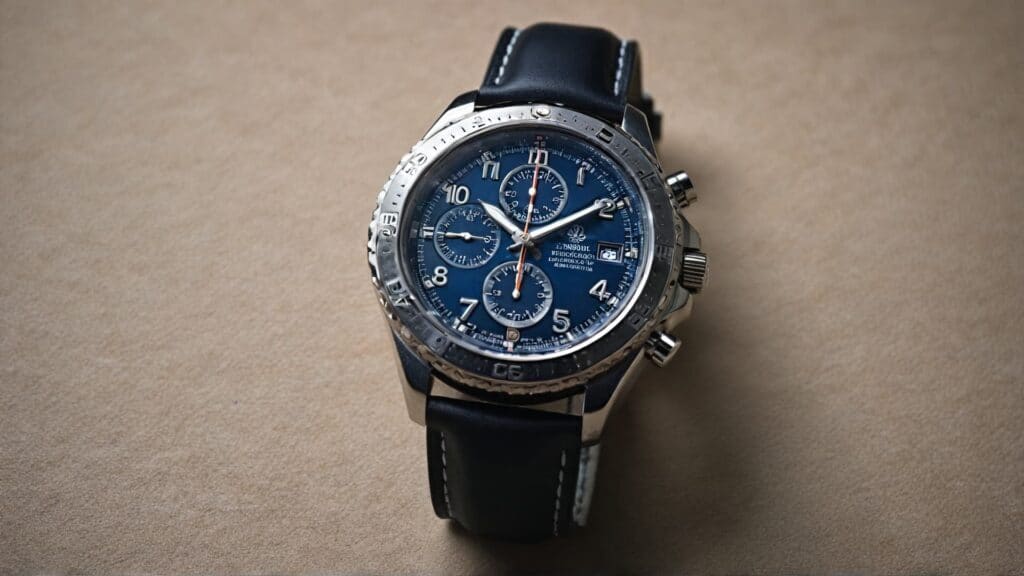
Purchasing counterfeit timepieces involves significant risks that extend far beyond simply receiving an inferior product. These dangers encompass health and safety concerns, legal complications, financial losses, and ethical implications that many buyers fail to consider when tempted by dramatically lower prices. The consequences of buying fake watches can create problems that persist long after the initial purchase, affecting both individual buyers and the broader luxury watch industry.
Quality and Safety Issues
Counterfeit watches pose genuine health and safety risks due to substandard materials and manufacturing processes that prioritize cost reduction over consumer protection. These quality issues create immediate dangers for wearers and long-term problems that authentic timepieces never present.
- Harmful materials threaten wearer health as counterfeit manufacturers use cheap metals, toxic coatings, and unregulated alloys that can cause severe skin reactions, allergic responses, and prolonged contact dermatitis, particularly problematic for people with sensitive skin or metal allergies.
- Poor construction creates safety hazards through sharp edges, loose components, and structural failures that can cause physical injury to wearers, with inadequately finished cases and bracelets capable of snagging clothing or cutting skin during normal wear.
- Toxic substances pose long-term risks as counterfeit timepieces may contain lead, cadmium, or other dangerous heavy metals that can leach into skin contact areas, creating potential health complications through prolonged exposure to unregulated chemical compounds.
- Water damage creates immediate failure since fake watches lack proper sealing and water resistance testing, meaning exposure to moisture can cause immediate malfunction, corrosion, and complete failure even under minimal water contact like handwashing or rain.
- Electronic components present fire hazards in battery-powered counterfeit watches where substandard electrical components, cheap batteries, and poor assembly can create overheating, chemical leaks, or even small fires that pose danger to wearers and their property.
Legal Consequences
The legal implications of purchasing counterfeit watches vary by jurisdiction but can include serious consequences that many buyers never anticipate when making seemingly innocent purchases. Legal risks escalate significantly when counterfeit goods cross international borders or when authorities suspect commercial intent.
- Criminal charges apply in many jurisdictions where possession of counterfeit goods constitutes a criminal offense, particularly in European countries where simply owning fake luxury items can result in fines, prosecution, and permanent criminal records that affect future employment and travel opportunities.
- Customs seizure results in total loss as border protection agencies worldwide actively target counterfeit shipments, confiscating fake watches without compensation and potentially initiating legal proceedings against recipients who may face additional penalties beyond losing their purchase money.
- Trafficking charges carry severe penalties when authorities suspect commercial intent based on quantity, packaging, or shipping patterns, with federal trafficking charges carrying potential fines up to $2 million and prison sentences up to 10 years for serious violations.
- Civil liability exposes buyers to lawsuits from trademark holders who may pursue damages against individuals found possessing counterfeit goods, creating potential financial exposure far exceeding the original purchase price of the fake timepiece.
- International travel complications arise when carrying counterfeit watches across borders, as customs authorities in many countries can detain travelers, confiscate goods, and impose fines or criminal charges for attempting to import fake luxury items.
Financial Risks
The financial consequences of buying counterfeit watches extend far beyond the initial purchase price, creating multiple layers of economic loss that can accumulate over time. These financial risks make fake watches significantly more expensive than their initial low prices suggest.
- Total investment loss occurs inevitably as counterfeit watches have zero resale value, no warranty protection, and no service support, meaning buyers lose their entire investment when the timepiece inevitably fails or breaks beyond repair.
- Repair costs exceed purchase price since authentic watch servicing centers refuse to work on counterfeit pieces, forcing owners to seek expensive specialty repair services or simply discard broken timepieces when they malfunction.
- Opportunity cost compounds losses as money spent on fake watches cannot be invested in authentic timepieces that retain value, appreciate over time, or provide legitimate resale opportunities when owners want to upgrade their collections.
- Legal fees create additional expenses when buyers face customs issues, trademark disputes, or criminal charges related to counterfeit possession, with attorney fees and court costs potentially exceeding thousands of dollars for seemingly minor violations.
- Insurance complications void coverage as homeowner’s and travel insurance policies typically exclude counterfeit goods from theft or damage protection, leaving owners without recourse when fake watches are stolen or damaged during travel or storage.
The cumulative effect of these dangers makes counterfeit watch purchases one of the riskiest transactions in the luxury goods market. Beyond immediate safety concerns and legal complications, fake watches create ongoing problems that can affect buyers for years after their initial purchase. The sophisticated nature of modern counterfeiting operations means that even well-informed consumers can inadvertently expose themselves to these risks, making education and vigilance essential for anyone considering timepiece purchases outside of authorized dealer networks.
Best Places to Buy Genuine Watches Safely
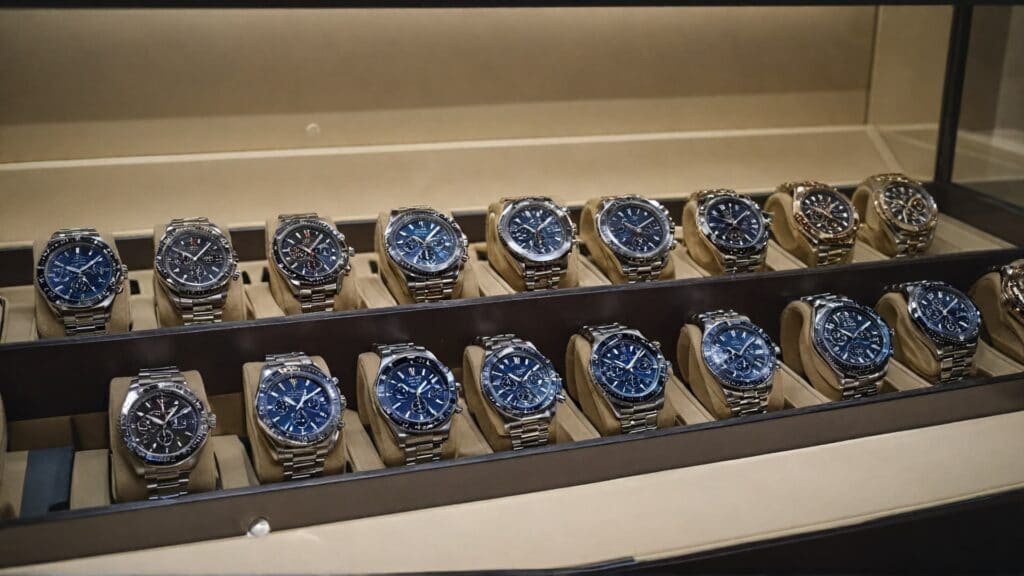
Purchasing genuine luxury timepieces requires careful consideration of multiple factors beyond simply finding the lowest price. The modern watch market includes numerous channels offering authentic products, but buyer protection and authentication guarantees vary significantly between different types of sellers. Smart consumers must balance cost considerations with security measures to ensure they receive genuine timepieces with proper documentation and support services.
- Authorized dealers provide maximum security by maintaining direct relationships with manufacturers, offering factory warranties, authentic documentation, and access to genuine replacement parts for future service needs, making them the safest option for buyers prioritizing authenticity and long-term support.
- Manufacturer verification confirms dealer status through official brand websites that list authorized retailers by geographic region, allowing buyers to confirm legitimate dealer relationships before making purchases and avoiding sellers who falsely claim authorized status.
- Reputable online retailers offer authentication services where established platforms provide professional verification processes, buyer protection programs, and comprehensive return policies that protect consumers from counterfeit products while expanding access to genuine timepieces beyond local dealers.
- Documentation requirements ensure authenticity including original warranty cards, purchase receipts, instruction manuals, and proper packaging that legitimate sellers provide with every authentic timepiece, creating comprehensive proof of authenticity for future resale or service needs.
- Professional authentication services provide expert verification through specialized companies that examine timepieces using advanced equipment and extensive knowledge to confirm authenticity, offering buyers independent verification when purchasing from uncertain sources.
- Serial number verification confirms genuine production by checking manufacturer databases or authorized service centers that can validate serial numbers, production dates, and model specifications to ensure timepieces match factory records and identify potential counterfeits.
- Price reality checks prevent obvious fraud as authentic luxury watches maintain consistent market values that experienced buyers can research through multiple sources, making dramatically low prices clear indicators of potential counterfeiting or other problems.
- Payment protection methods reduce financial risk through credit cards, secure payment platforms, and escrow services that offer buyer protection, dispute resolution, and refund capabilities when purchases involve counterfeit products or other seller misrepresentations.
- Physical inspection opportunities allow detailed examination when buyers can personally examine timepieces before purchase, checking weight, finishing quality, movement characteristics, and other authentication factors that distinguish genuine pieces from sophisticated counterfeits.
The safest approach combines multiple verification methods rather than relying on any single factor for authentication. Authorized dealers remain the gold standard for security and support, but knowledgeable buyers can safely purchase from other sources by implementing proper verification procedures. The investment in professional authentication services often pays for itself by preventing costly mistakes with counterfeit timepieces. Additionally, building relationships with trusted dealers and authentication experts creates long-term resources for future purchases and ongoing support. Modern technology has made verification easier through manufacturer databases and authentication apps, while also making counterfeits more sophisticated, requiring buyers to stay informed about current authentication techniques and market conditions.
What to Do if You Bought a Fake Watch
Discovering that you’ve purchased a counterfeit watch can be devastating, both financially and emotionally, but taking immediate and systematic action can help minimize your losses and potentially recover your money. The steps you take in the first few days after discovering the fraud significantly impact your chances of obtaining a refund or pursuing other remedies. Quick action becomes especially important when dealing with time-sensitive payment protection policies and while evidence remains fresh.
- Contact the seller immediately with specific documentation of why you believe the watch is counterfeit, maintaining professional communication while clearly stating your concerns and requesting either proof of authenticity or a full refund within a reasonable timeframe.
- Document everything comprehensively by taking detailed photographs of the watch from multiple angles, preserving all original packaging and documentation, saving screenshots of the original listing, and maintaining records of all communications with the seller including emails, messages, and receipts.
- Seek professional authentication through certified watchmakers, authorized dealers, or specialized authentication services who can provide written reports confirming the watch’s counterfeit status, creating official documentation that strengthens your case for refund or legal action.
- Initiate payment disputes promptly by contacting your credit card company, PayPal, or other payment processors to file formal disputes, as most financial institutions have strict time limits for chargeback claims and fraud protection that require immediate action after discovery.
- Preserve the counterfeit watch by avoiding any alterations, repairs, or modifications that could compromise evidence, while keeping it in original condition for potential return to the seller, examination by authorities, or use as evidence in legal proceedings.
- Report the fraud to appropriate authorities including local police, customs agencies, and anti-counterfeiting organizations, as reporting helps build cases against counterfeit operations while potentially assisting other victims and supporting broader enforcement efforts.
- Research legal options by consulting attorneys who specialize in consumer protection or fraud cases, particularly when dealing with high-value purchases or sellers who refuse to cooperate with refund requests, as legal action may be necessary to recover significant losses.
- Use social media and review platforms strategically to warn other potential buyers while avoiding defamatory statements, focusing on factual descriptions of your experience that help protect other consumers from similar fraud without creating legal liability for yourself.
The success of recovery efforts depends heavily on the payment method used and the seller’s reputation and willingness to cooperate. Buyers who used credit cards or PayPal typically have stronger protection than those who paid through wire transfers, cryptocurrency, or other irreversible payment methods. Working with reputable sellers who made honest mistakes often results in smoother resolution processes compared to dealing with intentional fraudsters who may disappear entirely. Prevention remains the best protection, but when fraud occurs, systematic documentation and prompt action provide the best chances for recovery while contributing to broader efforts to combat the counterfeit watch industry.
Best Cheap Watches Instead of Buying Fakes
For consumers who appreciate the aesthetics and prestige of luxury timepieces but cannot justify spending thousands of dollars, the watch market offers numerous legitimate alternatives that provide similar styling and reliable functionality at accessible prices. These options range from established brands offering entry-level luxury pieces to specialized manufacturers creating high-quality homage watches that capture the essence of iconic designs without crossing into counterfeiting territory.
- Legitimate homage watches provide inspired design alternatives where reputable manufacturers create timepieces that borrow aesthetic elements from famous luxury watches while using their own branding and honest marketing, offering consumers the visual appeal of prestigious designs at significantly lower prices.
- Entry-level luxury brands offer authentic prestige through established manufacturers like Tissot, Hamilton, Seiko, and Citizen who produce genuine Swiss or Japanese timepieces with quality movements, proper warranties, and legitimate brand heritage at prices significantly below ultra-luxury segments.
- Microbrands deliver exceptional value propositions by focusing on specific design niches and direct-to-consumer sales models that eliminate traditional retail markups, often providing Swiss movements, sapphire crystals, and premium materials at prices typically associated with fashion watches.
- Vintage and pre-owned markets expand authentic options where buyers can access genuine luxury timepieces from previous decades at reduced prices, offering authentic brand heritage and quality construction while avoiding the premium associated with current production models.
- Japanese manufacturers excel in affordable mechanical watches with brands like Seiko, Citizen, and Orient producing reliable automatic and quartz timepieces that often match or exceed the technical specifications of luxury alternatives while maintaining significantly lower price points.
- Chinese manufacturers increasingly offer quality alternatives through brands like San Martin, Pagani Design, and Steeldive that produce well-constructed homage pieces using quality movements and materials, though buyers should research individual brands for reliability and service support.
- Swiss entry-level options maintain traditional prestige with brands like Swatch, Mido, and Certina offering genuine Swiss-made timepieces that provide authentic horological heritage and quality construction at accessible price points for consumers seeking Swiss provenance.
- Specialized tool watch alternatives focus on function over luxury where brands prioritize practical features like water resistance, durability, and accuracy over precious materials and exclusive branding, often delivering superior performance at lower costs than luxury sports watches.
The key distinction between these legitimate alternatives and counterfeit watches lies in honest representation and authentic manufacturing. Quality homage watches openly acknowledge their inspiration sources while building their own brand identities, using reliable movements, and providing proper customer support. These alternatives allow consumers to enjoy classic watch designs and reliable timekeeping without supporting illegal counterfeiting operations or compromising on basic quality standards. Many watch enthusiasts use affordable alternatives as entry points into mechanical watchmaking or as practical alternatives to their luxury pieces for daily wear, recognizing that excellent timekeeping and attractive design don’t require luxury pricing.
Conclusion
The counterfeit watch industry represents a complex global challenge that affects millions of consumers, legitimate manufacturers, and the broader luxury goods market. With an estimated 30-40 million fake watches entering circulation annually and sophisticated “super-fakes” becoming increasingly difficult to detect, buyers must develop comprehensive knowledge and verification strategies to protect themselves from fraud. The evolution of counterfeiting technology means that traditional detection methods are no longer sufficient, requiring consumers to rely on multiple authentication factors, professional verification services, and careful seller evaluation when purchasing timepieces outside of authorized dealer networks.
The risks associated with buying fake watches extend far beyond receiving an inferior product, encompassing serious health hazards from toxic materials, potential legal consequences in many jurisdictions, and complete financial losses with no recourse for repairs or warranty support. These dangers make counterfeit purchases among the riskiest transactions in the luxury goods market, particularly when compared to the numerous legitimate alternatives available to budget-conscious consumers. Quality homage watches, entry-level luxury brands, and pre-owned authentic timepieces offer compelling options for buyers seeking prestige aesthetics and reliable performance without the premium pricing of current luxury models.
Education and vigilance remain the best defenses against counterfeit watches, combined with purchasing from reputable sources and utilizing professional authentication services when necessary. The watch industry continues developing new anti-counterfeiting technologies while law enforcement agencies worldwide increase their efforts to combat fake watch operations, but consumer awareness and responsible purchasing decisions ultimately drive the most effective protection against this persistent threat. By understanding the risks, recognizing the warning signs, and exploring legitimate alternatives, consumers can enjoy quality timepieces while supporting authentic manufacturers and avoiding the numerous pitfalls associated with the counterfeit watch trade.