Online jewelry shopping offers convenience and access to a vast selection of pieces from around the world. However, without the ability to physically examine jewelry before purchasing, consumers need to be especially vigilant about what they’re buying. Whether you’re looking for a special gift or treating yourself, understanding what to look for ensures you’ll receive quality jewelry that matches your expectations in terms of authenticity, craftsmanship, and value.
Understanding Jewelry Materials for Online Shopping
The foundation of quality jewelry begins with understanding the materials used. Precious metals and gemstones vary significantly in quality, and knowing how to identify genuine materials from their descriptions and certifications is essential when shopping online. Without this knowledge, it’s easy to overpay for inferior materials or be misled by vague terminology that masks lower quality components.
- Gold purity matters significantly in both value and durability. Gold is measured in karats, with 24K being pure gold (99.9%). Most jewelry uses 18K containing 75% gold, 14K containing 58.3% gold, or 10K containing 41.7% gold mixed with other metals. Higher karat gold is more valuable but softer, while lower karat gold is more durable but contains less actual gold. Always look for proper hallmarks like “585” for 14K, “750” for 18K, or “417” for 10K stamped on the piece.
- Sterling silver should be clearly marked and priced appropriately. Quality silver jewelry is marked as “925” indicating 92.5% pure silver and has a bright, lustrous appearance. Pure silver is too soft for jewelry, so it’s alloyed with copper for strength. Be wary of silver jewelry without proper hallmarks or that’s suspiciously underpriced, as it may be silver-plated or even nickel-based.
- Platinum is premium, hypoallergenic, and distinctly heavy. Look for hallmarks like “PT950” or “PLAT” indicating platinum content of at least 95%. It’s significantly heavier than silver or white gold and maintains its white color permanently without plating. Authentic platinum jewelry typically costs more than gold due to its rarity and durability.
- Gemstone quality is determined by the “Four Cs.” Cut refers to how well it’s shaped, color describes the hue and saturation, clarity indicates the presence of inclusions, and carat weight measures size. All these factors determine a gemstone’s value. Reputable sellers provide certification for valuable stones from recognized labs like GIA, AGS, or IGI, especially for diamonds and precious colored stones.
- Lab-created gemstones offer excellent value without compromising quality. These are chemically and physically identical to mined stones but typically cost 30-40% less. They’re real gemstones created in controlled environments, not imitations, and represent an ethical alternative to mining.
Understanding jewelry materials helps you assess whether the price matches the quality and make informed comparisons between similar pieces. Reputable online jewelers will be transparent about their materials, providing detailed descriptions, proper hallmarks, and certification for precious stones. This knowledge forms the foundation for making informed purchasing decisions and avoiding overpriced or misrepresented items that could lead to disappointment when your jewelry arrives.
Finding Reputable Online Jewelry Stores
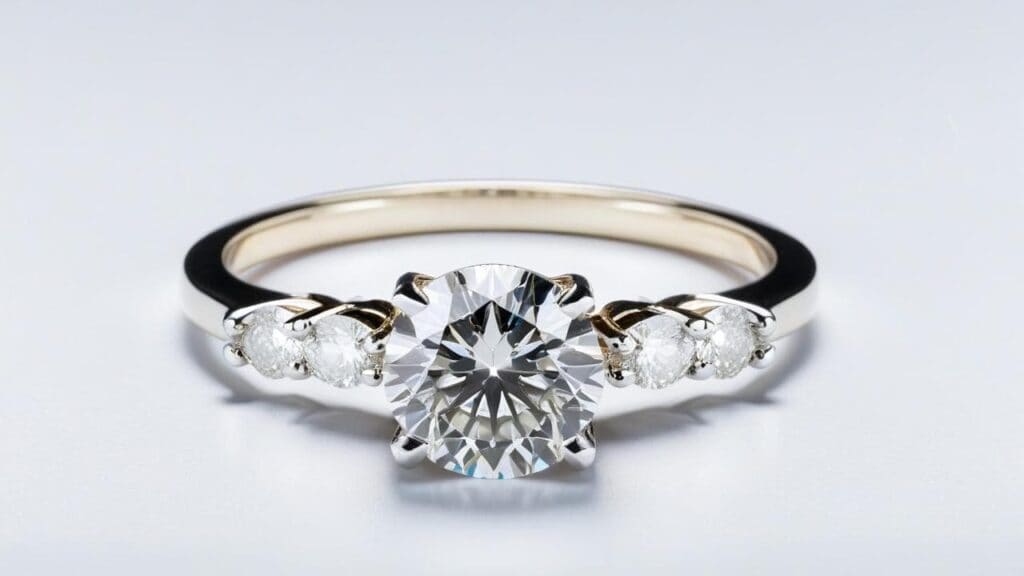
The retailer you choose is perhaps the most important decision in your online jewelry shopping journey. A trustworthy retailer will stand behind their products and provide accurate information about what you’re buying. Taking time to investigate potential sellers before committing to a purchase can save you from fraud, misrepresentation, and poor customer service experiences.
- Business longevity indicates reliability. Well-established retailers with several years in business generally offer more reliability and have proven their commitment to customer satisfaction. Check the “About Us” page or business registration details to verify how long they’ve been operating.
- Customer reviews reveal the true shopping experience. Look beyond star ratings to read detailed reviews about product quality, customer service, and how the company handles problems. Pay special attention to reviews mentioning product accuracy, shipping times, and how returns were handled.
- Clear, comprehensive policies demonstrate transparency. Reputable jewelers offer detailed information about their return policies, warranties, shipping methods, and payment security. The absence of this information or vague terms should raise red flags about the retailer’s trustworthiness.
- Certification and industry affiliations add credibility. Look for memberships in recognized jewelry associations like the Jewelers of America, American Gem Society, or Better Business Bureau accreditation. These affiliations typically require adherence to ethical business practices and quality standards.
- Quality of product information indicates seller expertise. Trustworthy jewelry retailers provide detailed product descriptions including exact materials, dimensions, weight, and origin information. Vague descriptions or missing specifications suggest the seller may be hiding something or lack expertise.
- Secure website features protect your personal information. Ensure the website has “https://” in the URL and displays security symbols. These indicate encryption that protects your payment information. Also verify they have a privacy policy explaining how your data is used.
Taking time to thoroughly research retailers before making a purchase can save you from disappointment and financial loss. A reputable jeweler will happily answer questions about their products and provide additional information if requested. Remember that exceptionally low prices for high-value items often indicate something isn’t authentic - when a deal seems too good to be true in fine jewelry, it usually is. The extra time spent researching a retailer upfront can prevent the much larger headache of dealing with returns, disputes, or even fraud after an unwise purchase.
Setting a Smart Budget for Online Jewelry Shopping
Setting a realistic budget is crucial when buying jewelry online, as prices can vary dramatically based on materials, craftsmanship, and brand reputation. Understanding the relationship between price and quality helps you make informed decisions and get the best value. Many factors contribute to jewelry pricing, and knowing these elements helps you determine where you can compromise without sacrificing quality in areas that matter most to you.
- Precious metal content significantly impacts pricing. The weight and purity of gold, silver, or platinum directly affect cost. For example, 18K gold jewelry will cost substantially more than 14K gold of the same design due to higher gold content. Consider whether the higher purity is important for your needs before paying the premium.
- Gemstone pricing varies based on the Four Cs and rarity. Larger, higher-clarity stones with exceptional cuts and rare colors command premium prices. Understanding these factors helps you identify where you might compromise for value - perhaps choosing a slightly smaller diamond with excellent cut and clarity rather than prioritizing size alone.
- Craftsmanship quality creates lasting value. Well-made jewelry features clean solder joints, consistent gemstone settings, smooth finishes, and sturdy clasps or findings. These details affect both appearance and durability, making higher-quality craftsmanship worth the investment for pieces you’ll wear regularly.
- Brand names can significantly increase prices. Well-known jewelry brands often charge premium prices for their reputation and design aesthetic. While established brands may offer quality assurance, lesser-known jewelers can provide excellent quality at more accessible prices. Decide whether the brand name is important to you before paying the premium.
- Sales and discounts can offer genuine value. Many reputable online jewelers offer seasonal sales, holiday promotions, or clearance events where you can find quality pieces at reduced prices. However, be wary of perpetual “sales” or extreme discounts, as these can indicate inflated original prices or lower quality merchandise.
Understanding the value components of jewelry helps you allocate your budget effectively and make informed decisions about where to invest and where to economize. Quality jewelry represents a thoughtful balance between material value, craftsmanship, and design. By identifying which aspects matter most to you personally, you can make smart compromises to stay within budget while still obtaining jewelry that will look beautiful and last for years to come. Remember that fine jewelry is often an investment - choosing quality over quantity typically results in greater satisfaction and longevity.
Accurate Jewelry Sizing for Online Purchases
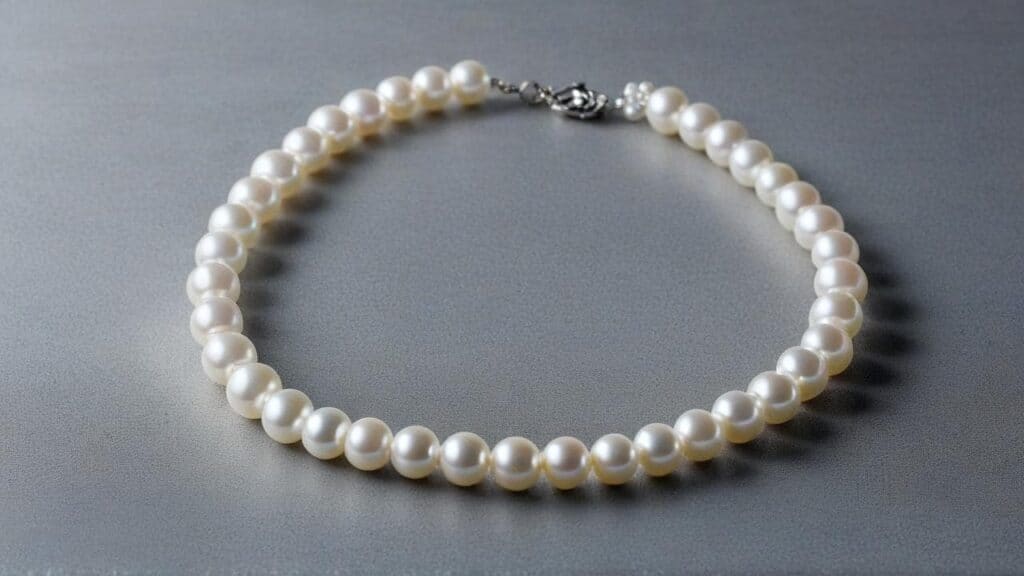
Accurate sizing is crucial when buying jewelry online, as returns and exchanges can be inconvenient and sometimes costly. Taking proper measurements before ordering helps ensure your jewelry will fit comfortably right out of the box. Sizing issues are among the most common reasons for jewelry returns, so investing time in getting measurements right can save significant hassle later.
- Ring sizing requires precision. The most accurate method is to visit a local jeweler for professional sizing. Alternatively, you can measure a ring that fits well using a millimeter ruler across the inside diameter, then consult a ring size conversion chart. Paper or string measurement methods are less accurate but can provide a rough estimate if you wrap them around your finger and mark where they meet.
- Bracelet sizing depends on wrist circumference plus comfort allowance. Measure your wrist with a flexible measuring tape at the widest point, then add 1/2 to 1 inch for a comfortable fit. For chain or link bracelets, add less extra space; for bangle bracelets, you’ll need to ensure they can slide over your knuckles, so measure the widest part of your hand with your thumb tucked in.
- Necklace length determines where it will fall on your body. Standard necklace lengths range from 14 inches (choker style) to 30+ inches (opera or rope length). To find your ideal length, measure from the base of your neck to where you want the necklace to fall, or measure a necklace you already own and like the fit of. Consider that pendants will hang below the chain length by their own height.
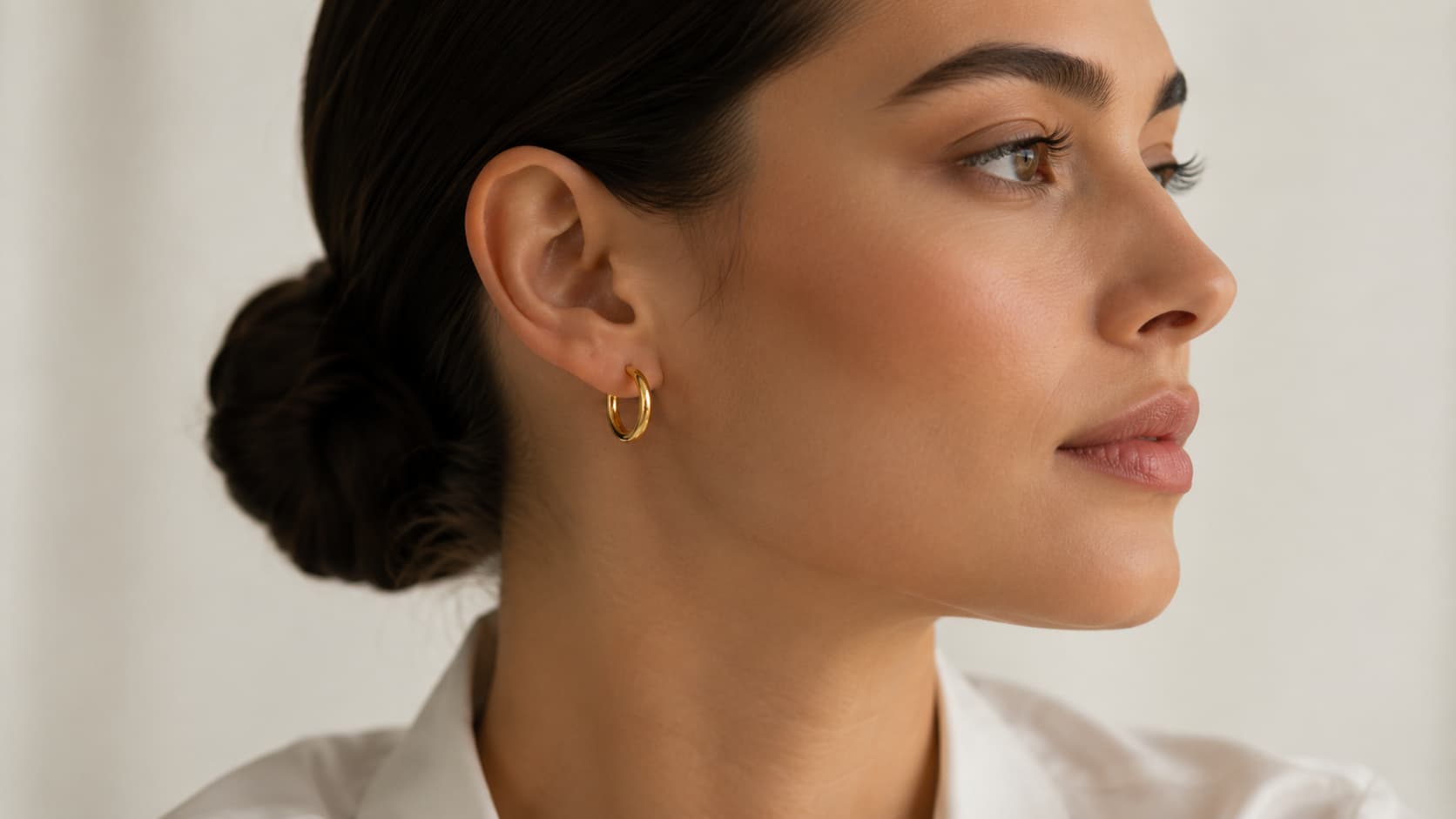
- Earring dimensions affect both appearance and comfort. Pay attention to the size and weight of earrings, especially for pierced styles. Heavy earrings can cause discomfort or even tear earlobes over time. For drop or dangle styles, consider the length in relation to your neck and face shape.
- International sizing standards can vary. Different countries use different measurement systems for rings and other jewelry. When shopping internationally, always check the retailer’s sizing chart and conversion information to ensure you’re ordering the correct size.
Proper jewelry sizing ensures comfort, appearance, and prevents loss of valuable pieces. Most reputable online jewelers provide detailed sizing guides specific to their products. When in doubt, contact customer service for assistance with sizing questions. Remember that certain styles may fit differently even at the same technical size, so reading product descriptions carefully is essential. Taking the time to determine accurate measurements before ordering can significantly improve your online jewelry shopping experience and reduce the likelihood of returns or exchanges.
How to Read Jewelry Product Descriptions
Product descriptions are your window into what you’re actually buying when shopping for jewelry online. Learning to decode these descriptions helps you identify quality pieces and avoid disappointments. Since you can’t physically handle the jewelry before purchase, the product description becomes your primary source of information about materials, construction, and features. Developing literacy in jewelry terminology allows you to make informed decisions.
- Metal descriptions should specify exact content. Look for precise terms like “14K gold” rather than vague descriptions like “gold-tone” or “gold-colored,” which likely indicate costume jewelry. For silver, “sterling silver” or “925 silver” indicates proper silver content, while “silver-plated” means only a thin layer of silver over a base metal.
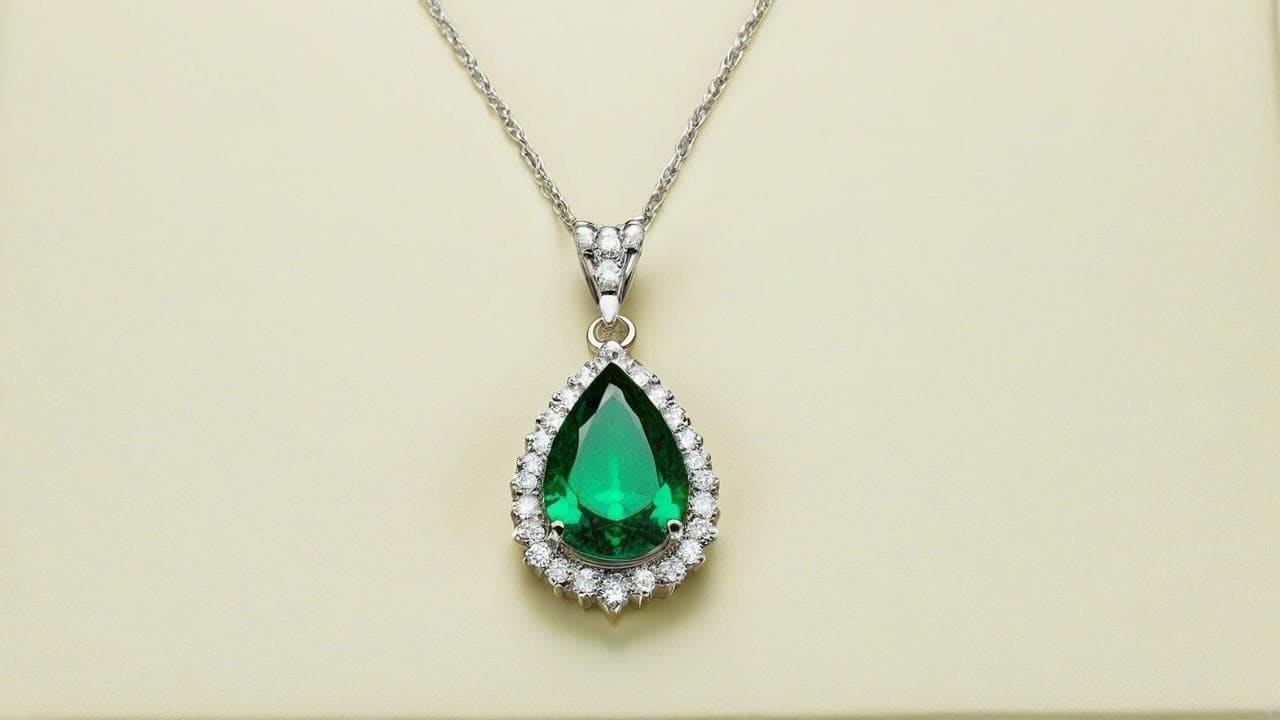
- Gemstone information should be comprehensive. Quality listings will specify whether stones are natural, lab-created, or simulated. For valuable gemstones, look for detailed information about carat weight, cut, clarity, and color. Vague descriptions or missing details about gemstones may indicate lower quality or even misrepresentation.
- Dimensions and weight data provide important clues about quality. Lightweight pieces that seem substantial in photos may indicate hollow construction or thin metal. Look for specific measurements including chain length and width, pendant dimensions, ring band width, and total item weight in grams.
- Manufacturing methods affect durability and appearance. Terms like “hand-crafted,” “cast,” or “stamped” tell you how the piece was made. Hand-finished jewelry typically has more character and attention to detail, while mass-produced pieces may be more uniform but potentially less unique.
- Certification information validates authenticity. For fine jewelry, especially those with valuable gemstones, look for mention of certificates of authenticity from recognized gemological laboratories. These certificates verify the quality and characteristics of the stones and should be included with your purchase.
Learning to read between the lines in jewelry descriptions helps you make informed decisions and set appropriate expectations for your purchase. Reputable sellers provide clear, detailed information about their products without excessive marketing language or misleading terms. If a description seems incomplete or confusing, don’t hesitate to contact the seller for clarification before making a purchase. The most trustworthy retailers welcome questions and provide specific, honest answers that help you make the right choice.
What Good Jewelry Photography Shows Online Shoppers
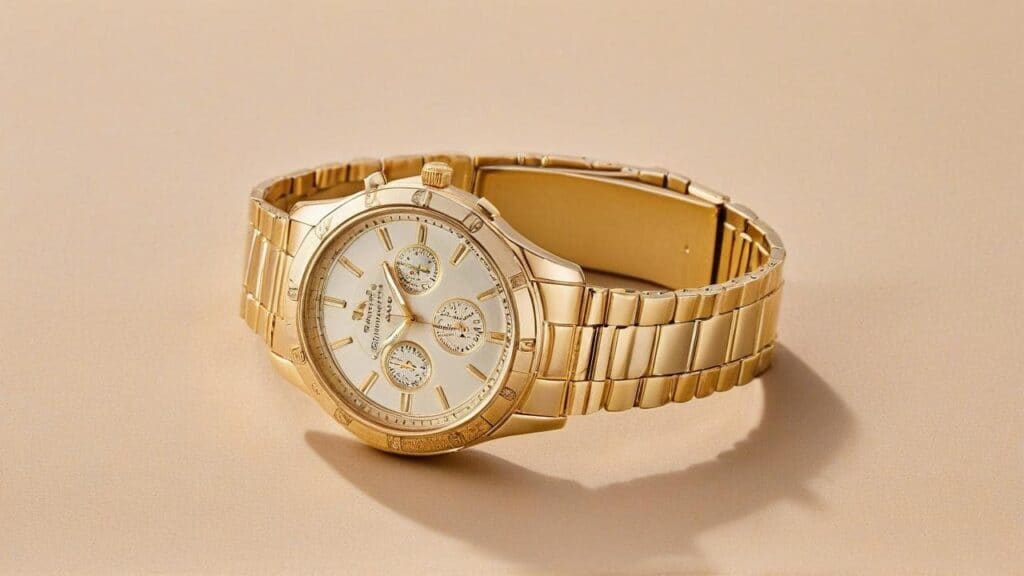
Quality product photography is essential for assessing jewelry online. The right images can tell you a lot about craftsmanship, materials, and overall appearance before you buy. Since you can’t physically examine the piece, photos become your eyes, allowing you to inspect details and visualize how the jewelry will look when worn. Learning to evaluate product images critically helps you avoid misleading representations and make better purchasing decisions.
- Multiple-angle photography provides a complete view. Quality jewelry listings include images from several angles, showing the piece from the front, sides, back, and any special features. Be cautious of listings with just one or two images, as they may be hiding flaws or misrepresenting the item.
- Close-up detail shots reveal craftsmanship quality. Look for magnified images showing prong settings, stone clarity, metal finishes, and clasp mechanisms. These details speak volumes about the overall quality and durability of the piece.
- Scale reference helps understand true size. Good product photography often includes an image showing the jewelry being worn or next to a common object for size reference. This helps prevent surprises about the actual dimensions when your purchase arrives.
- Consistent lighting across images maintains accuracy. Professional jewelry photography uses controlled lighting to show true colors and details. Be wary of listings where the metal or gemstone color appears dramatically different across images, as this may indicate color enhancement or misleading representation.
- Minimal photo editing preserves authenticity. While some editing is standard to clean up backgrounds, excessive photoshopping can misrepresent shininess, gemstone clarity, or metal color. Look for natural-looking photos that show realistic reflections and subtle details rather than overly perfect, artificial-looking images.
- Video content offers dynamic viewing. Many quality online jewelers now include short video clips that show how pieces move and how light plays off surfaces and gemstones. These can be invaluable for understanding the true appearance of items like diamonds that are valued for their brilliance and fire.
Learning to distinguish between professional product photography that accurately represents jewelry and misleading images designed to hide flaws or exaggerate beauty can significantly improve your online shopping experience. If the photos look too perfect or lack detail, request additional images before purchasing. Reputable sellers will gladly provide more visual information to help you make an informed decision. Remember that even the best photography can’t completely capture how jewelry will look in person, but comprehensive, honest imagery comes close.
Customer Service Quality in Online Jewelry Stores
How a jewelry retailer responds to inquiries before you make a purchase often indicates how they’ll handle any issues that arise afterward. Testing customer service can provide valuable insights into the company’s reliability and commitment to customer satisfaction. Taking time to interact with retailers before purchasing not only helps gather information but also establishes a relationship that can be valuable if problems occur later.
- Response time indicates service priority. Quality jewelry retailers typically respond to inquiries within 24 business hours. Longer wait times may suggest understaffing or poor organization, which could affect other aspects of your purchase experience.
- Question handling reveals expertise. Send specific questions about materials, gemstone origins, or craftsmanship details. Knowledgeable responses with precise information indicate the company understands their products. Vague answers or redirects to already-available information may suggest limited product knowledge.
- Customization willingness shows flexibility. Ask if minor modifications are possible, such as chain length adjustments or alternative gemstone options. Retailers who accommodate reasonable customization requests often take greater pride in customer satisfaction.
- Communication style reflects company values. Professional, friendly, and thorough responses typically indicate a customer-focused business. Watch for overly pushy sales tactics or dismissive attitudes, which might signal a transaction-focused rather than relationship-focused company.
- Pre-sale assistance predicts post-sale support. Quality jewelers offer guidance on sizing, material selection, and style recommendations before purchase. This consultative approach usually extends to after-sale support, including returns and warranty claims.
- Transparency about limitations demonstrates honesty. Reputable retailers acknowledge when they can’t fulfill unusual requests or answer certain questions, rather than making promises they can’t keep. This honesty typically extends to product descriptions and policies.
Your interactions with customer service before purchase provide valuable insights into the retailer’s business practices. Take the time to ask questions, even if you think you know the answers, to gauge the company’s responsiveness and knowledge. Companies that invest in quality customer service typically invest in quality products as well. Consider these interactions as an interview process – you’re evaluating whether this company deserves your business and trust with what might be a significant purchase. A retailer’s willingness to build a relationship before the sale often translates to better service throughout your ownership experience.
Safe Shipping Options for Online Jewelry Purchases
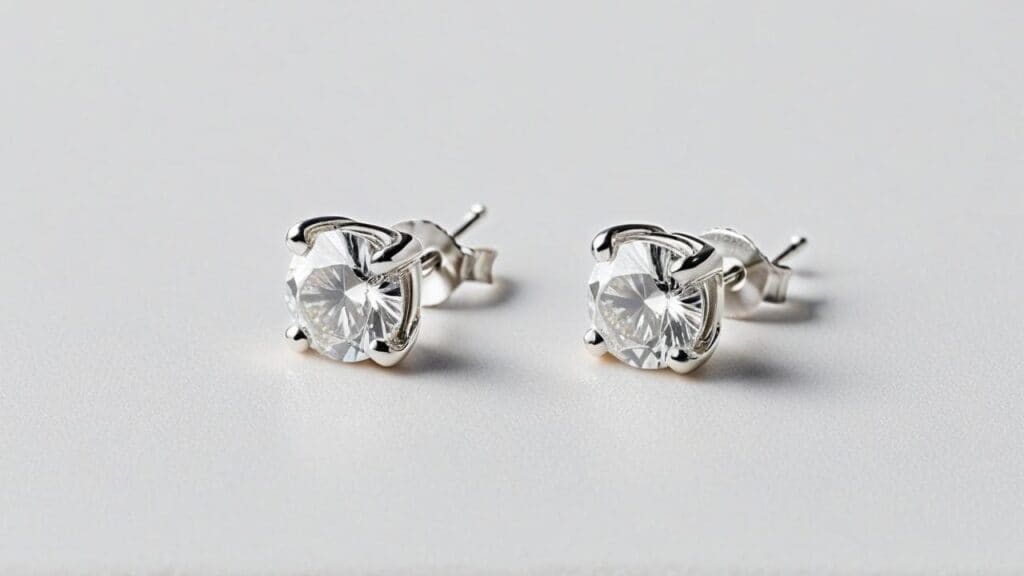
Proper shipping and insurance are crucial when purchasing valuable jewelry online. Knowing what to expect and what protections are in place helps ensure your purchase arrives safely and securely. Since jewelry items are often both valuable and relatively small, they can be targets for theft or damage during transit. Understanding how your purchase will be protected throughout its journey provides peace of mind and financial security.
- Shipping methods vary in security and speed. Reputable jewelry retailers use insured shipping methods with tracking capabilities for all orders. Premium or higher-value items should ship via signature-required delivery services that provide confirmation of receipt.
- Insurance coverage protects your investment. Quality jewelry retailers automatically insure packages for their full value. Check whether the insurance covers the entire journey or only until the package leaves the seller’s facility. Full-journey insurance provides better protection against loss or damage.
- International shipping involves additional considerations. Customs duties, taxes, and import regulations can affect delivery times and final costs. Reputable international jewelry sellers provide clear information about potential additional fees and estimated clearance times for your location.
- Packaging quality affects delivery safety. Fine jewelry should arrive in protective outer packaging that doesn’t reveal the valuable contents inside. Inside, proper jewelry boxes, padding, and secure mounting should prevent movement and damage during transit.
- Shipping timeframes should be clearly stated. Look for transparent information about processing times (how long before the item ships) and delivery timeframes. Be wary of retailers who don’t provide clear shipping timeframes, as this may indicate inventory or fulfillment issues.
- Address verification helps prevent delivery issues. Quality jewelry retailers will verify your shipping address and may require the shipping address to match your billing address for security purposes, especially for high-value purchases.
Understanding the shipping and insurance policies before purchase helps avoid surprises and delays. If shipping information seems vague or inadequate for the value of your purchase, contact the retailer for clarification. Quality jewelry deserves quality shipping protection, and reputable retailers recognize this as an essential part of the customer experience. Remember that even the most careful handling cannot eliminate all delivery risks, so proper insurance coverage is a non-negotiable component of any valuable jewelry purchase. Always verify that your item is covered throughout its journey from the seller to your door.
What to Know About Jewelry Returns and Warranties
Clear, fair return policies and comprehensive warranties are hallmarks of reputable jewelry retailers. These policies protect your purchase and demonstrate the seller’s confidence in their products. Understanding the terms and conditions for returns and warranty coverage before purchase helps you assess the total value of the transaction and your recourse if something doesn’t meet expectations or develops problems later.
- Return windows should be reasonable for proper evaluation. Quality jewelry retailers offer at least 14-30 days for returns, allowing enough time to properly inspect and try on the merchandise. Shorter return periods may not provide adequate time to assess craftsmanship and fit.
- Return conditions should be clearly stated. Understand what constitutes an acceptable return (unworn condition, original packaging, tags attached) and any specific exclusions such as custom or personalized items, which typically cannot be returned.
- Restocking fees and return shipping costs affect your total purchase risk. Some retailers charge restocking fees or require customers to pay return shipping. These fees should be clearly disclosed before purchase and should be reasonable relative to the item’s price.
- Warranty coverage varies dramatically between retailers. Quality fine jewelry often comes with warranties against manufacturing defects ranging from one year to lifetime coverage. Understand exactly what is covered (prongs, clasps, stone security) and what is excluded (normal wear, loss, theft).
- Warranty service processes should be straightforward. Look for clear instructions on how to obtain warranty service, including whether you must return the item to the original seller or can use local repair services. Quality warranties minimize customer inconvenience.
- Extended protection options may be available. Some retailers offer additional protection plans covering more than standard warranties, including accidental damage or comprehensive repair services. Evaluate whether these plans provide value based on the jewelry type and how you’ll use it.
Strong return policies and warranties indicate a retailer’s confidence in their products and commitment to customer satisfaction. Be skeptical of retailers with overly restrictive policies, as these may signal quality concerns or poor customer service. Remember that even with generous return policies, the goal should be to purchase jewelry you’ll love from the start, making returns unnecessary. However, having these safety nets in place ensures you’re protected if unexpected issues arise. Quality jewelry should provide years of enjoyment, and reputable retailers stand behind their products with policies that reflect this longevity.
How to Check Jewelry Authenticity Upon Delivery
When your jewelry arrives, taking steps to verify its authenticity and quality helps ensure you’ve received exactly what you paid for. This final verification step completes your online purchase journey and provides peace of mind that your investment is genuine. Even when purchasing from reputable retailers, a systematic inspection helps confirm that no mistakes were made and that the item matches its description in every detail.
- Careful packaging inspection reveals initial quality signals. Fine jewelry should arrive in proper branded packaging with all documentation, including certificates of authenticity, appraisals, or warranties. Missing or substandard packaging may indicate authenticity issues.
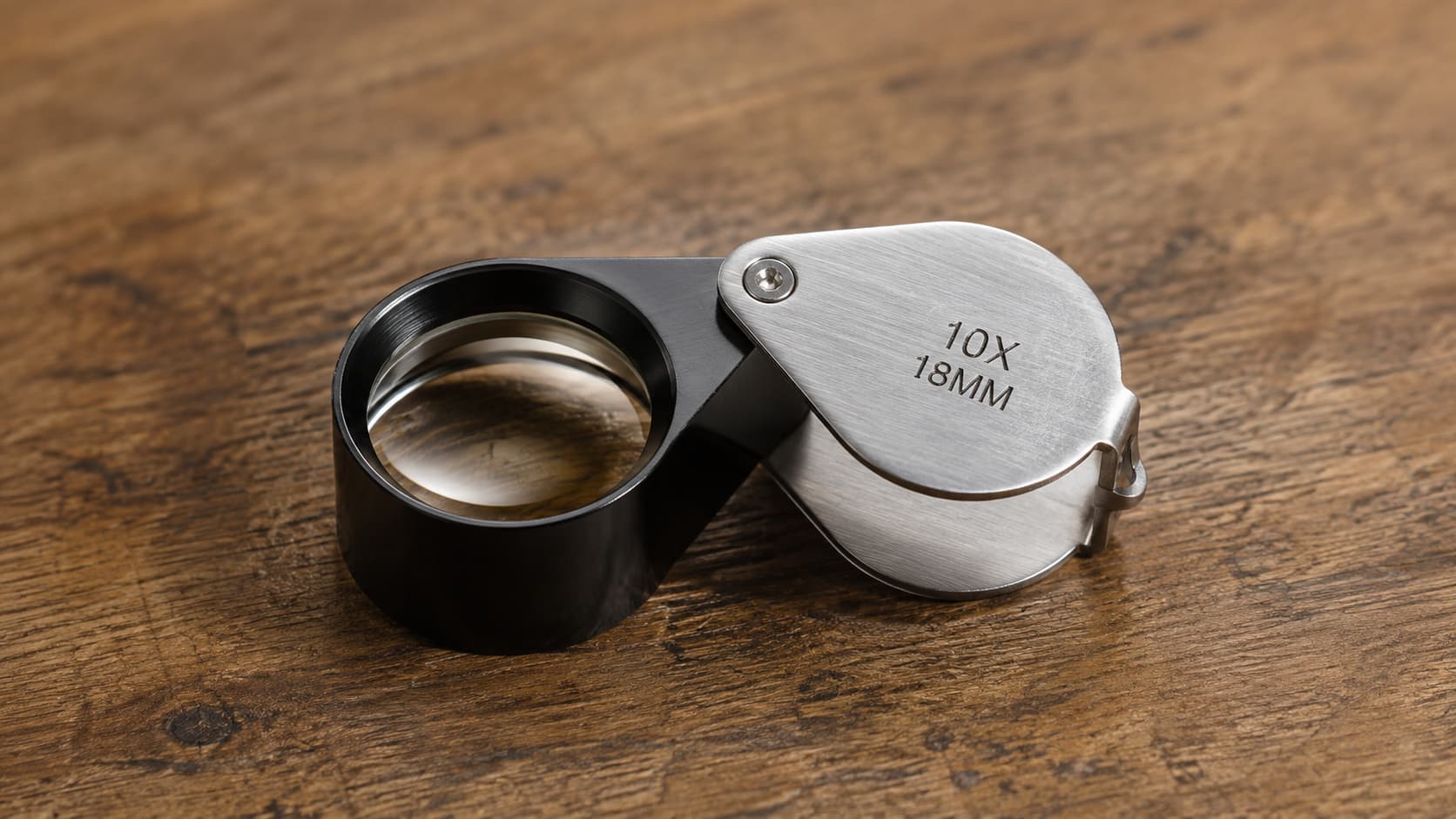
- Hallmark verification confirms metal content. Use a magnifying glass to check for appropriate hallmarks or stamps indicating metal purity (14K, 925, PT950). These marks should match what was advertised and be clearly visible, though sometimes very small.
- Weight assessment indicates material authenticity. Gold and platinum are heavy metals; if your piece feels unexpectedly light, it may indicate hollow construction or even a different metal entirely. Compare the weight to the specifications in the product description.
- Gemstone examination reveals quality and authenticity. Check that stones are secure in their settings and match the color, clarity, and cut described. For diamonds and precious gems, certificate numbers should match the accompanying documentation.
- Craftsmanship evaluation confirms quality claims. Examine soldering joints, prong evenness, polish quality, and clasp functionality. Fine jewelry should have clean, precise construction with no rough edges, uneven surfaces, or visible glue.
- Professional assessment provides definitive authentication. For significant purchases, consider having your jewelry independently appraised by a certified gemologist or jeweler. This provides documentation of value and confirmation of materials and craftsmanship.
Taking time to authenticate your purchase upon arrival protects your investment and allows for timely returns if needed. Most reputable online jewelry retailers stand behind their products and will address any discrepancies between the described and delivered items. Trust your instincts – if something doesn’t look or feel right, contact the seller immediately to resolve the issue. Remember that fine jewelry represents both emotional and financial value, making proper authentication an important final step in your online jewelry shopping journey. Documenting your authentication process with photos can also be valuable if you need to address concerns with the seller.
Conclusion
Purchasing quality jewelry online requires research, attention to detail, and some basic knowledge of jewelry materials and construction. By understanding what to look for in retailers, product descriptions, and policies, you can confidently shop for beautiful pieces that meet your expectations for quality, authenticity, and value. The time invested in learning about jewelry fundamentals pays dividends in both initial satisfaction and long-term enjoyment of your purchases.
Remember that reputable jewelry sellers prioritize transparency, provide detailed product information, offer fair policies, and stand behind their merchandise with appropriate warranties and customer service. Taking time to evaluate these factors before purchase significantly increases your chances of a positive experience. The jewelry you select often carries emotional significance beyond its monetary value, making it especially important to choose pieces that will remain beautiful and durable for years to come.
The online jewelry marketplace offers unprecedented access to styles, materials, and price points from around the world. Armed with the knowledge from this guide, you can navigate this marketplace with confidence, adding beautiful, authentic pieces to your collection while avoiding common pitfalls and disappointments. Whether shopping for yourself or selecting a meaningful gift, these principles will help ensure your online jewelry purchase brings lasting satisfaction and represents true value. Fine jewelry isn’t just an accessory – it’s an investment in beauty and craftsmanship that can bring joy for generations.