Fire has fascinated humanity since the dawn of civilization, appearing not just as a practical tool but as a powerful symbol in art, religion, and personal adornment. In jewelry, the fire element manifests through vibrant gemstones, flame-inspired designs, and meaningful symbols that connect wearers to concepts of transformation, passion, and spiritual power. This exploration of fire symbolism in jewelry reveals how this primal element continues to inspire beautiful and meaningful adornments across cultures and throughout history.
Understanding Fire Symbolism in Jewelry
Fire stands as one of the four classical elements that ancient civilizations believed formed the fundamental building blocks of existence. As jewelry evolved from practical talismans to decorative art, fire symbols became deeply integrated into designs, representing everything from divine protection to personal transformation. The dancing, ever-changing nature of flames has inspired countless jewelry artisans to capture its essence through their craft, creating pieces that convey energy, warmth, and spiritual significance.
- Fire has been considered sacred in numerous cultures, with many ancient civilizations maintaining eternal flames in temples and sacred spaces. This reverence translated into jewelry worn by religious figures and devotees, often featuring sun disks, flame motifs, and radiant patterns that symbolized divine connection.
- The dual nature of fire—both creative and destructive—gives fire-themed jewelry a complex symbolic language. A single piece might represent purification through flame, the passion of a burning heart, the enlightenment of inner light, or phoenix-like rebirth from ashes, making these pieces rich with layered meaning.
- Alchemists viewed fire as the primary agent of transformation, capable of changing base metals into gold. This concept transferred to jewelry that marked important life transitions, with fire symbols often appearing in coming-of-age gifts, wedding bands, and commemorative pieces that honored personal growth.
- Astrologically, the fire signs (Aries, Leo, Sagittarius) connect deeply with fire-themed jewelry. People born under these signs often choose flame motifs, fire-colored stones, or sun symbols to reflect their innate qualities of courage, enthusiasm, and creative energy.
Whether worn as a statement of personal power, a connection to ancient traditions, or simply for aesthetic appeal, fire element jewelry continues to captivate with its vibrant energy and rich symbolic history. Modern jewelry designs draw on these deep cultural associations while finding new ways to capture the mesmerizing qualities of flames, embers, and the transformative power of heat.
History of Fire Elements in Jewelry Design
Throughout human history, fire has occupied a central place in mythology, religion, and daily life, naturally finding its way into jewelry designs across civilizations. Ancient metalworkers themselves were considered masters of fire, their ability to transform raw materials through heat giving their creations an inherent connection to this powerful element. This section explores how different cultures incorporated fire symbolism into their jewelry traditions, creating lasting legacies that continue to influence designs today.
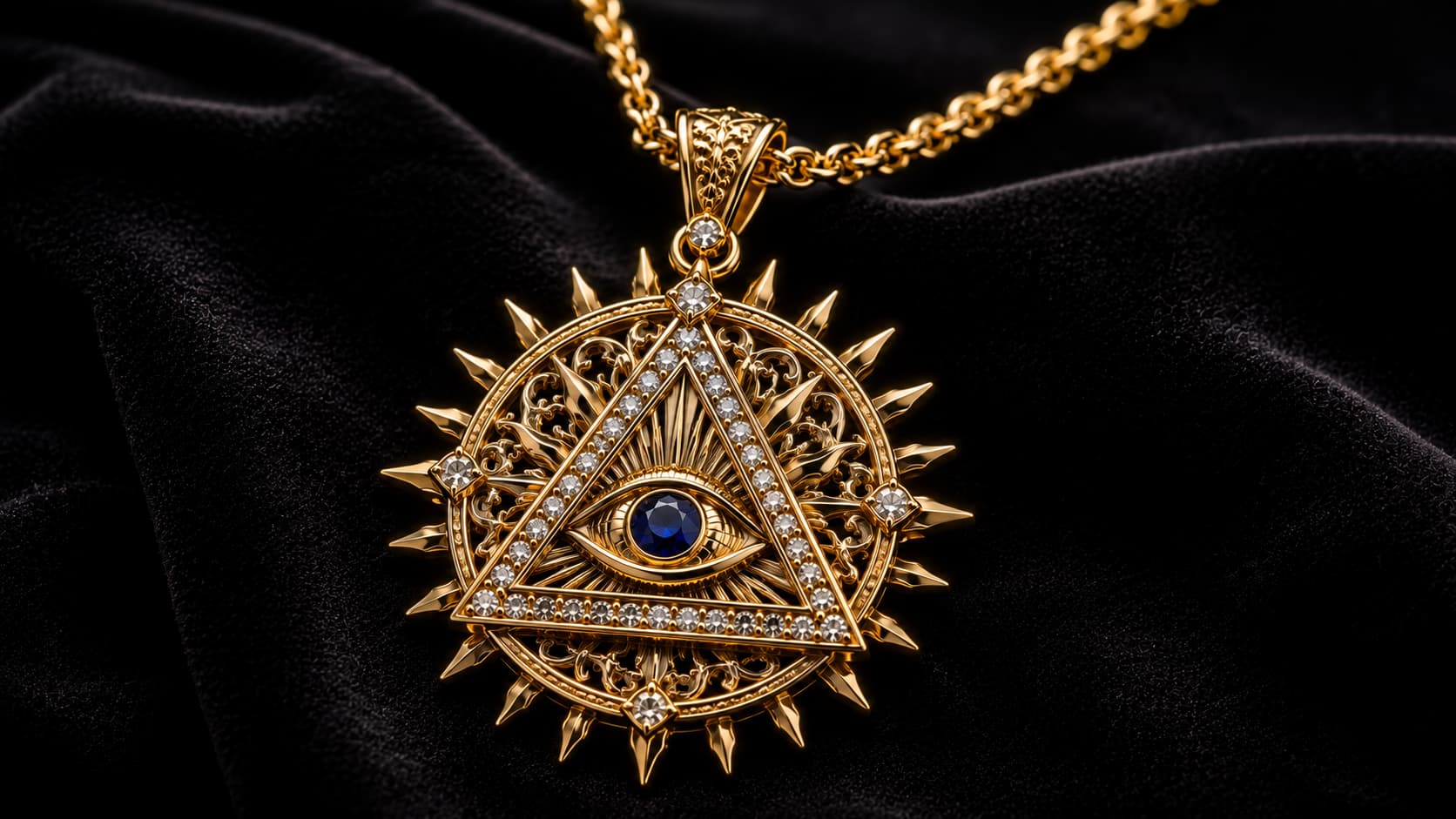
- Ancient Egyptian jewelry frequently featured the sun disk (Ra) and the Eye of Horus surrounded by radiating lines representing the sun’s rays. Gold was the metal of choice for these pieces, not only for its value but for its sun-like brilliance that symbolized divine power. Scarab amulets often incorporated fire symbolism, as the beetle was associated with the rising sun and rebirth.
- Greek and Roman cultures connected fire with gods like Hephaestus (Greek) and Vulcan (Roman), divine smiths who mastered fire for metalworking. Jewelry from these civilizations often featured torch motifs representing enlightenment, flame patterns symbolizing purification, and depictions of the phoenix, the mythical bird reborn in fire.
- In Norse mythology, fire played a central role through the fire giant Surtr and the realm of Muspelheim. Viking jewelry incorporated flame patterns, often stylized into flowing, interconnected designs that represented the transformative power of fire. Thor’s hammer (Mjölnir) pendants sometimes included fire symbolism, as lightning was seen as “sky fire.”
- Asian cultures developed their own rich traditions of fire symbolism in jewelry. Chinese designs frequently incorporated the phoenix (Fenghuang) and dragons, both creatures associated with controlling fire. Indian jewelry often depicted Agni, the god of fire, or used flame patterns in traditional pieces for weddings and religious ceremonies.
- Pre-Columbian Mesoamerican cultures created elaborate gold jewelry with solar imagery, connecting the sun’s fire to royal power. Aztec and Mayan designs frequently included depictions of their fire deities and stylized flames, often in gold or jade, materials that carried significant spiritual importance.
These historical traditions laid the groundwork for fire symbolism that continues in jewelry today. By understanding these ancient connections, we gain deeper appreciation for contemporary pieces that draw on this rich heritage of fire imagery and meaning, connecting modern wearers to traditions thousands of years old.
Common Fire Motifs in Jewelry
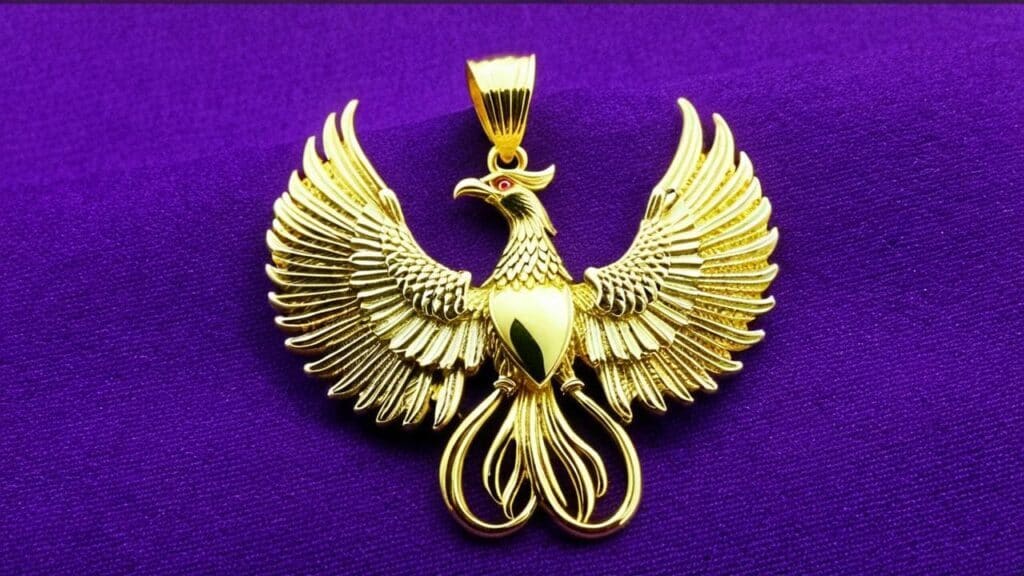
Fire symbols in jewelry range from literal flame depictions to more abstract representations of fire’s qualities. These motifs connect wearers to fire’s symbolic meanings while creating visually striking designs. Understanding these common fire symbols helps jewelry enthusiasts recognize and appreciate the intentional symbolism behind many beautiful pieces, whether antique or contemporary.
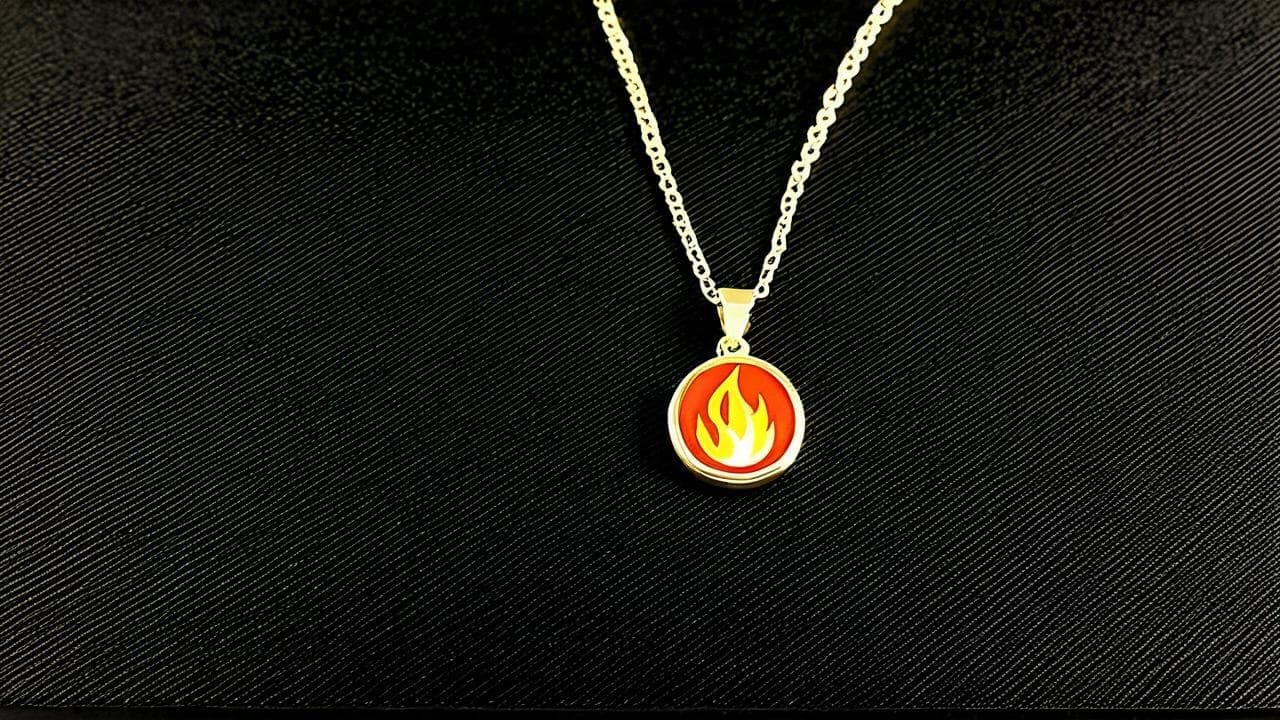
- The flame motif is perhaps the most direct representation of fire in jewelry. Designs range from realistic flickering flames in gold or silver to stylized versions that capture fire’s movement. Many designs incorporate gradients of color through gemstones or enamel work, transitioning from deep reds at the base to yellow or white at the tips to mimic natural fire’s color progression.
- The phoenix stands as one of the most powerful fire symbols across cultures. Jewelry depicting this mythical bird—consumed by fire only to be reborn from its ashes—represents transformation, renewal, and triumph over adversity. Phoenix designs often show the bird with wings spread, surrounded by flames, frequently incorporating rubies, fire opals, or citrine to enhance the fiery symbolism.
- Sun imagery serves as a universal fire symbol in jewelry, representing both literal fire in the sky and metaphorical illumination. Sun-themed pieces include radiating ray designs, solar disks, and faces within a circle of rays. Archaeological evidence shows sun symbols in jewelry dating back to the Bronze Age, with particularly notable examples from ancient Egypt, Central America, and Celtic Europe.
- Dragons and other fire-breathing creatures appear frequently in fire-themed jewelry, especially in pieces inspired by Eastern traditions. Chinese and Japanese jewelry often depicts dragons with flames curling from their mouths or surrounding their sinuous bodies. European traditions feature fire-breathing dragons in more confrontational poses, often set with red stones for eyes or breath.
- Volcanic materials and imagery form another category of fire symbolism in jewelry. Lava stone (cooled volcanic rock) appears in modern jewelry for its literal connection to earth’s inner fire. Obsidian (volcanic glass) has been used in adornments since prehistoric times. Some contemporary designers create jewelry depicting volcanoes or eruptions, using gradients of stones to represent flowing lava.
These recurring motifs demonstrate how fire symbolism transcends cultural boundaries, appearing in jewelry traditions worldwide with remarkable consistency in meaning despite variations in artistic expression. Fire symbols continue to evolve in contemporary jewelry design while maintaining their connection to ancient understandings of this powerful element.
Gemstones That Represent Fire in Jewelry
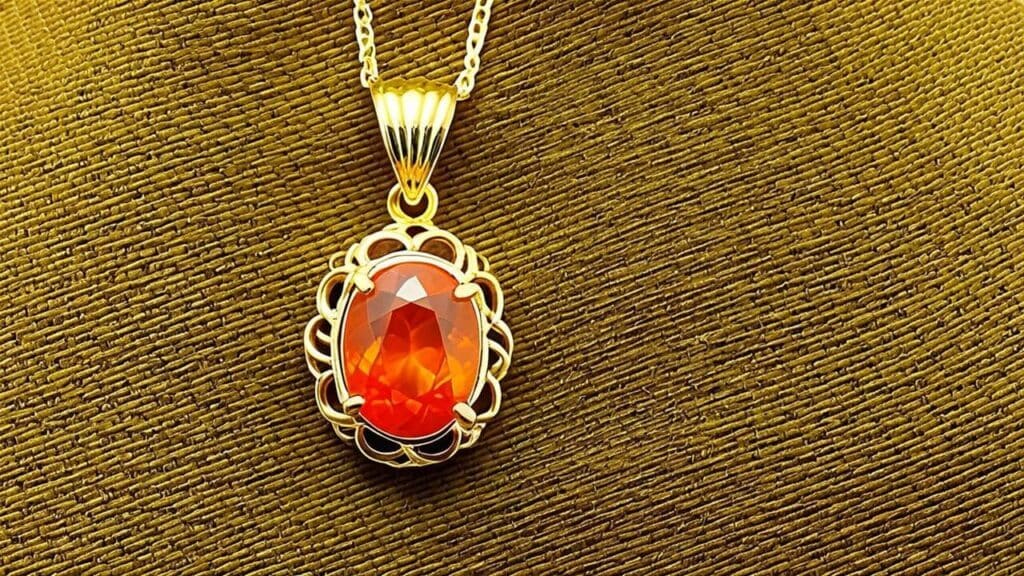
Gemstones have long been classified by their associations with the classical elements, with specific stones traditionally linked to fire through their color, optical properties, or origin. These fire-associated gems bring the element’s energy and symbolism to jewelry pieces, often becoming focal points in designs that celebrate the fire element’s transformative and energetic qualities.
- Ruby stands as the quintessential fire gemstone, with its deep red color embodying flame’s intensity. Throughout history, rubies have been connected to fire’s properties—ancient Sanskrit texts called ruby “ratnaraj” (king of precious stones) and associated it with the sun’s fire. The most prized rubies from Myanmar (formerly Burma) display a fluorescent quality, seeming to glow from within like embers.
- Fire opal lives up to its name with its exceptional play of orange, red, and yellow colors that mimic dancing flames. Found primarily in Mexico, these gems have been treasured since Aztec times, when they were called “quetzalitzlipyollitli” (stone of the bird of paradise) and associated with the fire of the sun. In jewelry, fire opals often appear as statement center stones, their warm glow enhanced by minimal settings.
- Diamonds possess “fire”—the technical term for their ability to split white light into rainbow colors. This optical property, properly called dispersion, creates flashes of color as the stone moves, resembling flames dancing within the gem. Beyond traditional diamonds, fancy orange, red, and yellow diamonds—among the rarest natural diamonds—directly connect to fire through their color.
- Carnelian and other orange to red chalcedonies have been associated with fire since ancient times. Egyptian jewelry from 4000 BCE featured carnelian amulets believed to contain the energy of the setting sun. Roman soldiers wore carnelian talismans for courage and physical power—fire-like qualities. The stone’s name derives from the Latin “carnis” meaning flesh, referring to its warm color reminiscent of glowing embers.
- Volcanic gemstones form a unique category of fire-associated stones with direct connections to Earth’s internal heat. Obsidian (volcanic glass), fire agate (a chalcedony with iridescent layers formed through volcanic activity), and Hawaiian black coral (traditionally associated with Pele, the volcano goddess) all carry the dramatic energy of volcanic fire, making them powerful symbols in fire element jewelry.
These fire-associated gemstones not only bring visual representations of flame through their color and optical properties but also carry historical and symbolic connections to fire’s transformative nature. When incorporated into jewelry, they serve as constant reminders of fire’s warmth, energy, and purifying qualities.
Metals Associated with Fire in Jewelry
Metals play a crucial role in fire element jewelry, with certain materials traditionally associated with fire through their color, working properties, or mythological connections. The choice of metal in fire-themed pieces significantly influences both aesthetic impact and symbolic meaning, creating foundations upon which fire symbolism can be built or enhanced.
- Gold has been associated with fire and the sun across numerous cultures due to its warm yellow color and untarnishing brilliance. Ancient Egyptian mythology connected gold directly to the sun god Ra, believing the metal was his flesh made solid. The metal’s resistance to corrosion symbolized eternal fire that never dies out. When used in fire-themed jewelry, high-karat yellow gold (18K-24K) with its intense color most strongly embodies fire symbology.
- Copper stands as perhaps the most direct fire metal due to its distinctly warm, reddish-orange color that resembles glowing embers. Ancient alchemists associated copper with Venus and fire, noting its excellent heat conductivity. Traditional metalsmiths observed that copper actually becomes more vibrant when exposed to heat, temporarily enhancing its fire-like appearance. In contemporary jewelry, copper often appears in flame-shaped components or as a base for enamel fire motifs.
- Bronze, an alloy of copper and tin, carries strong associations with fire due to both its color and its historical importance. The Bronze Age itself was defined by humanity’s mastery of fire to create this alloy, making bronze inherently connected to the transformative power of flame. Bronze develops a rich patina over time that can resemble the varied colors of fire, from bright orange to deep amber, making it particularly suitable for fire-themed jewelry with an antique aesthetic.
- Modern fire-associated metals include titanium and niobium, which can be anodized to create vibrant color gradients mimicking flames. These contemporary metals undergo a controlled oxidation process using electricity rather than direct heat, creating stable surface colors ranging from yellow to orange, red, purple, and blue—perfect for representing the full spectrum of fire colors in a single piece of jewelry.
- Mixed metal techniques often appear in fire-themed jewelry, utilizing contrasts between metals to represent different aspects of flame. Common combinations include copper with silver (representing fire and water elements in balance) or yellow, rose, and white gold gradients to depict the transition from a flame’s hot core to its cooler edges. These mixed metal approaches allow designers to capture fire’s dynamic, ever-changing nature.
The metals chosen for fire element jewelry contribute substantially to both its symbolic meaning and visual impact. Whether through traditional materials with ancient fire associations or modern metals with technical capabilities to mimic flame’s appearance, these foundational elements help jewelry designers create pieces that truly embody the essence of fire.
Deeper Meaning of Fire Jewelry Symbols
Fire symbols in jewelry carry rich and varied meanings across cultures and throughout history, representing transformation, rebirth, passion, desire, energy, vitality, purification, cleansing, light, and enlightenment. Understanding these deeper interpretations enhances appreciation for fire-themed pieces and helps wearers choose jewelry that resonates with their personal journey and values. Fire symbolism encompasses profound concepts that have captivated human imagination since ancient times.
- Transformation and rebirth represent perhaps the most universal meanings of fire symbols in jewelry. Fire consumes what exists and creates space for something new, mirroring personal transformation and spiritual rebirth. The phoenix rising from ashes perfectly encapsulates this concept, making phoenix jewelry particularly meaningful for those who have overcome significant challenges or reinvented themselves. Similarly, flame motifs can symbolize the burning away of the old self to reveal one’s true nature.
- Passion and desire connect strongly with fire imagery in jewelry, particularly in romantic contexts. The “burning heart” motif appears in various cultural traditions, from Victorian jewelry to contemporary designs, representing intense love and desire. Fire-colored gemstones like rubies have long been associated with romantic passion, while flame-shaped pendants given as gifts can symbolize undying affection. This association makes fire-themed jewelry particularly popular for anniversary gifts and romantic occasions.
- Energy and vitality symbolism appears in fire jewelry representing personal power, enthusiasm, and life force. Ancient warriors often wore fire symbols for strength in battle, while modern interpretations might include athletic achievements or personal drive. Fire opal jewelry with its vibrant energy particularly connects to this meaning, as do sun motifs that represent vitality and the power of creative action. These pieces often appeal to individuals with dynamic personalities or those seeking to strengthen their active qualities.
- Purification and cleansing represent fire’s spiritual significance across religious and mystical traditions. Fire has been used in purification rituals worldwide, from Native American smudging ceremonies to Hindu fire sacrifices (yajnas). Jewelry incorporating flame symbols can serve as reminders of spiritual purification and the cleansing of negative energies. These pieces often feature more stylized, controlled flame designs rather than wild or destructive fire imagery, emphasizing fire’s beneficial transformative properties.
- Light and enlightenment symbolism in fire jewelry connects to wisdom, illumination, and spiritual awakening. The flame has represented enlightenment across Buddhist, Hindu, and Western esoteric traditions, symbolizing the light of consciousness and inner knowing. Jewelry featuring candle flames, subtle gold rays, or the rising sun often carries this meaning, appealing to those on spiritual paths or seeking greater awareness. Diamonds with their exceptional “fire” particularly embody this symbolic meaning of brilliant illumination.
Fire symbolism in jewelry speaks to fundamental human experiences of change, passion, energy, purification, and illumination. By choosing fire-themed pieces with awareness of these deeper meanings, wearers can select jewelry that not only appeals aesthetically but also resonates with their personal journey, aspirations, and values.
Fire Element Jewelry in Modern Fashion
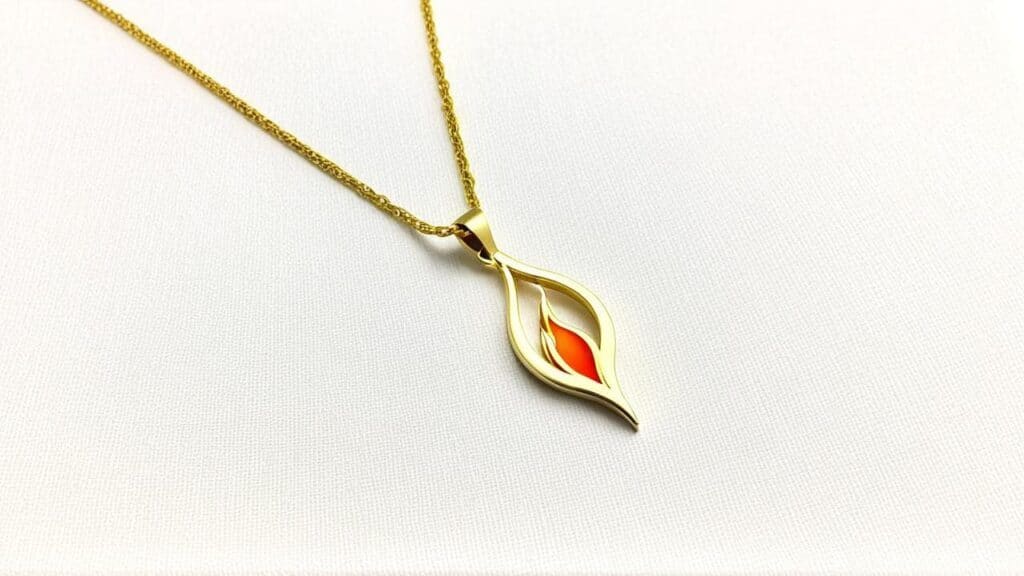
Contemporary jewelry designers have found innovative ways to interpret fire symbolism, blending traditional meanings with modern aesthetics and techniques. Today’s fire-inspired jewelry ranges from subtle nods to the element to bold statement pieces that capture flame’s dynamic energy. This section explores current trends and approaches in modern fire element jewelry design.
- Minimalist fire designs have gained popularity, featuring clean lines and simplified forms that suggest flames without literal representation. These pieces might include a single gold flame outline pendant, geometric arrangements of triangular stones in fire colors, or subtly undulating metal forms that suggest movement. The minimalist approach allows fire symbolism to integrate seamlessly with contemporary wardrobes and appeals to those who prefer understated yet meaningful jewelry.
- Abstract interpretations of fire have become a significant trend, with designers focusing on capturing the essence and energy of flames rather than their literal appearance. These designs might feature irregular arrangements of orange and red stones, metal textures that catch light in dynamic ways, or organic forms inspired by flame movement. The abstract approach invites personal interpretation and can make fire symbolism accessible even in professional or conservative environments.
- Technical innovations have expanded possibilities for fire-themed jewelry. Computer-aided design allows for complex flame patterns that would be difficult to create by hand, while advanced stone-setting techniques enable gradient arrangements of gemstones mimicking fire’s color transitions. Some designers use newer materials like titanium that can be heat-colored to create permanent flame-like patterns, or incorporate light-reactive elements that change appearance under different lighting conditions.
- Mixed-media approaches bring new dimensions to fire symbolism, with designers combining traditional jewelry materials with unconventional elements. Enamel work allows for vibrant fire colors and patterns on metal surfaces, while some adventurous designers incorporate materials like dichroic glass that naturally display fire-like color shifts. Others combine metalwork with textile elements in flame colors, creating pieces with movement that suggests flickering fire.
- Cultural fusion appears frequently in modern fire jewelry, with designers drawing inspiration from fire symbols across world traditions and combining them in new ways. A single piece might incorporate the Eastern phoenix with Western flame patterns, or blend Native American sun symbolism with contemporary materials. This cross-cultural approach creates richly meaningful pieces that acknowledge the universal significance of fire symbolism while celebrating its diverse expressions.
Modern fire-inspired jewelry balances ancient symbolism with contemporary design sensibilities, creating pieces that feel both timeless and current. Whether through subtle suggestion or bold statement, today’s fire element jewelry continues the human tradition of capturing this powerful element in wearable art that connects us to deep symbolic meanings while expressing individual style.
How to Style Flame and Fire Jewelry Pieces
Styling fire element jewelry effectively involves understanding how these dynamic pieces interact with different outfits, occasions, and other jewelry. The right approach can enhance both the visual impact and symbolic meaning of fire-themed pieces. This section provides practical guidance for incorporating fire element jewelry into your personal style with intention and flair.
- Consider color harmonies when pairing fire jewelry with clothing. Fire-colored gems and metals (reds, oranges, yellows) create different effects depending on your clothing palette. For dramatic contrast, pair fire jewelry with cool colors like blue or purple, allowing the warm tones to stand out. For a harmonious look, match with complementary warm tones like earth colors or neutrals. Black clothing creates a particularly striking backdrop for fire jewelry, allowing flame colors to appear even more vibrant.
- Balance the visual weight of fire-themed pieces with your overall look. Bold fire designs like large phoenix pendants or statement flame earrings often work best as the focal point of an outfit, paired with simpler clothing. More subtle fire elements—like a thin copper bangle or small ruby studs—can integrate with more complex outfits or layer with other jewelry. Consider both the physical size and the visual intensity of fire jewelry when creating balanced compositions.
- Match the energy of fire jewelry to appropriate occasions. Dynamic, bold fire designs naturally align with celebrations, creative events, and occasions where personal power should be highlighted. More subtle or stylized fire elements work well in professional settings where they can provide inspiration without distraction. For evening events, fire jewelry with high-polish metals or sparkly stones captures and reflects light beautifully, enhancing its dramatic effect.
- Layer fire element jewelry with pieces representing other classical elements for balanced symbolism. Traditional wisdom suggests balancing fire’s intense energy with stabilizing earth elements (represented by wood, bone, or green stones), flowing water elements (pearls, blue stones, or fluid designs), or ethereal air elements (light metals, clear stones, or open designs). This approach creates not just visual harmony but symbolic balance representing wholeness.
- Consider your personal coloring when selecting fire jewelry. Those with warm skin tones (yellow or golden undertones) often find gold and copper fire jewelry especially flattering, while those with cool skin tones (pink or blue undertones) might prefer fire symbolism in silver settings or with blue-red stones like rubies rather than orange-red fire opals. Hair color also influences choices—red hair creates striking harmony with fire colors, while dark hair provides dramatic contrast.
Fire element jewelry, with its dynamic energy and warm colors, adds vitality and meaning to any jewelry collection. By thoughtfully considering how to style these pieces in harmony with your wardrobe, coloring, and other jewelry, you can fully express the transformative, passionate symbolism of the fire element while creating visually cohesive and personally meaningful looks.
How to Care for Fire Element Jewelry
Proper care ensures fire-themed jewelry maintains its symbolic power and visual impact over time. Fire-associated materials—from gemstones to metals—often have specific maintenance requirements to preserve their flame-like qualities. This section provides practical guidance for keeping your fire element jewelry looking its best and lasting for generations.
- Fire-associated gemstones require specific care approaches based on their properties. Rubies, while durable, should be protected from hard impacts that could chip their facets and diminish their fiery appearance. Fire opals contain water within their structure and can crack if exposed to heat or dramatic temperature changes—ironically, these fire-representing gems need protection from actual fire and excessive heat. Clean these stones with mild soap and warm (not hot) water, avoiding ultrasonic cleaners that could damage more delicate fire stones.
- Volcanic materials in jewelry need special attention. Porous lava beads should never be submerged in water or cleaning solutions as they can absorb liquids and contaminants. Instead, wipe them gently with a barely damp cloth. Obsidian, though glass-like, can develop surface scratches that diminish its mysterious fire-like reflections, so store it separately from harder gems that might mar its surface. For all volcanic materials, avoid harsh chemicals that could affect their natural appearance.
- Fire-associated metals maintain their warm glow with proper care. Copper and bronze naturally develop patinas over time—some collectors prize this evolution as it creates flame-like color variations, while others prefer to maintain original brightness. To preserve brightness, store copper and bronze pieces in anti-tarnish bags and clean with specific metal polishes designed for these materials. Gold typically needs only gentle cleaning with mild soap and water to maintain its sun-like brilliance.
- Store fire element jewelry thoughtfully to preserve symbolic and aesthetic qualities. Keep pieces with prominent fire gemstones away from direct sunlight when not being worn, as extended UV exposure can fade some fire-colored stones (particularly fire opals). Use individual fabric-lined compartments to prevent fire-themed pieces with detailed metalwork from becoming scratched or tangled with other jewelry, which could damage delicate flame designs or settings.
- Consider seasonal care variations for fire jewelry. In summer months when you might perspire more, clean fire element jewelry more frequently, as body oils and salts can dull metals and potentially affect some stones. During winter, be mindful of dramatic temperature changes (like moving from heated indoors to cold outdoors) which can stress some fire gemstones. Apply lotions, perfumes, and hairsprays before putting on fire element jewelry to prevent chemical residues from affecting metals and stones.
With proper care and maintenance, fire element jewelry can continue to embody transformative energy and passionate symbolism for many years. These specialized care approaches protect not just the material value of your pieces but their deeper spiritual and symbolic significance as well, ensuring their flame continues to burn brightly as they pass from generation to generation.
Conclusion
Fire element jewelry connects us to one of nature’s most powerful and transformative forces through wearable art. From ancient amulets to contemporary designs, fire symbolism in jewelry has maintained remarkable continuity while evolving to reflect changing artistic sensibilities. The enduring appeal of fire-themed pieces speaks to how deeply this element resonates with human experience and imagination.
Whether you’re drawn to traditional fire symbols with ancient heritage or modern interpretations that reframe this element for today’s sensibilities, fire-themed jewelry offers powerful ways to express personal values, mark transformative life experiences, or simply celebrate the beauty and energy of this primal force. By understanding the rich traditions behind these pieces, you become part of an unbroken chain of human connection to fire symbolism.