Buying a vintage or pre-owned designer bag can feel like finding treasure, but the secondhand market is also where fakes hide the best. Counterfeiters have gotten so good that a bag can look almost perfect in photos and still be a copy made in a factory that has nothing to do with the real brand. Checking a handful of details — the serial number, the stitching, the zipper, the hardware, and the leather itself — is what separates a confident purchase from an expensive guess, whether the bag is coming from a stranger online, a vintage shop, or a resale platform.
Why Counterfeit Bags Have Gotten So Convincing
Fakes are harder to catch today because counterfeiters copy real factory techniques, not just the logo. Years ago, a fake bag usually had sloppy stitching, cheap plastic hardware, or a logo that was obviously wrong. Today’s best counterfeits, sometimes called “super fakes,” use similar leather grades, matching stitch counts, and hardware stamped with the right brand name. No single detail proves a bag is real. Authentication works like a checklist, where several small clues are weighed together, and even one or two that don’t add up become a warning sign.
Counterfeiters also copy real serial numbers straight off of authentic bags, since a correct-looking code is easy to reproduce once someone has photographed a genuine one. That’s part of why experienced authenticators always weigh a code alongside the stitching, hardware, and materials rather than treating it as a stand-alone pass-or-fail test. Each check functions like a single witness giving testimony — one witness being wrong doesn’t prove a case, but several small inconsistencies pointing the same direction usually does.
Check the Serial Number or Date Code First
The quickest first check is the code hidden inside the bag, because each brand stamps its bags differently and counterfeiters often get the format wrong. Most designer houses place some kind of identifying code inside the bag, though its location and appearance change from brand to brand.
- Louis Vuitton stamps a date code on a small leather tag, usually inside a pocket or under a flap, and the format has changed several times. Bags made before the early 1980s have no code at all. From the mid-1980s the code was three or four numbers followed by two letters for the factory. From 1990 to 2006 it flipped to two letters followed by four numbers, where the first and third digits show the month and the second and fourth show the year. From 2007 onward the same two-letters-plus-four-numbers format switched to showing the production week instead of the month. Since March 2021, Louis Vuitton has moved to an internal microchip in newer pieces instead of a visible code.
- Gucci stamps two rows of numbers into a small leather tab inside the bag, usually near the interior zip pocket, with the numbers visible on the underside once the tab is lifted. The top row is typically a six-digit style number, and the second row is a supplier or batch number, both purely numeric with no letters. Bags from before the 1990s often carry no serial tag at all, so their authenticity leans more on materials and construction. Since 2016, Gucci has also added QR codes on a small fabric tag for many bags, and genuine bags include a white “controllato” quality-check card rather than a plastic authenticity card.
- Chanel used sticker-style serial numbers starting in the mid-1980s, usually found on the inside lining or on a small leather tab. Chanel serial numbers are numeric, and a number running longer than eight digits is a serious red flag. Chanel has since moved toward microchip authentication on newer bags as well.
- Saint Laurent uses a 12-digit number split by a single dot on vintage pieces, while newer bags start with three letters followed by six digits, a dot, and four more digits.
A missing serial number isn’t automatic proof of a fake — some very old or limited pieces never had one — but a code that’s smudged, unevenly spaced, or doesn’t match the format the brand actually used for that era is a strong warning sign.
Because formats change over time, matching the code’s style to the bag’s supposed production period matters more than simply confirming a code exists. For Louis Vuitton specifically, the letters in the date code should also match the “Made in [Country]” stamp elsewhere on the bag, since the two are meant to point to the same country — a mismatch is one of the clearest signs of a fake.
Check the Interior Lining and Tag
A tag glued flat against the lining instead of sewn into a seam is one of the fastest ways to catch a fake, since genuine bags build the tag into the construction rather than sticking it on afterward. The edge of the leather tag holding the serial number or logo stamp should feel like part of the seam, with visible stitching anchoring it in place. A tag that lifts easily, shows glue residue peeking out from underneath, or sits crookedly instead of flush and straight suggests it was added on top of an already-finished bag rather than built in during manufacturing.
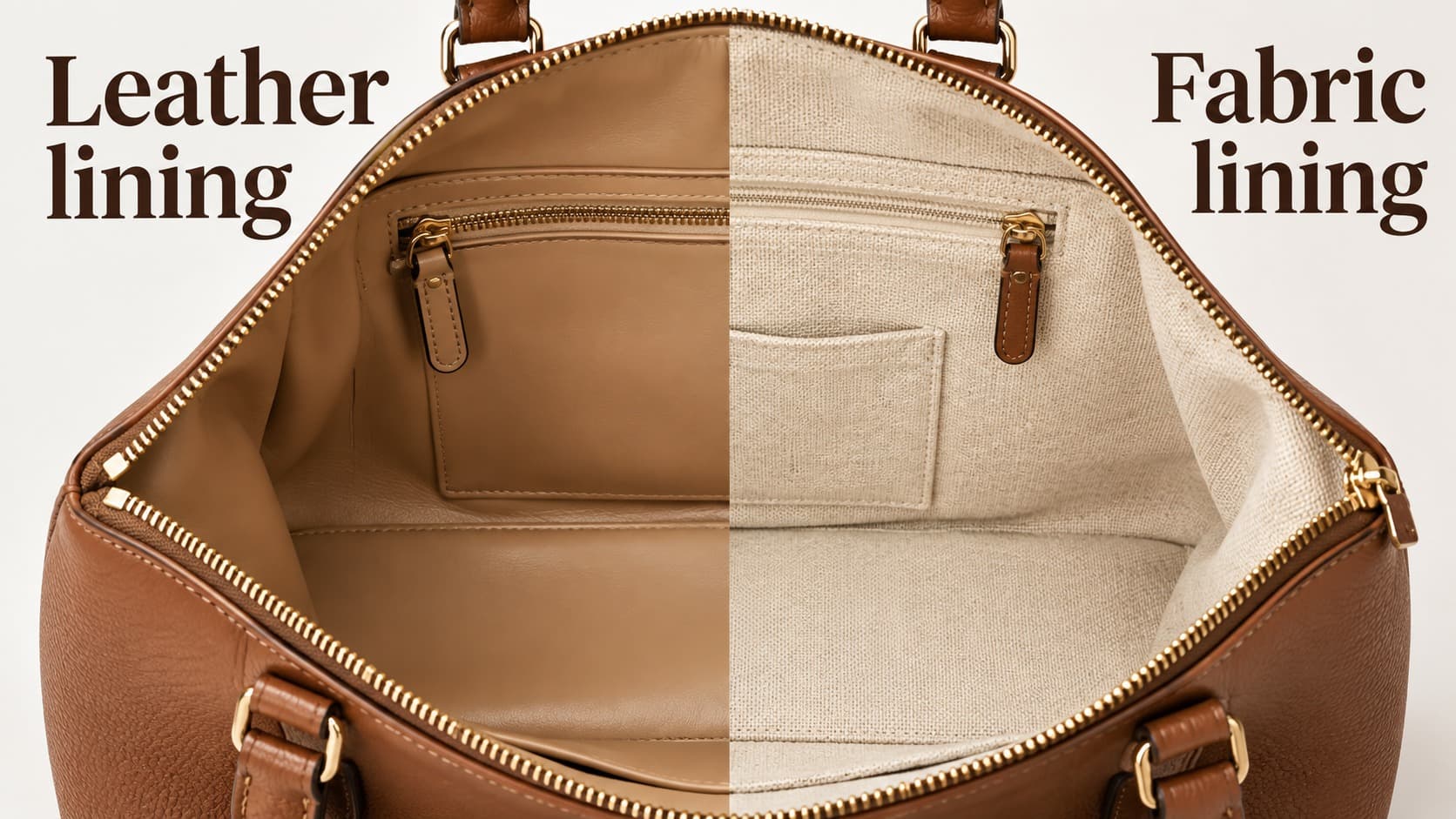
The lining fabric itself is worth close attention too. Most luxury brands use a specific lining material and pattern for a given collection — often a branded jacquard, microfiber suede, or matching leather — and that pattern should match verified photos of the same model and era. Loose threads, a lining already fraying at the seams on a barely-used bag, or fabric that feels thin and slippery rather than sturdy all point to corner-cutting. A lining pattern, color, or texture that doesn’t match what the brand actually used for that specific model and production period deserves the same suspicion as a mismatched serial number.
Check the Stitching Quality
Real designer bags almost always have straight, even, tightly spaced stitching, while fakes tend to show slightly uneven gaps or loose threads once examined closely. A long seam, such as the one along the bottom or the sides, reveals the most. On an authentic bag, the stitches stay a consistent length and evenly spaced from one end to the other, almost like a machine-perfect line. Stitches that get wider or narrower partway through a seam, thread that’s already fraying after only a few months or years, or stitching that skips or crosses itself all point toward a lower-quality copy.
Comparing stitch density against a known genuine reference photo helps too, since many brands use a fairly consistent stitch count per inch across a given bag style. This is one detail that remains genuinely difficult for counterfeiters to nail exactly, since it requires the same machines and trained workers the real factory uses.
Thread quality matters as much as the stitching pattern. Authentic bags typically use a strong, slightly waxed thread that holds its color and resists fraying even after years of use, while cheaper counterfeits often use a thinner, duller thread that starts fuzzing at the ends within months. The best modern fakes have closed much of this gap, though, so stitching works best as one strong clue among several rather than the single deciding factor.
Check the Zippers and Hardware
Cheap or unbranded zippers are one of the easiest ways to catch a fake, because true luxury handbags use only a small handful of zipper makers.
| Zipper Brand | Known For | Common on Brands |
|---|---|---|
| Riri | Swiss-made, most expensive, flat sleek pull | Hermès, Bottega Veneta, Fendi |
| Lampo | Italian-made since the late 1800s, polished shine | Prada, Chanel, Dior |
| YKK Excella | Japanese-made premium line, rounded teeth | Louis Vuitton, Gucci, Burberry |
Genuine zipper pulls carry a crisp, clearly engraved logo — no blurred lettering, misspellings like an extra letter, or uneven font sizes — and the zipper glides smoothly without catching. The rest of the hardware should show clasps, rings, and feet that are heavy for their size, evenly colored, and free of the yellowish or overly shiny look that cheap plating often has. Real hardware tends to develop a soft, even patina over years of use rather than flaking or discoloring in blotches.
Check the Logo and Pattern Alignment
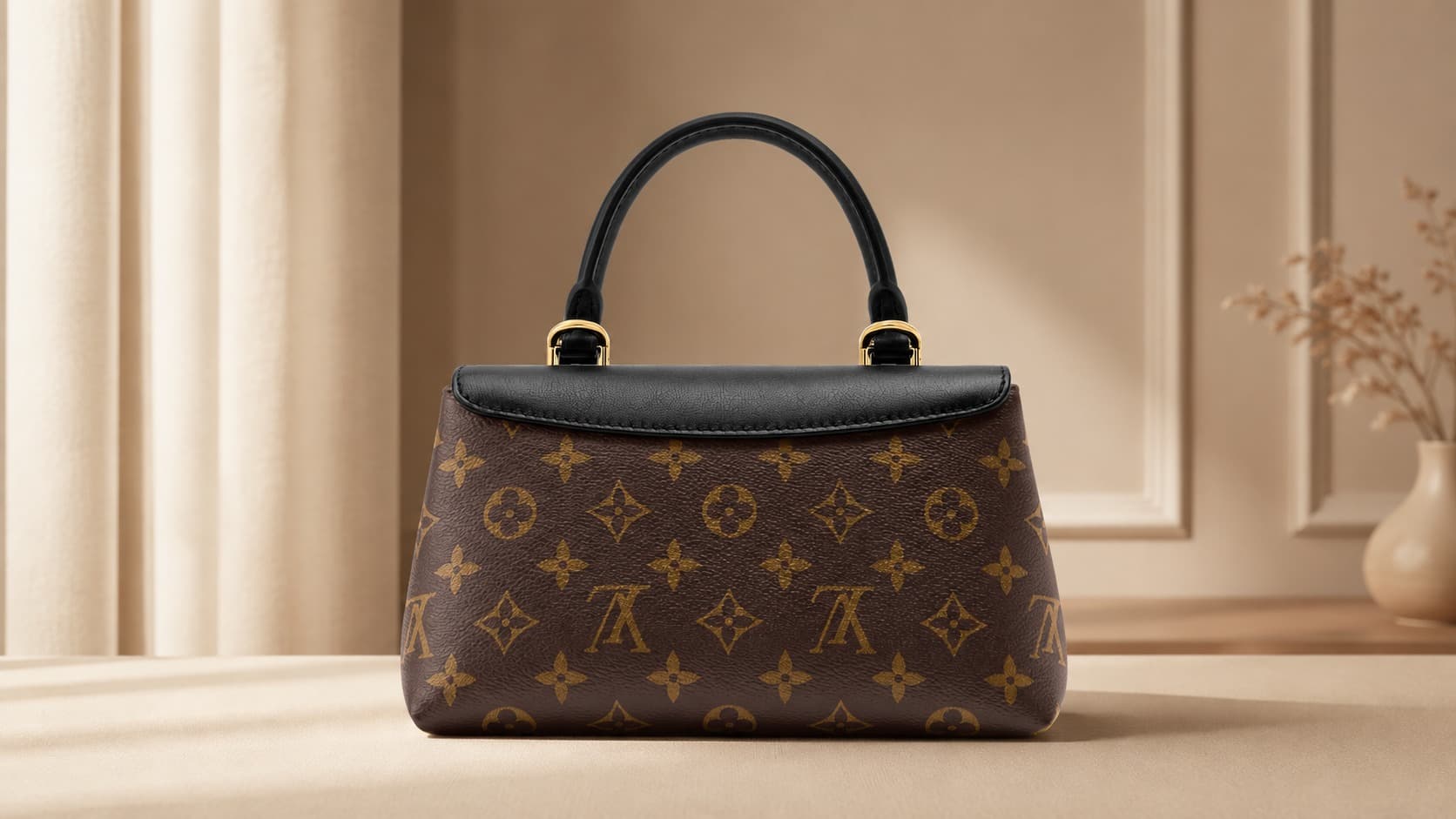
A logo font that looks slightly different from official brand images, or a monogram pattern that doesn’t line up across a seam, ranks among the fastest tells of a fake. Brands like Louis Vuitton design their canvas so the monogram pattern matches up perfectly at the seams, including on pockets and gussets — a result of extra fabric and careful cutting that counterfeiters often skip to save money. The spacing, thickness, and shape of letters in an engraved or embossed logo can be checked against verified photos from the brand’s own website or a trusted resale platform’s listing photos of the same model.
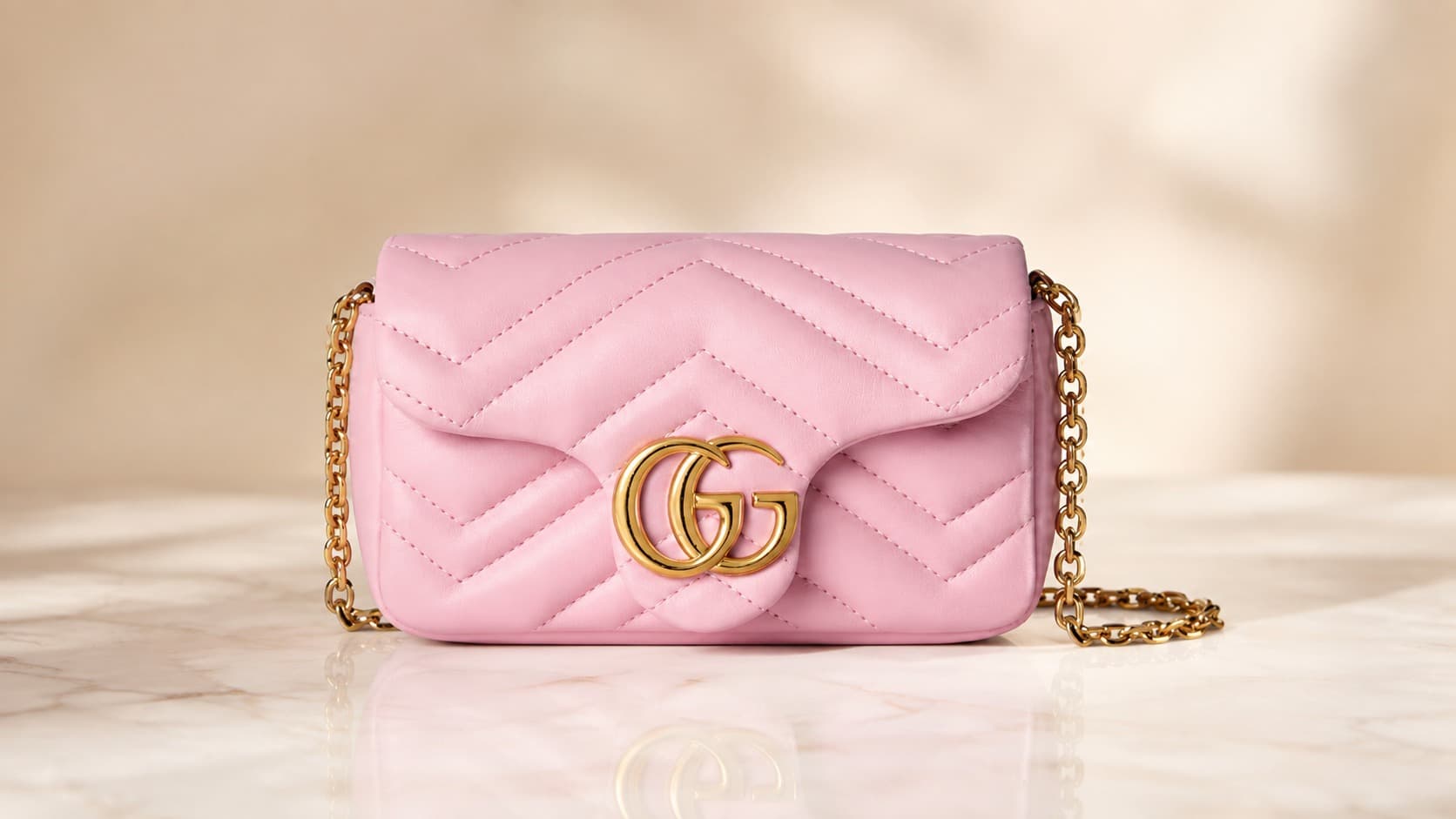
A few brand-specific letter shapes are worth knowing because they’re surprisingly hard to fake precisely. On genuine Gucci pieces, the “G” is round enough that its curve would form a complete circle if extended, and the two sides of the “U” are slightly different thicknesses, with one noticeably wider than the other. On Louis Vuitton canvas, the monogram flowers and quatrefoils stay centered and are never cut off awkwardly at a seam. These small design habits reflect real engraving tools and molds that took the brand years to perfect, which is why a logo that looks “close enough” but slightly off in these specific ways carries real weight as a red flag.
Feel and Smell the Leather
Genuine leather ages by developing a soft patina, gentle creasing, and a warm, slightly earthy smell, while fake leather often stays stiff, shiny, or plasticky and can smell chemical. Real leather also carries natural texture variation, since the grain isn’t perfectly uniform across the whole bag — a sign it came from an actual animal hide rather than a mold. Leather that feels cold and slick like vinyl, carries a strong plastic or glue smell, or looks identical in texture from corner to corner is likely a synthetic substitute rather than the real thing.
The painted edges of the leather, where two panels meet, deserve a close look as well. On a well-made genuine bag, this edge paint goes on in thin, even coats and looks smooth and glossy without visible brush marks, gaps, or chipping, even after years of wear. Cheaper bags often skip this step or apply the paint in a single thick, uneven layer that starts flaking or peeling away within a year or two. It’s a small detail, but because it takes real time and skill to execute well, it tends to separate genuine construction from a rushed copy fairly reliably.
When to Use Professional Authentication
A professional or AI-assisted authentication service becomes worth the cost once the price of the bag is high enough that a mistake would genuinely sting, and confidence is still lacking after a physical check. Services in this space typically work one of two ways: trained human experts who compare a bag against known reference pieces, or AI-driven tools like Entrupy, which use a handheld device to capture microscopic images of the leather grain, stitching, and hardware, then compare them against a large database of verified authentic and counterfeit items. These AI tools report accuracy rates in the high 90s percent range and usually return a result within minutes to about a day, though they work best alongside a physical inspection rather than replacing one, since even sophisticated systems occasionally flag a genuine item as “unverified” simply because it doesn’t closely match their existing data.
These services aren’t affiliated with the luxury brands themselves. Entrupy, for example, is an independent company, not part of Louis Vuitton, Chanel, or any other house, so a passing result functions as a strong statistical opinion rather than an official brand guarantee. Many resale platforms and pawn shops now build this kind of check into their process automatically, and buyers dealing with individual sellers can usually request an independent authentication before completing a purchase.
Checklist of Fake Bag Warning Signs
Warning signs tend to show up together rather than alone.
- A price dramatically lower than what the same model sells for elsewhere in similar condition.
- A serial number or date code that’s missing, smudged, or doesn’t match the format used during that era.
- Stitching that’s uneven, loose, or already fraying on a “barely used” bag.
- Hardware or zippers with no brand markings, or markings that are misspelled or blurry.
- A seller unwilling to provide clear, close-up photos of the interior tag, stitching, and hardware.
- A strong chemical or plastic smell instead of the warm scent of real leather.
Frequently Asked Questions
Can a bag be real even without a serial number?
Yes, in some cases. Certain vintage pieces, limited editions, and older styles from before some brands adopted date codes may not have one, and a handful of luxury houses never used serial numbers at all. A missing code should be treated as one clue among several rather than automatic proof of a fake.
Are AI authentication apps as reliable as a human expert?
AI tools like Entrupy report very high accuracy rates and can catch microscopic details a person might miss, but they aren’t perfect and can occasionally return an “unverified” result on a genuine item. Many resale businesses now combine AI scanning with a trained human’s physical inspection for the most reliable outcome.
Does a certificate of authenticity guarantee the bag is real?
Not on its own. Well-made counterfeit “authenticity cards” have become common enough that experts warn against relying on paperwork alone, especially when it comes from an unofficial or unverifiable source rather than the brand itself or a reputable authentication service.
Why do fakes often use the wrong zippers?
High-end zipper brands like Riri can cost far more than a standard zipper, sometimes many times the price, making them expensive for counterfeiters to source in bulk. That’s why unbranded, misspelled, or clearly cheap zippers remain one of the more reliable tells, even on otherwise convincing fakes.
What’s the single most important thing to check first?
No single detail proves authenticity by itself, but the serial number or date code is usually the fastest starting point, since a wrong format immediately narrows things down before stitching or hardware even need inspecting.
Conclusion
Authenticating a vintage or pre-owned designer bag comes down to checking several small details together instead of trusting a single feature. The serial number or date code establishes whether the basic identity checks out, the stitching and zippers reveal whether real factory-level craftsmanship went into the piece, and the leather itself shows whether the material is genuine or a synthetic stand-in. No individual clue is airtight on its own, but a bag that passes all of these checks — paired with a seller willing to share clear, close-up photos of each one — offers a genuinely solid basis for trust.