A designer handbag can cost as much as a used car, which is exactly why so many people try to copy them. Counterfeiters have gotten so good at their craft that some fake bags can fool even people who work in fashion for a living. A fake almost always leaves clues behind, though, and knowing where to look makes most of them easy to spot within a few minutes.
| What to Check | Usually True of a Genuine Bag | Common Sign of a Fake |
|---|---|---|
| Stitching | Straight, tight, even spacing | Wobbly lines, loose threads, visible gaps |
| Hardware | Heavy, cold to the touch, crisp engraving | Light, plasticky feel, blurry or shallow engraving |
| Logo | Exact spacing, consistent letter shapes | Slightly off spacing, wrong font weight |
| Material | Natural texture, slight imperfections, leather smell | Too smooth, stiff or sticky, chemical smell |
| Weight | Feels solid and holds its shape on its own | Feels hollow or sags when empty |
| Interior code | Matches brand’s known format and placement | Missing, wrong font, or in the wrong spot |
Check the Stitching First
Real designer bags have stitching that is straight, even, and tight, with no loose threads or skipped stitches. Counterfeiters often rush this part or use cheaper machines, so their stitching tends to wobble slightly or have gaps that are noticeable to the touch.
The seams where two pieces of leather meet are the best place to start, especially around the handles and corners, since these spots get the most stress and are the hardest to fake well. Stitch count matters too: luxury brands usually use a consistent, tight stitch count per inch that cheap factories struggle to match, and comparing against an official photo of the same bag makes any difference obvious. The underside of a seam is worth a look as well, since a rushed counterfeit often looks fine on top but messy underneath.
A good rule of thumb: if the stitching looks like it was done in a hurry, the whole bag probably was too.
Where the thread starts and ends matters as well. Genuine workshops finish a seam by tucking the thread ends neatly out of sight, while counterfeit production lines often leave a small visible knot or a snipped thread poking out, since that extra finishing step takes time counterfeiters aren’t willing to spend. A known-authentic bag from the same brand, or even a similar one, makes a useful side-by-side reference, since uneven stitching is far easier to catch next to a real example than from memory alone.
Look Closely at the Hardware
Genuine hardware, meaning the zippers, clasps, and buckles, feels heavy, cold to the touch like real metal, and has crisp, clean engravings. Fakes often use lightweight metal or plastic underneath a thin metal coating, so the hardware feels hollow or plasticky and the engraved logos look shallow or blurry.
Zippers are one of the easiest tells because major brands work with specific zipper makers, and the brand name is usually stamped right onto the zipper pull itself in a clean, readable font. A real zipper glides smoothly, while a fake one tends to catch, stick, or feel gritty when pulled up and down. Every piece of metal on a bag should also match, including the tiny rivets and studs, since a mismatched or slightly different shade of gold or silver between pieces is a common giveaway.
A simple trick many people overlook is a gentle magnet test on hardware that’s supposed to be solid brass, gold-tone, or silver-tone metal, since these metals aren’t magnetic, while some cheap base metals used in fakes show a faint pull. It isn’t a perfect test on its own, since plenty of genuine hardware is plated over a non-magnetic base too, but a strong magnetic reaction on a piece marketed as solid metal is worth treating as a red flag alongside everything else.
Compare the Logo and Typography
A brand’s logo and any lettering on the bag should match the official design exactly, down to the spacing between letters and the thickness of each line. Counterfeiters frequently get the general shape right but stumble on small details like letter spacing, font weight, or the exact curve of a letter.
A clear, official photo of the same bag style from the brand’s own website or a trusted authentication resource makes a useful comparison point when placed side by side with the bag in question. Centering, letter spacing, and the smoothness of any decorative stitching around the logo are the details worth the closest attention. Even a millimeter of difference in letter spacing can be the clue that separates a genuine bag from a very convincing copy.
Examine the Leather and Materials
Real leather has a natural texture, a distinct smell, and slight imperfections that make each piece look and feel a little different from the next. Fake leather, or leather-like plastic, often looks too smooth and uniform, feels stiff or sticky, and can smell like chemicals or rubber instead of natural hide.
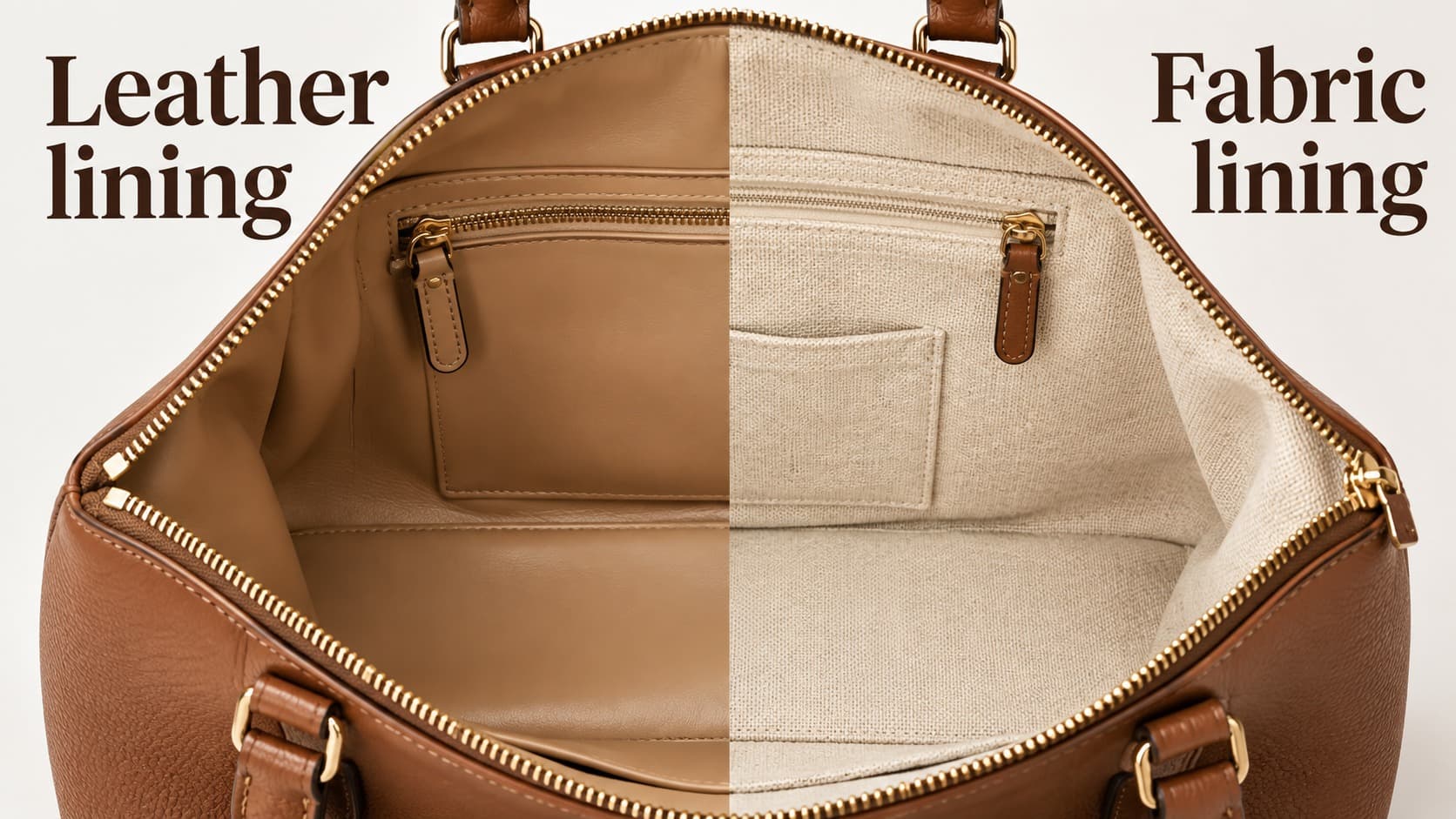
A light fingernail press into a hidden part of the material is a common way to test this: genuine leather often shows a light indentation that slowly fades, while cheap synthetic material tends to stay stiff or bounce back instantly like plastic. The material should also feel the same in every spot on the bag, since a counterfeiter might use real leather for the outer panels that get touched most but switch to a cheaper material for the lining or less visible parts. Smell matters more than people expect too, since natural leather has a warm, earthy scent that manufactured plastic simply can’t copy.
The edges of the leather, where the raw edge is usually painted or sealed to keep it from fraying, are another giveaway. On a genuine bag this edge paint is smooth, glossy, and applied in one even coat, while on a fake it’s often thicker, uneven, or already starting to crack and peel even on a bag that’s supposedly brand new. Edge painting is a slow, careful hand process, which makes it one of the details counterfeit workshops are most likely to rush or skip corners on.
Check the Date Code, Serial Number, or Microchip
Most major handbag brands stamp a date code or serial number somewhere inside the bag, and newer bags from several brands now include a small microchip or QR-style tag that can be scanned. This code is meant to identify the exact factory and batch a bag came from, and it should follow a format specific to that brand and time period.
Counterfeiters have learned to copy fake serial numbers too, so a code being present doesn’t automatically prove a bag is real. What matters more is whether the format, placement, and stamping style of that code match verified examples from the same brand and era, information that a brand’s customer service or a professional authentication service can usually confirm. A missing code where a brand always places one, or a code stamped in a strange font or location, is a strong warning sign on its own.
Checking a Bag’s Weight
A genuine designer bag usually feels noticeably heavier than a cheap copy because of the quality of the leather, the metal hardware, and the internal structure holding everything together. Fakes often feel oddly light or hollow, since manufacturers cut costs by using thinner materials and less internal reinforcement.
Comparing two bags of the same model, even roughly, can reveal a lot, since counterfeiters rarely match the exact weight of the original down to the ounce. A genuine bag also tends to hold its shape on its own when empty and standing upright, rather than collapsing or sagging, because quality brands build structure into the base and sides.
Does Price Reveal a Fake Bag?
A price dramatically lower than retail is one of the biggest red flags, but a price close to retail doesn’t guarantee authenticity either. Counterfeiters have learned that pricing a fake near the real retail value makes buyers let their guard down.
Legitimate discounts do exist through consignment stores, estate sales, and reputable resale platforms, so a lower price alone isn’t proof of a fake. Price works best as one clue among several rather than the deciding factor, particularly with private sellers who can’t explain where a bag came from or won’t answer basic questions about its history.
Seller behavior often reveals almost as much as the bag itself:
- A vague backstory such as “gift, no receipt, need it gone today” instead of a clear purchase history
- Reluctance to send extra close-up photos of stitching, hardware, and interior stamps
- Pressure to pay quickly, in cash, or through a payment method with no buyer protection
- Stock photos instead of real photos of the actual item being sold
- No return policy at all, especially for a high-value item
Packaging Doesn’t Prove Authenticity
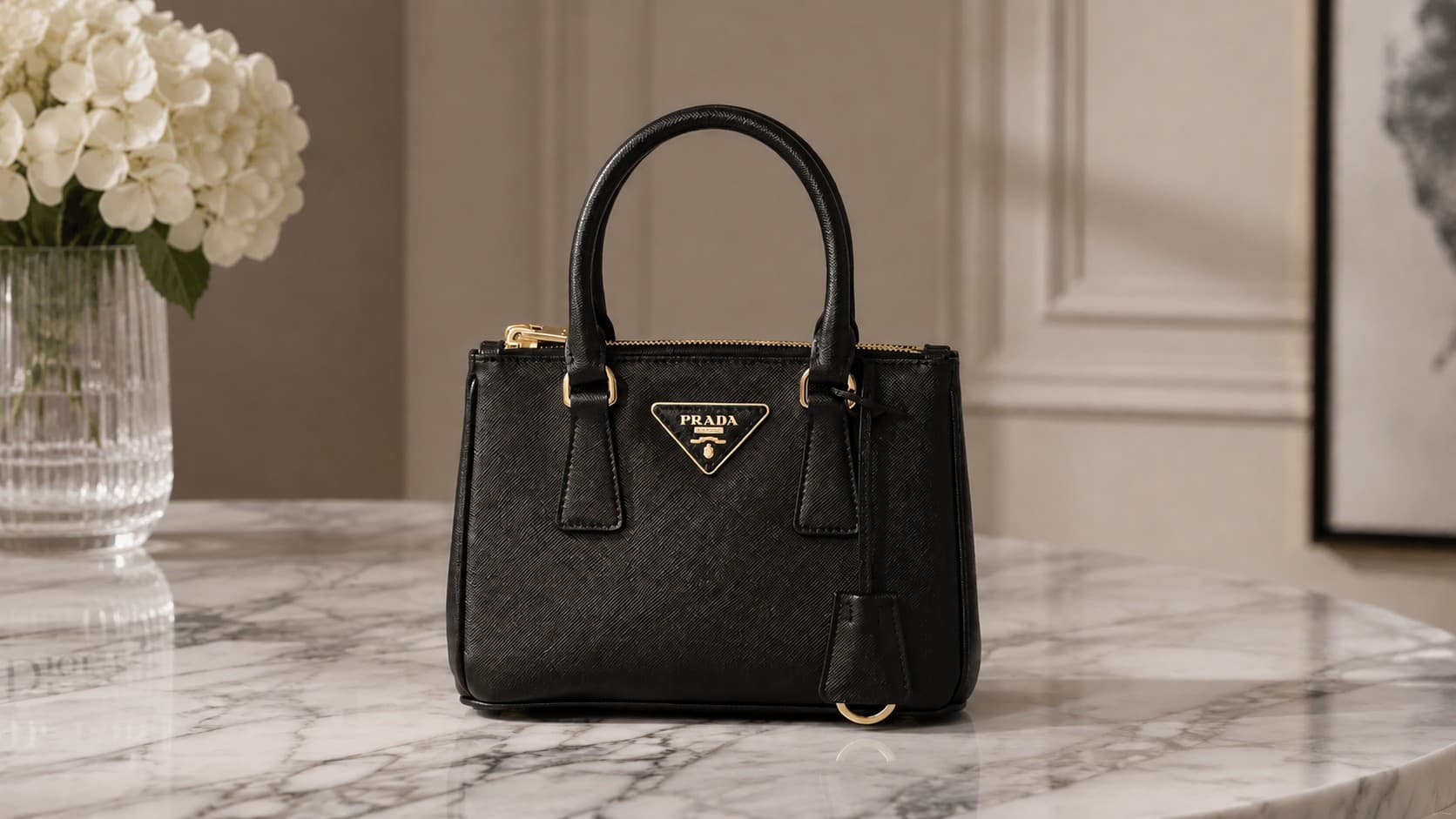
A matching box, dust bag, and authenticity card feel reassuring, but none of them actually prove the bag inside is real. These items are cheap to produce on their own, so counterfeiters mass-produce convincing packaging separately from the bag itself, and secondhand sellers can also pair a fake bag with genuine leftover packaging from an unrelated real purchase.
An authenticity card is especially misleading because it sounds official but is really just a printed card a brand includes with every bag, real or not, if a counterfeiter bothers to copy it. Even a receipt can be faked, or can belong to a completely different, genuine item than the one actually being sold. Packaging isn’t entirely worthless: a full, well-matched set is a nice sign of a careful seller and can help with resale value later. It simply shouldn’t be the deciding factor, since a bag needs to be judged on its own physical details first.
Buying From Trusted Sources
The most reliable way to avoid a counterfeit is buying from the brand directly, an authorized retailer, or a reseller with a strong reputation and a real authentication process. These sources stake their business on getting it right, which gives them far less reason to risk selling a fake.
For secondhand purchases, close-up photos of the interior stamps, hardware engravings, and stitching are worth requesting before committing to anything. A trustworthy seller tends to provide this information readily, while vagueness or evasiveness in response to a request for detailed photos is useful information in itself. Many resale platforms now also offer professional authentication as part of a purchase, worth paying a small fee for on any high-value bag.
When to Get a Professional Opinion
Some counterfeits, often called superfakes, are made with such precision that they fool the untrained eye even after every check above. When a bag is expensive enough that being wrong would genuinely hurt, paying a professional authenticator to examine it in person or through detailed photos is a reasonable step before buying.
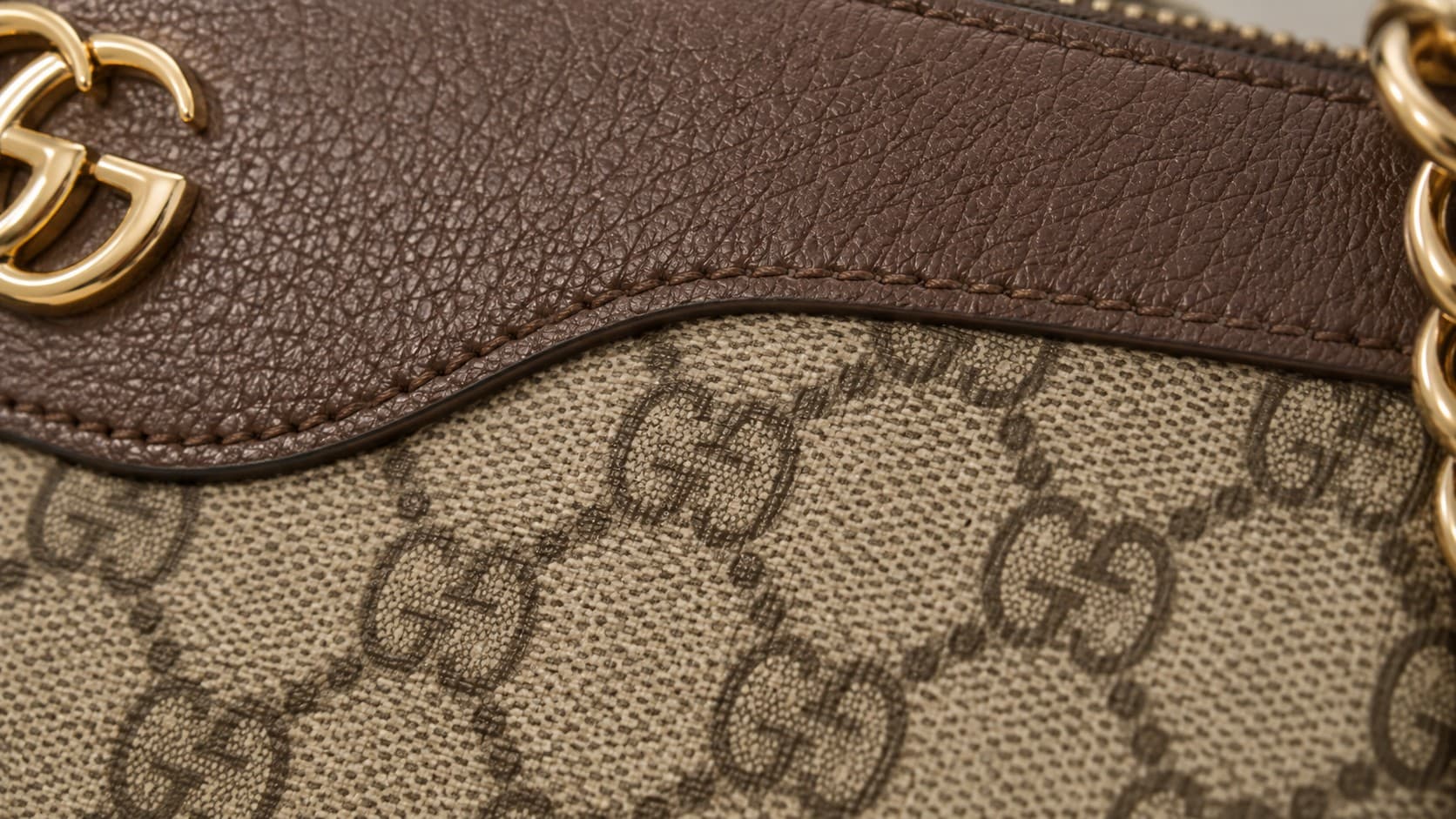
Professional authenticators look at details most people wouldn’t think to check, including the exact thread type used, the precise alignment of pattern repeats on materials like monogram canvas, and subtle variations in hardware casting that change slightly from year to year. The cost of authentication typically falls far short of the bag’s own value, which makes it a reasonable investment whenever real doubt exists.
A growing number of resale platforms and consignment stores now use AI-based authentication services that photograph a bag’s surface under high magnification and compare those microscopic images against a large database of known authentic and counterfeit pieces, rather than relying only on a human eye. These services are especially useful for catching top-tier fakes made in the same factories and materials as the real thing, since a machine comparing thousands of tiny data points can notice inconsistencies a person would easily miss. They aren’t officially affiliated with the luxury brands themselves, but many resale marketplaces now accept their certificates as a standard part of buying and selling secondhand.
Frequently Asked Questions
Can a fake bag have a real serial number or date code?
Sophisticated counterfeiters sometimes copy real serial number formats or stamp fake codes that look convincing at a glance. A serial number alone should never be treated as final proof of authenticity; it needs to be checked alongside stitching, hardware, materials, and other details.
Do all designer bags have date codes or serial numbers?
Most major luxury brands include some form of date code or serial number, but the exact format, placement, and style have changed over the decades and differ from brand to brand. Some newer releases also use microchips or scannable tags instead of, or in addition to, a traditional stamped code.
Is it safe to buy a designer bag from a resale app?
It can be, especially when a platform offers professional authentication as part of the sale, though safety depends heavily on the specific platform and seller. Buyer protection policies, return options, and clear photos are worth checking for before completing a purchase from an individual seller.
Why do fake bags sometimes feel almost identical to real ones?
The best counterfeiters, sometimes called superfakes, use high-quality materials and skilled labor to get remarkably close to the original, which is why no single check is ever completely foolproof on its own. This is exactly why experts recommend combining several checks, like stitching, hardware, and material quality, rather than relying on just one detail.
What should someone do if they already bought a bag and suspect it’s fake?
Comparing the bag against verified photos and details from the brand or a trusted authentication resource is a reasonable first step, followed by professional authentication if doubt remains. A retailer or platform with a return policy may allow a return once documentation shows the item doesn’t match the genuine product.
Conclusion
Spotting a counterfeit designer bag comes down to slowing down and checking the details that counterfeiters tend to rush: the stitching, the weight and feel of the hardware, the exact shape of the logo, the texture of the material, and the presence and format of any date code or serial number. No single check is a guarantee on its own, but running through several of them together builds a genuinely reliable picture of what’s actually being held. When a bag is expensive enough that a mistake would really sting, buying from a trusted source or paying for a professional authentication check is worth the peace of mind.