The two World Wars of the 20th century didn’t just reshape nations and redraw boundaries—they fundamentally transformed the jewelry industry in ways that continue to influence designs today. These global conflicts created material shortages, shifted cultural values, and sparked innovative approaches to jewelry making that might never have emerged in peacetime. From the repurposing of precious metals for military needs to the rise of symbolic pieces that commemorated loved ones serving overseas, jewelry during wartime took on new meanings and forms that tell a fascinating story of human adaptation and creativity under pressure.
How Wars Changed Jewelry Forever
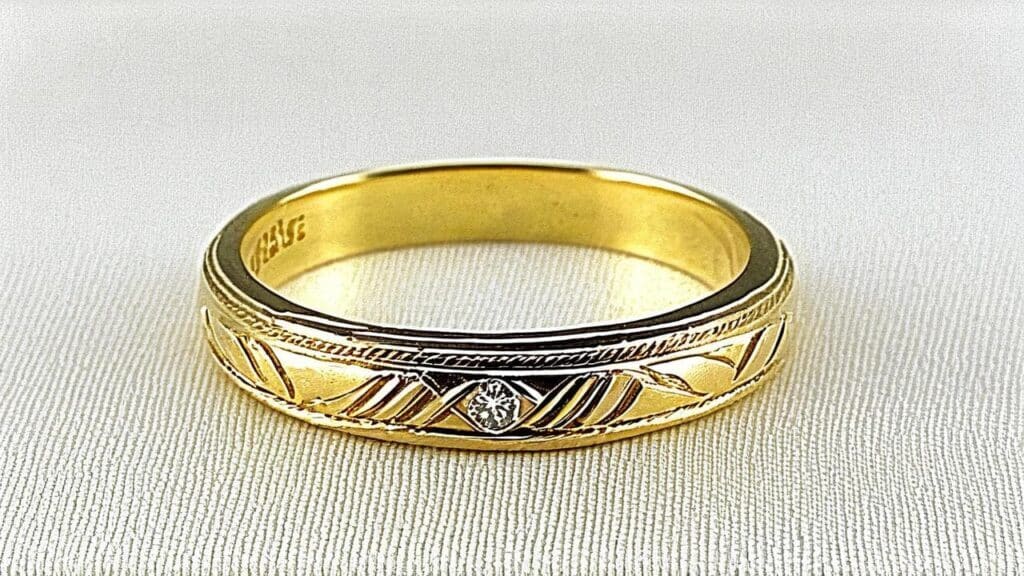
The history of jewelry is intrinsically linked to the social, economic, and political climate of its time. Few events had more dramatic impact on jewelry design and production than World Wars I and II. These global conflicts disrupted supply chains, created material shortages, and shifted cultural values—all of which forced radical changes in how jewelry was made, what it was made from, and what it symbolized. The transformation wasn’t merely temporary; many wartime innovations and aesthetic shifts permanently altered jewelry design, creating enduring styles and techniques that remain influential today.
By examining how jewelry adapted during these turbulent periods, we gain insight into not just the resourcefulness of artisans and manufacturers, but also how personal adornment serves deeper human needs for comfort, connection, and expression during times of crisis.
World War I’s Impact on Jewelry
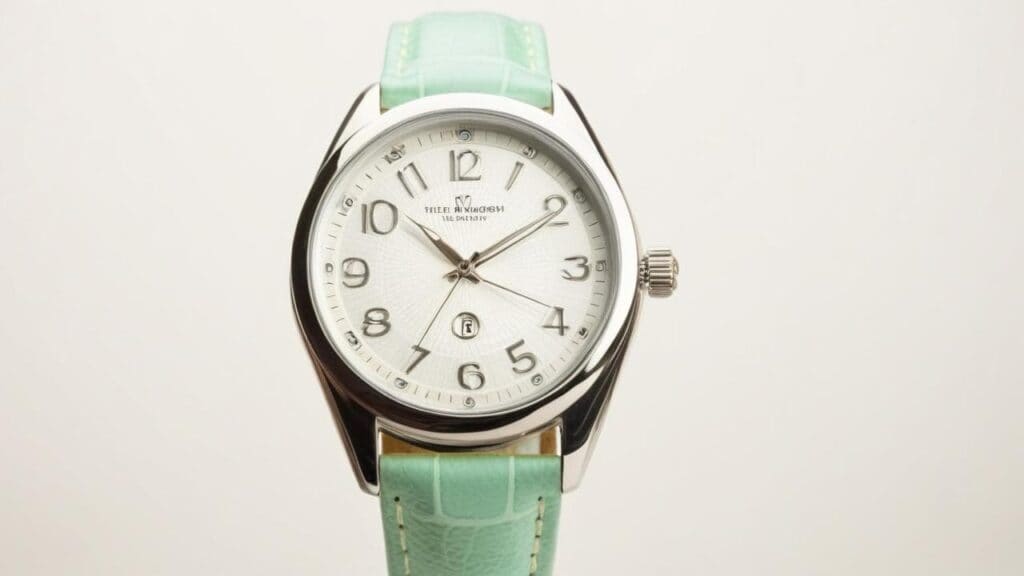
The outbreak of World War I in 1914 marked a seismic shift in jewelry production and design, abruptly ending the lavish Edwardian and Belle Époque eras with their emphasis on opulence and intricate craftsmanship. As nations mobilized for total war, the jewelry industry faced unprecedented challenges that would transform it permanently.
- Platinum became virtually unavailable for civilian use as governments redirected this strategic metal for military applications, particularly in weapons production and communications equipment. This shortage led to the development and popularization of white gold as an alternative, a material that remains a jewelry staple today.
- Gold supplies were severely restricted as nations needed their reserves to finance the war effort. This scarcity led jewelers to work with thinner gold and develop innovative techniques to maximize the appearance of smaller amounts of precious metals.
- Design aesthetics shifted dramatically toward simpler, less ornate styles. The elaborate, diamond-encrusted pieces of the pre-war period suddenly seemed inappropriate amid the suffering and austerity of wartime. This shift laid groundwork for the geometric, streamlined designs that would define Art Deco.
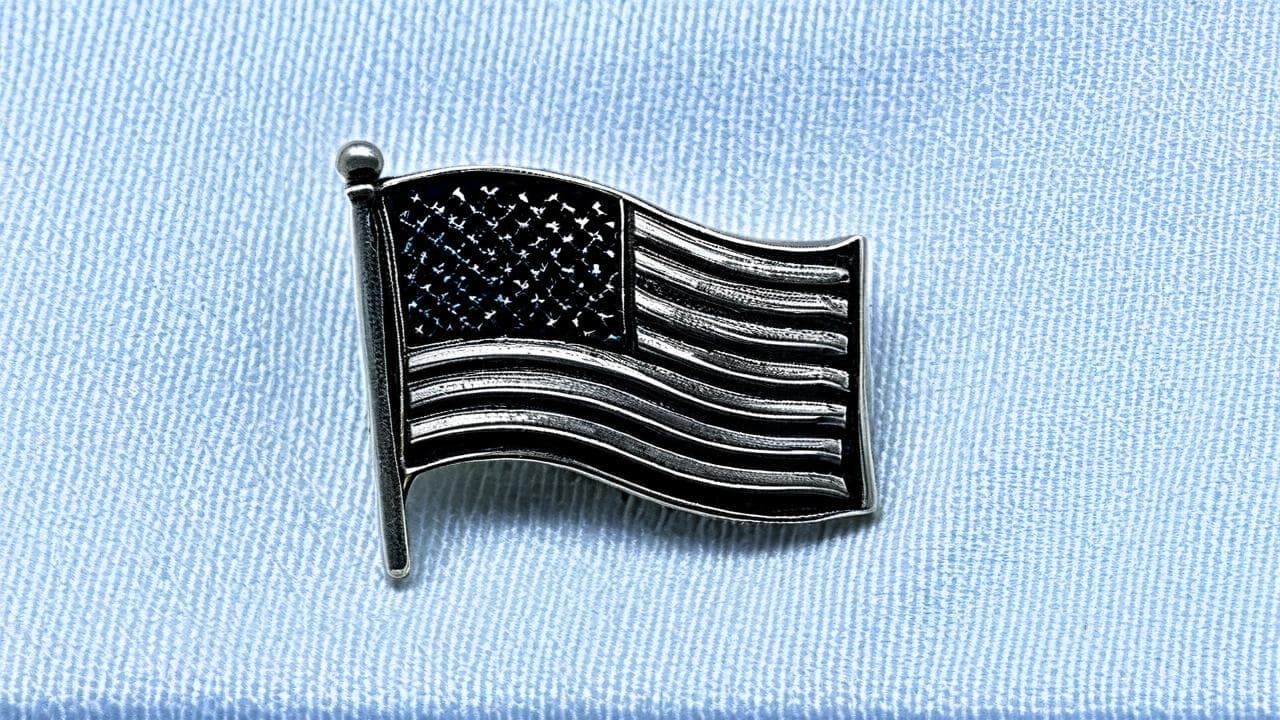
- Patriotic jewelry became immensely popular, with brooches, pins, and pendants featuring national symbols allowing citizens to display their support for the war effort. Flag designs, military insignias, and patriotic color combinations appeared in everything from expensive fine jewelry to affordable costume pieces.
- “Sweetheart jewelry” emerged as a significant category, with soldiers giving gifts to loved ones before deployment. These pieces often incorporated military insignias, service branches, or sentimental messages, creating lasting keepsakes during uncertain times.
- Mourning jewelry experienced a revival as casualties mounted. Black materials like jet, onyx, and black enamel were incorporated into memorial pieces that honored fallen soldiers, continuing Victorian traditions but with wartime symbolism.
- “Trench art” created an entirely new jewelry category, with soldiers crafting pieces from battlefield materials including spent shell casings, aircraft parts, and coins. These handmade items often featured engraved designs commemorating battles or expressing longing for home.
The jewelry industry that emerged from World War I was fundamentally different from what had existed before. Materials, techniques, and aesthetics had all transformed in response to wartime constraints. Most importantly, jewelry had taken on deeper symbolic importance as people sought tangible connections to loved ones serving overseas and ways to express patriotic sentiment. These changes weren’t merely temporary adaptations but the beginning of new approaches to jewelry that would continue developing through the interwar period and beyond.
Jewelry Between the Wars
The two decades between the World Wars represented a fascinating transition period in jewelry design, reflecting both the trauma of the recent conflict and society’s determination to embrace modernity and new freedoms. This era saw jewelry evolve from wartime austerity to bold experimentation, laying groundwork for styles that remain influential today.
- Art Deco emerged as the dominant jewelry style, directly influenced by WWI experiences. The style’s geometric patterns, clean lines, and emphasis on symmetry represented a deliberate break from the naturalistic designs of previous eras, reflecting a society eager to embrace rationality and modernity after the chaos of war.
- Women’s changing social roles dramatically influenced jewelry design. As women entered the workforce in unprecedented numbers during WWI and maintained many of these gains afterward, jewelry became more practical and suited to active lifestyles, with shorter necklaces, smaller earrings, and wristwatch popularity soaring.
- The discovery of King Tutankhamun’s tomb in 1922 sparked an “Egyptomania” trend in jewelry, with scarabs, hieroglyphics, and pyramid motifs appearing in fashionable pieces. This archaeological discovery provided fresh inspiration for jewelers seeking new design directions in the post-war period.
- Costume jewelry gained legitimate fashion status during this period, pioneered by designers like Coco Chanel who mixed authentic gems with glass imitations. This democratization of jewelry was partly born from wartime material shortages that had normalized the use of alternative materials.
- New industrial capabilities developed during the war enabled mass production techniques for jewelry, making decorative pieces more affordable for the growing middle class. Improved manufacturing methods allowed for precise replication of intricate designs at lower costs.
- Platinum gradually returned to jewelry making as military restrictions eased, though its use remained more judicious than in pre-war designs. The metal was often combined with white gold in ways that maximized its visual impact while using less material.
- Innovative gem cuts like the emerald cut and baguette cut gained popularity, their clean geometric shapes perfectly complementing Art Deco aesthetics while also making efficient use of stone material—a lingering influence of wartime resource consciousness.
- Cocktail rings and statement pieces emerged as Prohibition-era rebellion symbols, with oversized, colorful designs that celebrated the exuberance of speakeasies and the defiance of social restrictions.
The interwar period represented a unique moment when jewelry reflected both the trauma of the past and the hope for a different future. The industry had recovered from wartime restrictions but remained transformed by those experiences. The designs created during this period were not merely transitional but established important precedents for modern jewelry, emphasizing clean lines, geometric precision, and the creative use of mixed materials that would influence designers for generations to come.
World War II’s Impact on Jewelry
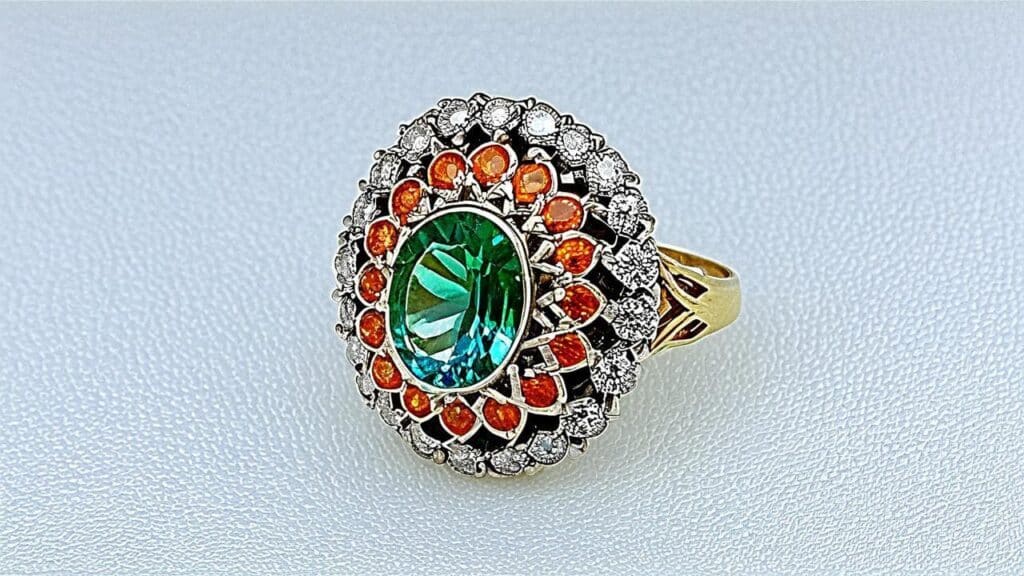
World War II’s impact on jewelry was even more profound than that of WWI, as the conflict’s global scale created unprecedented material shortages and manufacturing restrictions. From 1939 to 1945, the jewelry industry underwent radical adaptations that would permanently alter its trajectory and create distinctive styles we can still identify today.
- Government regulations directly controlled jewelry production in unprecedented ways. In the United States, the War Production Board’s L-136 order in 1942 restricted gold use to 10% of pre-war levels and completely prohibited platinum in non-military applications, forcing jewelers to fundamentally rethink their craft.
- Sterling silver became the predominant precious metal for jewelry during the war years, though even this was subject to rationing. This necessity elevated silver’s status from a secondary metal to a primary material for fine jewelry design.
- Synthetic stones and glass gained new legitimacy as diamond and gemstone imports were disrupted by naval blockades and the occupation of mining regions. Techniques for creating convincing simulated stones advanced considerably during this period.
- Repurposed materials became commonplace, with jewelers melting down existing pieces to create new ones. Families often contributed heirloom jewelry to be transformed into more contemporary designs, preserving sentimental value while creating styles aligned with wartime aesthetics.
- Patriotic themes dominated jewelry design, with red, white, and blue color schemes and military motifs appearing prominently. Service pins indicating family members in the military became essential accessories, worn with genuine pride.
- The “sweetheart jewelry” tradition expanded dramatically, with specialized designs for each military branch. These pieces often incorporated service emblems or miniature military insignia and were produced in unprecedented quantities as millions of service members sought mementos for loved ones.
- Bakelite and other early plastics gained widespread acceptance in jewelry making, not merely as gem substitutes but as design elements in their own right. The colorful, lightweight materials allowed for bold, oversized designs despite material restrictions.
- Hollywood-influenced “cocktail jewelry” remained popular despite wartime restrictions, though pieces became less elaborate. These bold designs offered psychological escape from wartime austerity and maintained civilians’ connection to glamour and normalcy.
- Industrial innovations developed for the war effort, including improved alloys and new bonding techniques, were adapted for jewelry manufacturing, particularly in mass-produced military insignia and identification bracelets.
World War II’s extreme material restrictions might have devastated the jewelry industry, but instead they sparked remarkable creativity and innovation. Jewelers learned to create beauty from limited resources, establishing new aesthetic values that prioritized design over intrinsic material worth. When the war ended, these lessons weren’t forgotten but incorporated into post-war jewelry design, creating a foundation for the modern understanding of jewelry as an art form where creativity and craftsmanship could be valued independently from the cost of raw materials.
How Jewelry Flourished After World War II
The end of World War II in 1945 unleashed a remarkable renaissance in jewelry design and production. With restrictions lifted and prosperity gradually returning, the industry experienced a creative explosion that combined traditional techniques with wartime innovations, creating a distinctive post-war aesthetic that celebrated both luxury and new technical possibilities.
- The late 1940s and 1950s saw a deliberate return to femininity and luxury in jewelry design, directly contrasting with wartime austerity. Voluminous, flowing designs with nature motifs symbolized freedom from both material restrictions and the psychological burden of war.
- Diamonds surged in popularity, supported by De Beers’ famous “A Diamond is Forever” campaign launched in 1947. This marketing masterpiece tapped into post-war desires for permanence and security after years of uncertainty, permanently linking diamonds with engagement and commitment.
- Gold returned to prominence with the lifting of restrictions, but with new applications of techniques developed during wartime. Textured gold, hammered finishes, and woven gold designs reflected both the exuberance of peace and the technical innovations born of necessity.
- Colored gemstones became increasingly important as new global trade relationships opened access to materials from previously unavailable sources. Unusual stones like tanzanite and tsavorite garnets began appearing in fine jewelry, expanding the traditional palette.
- Asymmetrical and abstract designs gained acceptance, influenced by contemporary art movements that had flourished in wartime exile communities. This represented a significant departure from the symmetrical precision that had dominated pre-war jewelry.
- Costume jewelry reached new heights of acceptability and artistic merit under designers like Miriam Haskell and Elsa Schiaparelli, who elevated non-precious materials through extraordinary craftsmanship. This continued the wartime legacy of valuing design over material cost.
- Mechanical innovations developed for wartime production transformed manufacturing processes, allowing for more complex fabrication techniques while maintaining higher quality standards. These advances enabled mass production of designs that would previously have required extensive handwork.
- Cocktail rings and statement pieces grew even bolder in the post-war period, with oversized proportions and dramatic color combinations. These pieces celebrated the return of social gatherings and formal occasions after years of restricted public life.
- Cultural exchange through military deployment introduced new motifs and techniques to Western jewelry design, particularly Asian influences from occupied Japan. This cross-cultural pollination created distinctive fusion styles in the late 1940s and early 1950s.
The post-war jewelry renaissance wasn’t simply a return to pre-war traditions but a complex synthesis that incorporated wartime innovations with renewed access to traditional materials. The industry emerged from the conflict with expanded technical capabilities, a broader aesthetic vocabulary, and a deeper understanding of jewelry’s emotional significance. Most importantly, the post-war period established modern consumer relationships with jewelry, defining how different pieces mark milestones and express identity—patterns that continue to influence our relationship with personal adornment today.
War’s Lasting Legacy on Today’s Jewelry
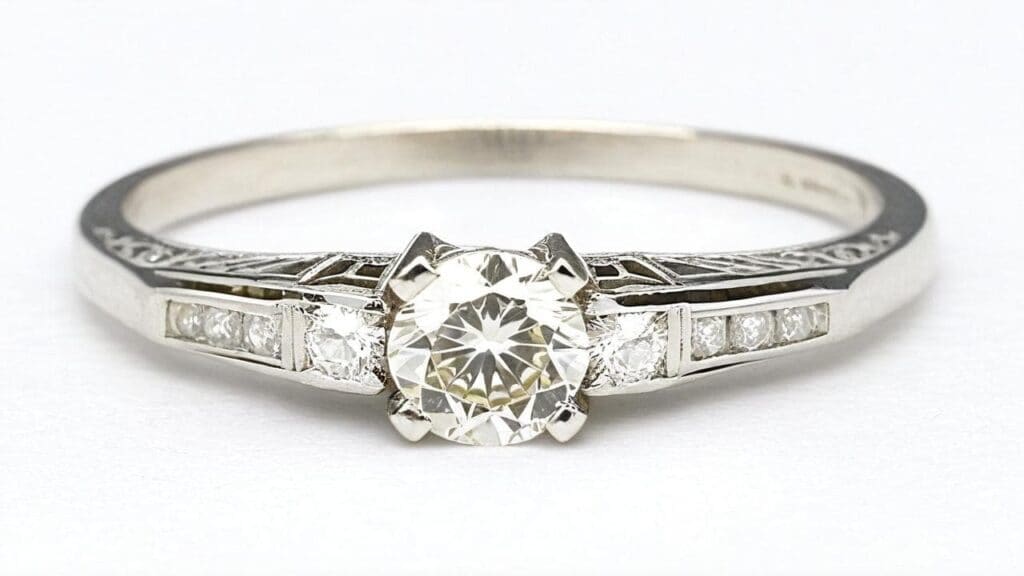
The influence of both World Wars extends far beyond their immediate historical periods, leaving permanent imprints on contemporary jewelry design, manufacturing, and cultural significance. Many aspects of modern jewelry that we take for granted originated as wartime adaptations or post-war innovations, demonstrating how profoundly these conflicts shaped this art form.
- White gold, developed as a platinum substitute during WWI, remains one of the most popular metals in contemporary jewelry. Its development represents a classic example of wartime necessity creating a permanent industry innovation.
- Mass production techniques refined during both wars democratized jewelry access, establishing the modern market structure where fine jewelry, bridge jewelry, and costume jewelry coexist as legitimate options for different price points and occasions.
- The Art Deco aesthetic that emerged from WWI continues to influence contemporary designers, with its emphasis on clean lines, geometric precision, and versatile styling. Major jewelry houses regularly release collections that reference this wartime-influenced style.
- Mixed-material approaches pioneered during material shortages remain influential in contemporary design, with high-end designers deliberately combining precious and non-precious elements as an artistic choice rather than a necessity.
- Patriotic and military-themed jewelry evolved from wartime designs into permanent categories, with contemporary designers continuing to reference historical military insignia and symbols in fashion jewelry and commemorative pieces.
- Memorial and remembrance jewelry traditions established during the wars continue in modified forms today, with modern cremation jewelry and remembrance pieces drawing on design traditions established during these periods of mass casualty.
- The concept of jewelry as investment, strengthened during uncertain wartime economies, remains a significant factor in modern jewelry marketing and consumer purchasing decisions, particularly for precious metals and gemstones.
- Technical innovations in metalworking—like improved soldering techniques, new alloys, and mechanical fabrication methods—developed for wartime production became standard in peacetime jewelry manufacturing.
- Global design influences accelerated by military deployments and refugee movements created permanent changes in Western jewelry aesthetics, incorporating elements from Asian, Middle Eastern, and African traditions that continue to influence contemporary designs.
- The cultural significance of certain jewelry pieces—particularly engagement rings and wedding bands—was solidified during the war years when such tokens took on heightened emotional importance for separated couples, establishing traditions that persist today.
The modern jewelry industry, with its blend of artisanal craftsmanship and industrial production, its mix of precious and alternative materials, and its complex relationship with both tradition and innovation, was fundamentally shaped by the adaptations forced by two World Wars. What began as temporary responses to extraordinary circumstances became permanent features of an evolved art form. This transformation demonstrates jewelry’s remarkable ability to adapt to cultural conditions while maintaining its essential function as a bearer of beauty, meaning, and human connection across even the most challenging historical circumstances.
Collecting Wartime Jewelry
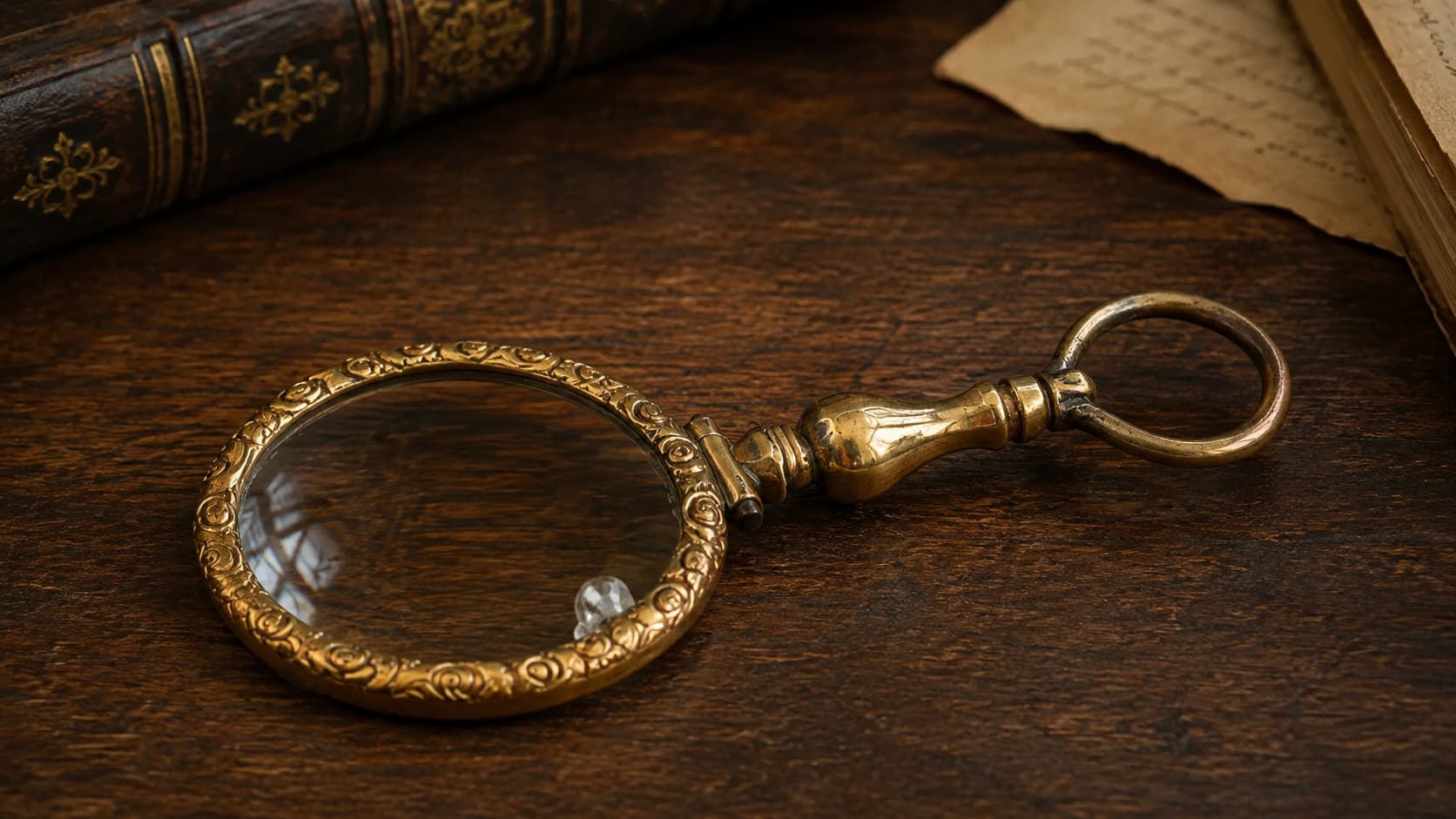
War-era jewelry pieces have become highly sought after by collectors and historians, valued not just for their aesthetic qualities but for their historical significance as tangible connections to pivotal moments in world history. Understanding these pieces requires knowledge of their unique characteristics, manufacturing techniques, and cultural context.
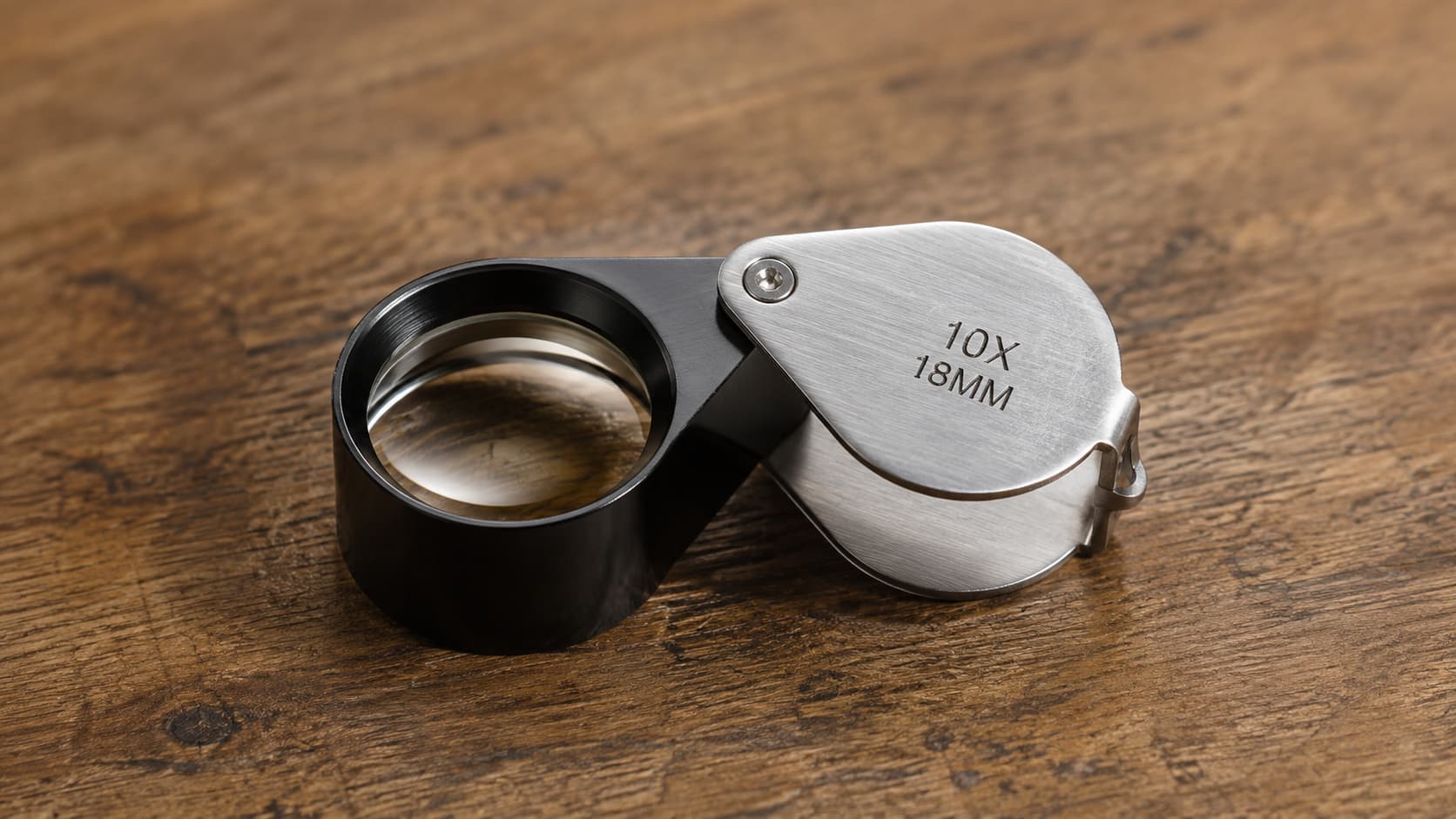
- Authentication of war-era pieces requires detailed knowledge of period-specific hallmarks, manufacturing techniques, and material compositions. Design elements alone aren’t sufficient for verification, as many contemporary pieces replicate vintage aesthetics.
- WWI jewelry typically features distinctive material combinations necessitated by restrictions, particularly the early use of white gold as a platinum substitute. These pieces often show meticulous hand-finishing to maximize the impact of limited materials.
- WWII pieces frequently incorporate sterling silver with synthetic stones or glass elements. Patriotic themes, military service emblems, and sweetheart motifs are common, often executed with remarkable craftsmanship despite material limitations.
- Condition significantly impacts both historical value and financial worth of war-era jewelry. While some signs of age are expected and even desirable, structural damage or inappropriate repairs can substantially diminish value.
- Provenance documentation dramatically increases both historical significance and monetary value. Pieces with verifiable connections to specific service members, particularly those accompanied by photographs, letters, or military records, command premium prices.
- Sweetheart jewelry from both wars represents a particularly rich collecting category, with specialized pieces for different military branches and service roles. These pieces often feature intricate enamelwork and meaningful symbolism specific to their military context.
- Trench art jewelry—created by soldiers from battlefield materials—forms a unique collecting category that crosses boundaries between jewelry, folk art, and military memorabilia. These pieces show remarkable creativity with limited tools and materials.
- Museum-quality war-era pieces have seen significant value appreciation as historical interest in these periods has increased. Major auction houses regularly feature important examples, particularly those with documented connections to significant historical figures or events.
- Ethical considerations exist in collecting certain types of war-era pieces, particularly those associated with controversial military actions or political movements. Responsible collectors research historical context and consider appropriate presentation of sensitive items.
- Preservation challenges specific to war-era jewelry include fragile materials, experimental techniques, and composite construction. Professional conservation approach is recommended for historically significant pieces, maintaining original elements rather than replacing them.
Collecting war-era jewelry offers a tangible connection to pivotal historical moments through intimate, personal objects. These pieces tell stories of adaptation, emotion, and human connection during extraordinary circumstances. Unlike many historical artifacts that represent official or institutional history, jewelry provides insight into personal experiences of ordinary people navigating wartime challenges. For serious collectors, these pieces represent not merely decorative objects but important historical documents that preserve technological innovation, design evolution, and emotional experiences through some of history’s most transformative periods.
Conclusion
The relationship between global warfare and jewelry design represents one of the most fascinating intersections of geopolitical events and decorative arts. Through two World Wars, jewelry evolved from merely ornamental luxury to powerful symbols of connection, patriotism, and remembrance. The material innovations born of necessity—from white gold to synthetic stones—permanently expanded the jewelry designer’s palette, while economic constraints forced creative approaches that prioritized design ingenuity over intrinsic material value.
Today’s jewelry industry bears the indelible imprint of these wartime transformations. Modern manufacturing techniques, the acceptance of alternative materials, the emotional significance we attach to certain pieces, and even our fundamental understanding of jewelry as both personal expression and cultural communication were all profoundly shaped by these periods of global conflict. What began as temporary adaptations to extraordinary circumstances became permanent features of an art form that continues to evolve, demonstrating how even in humanity’s darkest hours, creativity and the desire for beauty endure.