The Netherlands has quietly emerged as a significant player in the luxury watch industry, carving out a distinctive niche between Swiss precision and German engineering excellence. While Dutch watchmaking may not have the centuries-old heritage of its neighbors, the country’s horological scene represents a fascinating blend of innovative design, traditional craftsmanship, and modern manufacturing techniques. Dutch watch brands have gained international recognition for their unique approach to timekeeping, often incorporating astronomical complications, minimalist design philosophies, and sustainable manufacturing practices that reflect the country’s progressive values and technical expertise.
Dutch Watchmaking Heritage
The Netherlands’ journey into serious watchmaking began with a foundation built upon centuries of maritime dominance and precision instrument making, giving Dutch manufacturers a unique perspective on timekeeping that emphasizes both accuracy and innovation. The most significant contribution to global horology came from Dutch mathematician and physicist Christiaan Huygens, who invented the pendulum clock in 1657 and patented it the same year, revolutionizing timekeeping accuracy from about 15 minutes per day to just 15 seconds per day. This breakthrough established the Netherlands as a center of horological innovation during the country’s Golden Age when it dominated global maritime trade and required precise navigation instruments for its vast merchant and naval fleets.
- Christiaan Huygens laid the foundation for modern timekeeping when he invented the pendulum clock in 1657, publishing his seminal work “Horologium” in 1658 and later the comprehensive “Horologium Oscillatorium” in 1673, which is regarded as one of the most important 17th century works on mechanics. Huygens contracted the construction of his clock designs to Dutch clockmaker Salomon Coster in The Hague, who built the first pendulum clocks marked with “Samuel Coster, Haghe, met privilege 1657” to indicate official permission. This collaboration established a tradition of Dutch precision instrument making that would influence watchmaking for centuries.
- The Netherlands’ maritime heritage during the Dutch Golden Age (1588-1672) created an essential demand for accurate timekeeping instruments, as Dutch merchants and naval forces dominated global trade routes and required precise navigation tools for their extensive fleet operations. Dutch navigator Lucas Janszoon Waghenaer produced the first printed atlas of nautical charts called “De Spieghel der Zeevaerdt” (The Mirror of Navigation) in Leiden, which became so popular that any volume of sea charts became known as a “waggoner”. This maritime expertise naturally evolved into sophisticated timekeeping requirements for navigation purposes.
- Modern Dutch watchmaking experienced a renaissance beginning in the 1980s and 1990s when independent craftsmen with backgrounds in precision engineering started establishing small workshops focused on high-end, limited-production timepieces. These pioneers recognized opportunities to enter luxury markets by offering alternatives to Swiss brands, emphasizing innovation over tradition and personal service over mass production. Prisma, founded in 1948 by a group of watchmakers, became one of the oldest and most established Dutch watch brands, gaining recognition as one of the world’s first brands to use quartz movements in the mid-20th century.
- Dutch watchmakers embrace design philosophies that prioritize functional beauty over decorative excess, reflecting the country’s cultural values of sustainability and thoughtful innovation. Contemporary Dutch brands like Christiaan van der Klaauw and Grönefeld continue to fascinate collectors, while newer brands like Lebois & Co and Holthinrichs bring fresh perspectives to the industry. This approach results in timepieces with clean lines, innovative materials, and complications that serve genuine purposes while maintaining excellent legibility and comfortable daily wear.
- Many Dutch brands specialize in astronomical complications, drawing on the country’s traditions in astronomy and precision instrument making. These often include moon phase displays, equation of time indicators, and celestial calendars that demonstrate technical mastery while offering practical astronomical knowledge to users. The Grönefeld Brothers have earned recognition with awards from the Grand Prix d’Horlogerie de Genève, demonstrating the international respect Dutch watchmaking has achieved. These complications reflect the Netherlands’ historical role in navigation and scientific discovery, creating watches that appeal to collectors interested in both mechanical sophistication and educational value.
- The manufacturing approach favored by most Dutch watch companies emphasizes handcrafted quality and personal attention over industrial efficiency, with many brands producing fewer than 500 pieces annually and offering custom modifications. Master watchmakers like Willem van den Berg, with over 45 years of experience, represent the tradition of Dutch craftsmanship where each watch tells its own story and incorporates personal elements for customers. This small-scale production creates exclusivity and allows for direct relationships between manufacturers and customers that larger producers cannot match.
Today’s Dutch watch industry represents a mature fusion of historical expertise and contemporary innovation, building upon centuries of precision instrument making and maritime navigation requirements to create timepieces that offer compelling alternatives to traditional Swiss and German manufacturers. The tradition continues through artisanal production methods where skilled craftsmen perpetuate timeless techniques while embracing modern technology, resulting in watches that serve as both functional instruments and expressions of Dutch design values emphasizing sustainability, innovation, and understated elegance.
Dutch Watch Design Philosophy
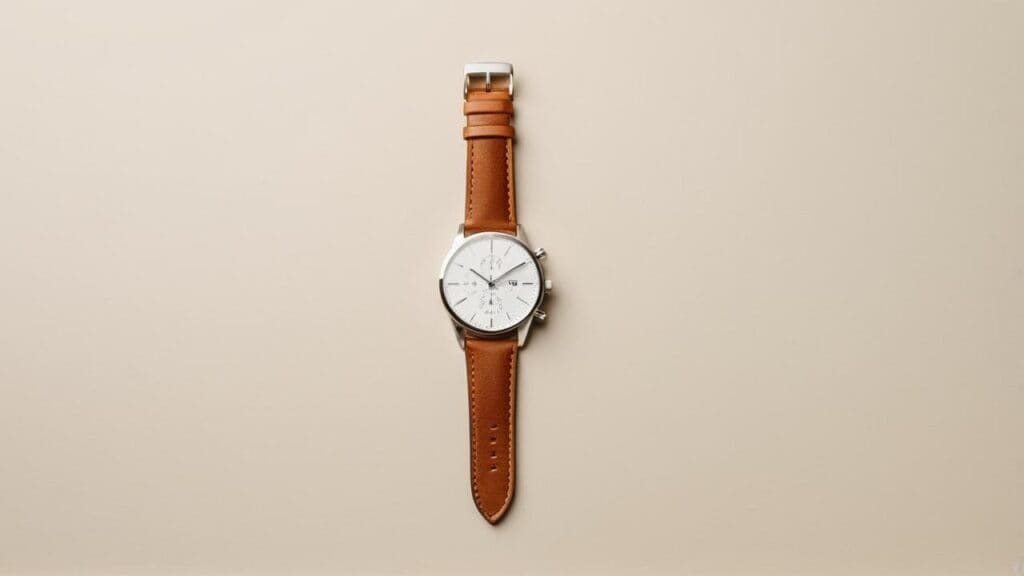
Dutch watches distinguish themselves in the competitive luxury timepiece market through a unique combination of design philosophy, manufacturing excellence, and innovative approaches that reflect the Netherlands’ cultural values and technical heritage. Unlike traditional watchmaking regions that emphasize centuries-old methods, Dutch manufacturers have embraced a fresh perspective that balances respect for horological traditions with contemporary innovation, sustainability practices, and personalized craftsmanship that creates timepieces with distinct character and purposeful functionality rather than mere decorative appeal.
- Dutch watch design philosophy emphasizes perfectly executed simplicity and minimalism, with brands like Quantuz creating timepieces that smoothly combine materials such as steel, titanium, gold, and sapphire crystal to achieve boldly designed yet elegantly restrained aesthetics. Van der Gang timepieces exemplify this approach by being well-designed and executed while shunning away from any gimmicks in watchmaking, described as perfectly balanced and simply elegant with each timepiece perfected to the smallest detail. This Dutch approach prioritizes functional beauty over ornamental excess, ensuring every design element serves a clear purpose while maintaining visual harmony.
- Quality standards in Dutch watchmaking are exemplified by brands like Prisma, which has maintained its core values since 1948 of offering high-quality, elegant watches at reasonable prices, with passion deeply rooted in Dutch culture described as simple, honest, and trustworthy. Master craftsmen like Willem van den Berg, with over 45 years of experience, ensure that quality and craftsmanship can be found in every aspect of production, from craft and technique to external elements and aesthetic aspects, with performance of every function and accuracy of timepieces guaranteed. This commitment to quality extends beyond mere manufacturing to encompass the entire customer experience.
- Innovation in complications sets Dutch brands apart, with specializations in astronomical features that draw on the country’s scientific heritage, while brands like Christiaan van der Klaauw became famous for incorporating astronomical complications that earned him membership in the AHCI (Swiss Academie Horlogere des Createurs Independants) in 1989 and an award for most innovative movement design in 1992. Modern innovation is exemplified by Holthinrichs Watches, where architect-turned-watchmaker Michiel Holthinrichs pioneered new 3D metal printing technologies to create unprecedented skeletonized case structures, combining state-of-the-art manufacturing with traditional artisan craftsmanship. These innovations demonstrate how Dutch brands push technical boundaries while maintaining practical functionality.
- Sustainable practices and ethical manufacturing distinguish Dutch watchmakers, who emphasize custom built watches with personal stories and individual elements, using high-quality precious materials while maintaining customer focus, finesse in design, and craftsmanship in handmade components. The Dutch approach balances advanced technology with environmental consciousness, as seen in brands that utilize intrinsic beauty of textures derived from 3D printing combined with smooth finishes made by human hands, creating contrasting aspects that empower each other and elevate designs. This philosophy aligns with broader Dutch cultural values of sustainability and responsible manufacturing.
- Limited production approaches create exclusivity while maintaining affordability, with brands like Van der Gang producing less than 200 watches per year to make each one a truly limited edition, and specialized manufacturers like D.M.H. producing only 24 timepieces annually with just two craftsmen working behind each piece. This exclusive production method allows Dutch manufacturers to offer watches as unique creations with emotional and personal value, where models are manufactured in small numbers and deserve special places in the hearts of watch lovers. The limited quantities ensure attention to individual pieces while keeping prices accessible compared to ultra-luxury alternatives.
- Technical innovation heritage continues through modern applications, with Dutch brands like Prisma being among the world’s first to utilize quartz movements in the mid-20th century, making watches more accurate and less expensive while continuing to produce mechanical and gold watches. Contemporary brands maintain this innovative spirit by using premium quality Swiss quartz and automatic movements, ensuring reliability while incorporating modern materials and manufacturing techniques. This balance between historical innovation and contemporary technology reflects Dutch pragmatism in watchmaking approaches.
- Manufacturing excellence is demonstrated through precision engineering combined with artistic expression, as seen in complex pieces like the Christiaan van der Klaauw Grande Planetarium Eccentric, which features manufacture calibres with Andreas Strehler base movements and in-house modules, achieving planetary indications with eccentric trajectories and accurate rotational speeds for all eight planets. The Dutch commitment to manual finishing excellence is evident in brands that embrace apparent contradictions between advanced production methods and extensive hand-finishing, recognizing that no computer-controlled machine can match the flexibility of human hands in delivering sharp details and convincing aesthetics. This combination ensures both technical precision and individual character in each timepiece.
Today’s Dutch watchmaking represents a mature synthesis of innovative thinking, quality craftsmanship, and sustainable practices that create timepieces offering genuine alternatives to traditional luxury manufacturers. The industry’s success in putting Dutch brands on the map demonstrates that small geographical size doesn’t limit watchmaking ambitions, with established brands continuing to fascinate collectors while new companies bring fresh perspectives to horological traditions. This unique approach has established Dutch watches as compelling choices for collectors who value innovation, craftsmanship, and meaningful design over mere prestige or historical pedigree.
Best Netherlands Watch Brands
The Dutch watch industry showcases remarkable diversity, ranging from world-renowned astronomical specialists to innovative lifestyle brands that have captured global attention. These manufacturers represent different approaches to horological excellence, from traditional handcrafted complications to modern design-forward timepieces that challenge conventional watchmaking norms.
Christiaan van der Klaauw
Christiaan van der Klaauw stands as the Netherlands’ most prestigious horological manufacturer and the world’s only atelier completely devoted to designing and producing exclusive, hand-made astronomical watches. Founded in 1974 when eponymous founder Christiaan van der Klaauw presented his first clock with astronomical complications, the brand has evolved into a globally recognized leader in celestial horlogerie, earning the Grand Prix d’Horlogerie de Genève Calendar & Astronomy Award in 2021 and official recognition on the Fondation Haute Horlogerie’s exclusive list of only 65 brands worldwide that can claim the respected term of ‘Haute Horlogerie’.
- The brand’s timepieces are organized into two main collections: the Astronomical Masterpieces and The Stars, each featuring intricate complications that bring cosmic phenomena to life through highly accurate moon phase indicators, planetarium displays, and sidereal time functions. The CVDK Planetarium represents the world’s smallest mechanical planetarium showcasing real-time planetary orbits, while the Real Moon series provides unparalleled lunar phase representations with rotating 3D moons that demonstrate both technical mastery and practical astronomical knowledge.
- The flagship CVDK Real Moon Joure, unanimously awarded ‘European Watch of the Year 2014’, features the most accurate 3D moon phase mechanism ever incorporated in a mechanical watch, deviating only one day in 11,000 years. This 40mm timepiece houses the CVDK Manufacture Movement with automatic winding, 32 jewels, and 60-hour power reserve, available in steel, rose gold, and white gold configurations with various dial materials including meteorite, aventurine glass, and silver variants.
- The CVDK Ariadne collection represents the brand’s approach to sporty astronomical watchmaking, combining chronograph functions with complete calendar displays and moon phase indicators in 40mm steel cases. Recent iterations feature contemporary dial colors including burgundy variants priced at EUR 8,450, demonstrating the brand’s evolution under current CEO Pim Koeslag while maintaining traditional astronomical complications and high-quality finishing standards.
- The CVDK Planetarium showcases the ultimate expression of miniaturized astronomical complications, featuring an in-house designed module that creates the world’s smallest mechanical heliocentric planetarium displaying real-time solar orbits of Mercury, Venus, Earth, Mars, Jupiter, and Saturn. This 40mm timepiece combines traditional timekeeping with date and month displays alongside the spectacular mechanical planetarium positioned at 6 o’clock, representing astronomical watchmaking at its highest level.
- Pricing for Christiaan van der Klaauw timepieces reflects their haute horlogerie status and extremely limited production, with the Real Moon Joure starting at EUR 39,950 for steel versions and extending to EUR 83,250 for white gold models with diamond bezels. The brand’s commitment to hand-finishing and astronomical accuracy, combined with production numbers limited to ensure each watch receives individual attention, positions these timepieces as significant investments in both horological artistry and celestial education.
Under the leadership of CEO Pim Koeslag since 2023, Christiaan van der Klaauw continues to honor its astronomical heritage while introducing contemporary design elements and manufacturing improvements. The brand’s 50th anniversary in 2024 was marked by the release of the CVDK Grand Planetarium, uniting all three generations of the company’s leadership and reinforcing its position as the world’s premier astronomical watch manufacturer, where each timepiece serves as both a precise instrument and an educational tool that brings the wonders of the cosmos to the wrist.
Grönefeld Brothers
Grönefeld represents the pinnacle of Dutch haute horlogerie, founded by brothers Bart and Tim Grönefeld who continue a family legacy that began in 1912 with their grandfather Johan’s workshop in Oldenzaal, Netherlands. Known as “The Horological Brothers,” they have reinvented their family brand with the most sophisticated watches to emerge from the Netherlands, earning multiple Grand Prix d’Horlogerie de Genève awards including recognition for their innovative 1941 Grönograaf chronograph and establishing themselves among the world’s most respected independent watchmakers.
- The brothers’ breakthrough came with their 2016 launch of the 1941 Remontoire, featuring an eight-second constant force mechanism that ensures consistent energy delivery to the balance wheel, named after their father Sjef’s birth year and inspired by the remontoire mechanism in the historic St. Plechelm tower clock that their grandfather maintained. This award-winning timepiece, limited to 188 pieces, established Grönefeld’s reputation for innovative mechanical solutions and launched them into the upper echelons of independent watchmaking with prices starting around €80,000 for steel versions.
- The 1941 Principia represents Grönefeld’s most accessible offering, featuring their first automatic movement in a 39.5mm case shared with the Remontoire but without exotic complications, priced at EUR 36,900 for steel versions. This timepiece showcases the brand’s signature finishing techniques including hand-beveled stainless steel bridges designed to mimic Dutch “bell gable” architecture, gold chatons for jewel settings, and a 22-karat solid gold rotor with exceptional decoration, requiring five weeks for complete decoration and assembly.
- The 1941 Grönograaf represents Grönefeld’s first chronograph, featuring an innovative “soft reset” mechanism with a centrifugal governor that slows down the chronograph reset function to protect components while creating a mesmerizing visual spectacle. This 40mm timepiece houses the 408-component Calibre G-04 with hand-wound, column-wheel architecture, ruby jewelled hammers, and exceptional decoration including spotting on the mainplate and hand-polished stainless steel bridges, available in steel and limited tantalum editions.
- The brand’s philosophy centers on creating specialized complications like “dead seconds” mechanisms powered by secondary gear trains independent of hour and minute indications, flying tourbillons, and constant force mechanisms that demonstrate the brothers’ commitment to finding perfect balance between complexity and reliability. Their manufacturing approach involves sketching designs by hand using time-honored techniques, with all in-house calibers developed from scratch to incorporate innovative mechanical solutions that push horological boundaries.
- Current production capacity remains limited to approximately 70-80 watches annually despite expanding their team to 13 watchmakers and moving to a renovated 700-square-meter facility in their hometown of Oldenzaal. Demand significantly exceeds production capacity, with prospective owners facing wait times of up to two and a half years, reflecting the brand’s commitment to handcrafted quality over mass production and positioning their timepieces as highly sought-after collector pieces in the independent watchmaking segment.
The brothers recently launched Grøne, an entry-level brand offering their design philosophy at more accessible price points around EUR 2,150, allowing broader access to Grönefeld aesthetics while maintaining their core brand’s exclusivity. This strategic expansion demonstrates their commitment to building community and making their horological vision available to enthusiasts who appreciate innovative Dutch watchmaking but may not be able to access their main collection’s ultra-luxury price points, ensuring the continuation of their family’s century-long watchmaking tradition.
TW Steel
TW Steel emerged as the Netherlands’ most commercially successful watch brand since its founding in 2005 by father-son team Ton and Jordy Cobelens, specializing in oversized steel watches that have quickly become one of the most popular watch brands globally. The company, whose name means “the watch in steel,” was established with the specific aim to develop and lead the oversized watch market, rapidly establishing itself as a big, bold lifestyle brand that combines Dutch design principles with Swiss manufacturing quality and global marketing appeal.
- The brand’s philosophy centers on creating statement timepieces with case sizes ranging from 38mm to 50mm, using high-grade 316L stainless steel construction and distinctive design elements like crown guards resembling racing wheel lug nuts and titanium screws on bezels that reflect clear motorsports influences. TW Steel combines Japanese Miyota automatic movements and Swiss Ronda quartz movements with Dutch design aesthetics, creating accessible luxury timepieces that offer Swiss-made quality at competitive price points while maintaining the brand’s signature oversized proportions.
- The Canteen collection represents TW Steel’s original icon and founding design, launched in 2005 and featuring the brand’s signature crown cap attached by a hook or hinge to the watch case, available in both 45mm and 50mm diameter variants. This collection maintains its status as a go-to timepiece while incorporating the brand’s bold attitude and distinctive steel construction, with various color schemes and dial options that have broadened the brand’s appeal beyond its initial masculine target market.
- The CEO Tech collection epitomizes TW Steel’s approach to affordable luxury, featuring bold and classy designs with state-of-the-art materials, accurate Swiss-made movements, and customizable options through the brand’s configurator system. These timepieces range from 38mm to 48mm cases and incorporate high-end specifications including sapphire crystal, screwed crowns, and three-year warranties, positioning them as the brand’s premium offering that balances sophisticated aesthetics with accessible pricing.
- The Volante collection targets motorsports enthusiasts and reflects TW Steel’s deep connections to Formula 1 and racing culture, featuring timepieces inspired by brand ambassadors including racing legends Nigel Mansell and Damon Hill. These watches combine classic TW Steel attitude with automotive-inspired design elements, available in both standard and Swiss Volante variants with enhanced specifications including Swiss-made movements and sapphire crystal, offering multiple execution options for racing enthusiasts and automotive culture followers.
- TW Steel’s pricing strategy makes oversized luxury timepieces accessible to broader markets, with most models ranging from approximately €200-600, including the CEO Tech series starting around €280-400 and Volante models priced between €160-550 depending on specifications and materials. This competitive pricing structure, combined with the brand’s celebrity endorsements and motorsport partnerships, has enabled TW Steel to achieve global distribution and recognition while maintaining its Dutch design identity and commitment to quality construction.
The brand’s success stems from its ability to combine Dutch design innovation with global marketing savvy, creating watches that appeal to customers seeking statement pieces with automotive and lifestyle connections. TW Steel’s partnerships with Formula 1 teams, celebrity ambassadors like Kelly Rowland and David Coulthard, and motorsport events have established the brand as a legitimate player in the luxury sports watch segment, demonstrating how Dutch watchmaking can successfully compete in global markets through distinctive design philosophy and strategic brand positioning.
Prisma
Prisma holds the distinction of being one of the Netherlands’ oldest watch brands, founded in 1948 by a group of watchmakers with the mission of delivering quality, elegant timepieces at reasonable prices—core values that remain fundamental to the brand nearly 75 years later. The company achieved historical significance as one of the world’s first manufacturers to embrace quartz movements in the mid-20th century, making watches more accurate and affordable while simultaneously continuing to produce mechanical and gold watches that became popular as corporate gifts and commemorative pieces throughout the Netherlands.
- Prisma’s brand philosophy reflects deeply rooted Dutch cultural values of simplicity, honesty, and trustworthiness, with the company emphasizing its strong connection to Dutch identity and heritage. The brand collaborates with approximately 35 designers to create diverse collections that reflect the varied Dutch population, offering over 1,000 different models with limited production runs of 100-500 pieces per design to maintain exclusivity while ensuring accessibility to broad consumer segments.
- The Refined collection represents Prisma’s approach to sophisticated men’s timepieces, featuring contrasting dials with carefully placed indices and high-quality stainless steel construction paired with classic leather straps. These 43-44mm watches incorporate multifunction capabilities including day, date, and time displays, designed for both formal business environments and casual settings with details like polished and brushed cases, matte leather bands, and integrated functionality that creates an attractive statement for the modern gentleman.
- The Dome collection showcases Prisma’s vintage-inspired chronograph expertise, featuring distinctive domed glass, roman numerals on dial edges, and pointed hour markers that create classic proportions with silver or gold hands providing exciting contrast. The flagship Dome Chrono models, developed over three years to compete with much more expensive timepieces, feature reliable chronograph movements with smooth-sweeping second hands, sapphire glass protection, and careful attention to details like distinctive crowns and patterned dials that evoke class and style for modern gentlemen.
- The Traveller series targets active lifestyles with sporty designs incorporating classic details, distinctive use of primary colors to highlight hands and pushbuttons, and coordinated leather straps that match dial elements. This collection reflects Prisma’s understanding that travel and exploration create lasting impressions, with each timepiece in the family featuring distinctive characteristics designed to help wearers express their personality, emphasizing the brand’s belief that watches serve as important accessories for personal expression.
- Manufacturing quality remains central to Prisma’s identity, with timepieces constructed from premium materials including stainless steel, titanium, and mother-of-pearl, often featuring sapphire crystal glass and water resistance ratings of 10 ATM or 20 ATM. The brand offers comprehensive variety across classical, sporty, elegant, and trendy models in gold-plated, stainless steel, and titanium cases with quartz, mechanical, and automatic movements, maintaining one of the industry’s largest collections with over 220 available models that cater to every occasion and personal style preference.
Prisma’s pricing strategy emphasizes accessibility without compromising quality, with most models positioned in the affordable luxury segment and frequently available at attractive prices through authorized dealers. The brand’s commitment to fair pricing, combined with full warranty coverage and reliable Dutch craftsmanship, has established Prisma as the country’s most recognized domestic watch brand, sold throughout Dutch jewelry stores and internationally, representing authentic Dutch horological heritage for consumers who appreciate traditional values, quality construction, and distinctive design at reasonable price points.
Investing in Dutch Timepieces
Dutch watches present a unique investment proposition within the luxury timepiece market, characterized by limited production numbers, growing international recognition, and specialized complications that appeal to discerning collectors seeking alternatives to traditional Swiss offerings. While the broader luxury watch market has experienced volatility, Dutch brands benefit from their exclusivity, innovative approaches, and increasing global awareness that positions them as potentially undervalued assets compared to their Swiss counterparts, though investment considerations require careful evaluation of individual brands, production quantities, and market dynamics.
- Market performance analysis indicates that luxury watches face complex investment challenges, with the sector experiencing significant volatility and many platforms showing inflated pricing that doesn’t reflect actual transaction values, making examination of recent “sold” listings crucial for determining realistic market values. Investment experts generally caution that watches perform poorly compared to other asset classes, with most watch enthusiasts collecting for personal enjoyment rather than returns, treating any profit as secondary to the joy of ownership. Dutch watches operate within these same market dynamics while offering potential advantages through their relative scarcity and specialized nature.
- Collectibility factors favor established Dutch brands like Christiaan van der Klaauw, whose astronomical timepieces have earned international recognition including winning the “Calendar and Astronomy Watch Prize” at the Grand Prix d’Horlogerie de Genève in 2021, with pieces like the Grande Planetarium Eccentric priced at EUR 208,000-227,000 representing world-class complications. The brand’s acquisition by master watchmaker Pim Koeslag in 2022, who previously developed over 30 in-house movements at Frederique Constant, demonstrates continued investment in the company’s future and technical capabilities. This combination of awards recognition and technical leadership suggests strong long-term value potential.
- Limited production approaches create natural scarcity that supports value retention, with brands like Van der Gang producing fewer than 200 watches annually and specialized manufacturers like D.M.H. creating only 24 timepieces per year with dedicated craftsmen. Individual pieces like the D.M.H. Jump Hour, made by one craftsman in his home atelier, represent “refreshingly honest slices of artisanal watchmaking” that appeal to collectors seeking unique, personal connections with their timepieces. Such limited quantities naturally support secondary market values through scarcity dynamics.
- Resale value considerations benefit from the trend toward independent watchmaking appreciation, with limited collections from independent manufacturers presenting potentially greater value appreciation due to their restricted production capacity and growing collector interest in boutique brands. Dutch brands like Grönefeld and Christiaan van der Klaauw are recognized as “masterpieces commanding justified prices,” indicating established market recognition that supports value stability. The combination of technical excellence and limited availability creates favorable conditions for value retention.
- Comparison with Swiss counterparts shows Dutch brands offering sophisticated complications at competitive pricing, with Grönefeld’s debut GTM-06 Tourbillon Minute Repeater featuring Cathedral gongs and dual complications in limited quantities of only 20 pieces. Manufacturing approaches that include hand-cutting individual gear teeth and creating 700 teeth per Planetarium complication demonstrate artisanal craftsmanship levels that justify premium pricing while remaining more accessible than equivalent Swiss alternatives. This positioning offers potential appreciation as Dutch brand recognition grows internationally.
- Strategic partnerships enhance investment potential, as demonstrated by Christiaan van der Klaauw’s collaboration with Van Cleef & Arpels to create the Midnight Planetarium and Lady Arpels Planetarium complications, validating the technical capabilities and design excellence of Dutch astronomical watchmaking. Contemporary market positioning shows Dutch brands successfully competing at high-end levels, with pieces featuring manufacture calibres, precious metal cases, and complex astronomy indications priced competitively within the luxury segment. Such partnerships and market acceptance suggest sustained demand potential.
- Investment risks include the general luxury watch market’s complexity, where factors beyond intrinsic value drive prices, and the reality that index fund investments typically outperform luxury goods over similar time periods. However, luxury watches can serve as portfolio diversification tools offering benefits like tangible ownership, personal enjoyment, and potential appreciation, provided buyers prioritize personal appreciation over guaranteed financial returns. Dutch watches share these characteristics while potentially offering better value entry points than established Swiss alternatives.
The investment potential of Dutch watches ultimately depends on individual brand strength, production quality, and market positioning rather than nationality alone. The demonstrated ability of Dutch brands to “put themselves on the map” through technical innovation and design excellence suggests growing recognition that could support long-term value appreciation. However, potential investors should approach luxury watches with realistic expectations, focusing on pieces they personally appreciate while treating any financial appreciation as a bonus rather than a primary investment strategy. The limited production, technical sophistication, and increasing international recognition of top-tier Dutch brands position them as potentially undervalued alternatives within the luxury watch investment landscape.
Best Places to Buy Dutch Watches
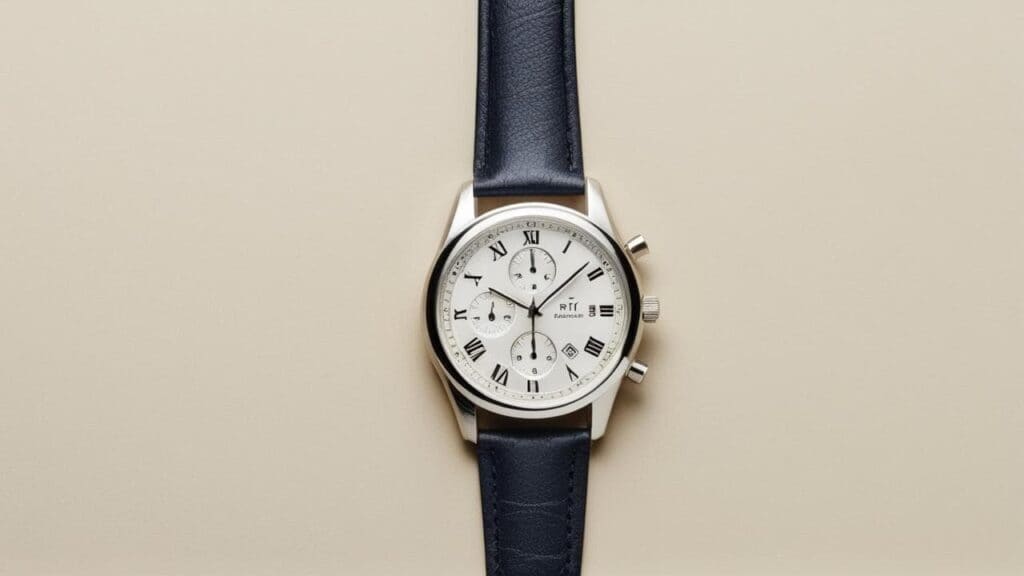
Purchasing authentic Dutch watches requires understanding the distribution networks and authorized dealer systems that Dutch manufacturers use to maintain quality control and warranty coverage. Unlike mass-market brands with widespread availability, most Dutch watch brands operate through selective distribution channels that emphasize personal service, expertise, and authenticity verification, making it essential for buyers to identify legitimate sources whether shopping domestically within the Netherlands, internationally through authorized retailers, or directly from manufacturers through their official channels.
- Authorized dealers represent the primary distribution channel for premium Dutch brands, with Christiaan van der Klaauw maintaining strict control through official retailers across multiple countries including locations in the Netherlands, United States, Dubai, Saudi Arabia, and Hong Kong. Major authorized dealers in Amsterdam offer comprehensive collections with manufacturer warranties, professional service, and direct access to limited editions such as exclusive collaborations limited to 50 pieces. These authorized channels ensure authenticity and provide full warranty coverage essential for luxury timepiece purchases.
- Online availability has expanded through specialized watch retailers, with established Dutch platforms serving as official dealers for over 70 watch brands since 1992, offering next-day delivery within the Netherlands and comprehensive warranty services. Dutch watch brands demonstrate sophisticated online partnership models, utilizing specialized logistics providers for worldwide shipping while maintaining quality control through authorized dealer networks across multiple countries. These platforms combine convenience with authenticity verification and professional customer service.
- Direct from manufacturer options include sophisticated configurator systems, with Christiaan van der Klaauw offering bespoke timepiece creation through their online configurator allowing customers to design personalized astronomical watches with 30% down payment and 70% upon completion. Many Dutch microbrand manufacturers sell exclusively through their brand websites, offering direct customer relationships and specialized service for their limited production tourbillon watches. This direct approach ensures personalized attention and often provides access to customization options unavailable through retailers.
- Vintage and pre-owned markets offer alternative acquisition methods, with specialized dealers focusing on vintage timepieces and curated collections with professional authentication services. Local forums and specialized communities, such as Dutch horological forums, provide platforms for collectors to buy and sell watches while connecting with knowledgeable enthusiasts and dealers. These secondary markets require careful authentication but can offer access to discontinued models and investment opportunities.
- International availability continues expanding, with authorized retailers in markets like India offering complete collections from Dutch brands like Christiaan van der Klaauw, providing local warranty service and expert consultation across extensive store networks. Global distribution networks include prestigious locations in California and Dubai, demonstrating the international reach of top-tier Dutch watch brands. This global presence ensures customers worldwide can access authentic Dutch timepieces with proper support.
- Price considerations vary significantly by distribution channel, with direct brand websites offering heritage chronographs at EUR 3,075 regardless of specific reference, while complex pieces like the Christiaan van der Klaauw Grande Planetarium Eccentric command prices between EUR 208,000-227,000 depending on case material. Authorized dealer pricing typically excludes VAT for international customers, with models starting at EUR 7,810 excluding taxes, while complex planetarium pieces reach EUR 187,603 for platinum versions. Understanding these pricing structures helps buyers compare options and plan purchases effectively.
- Warranty and service considerations make authorized channels essential, with Dutch manufacturers like Christiaan van der Klaauw offering three-year warranties valid only when purchased through authorized dealers with proper certification and documentation. Comprehensive service support includes replacement parts, specialized repair tools, and authentic accessories available through authorized dealer networks, ensuring long-term ownership satisfaction and value protection. The specialized nature of many Dutch watch complications requires factory-trained technicians available only through official service networks.
Successful acquisition of Dutch watches requires careful research of authorized dealer networks, understanding of pricing structures, and appreciation for the specialized nature of these limited-production timepieces. While the Dutch watch market may present unique challenges including pricing considerations and limited availability, the reward is access to innovative timepieces that represent exceptional value within the luxury watch segment. The combination of traditional craftsmanship, innovative complications, and personal service available through proper channels makes Dutch watches compelling alternatives for collectors seeking unique astronomical and mechanical sophistication. Whether purchasing through authorized dealers, direct from manufacturers, or specialized vintage markets, buyers should prioritize authenticity verification and warranty coverage to ensure optimal ownership experience.
Dutch Watch Care and Service
Dutch watches, particularly those with complex astronomical complications and limited production quantities, require specialized care and maintenance protocols that differ from mass-produced timepieces. The intricate mechanical systems, hand-finished components, and unique complications found in brands like Christiaan van der Klaauw and Grönefeld demand expert attention from qualified technicians familiar with these sophisticated mechanisms, making proper maintenance essential for preserving both functionality and investment value over the long term.
- Service intervals for luxury mechanical watches typically follow the industry standard of every 3-5 years for regularly worn timepieces, though complicated watches with astronomical functions may require more frequent attention every 3-4 years due to the increased number of gears, friction points, and specialized components. For occasionally worn pieces, service intervals can extend to 5-7 years, but watches should be wound and run at least monthly to prevent lubricants from drying and ensure proper function. The complex nature of Dutch astronomical watches means they fall into the category requiring closer monitoring and potentially more frequent service.
- Specific care requirements for Dutch watches include protection from water exposure, with manufacturers like Christiaan van der Klaauw explicitly recommending against swimming or showering while wearing their astronomical timepieces due to their specialized complications and construction. Temperature extremes should be avoided as they can cause internal components to expand or contract, affecting performance, while magnetic fields can disrupt the precision mechanical systems essential to astronomical complications. These watches require more careful handling than standard timepieces due to their intricate internal mechanisms.
- Authorized repair centers represent the primary service option for premium Dutch brands, with Christiaan van der Klaauw manufacturing their timepieces in their modern atelier in Naarden, Netherlands, where specialized technicians understand the hand-cutting processes and astronomical complications. The unique manufacturing approach, where wheels and pinions are made entirely by hand with individual teeth cut one by one, requires specialized knowledge that only factory-trained technicians possess. This artisanal construction method makes authorized service essential for proper maintenance.
- Warranty information for Dutch watches typically provides three-year coverage from purchase date, but this warranty remains valid only when service is performed through authorized retailers or the manufacturer, emphasizing the importance of proper service documentation. Maintaining detailed service records can add up to 20% to a watch’s resale value, while neglecting regular maintenance can reduce value by up to 20%, making professional servicing an investment in long-term worth. The limited production nature of Dutch watches makes proper documentation even more critical.
- Astronomical complications require specialized understanding during service, as these features represent some of the most complex mechanisms in watchmaking, with components like planetarium displays, moon phase indicators, and celestial calendars demanding expertise in both mechanical and astronomical principles. The hand-cutting process used for complications like the Planetarium, which comprises 45 wheels and 700 individually cut teeth, requires technicians familiar with these traditional manufacturing methods for proper maintenance and adjustment. Standard watch repair facilities typically lack the knowledge required for these specialized complications.
- Professional service options within the Netherlands include specialized repair centers familiar with Dutch brands, offering services ranging from basic maintenance to complex overhauls, with some facilities specifically equipped to handle brands like Grönefeld alongside other luxury timepieces. Networks of certified watchmakers provide comprehensive service capabilities, ensuring that owners have access to qualified technicians who understand the unique requirements of Dutch mechanical timepieces. These domestic service options reduce shipping risks and provide more direct communication with service providers.
- Daily care practices include regular winding for manual watches, proper storage when not worn, and attention to performance indicators such as timing accuracy and complication function. Watch winders can benefit automatic Dutch watches by maintaining power reserve and preventing lubricant stiffening, particularly important for complex astronomical complications that require consistent operation. The limited production quantities of most Dutch watches make preventive care especially important, as replacement parts may require special ordering or fabrication.
Proper care and maintenance of Dutch watches requires understanding both general luxury watch principles and the specific requirements of astronomical complications and artisanal construction methods. Manufacturers provide detailed instruction manuals and digital resources to help owners understand proper operation and care procedures for their specific complications. The investment in regular professional maintenance pays dividends through preserved functionality, maintained accuracy, and protected resale value, making proper care essential for maximizing the ownership experience of these sophisticated timepieces. The combination of limited production, complex mechanisms, and specialized construction makes Dutch watches particularly dependent on knowledgeable care and expert service to maintain their exceptional performance and value over time.
Dutch Watch Market Outlook
The future of Dutch watchmaking appears remarkably promising, driven by a unique combination of innovative design approaches, sustainable manufacturing practices, and emerging talent that builds upon the Netherlands’ historic foundation in precision timekeeping while embracing contemporary trends in personalization, technology integration, and environmental responsibility. As the global luxury watch industry evolves toward greater emphasis on exclusivity, craftsmanship, and ethical production, Dutch manufacturers are well-positioned to capitalize on these trends through their established traditions of limited production, artisanal quality, and forward-thinking design philosophies.
- Emerging brands to watch include a new generation of innovative companies like D.M.H. (founded by Fred Dingemans producing only 24 pieces annually), MontieK (established in 2011 specializing in affordable tourbillons), and contemporary brands like Lebois & Co and Aevig that represent fresh approaches to Dutch watchmaking. Innovative manufacturers like Michiel Holthinrichs in Delft demonstrate how Dutch brands combine cutting-edge 3D printing technology with traditional hand-finishing techniques, creating unique timepieces that reflect both modern innovation and classical aesthetics. These emerging brands indicate a healthy pipeline of creative talent entering the Dutch market.
- Technology integration trends show Dutch watchmakers embracing sustainable practices and advanced materials, aligning with global luxury industry movements toward eco-conscious manufacturing, with brands incorporating recycled materials, renewable energy sources, and ethical sourcing practices that resonate with environmentally aware consumers. The integration of smart technology features into traditional mechanical timepieces allows Dutch brands to offer hybrid functionality while maintaining classical aesthetics, providing connectivity and tracking capabilities without compromising horological heritage. This technological evolution positions Dutch brands for future market demands.
- Market expansion plans benefit from global trends showing fine jewelry and watch sales expected to grow 3-4% annually, with particular strength in customization and personalization services that align perfectly with Dutch brands’ traditional emphasis on bespoke manufacturing and customer relationships. The growing demand for unique, personally meaningful timepieces favors Dutch manufacturers’ approach of limited production and individual attention, allowing them to compete effectively against mass-market alternatives through exclusivity and craftsmanship. This market evolution supports the Dutch model of specialized, high-quality production.
- Sustainability initiatives reflect Dutch cultural values and position the country’s watchmakers as leaders in environmental responsibility, with the luxury watch industry increasingly adopting eco-friendly materials, carbon-neutral manufacturing processes, and ethical supply chain practices that Dutch brands can implement effectively. Advanced materials research and development, including ceramics, titanium, and recycled metals, offer Dutch manufacturers opportunities to differentiate their products through innovative construction while maintaining durability and aesthetic appeal. These sustainability trends align naturally with Dutch design philosophies.
- The acquisition of established brands like Christiaan van der Klaauw by experienced watchmaker Pim Koeslag represents industry consolidation that strengthens Dutch watchmaking through combination of traditional techniques with modern business practices and international experience. Continued recognition from prestigious organizations and successful debuts of complex pieces like the Grönefeld GTM-06 Tourbillon Minute Repeater demonstrate that Dutch brands can compete at the highest levels of haute horlogerie. This combination of heritage preservation and professional management ensures long-term viability.
- Established brands like Prisma continue adapting to contemporary markets by working with multiple designers and embracing modern manufacturing techniques while maintaining their core values of accessible luxury and quality craftsmanship established since 1948. The growing international recognition of Dutch watch brands through online platforms and collector communities indicates expanding global awareness and market acceptance beyond domestic boundaries. This foundation provides stability for continued growth and innovation.
- Future design trends toward smaller case sizes, bold colors, and gender-neutral designs align well with Dutch minimalist aesthetics, while growing interest in mechanical watches among younger collectors provides opportunities for brands specializing in handcrafted complications and traditional techniques. The integration of digital marketing and e-commerce platforms allows smaller Dutch manufacturers to reach global audiences directly, reducing dependency on traditional retail networks and enabling more personal customer relationships. These trends support the Dutch model of direct customer engagement and specialized production.
The future trajectory of Dutch watchmaking appears exceptionally positive, supported by strong fundamentals in craftsmanship, innovation, and market positioning that align with evolving consumer preferences for sustainability, personalization, and authentic craftsmanship. The combination of established excellence from brands like Christiaan van der Klaauw and Grönefeld with emerging talent from innovative companies demonstrates a healthy ecosystem capable of sustained growth and international recognition. As the global luxury watch market continues emphasizing quality over quantity, environmental responsibility, and personalized experiences, Dutch manufacturers are uniquely positioned to capitalize on these trends through their traditional strengths in limited production, customer relationships, and technical innovation. The future promises continued growth, international expansion, and technological advancement while maintaining the distinctive Dutch characteristics of thoughtful design, sustainable practices, and artisanal excellence that define the country’s horological identity.
Dutch Watch Buyer’s FAQ
Understanding Dutch watches requires knowledge of their unique characteristics, purchasing processes, and care requirements that distinguish them from other luxury timepiece categories. The following frequently asked questions address the most common concerns and inquiries from potential buyers, collectors, and enthusiasts interested in exploring the distinctive world of Netherlands watchmaking, covering everything from brand authenticity and investment potential to service requirements and availability.
What makes Dutch watches different from Swiss or German timepieces?
Dutch watches emphasize functional beauty over decorative excess, with brands like Van der Gang shunning gimmicks in favor of perfectly balanced and simply elegant designs, while many specialize in astronomical complications that reflect the Netherlands’ scientific heritage. The manufacturing approach often includes hand-cutting individual components, such as Christiaan van der Klaauw’s process where watchmakers cut 700 teeth individually to create each Planetarium complication. This combination of minimalist design philosophy and artisanal construction methods creates timepieces that offer alternatives to traditional Swiss offerings while maintaining distinctly Dutch characteristics.
Are Dutch watch brands reliable investments?
While luxury watches generally perform poorly compared to other asset classes, limited production Dutch brands may offer better value appreciation through their exclusivity and growing international recognition, though buyers should prioritize personal appreciation over guaranteed financial returns. The limited production numbers of most Dutch brands, with manufacturers like Van der Gang producing fewer than 200 pieces annually and D.M.H. creating only 24 timepieces per year, create natural scarcity that can support value retention. Investment potential depends largely on individual brand strength and market positioning rather than nationality alone.
Where can I buy authentic Dutch watches?
Authorized dealers represent the primary distribution channel, with brands like Christiaan van der Klaauw maintaining strict dealer networks across multiple countries, while many manufacturers offer direct sales through sophisticated online configurators for bespoke pieces. Several Dutch brands, particularly microbrands like MontieK, sell exclusively through their websites to maintain direct customer relationships and provide specialized service. Always verify authorization status to ensure warranty coverage and authenticity.
How often do Dutch watches need servicing?
Complex astronomical complications typically require service every 3-4 years due to increased mechanical complexity, while Christiaan van der Klaauw provides three-year warranties that remain valid only when service is performed through authorized channels. The hand-crafted nature of many Dutch watch components, where individual parts are cut by hand rather than mass-produced, requires specialized knowledge that only factory-trained technicians possess. Regular maintenance through authorized service centers ensures optimal performance and value preservation.
What should I expect to pay for a Dutch watch?
Pricing varies dramatically by complexity, with brands like Lebois & Co offering heritage chronographs at EUR 3,075, while complex astronomical pieces like the Christiaan van der Klaauw Grande Planetarium Eccentric command EUR 208,000-227,000 depending on case material. Entry-level astronomical watches from established brands typically start around EUR 7,810 excluding VAT, with pricing reflecting the hand-crafted nature and limited production quantities. The specialized complications and artisanal construction justify premium pricing compared to mass-produced alternatives.
How can I verify the authenticity of a Dutch watch?
Authentic Dutch watches come with proper documentation from authorized dealers, including warranty certificates bearing official stamps, while brands like Christiaan van der Klaauw provide digital instruction manuals accessible through their website for verification. Legitimate dealers are registered businesses with proper authorization from manufacturers, offering access to certified service centers and genuine warranty coverage. Always purchase through authorized channels and verify dealer credentials before making significant investments.
What complications are Dutch brands known for?
Dutch brands particularly excel in astronomical complications including planetarium displays, accurate moon phase indicators, and celestial calendars, with Christiaan van der Klaauw creating the world’s smallest mechanical planetarium and most accurate 3D moon phase displays. Contemporary brands also offer innovative complications like jump hour displays and unique chronograph configurations that demonstrate technical mastery while maintaining practical functionality. These specialized complications reflect the Netherlands’ historical connection to astronomy and precision navigation.
Are Dutch watches suitable for daily wear?
Most Dutch watches are designed for careful handling rather than rugged daily use, with manufacturers like Christiaan van der Klaauw recommending against water exposure including swimming or showering due to their specialized complications. However, some brands like Aevig create vintage-inspired pieces specifically designed for durability and daily wear, using high-quality materials intended for lifetime use. Consider the specific model and complications when determining appropriate usage scenarios.
What is the future outlook for Dutch watchmaking?
The future appears promising with established brands like Christiaan van der Klaauw and Grönefeld maintaining excellence while innovative companies like Holthinrichs introduce cutting-edge manufacturing techniques including 3D printing combined with traditional hand-finishing. Global trends toward sustainability, personalization, and artisanal craftsmanship align well with Dutch manufacturers’ traditional strengths in limited production and customer relationships. The combination of historical expertise and contemporary innovation positions Dutch brands favorably for continued growth and international recognition.
These frequently asked questions reflect the most common inquiries about Dutch watches, covering practical concerns about purchasing, ownership, and long-term satisfaction. For specific questions about individual brands or models, contacting authorized dealers or manufacturers directly provides the most accurate and current information about availability, specifications, and service requirements. The specialized nature of Dutch watchmaking means that expert guidance is often essential for making informed decisions about these sophisticated timepieces.
Conclusion
The Netherlands has established itself as a compelling force in the luxury watch industry, offering a unique alternative to traditional Swiss and German horological powerhouses through innovative design, artisanal craftsmanship, and forward-thinking manufacturing approaches. From Christiaan Huygens’ pendulum clock invention in 1657 to today’s sophisticated astronomical complications, Dutch watchmaking represents a mature synthesis of historical expertise and contemporary innovation. The defining characteristics of Dutch watches—minimalist aesthetics, functional beauty, and specialized astronomical complications—reflect the country’s broader cultural values of sustainability, practicality, and thoughtful innovation.
Dutch watches excel through their emphasis on astronomical complications that draw upon the Netherlands’ rich heritage in navigation and scientific discovery, creating timepieces that offer both mechanical sophistication and educational value. The limited production approach, with many brands creating fewer than 200 pieces annually, ensures exclusivity and personal attention that mass-market manufacturers cannot match. Brands like Christiaan van der Klaauw and Grönefeld compete at the highest levels of haute horlogerie, while emerging companies like Holthinrichs and D.M.H. represent the next generation of innovation, incorporating modern technologies with traditional hand-finishing techniques.
The future of Dutch watchmaking appears exceptionally promising, supported by strong fundamentals that align with evolving consumer preferences for sustainability, personalization, and authentic craftsmanship. As the global luxury watch industry emphasizes quality over quantity and environmental responsibility, Dutch manufacturers are uniquely positioned to capitalize through their strengths in limited production and technical innovation. Whether seeking entry-level pieces from established brands like Prisma or complex astronomical complications from world-renowned manufacturers, Dutch watches offer compelling alternatives for collectors who value innovation, exclusivity, and meaningful design, ensuring continued growth and international recognition of this distinctive horological tradition.